Why Your Small Dog Growls When Picked Up (And How to Fix It Without Force)
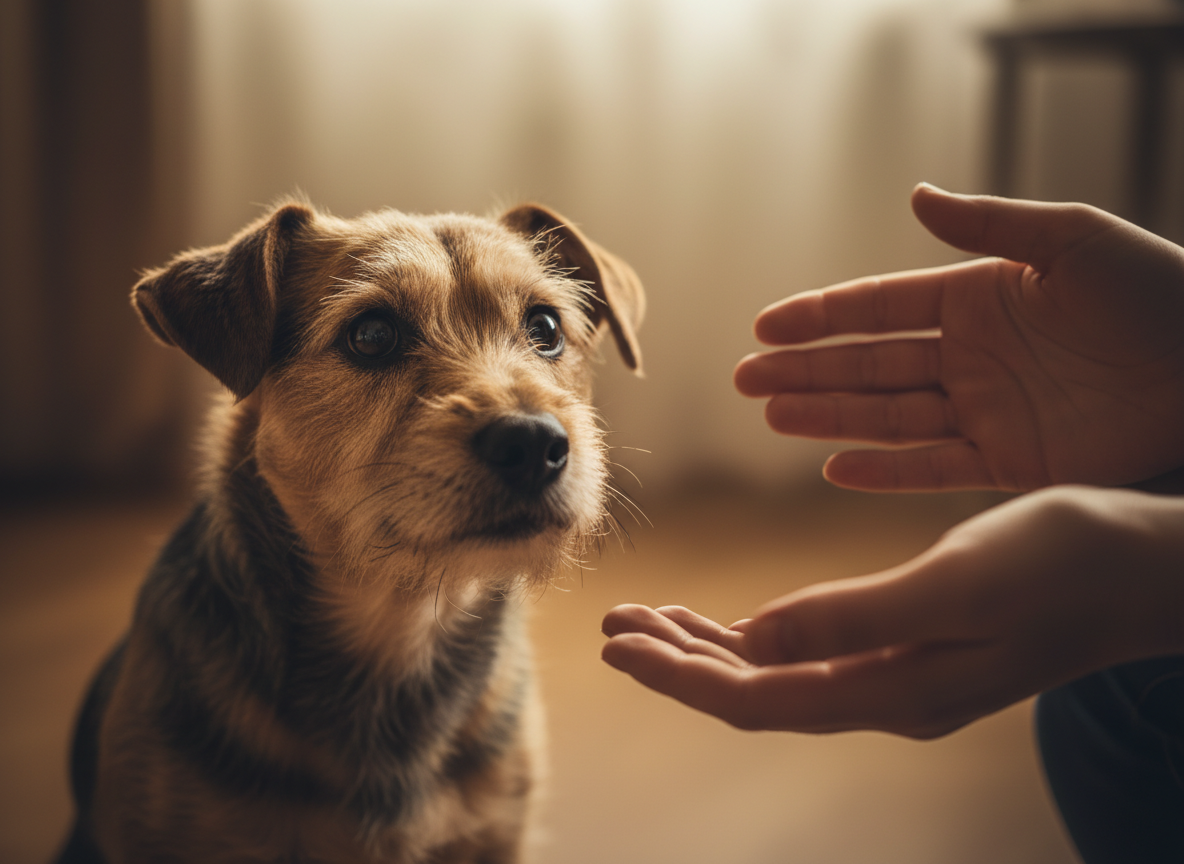
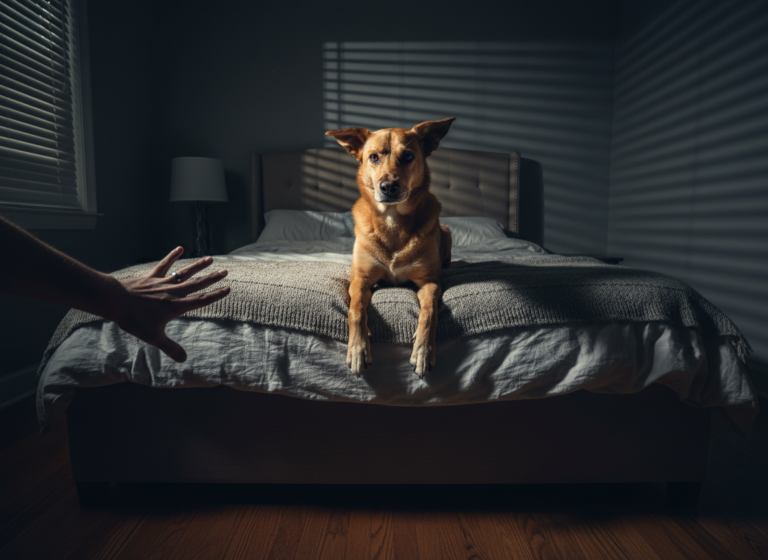
It is a deeply unsettling moment for any small dog owner: you reach down to scoop up your beloved companion, and you are met with a low, rumbling growl. Your heart may sink, and feelings of confusion, frustration, or even fear can surface. You might ask yourself, ‘Why is my loving dog doing this? Is this aggression?’ It is crucial to understand that this behavior, while alarming, is not a sign of a ‘bad’ dog. It is a desperate form of communication.
A growl is your dog’s way of telling you, in the clearest terms they can, that they are uncomfortable, frightened, or in pain. It is a warning signal, a plea to stop. Punishing the growl is not only ineffective but dangerous; it can extinguish the warning, leaving the dog with no other option than to escalate to a snap or a bite. As canine behavior professionals, we approach this issue not with dominance or force, but with empathy and a systematic plan. This guide will first help you decipher the underlying cause of the growl—from hidden medical issues to deep-seated anxieties—and then provide a detailed, force-free protocol to change your dog’s emotional response to being handled, rebuilding trust one step at a time.
Decoding the Growl: More Than Just ‘Aggression’
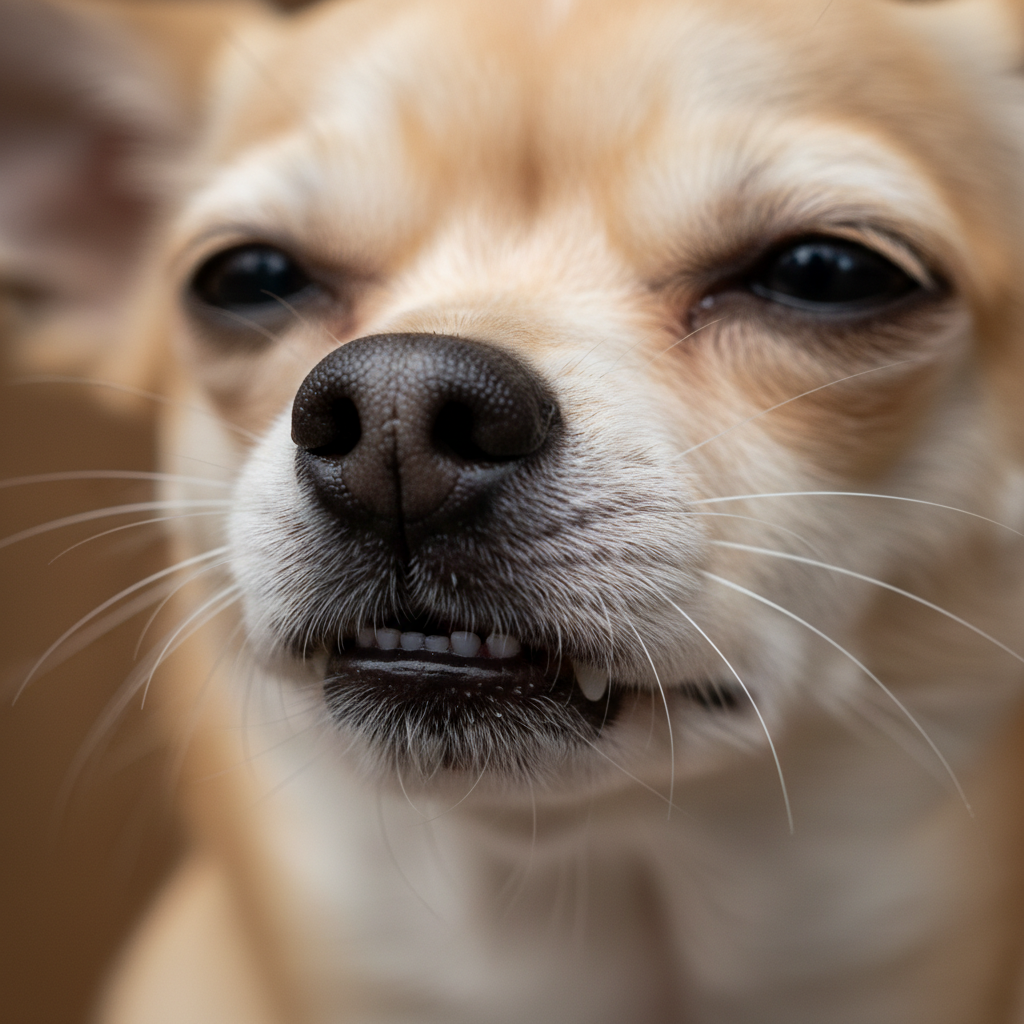
Before addressing the ‘how,’ we must fundamentally reframe our understanding of the ‘what.’ A growl is not an act of malice or a challenge to your authority. It is a critical piece of canine communication, equivalent to a human saying, ‘Please stop, I am not comfortable with this.’ Viewing it through this lens shifts the entire dynamic from a conflict to be won to a problem to be solved collaboratively.
Think of a growl as a smoke alarm. The alarm itself is not the fire; it is the warning that a fire is present. You would not disable a smoke alarm because the noise is unpleasant; you would investigate the source of the smoke. Similarly, punishing a dog for growling removes their ability to signal their distress. When a dog learns that their polite warnings are ignored or punished, they may cease to offer them. This is how owners find themselves with a dog that ‘bites out of nowhere.’ In reality, the dog likely gave numerous warnings that went unheeded, and the growl was the last audible signal before they felt a bite was their only remaining option to make the scary situation stop. Therefore, our first rule must be: never punish a growl. Instead, respect the communication, stop what you are doing, and begin the process of understanding the root cause.
The Medical Underpinnings: Is Your Dog in Pain?
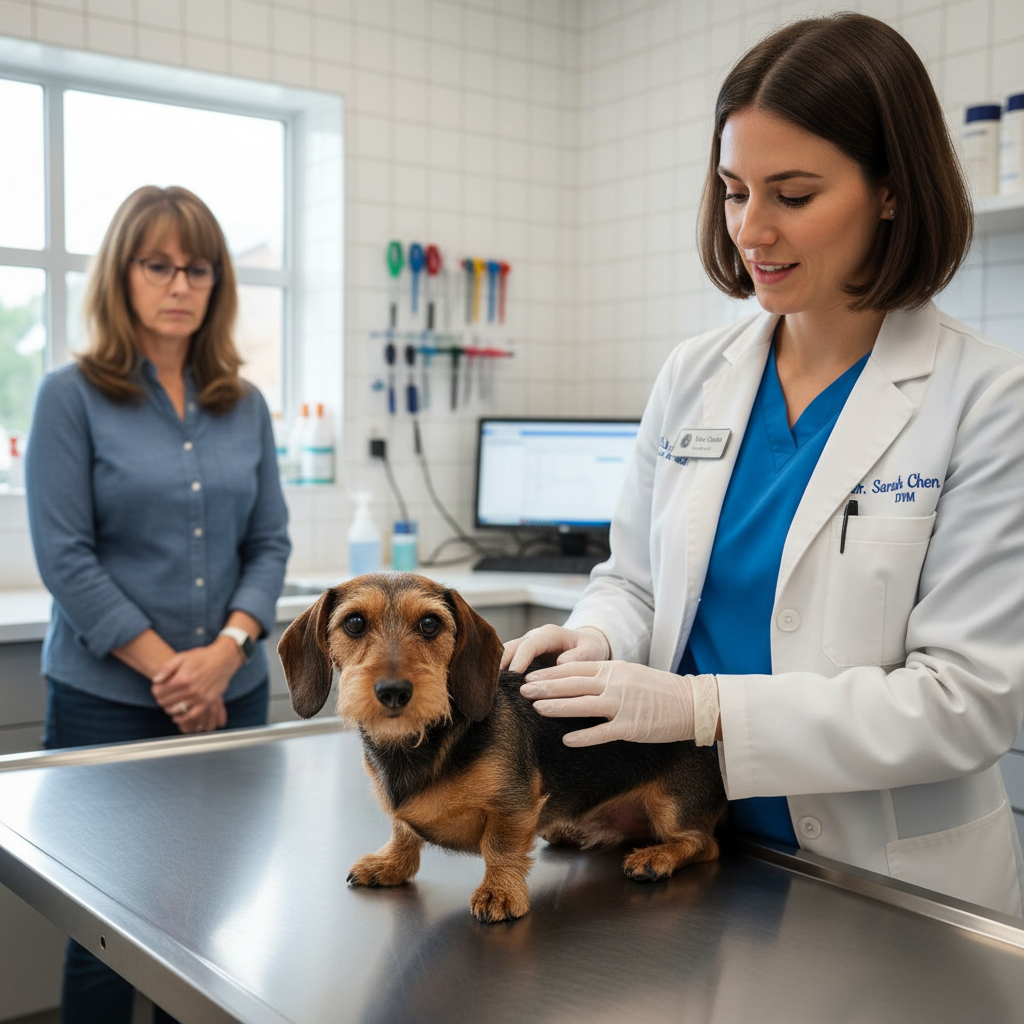
Any sudden change in behavior, especially one involving handling, warrants an immediate and thorough veterinary examination. Many dogs that are labeled ‘aggressive’ are simply in chronic, undiagnosed pain. When you pick them up, you may be putting pressure on a sore joint, a tender abdomen, or a sensitive area they cannot tell you about in any other way. This is particularly prevalent in small breeds who can be predisposed to certain conditions.
A veterinary consultation should be your non-negotiable first step. Be prepared to describe exactly when the growling occurs and how you typically lift your dog. Your veterinarian will perform a full physical exam, palpating joints, checking the spine, and examining teeth and ears. Potential medical causes for handling sensitivity include:
- Luxating Patella: A common condition in small breeds where the kneecap dislocates.
- Intervertebral Disc Disease (IVDD): A spinal issue that can cause severe pain when the back is manipulated.
- Arthritis: Joint inflammation can make being lifted excruciating.
- Dental Disease: A painful mouth can make any handling near the head intolerable.
- Ear Infections: Pressure on the head or neck can be very painful.
- Internal Pain: Issues with organs like the pancreas or bladder can cause a dog to react when their abdomen is touched or squeezed.
Never begin a behavioral modification plan until your dog has been given a clean bill of health by a qualified veterinarian. You cannot train away pain.
The Behavioral Reasons: Fear, Anxiety, and Control
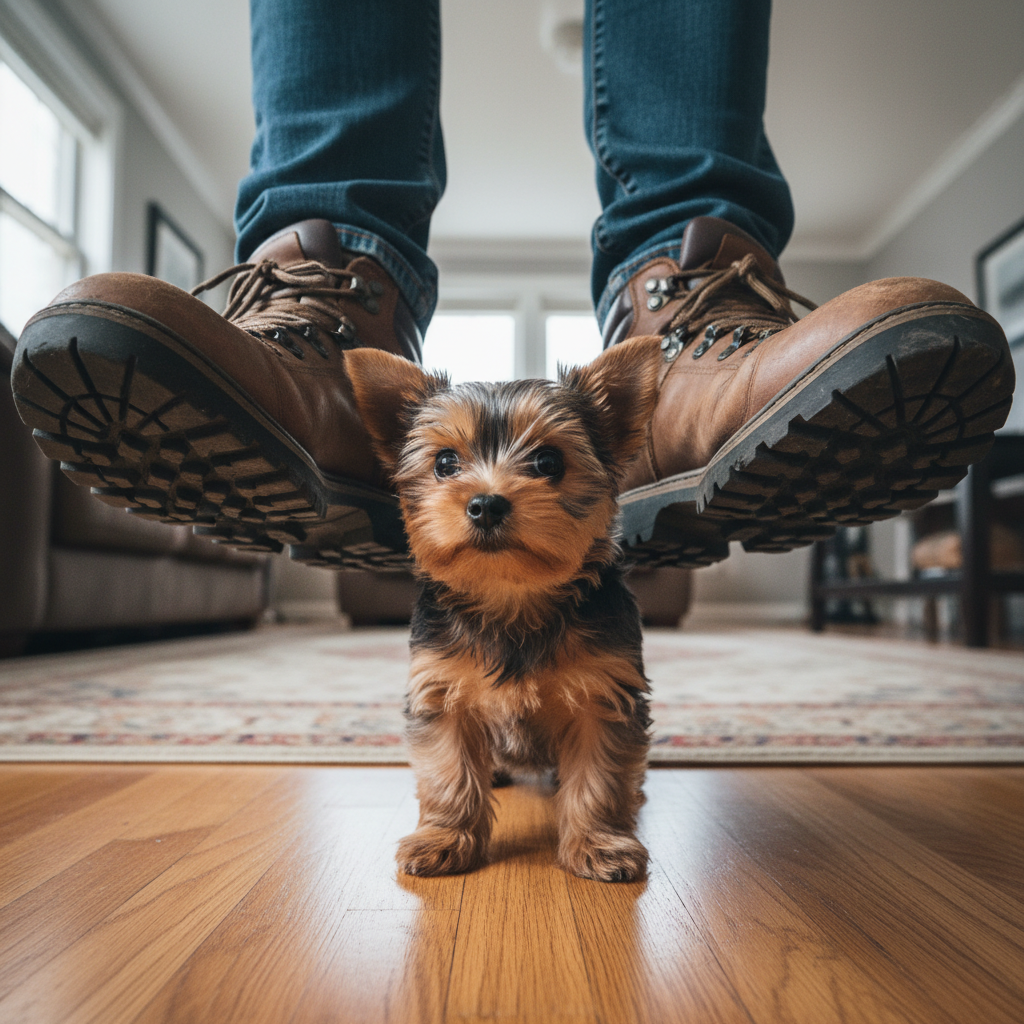
If your veterinarian has ruled out pain, the cause is almost certainly behavioral. For a small dog, the world is a place of giants. Being suddenly lifted into the air can be a terrifying and disempowering experience, triggering a number of deep-seated emotional responses.
Fear and Negative Associations
The most common behavioral driver is fear. The sensation of being suspended in the air, with no control over their own movement or ability to escape, is inherently frightening for many dogs. This can be compounded by past negative experiences. Perhaps they were handled roughly as a puppy, accidentally dropped, or were only ever picked up for unpleasant procedures like nail trims, baths, or being placed in their crate when you leave. The dog learns to associate your approaching hands and the act of being lifted with something scary or stressful. They growl to prevent that predictable, negative outcome from happening again.
Loss of Control and Autonomy
Dogs, like all sentient beings, have a desire for some control over their environment and their own bodies. The ‘swoop and scoop’ method of being picked up removes all of their autonomy. They have no say in the matter. This can be especially frustrating for a dog, and the growl is a protest against this complete loss of agency. By learning to give them a choice and a voice in the process, we can alleviate much of this anxiety.
Resource Guarding of Personal Space
While we typically think of resource guarding in the context of food bowls or toys, some dogs guard their personal space. They view their ‘bubble’ as a high-value resource and do not want it invaded without their consent. The act of being picked up is the ultimate invasion of that space, prompting a guarding response like a growl.
The Force-Free Solution: A Step-by-Step Training Plan
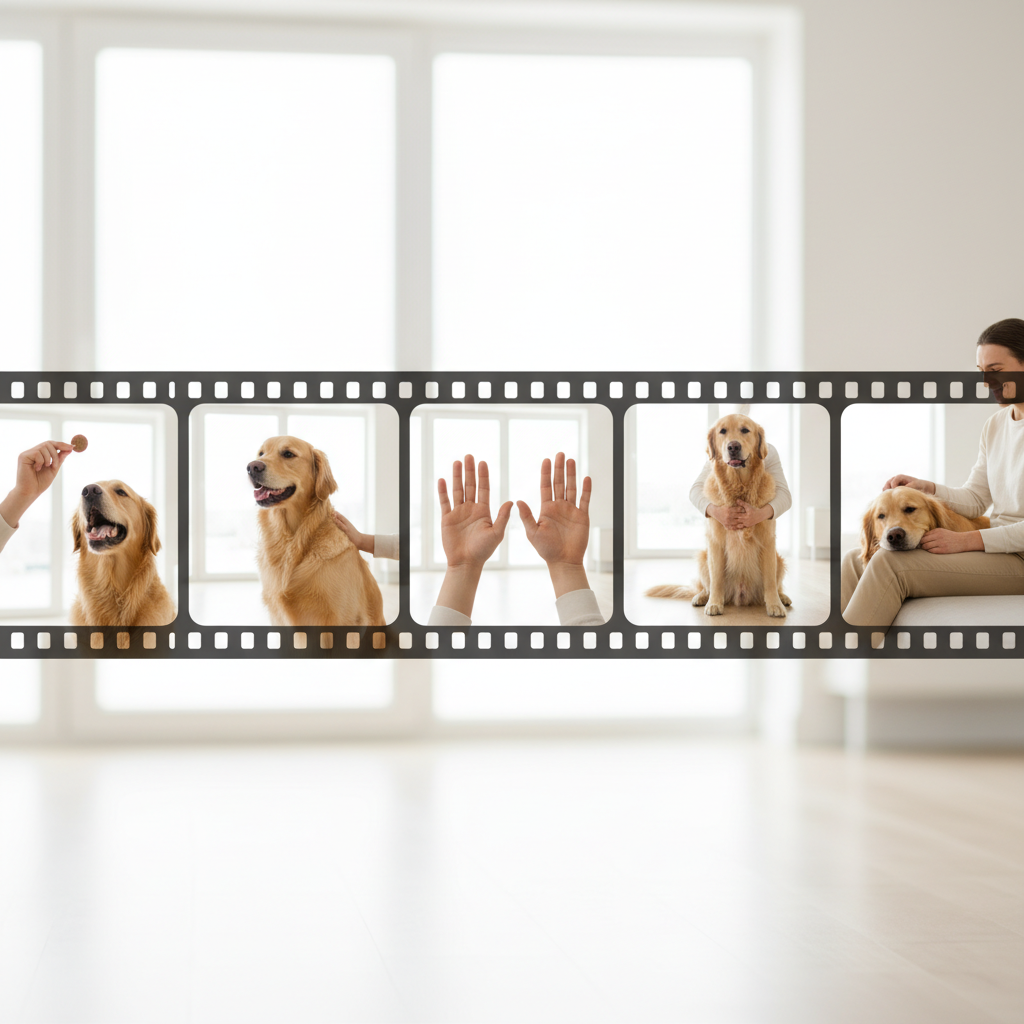
This process is called desensitization and counter-conditioning. We will slowly re-introduce the concept of being handled in a way that does not trigger fear (desensitization) and pair it with something the dog loves, like high-value treats, to change their emotional response from fear to happy anticipation (counter-conditioning). This requires patience. Do not rush the steps. If your dog shows any signs of stress (lip licking, whale eye, yawning, freezing), you have moved too fast. Go back to the previous step where they were successful and comfortable.
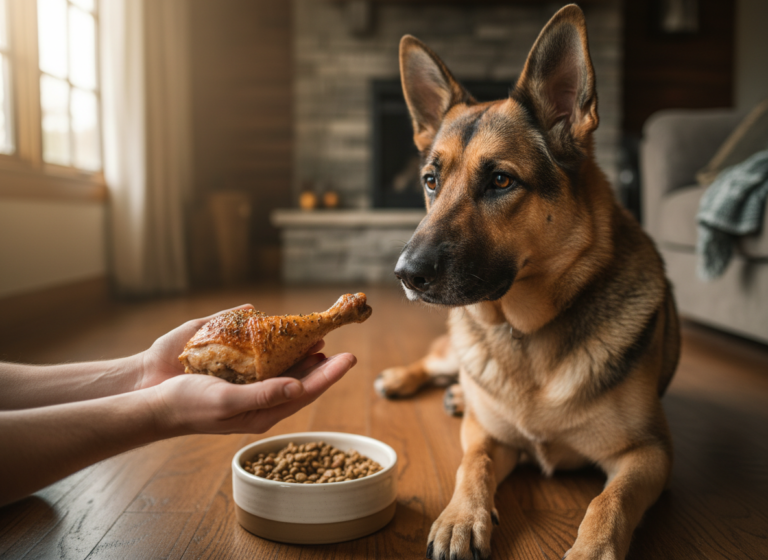
You will need high-value training treats—something your dog truly loves, like small pieces of chicken, cheese, or commercial training treats. This should be more exciting than their regular kibble.
-
Step 1: Change the Approach
For now, stop looming over your dog. Instead, sit on the floor. Your goal is to make your approach non-threatening. Casually approach your dog from the side (not head-on), toss a high-value treat near them, and walk away without trying to touch them. Repeat this multiple times a day for several days. We are teaching the dog that your approach predicts good things, with no pressure to be touched.
-
Step 2: The ‘Hand is Good’ Game
Once your dog is happy about your approach, sit on the floor near them. Reach your hand out towards their side or shoulder (never over their head), drop a treat, and pull your hand back. Do not touch them yet. The hand appears, a treat appears, the hand vanishes. Repeat until the dog eagerly looks at your hand, anticipating the treat.
-
Step 3: Building Positive Touch
Now, progress to a brief, consensual touch. Reach out as before, gently touch your dog’s shoulder or chest for just one second, then immediately present a treat. The sequence is: Touch (1 sec) -> Treat. Keep sessions short (1-2 minutes) and end on a positive note. Gradually increase the duration of the touch to two seconds, then three, always followed by a reward.
-
Step 4: Introduce the Verbal Cue and Hand Placement
Choose a clear, consistent verbal cue that will predict a lift, such as ‘Uppies,’ ‘Elevator,’ or ‘Lift.’ Start pairing this cue with the next phase. Say your cue, ‘Uppies,’ then place your hands in the proper lifting position: one hand supporting the chest from the front, and the other scooping under their rump to support their hind end. As soon as your hands are in place, deliver a treat. Do not lift yet. Repeat: ‘Uppies’ -> Hands in place -> Treat. We are making the hand position and the cue a predictor of reward.
-
Step 5: The Micro-Lift
This is a critical step. Say your cue, place your hands correctly, and apply just enough upward pressure to take the weight off their front paws, but do not actually lift them off the ground. Immediately release and deliver a ‘jackpot’—a handful of treats. This teaches the dog that the sensation of pressure is extremely rewarding and very brief.
-
Step 6: The Mini-Lift
When your dog is completely comfortable with the micro-lift, you can proceed to a tiny, one-inch lift. Say the cue, place hands, lift their body just an inch off the floor, immediately set them back down, and provide a jackpot reward. The entire event should last no more than two seconds. The goal is for the dog’s thought process to be, ‘That was fast, easy, and I got paid so well for it!’
-
Step 7: The Full, Positive Lift
Gradually increase the height and duration of the lift. Lift them an inch for two seconds. Then a few inches. Then all the way into your lap while you are sitting on the floor. Once in your lap, give them an even higher-value reward, like a chew stick or a LickiMat with peanut butter. The destination (your lap) becomes a wonderful place. Always place them down gently before they have a chance to get worried. Keep all interactions short, positive, and predictable.
Management: Setting Your Dog Up for Success While You Train
Training takes time. While you are working on the behavior modification plan, it is vital to manage the situation to prevent your dog from practicing the growling behavior. Every time your dog growls and you retreat (which you should), the behavior is reinforced. Therefore, the best approach is to avoid the trigger altogether.
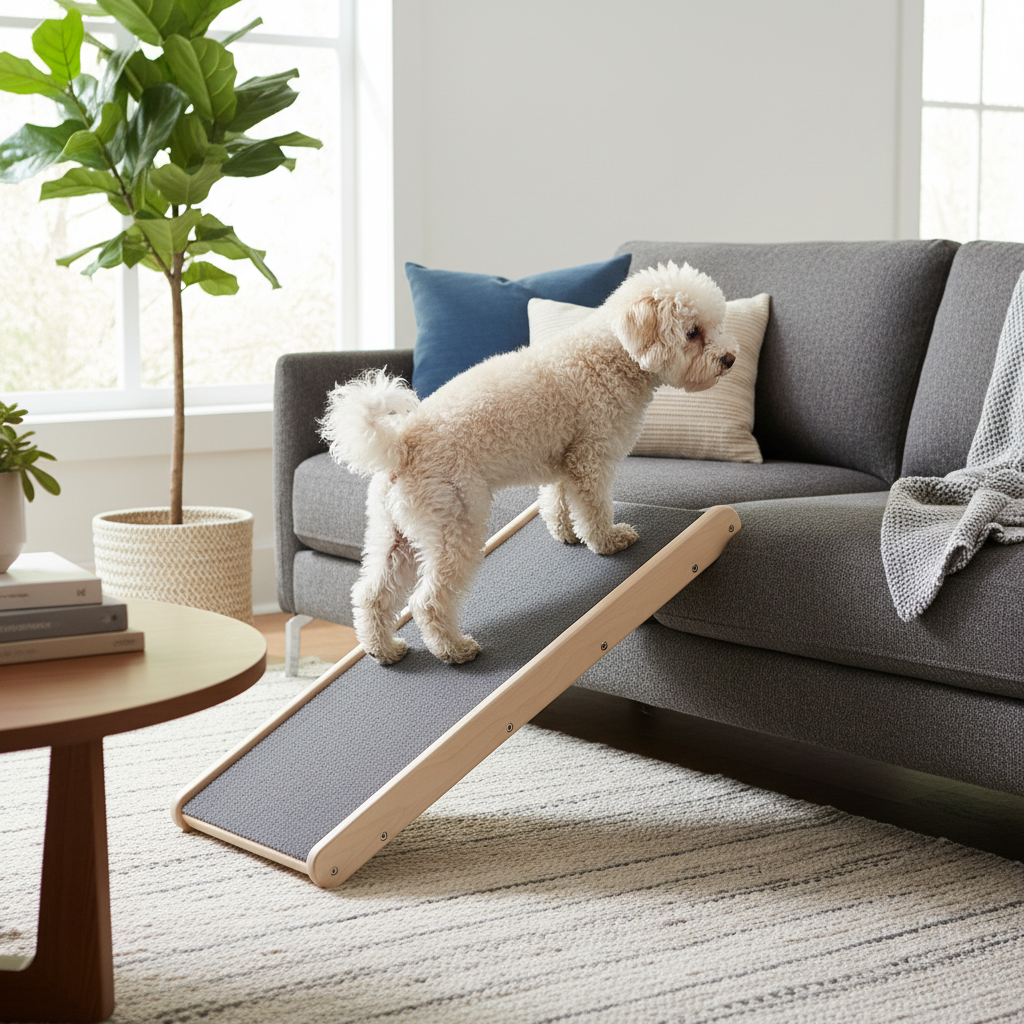
Stop picking up your dog unless it is an absolute emergency. This is the most important management tool. If you need your dog to get on the couch, pat the cushion and use a cue like ‘Up here!’ and reward them for jumping up on their own. If they are too small or old to jump, invest in pet stairs or a ramp. This gives them the autonomy to come and go as they please, reducing the need for you to lift them.
If you absolutely must lift your dog (e.g., for a vet visit or an emergency), do so as calmly and efficiently as possible. Use your verbal cue, ensure proper support under the chest and rump to make them feel secure, and hold them snugly against your body. Avoid surprising them. By managing the environment and reducing the number of non-consensual lifts, you give your training plan the space it needs to be effective and prevent your dog from feeling the need to protest.
Conclusion
Addressing a small dog’s growl when being picked up is a journey into better communication and a deeper bond. It requires you to shift your perspective from one of control to one of cooperation. Remember the foundational principles: a growl is a cry for help, not an act of defiance. Your first and most critical step is always to rule out pain with your veterinarian. From there, the path forward is paved with patience, positive reinforcement, and a commitment to understanding your dog’s emotional world. By replacing fear with trust and anxiety with joyful anticipation, you are not just ‘fixing’ a behavior problem. You are profoundly strengthening the relationship you share with your small companion, ensuring they feel safe, heard, and secure in your care.