Why Your Dog Suddenly Loves Your Partner More Than You (It’s Not Treats)
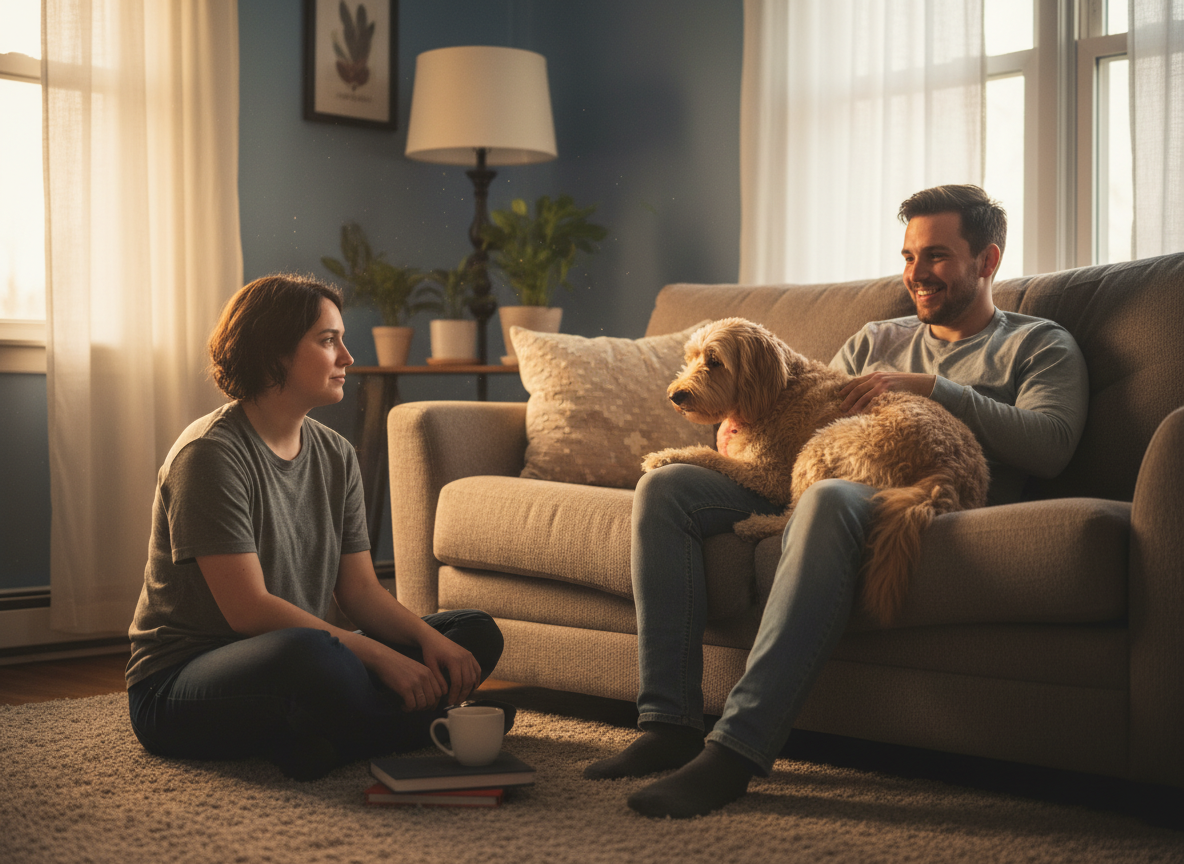
It’s a scenario that can sting more than a little: you walk into the room to find your beloved canine companion, who you feed, walk, and care for, lavishing all their affection on your partner. You call their name, and you get a brief tail wag before their attention snaps right back to the “other person.” It’s easy to feel slighted, confused, or even a bit jealous. You might wonder what you’ve done wrong, or what secret your partner holds. Is it the treats? The tone of voice? The truth is often far more complex and has little to do with a simple bribe.
A dog’s affection is a currency built on security, predictability, and positive association. When their preference suddenly shifts, it is not a personal rejection but rather a behavioral response to a web of subtle, often unconscious, environmental and social cues. Dogs are masters of observation, constantly decoding our body language, emotional state, and the roles we play within the household. This shift in loyalty is their way of communicating a change in their perception of the pack dynamic.
This comprehensive guide will move beyond the surface-level explanations. We will explore the powerful psychological drivers behind your dog’s behavior, from the science of classical conditioning to the profound impact of your own energy. More importantly, we will provide you with a clear, authoritative roadmap to not only understand the change but to actively strengthen your bond and re-establish your role as a cherished and respected leader in your dog’s life.
The Unseen Influences: Decoding Your Dog’s Shifting Allegiance
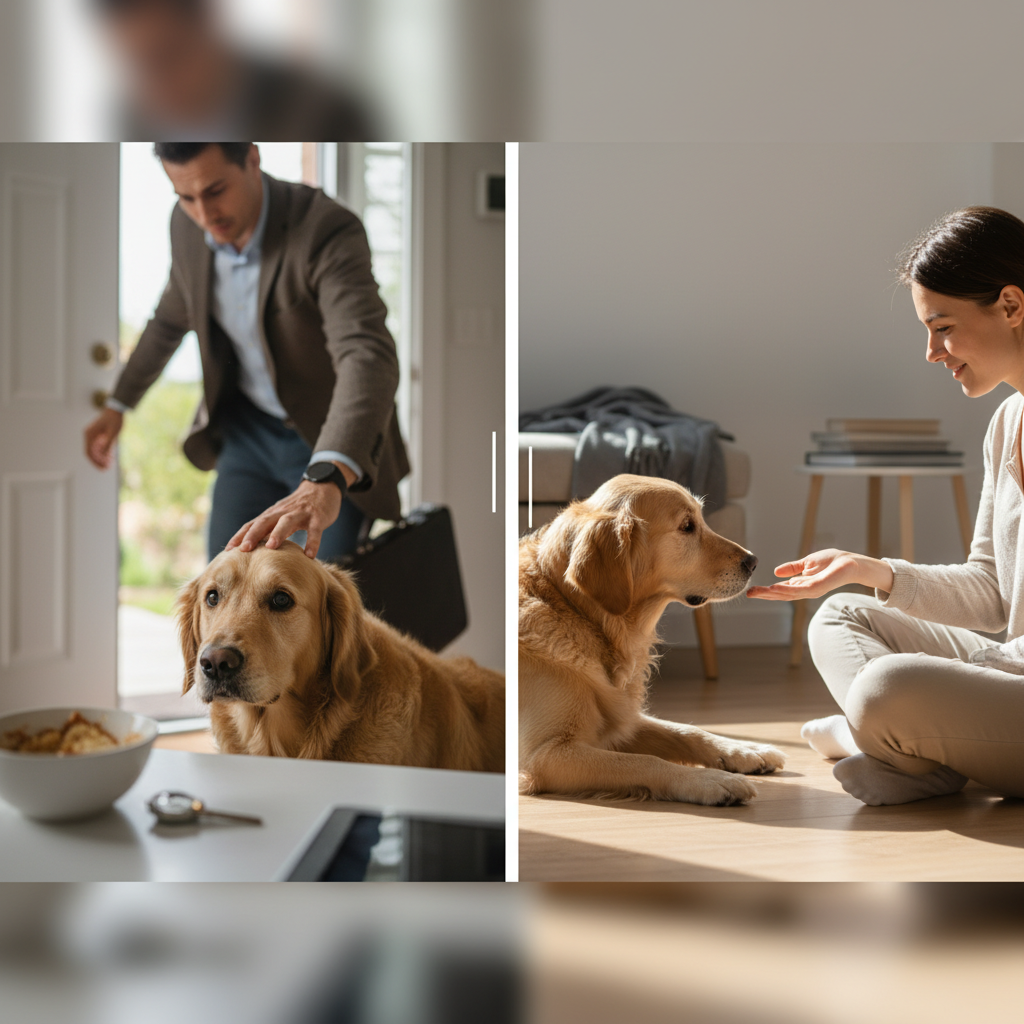
Before you can address the shift in your dog’s affection, you must first understand the powerful, often invisible forces at play. Dogs experience the world differently than we do; their decisions are driven by instinct, scent, and a constant reading of their environment. The preference for one person over another is rarely a conscious choice but rather a gravitational pull towards the individual who currently provides the greatest sense of calm, security, or positive association.
The Power of Association (Classical Conditioning)
One of the most fundamental principles in canine psychology is classical conditioning, a concept famously demonstrated by Ivan Pavlov. In simple terms, your dog learns to associate people with events and feelings. If your partner is consistently present during calm, relaxing moments—such as quiet evenings on the couch or leisurely weekend mornings—your dog will associate them with peace and contentment. Conversely, if you are the one who consistently handles tasks the dog may find stressful or unpleasant, you can become associated with those negative feelings, regardless of your loving intentions.
- The Vet Visit Carrier: Are you the one who always brings out the carrier for a trip to the vet?
- The Nail Trimmer: Do you handle the nail trims or grooming sessions that your dog dislikes?
- The Morning Rush: Are you the one rushing around in the morning, creating a tense energy before leaving for work?
These seemingly small events build a powerful subconscious narrative for your dog. Your partner, simply by not being involved in these activities, may become the “safe harbor” by default.
Mirroring Energy and Emotion
Dogs are emotional sponges. They are exceptionally skilled at sensing and mirroring the emotional state of the humans around them. They can detect subtle changes in our heart rate, breathing, and body chemistry that signal stress, anxiety, or happiness. If one partner is naturally calmer, more patient, or emotionally consistent, a dog—especially one with an anxious temperament—will naturally gravitate towards that stable energy source. Your own stress about work, finances, or even about the dog’s perceived rejection can create a feedback loop. The more you worry, the more unsettled your dog may feel in your presence, and the more they may seek out the calmer individual in the home.
Expert Tip: Before interacting with your dog, especially if you feel they are being distant, take a moment for yourself. Practice deep, slow breathing to calm your own nervous system. A calm human invites a calm dog.
Subtleties in Body Language and Scent
Your dog is having a constant, silent conversation with you through body language. The way your partner interacts physically might be more aligned with canine communication, even if they aren’t doing it consciously. Inviting behaviors include:
- Getting down on the dog’s level instead of looming over them.
- Turning sideways to appear less confrontational.
- Avoiding intense, direct eye contact, which can be perceived as a challenge.
- Using a softer, higher-pitched tone of voice.
Scent also plays a critical role. A dog’s sense of smell is their primary tool for gathering information. It’s possible your partner’s natural scent, or even the soap or lotion they use, is simply more appealing or calming to your dog. Hormonal fluctuations in humans can also alter our scent profile in ways we can’t detect, but our dogs certainly can.
The ‘Fun Parent’ vs. The ‘Rule Enforcer’ Dynamic
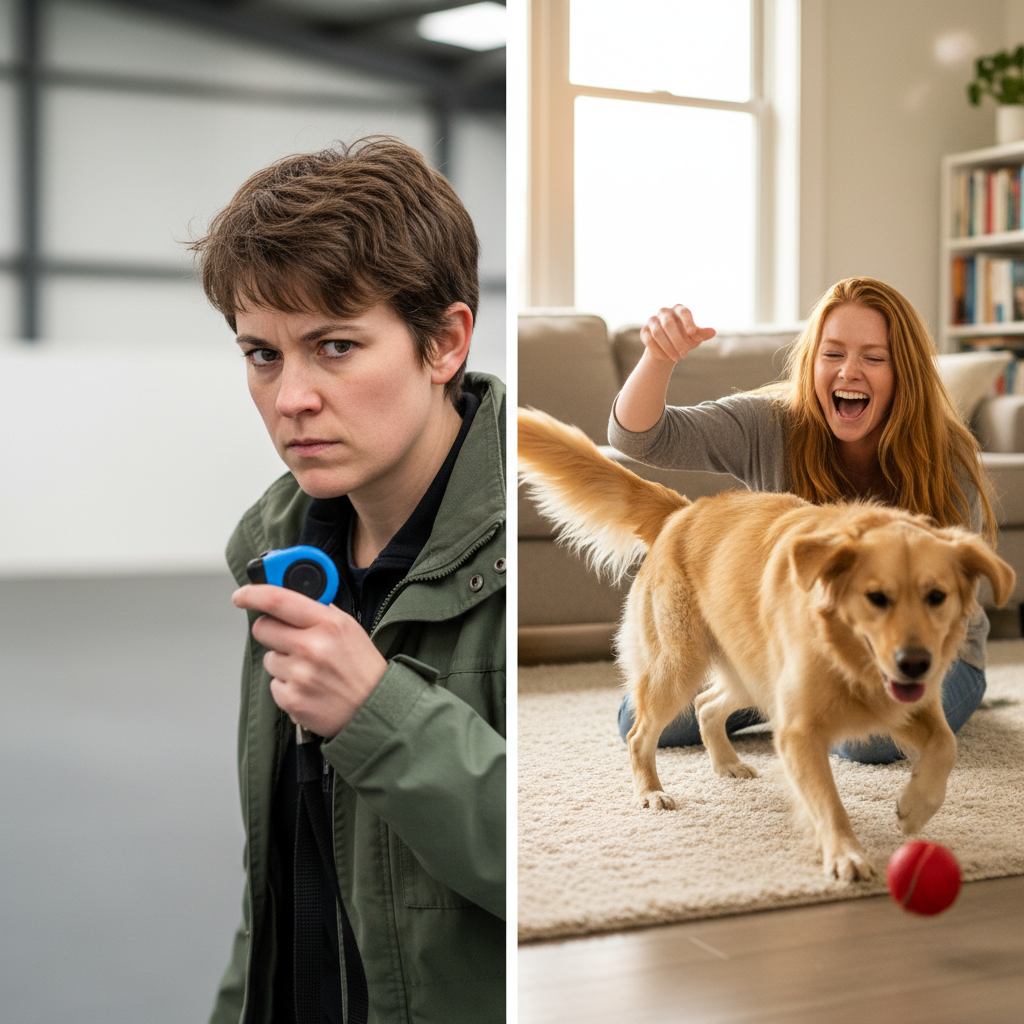
In many multi-person households, roles and responsibilities for the dog naturally divide. Often, one person becomes the primary disciplinarian and taskmaster, while the other becomes the main source of play and unstructured affection. This can inadvertently create a “fun parent” vs. “rule enforcer” dynamic in your dog’s mind. While rules, structure, and boundaries are absolutely essential for a well-behaved and secure dog, being the only source of those things can color your dog’s perception of you.
Consider who handles the following tasks in your home:
- Enforcing Boundaries: Who is the one to say “off” when the dog jumps on the furniture?
- Managing Mealtime: Who makes the dog “wait” patiently for their food bowl?
- Leash Training: Who is responsible for correcting pulling on the leash during walks?
- Interrupting Unwanted Behavior: Who stops the barking or intervenes when the dog is chewing on something inappropriate?
If you are the primary “rule enforcer,” your interactions, while necessary, are fundamentally based on control and correction. Meanwhile, if your partner’s interactions are primarily based on play, cuddles, and freedom, it’s logical for the dog to associate them with more fun and fewer restrictions. The dog doesn’t understand that your rules are for their safety and well-being; they only understand that one person’s presence signals structure, while the other’s signals freedom. This isn’t a flaw in your dog’s character—it’s a simple, logical preference for what feels best in the moment.
The solution is not to abandon the rules, but to achieve balance. The “rule enforcer” must also make a conscious effort to be a source of joy, and the “fun parent” should participate in maintaining structure. When a dog sees that both owners are consistent with rules and both are sources of play and reward, they are less likely to heavily favor one over the other.
Auditing Your Interactions: A Quality Time Analysis
The path to rebuilding your bond begins with an honest assessment of your interactions. It’s often not the quantity of time spent with your dog, but the quality of that engagement. Simply being in the same room is not the same as actively building a relationship. This audit requires you to look past your assumptions and analyze the data of your daily life with your dog. Use the following table to objectively consider who handles which aspects of your dog’s care and what kind of energy is associated with those interactions.
| Activity | Primary Person Responsible | Typical Energy of Interaction (e.g., Rushed, Calm, Playful, Stressful) |
|---|---|---|
| Morning Feeding | ||
| Morning Walk/Potty Break | ||
| Midday Activities | ||
| Evening Walk | ||
| Evening Feeding | ||
| Initiating Playtime | ||
| Formal Training Sessions | ||
| Handling Vet/Grooming Visits | ||
| Giving Casual Affection (Couch Cuddles) | ||
| Enforcing Rules (e.g., ‘Off’ the couch) |
After filling this out, patterns will likely emerge. You may discover that your interactions are heavily skewed towards chores and responsibilities, while your partner’s are centered around low-pressure affection and play. You might find that your walks are rushed and task-oriented, while your partner’s are meandering “sniffaris.” This exercise is not about placing blame; it is about identifying opportunities. Every routine task, from feeding to walking, is a chance to create a positive, bond-building experience. Recognizing where the imbalance lies is the first and most critical step toward correcting it.
Rebuilding the Bond: Actionable Strategies to Become a Co-Favorite
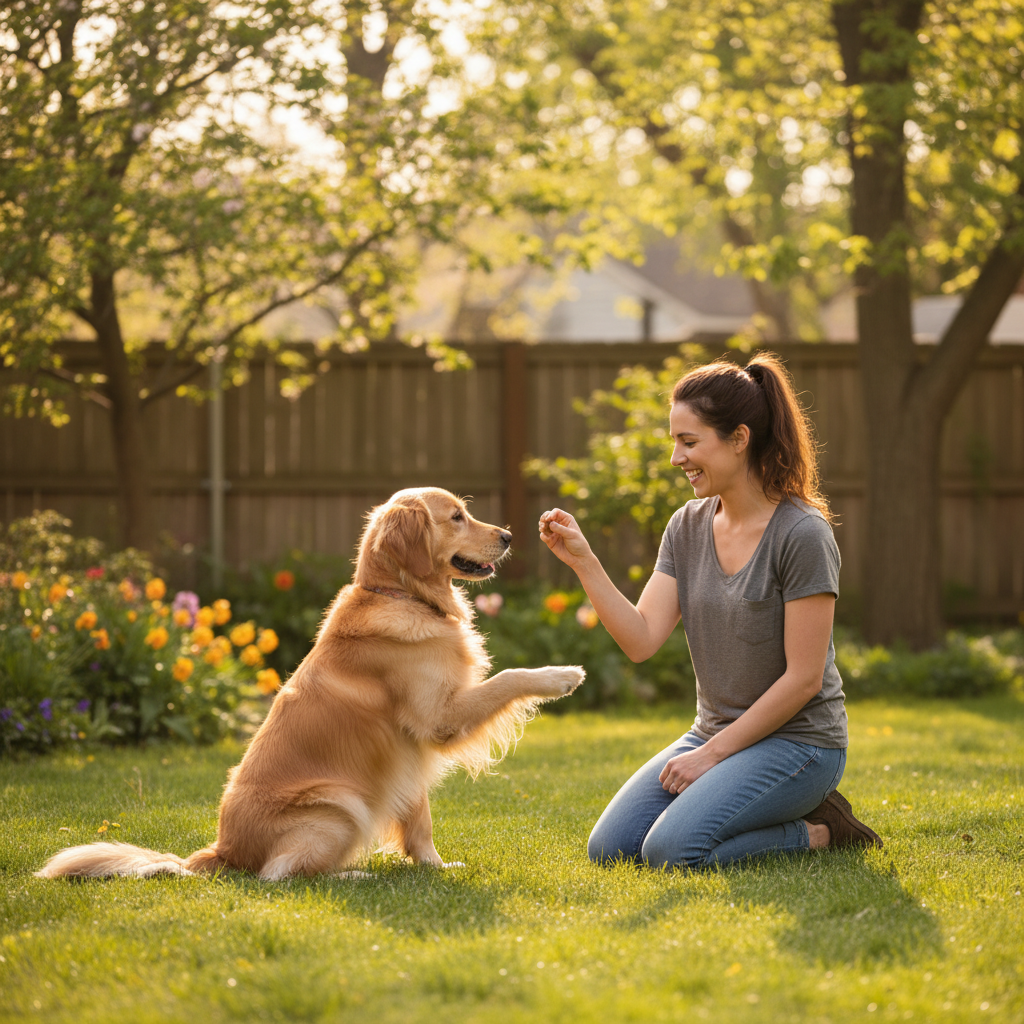
Understanding the “why” is only half the battle. Now it’s time to implement concrete, positive changes to your routine that will reshape your dog’s perception and deepen your connection. This is not about “winning” your dog back, but about cultivating a healthier, more balanced relationship. Consistency and patience are paramount.
Become the Source of Everything Great
The fastest way to build positive association is to control the resources your dog values most. This goes far beyond treats. For the next few weeks, make it a point to be the sole provider of the best things in your dog’s life.
- Hand-Feeding: Instead of just putting the food bowl down, feed your dog at least one of their daily meals by hand. Have them perform simple commands like “sit” or “look at me” for each handful. This transforms a routine meal into an engaging, one-on-one training and bonding session.
- The Best Toys: Keep your dog’s favorite, high-value toys (like a special tug rope or puzzle toy) put away. Only you should be the one to bring them out for a special, focused play session.
- Initiate Favorite Activities: Does your dog love car rides? Going to the park? You be the one to grab the keys and the leash for these special outings.
Engage in Collaborative Training
Training is one of the most powerful tools for building communication and mutual respect. Enroll in a fun, positive-reinforcement based class like agility, nose work, or even trick training. These activities position you and your dog as a team working towards a common goal. Short, upbeat 5-10 minute training sessions at home each day can do more for your bond than an hour of passive cuddling. Focus on celebrating small victories and keeping the energy light and fun.
Master the Art of Calm, Consensual Affection
Sometimes, we show love in ways that dogs merely tolerate. Forcing hugs, petting them when they are trying to rest, or being overly boisterous can be overwhelming. Instead, practice offering affection on their terms.
The Consent Test: Pet your dog for 3-5 seconds, then stop and pull your hand away. If the dog nudges your hand, leans into you, or otherwise indicates they want more, then continue. If they turn away, lick their lips, or simply remain still, they are telling you they’ve had enough for now. Respecting their choice builds immense trust.
Share All Responsibilities
Work with your partner to rebalance the daily duties. The person who was the “rule enforcer” should now take over some of the more enjoyable tasks, like the evening walk or initiating playtime. The “fun parent” should participate in feeding times that require the dog to wait patiently or help with enforcing household boundaries. When your dog sees that both of you are sources of fun and structure, their allegiance will naturally become more balanced.
Conclusion
Recognizing that your dog has developed a stronger preference for your partner can be an emotionally complex experience. However, it is crucial to reframe this situation not as a personal rejection, but as a clear communication from your dog. Their behavior is a reflection of their perception of safety, fun, and predictability, built from thousands of tiny interactions. It is a roadmap showing you exactly where the opportunities for growth in your relationship lie.
The journey to becoming a co-favorite is not about competing with your partner, but about making a conscious, deliberate effort to enrich your own unique bond with your dog. By becoming a consistent source of positive experiences, engaging in collaborative activities like training, and mastering the language of calm, respectful affection, you actively reshape your dog’s associations. Balancing the roles of playmate and leader is the key to earning their deepest trust and respect.
Be patient with the process and, most importantly, be patient with yourself and your dog. Relationships evolve, and with informed effort and genuine care, you can guide that evolution, building a resilient, joyful, and deeply fulfilling partnership with your canine companion that stands on a foundation of mutual understanding.