Why You Should Stop Letting Your Dog Drink From the Garden Hose
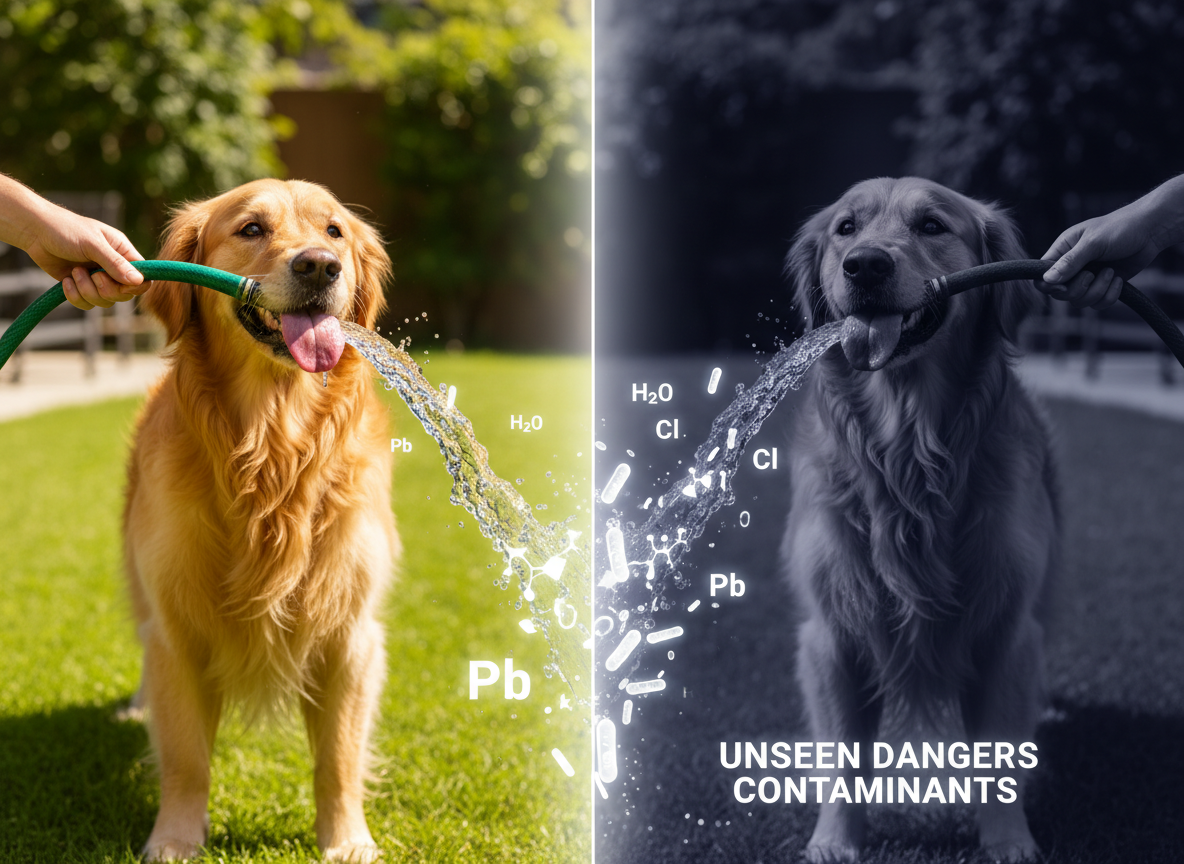
On a hot summer day, few things seem more joyful than watching a dog playfully snap at the stream of water from a garden hose. It’s a classic image of canine bliss. However, behind this seemingly innocent activity lies a host of hidden dangers that most pet owners are unaware of. While convenient, the garden hose is not a safe drinking fountain for your dog. The materials used to construct the hose, combined with water that stagnates within it, can create a toxic cocktail that poses significant health risks to your beloved pet. This guide will provide a comprehensive, veterinary-backed examination of why this common practice should be avoided, detailing the specific contaminants, the potential health consequences, and the safer, healthier alternatives for keeping your dog hydrated and happy during outdoor play.
The Hidden Contaminants: What’s Really Inside Your Garden Hose?
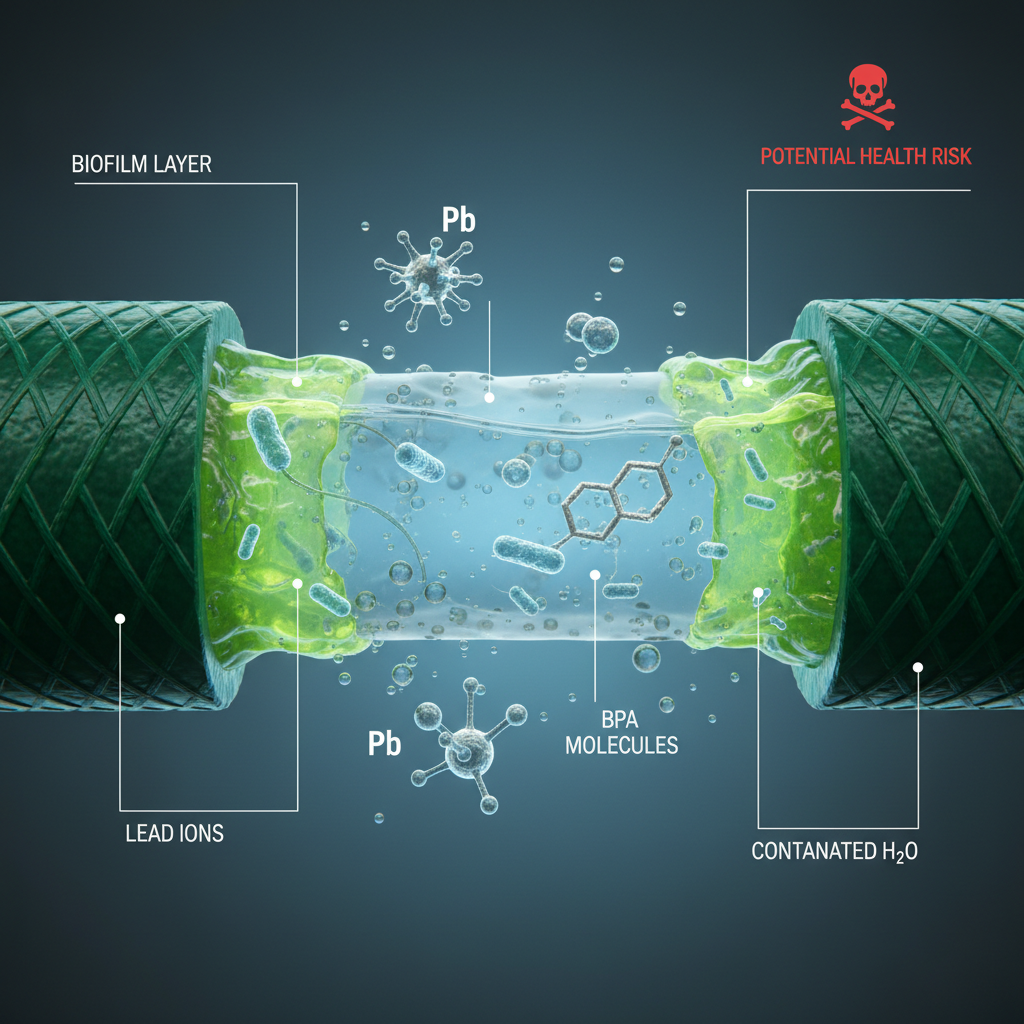
A standard garden hose is not manufactured to the same safety standards as plumbing intended for drinking water. The primary goal is durability and flexibility, not potability. This results in the use of materials and the creation of an environment that can be hazardous for consumption.
Chemical Leaching from Hose Materials
Many garden hoses are made from polyvinyl chloride (PVC), which requires plasticizers to make it flexible. These plasticizers often include chemicals known as phthalates. Additionally, other harmful chemicals can be present:
- Lead: Brass fittings on many hoses can contain lead, which can leach into the water, especially as the fittings corrode over time. Lead is a potent neurotoxin with no safe level of exposure.
- BPA (Bisphenol A): This industrial chemical is used to make certain plastics and resins. It’s a known endocrine disruptor, meaning it can interfere with the body’s hormonal systems.
- Phthalates: These chemicals have been linked to liver, kidney, and reproductive system damage in animal studies. They can leach from the PVC into the water, particularly when the hose is heated by the sun.
A study conducted by the Ecology Center (HealthyStuff.org) found that a significant percentage of common garden hoses contained high levels of these harmful chemicals. When water sits in a sun-baked hose, the heat accelerates the rate at which these toxins leach into the water, creating a highly concentrated and dangerous drink for your dog.
Bacterial Growth and Biofilm
Beyond the chemical risks, the warm, dark, and moist interior of a garden hose is an ideal breeding ground for bacteria, mold, and yeast. When water sits stagnant inside the hose between uses, a slimy layer known as biofilm develops on the interior surface. This biofilm can harbor a variety of microorganisms, including:
- Legionella: The bacteria responsible for Legionnaires’ disease can thrive in the warm water environments found in hoses. While more commonly associated with inhalation, ingestion can still pose a risk.
- Pseudomonas: A common bacterium that can cause ear infections, skin infections, and gastrointestinal upset.
- Coliform Bacteria: The presence of these bacteria, often originating from soil or animal waste that comes into contact with the nozzle, can indicate fecal contamination.
Expert Tip: Always let the water run from a hose for several minutes to flush out stagnant water and reduce the concentration of leached chemicals and bacteria before using it for any purpose, such as watering plants. However, this does not make it safe for drinking.
Acute and Chronic Health Risks of Contaminated Water

The ingestion of water from a garden hose can lead to a range of health problems, from mild, acute symptoms to severe, chronic conditions. The specific risk depends on the contaminants present, the amount of water consumed, and the individual dog’s health status.
Gastrointestinal Distress
The most common immediate effect of drinking contaminated hose water is gastrointestinal upset. Bacteria, mold, and chemical irritants can inflame the lining of the stomach and intestines, leading to symptoms such as:
- Vomiting
- Diarrhea
- Loss of appetite
- Abdominal pain or cramping
While often self-limiting, severe or persistent GI issues can lead to dehydration and require veterinary intervention.
Toxic Poisoning and Long-Term Illness
Repeated exposure to the chemicals found in hose water can have cumulative, long-term effects that are far more insidious.
- Lead Poisoning: Even low levels of lead exposure can cause serious neurological damage. Symptoms in dogs can be subtle at first, including behavioral changes, anxiety, and tremors, but can progress to seizures, blindness, and severe cognitive dysfunction.
- Endocrine Disruption: Chemicals like BPA and phthalates can interfere with a dog’s hormonal balance. Over time, this can contribute to reproductive problems, metabolic issues including weight gain, and an increased risk for certain types of cancers.
- Organ Damage: The liver and kidneys are responsible for filtering toxins from the body. Chronic exposure to chemicals from hose water can overwhelm these organs, potentially leading to long-term damage or failure.
Water Intoxication: The Danger of Too Much, Too Fast
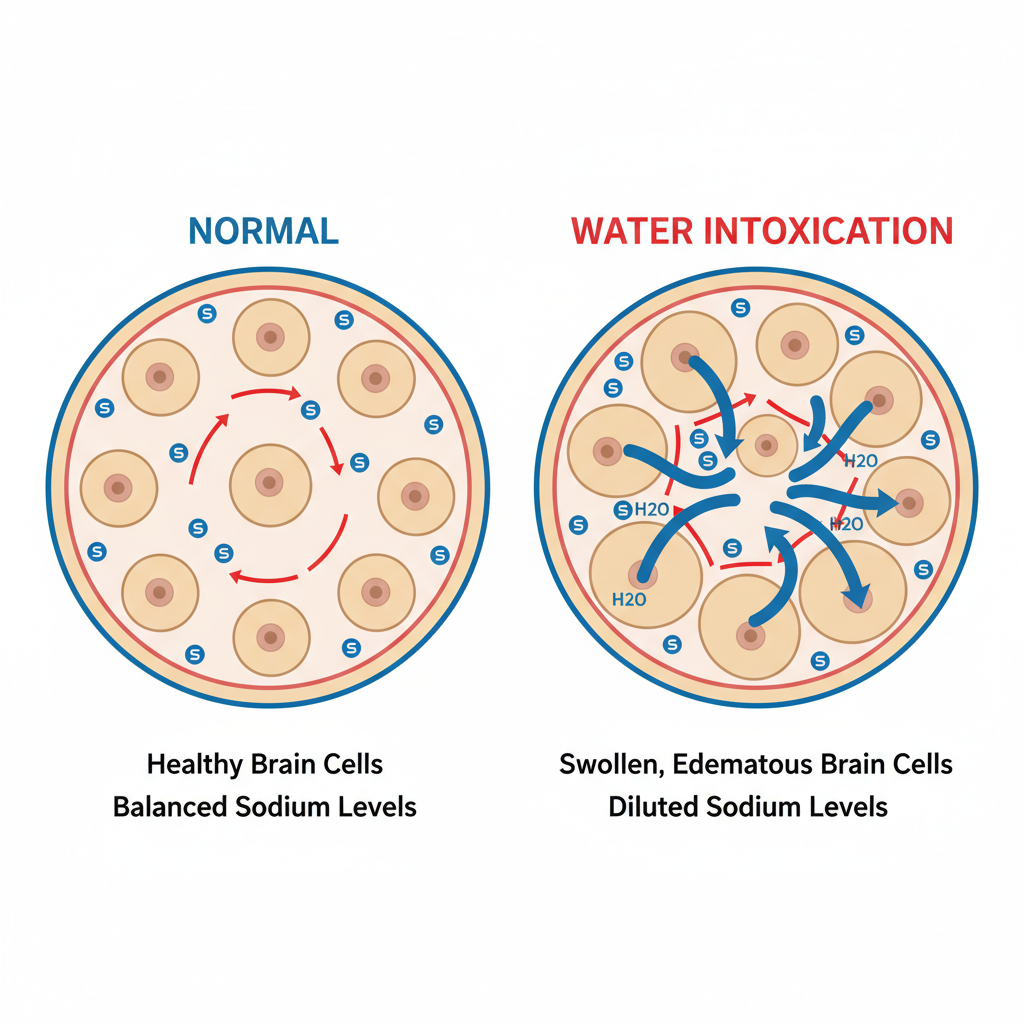
Beyond contamination, the very act of a dog drinking from a high-pressure hose presents a grave and often fatal risk: acute water intoxication, or hyponatremia. This condition occurs when a dog ingests a massive amount of water in a short period, which is common when they are excitedly snapping at a powerful stream.
This rapid, excessive intake of water overwhelms the body’s ability to process it. It dilutes the concentration of electrolytes, particularly sodium, in the blood. Sodium is critical for maintaining blood pressure, nerve function, and muscle control. When sodium levels plummet, water moves from the blood into the body’s cells, including brain cells, causing them to swell. This swelling of the brain (cerebral edema) is a life-threatening medical emergency.
Symptoms of Water Intoxication
The signs of water intoxication can appear rapidly and escalate quickly. Pet owners must be able to recognize them immediately:
- Lethargy and loss of coordination (staggering as if drunk)
- Nausea and vomiting
- Bloating or a distended abdomen
- Glazed-over eyes and pale gums
- Excessive salivation
- Difficulty breathing
- In severe cases, seizures, collapse, coma, and death
Immediate veterinary care is critical for survival if you suspect water intoxication. It is not a condition that can be managed at home. The goal of treatment is to slowly and carefully raise the blood sodium level without causing further neurological damage.
This risk alone is a compelling reason to forbid dogs from playing with or drinking from a pressurized hose stream. Their instinct to bite and gulp at the water makes them uniquely susceptible to this dangerous condition.
Safe Hydration and Play: Practical Alternatives
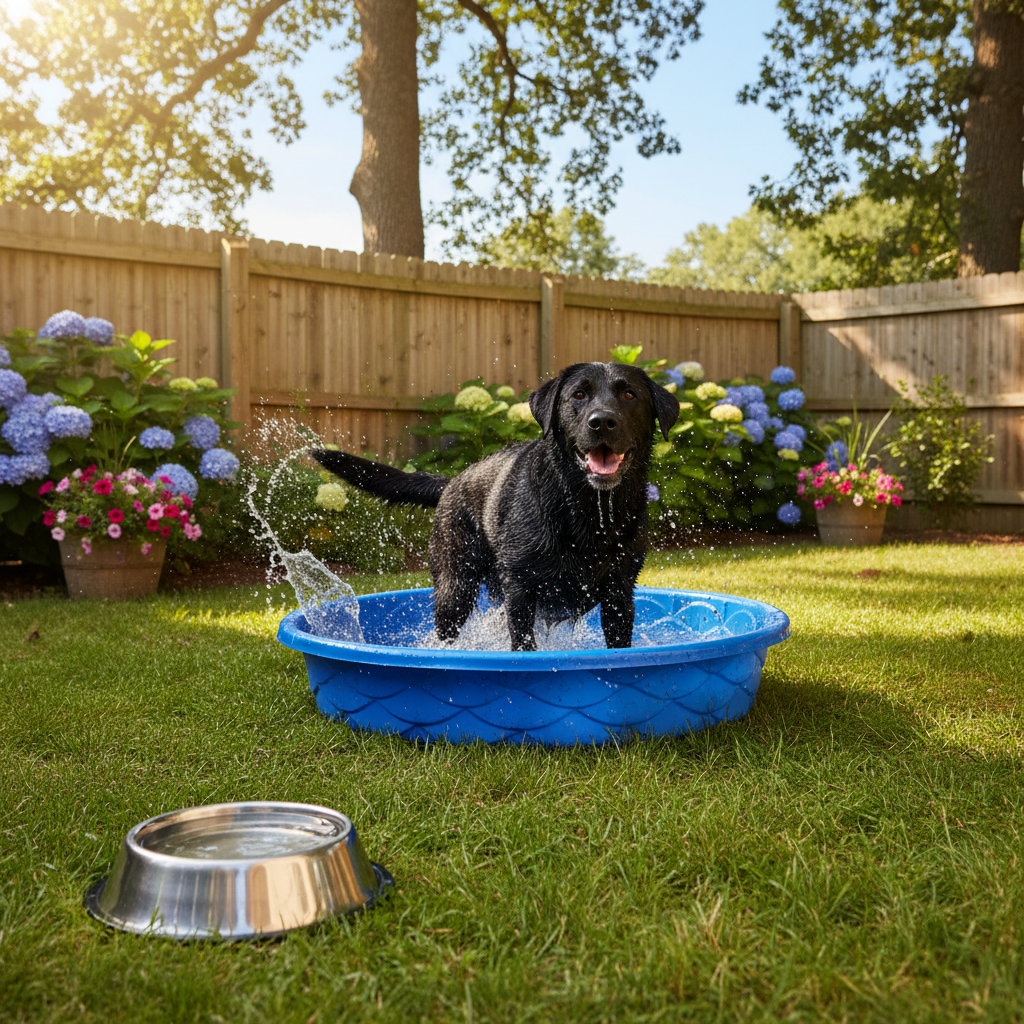
Preventing these health risks does not mean your dog can’t enjoy water play outdoors. The key is to provide safe and clean sources of hydration and recreation. Responsible pet ownership involves creating a safe environment, which includes managing how your dog accesses water.
Provide Constant Access to Fresh, Clean Water
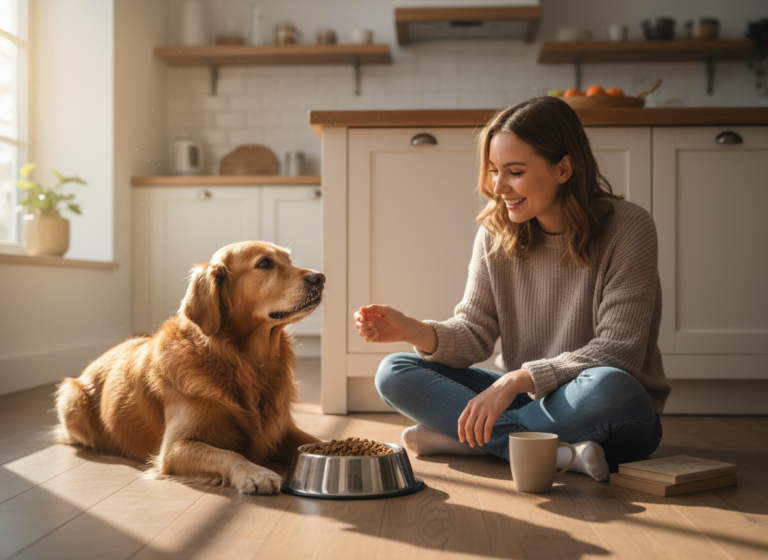
The simplest and most effective solution is to ensure your dog always has a bowl of fresh, clean water available, especially when they are outside playing. Use a heavy, non-tipping bowl made of stainless steel, which is non-porous and easy to clean. Change the water frequently throughout the day to keep it cool and appealing.
Safer Hose and Water Toy Options
If you must use a hose, or if your dog simply loves water games, invest in safer equipment. The table below compares standard equipment with safer alternatives.
| Unsafe Option | Safer Alternative | Key Benefits of Alternative |
|---|---|---|
| Standard PVC Garden Hose | “Drinking Water Safe” Hose | Made from FDA-grade polyurethane or other non-toxic materials; free of lead, BPA, and phthalates. |
| High-Pressure Nozzle Play | Low-Pressure Sprinkler or Wading Pool | Reduces the risk of forced water ingestion and water intoxication; allows for cooling and fun without the danger. |
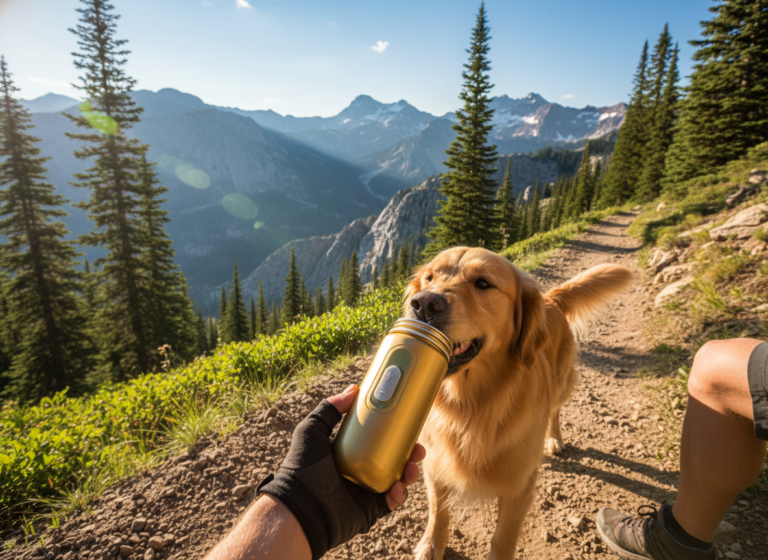
| Letting Dog Drink from Puddles | Portable Dog Water Bottle or Bowl | Ensures access to clean, safe water on walks and during outdoor activities, preventing ingestion of contaminated ground water. |
Engage in Safe Water-Based Fun
Create positive and safe experiences with water. A shallow kiddie pool filled with a few inches of clean water can provide hours of entertainment and a safe way to cool off. Many dogs also enjoy chasing the gentle spray from a lawn sprinkler. The key is to supervise these activities to ensure your dog is splashing and playing rather than compulsively ingesting large volumes of water.
When to Contact Your Veterinarian

Vigilance is crucial. If your dog has been drinking from a garden hose, it is important to monitor them for any signs of illness. While mild, transient stomach upset may not require a vet visit, certain symptoms warrant immediate medical attention.
Seek Immediate Veterinary Care for These Symptoms:
- Neurological Signs: Stumbling, staggering, seizures, disorientation, or sudden behavioral changes. These could indicate lead poisoning or severe water intoxication.
- Severe Gastrointestinal Signs: Profuse or bloody diarrhea, repeated vomiting, or refusal to eat or drink for more than 12 hours.
- Signs of Water Intoxication: Any of the symptoms listed in the previous section, such as lethargy, bloating, pale gums, or collapse, require emergency intervention.
- Extreme Lethargy or Weakness: If your dog is unusually tired, weak, or unresponsive, it is a sign of a serious underlying issue.
When you contact your veterinarian, be prepared to provide a clear history. Inform them that your dog has been drinking from a garden hose, describe the symptoms you have observed, and provide an estimated timeline of when the symptoms began. This information is vital for an accurate diagnosis and prompt, effective treatment. Never hesitate to call your veterinarian or an emergency animal hospital if you are concerned; it is always better to be cautious when your pet’s health is at stake.
Conclusion
The image of a dog happily playing with a garden hose is deeply ingrained in our culture, but the science is clear: it is an unsafe and potentially hazardous practice. From toxic chemicals like lead and phthalates to dangerous bacteria and the life-threatening risk of water intoxication, a garden hose is not a suitable drinking source. As dedicated pet owners, our primary responsibility is to ensure the health and safety of our animal companions. By providing constant access to fresh, clean water in appropriate bowls and choosing safer alternatives for water play, we can protect our dogs from these hidden dangers and ensure they enjoy the summer in the healthiest way possible.