Why ‘Touch’ Is the Most Underrated Command You Need to Teach Today
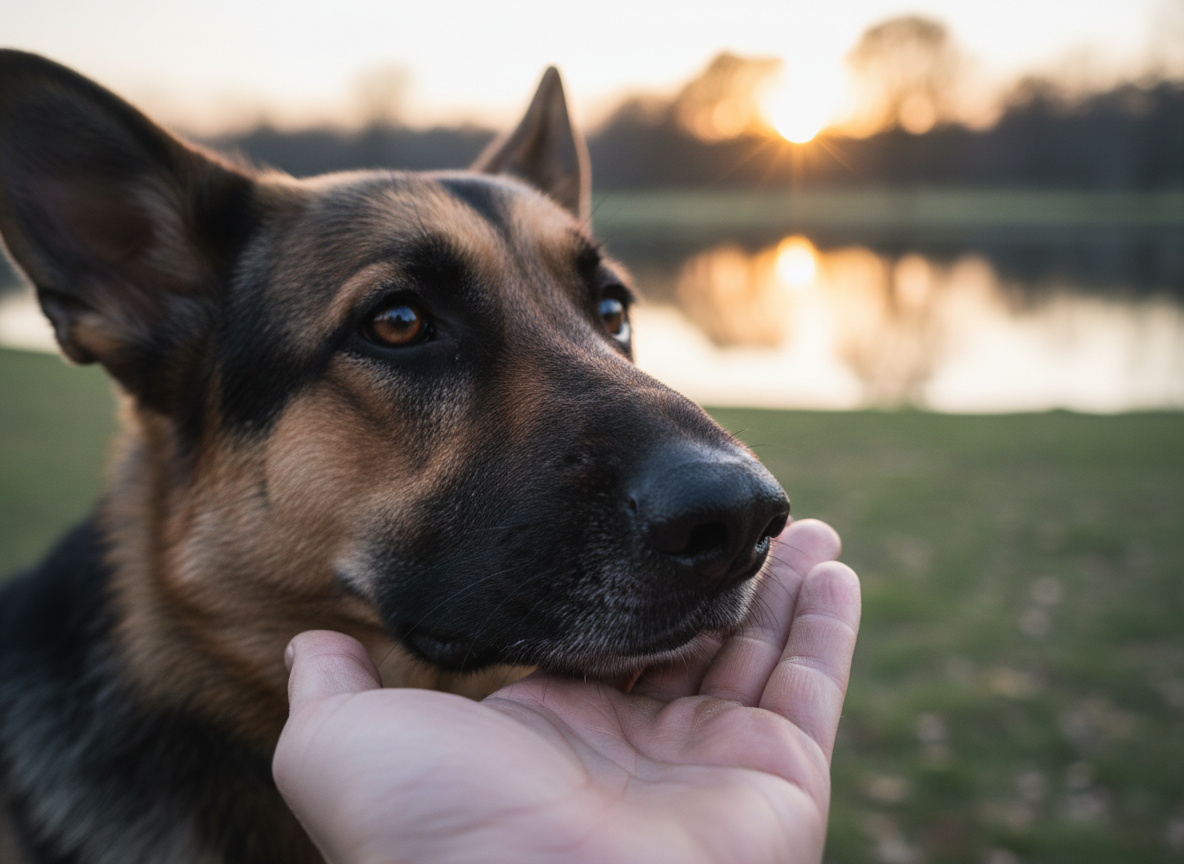
In the vast world of dog training, certain commands like ‘Sit,’ ‘Stay,’ and ‘Come’ receive the spotlight. They are the cornerstones of basic obedience, essential for safety and management. Yet, there is a simple, often overlooked command that holds the power to transform your relationship with your dog, build rock-solid confidence, and serve as a master key to unlock more complex behaviors. This command is ‘Touch.’ Known professionally as hand targeting, ‘Touch’ is the simple act of teaching your dog to touch its nose to your hand on cue. While it may seem like a mere party trick, its applications are incredibly profound and far-reaching. It is a communication tool, a confidence-builder, a focus-shifter, and a problem-solver all rolled into one. This guide will illuminate why ‘Touch’ is arguably the most versatile and valuable command in a trainer’s toolkit and provide you with a clear, step-by-step methodology to teach it to your canine companion today.
The Surprising Versatility of the ‘Touch’ Command
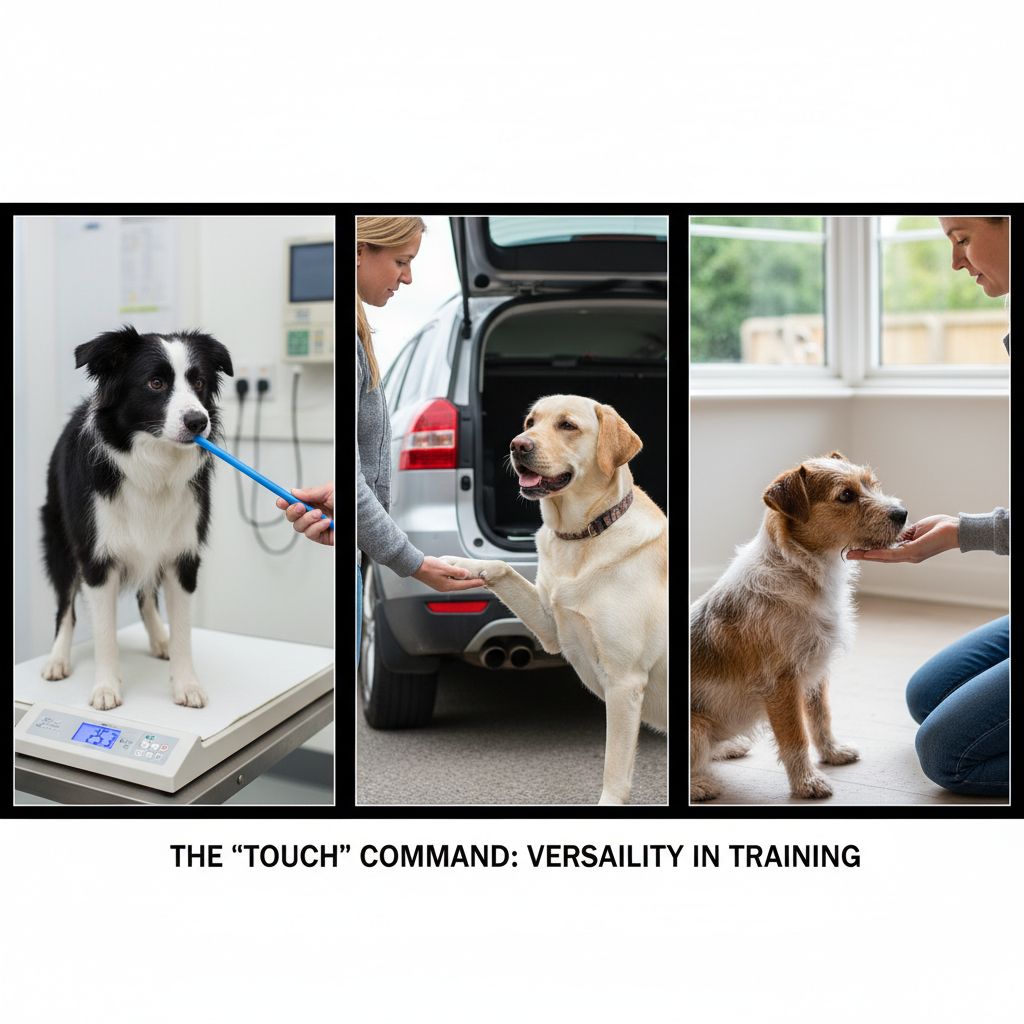
The Surprising Versatility of the ‘Touch’ Command
Before diving into the ‘how,’ it’s crucial to understand the ‘why.’ The power of the ‘Touch’ command lies in its incredible adaptability. It’s a non-verbal cue that can be used to guide your dog’s movement without any physical pressure, which fosters a more positive and cooperative training experience. This simple nose-to-hand connection becomes a foundational language between you and your dog.
Key Applications of ‘Touch’:
- Confidence Building: For timid, anxious, or fearful dogs, ‘Touch’ provides a predictable and positive way to interact with new objects, people, or environments. Asking a shy dog to ‘touch’ a stranger’s hand (after they are comfortable with yours) can reframe the interaction from scary to rewarding.
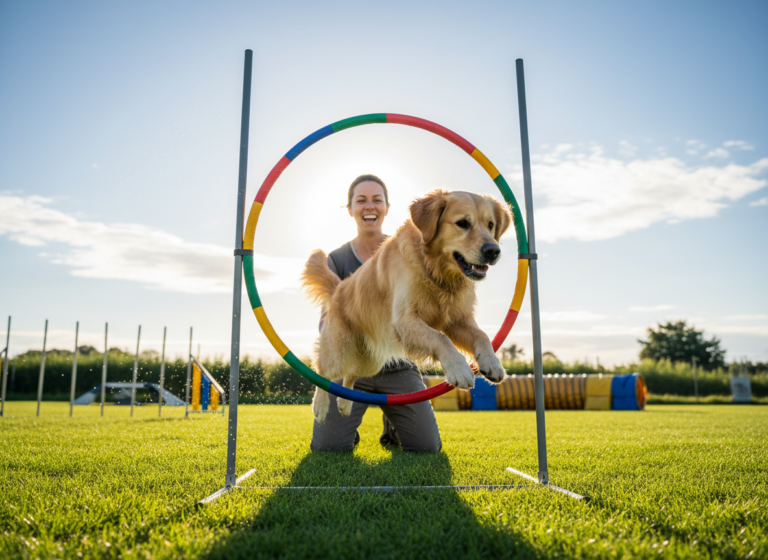
- Foundation for Advanced Obedience: ‘Touch’ is a gateway command. It can be used to easily shape more complex behaviors. For example, you can use your hand target to guide your dog into a ‘Heel’ position, onto a grooming table, into a crate, or over an agility obstacle.
- Cooperative Care and Husbandry: Many dogs develop anxieties around veterinary exams or grooming. ‘Touch’ can transform these experiences. You can teach your dog to target its nose to a spot on the scale, hold its head still for an ear cleaning by targeting your hand, or willingly approach clippers or a stethoscope.
- Redirecting Unwanted Behaviors: When a dog is jumping on guests or barking at the window, a quick ‘Touch’ cue can redirect their focus back to you, interrupting the undesirable behavior and replacing it with a positive, learned one.
- Mental Stimulation and Engagement: Training sessions provide essential mental exercise that can curb boredom and destructive behaviors. The ‘Touch’ command is a fun and engaging game that strengthens your bond and works your dog’s brain.
Expert Tip: Think of ‘Touch’ as a ‘follow the leader’ game for your dog. Your hand becomes a reliable, positive guide, allowing you to steer your dog’s focus and movement in nearly any situation.
Preparing for Success: Tools and Environment
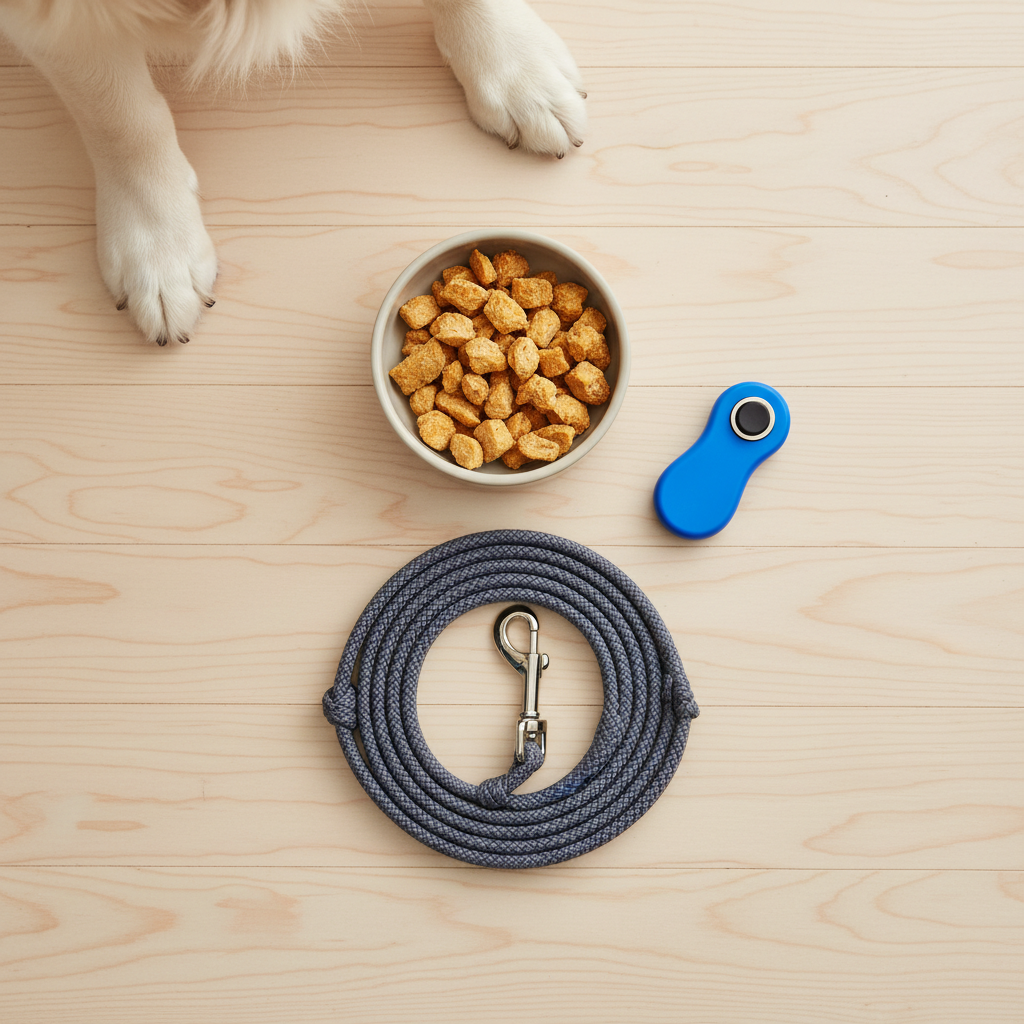
Preparing for Success: Tools and Environment
Effective training begins with proper preparation. The beauty of the ‘Touch’ command is its simplicity; you don’t need expensive or complicated equipment. Setting up a conducive environment and having the right rewards on hand will significantly accelerate the learning process.
Essential Training Toolkit:
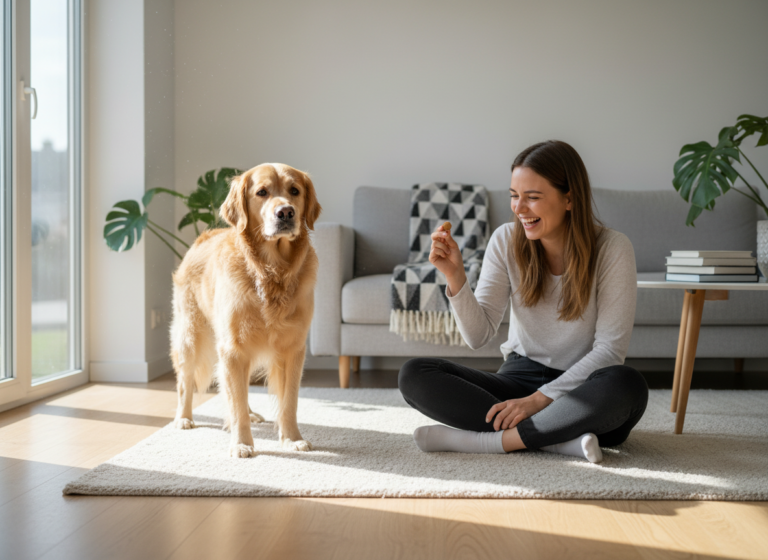
- High-Value Treats: These are rewards your dog finds irresistible, more so than their regular kibble. Think small, soft, and smelly treats like tiny pieces of boiled chicken, cheese, or commercial training treats. The goal is a quick, easy-to-swallow reward that doesn’t break the flow of training.
- A Clicker (Optional but Recommended): A clicker is a marker tool. It makes a distinct sound the instant your dog performs the correct behavior, providing precise and clear communication. You ‘charge’ the clicker first by clicking and immediately treating, so your dog learns that the sound predicts a reward.
- A Quiet Training Space: Begin your training sessions in a low-distraction environment, such as a quiet room in your house or a fenced-in backyard. Minimizing external stimuli allows your dog to focus entirely on you and the task at hand.
Keep your training sessions short and positive, especially in the beginning. Aim for multiple 3-5 minute sessions throughout the day rather than one long, exhausting session. Always end on a successful repetition to leave your dog feeling confident and eager for the next lesson.
Step-by-Step Guide to Teaching the ‘Touch’ Command
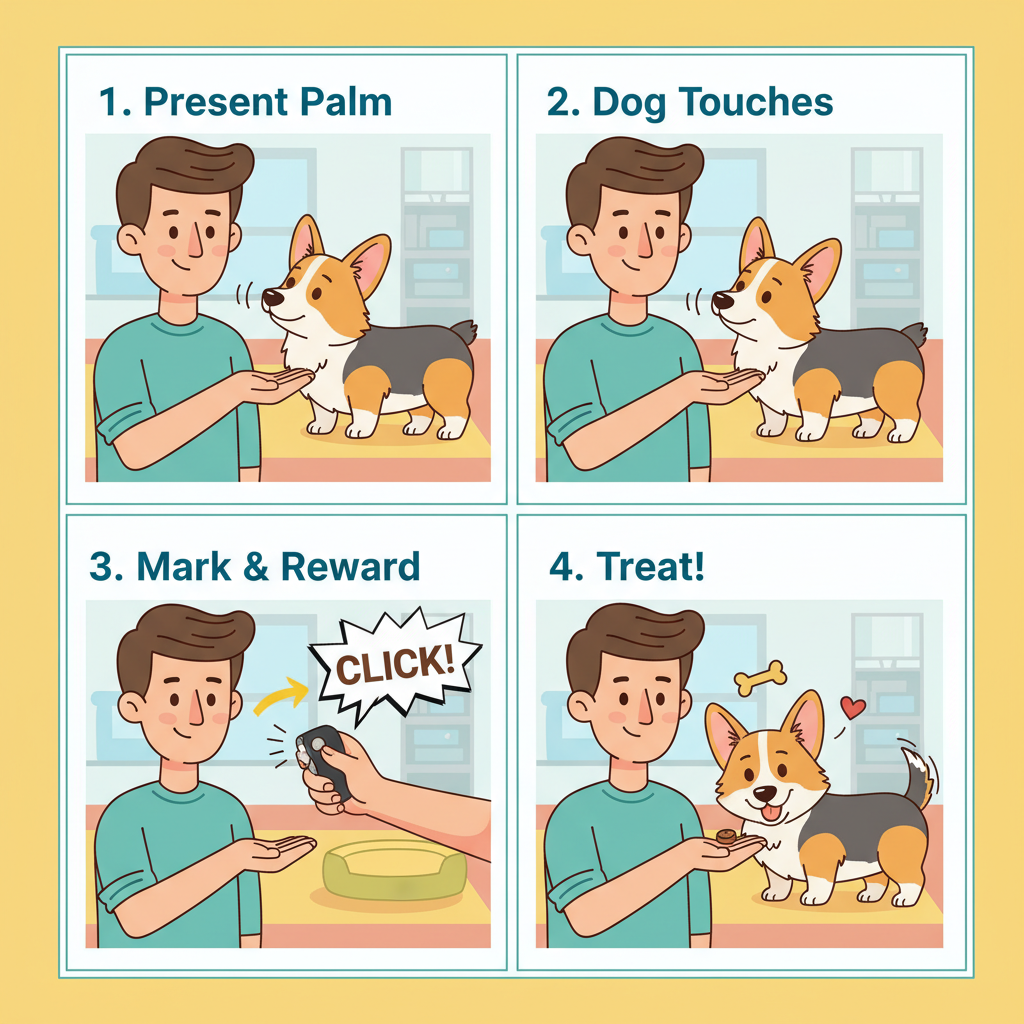
Step-by-Step Guide to Teaching the ‘Touch’ Command
This process is based on positive reinforcement and shaping, where we reward successive approximations of the final behavior. Be patient and celebrate small victories.
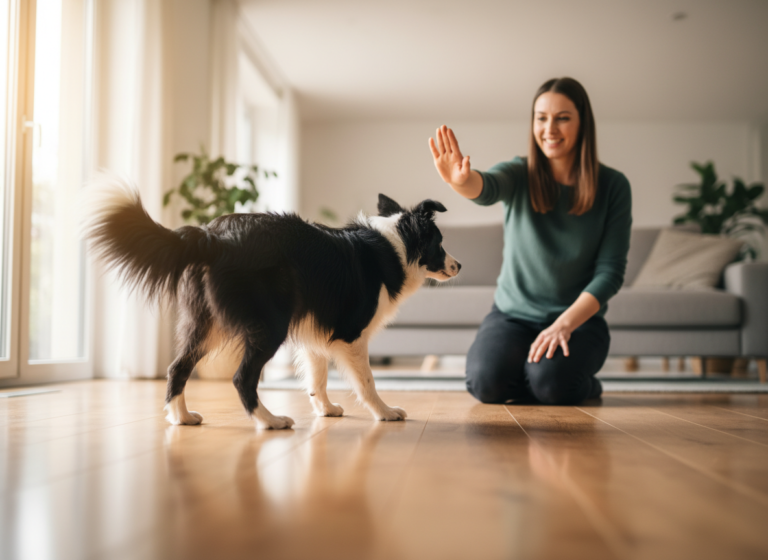
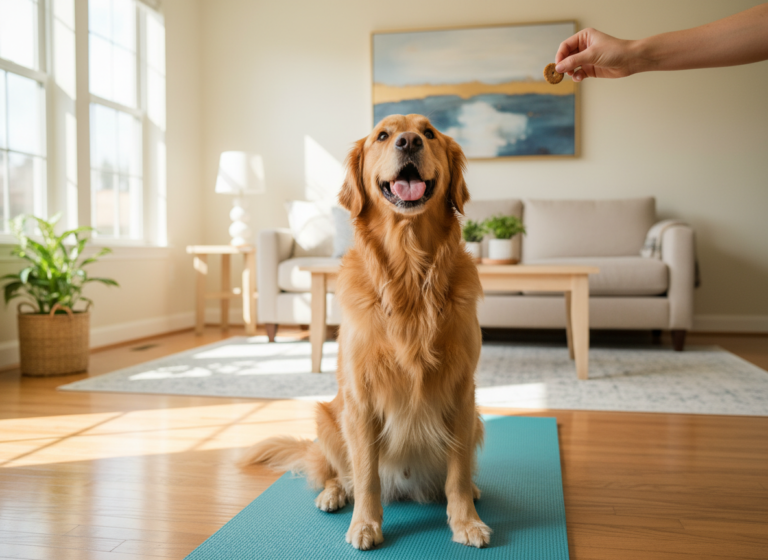
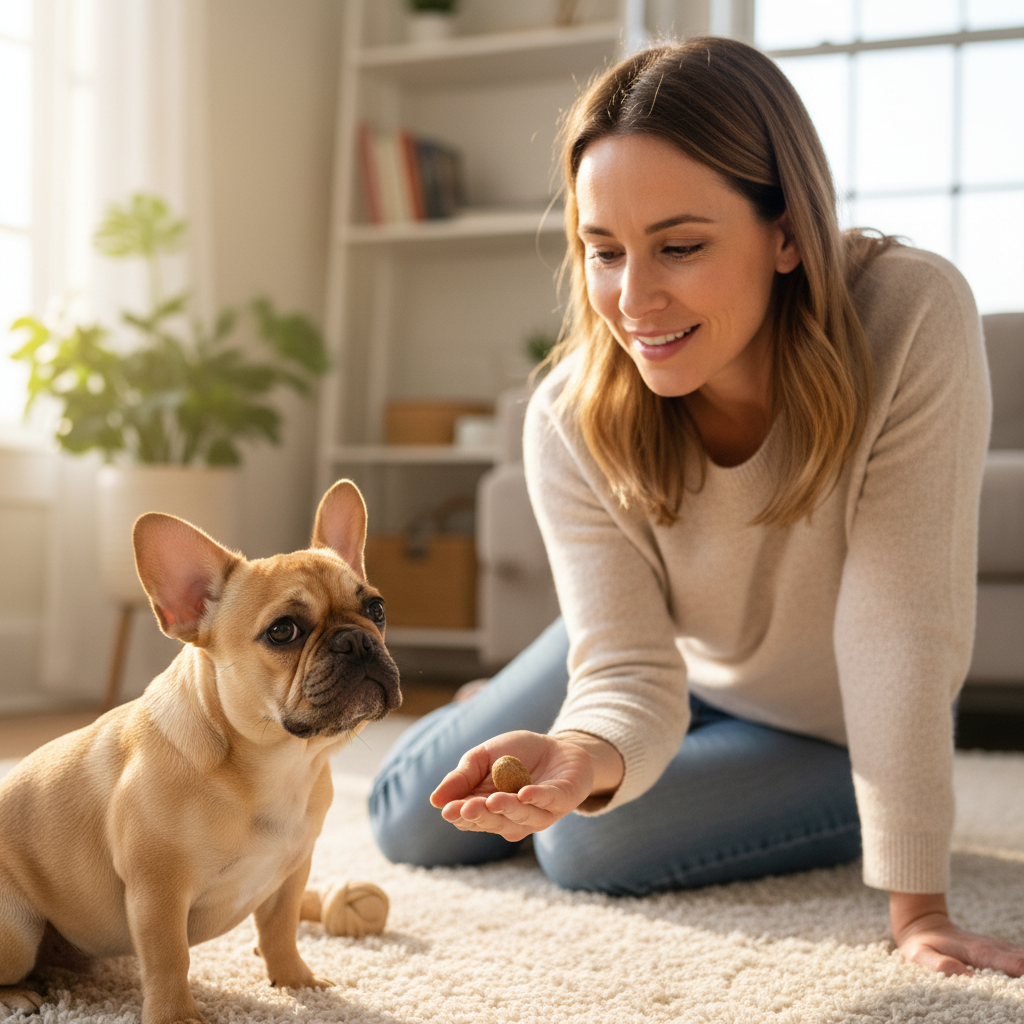
- Present the Target (Your Hand): Start by sitting in front of your dog in your quiet training space. Hold your hand out, open with your palm flat or with two fingers extended, about 2-4 inches from your dog’s nose. Do not say anything. Remain still and quiet.
- Mark and Reward Investigation: Your dog’s natural curiosity will lead it to investigate your hand. The very first moment your dog’s nose makes contact—even the slightest bump or sniff—’mark’ the behavior with a ‘click’ or a verbal marker like ‘Yes!’, and immediately give a treat. Pull your hand back after they take the treat.
- Repeat and Build Repetition: Present your hand again. Repeat the process: hand out, dog touches, mark, treat, hand away. Do this 5-10 times in a row. The goal is for your dog to understand that making contact with your hand earns a reward. If your dog is hesitant, reward them just for looking at or moving toward your hand to start.
- Add the Verbal Cue: Once your dog is reliably and eagerly touching your outstretched hand as soon as you present it, you can add the verbal cue. Just before you present your hand, say the word ‘Touch’ in a clear, upbeat tone. As they touch your hand, mark and reward as usual.
- Generalize the Behavior: Now, start to add variation. Ask for a ‘Touch’ with your other hand. Ask for it when you are standing up. Present your hand slightly to the left, right, higher, or lower, so your dog has to take a step to reach it. Practice in different rooms of the house to help them understand the command applies everywhere, not just in your training spot.
Advancing the Command and Practical Applications
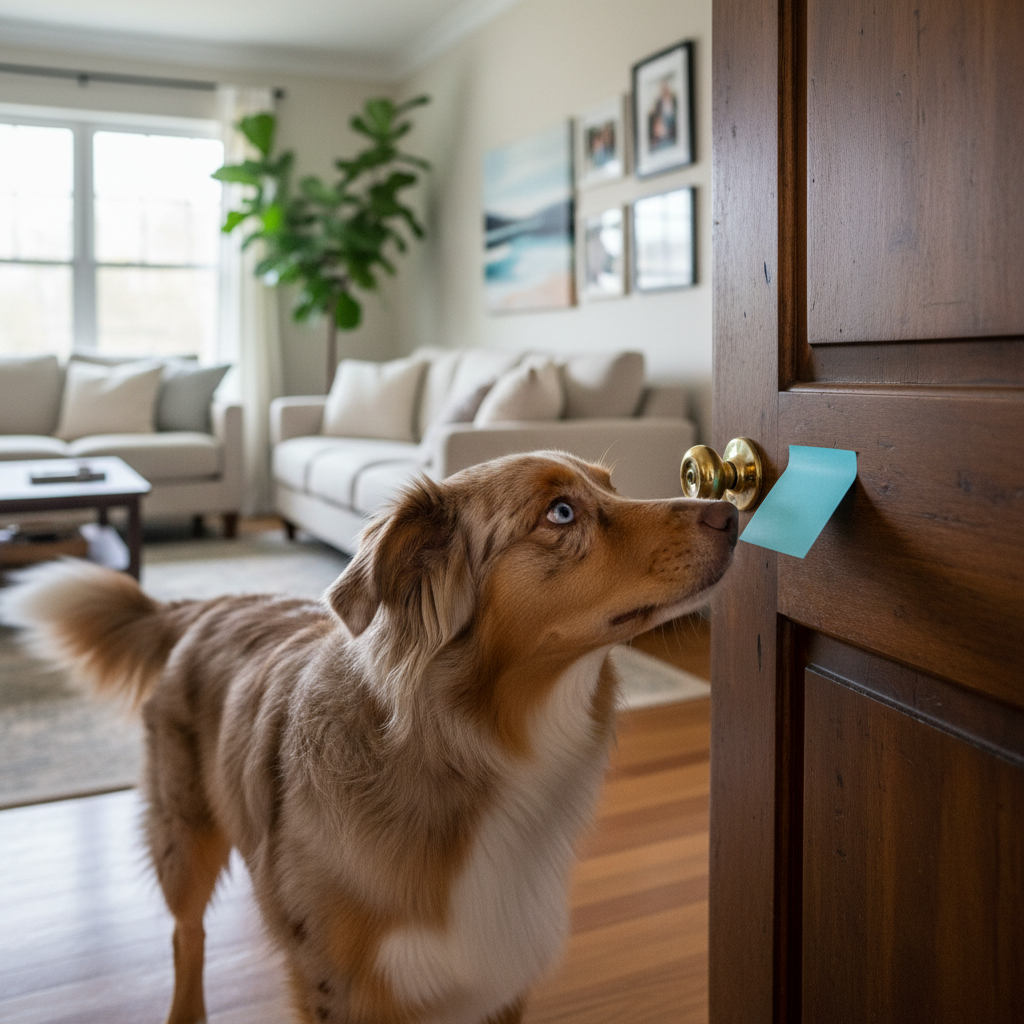
Advancing the Command and Practical Applications
Once your dog has mastered the basic hand target, you can expand its utility exponentially. The core concept remains the same: the dog learns to touch its nose to a designated object for a reward. This opens up a world of possibilities for advanced training and real-world problem-solving.
From Hand to Object Targeting:
To transition from your hand, simply hold a new object (like a target stick, a wooden spoon, or a yogurt lid) in your target hand. Your dog will likely touch the object while trying to touch your hand. Mark and reward this. Gradually, you can move your hand away so they are only targeting the object itself.
Advanced Use Cases:
- ‘Go to Your Mat’: Teach your dog to touch a target (like a sticky note) placed on their bed or mat. This evolves into a reliable ‘go to place’ command.
- Closing Doors: Place a target on a cabinet or interior door and reward your dog for nosing it shut.
- Agility Training: Target sticks are used extensively in agility to guide dogs through weave poles and to contact zones on obstacles.
- Assistance and Service Dog Tasks: Service dogs use targeting to perform tasks like pushing accessibility buttons, turning lights on/off, or retrieving specific items.
- Building Duration: Once the touch is solid, you can start building duration. Ask for a ‘Touch’ and delay the click/treat for a second, then two, teaching your dog to hold their nose to the target until released. This is invaluable for holding still during vet exams.
Troubleshooting Common Training Challenges
Troubleshooting Common Training Challenges
Even with a simple command, you may encounter roadblocks. The key is to stay patient, positive, and adjust your approach. Never punish your dog for not understanding; simply reassess and make the task easier for them to succeed.
Here are solutions to some common issues that arise when teaching the ‘Touch’ command.
| Problem | Reason | Solution |
|---|---|---|
| My dog is nipping or mouthing my hand. | The dog is overly excited or has learned that mouth contact gets rewards (common in puppies). | Immediately withdraw your hand with a calm ‘oops’ and momentarily pause the game. Only reward gentle nose bumps. You can also use a target stick or a plastic lid to protect your hand initially. |
| My dog has lost interest. | The treats may not be high-value enough, the sessions are too long, or the dog is tired or distracted. | Increase the value of your reward (use something more enticing), shorten your training sessions to just 1-2 minutes, and ensure you are in a low-distraction environment. Always end on a high note. |
| My dog won’t touch my hand, only sniffs it. | The dog is hesitant or doesn’t understand that physical contact is the goal. | Go back a step. Mark and reward any movement toward your hand, then only for sniffing, and then gradually hold out for the actual touch. Smearing a tiny bit of peanut butter or cream cheese on your palm for the first few reps can encourage contact. |
| My dog only responds to one hand or in one location. | The behavior has not been generalized yet. The dog has associated the cue with a very specific picture. | Make small, incremental changes. Practice with your other hand, then in a different chair, then while standing. Move to a different room and start the process over, rewarding heavily for success in the new context. |
Conclusion
The ‘Touch’ command is far more than a simple trick; it is a communication bridge that strengthens the bond between you and your dog. By investing a small amount of time in teaching this fundamental skill, you are equipping yourself with a versatile tool for building confidence, shaping complex behaviors, and navigating challenging situations with grace and positive reinforcement. It encourages your dog to think, problem-solve, and engage with you and their environment in a controlled, rewarding manner. Start today by presenting your hand and rewarding that first curious sniff. You will be unlocking a new level of partnership and opening the door to a richer, more cooperative life with your canine companion.