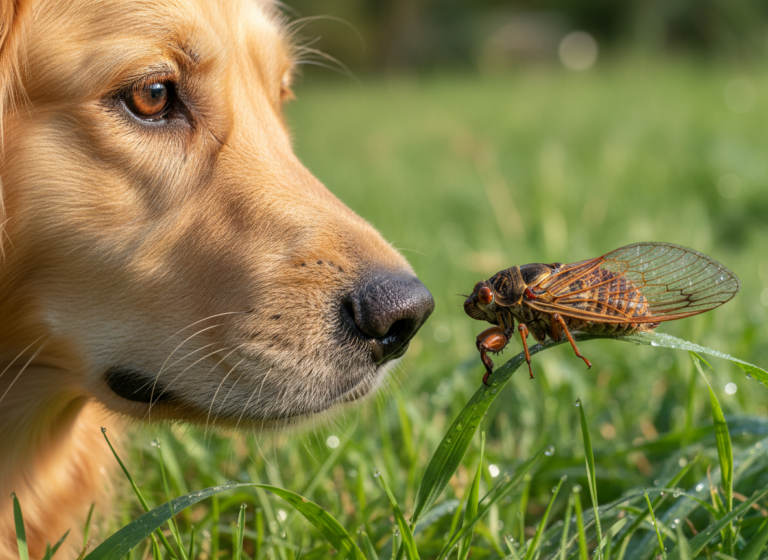
Why Is My Dog Licking Metal? 4 Surprising Medical Reasons

Observing a dog lick a metal object—be it their bowl, a table leg, or a gate—can be a perplexing experience for any pet owner. While occasional, curious licks might be harmless, persistent or frantic licking often signals a deeper issue that warrants attention. This behavior, far from being a simple quirk, can be a dog’s way of communicating discomfort or a physiological need. It’s a subtle clue that something is amiss in their internal world.
Understanding the root cause is paramount for ensuring your canine companion’s health and well-being. This behavior can be linked to a range of medical conditions, some of which are surprisingly common yet easily overlooked. In this comprehensive guide, we will delve into the four most significant medical reasons why your dog might be compulsively licking metal. By exploring these potential causes, from hidden nutritional gaps to complex neurological issues, you will be better equipped to identify warning signs and work effectively with your veterinarian to find a solution.
Understanding the Behavior: Pica and Compulsive Licking
Understanding the Behavior: Pica and Compulsive Licking
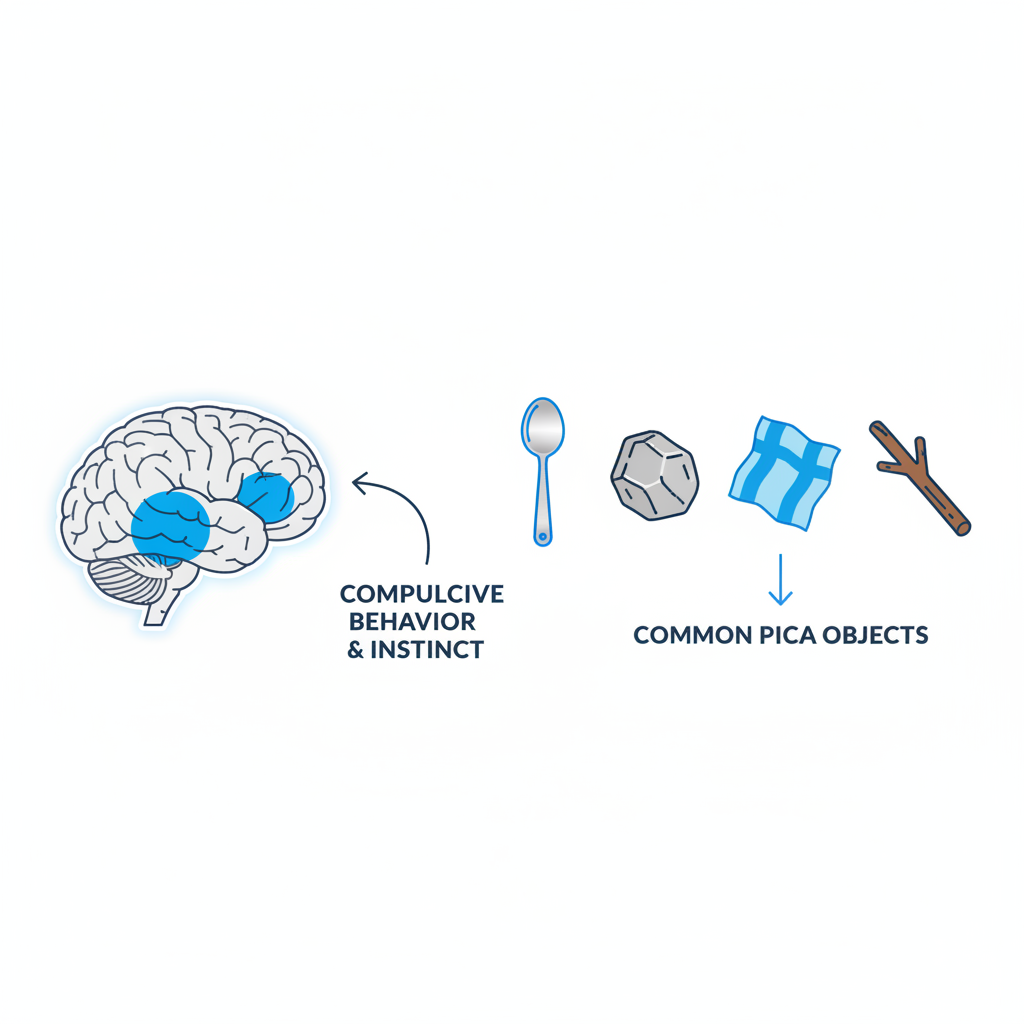
Before we explore the specific medical triggers, it’s essential to classify the behavior itself from a veterinary perspective. A dog’s compulsive licking of non-food items, such as metal, often falls under the umbrella of a condition known as pica. Pica is the term used to describe the craving and consumption of non-nutritive substances. While some dogs with pica actually ingest the items, others may simply lick them obsessively.
This behavior is distinct from the normal grooming or exploratory licking common in canines. It is characterized by its repetitive, compulsive nature. Your dog isn’t just tasting the object; they are driven to lick it repeatedly, often to the exclusion of other activities. This can be a self-soothing mechanism or a direct response to an internal imbalance.
Why It’s a Veterinary Red Flag
Veterinarians take pica and compulsive behaviors seriously for two main reasons:
- Risk of Injury or Toxicity: Licking metal coated with toxic substances (like lead paint on older items) or sharp, rusty surfaces can pose an immediate danger. If the licking escalates to ingestion, it can lead to intestinal blockages or poisoning.
- Indicator of Underlying Disease: More often than not, compulsive licking is a clinical sign—a symptom of an underlying medical problem. Just as a limp indicates pain in a leg, obsessive licking can point to metabolic, gastrointestinal, or neurological distress.
Expert Tip: Documenting the behavior is the first step. Note the frequency, duration, and specific metal objects your dog licks. Also, record any associated symptoms, such as changes in appetite, energy levels, or bowel movements. This information will be invaluable to your veterinarian.
Medical Reason #1: Significant Nutritional Deficiencies

Medical Reason #1: Significant Nutritional Deficiencies
One of the most well-documented causes of pica, including licking metal, is a deficiency in essential minerals or vitamins. The dog’s body, driven by instinct, may compel it to seek out sources of minerals it is lacking. Metal objects, in this context, become a target due to a perceived mineral content.
Iron Deficiency Anemia
The most common culprit in this category is iron deficiency anemia. Iron is a critical component of hemoglobin, the protein in red blood cells that carries oxygen throughout the body. When a dog is anemic, their body is literally starved for oxygen, leading to lethargy, weakness, and sometimes, strange cravings.
A dog may lick metallic objects in an instinctive attempt to ingest iron. This is especially true for objects with a coppery or metallic taste, which the dog might associate with blood—a rich source of iron. Anemia can be caused by various issues, including:
- Chronic blood loss (e.g., from intestinal parasites or ulcers)
- Poor nutrition or malabsorption disorders
- Kidney disease or other chronic illnesses
A veterinarian can diagnose anemia with a simple blood test called a complete blood count (CBC). They will also investigate the underlying cause to formulate an effective treatment plan, which may include deworming, dietary changes, or iron supplementation.
Other Mineral Imbalances
While iron is the most frequent suspect, deficiencies in other trace minerals like zinc or manganese can also potentially lead to unusual oral behaviors. A balanced, high-quality diet formulated for your dog’s life stage is the best defense against such deficiencies. If you feed a home-cooked diet, it is crucial to consult with a veterinary nutritionist to ensure it is complete and balanced.
Medical Reason #2: Gastrointestinal Pain and Nausea
Medical Reason #2: Gastrointestinal Pain and Nausea
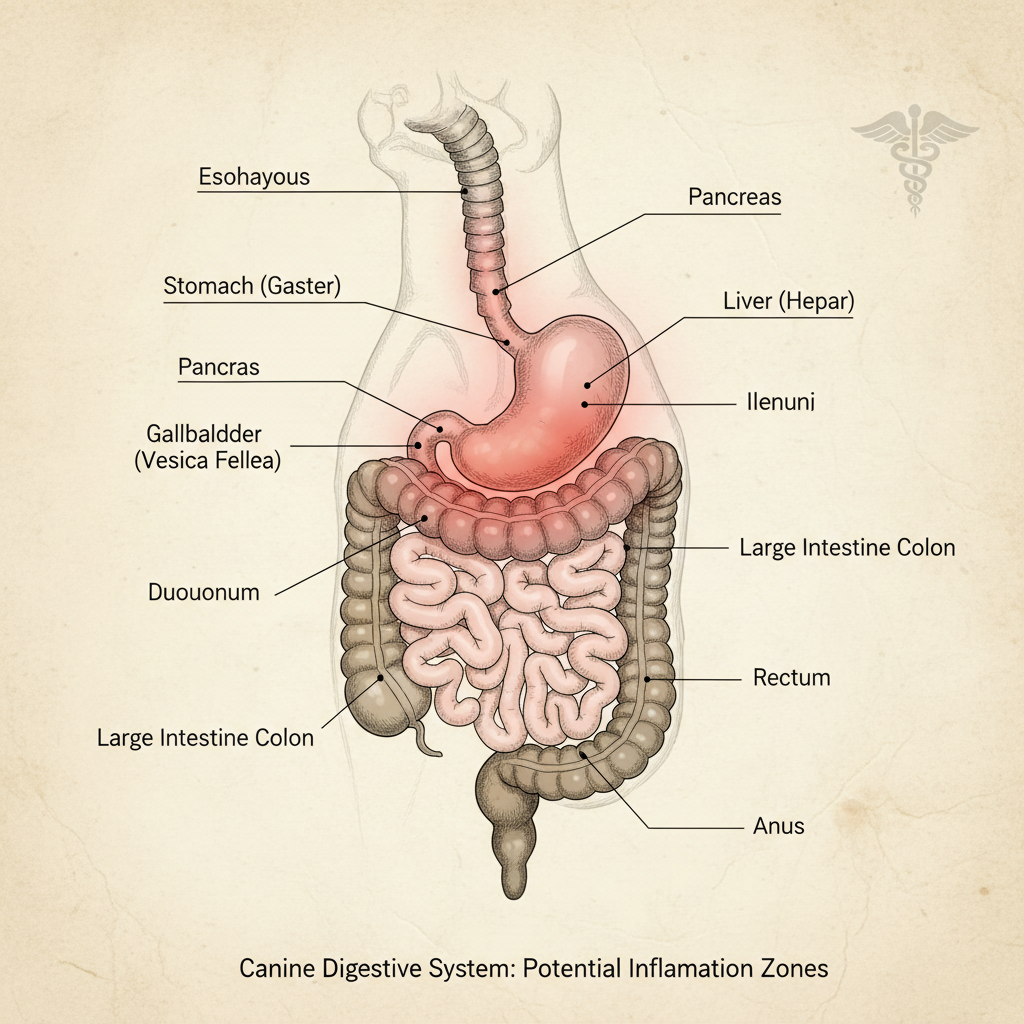
A dog experiencing gastrointestinal (GI) distress, such as nausea, acid reflux, or abdominal pain, may lick surfaces as a coping mechanism. The cool, smooth texture of metal can be particularly soothing. This behavior is often a sign that your dog is trying to alleviate discomfort.
The Link Between Nausea and Licking
When a dog is nauseous, they often produce excess saliva, leading to drooling and repeated swallowing. Licking can be an attempt to manage this excess saliva or to soothe an irritated esophagus from acid reflux. Conditions that can cause this type of discomfort include:
- Gastritis: Inflammation of the stomach lining, which can be caused by dietary indiscretion, infections, or other underlying diseases.
- Inflammatory Bowel Disease (IBD): A chronic condition that involves inflammation of the intestinal tract, leading to a host of symptoms including nausea, vomiting, and diarrhea.
- Pancreatitis: Inflammation of the pancreas, which is a very painful condition that frequently causes severe nausea.
- Foreign Body: An object stuck in the stomach or intestines can cause significant pain and nausea.
Observing for Clues
If GI distress is the cause, the metal licking will likely be accompanied by other symptoms. Look for:
- Loss of appetite or picky eating
- Vomiting or regurgitation
- Diarrhea or changes in stool consistency
- Lethargy or a reluctance to move
- A ‘praying’ position (front legs down, rear end up), which indicates abdominal pain
If you notice these signs along with the licking, a veterinary visit is essential. Diagnostic tools like X-rays, ultrasound, and blood work can help pinpoint the source of the GI issue.
Medical Reason #3: Dental Disease and Oral Pain
Medical Reason #3: Dental Disease and Oral Pain
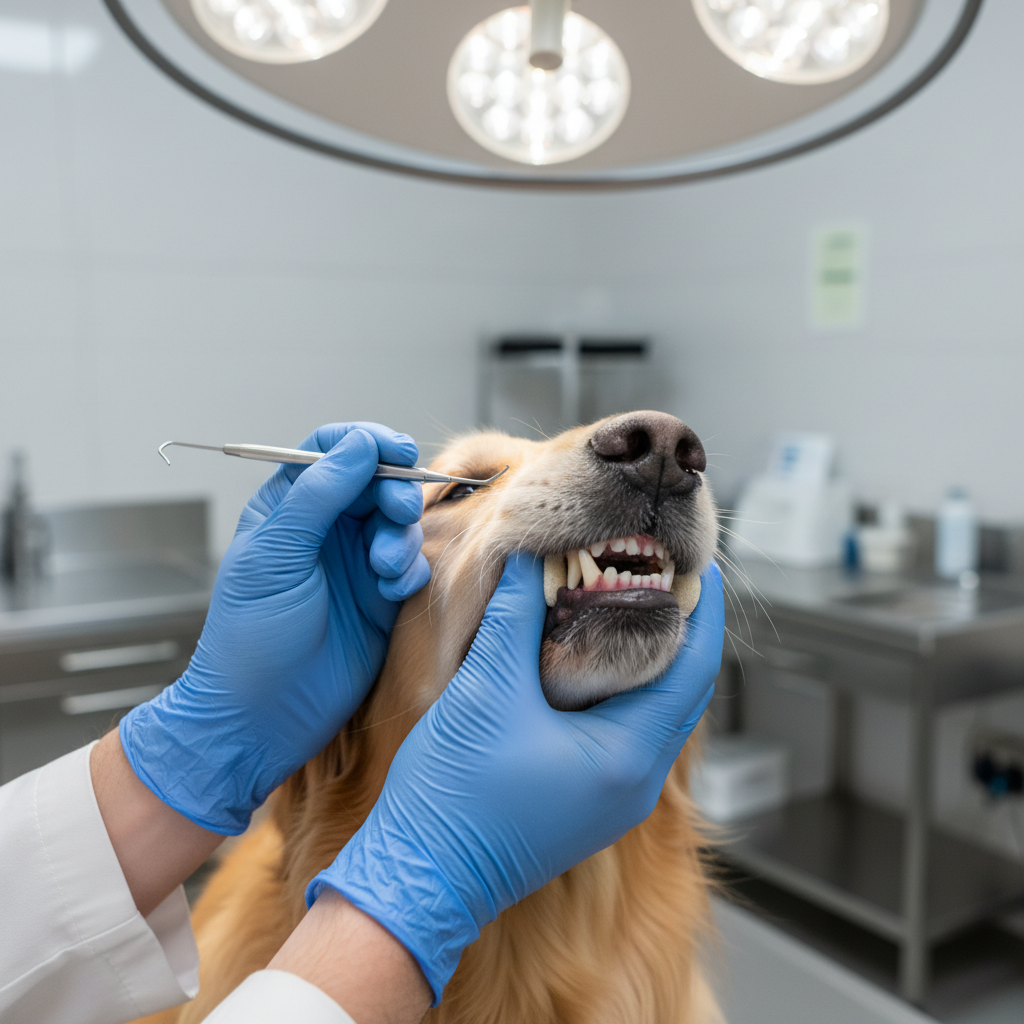
Pain originating in the mouth is another major reason a dog might compulsively lick objects, especially cool metal ones. The cold temperature can provide temporary relief from the throbbing pain and inflammation associated with dental problems. The dog is not necessarily trying to ‘clean’ its teeth; it’s seeking relief.
Common Oral Health Issues
Many dogs, especially as they age, suffer from some form of dental disease. The pain can be constant and severe, yet dogs are masters at hiding it. Compulsive licking might be one of the few outward signs. Common causes of oral pain include:
- Periodontal Disease: A painful infection of the gums that can lead to tooth decay, abscesses, and tooth loss.
- Fractured Teeth: A broken tooth can expose the sensitive pulp, causing intense pain.
- Oral Tumors or Growths: Cancers or benign growths in the mouth can be very painful and may cause a dog to engage in abnormal oral behaviors.
- Foreign Objects: A piece of a stick or bone fragment lodged between teeth or in the gums can cause significant irritation.
How to Check for Dental Problems at Home
While a veterinary exam is necessary for a definitive diagnosis, you can look for signs of dental issues at home. Gently lift your dog’s lips and look for:
- Red, swollen, or bleeding gums
- Heavy tartar buildup (yellow or brown crust on the teeth)
- Broken or loose teeth
- Unusual lumps or bumps on the gums, tongue, or roof of the mouth
- Foul breath (worse than typical ‘doggy breath’)
If you notice any of these signs, or if your dog is hesitant to let you look in their mouth, schedule a dental check-up with your veterinarian.
Medical Reason #4: Neurological and Cognitive Dysfunction

Medical Reason #4: Neurological and Cognitive Dysfunction
In some cases, the drive to lick metal is not rooted in physical pain or a nutritional need, but in the brain itself. Neurological conditions can lead to the development of compulsive, repetitive behaviors, and licking is a common manifestation.
Canine Cognitive Dysfunction (CCD)
Similar to Alzheimer’s disease in humans, Canine Cognitive Dysfunction (CCD) affects senior dogs, typically over the age of 10. It causes a decline in cognitive function, leading to changes in behavior. The acronym DISH is often used to remember the signs:
- Disorientation: Getting lost in familiar places, staring at walls.
- Interaction changes: Becoming more withdrawn or, conversely, more clingy.
- Sleep-wake cycle changes: Restlessness at night, sleeping more during the day.
- House soiling: Forgetting house-training rules.
Compulsive behaviors, such as pacing, circling, or licking, can also be a significant part of CCD. The dog may perform the action without a clear purpose, driven by anxiety or confusion stemming from their cognitive decline.
Other Neurological Causes
Focal seizures, sometimes called partial seizures, can also present as bizarre, repetitive behaviors. A dog might suddenly start licking the air, the floor, or a nearby object for a brief period. These are not always dramatic, full-body convulsions and can be easily misinterpreted as a strange quirk. If the licking behavior appears suddenly, is difficult to interrupt, and occurs in distinct episodes, it’s worth discussing the possibility of seizure activity with your veterinarian.
Action Plan: Observation and Veterinary Consultation

Action Plan: Observation and Veterinary Consultation
If you have observed your dog licking metal, it is crucial to take a proactive approach. Do not dismiss it as a harmless habit, especially if it is new or increasing in frequency. Your role is to be a careful observer and an advocate for your pet’s health.
What to Document for Your Vet
Before your appointment, gather as much information as possible. Create a log that includes:
- Frequency and Duration: How often does it happen each day? How long do the licking episodes last?
- Triggers: Does it happen at specific times, such as after meals or at night?
- Associated Behaviors: Note any other symptoms, no matter how minor they seem—changes in eating, drinking, urination, defecation, energy level, or mood.
- Your Dog’s Diet: Be prepared to list the brand of food, treats, and any supplements you provide.
When to Seek Veterinary Care
While any new, persistent behavior warrants a call to your vet, some situations are more urgent.
| Symptom Severity | Recommended Action |
|---|---|
| Routine Concern: The licking is the only symptom, and your dog seems otherwise healthy. | Schedule a non-emergency appointment with your regular veterinarian for a wellness check and consultation. |
| Urgent Concern: The licking is accompanied by lethargy, loss of appetite, vomiting, or pale gums. | Contact your veterinarian for a same-day or next-day appointment. |
| Emergency: Your dog has ingested a piece of metal, is in visible distress, has collapsed, or you suspect poisoning. | Go to the nearest veterinary emergency hospital immediately. |
Crucial Takeaway: Self-diagnosis can be dangerous. The potential causes for metal licking are too varied and serious to manage without professional guidance. A thorough physical examination and diagnostic tests, such as blood work or imaging, are often necessary to uncover the true cause and begin appropriate treatment.
Conclusion
A dog licking metal is more than just an oddity; it is a potential window into their health. As we’ve explored, this behavior can be a critical sign of serious medical issues, ranging from profound nutritional deficiencies and painful gastrointestinal or dental conditions to the complex changes brought on by cognitive dysfunction. By recognizing the licking as a form of communication, you transform from a worried observer into an informed advocate for your pet.
Your careful observations, combined with the diagnostic expertise of a veterinarian, are the key to unlocking the reason behind this behavior. Never hesitate to seek professional advice. Addressing the underlying medical cause not only resolves the compulsive licking but, more importantly, alleviates your dog’s hidden discomfort and improves their overall quality of life. Your vigilance is a testament to the powerful bond you share, ensuring your loyal companion receives the care they need and deserve.