
Why Is My Dog Digging On The Sofa? (And How To Stop It Fast)

Coming home to find your sofa cushions in disarray, with scratch marks and displaced stuffing, can be incredibly frustrating. This common behavior, often referred to as ‘denning’ or ‘nesting,’ leaves many pet owners perplexed and concerned about their furniture. You might wonder if your dog is being intentionally destructive or if there’s a deeper issue at play. The good news is that you are not alone, and this behavior is both understandable and correctable.
Sofa digging is rarely a sign of malice. Instead, it’s typically rooted in powerful, natural instincts that have been passed down for generations. From preparing a safe space to rest, to managing anxiety or simply burning off excess energy, your dog’s digging has a purpose. Understanding the ‘why’ behind the action is the critical first step in addressing it effectively.
This comprehensive guide will delve into the science and psychology of canine digging. We will explore the primary causes, from instinct to boredom, and provide you with a clear, authoritative, step-by-step plan to redirect this behavior. By implementing management strategies, providing appropriate outlets, and using positive reinforcement, you can teach your dog where digging is acceptable and preserve the integrity of your furniture for years to come.
Uncovering the Instinct: The Root Causes of Sofa Digging
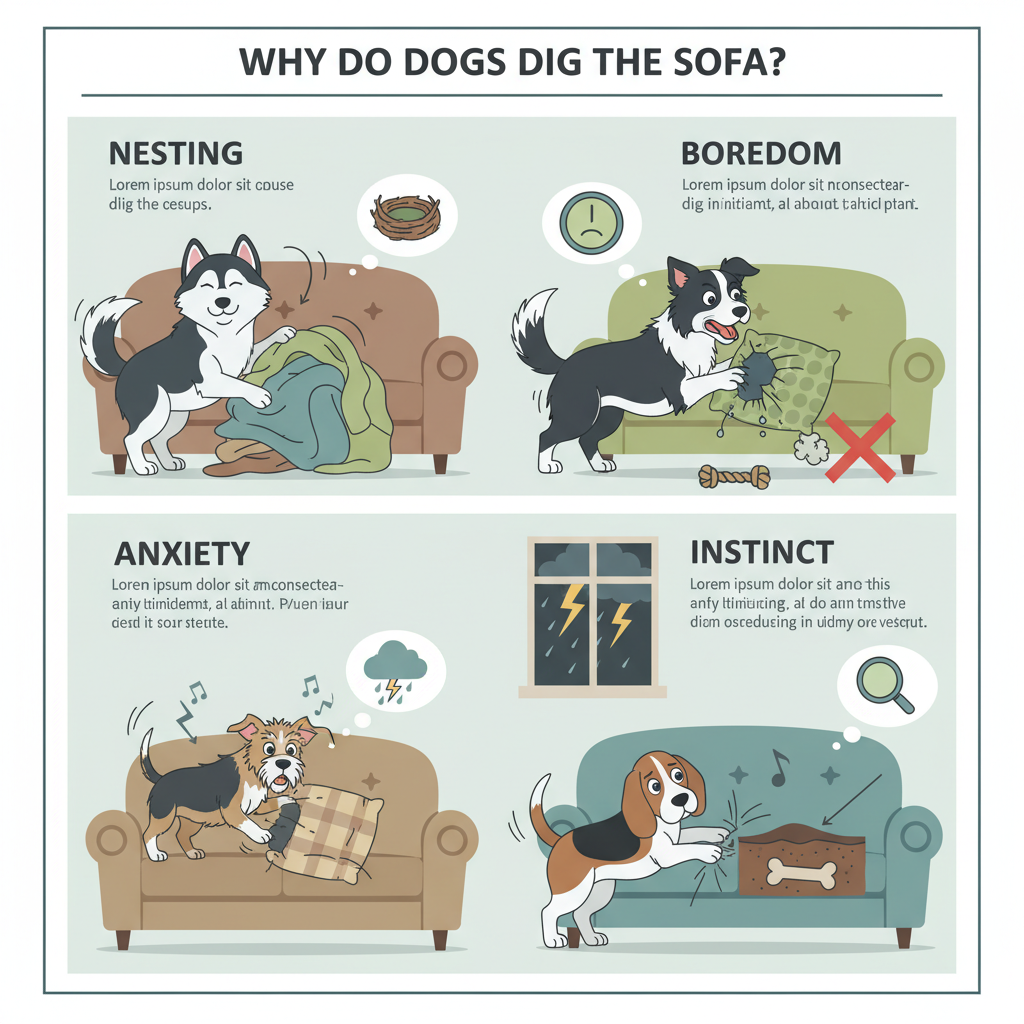
Before you can effectively stop your dog from digging on the sofa, you must first understand the motivation behind the behavior. Punishing an instinct-driven action without addressing its source is often ineffective and can lead to other behavioral problems. Digging is a natural, hardwired behavior for dogs, and several underlying reasons can trigger it on your furniture.
Instinctual Nesting and Denning
The most common reason for digging is the instinct to create a comfortable and safe resting place. In the wild, canids dig dens to provide shelter, regulate temperature, and protect their young. This behavior is deeply ingrained. When your dog digs at the sofa cushions, they are often attempting to ‘fluff up’ their bed, arranging it just right for a nap. They are trying to create a secure, comfortable hollow, much like their ancestors did in the earth. This is often accompanied by circling before they finally lie down.
Boredom and Excess Energy
A physically and mentally under-stimulated dog will find its own ways to stay busy, and your sofa might be the unfortunate target. Digging provides a significant physical and mental release. If your dog isn’t receiving enough exercise, playtime, or mental challenges throughout the day, they may resort to digging as a form of self-entertainment and to burn off pent-up energy. This is especially common in high-energy breeds or adolescent dogs.
Anxiety and Stress
Digging can be a self-soothing behavior for anxious or stressed dogs. The repetitive motion can be calming, helping them cope with triggers like separation anxiety, loud noises (thunderstorms, fireworks), or changes in the household (a new baby, a recent move). In these cases, the digging is a displacement behavior—an outlet for their emotional distress. It’s crucial to identify the source of the anxiety to address the digging effectively.
Scent Marking and Investigation
Dogs have scent glands in their paws. When they scratch and dig at a surface, they deposit their unique scent, claiming the area as their own. Your sofa, which already carries the strong scent of your family, is a prime location for your dog to add their own signature. They may also be digging in response to faint smells of food crumbs or other scents you can’t even detect, engaging their powerful sense of smell in an investigation.
Seeking Comfort or Buried Treasures
Sometimes, the reason is as simple as comfort. Your dog might be trying to burrow under blankets or cushions to feel warm and secure. Alternatively, they may be trying to ‘bury’ a high-value item like a bone or a favorite toy. This caching instinct is another holdover from their wild ancestors, who would bury food to keep it safe from scavengers. Your sofa’s deep cushions make an excellent, albeit inappropriate, hiding spot.
A Step-by-Step Plan to Stop Sofa Digging
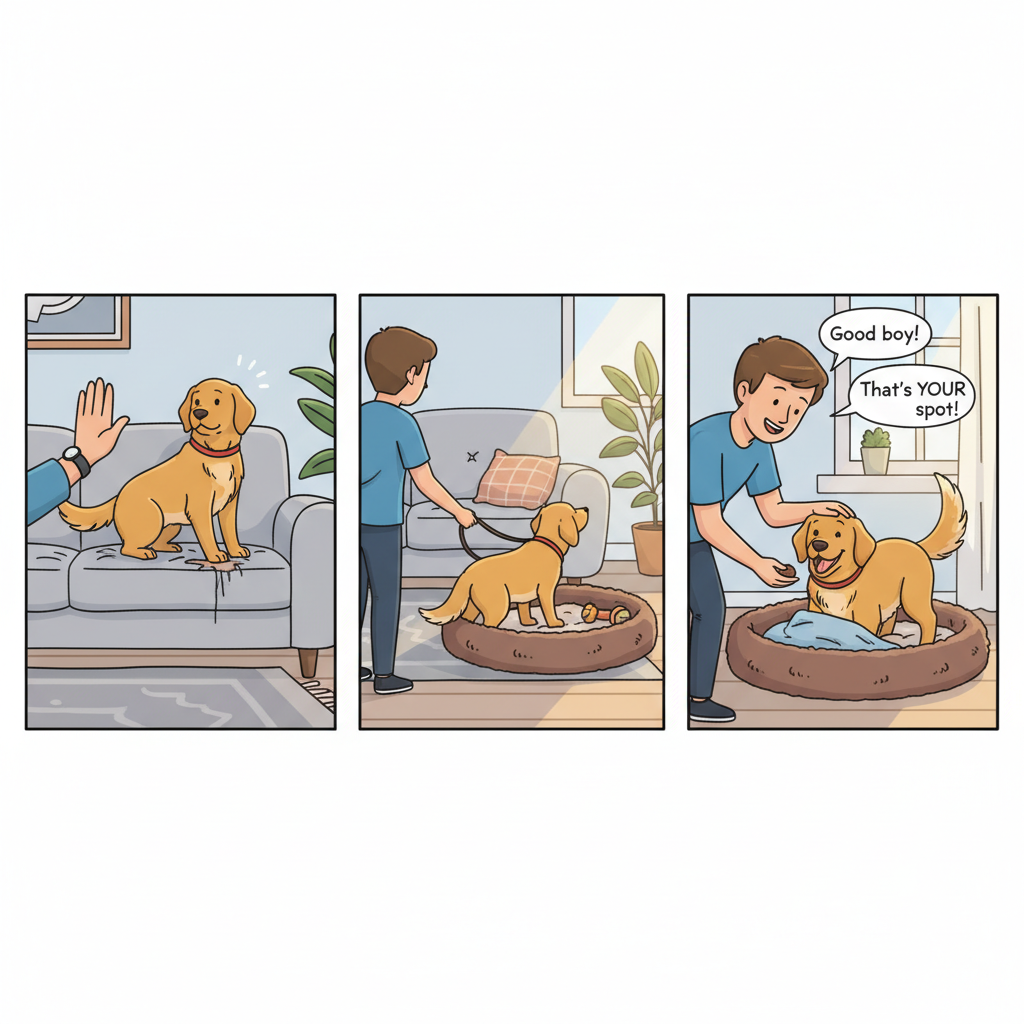
Once you have a better understanding of why your dog is digging, you can implement a structured plan to manage and redirect the behavior. This multi-faceted approach focuses on prevention, training, and enrichment rather than punishment, leading to more reliable and positive long-term results.
Step 1: Management and Prevention
The first and most immediate step is to manage the environment to make digging on the sofa impossible or unappealing. This prevents your dog from rehearsing the unwanted behavior.
- Limit Access: When you cannot actively supervise your dog, prevent access to the furniture. Use baby gates to block off the room or crate train your dog so they have a safe, personal space to rest.
- Use Furniture Protectors: Invest in durable, thick sofa covers, throws, or blankets. A tightly fitted cover can make the surface less satisfying to dig. Some covers are specifically designed to be scratch-proof.
- Apply Deterrents: You can place a plastic carpet runner (nubby side up) on the cushions when you’re not using them. Most dogs find this texture unpleasant to stand on and will avoid it.
Step 2: Redirection and Positive Reinforcement
Instead of scolding your dog for digging, you need to teach them what you want them to do instead. This is the core of effective training.
- Interrupt and Redirect: The moment you see your dog start to dig on the sofa, make a calm, neutral sound (like ‘Oops!’ or a clap) to interrupt them. Avoid yelling, which can create fear.
- Guide to an Appropriate Outlet: Immediately guide them to their designated ‘dig zone’ (see next section). This could be a dog bed with blankets, a snuffle mat, or a specific digging box.
- Reward the Desired Behavior: When your dog engages with the appropriate outlet—even just by sniffing or stepping on it—praise them enthusiastically and offer a high-value treat. You are teaching them that digging in their special spot earns them a reward, while digging on the sofa does not.
Step 3: Increase Physical and Mental Enrichment
Addressing the root cause of boredom is non-negotiable. A tired, mentally fulfilled dog is far less likely to engage in destructive behaviors.
- Enhance Physical Exercise: Ensure your dog gets enough breed-appropriate exercise. This means more than just a walk around the block. Incorporate activities like fetch, jogging, swimming, or visits to a dog park.
- Provide Mental Stimulation: Mental exercise can be just as tiring as physical exercise. Use puzzle toys, treat-dispensing balls, and snuffle mats to make your dog work for their food. Regular training sessions to teach new commands or tricks are also excellent forms of mental enrichment.
Step 4: Create a Designated ‘Dig Zone’
You cannot erase an instinct, but you can provide a safe and acceptable outlet for it. Create a space where your dog is allowed and encouraged to dig.
- The Indoor Option: Designate an old blanket, a specific dog bed, or a ‘diggy box’ (a shallow cardboard box filled with old towels, blankets, or safe toys). Hide treats inside to encourage them to explore it.
- The Outdoor Option: If you have a yard, create a small sandbox or a designated patch of loose soil where your dog is permitted to dig. Bury some favorite toys (partially at first) to make it an exciting treasure hunt.
Expert Tip: Consistency is paramount. Every member of the household must follow the same rules of interruption and redirection. Inconsistent responses will confuse your dog and prolong the training process.
Essential Tools and Techniques for Success
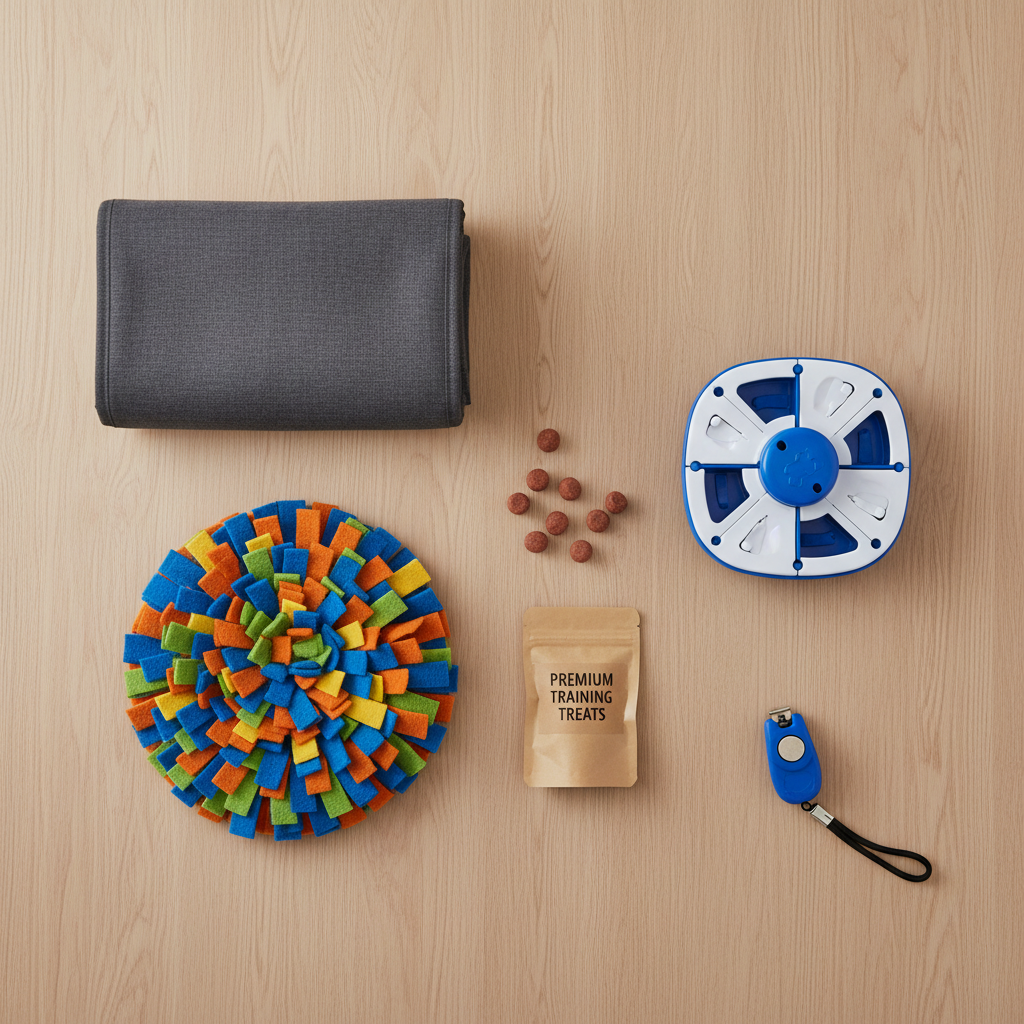
Having the right tools can significantly improve the effectiveness of your training plan and make the management process easier. These items are designed to protect your furniture, enrich your dog’s environment, and reinforce positive behaviors.
Furniture Protection
These tools are your first line of defense in managing the behavior and preventing costly damage.
| Tool | Primary Function | Best For |
|---|---|---|
| Durable Sofa Covers | Creates a physical barrier over the upholstery. | Households seeking an easy-to-clean and effective deterrent. Look for materials like microfiber, canvas, or specialized ‘pet-proof’ fabrics. |
| Thick Blankets or Throws | Adds a protective layer that can be easily removed and washed. | Dogs that are primarily ‘nesting’ rather than aggressively scratching. They can be encouraged to dig in the blanket itself. |
| Double-Sided Sticky Tape | Creates a tacky, unpleasant surface on furniture. | Targeting specific spots where digging is most frequent. Note: Test on an inconspicuous area first to ensure it doesn’t damage the fabric. |
Enrichment and Redirection Tools
These tools provide the necessary outlets for your dog’s physical and mental energy, addressing the root causes of digging.
- Snuffle Mats: These mats are made of fleece strips where you can hide dry food or treats, encouraging your dog to use their nose and paws to forage. This mimics natural seeking behaviors and is a fantastic outlet for mental energy.
- Puzzle Toys: Toys that require a dog to solve a problem (slide a panel, lift a cone) to get a treat are excellent for combating boredom. They provide long-lasting mental stimulation.
- Designated Dig Boxes: For the truly dedicated digger, a shallow box filled with safe materials can be a lifesaver. You can use old t-shirts, towels, or even ball-pit balls. Hiding high-value treats inside makes it an irresistible alternative to the sofa.
Positive Reinforcement Training Aids
These aids help you communicate clearly with your dog and build a strong, positive association with the desired behaviors.
- High-Value Treats: These are special, extra-tasty treats (like small pieces of chicken, cheese, or commercial training treats) that are reserved only for rewarding the most important behaviors, such as choosing the dig box over the sofa.
- Clicker: A clicker is a tool used in marker training. You ‘mark’ the exact moment your dog performs the correct behavior with a ‘click’ and then immediately follow it with a treat. This creates a clear and precise communication system.
When Digging Signals Deeper Issues: Anxiety and Compulsive Behavior
While most cases of sofa digging are rooted in common instincts or boredom, persistent or frantic digging can sometimes signal a more significant underlying issue, such as severe anxiety or a compulsive disorder. It’s vital for pet owners to recognize when the behavior crosses the line from a nuisance to a symptom of distress.
Identifying Anxiety-Related Digging
Anxiety-driven digging often looks different from boredom-driven digging. It may appear more frantic, intense, and be accompanied by other signs of stress. Pay close attention to the context in which the digging occurs.
- Triggers: Does the digging primarily happen when you are preparing to leave the house? Does it occur during thunderstorms, fireworks, or when strangers visit? These are classic triggers for separation anxiety and noise phobias.
- Accompanying Behaviors: Look for other signs of anxiety, such as excessive panting, pacing, whining, destructive chewing (especially around exits like doors and windows), or house soiling.
- Intensity: Anxious digging is often relentless and the dog may be difficult to distract from it. They are not just fluffing a cushion; they are trying to cope with overwhelming feelings.
Steps to Address Anxiety
If you suspect anxiety is the cause, management and redirection alone may not be enough. The focus must shift to reducing your dog’s overall stress.
- Create a Safe Space: Ensure your dog has a secure, comfortable den-like area, such as a crate with a comfy bed and a cover, where they can retreat when they feel overwhelmed.
- Calming Aids: Products like pheromone diffusers (e.g., Adaptil), calming supplements, or anxiety wraps (e.g., Thundershirt) can be effective for some dogs in reducing mild anxiety.
- Counter-Conditioning and Desensitization: This is a gradual process of changing your dog’s emotional response to a trigger. For example, you can work on short, positive departures to address separation anxiety or play recordings of thunder at a very low volume while giving treats to address noise phobia. This is often best done with professional guidance.
When to Consult a Professional
It is crucial to know when to seek help. If your dog’s digging is causing significant damage, if they are at risk of injuring themselves, or if the behavior is accompanied by severe signs of distress, it is time to consult a professional.
Seek Professional Help If: You observe persistent, high-intensity digging that doesn’t improve with enrichment and management; your dog shows other significant signs of anxiety or distress; or you feel overwhelmed and unsure how to proceed. A veterinarian can rule out any underlying medical issues, while a certified veterinary behaviorist or a certified professional dog trainer can develop a tailored behavior modification plan.
Common Mistakes to Avoid When Addressing Sofa Digging

In their eagerness to solve the problem, well-meaning pet owners can inadvertently make mistakes that hinder progress or even worsen the behavior. Avoiding these common pitfalls is just as important as implementing the correct strategies.
1. Using Punishment
The most common and most detrimental mistake is punishing the dog for digging. Yelling, swatting, or using aversive tools like spray bottles creates a negative association with you, not with the act of digging itself. Because digging is an innate behavior, punishment does not teach the dog what to do instead. It only teaches them to fear you and to be sneaky about the behavior, often waiting until you are not around. This can lead to increased anxiety, which may actually intensify the urge to dig as a coping mechanism.
2. Inconsistency in Rules and Enforcement
Dogs thrive on clear, consistent communication. If one family member allows the dog on the sofa and another doesn’t, or if the ‘no digging’ rule is only enforced sometimes, the dog will become confused. This inconsistency undermines your training efforts. It’s essential that everyone in the household is on the same page and follows the same protocol of interrupting and redirecting every single time.
3. Failing to Provide an Appropriate Outlet
Simply telling a dog ‘no’ without providing a ‘yes’ is a recipe for failure. You are attempting to suppress a deeply ingrained, natural behavior. If you don’t offer a designated and appealing place for your dog to dig, their need to perform that action will not disappear. It will simply manifest in other, potentially more destructive, ways. A proper outlet, like a snuffle mat or dig box, is not just a suggestion; it is a critical component of a successful training plan.
4. Overlooking the Importance of Enrichment
Many owners focus solely on stopping the digging itself, without addressing the underlying cause of boredom or excess energy. If you manage to stop the sofa digging but don’t increase your dog’s daily exercise and mental stimulation, they will likely trade one problem behavior for another, such as nuisance barking, chewing on furniture, or pacing. Enrichment is the foundation of a well-behaved and happy dog; it’s proactive, not reactive.
5. Expecting Results Too Quickly
Changing a learned or instinctual behavior takes time and patience. There will likely be setbacks along the way. Expecting your dog to be ‘cured’ after just a few days of training is unrealistic and can lead to frustration for both you and your pet. Celebrate small victories, remain consistent with your approach, and understand that you are working to build new habits, which is a gradual process.
Conclusion
Understanding and resolving your dog’s sofa-digging habit is a journey that transforms you from a frustrated furniture owner into an informed and empathetic canine guardian. By recognizing that this behavior stems from powerful instincts—for comfort, security, and entertainment—you can shift your approach from correction to collaboration. The key is not to extinguish the instinct, but to channel it appropriately.
The path to a pristine sofa lies in a consistent, multi-layered strategy. Diligent management protects your furniture while you train, and positive redirection teaches your dog the new rules of the house. Most importantly, committing to robust physical and mental enrichment addresses the root of the problem, ensuring your dog is too tired and fulfilled to seek out destructive pastimes. By providing a designated ‘dig zone,’ you honor your dog’s natural needs in a way that coexists peacefully with your home environment.
Remember to be patient and consistent. Building new habits takes time. If the digging persists or is linked to severe anxiety, do not hesitate to seek guidance from a veterinarian or a certified professional. With the right knowledge and a positive approach, you can successfully solve this behavioral puzzle, strengthening the bond with your canine companion in the process.