Why Every Big Dog Owner Needs a Tactical Harness With a Handle
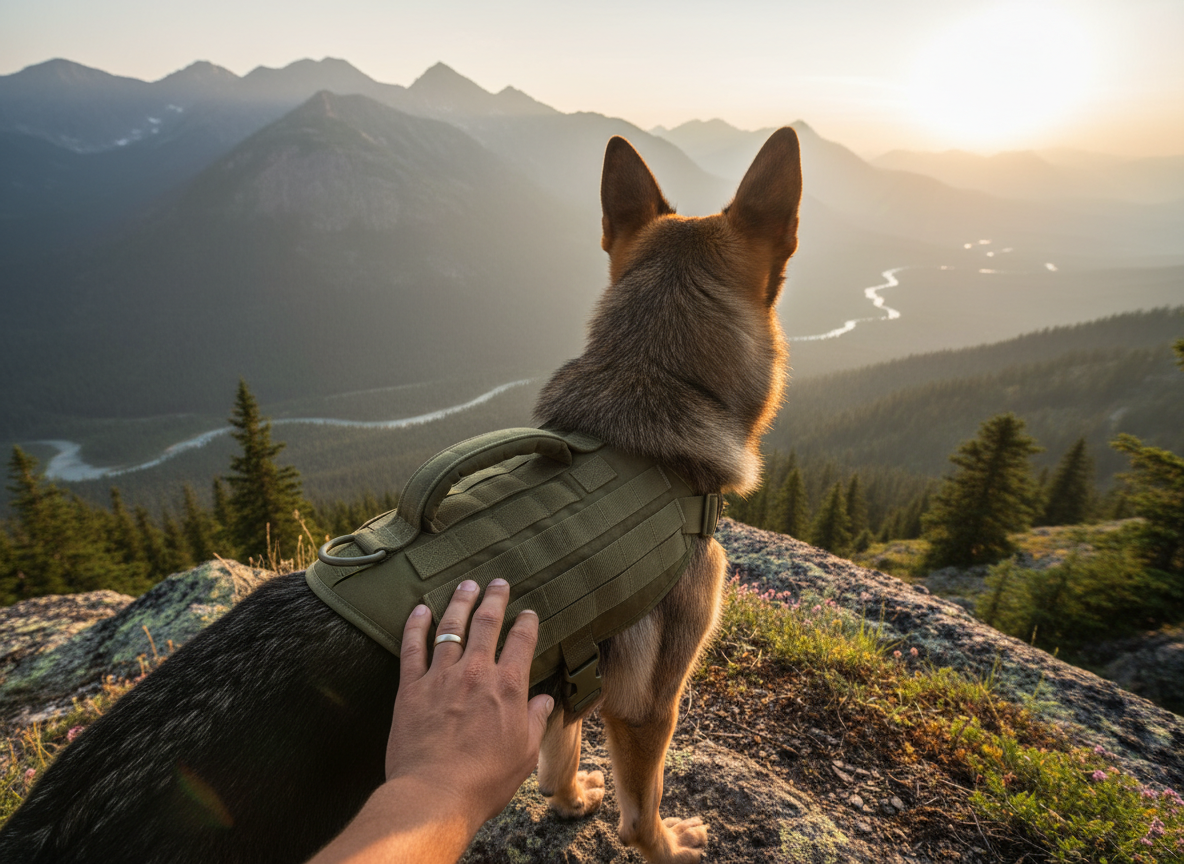
Owning a large, powerful dog is a unique and rewarding experience. Their strength, intelligence, and loyalty are unmatched. However, that same strength can present significant challenges, particularly during walks, training sessions, or in unpredictable public spaces. A simple collar or a standard pet-store harness often falls short, failing to provide the necessary control and security. This can lead to stressful situations for both you and your dog, from powerful lunging at distractions to difficulty navigating obstacles. This is where the tactical harness emerges not as a mere accessory, but as a fundamental piece of equipment for responsible large dog ownership. Engineered for durability, functionality, and ergonomic safety, a tactical harness with a handle provides a secure connection to your dog, transforming your ability to guide, assist, and protect them in any environment. This article will provide a comprehensive analysis of why this specialized gear is an indispensable tool for every owner of a large canine companion.
Beyond the Leash: Defining the Modern Tactical Harness
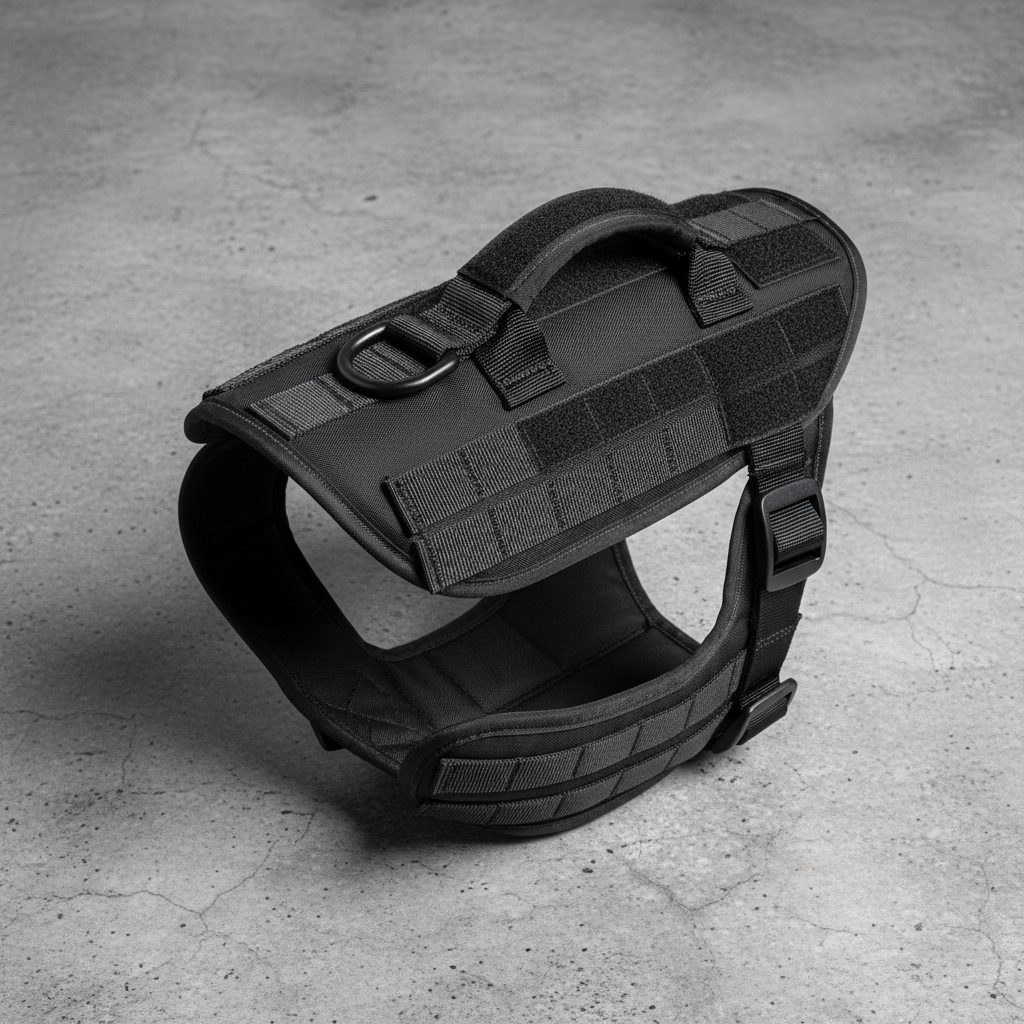
When the term ‘tactical harness’ is used, it often conjures images of military or law enforcement canines. While the design heritage does originate from these demanding fields, the modern tactical harness has been adapted to provide superior performance for civilian dog owners. Unlike standard harnesses that prioritize aesthetics, a tactical harness is built with a philosophy centered on performance, durability, and modularity. Understanding its core components reveals why it stands in a class of its own.
Materials and Construction
The foundation of a tactical harness is its material. Most are constructed from high-density nylon, such as 1000D (Denier) Cordura, a fabric renowned for its extreme resistance to tears, scuffs, and abrasions. This is the same grade of material used in military-grade backpacks and equipment. The stitching is equally robust, often featuring reinforced bar tacks at all stress points—such as the handle and leash attachment points—to prevent failure under the immense force a large, determined dog can exert.
Hardware and Fittings
Another key differentiator is the hardware. While consumer-grade harnesses frequently use plastic buckles and D-rings, tactical harnesses utilize load-rated metal hardware. This can include forged steel V-rings for leash attachment and heavy-duty quick-release buckles, sometimes even the coveted ‘Cobra’ buckles known for their incredible tensile strength and reliability. This ensures that no component becomes a weak link in the system.
Functional Design Elements
The design itself is purpose-driven. Key features include:
- Integrated Handle: The most crucial feature for large dog owners, this reinforced handle is typically located at the top of the harness, directly over the dog’s shoulders. It is designed for immediate, secure lifting and control.
- MOLLE/PALS Webbing: This stands for Modular Lightweight Load-carrying Equipment. It consists of rows of heavy-duty nylon webbing stitched onto the sides of the harness, allowing the owner to attach compatible pouches, first-aid kits, water bottle holders, or other gear.
- Paneling for Patches: Large loop panels are often included, allowing for the attachment of hook-and-loop patches. These can be used for identification, service dog notices, or morale patches.
In essence, a tactical harness is an integrated system designed for absolute reliability. It moves beyond the simple function of leash attachment to become a platform for control, assistance, and utility, providing peace of mind that standard equipment simply cannot offer.
The Unmatched Benefits for Large Breeds
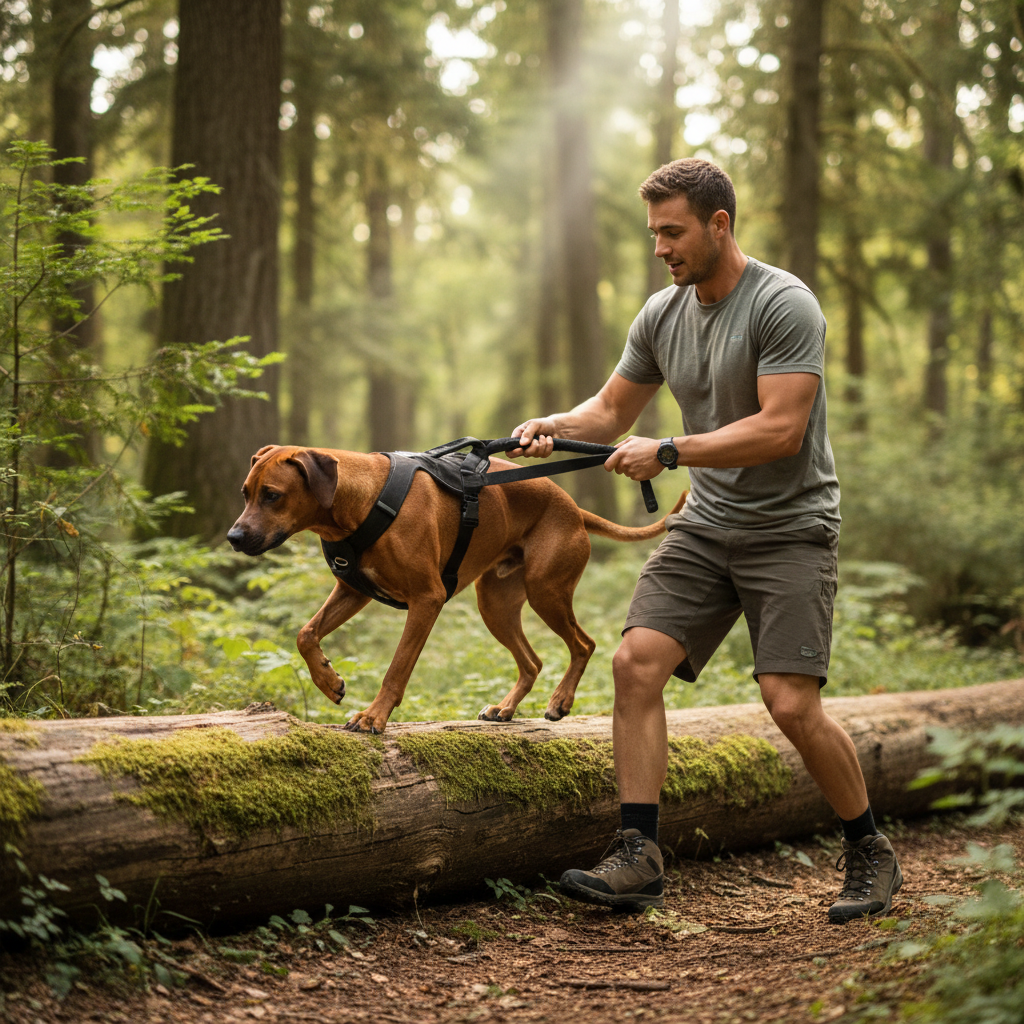
For owners of breeds like Rottweilers, Great Danes, Mastiffs, or powerful working lines, the advantages of a tactical harness are not just conveniences—they are critical safety features. The design directly addresses the physical realities of managing a dog that can easily outweigh and out-strength its handler.
The Power of the Handle: Immediate, Close-Quarters Control
The integrated handle is arguably the most significant benefit. It provides a direct, non-punitive way to manage your dog in tight situations. Consider these common scenarios:
- Navigating Crowds: In a busy farmers market or on a crowded sidewalk, the handle allows you to keep your dog tucked closely to your side, preventing them from weaving or startling pedestrians.
- Veterinary Visits: A nervous or reactive dog can be difficult to manage in a stressful vet clinic. The handle helps you guide them onto the scale or hold them steady during an examination.
- Emergency Lifting: If your dog is injured, elderly, or simply needs help getting into a high vehicle or over an obstacle on a trail, the handle allows you to provide support by lifting from their strong core, rather than pulling on a limb or their neck.
- Breaking Up Incidents: In the unfortunate event of a dog altercation, the handle provides a safe and effective way to gain control and separate the animals without putting your hands near their mouths.
Ergonomic Load Distribution: Protecting Your Dog’s Body
Collars concentrate all pulling force directly on the dog’s trachea and cervical spine. For a large dog that pulls, this can lead to discomfort, choking, and even long-term injury. A well-designed tactical harness distributes this force across the broad, muscular surfaces of the chest and shoulders. This not only makes the experience more comfortable for the dog but also gives the handler better leverage, discouraging pulling without causing physical harm.
Durability That Matches Their Strength
A 120-pound dog lunging at a squirrel can generate an astonishing amount of force. Plastic buckles can shatter and thin nylon can tear under such strain. The over-engineered nature of a tactical harness means it is built to withstand these forces repeatedly. The peace of mind that comes from knowing your equipment will not fail is invaluable, ensuring your dog remains securely connected to you at all times.
Utility and Modularity for an Active Lifestyle
Large dogs are often excellent partners for outdoor adventures like hiking and camping. The MOLLE system transforms the harness into a functional piece of gear. You can outfit your dog to carry their own water, collapsible bowl, or a small first-aid kit. This fosters a sense of purpose for the dog and lightens the load for the owner, making longer excursions more feasible and enjoyable.
Selecting the Perfect Fit: A Buyer’s Guide to Tactical Harnesses
Not all tactical harnesses are created equal. Investing in a high-quality model is crucial for both safety and comfort. When shopping, owners must become discerning consumers, paying close attention to details that separate premium gear from poorly made imitations. Here are the critical factors to consider.
Accurate Sizing and Adjustability
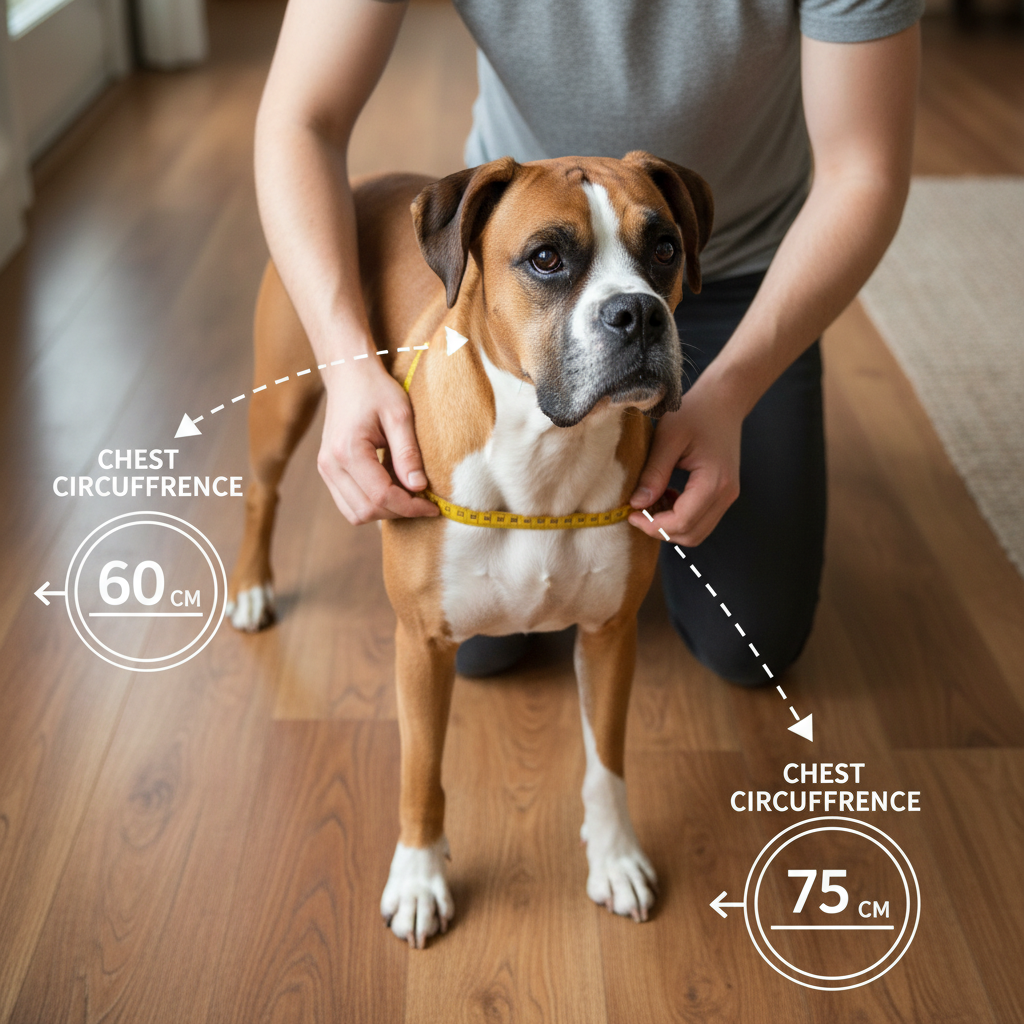
This is the most important factor. A harness that is too loose can be escaped, while one that is too tight will cause painful chafing and restrict movement. Before purchasing, use a soft tailor’s tape to measure your dog:
- Chest Girth: Measure around the widest part of your dog’s ribcage, just behind the front legs.
- Neck Opening: Measure around the base of the neck where a collar would sit.
Compare these measurements to the manufacturer’s sizing chart. Look for harnesses with multiple points of adjustment (typically at the neck and chest) to achieve a snug but not restrictive fit. You should be able to fit two fingers comfortably between the harness and your dog’s body at any point.
Key Features Comparison
When evaluating different harnesses, use this table as a guide to prioritize the most important features for safety and functionality.
| Feature | What to Look For | Why It Matters |
|---|---|---|
| Primary Material | 1000D Cordura Nylon or equivalent mil-spec nylon. | Provides maximum durability and resistance to tearing and abrasion. |
| Buckles & Hardware | Metal (Steel or Aluminum Alloy) Cobra-style or load-rated buckles. Forged metal V-rings or D-rings. | Ensures hardware will not break under extreme force, preventing escape. |
| Stitching | Reinforced bar tack stitching at all stress points (handle, leash clips, buckles). | Prevents seams from ripping apart under the strain of a powerful dog. |
| Padding & Lining | Breathable mesh lining; padding across the chest and back plates. | Prevents chafing, dissipates heat, and ensures comfort during extended wear. |
| Leash Attachment Points | At least two: a back clip (V-ring) and a front clip (webbing loop or D-ring). | The back clip is for general walking, while the front clip is a crucial tool for no-pull training. |
Comfort and Ergonomics
Beyond fit, consider the dog’s comfort. The chest and back plates should be wide enough to distribute pressure effectively. The straps should not sit too high in the dog’s ‘armpits,’ as this will cause rubbing and irritation. A well-designed harness allows for a full range of motion in the shoulders, which is critical for an active dog’s health and comfort.
From Unboxing to the Outdoors: Proper Use and Training Integration
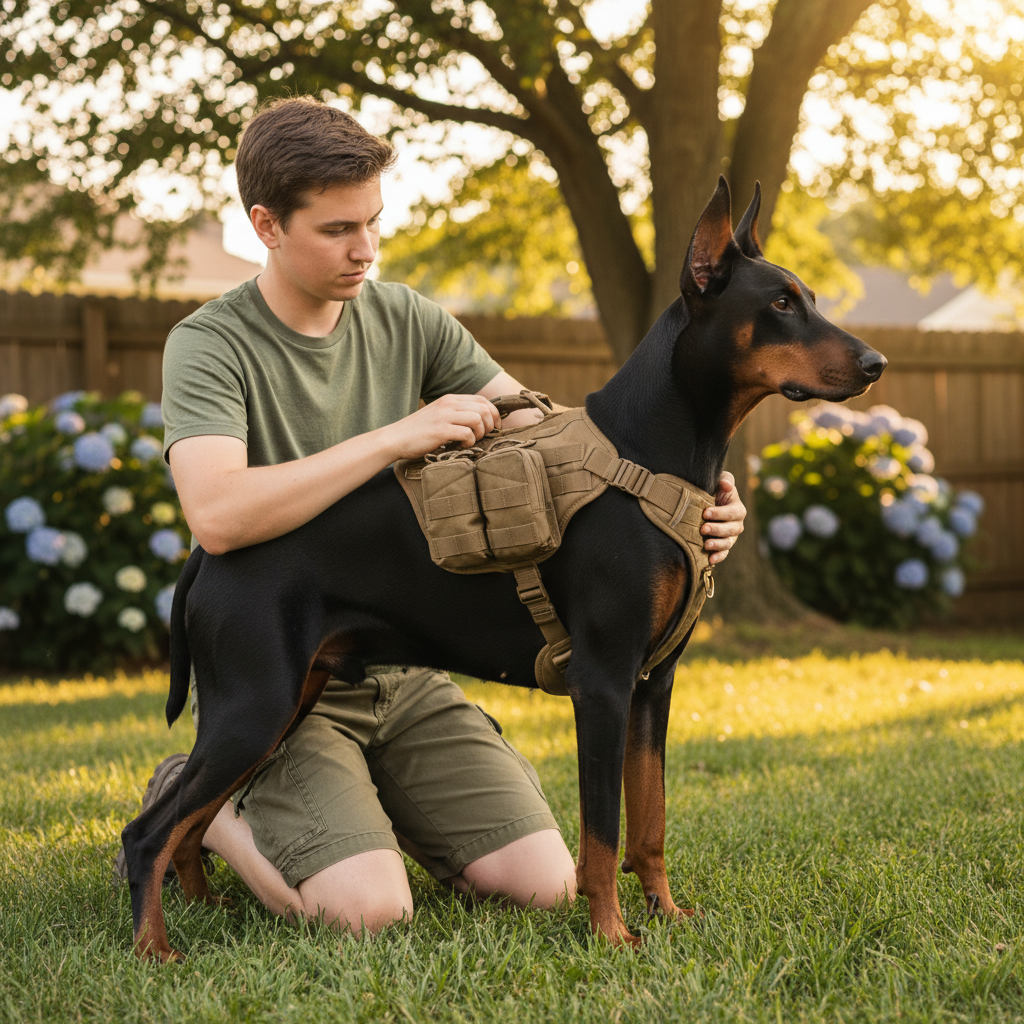
Purchasing the right tactical harness is only the first step. Proper introduction and integration into your training routine are essential to maximize its benefits and ensure your dog has a positive association with their new gear.
Introducing the Harness to Your Dog
Never force a new piece of equipment on your dog. A gradual introduction will build confidence and prevent fear or resistance.
- Familiarization: Leave the new harness on the floor and let your dog sniff and investigate it on their own terms. Drop high-value treats on and around it.
- Positive Association: Hold the harness in one hand and give your dog treats from the other. Touch the harness to their body briefly, then reward them.
- First Fitting: In a calm environment, place the harness on your dog without immediately buckling it. Give them lots of praise and treats. Then, gently secure the buckles. Keep the first session very short—just a minute or two—before removing it and ending on a positive note.
- Gradual Wear: Slowly increase the duration your dog wears the harness around the house before ever attaching a leash or going for a walk.
Mastering Leash Skills with the Harness
The dual clip system is a powerful training tool. Use the front clip to address pulling behavior. When the dog pulls, the front attachment point redirects their momentum back towards you, turning them gently and breaking their focus on what they were pulling towards. This makes it physically difficult and unrewarding for them to forge ahead. Once your dog has mastered loose-leash walking, you can transition to the back clip for regular walks, runs, or hikes, which allows for more freedom of movement.
Utilizing the Handle Responsibly
The handle is a powerful tool, but it must be used correctly. It is designed for brief periods of control or assistance.
Important: The handle should never be used to punish the dog, to carry their full body weight for an extended period, or as a primary tie-out point. Its purpose is for momentary guidance, lifting assistance, and emergency restraint.
By using the harness as a consistent part of your daily routine and training, it becomes a clear signal to your dog. When the harness goes on, it’s time to work, walk, or adventure together, reinforcing the bond and partnership between you and your powerful canine companion.
Conclusion
For the owner of a large breed dog, standard equipment is often a compromise that can jeopardize safety and control. A tactical harness with a handle is not an indulgence; it is a purpose-built solution designed to meet the unique demands of managing a powerful animal. From the immediate, life-saving control offered by the integrated handle to the ergonomic design that protects your dog’s physical well-being, every feature is rooted in practicality and security. The superior, military-grade materials provide the durability to match your dog’s strength, giving you the unwavering confidence that your connection will hold, no matter the situation. By investing in the right tactical harness and integrating it properly into your routine, you are enhancing your control, ensuring your dog’s safety, and ultimately, strengthening the bond of trust and partnership you share with your magnificent companion.