Why Does My Dog Sit Like a Human? (The ‘Pit Sit’ Explained)
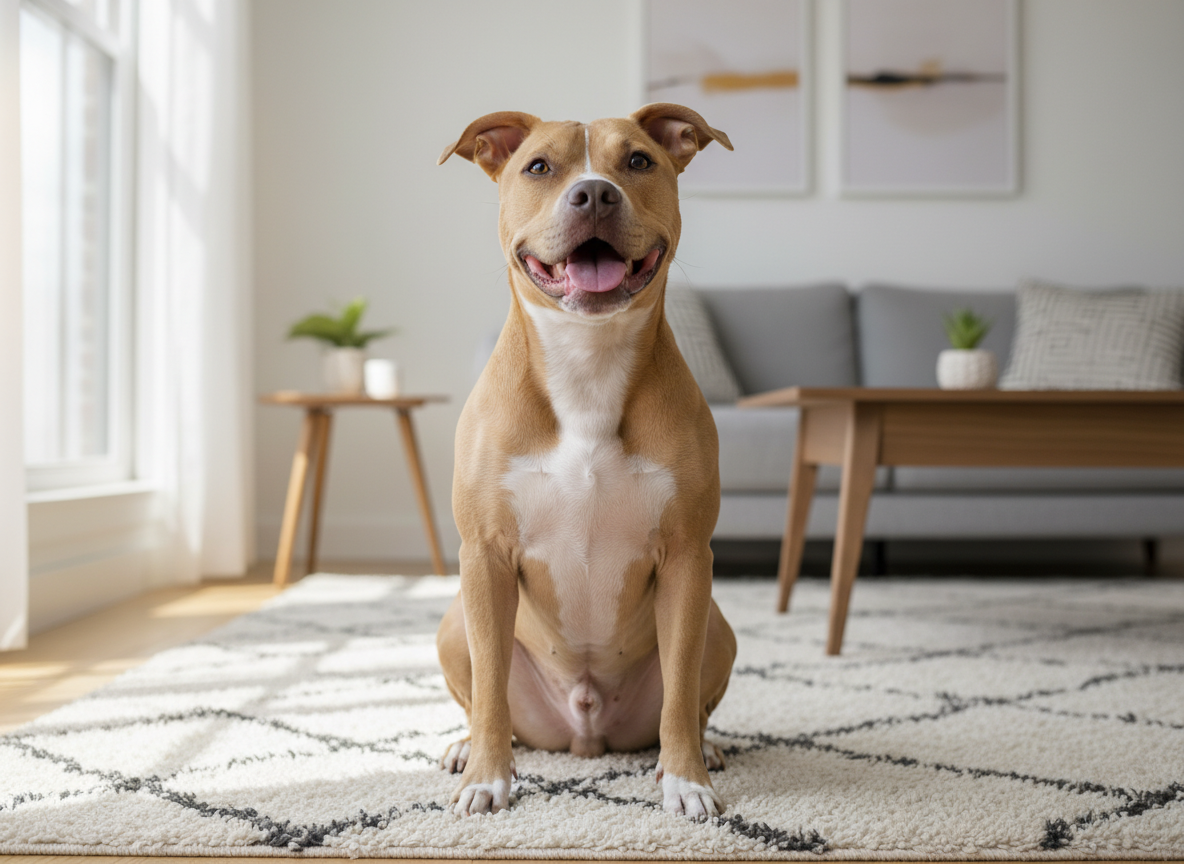
As a pet owner, you are likely familiar with the myriad of endearing and sometimes perplexing behaviors your canine companion exhibits. One posture that consistently captures human attention is when a dog sits upright on its haunches, with its back legs splayed forward, closely resembling a person relaxing on the floor. This posture, colloquially known as the ‘Pit Sit,’ ‘lazy sit,’ or ‘human sit,’ can be both amusing and concerning. While it often appears as a charming quirk, it can occasionally signal underlying health issues that warrant a closer look.
This comprehensive guide, grounded in canine anatomy, behavior, and veterinary medicine, will delve into the complexities of this unique sitting style. We will explore its origins, differentiate between normal behavior and potential red flags, and provide actionable advice for ensuring your dog’s long-term musculoskeletal health. Understanding the ‘why’ behind the ‘Pit Sit’ empowers you to be a more informed and proactive advocate for your dog’s well-being.
Defining the ‘Pit Sit’: Anatomy and Breed Predispositions
What Exactly is the ‘Pit Sit’?
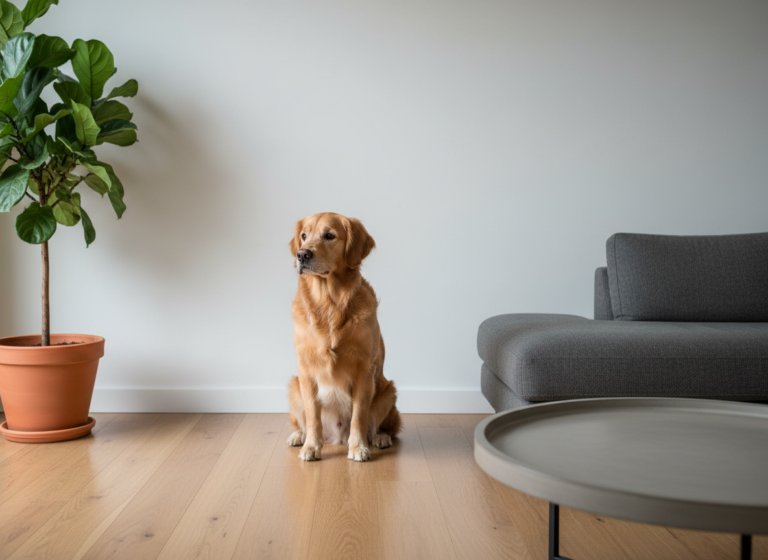
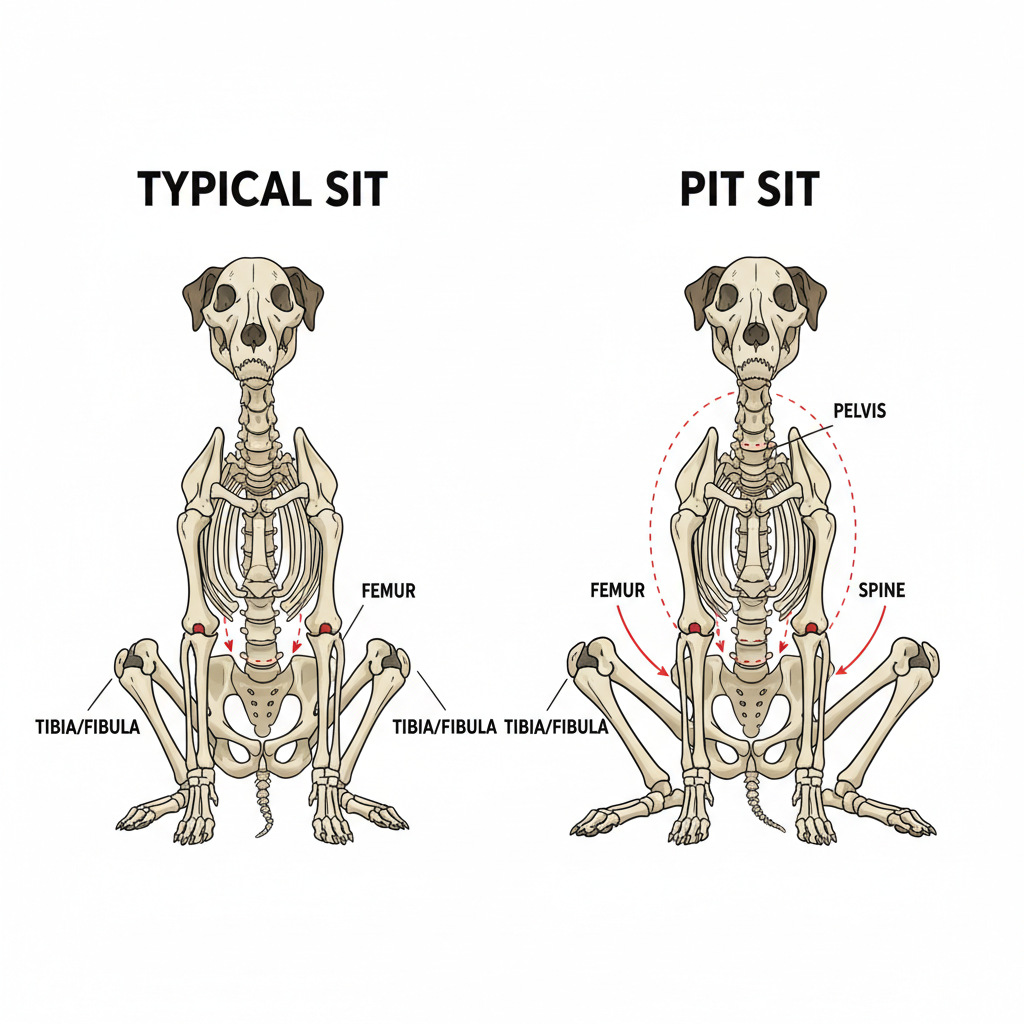
The ‘Pit Sit’ is a specific posture where a dog sits squarely on its tailbone and hindquarters, extending its rear legs forward rather than tucking them neatly to the side or underneath its body as seen in a traditional canine sit. The dog’s back is often straight, and its weight is balanced over a wide base created by its splayed legs. This posture is most famously associated with American Pit Bull Terriers and other bully breeds like Staffordshire Bull Terriers and American Staffordshire Terriers, which is how it earned its name.
Why is it Common in Certain Breeds?
The prevalence of this sit in specific breeds is not a coincidence; it is directly linked to their unique anatomical structure. These breeds typically possess:
- A Low Center of Gravity: Their stocky, muscular build gives them a low center of gravity, making this wide-based sitting position exceptionally stable.
- Wide Chests and Hips: A broad chest and pelvic structure can make the traditional tucked-leg sit less comfortable. The ‘Pit Sit’ allows for more space and avoids compressing their abdomen or hips.
- Short, Strong Backs: Their powerful, compact musculature and relatively short spinal column provide the necessary support to maintain an upright posture without strain.
- High Muscle Mass: Significant muscle in the hindquarters and torso contributes to the stability required for this human-like position.
While bully breeds are the poster children for this posture, many other dogs can and do adopt it. Breeds like Boxers, Bulldogs, and even some German Shepherds or Labradors with specific builds may find this position comfortable. Ultimately, any dog whose conformation makes this a stable and relaxing way to sit might be seen doing it.
Benign Reasons: Comfort, Communication, and Conditioning
Exploring Non-Medical Motivations for the Human-Like Sit
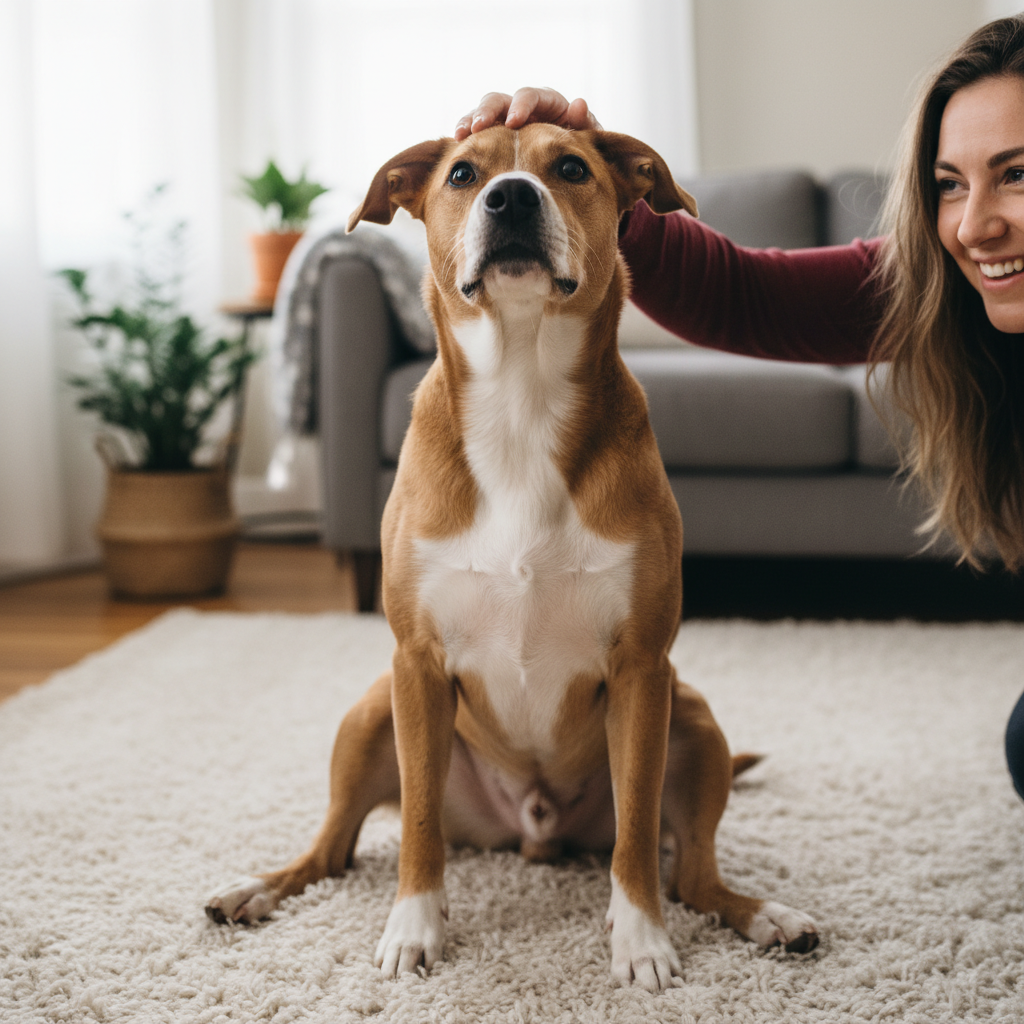
In a healthy, comfortable dog, the ‘Pit Sit’ is most often a completely benign behavior driven by a combination of comfort, habit, and social learning. It’s crucial to understand these normal motivations before jumping to conclusions about potential health problems.
A Position of Pure Comfort and Stretching
For many dogs, the ‘Pit Sit’ is simply the most comfortable way to relax. It allows them to decompress their lower back and stretch the muscles of their hips and inner thighs (the adductor muscles). After a long walk, a vigorous play session, or a nap in a curled-up position, this posture can feel particularly good. It provides a stable base for observing their surroundings, chewing on a toy, or simply resting without having to engage the muscles required for a more alert, traditional sit.
Behavioral Mimicry and Attention Seeking
Dogs are highly intelligent and socially aware animals. They are masters of observation and often learn behaviors that elicit a positive response from their human family. Consider how you react when you see your dog sitting like a little person.
- Positive Reinforcement: Most owners react with laughter, cooing, petting, or even taking a photo. The dog quickly learns that adopting this specific posture results in attention and affection. This positive reinforcement loop can turn an occasional comfort position into a regularly performed, learned behavior.
- Mimicking Human Behavior: Dogs spend their lives observing us. They see humans sitting on the floor with their legs in front of them. While it’s not a conscious imitation in the human sense, dogs can adopt postures that mirror those of their pack leaders (you) as a form of social bonding.
A Sign of Relaxation and Trust
A dog’s posture is a key indicator of their emotional state. A tense or anxious dog will typically maintain a more rigid, ready-for-action posture. The ‘Pit Sit,’ by its very nature, is a vulnerable and relaxed position. A dog sitting this way is not poised to spring into action. Therefore, when your dog sits like this in your presence, it can be interpreted as a strong signal of trust and contentment. They feel safe and secure in their environment and with their people, allowing them to fully relax their body.
When to Be Concerned: Potential Medical Causes
Identifying Underlying Health Issues That May Cause the ‘Pit Sit’
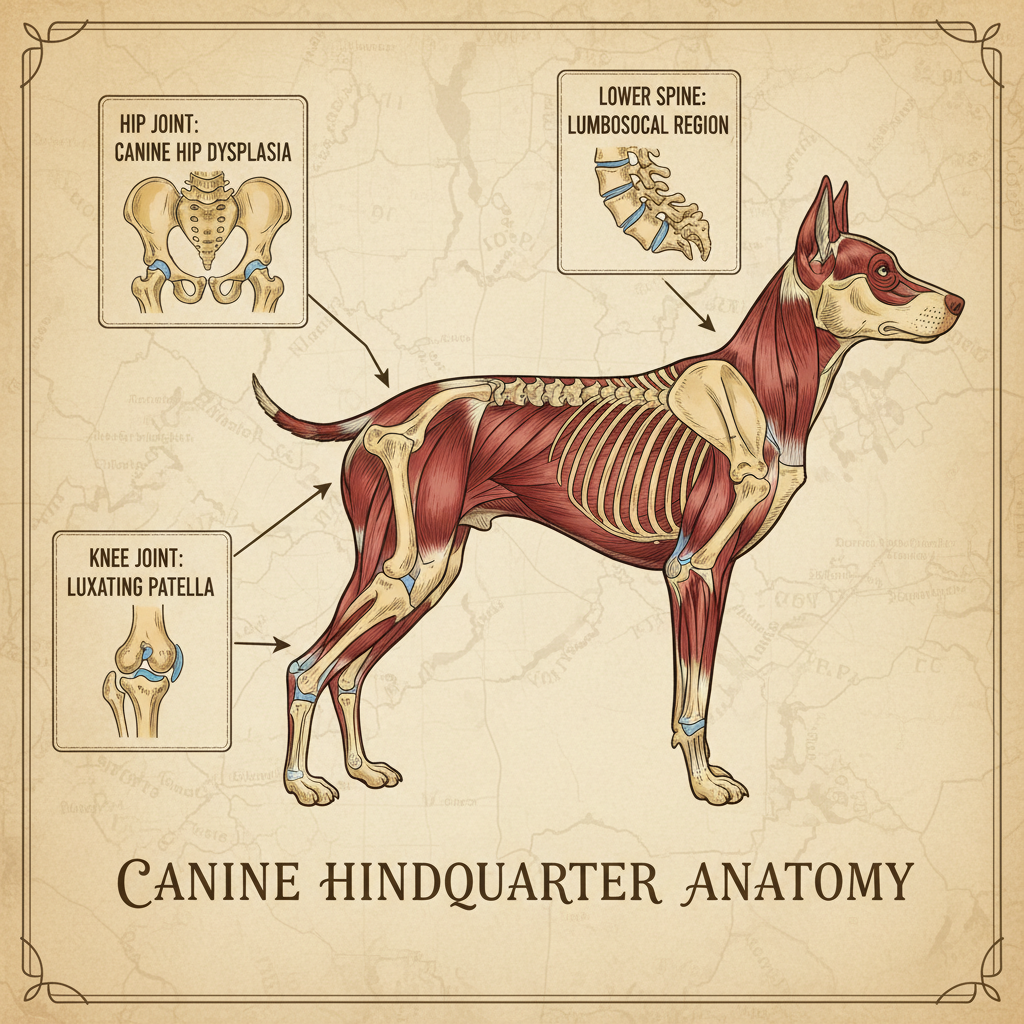
While often harmless, a sudden change in sitting posture or the appearance of the ‘Pit Sit’ in a dog that has never done it before—especially a senior dog—can be a subtle sign of musculoskeletal pain or discomfort. The posture may be an attempt to alleviate pressure on sore joints or a strained spine. As a vigilant owner, it is vital to be aware of these potential medical red flags.
Hip and Joint Problems
- Hip Dysplasia: This is a common genetic condition, particularly in larger breeds, where the hip joint’s ball and socket do not fit together properly. This malformation leads to instability, pain, and eventually arthritis. Sitting in the ‘Pit Sit’ position can help stabilize the joint and reduce the discomfort associated with a traditional sit.
- Osteoarthritis: Degenerative joint disease, or arthritis, can affect any joint but is common in the hips, knees, and spine of middle-aged and senior dogs. The inflammation and pain make flexing the joints difficult. The ‘Pit Sit’ avoids the deep flexion of the knees (stifles) and hips required for a normal sit.
Knee and Ligament Issues
- Luxating Patella: This condition involves the kneecap (patella) dislocating or moving out of its normal position. It is common in smaller breeds but can occur in any dog. The instability and pain can make the act of sitting down and tucking the legs uncomfortable, prompting the dog to splay its legs forward instead.
- Cranial Cruciate Ligament (CCL) Tears: Similar to an ACL tear in humans, a CCL injury is a significant cause of hind limb lameness. A dog with a partial or full CCL tear will avoid putting weight on the affected leg and will find postures like the ‘Pit Sit’ more manageable as it puts less strain on the unstable knee joint.
Spinal and Back Conditions
Pain originating from the spinal column can also lead to changes in posture. Conditions like Intervertebral Disc Disease (IVDD), spinal arthritis, or pinched nerves can cause significant discomfort. A dog experiencing back pain may adopt the ‘Pit Sit’ to maintain a straighter, more neutral spinal alignment and avoid the curvature that occurs in a typical sit.
Observational Guide: Differentiating a Quirk from a Symptom
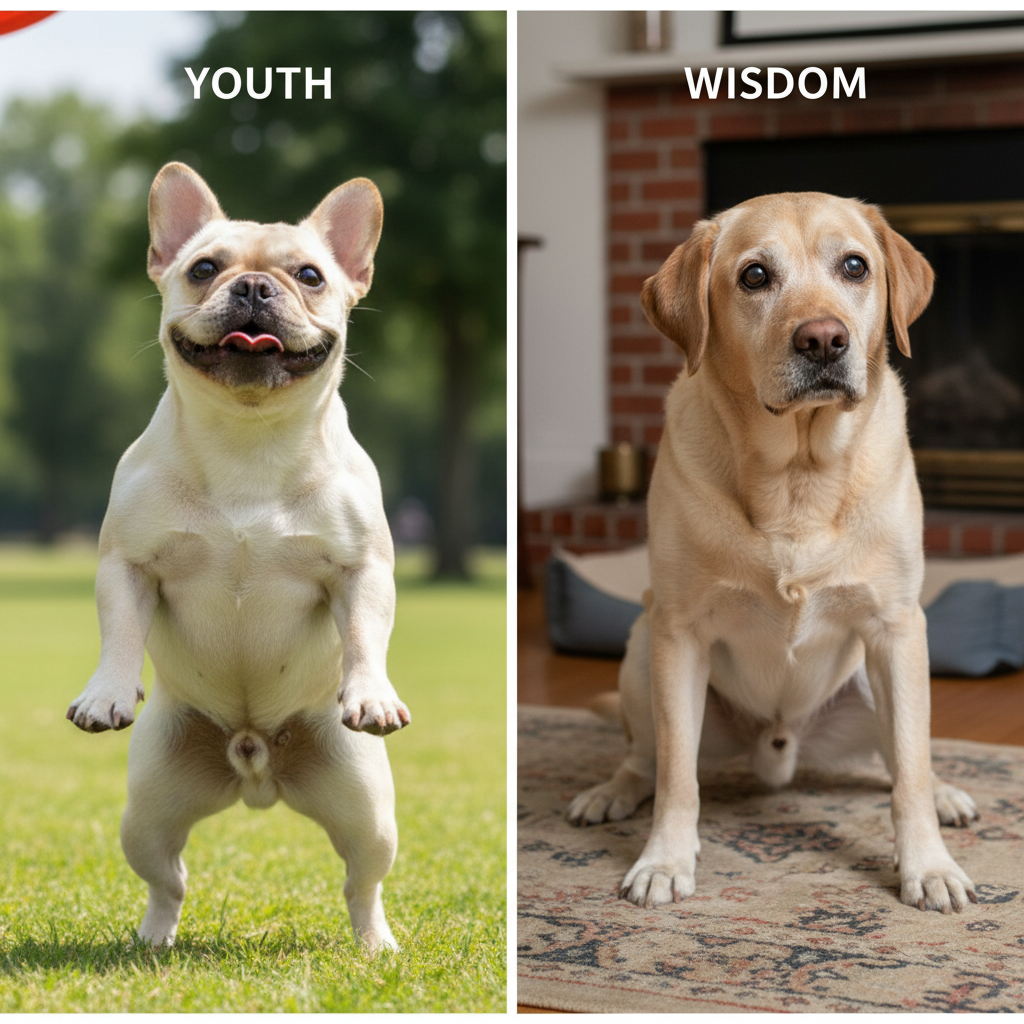
A Pet Owner’s Checklist for Assessing the ‘Pit Sit’
Distinguishing between a harmless behavioral quirk and a symptom of pain requires careful observation. Your dog cannot tell you where it hurts, but its body language and changes in routine can provide critical clues. If you notice your dog adopting this posture, use the following guide to assess the situation. If signs from the ‘Potential Concern’ column are present, a veterinary consultation is strongly recommended.
| Observation Point | Likely a Harmless Quirk | Potential Concern (Consult a Veterinarian) |
|---|---|---|
| Age of Onset | Dog has sat this way since it was young; it’s a lifelong habit. | Behavior starts suddenly, especially in a middle-aged or senior dog. |
| Ease of Movement | Dog gets up and down from the position easily and smoothly, without hesitation. | Dog shows stiffness, hesitation, or difficulty when rising from the sit or lying down. |
| Gait and Mobility | Dog walks, runs, and jumps normally with a fluid, even gait. | Dog shows signs of limping, bunny-hopping with the back legs, or reluctance to run, jump, or use stairs. |
| Vocalization | Dog is quiet and relaxed while sitting and moving. | Dog groans, yelps, or whimpers when changing positions or if the hips/back are touched. |
| Other Postures | Dog uses a variety of sitting and lying positions throughout the day. | The ‘Pit Sit’ becomes the exclusive or predominant sitting posture, avoiding other positions it used to enjoy. |
| Behavioral Changes | Dog’s energy levels, appetite, and general demeanor are normal. | Dog shows signs of lethargy, irritability, decreased appetite, or excessive licking of a specific joint. |
| Muscle Tone | Hindquarters appear strong, symmetrical, and well-muscled. | Noticeable muscle atrophy (wasting) in one or both hind legs. |
Expert Tip: Record a short video of your dog sitting, getting up, and walking. This can be an invaluable tool for your veterinarian, as it provides a clear, objective view of your dog’s mobility patterns in a natural home environment.
Proactive Support for Your Dog’s Musculoskeletal Health
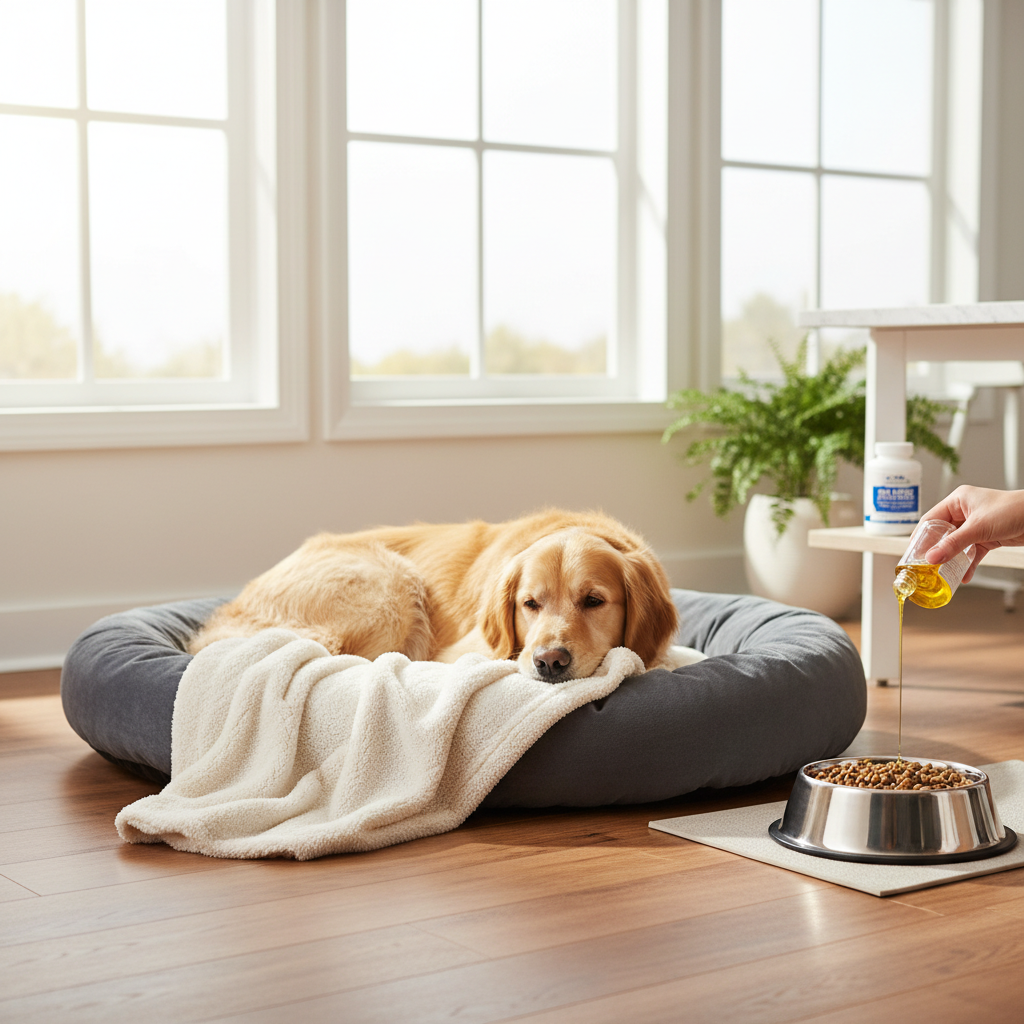
Promoting Joint Health and Comfort for All Dogs
Regardless of whether your dog’s ‘Pit Sit’ is a simple habit or a sign of discomfort, promoting excellent musculoskeletal health is one of the best things you can do for their long-term quality of life. The following strategies can help support your dog’s joints, manage mild discomfort, and potentially slow the progression of degenerative conditions.
1. Maintain a Healthy Body Weight
Excess weight is the single greatest contributor to joint stress in dogs. Every extra pound puts significant additional strain on the hips, knees, and spine. Work with your veterinarian to determine your dog’s ideal body condition score and implement a diet and exercise plan to achieve and maintain it. This is the most impactful, non-invasive intervention for joint health.
2. Provide High-Quality Joint Supplements
Many supplements are available to support cartilage health and reduce inflammation. Look for products containing a combination of the following ingredients:
- Glucosamine and Chondroitin Sulfate: These are building blocks of cartilage and can help slow its degeneration.
- Omega-3 Fatty Acids (EPA/DHA): Found in fish oil, these have natural anti-inflammatory properties.
- Avocado/Soybean Unsaponifiables (ASU): This extract can help protect cartilage and support joint function.
- Green-Lipped Mussel (GLM): A natural source of omega-3s, glucosamine, and other joint-supporting components.
Always consult your vet before starting any new supplement to ensure it’s appropriate for your dog’s specific needs and health status.
3. Invest in Orthopedic Bedding
Hard, cold surfaces can exacerbate joint stiffness and pain. An orthopedic dog bed made from high-density memory foam provides superior support by contouring to your dog’s body, relieving pressure points, and promoting restorative rest.
4. Modify Exercise Routines
Regular, low-impact exercise is crucial for keeping joints mobile and supporting muscles strong. High-impact activities like jumping for a frisbee or hard running on pavement can be detrimental for dogs with joint issues. Instead, focus on:
- Leash Walking: Consistent, controlled walks on soft surfaces like grass or trails.
- Swimming: An excellent non-weight-bearing exercise that improves cardiovascular health and muscle tone without stressing the joints.
5. Consider Physical Rehabilitation
For dogs diagnosed with a specific condition, a certified canine rehabilitation therapist can be invaluable. They can design a customized program of therapeutic exercises, massage, laser therapy, or underwater treadmill sessions to improve strength, flexibility, and comfort.
Conclusion
The ‘Pit Sit’ is a fascinating behavior that beautifully illustrates the intersection of canine anatomy, personality, and physical health. For the majority of dogs, sitting like a human is a harmless, even adorable, quirk—a simple expression of comfort, trust, and perhaps a clever way to get a little extra attention. It reflects their unique body structure and relaxed state of mind.
However, as responsible pet owners, our role is to be diligent observers. By understanding the potential medical reasons behind this posture, such as hip dysplasia or arthritis, we can better identify subtle signs of discomfort. A change in behavior is often the first and only clue our stoic companions give us that something is wrong. Paying attention to the context—the dog’s age, ease of movement, and overall demeanor—is key to distinguishing a benign habit from a call for help.
Ultimately, whether your dog is a lifelong ‘human sitter’ or has just started, focusing on proactive joint care through weight management, proper nutrition, and appropriate exercise is always a wise investment. If you ever have concerns about your dog’s posture or mobility, never hesitate to consult your veterinarian. They are your best partner in ensuring your beloved friend lives a long, comfortable, and happy life.