Why Does My Dog Groan Like an Old Man When Laying Down?

As a devoted pet owner, you are likely attuned to every sigh, yip, and tail wag your canine companion makes. One of the more curious sounds you might hear is a deep, resonant groan as your dog settles down for a nap. It often sounds remarkably human, reminiscent of an old man sinking into his favorite armchair after a long day. While this behavior can be endearing, it can also spark a flicker of concern. Is this a simple expression of comfort, or could it be a subtle sign of underlying pain or distress? Understanding the nuances of this common canine vocalization is crucial for ensuring your dog’s health and well-being. This comprehensive guide will delve into the multifaceted reasons why dogs groan when lying down, helping you distinguish between a harmless sigh of contentment and a potential cry for help that warrants a visit to the veterinarian.
Decoding the Groan: Comfort Sigh or Cry for Help?

Canine communication is a complex tapestry woven from body language, scent, and a wide array of vocalizations. Groaning is just one of the many sounds in their repertoire, and its meaning is heavily dependent on context. Before jumping to conclusions, it is essential to understand the difference between a groan and other similar sounds, and to recognize the signs of a contented dog.
The Spectrum of Canine Sounds
Not all low-frequency sounds are created equal. Pet owners should learn to differentiate between them:
- Sighs: A sigh is typically a long, audible exhalation. In dogs, it often signals contentment and relaxation, especially after a period of activity or excitement. It can also indicate mild disappointment, such as when they realize you are not, in fact, going for a walk.
- Grunts: Grunts are short, guttural sounds often associated with effort. A dog might grunt when shifting position, stretching, or during playful wrestling. These are generally normal and not a cause for concern.
- Groans: A groan is a longer, deeper, more sustained vocalization than a grunt. It can be a sound of profound pleasure and comfort, but it can also be associated with discomfort or pain. The key to interpretation lies in the accompanying body language and circumstances.
The Anatomy of a ‘Pleasure Groan’
A groan of comfort is a common and completely normal behavior. It is the canine equivalent of a human’s contented ‘ahhh’ when sinking into a warm bath. This type of groan is typically observed when the dog is settling into a favorite spot, such as their bed, a soft rug, or your lap. The body language associated with a pleasure groan is relaxed and loose. Look for these signs:
- Soft, relaxed facial muscles.
- Half-closed or ‘sleepy’ eyes.
- A loose, comfortable body posture, not tense or rigid.
- The groan occurs as they are settling, not every time they move.
- They seem otherwise happy, healthy, and comfortable.
Expert Tip: A comfort groan is a positive signal that your dog feels safe, secure, and relaxed in its environment. It’s an involuntary response to the relief and pleasure of finding the perfect resting position.
Potential Health Concerns: When Groaning Signals a Problem
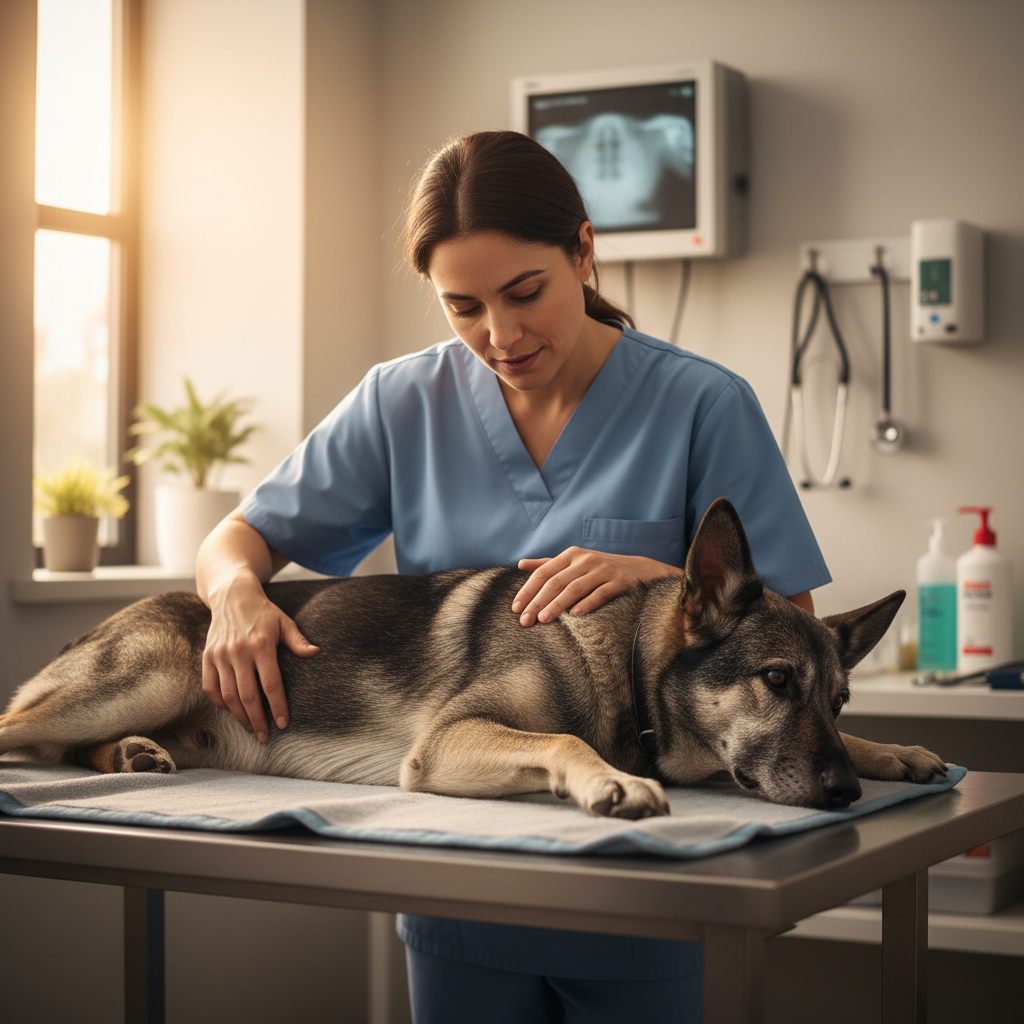
While many groans are benign, it is critical to recognize when this vocalization might be an indicator of a medical issue. Pain is a primary reason for a dog to groan, especially when moving or lying down, as these actions can put pressure on sore joints or internal organs. If the groaning is new, has increased in frequency, or is accompanied by other symptoms, it’s time to investigate further.
Orthopedic and Joint-Related Pain
This is one of the most common medical causes of groaning, particularly in middle-aged and senior dogs, as well as large or giant breeds.
- Osteoarthritis: This degenerative joint disease causes chronic pain and stiffness. The simple act of lowering the body to the floor can be painful for a dog with arthritis, prompting a groan of discomfort. You might also notice stiffness upon waking, limping, or a reluctance to climb stairs or jump.
- Hip or Elbow Dysplasia: These are genetic conditions where the joint does not form correctly, leading to instability, pain, and eventual arthritis. Groaning when lying down or getting up is a classic symptom.
- Intervertebral Disc Disease (IVDD): Common in breeds with long backs like Dachshunds, IVDD involves the cushioning discs between vertebrae deteriorating or rupturing, causing severe pain. Any movement can exacerbate this pain.
Abdominal Discomfort
Pain originating in the abdomen can also cause a dog to groan when it lies down, as the position can increase internal pressure.
- Pancreatitis: Inflammation of the pancreas is extremely painful. Dogs with pancreatitis often adopt a ‘praying’ position (front end down, rear end up) but may also groan when trying to find any comfortable resting position. Other signs include vomiting, diarrhea, and a painful abdomen.
- Ascites: This is the accumulation of fluid in the abdominal cavity, often caused by heart failure, liver disease, or certain cancers. The pressure and bloating from the fluid can make lying down very uncomfortable, leading to groaning. A visibly bloated or distended belly is a key sign.
- Gastrointestinal Upset: While less severe, conditions like gastritis or inflammatory bowel disease can cause cramping and discomfort that lead a dog to groan when changing positions.
Important Note: Pain can be subtle in dogs, as they have a natural instinct to hide vulnerability. Groaning can be one of the first and only signs that something is wrong. Never dismiss a consistent or new groaning habit without considering potential medical causes.
A Pet Owner’s Observational Checklist
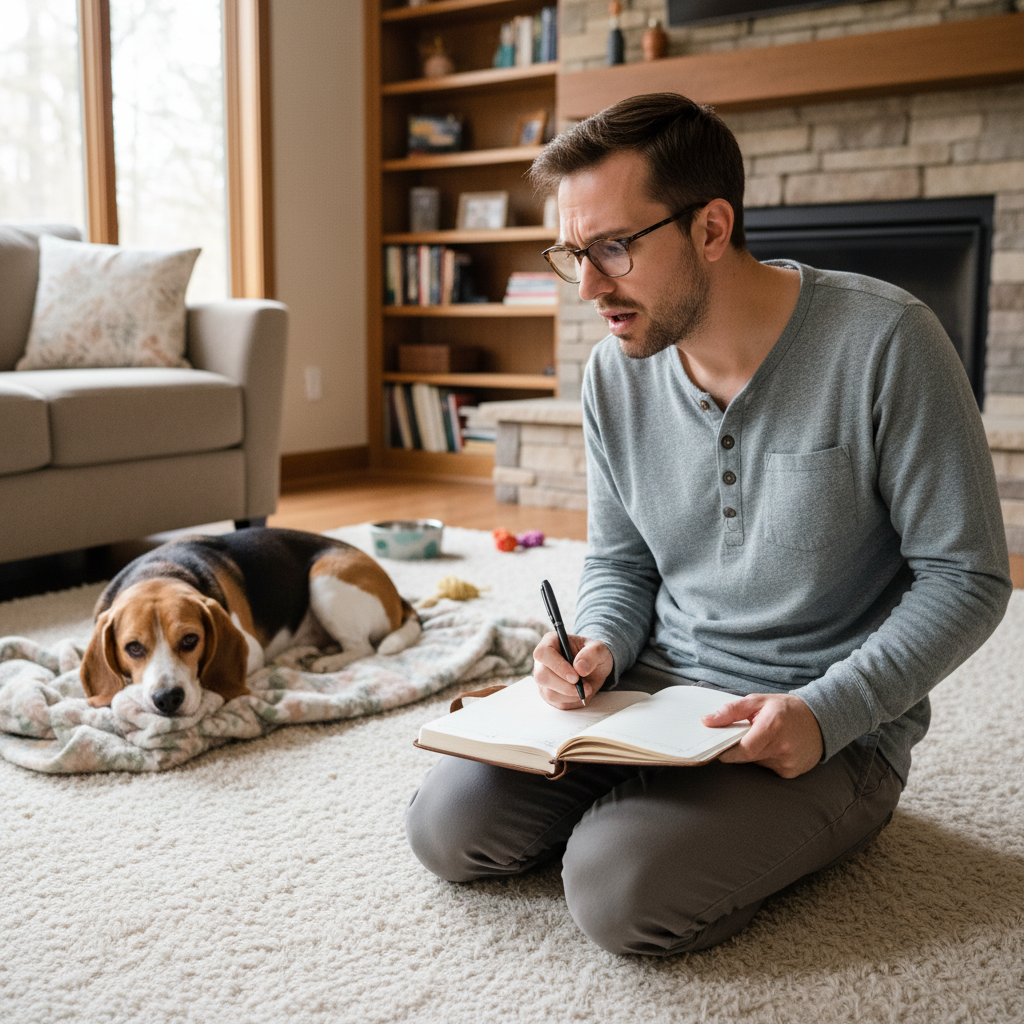
To help your veterinarian diagnose the cause of your dog’s groaning, it is incredibly helpful to be a keen observer at home. Your detailed account of the behavior can provide crucial clues. Before your appointment, take notes on the context surrounding the groans. Use the following table to track your observations.
| Symptom or Behavior to Observe | What It Could Mean | Action to Take |
|---|---|---|
| Timing of Groans | Groaning only when settling into a comfy bed suggests comfort. Groaning with every minor position shift could indicate pain. | Note the specific actions that trigger the groan (e.g., getting up, lying down, rolling over). |
| Associated Body Language | Relaxed, loose body posture points to contentment. A tense, rigid, or hunched posture suggests pain or discomfort. | Look for signs of tension: pinned ears, wide eyes, a tightly held tail, or trembling. |
| Changes in Mobility | Difficulty rising, stiffness, limping, or reluctance to use stairs or jump are classic signs of orthopedic pain. | Record any changes in your dog’s gait or willingness to participate in physical activities. |
| Changes in Appetite or Thirst | A decrease in appetite or significant change in water consumption can signal a wide range of systemic illnesses. | Measure your dog’s food and water intake for a day or two before your vet visit. |
| Other Behavioral Changes | Increased irritability, lethargy, hiding, or uncharacteristic aggression can be direct indicators of chronic pain. | Make a list of any personality or behavioral shifts, no matter how small they seem. |
| Physical Symptoms | A bloated abdomen, visible lumps or bumps, pale gums, or sensitivity to touch in a specific area are red flags. | Gently run your hands over your dog’s body to check for swelling or painful spots. Note any findings. |
Presenting this detailed information to your veterinarian will enable them to perform a more targeted physical examination and recommend appropriate diagnostic tests, such as X-rays or bloodwork, leading to a faster and more accurate diagnosis.
Providing Comfort and Support for Your Canine Companion
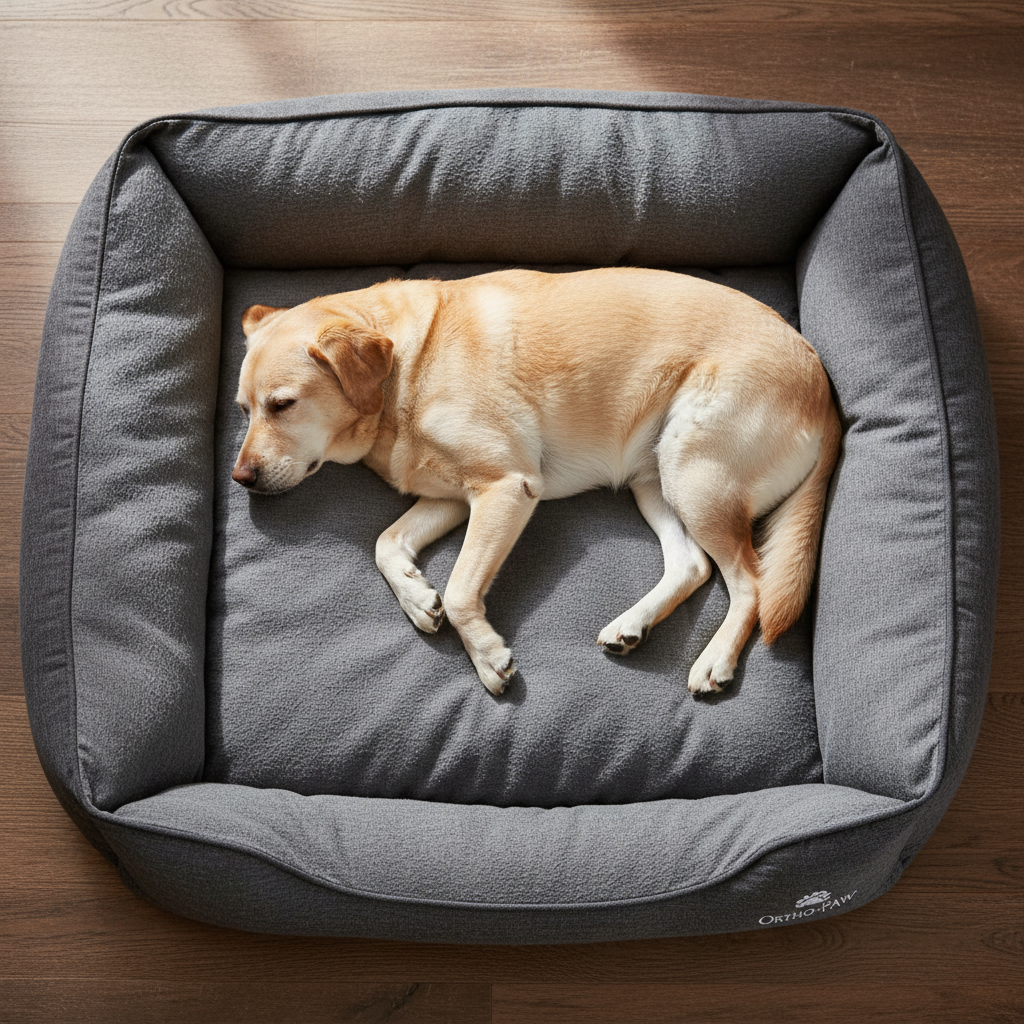
Whether your dog’s groans are from the normal aches of aging or a diagnosed medical condition, there are numerous ways you can enhance their comfort at home. These adjustments can significantly improve their quality of life and potentially reduce the frequency of pain-related groaning. Always consult your veterinarian before starting any new supplement or treatment plan.
Invest in an Orthopedic Bed
Standard dog beds can lose their shape and offer little support. An orthopedic bed, typically made from high-density memory foam, is one of the best investments you can make for an aging or arthritic dog. These beds conform to the dog’s body, relieving pressure on sore joints and providing crucial support for the spine and hips. This can make the act of lying down and resting a much more comfortable experience.
Maintain a Healthy Weight
Excess weight places significant strain on a dog’s joints, spine, and internal organs. For a dog with arthritis or dysplasia, even a few extra pounds can dramatically increase pain levels. Work with your veterinarian to determine your dog’s ideal body condition score and implement a diet and exercise plan to achieve and maintain a healthy weight. This is one of the most effective, non-medical ways to manage joint pain.
Consider Joint Supplements
Many supplements are available to support joint health. Look for products containing:
- Glucosamine and Chondroitin: These are building blocks of cartilage and may help improve joint function and reduce inflammation.
- Omega-3 Fatty Acids (EPA/DHA): Found in fish oil, these have natural anti-inflammatory properties that can help soothe sore joints.
- Green-Lipped Mussel (GLM): A natural source of omega-3s, glucosamine, and other components that support joint health.
Veterinary Consultation is Key: Never give your dog human supplements. Always consult your veterinarian to choose a high-quality, canine-specific product and determine the correct dosage for your dog’s size and condition.
Modify Your Home and Activities
Simple changes can make a big difference. Use ramps to help your dog get into the car or onto furniture, reducing the need for painful jumping. Place non-slip rugs on hardwood or tile floors to prevent slips and falls. Swap long, strenuous hikes for shorter, more frequent walks on level surfaces to keep muscles toned without over-stressing the joints.
Conclusion
Hearing your dog groan as it lies down can be a complex experience, blending endearing familiarity with a hint of worry. As we’ve explored, the reasons for this behavior are vast, ranging from a simple, blissful sigh of comfort to a serious, underlying medical condition. The most powerful tool you have as a pet owner is observation. By paying close attention to the context of the groans—your dog’s body language, mobility, and overall demeanor—you can gather the information needed to understand its cause. While a contented groan from a relaxed dog is a joy to hear, never hesitate to act on your intuition. If the groaning is new, frequent, or accompanied by any other concerning signs, a consultation with your veterinarian is the most responsible and loving course of action. Proactive care and a strong partnership with your vet are the cornerstones of ensuring your beloved companion enjoys a long, comfortable, and happy life by your side.