Why Does My Dog Carry Kibble to the Carpet to Eat? (The Psychology)
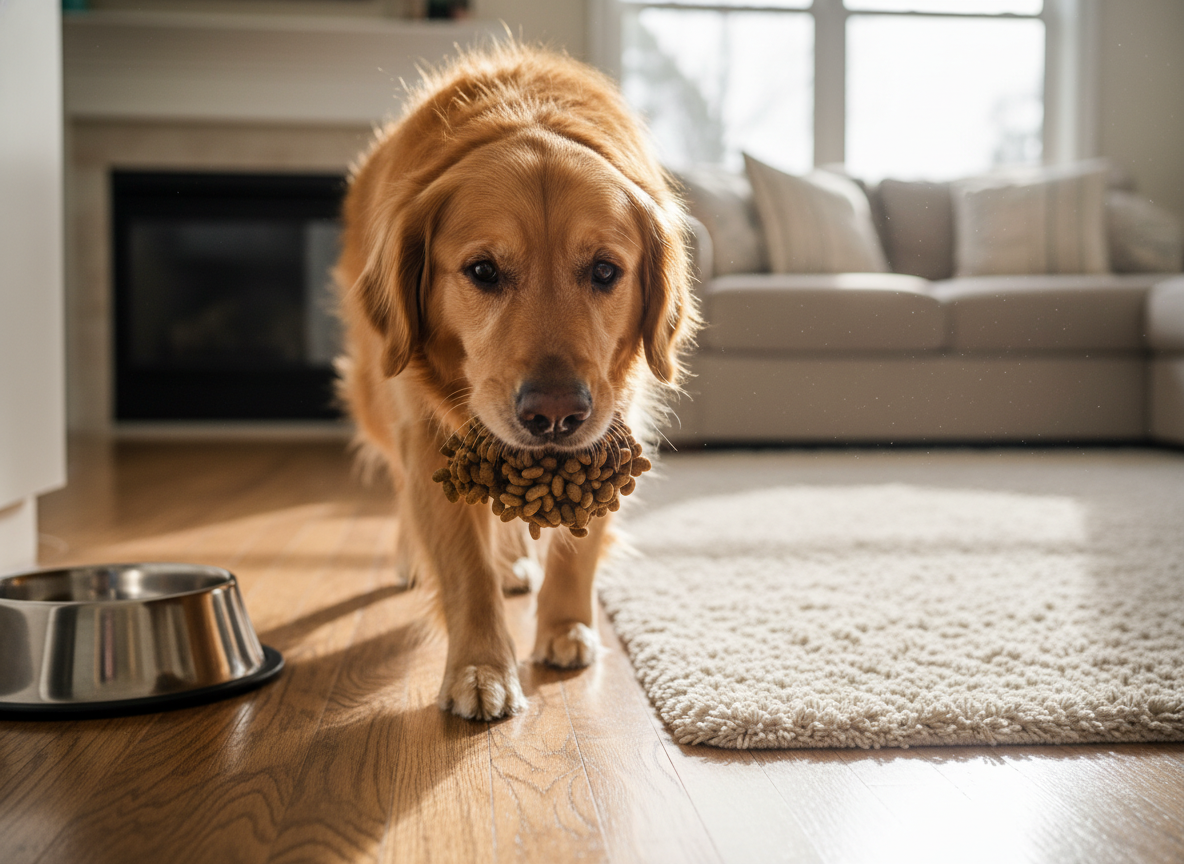
It’s a familiar scene for many dog owners: you measure out the perfect portion of kibble, fill the bowl, and place it down, only to watch your canine companion take a delicate mouthful and trot purposefully to the nearest carpet to eat. This perplexing ritual often leaves owners wondering if their dog dislikes their food, their bowl, or perhaps just enjoys making a mess. The truth is, this behavior is not random; it is a fascinating window into your dog’s psychology, with roots stretching back to their wild ancestors.
This seemingly quirky habit is a complex interplay of instinct, comfort, security, and learned behavior. Understanding why your dog prefers a ‘carpet picnic’ over dining at their designated bowl can strengthen your bond and help you ensure their mealtime is as comfortable and stress-free as possible. In this comprehensive guide, we will delve into the canine psyche to uncover the primary reasons for this behavior, from pack mentality to sensory preferences, and advise on when it might signal a deeper issue.
Ancestral Instincts: The Echo of the Wolf Pack

Ancestral Instincts: The Echo of the Wolf Pack
To truly understand many modern dog behaviors, we must look back at their ancestor, the wolf. In a wild wolf pack, mealtimes are a highly competitive and structured event. When a large kill is made, dominant wolves eat first at the site, while subordinate or more solitary members will often grab a piece of the carcass and carry it away to a safer, more private location to eat without the threat of it being stolen by a higher-ranking pack member. This is a survival instinct known as ‘resource guarding’ in a natural context.
Your cozy home may not be the wild, but your dog doesn’t know that. They see you, your family, and other pets as their pack. The food bowl represents the ‘kill site’—a central, potentially competitive area. By taking a mouthful of kibble to another location, your dog is acting on a deeply ingrained instinct to secure their portion of the resources and consume it in peace. This is not necessarily a sign of aggression or fear towards you, but rather a prudent, instinctual action to prevent potential conflict and eat without having to look over their shoulder.
The Caching Instinct
Another related ancestral behavior is ‘caching.’ Wild canids often bury or hide excess food to save for later. While your dog is likely eating the kibble immediately rather than hiding it under the sofa cushions, the act of moving it to a ‘safe’ place like the carpet is part of this same behavioral sequence. The carpet acts as their private den or cache site, a secure spot where they feel in control of their meal.
The Search for Comfort and Security
The Search for Comfort and Security
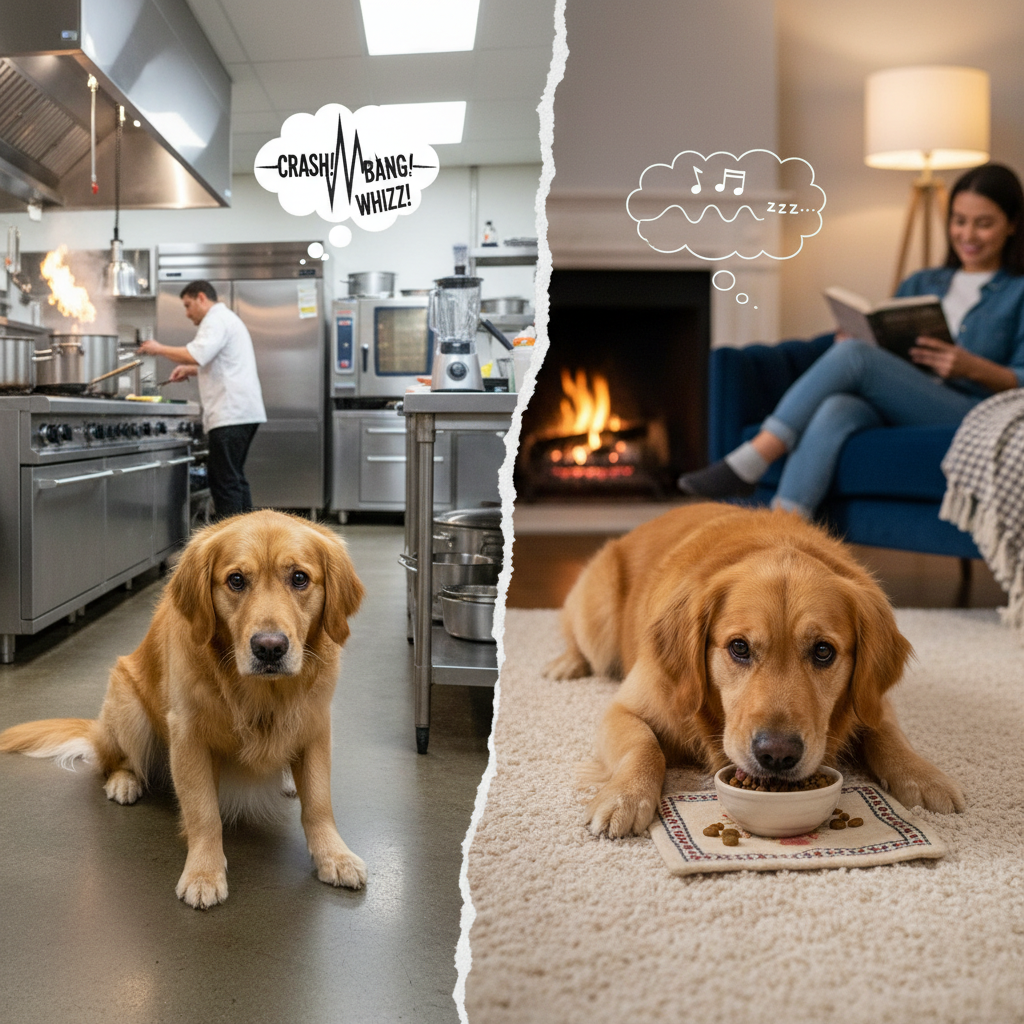
Beyond primal instincts, your dog’s choice of dining location is heavily influenced by their immediate environment and desire for comfort. Consider the typical feeding station: often located in a kitchen or utility room with tile, laminate, or hardwood floors. These surfaces can be cold, slippery, and hard, which is simply not as comfortable as a soft, warm carpet.
Furthermore, the sound of kibble dropping onto a hard floor or the clatter of their own paws can be unappealing. The carpet, by contrast, is soft, warm, quiet, and provides better footing. It’s the canine equivalent of choosing to eat on a comfortable sofa instead of a hard wooden stool. Your dog is prioritizing physical comfort to better enjoy their meal.
Social Eating and Proximity
Dogs are social animals that form strong bonds with their human families. Eating is a vulnerable activity, and many dogs feel safer and more secure when they are near their pack leaders—you. If the food bowl is in an isolated kitchen while the family is gathered in the living room, your dog may carry their food to join the group. They are torn between the drive to eat and the desire to remain with their pack. The solution? Bring the food to the pack. This behavior can be a compliment, indicating that your dog sees you as a source of safety and comfort and wants you near during mealtime.
Expert Tip: Observe where your dog takes their food. Is it always to the room where you are? If so, the behavior is likely driven by a social desire to be close to you. Consider moving their food bowl to a quieter corner of that room to see if it resolves the issue.
When the Bowl Itself Is the Problem
When the Bowl Itself Is the Problem
Sometimes, the explanation is much simpler: your dog may dislike their food bowl. Several factors can contribute to bowl aversion, prompting your dog to take their food elsewhere.
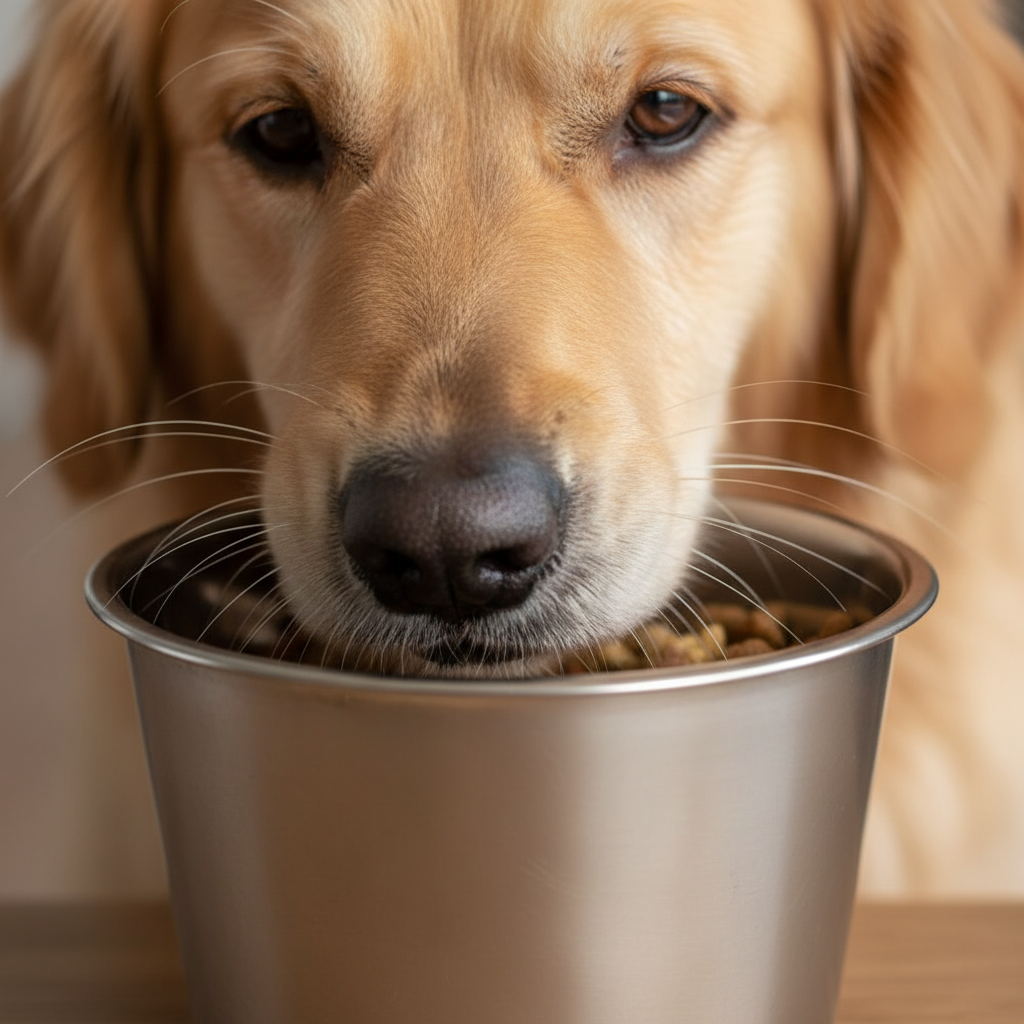
- Noise: A metal bowl can create a significant amount of noise. A dog’s hearing is far more sensitive than a human’s, and the sound of their collar tags clanging against the metal or the scrape of their teeth can be irritating or even startling.
- Reflection: Highly polished stainless steel bowls can create reflections that some dogs find unsettling. Seeing movement in their peripheral vision while their head is down in a vulnerable position can be stressful.
- Smell: Plastic bowls, especially if scratched, can harbor bacteria and retain the smell of old food and cleaning detergents, which can be off-putting to a dog’s powerful sense of smell.
- Whisker Fatigue: While more commonly discussed in cats, some dogs, particularly those with long, sensitive whiskers, can experience discomfort when their whiskers repeatedly brush against the sides of a deep or narrow bowl. This sensory overload, known as whisker fatigue or whisker stress, can make eating from the bowl an unpleasant experience.
Evaluating your dog’s dinnerware is a critical step in understanding this behavior. A simple switch in bowl material or shape could be all that’s needed.
| Bowl Type | Potential Advantages | Potential Disadvantages for Food-Carriers |
|---|---|---|
| Stainless Steel | Durable, non-porous, easy to sanitize. | Can be noisy (tags clanging), may have a startling reflection. |
| Ceramic | Heavy (less likely to slide), varied designs, easy to clean if glazed. | Can chip or crack, harboring bacteria; must be lead-free. |
| Wide & Shallow Saucer | Prevents whisker fatigue, allows for better visibility. | Kibble may be pushed out more easily by eager eaters. |
| Slow-Feeder / Puzzle Bowl | Engages the dog’s mind, slows down eating. | May increase frustration, leading some dogs to tip it or remove food to eat elsewhere. |
Assessing the Behavior: Harmless Quirk or Sign of Concern?
Assessing the Behavior: Harmless Quirk or Sign of Concern?
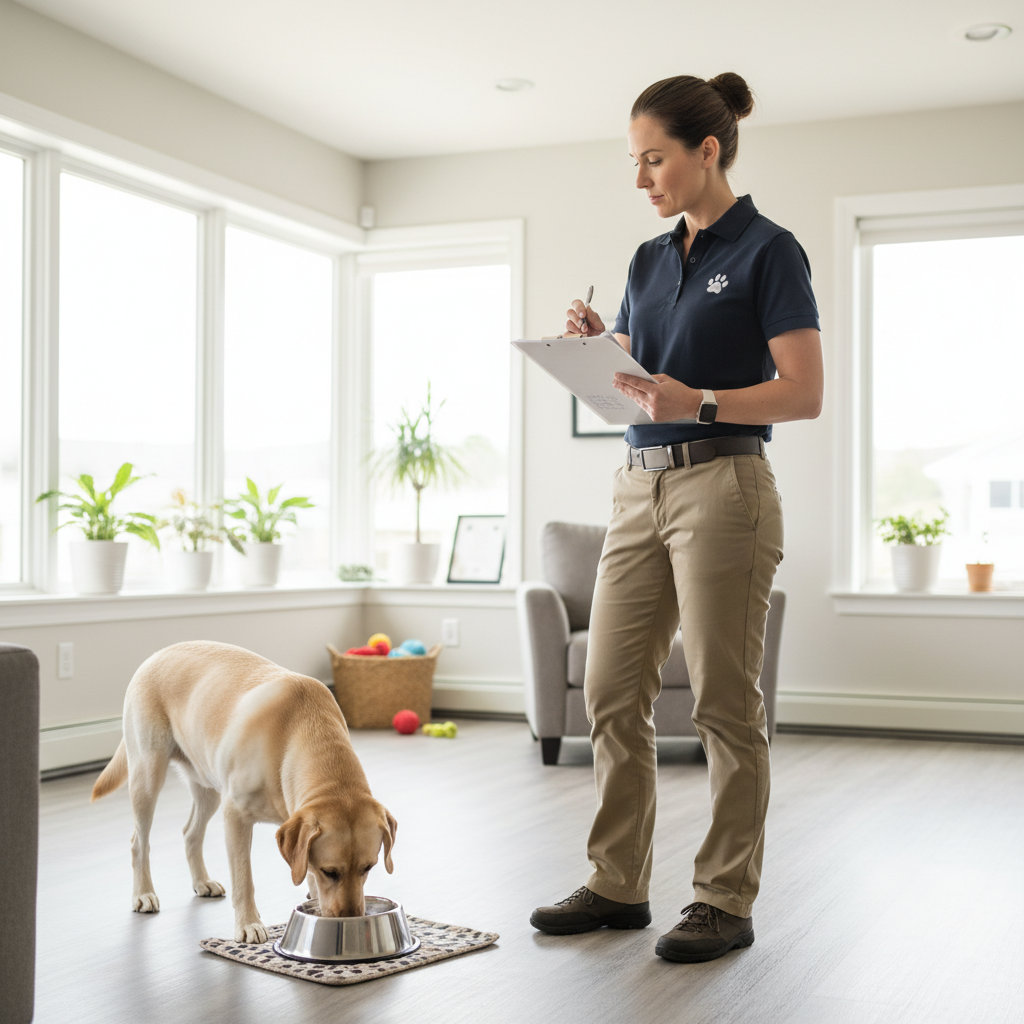
For the vast majority of dogs, carrying kibble to the carpet is a benign habit—a harmless quirk that reflects their unique personality and instincts. If your dog is relaxed, eating their full meal, and otherwise healthy and happy, there is generally no reason to worry. It may result in a few extra crumbs to vacuum, but it is not detrimental to their well-being.
However, in some instances, this behavior can be a symptom of a more significant underlying issue, such as heightened anxiety or resource guarding. It is crucial to observe the context and your dog’s body language to differentiate between a simple preference and a problem.
Identifying Problematic Resource Guarding
Instinctual food-carrying is different from problematic resource guarding. A dog who is simply moving their food for comfort will appear relaxed. A dog with a resource guarding issue will display tense, anxious, or aggressive behaviors around their food. Look for these red flags:
- Stiffening or Freezing: The dog’s body becomes rigid as you approach them or their food.
- Hard Stare: They fix their eyes on you with a hard, unwavering gaze.
- Whale Eye: They show the whites of their eyes as they watch you from the side.
- Growling, Snarling, or Lip Lifting: These are clear warnings to back away from their resource.
- Snapping or Biting: This is an escalation indicating the dog feels a severe threat to their food.
If you observe these behaviors, the issue is no longer a simple quirk. It is essential to consult with a certified professional dog trainer or veterinary behaviorist. Attempting to correct serious resource guarding without professional guidance can be dangerous and may worsen the behavior.
When to Consult a Veterinarian
Sudden changes in eating habits can sometimes indicate a medical problem. If your dog has always eaten from their bowl and suddenly starts moving their food, or if the behavior is accompanied by other symptoms like loss of appetite, lethargy, or signs of dental pain (such as dropping food or chewing on one side of the mouth), a veterinary check-up is warranted to rule out any underlying health issues.
Conclusion
The act of a dog carrying kibble to the carpet is a multifaceted behavior, deeply woven from the threads of ancestral instinct, the pursuit of comfort, social dynamics, and individual preference. In most cases, it is a harmless and endearing glimpse into the ancient programming that still runs within our domesticated companions. It’s a reminder that they are not just pets, but complex beings with their own needs for security and comfort.
By understanding the potential reasons—from the echo of the wolf pack’s need to secure a meal to a simple dislike for a noisy metal bowl—you can better appreciate your dog’s perspective. Before you label the behavior as ‘bad,’ take a moment to observe. Is your dog seeking your company? Is their feeding area stressful? Is their bowl uncomfortable? Often, small adjustments, like changing the bowl or moving its location, can make a world of difference.
Ultimately, as long as your dog is healthy, happy, and not displaying signs of anxiety or aggression, there is no harm in letting them enjoy their meal on their own terms. Embrace the quirk, keep the vacuum handy, and take it as a compliment. Your dog feels safe and comfortable enough in your home to set up their own private dining room right in the heart of the pack.