Why Do My Dog’s Paws Smell Like Fritos? (Yeast Explained)
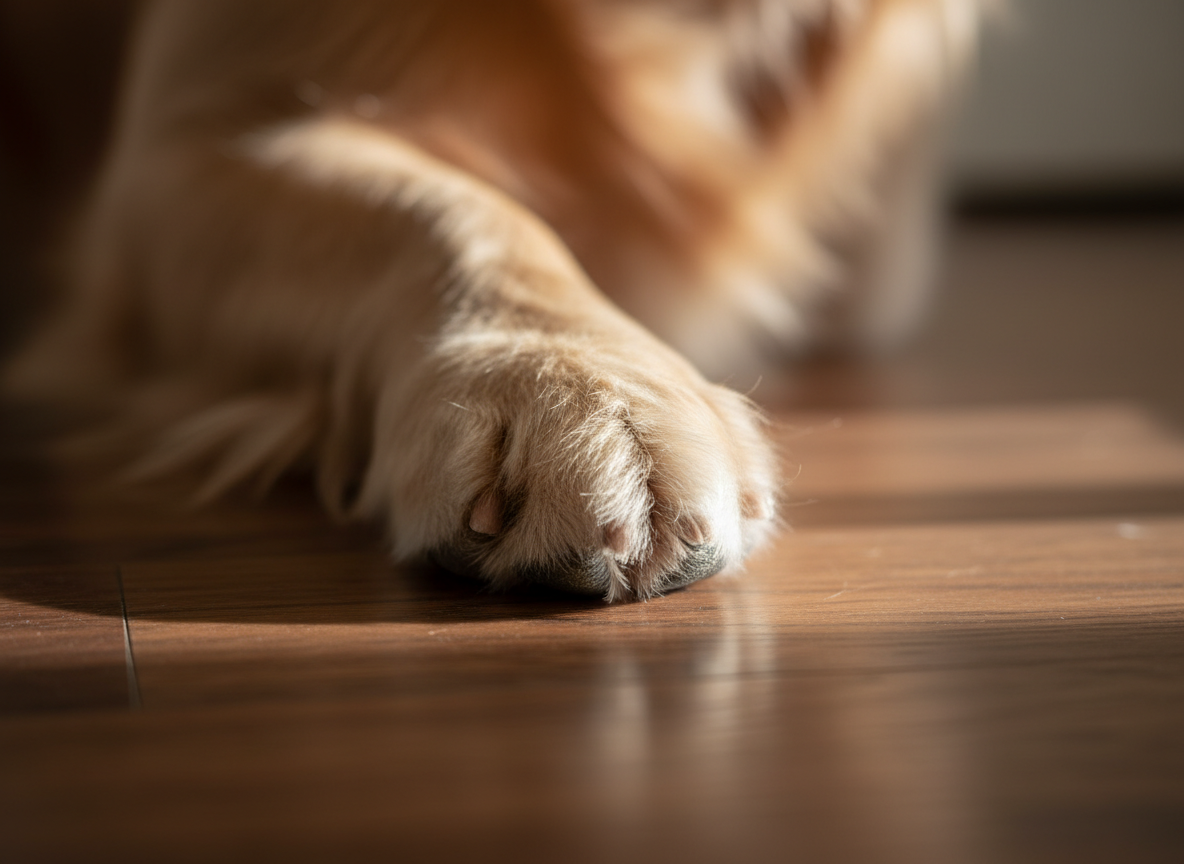
As a pet owner, you are intimately familiar with the unique sensory details of your canine companion—the sound of their bark, the feel of their fur, and, quite often, the distinct smell of their paws. Many owners describe this scent as being remarkably similar to corn chips or popcorn. This phenomenon, affectionately termed ‘Frito feet,’ is a common topic of conversation and curiosity. While often a harmless quirk, it is essential to understand the science behind this smell. It is a direct result of the microscopic ecosystem of bacteria and yeast that lives on your dog’s skin.
This guide serves as an authoritative resource for understanding why your dog’s paws have that characteristic scent. We will delve into the microbiology of your dog’s skin, differentiate between a normal, healthy paw odor and one that signals an underlying medical issue, and provide actionable protocols for at-home paw care and professional veterinary intervention. Understanding this common trait is the first step toward ensuring your dog’s paws remain healthy, comfortable, and ready for your next adventure together.
The Microbial Symphony: Understanding the Science of ‘Frito Feet’
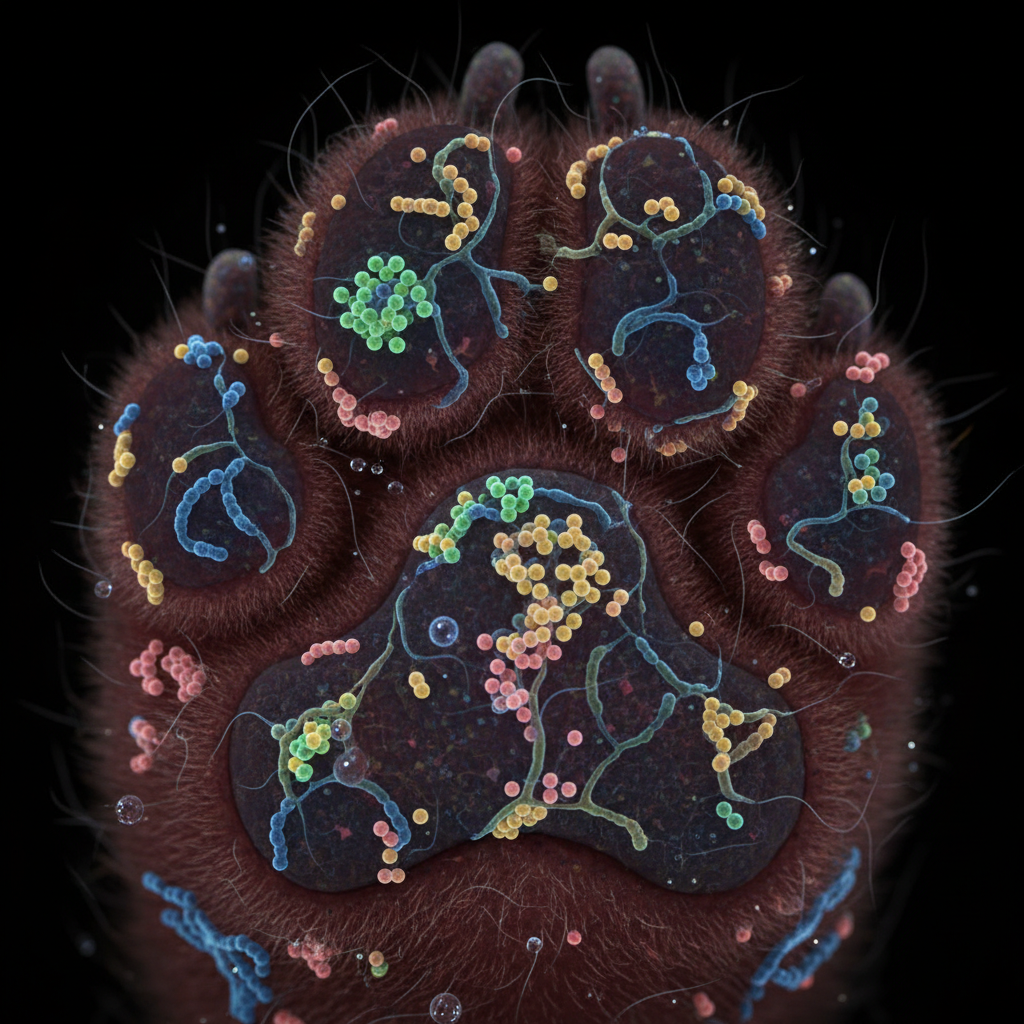
The corn chip aroma emanating from your dog’s paws is not a sign of poor hygiene or a secret snacking habit. Rather, it is the byproduct of a complex and natural microbial community. A dog’s paws are a unique environment. They are one of the few areas where dogs have sweat glands (eccrine glands), which help with cooling. This moisture, combined with the warmth from their body and the debris they pick up from the ground, creates an ideal incubator for microorganisms.
The primary contributors to this specific scent are two types of naturally occurring bacteria: Pseudomonas and Proteus. These bacteria are ubiquitous in the environment and find a hospitable home in the crevices of your dog’s paw pads and between their toes. As these bacteria go about their metabolic processes, they release waste products, or volatile organic compounds. The compounds produced by these particular bacteria happen to emit a yeasty, corn-like odor that our human noses perceive as Fritos.
In addition to bacteria, a type of yeast known as Malassezia pachydermatis is also a normal resident of a dog’s skin, including the paws. In balanced numbers, this yeast is a harmless commensal organism. It coexists with the bacteria, contributing to the overall scent profile of the paw. Therefore, a faint, corn-chip smell is typically the signature of a healthy, balanced paw microbiome. It is evidence of the normal biological processes happening on your dog’s skin every day.
Normal Scent vs. Warning Sign: When to Be Concerned
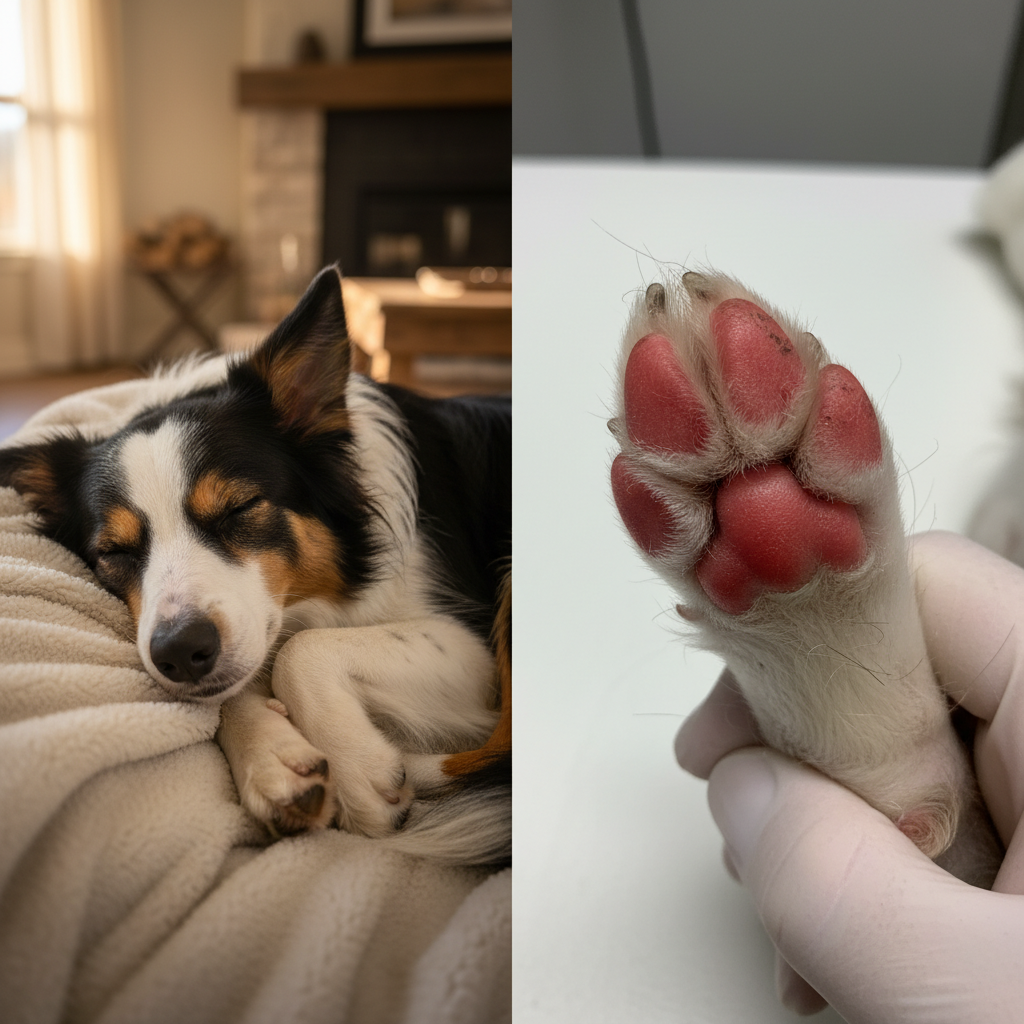
Distinguishing between the normal, benign scent of ‘Frito feet’ and an odor that indicates a pathological condition is a critical skill for any responsible pet owner. The key is to establish a baseline for your individual dog and monitor for any significant changes.
When the Scent is Normal
A mild, yeasty, or corn-chip-like smell that is consistent and not accompanied by any signs of distress is perfectly normal. If your dog’s paws have always had this faint scent, their paw pads look healthy (supple and free of cracks or redness), and they are not paying excessive attention to their feet, there is no cause for alarm. This is simply the smell of their healthy skin flora at work. You might notice the smell is stronger after they have been sleeping or have had their paws curled up, as this traps warmth and moisture, temporarily amplifying the odor.
Red Flags: When the Smell Signals a Problem
The microbiome on your dog’s paws can be thrown out of balance, leading to an overgrowth of yeast or bacteria. This is when the smell can change from a subtle snack-food scent to a potent, foul odor, signaling an infection or inflammation that requires attention. You must be vigilant for the following clinical signs:
- Intense, Foul Odor: The smell becomes overpowering, pungent, or rancid. A strong, musty, or cheesy smell is a classic indicator of a yeast overgrowth (yeast dermatitis).
- Excessive Licking or Chewing: If your dog is suddenly obsessively licking, chewing, or biting at their paws, it is a clear sign of pruritus (itching), pain, or irritation.
- Redness and Inflammation: Examine the skin between the toes and around the nail beds. Any signs of erythema (redness), swelling, or puffiness are abnormal.
- Discharge or Greasy Texture: The presence of a brown, waxy discharge, especially around the nail beds, is a hallmark of a yeast infection. A greasy feel to the fur or skin on the paws can also indicate a problem.
- Hair Loss and Skin Changes: Look for alopecia (hair loss) on the paws, as well as thickened, scaly, or flaky skin. Chronic inflammation can lead to hyperpigmentation, where the skin turns dark or black.
- Pain or Limping: Your dog may become sensitive to having their paws touched. They might limp or favor a particular leg to avoid putting pressure on a sore paw.
If you observe any of these symptoms in conjunction with a change in paw odor, it is no longer a harmless quirk. It is a medical issue that warrants a veterinary consultation.
Underlying Causes of Pathological Paw Odor and Irritation
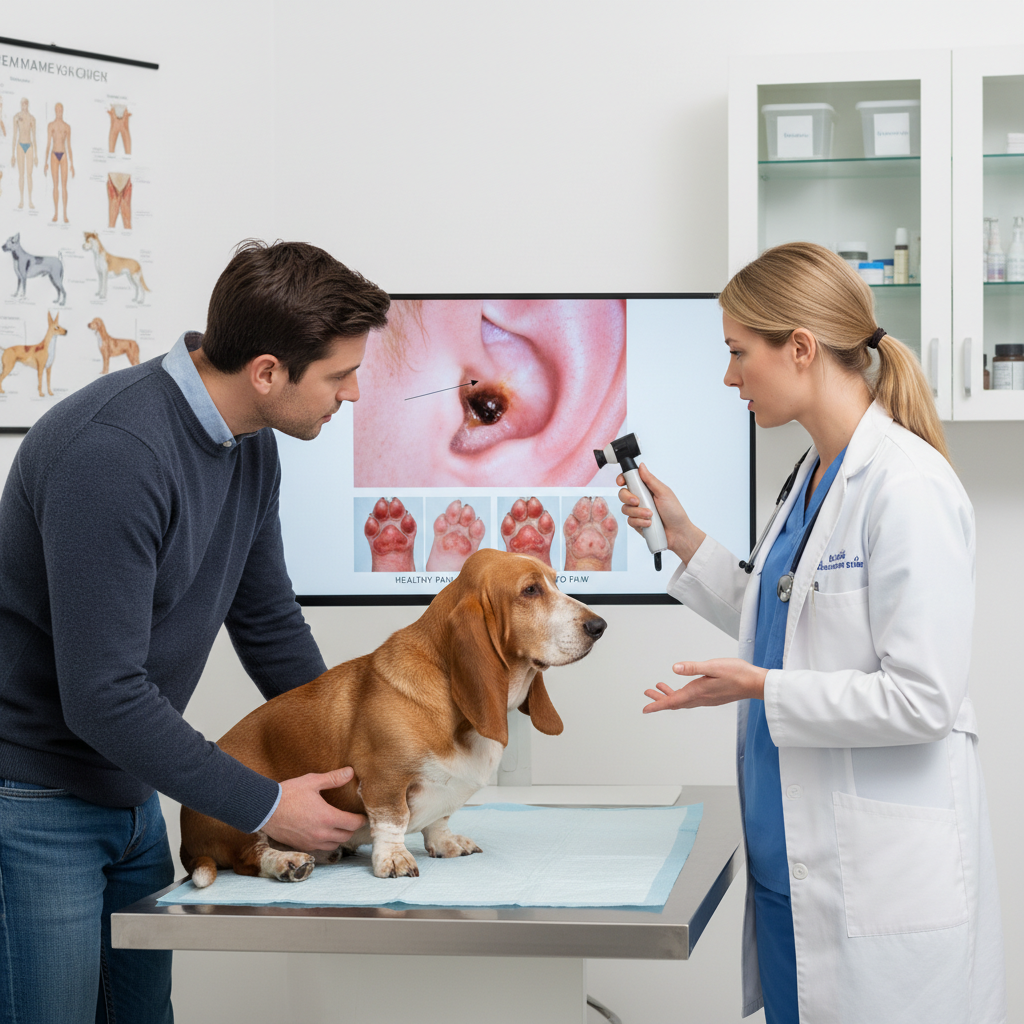
When the delicate balance of the paw’s microbiome is disrupted, certain organisms can proliferate unchecked, leading to infection and inflammation. Several underlying conditions can trigger this imbalance, resulting in a problematic odor and significant discomfort for your dog.
Yeast Dermatitis (Malassezia Overgrowth)
As mentioned, Malassezia yeast is a normal inhabitant of your dog’s skin. However, when the skin’s defense mechanisms are compromised, this yeast can multiply rapidly, leading to yeast dermatitis. The condition is intensely itchy and is characterized by a strong, musty odor, greasy discharge, redness, and skin thickening. Allergies are a very common trigger for recurrent yeast infections.
Bacterial Infections (Pyoderma)
Bacterial skin infections, or pyoderma, can also affect the paws. These can be superficial or deep and are often secondary to another issue, such as an allergy or an injury that has broken the skin barrier. A bacterial infection might produce a pus-like discharge and a foul, sometimes putrid, odor that is distinctly different from the typical Frito smell. The paws may be swollen and painful to the touch.
Allergies: The Root of Many Paw Problems
Allergies are one of the most common underlying causes of chronic paw issues in dogs. Both environmental allergies (atopy) to substances like pollens, molds, and dust mites, and food allergies can manifest as itchy paws. The allergic reaction causes inflammation, which damages the skin barrier. The constant licking and chewing in response to the itch further damages the skin and introduces moisture, creating the perfect storm for secondary yeast and bacterial infections to take hold. If your dog’s paw problems are seasonal or occur alongside other signs like ear infections or skin rashes, allergies are a primary suspect.
Foreign Bodies and Physical Trauma
A dog’s paws are constantly in contact with the ground, making them susceptible to injury. A thorn, glass shard, or grass awn (foxtail) can become embedded in the paw pad or between the toes, leading to pain, swelling, and a localized infection. Similarly, cuts, scrapes, or cracked paw pads can allow pathogenic bacteria to enter and cause an abscess. In these cases, you will likely notice swelling, limping, and a focal point of pain, often with a foul-smelling discharge if an infection has developed.
A Proactive Approach: At-Home Paw Maintenance and Care
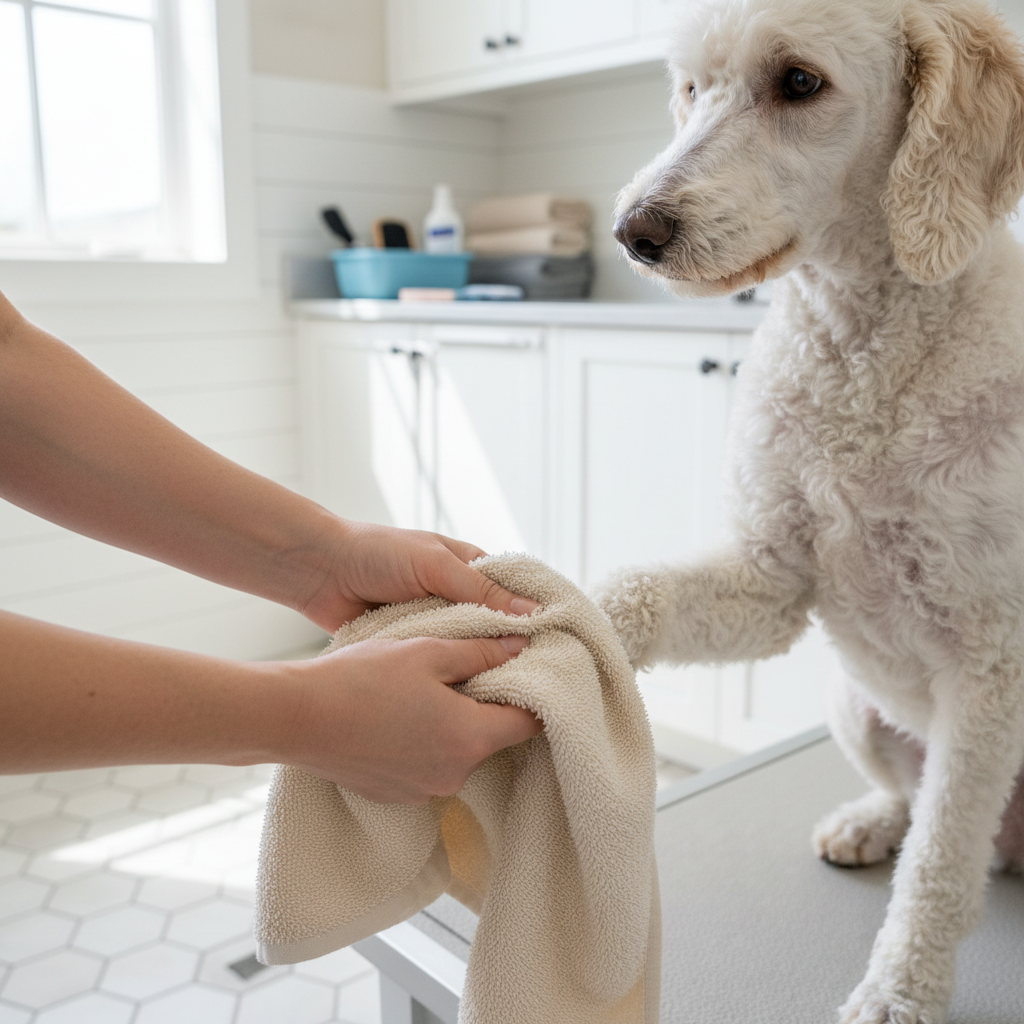
Maintaining the health of your dog’s paws is a fundamental aspect of responsible pet ownership. A consistent grooming routine can prevent many issues from developing and allows you to spot potential problems early. Integrating a regular paw check into your schedule is essential for preventing the transition from normal ‘Frito feet’ to a painful infection.
A proper paw cleaning routine helps to remove potential allergens, irritants, and excess moisture that can disrupt the skin’s microbiome. Follow this professional protocol for at-home paw care:
- Regular Inspections: Make it a habit to inspect your dog’s paws daily, especially after walks. Gently spread their toes and check for foreign objects, cuts, cracks, swelling, or redness. Look closely at the nail beds for any discharge or inflammation.
- Consistent Cleaning: After walks, particularly through wet grass or muddy areas, wipe your dog’s paws with a clean, damp cloth or a high-quality, hypoallergenic pet wipe. This removes surface dirt, pollen, and other environmental allergens.
- Thorough Drying: This is a critical step. Moisture is the enemy of healthy paws. After wiping or washing, ensure you dry the paws completely, paying special attention to the area between the toes. Use a soft, absorbent towel. For long-haired breeds, you may consider using a pet-safe blow dryer on a low, cool setting.
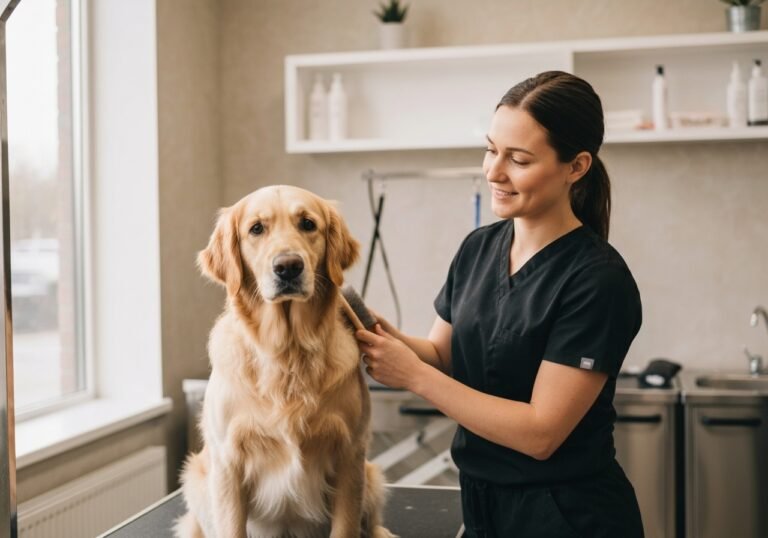
- Trimming Fur: The fur between the paw pads can trap moisture, dirt, and debris. Keep this hair trimmed flush with the pads. This improves air circulation and reduces the risk of matting and moisture buildup. This is best done by a professional groomer or with caution using blunt-nosed grooming scissors.
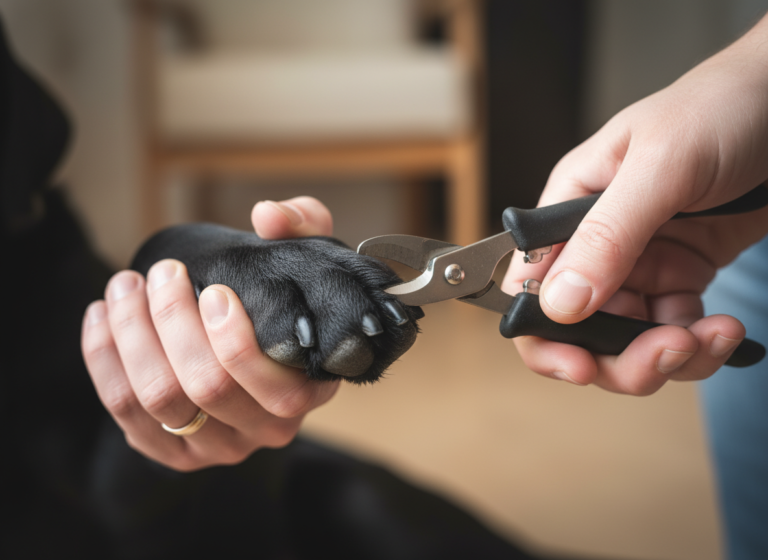
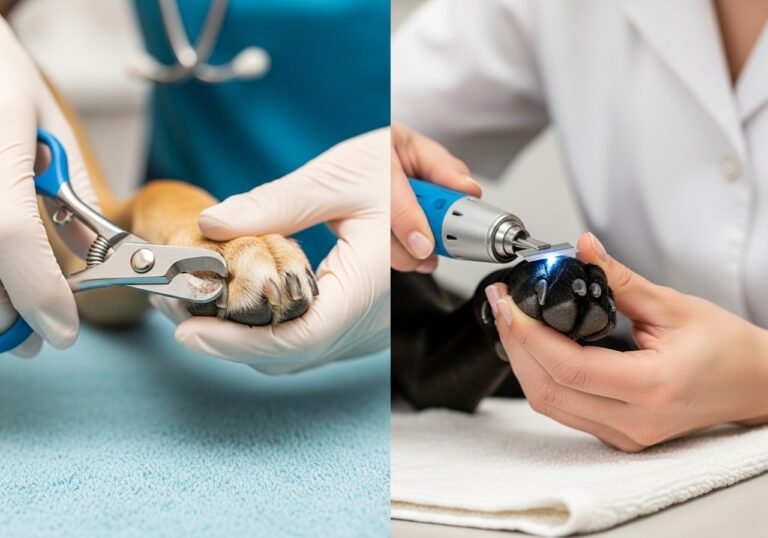
- Nail Maintenance: Overly long nails can alter the way your dog’s foot meets the ground, causing pressure on the wrong parts of the foot and potentially leading to discomfort or injury. Keep nails trimmed to a healthy length where they do not click on the floor.
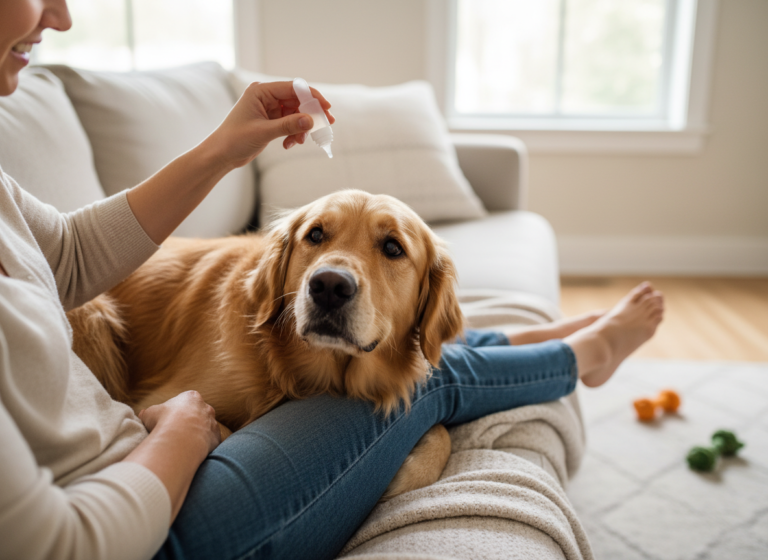
- Consider Medicated Wipes or Shampoos: For dogs prone to yeast or bacterial issues, your veterinarian may recommend using a medicated wipe containing an antiseptic agent like chlorhexidine. These can be used proactively after walks or a few times a week to help maintain a healthy microbial balance. Follow your veterinarian’s specific instructions for any medicated products.
Professional Diagnosis and Veterinary Treatment Protocols

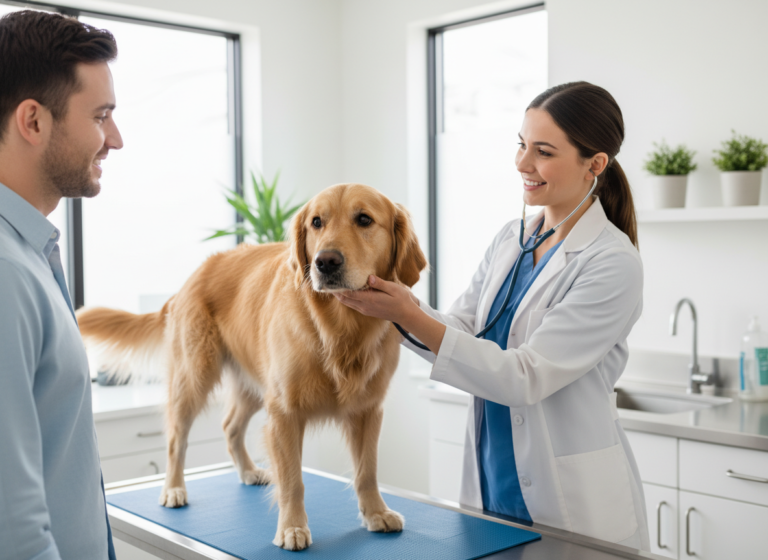
When at-home care is not enough and your dog is showing signs of a paw problem, a prompt veterinary visit is imperative. A veterinarian will perform a thorough examination and utilize specific diagnostic tools to identify the exact cause of the issue, which is essential for effective treatment.
The diagnostic process typically begins with a physical examination of the paws and a detailed history from you. Be prepared to discuss when the symptoms started, the nature of the odor, and any changes in your dog’s behavior. From there, your veterinarian may perform one or more of the following tests:
- Skin Cytology: This is a simple, highly effective in-office test. Your veterinarian will use a piece of clear tape or a microscope slide to collect a sample of cells and debris from the affected skin. The sample is stained and examined under a microscope to identify an overgrowth of yeast or specific types of bacteria.
- Skin Culture: If a resistant bacterial infection is suspected, a sterile swab may be used to collect a sample for a culture and sensitivity test. This test identifies the specific bacteria causing the infection and determines which antibiotics will be effective against it.
- Allergy Testing: If allergies are suspected as the underlying cause, your veterinarian may recommend blood testing or intradermal skin testing to identify specific environmental or food allergens.
- Biopsy: In rare or complex cases, a small skin sample may be taken for histopathology to rule out more serious conditions like autoimmune diseases.
Based on the diagnosis, a multi-modal treatment plan will be implemented. Treatment is not just about clearing the current infection; it’s also about addressing the underlying cause. Common treatments include:
- Topical Therapy: Medicated shampoos, mousses, sprays, or wipes are often the first line of defense. These products typically contain antifungal agents (like miconazole or ketoconazole) and/or antibacterial agents (like chlorhexidine) to directly target the microorganisms on the skin.
- Oral Medications: For more severe or widespread infections, oral antifungal medications (e.g., ketoconazole) or antibiotics may be prescribed for several weeks.
- Allergy Management: If allergies are the root cause, treatment will focus on managing them. This may involve specific allergy medications (like Apoquel or Cytopoint), immunotherapy (allergy shots), or a strict diet trial with a hypoallergenic prescription diet.
- Pain and Anti-inflammatory Medication: To manage discomfort and reduce inflammation, your veterinarian may prescribe non-steroidal anti-inflammatory drugs (NSAIDs) or other pain relievers.
Successful management requires adhering strictly to the veterinary treatment plan and attending all follow-up appointments to ensure the condition is fully resolved.
Conclusion
The curious case of ‘Frito feet’ is a perfect example of how a seemingly simple observation can open a window into the complex biology of our canine companions. In most instances, this familiar corn chip scent is a benign and normal result of the natural microbiome present on your dog’s paws. It is a testament to the symbiotic relationship between an animal and its resident microorganisms.
However, your role as a diligent owner is to remain vigilant. By establishing a baseline for your dog’s normal scent and appearance, you empower yourself to recognize deviations that could signal an underlying health issue. An abrupt change in odor, especially when coupled with redness, itching, or pain, is a clear directive to seek professional veterinary care. Through routine at-home paw maintenance and a proactive partnership with your veterinarian, you can ensure that your dog’s paws—the very foundation of their active life—remain healthy, comfortable, and free from distress. The goal is to keep their paws in perfect condition for countless walks, runs, and joyful leaps for years to come.