Why Do Dogs Wag Their Tails In Their Sleep? (Dream Science)

As a pet owner, you have likely witnessed one of the most endearing and curious canine behaviors: your dog, fast asleep, begins to twitch, whimper, and wag its tail. It’s a scene that sparks immediate questions. Are they dreaming? Are they happy? This fleeting glimpse into their subconscious world is not just a cute quirk; it’s a window into the complex workings of the canine brain. Understanding why dogs wag their tails in their sleep involves a journey into the architecture of their sleep cycles, the neurology of dreaming, and the subtle language of their most expressive appendage. This article will explore the scientific explanations behind this common behavior, separating fact from fiction and providing you with the knowledge to better understand your sleeping companion.
The Architecture of Canine Sleep: More Than Just Napping
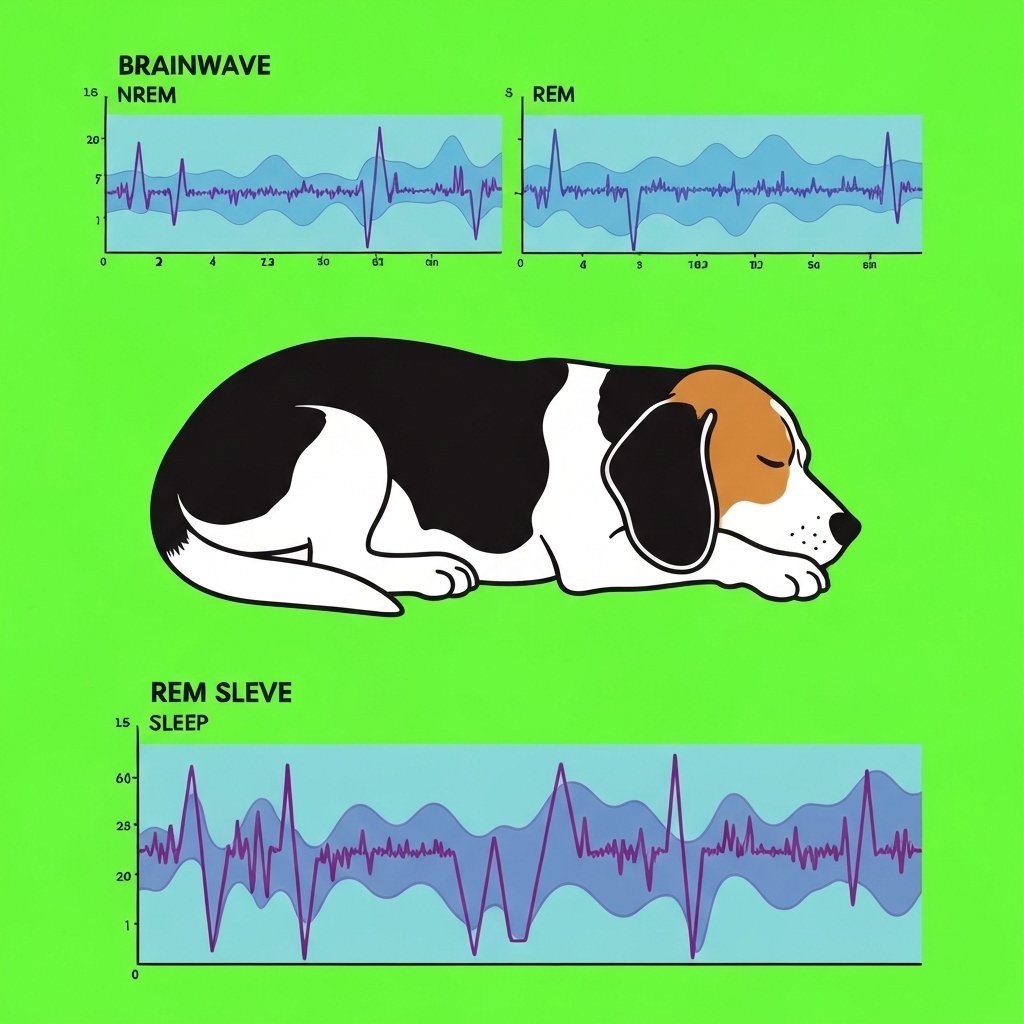
Before we can understand dog dreams, we must first understand dog sleep. Unlike humans who are typically monophasic sleepers (sleeping in one long block), dogs are polyphasic sleepers, meaning they sleep multiple times throughout a 24-hour period. However, the structure of their sleep is remarkably similar to our own, consisting of two primary stages: Slow-Wave Sleep (SWS) and Rapid Eye Movement (REM) sleep.
Slow-Wave Sleep (SWS)
This is the initial, lighter stage of sleep. During SWS, your dog’s breathing and heart rate slow down, their blood pressure drops, and they appear calm and still. Their brain waves are slow and synchronized, indicating a state of deep rest and physical restoration. A dog in SWS can be awakened relatively easily by sounds or touch.
Rapid Eye Movement (REM) Sleep
Following SWS, dogs enter the REM stage, which is the epicenter of dreaming. This is where the magic happens. During REM sleep, the brain becomes highly active, with brainwave patterns that closely resemble those of an awake, alert dog. This is the stage where memory consolidation and emotional processing are thought to occur. You can often identify REM sleep by observing your dog’s physical signs: their eyes may dart back and forth beneath their closed lids, their breathing may become irregular, and you might see the twitches, whimpers, and tail wags that prompted your curiosity. It is during this active phase of sleep that dogs are most likely to be ‘acting out’ their dreams in a limited physical capacity.
A Glimpse into the Canine Dream World: What Do They See?
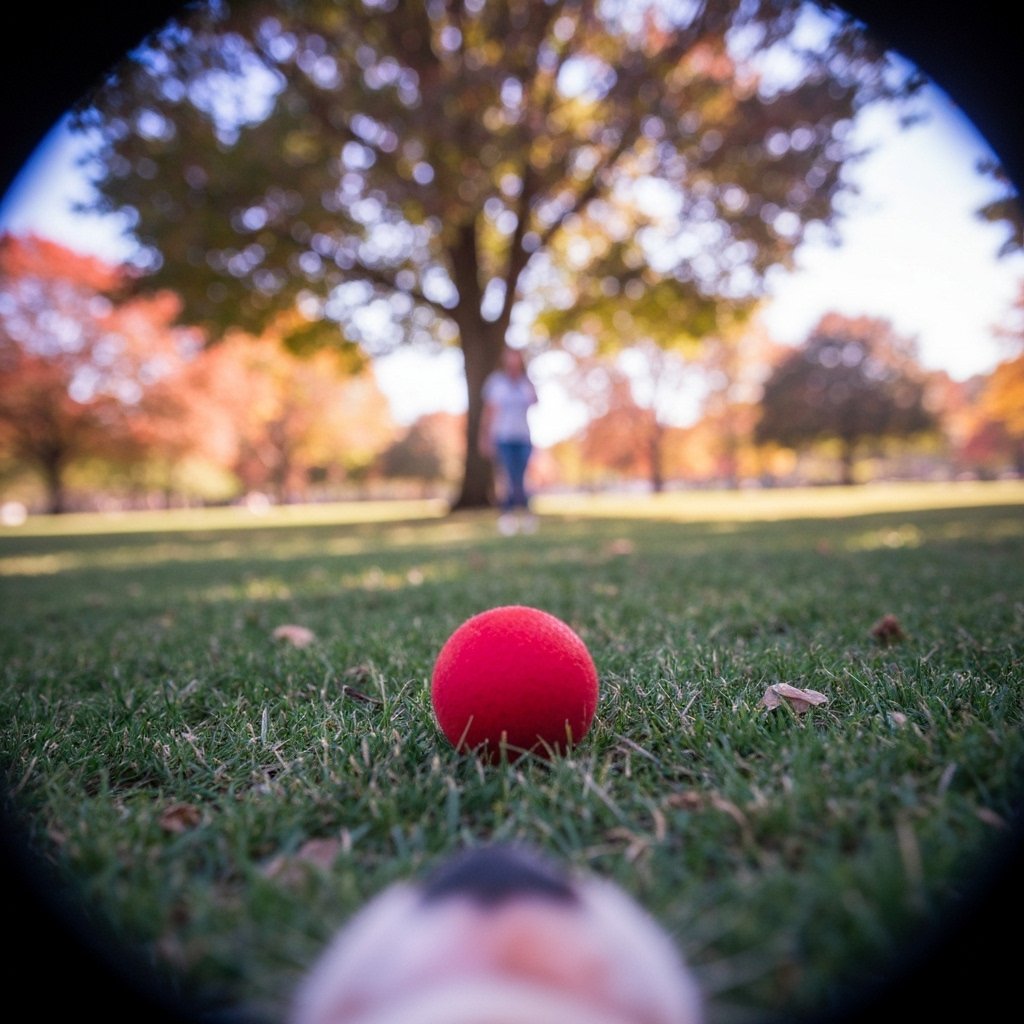
While we can’t ask a dog what they dream about, scientific evidence strongly suggests they do dream, and their dreams are constructed from their waking experiences. Stanley Coren, a renowned canine researcher and author, has noted that smaller dogs tend to dream more frequently than larger dogs, but their dreams are shorter in duration. Conversely, larger breeds have longer but less frequent dream cycles.
So, what populates their dreamscapes? The consensus among experts is that dogs dream about dog things. They are likely re-living and processing events from their day. This could include:
- Happily chasing a squirrel in the backyard.
- Playing a game of fetch with their favorite person.
- Greeting you enthusiastically at the door.
- Practicing a new command they learned.
- Interacting with other dogs at the park.
Essentially, the brain uses this time to sort and file memories, much like a computer defragmenting its hard drive. The emotional content of these dreams—be it excitement, joy, or even mild anxiety—is what triggers the corresponding physical responses. A happy, wagging tail in sleep is a strong indicator that your dog is enjoying a pleasant dream, perhaps one involving you.
The Neurological Connection: Why the Body Moves During Dreams
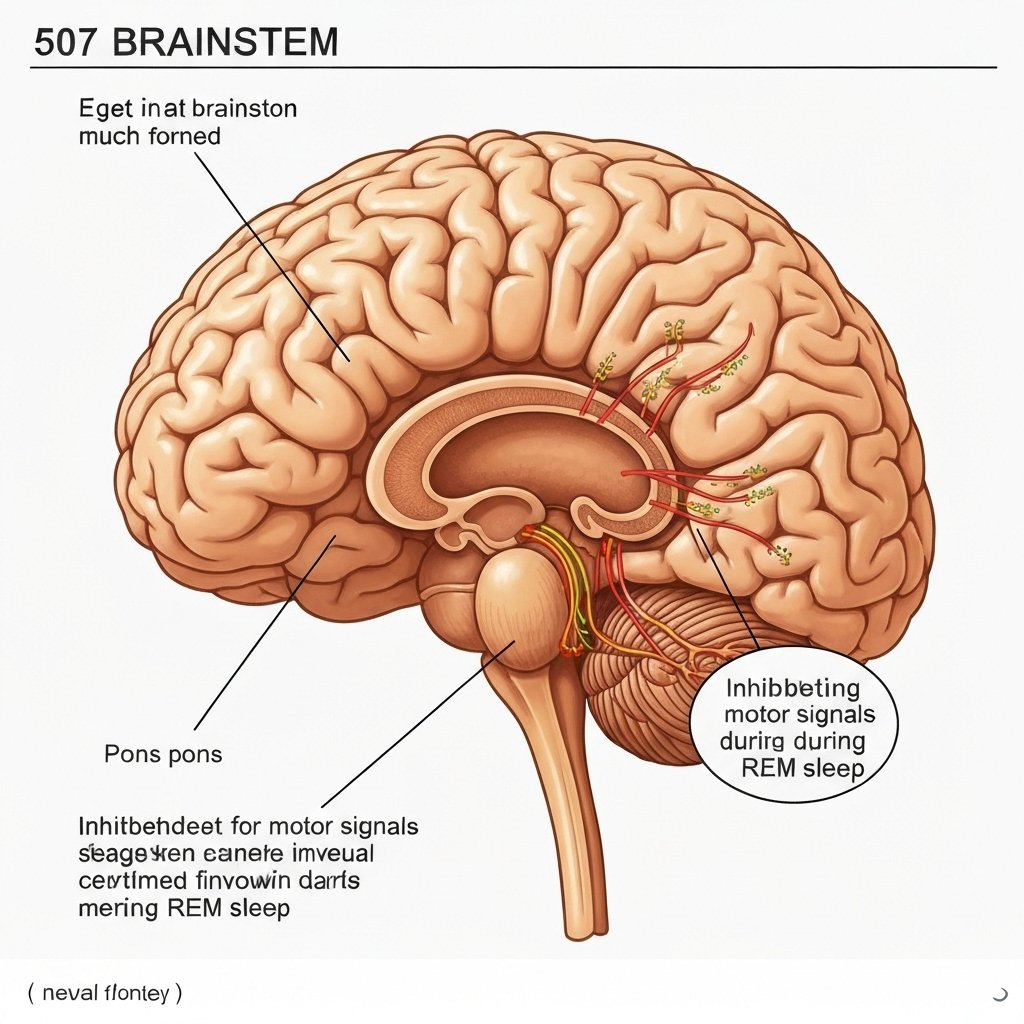
If the brain is as active during REM sleep as it is during waking hours, why don’t our dogs jump up and physically run around the room while chasing dream squirrels? The answer lies in a remarkable safety mechanism within the brainstem called the pons.
During REM sleep, the pons sends signals to the spinal cord that temporarily paralyze the body’s major muscle groups. This state, known as REM atonia, is a crucial evolutionary feature that prevents us—and our dogs—from physically acting out our dreams and potentially causing injury. However, this paralysis isn’t always absolute. In puppies and older dogs, the pons may be less developed or less efficient, respectively. This results in an ‘override’ where some neural signals from the dreaming brain make it past the blockade to the muscles. This is why you see those small, involuntary movements: a twitching paw, a muffled bark, a suckling motion of the mouth, and of course, a wagging tail. The tail, being controlled by a complex set of muscles, is particularly susceptible to these breakthrough signals, especially when the dream has a strong emotional component. The wag is a direct physical manifestation of the brain’s activity, leaking through the neurological gatekeeper.
A sleeping dog’s twitch or tail wag is not a conscious action, but rather an involuntary muscle movement triggered by the intense neural activity of a dream.
Decoding the Dream Wag: Interpreting the Emotion
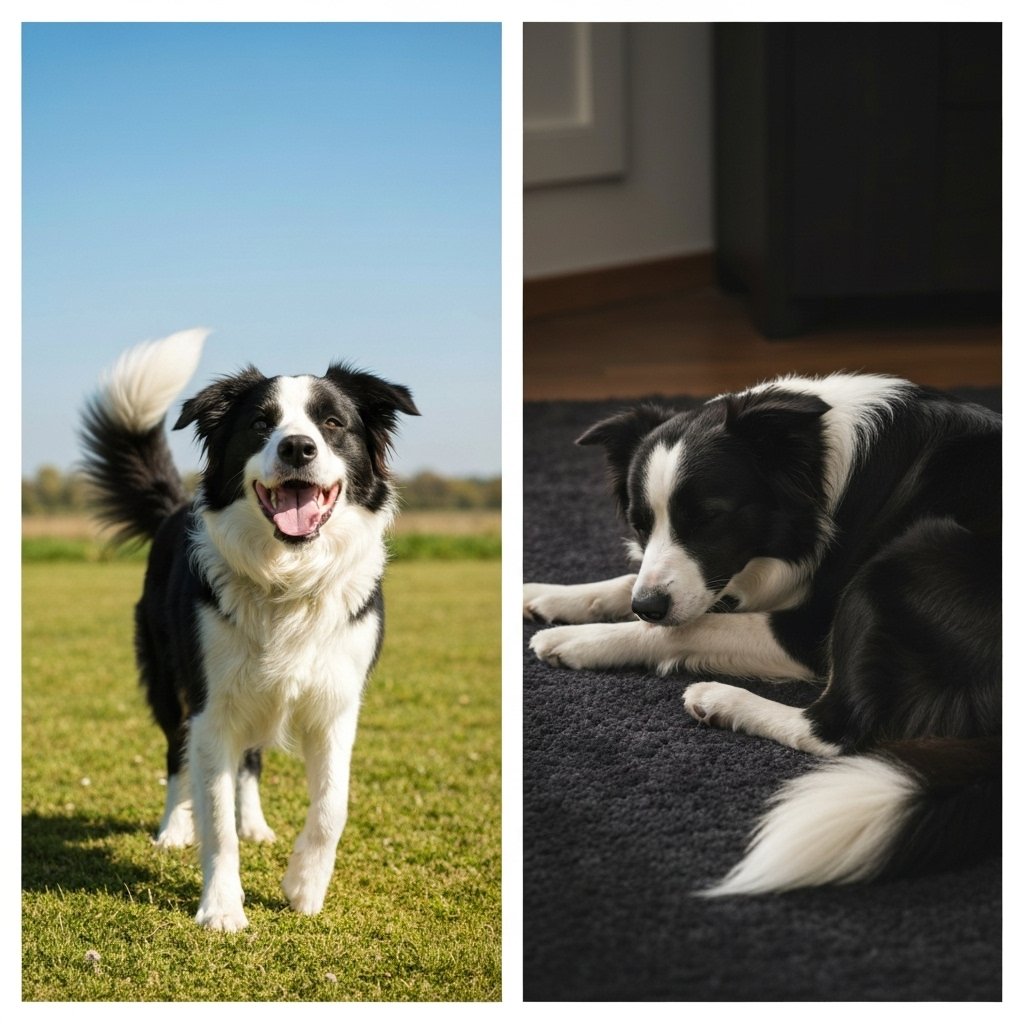
A dog’s tail is a sophisticated communication tool, and its movements when awake are a rich language of emotion and intent. While we can’t be certain, it is logical to assume that the characteristics of a dream wag mirror the emotions being felt in the dream. By observing the type of wag, we can make an educated guess about the content of their slumbering adventure.
Here is a breakdown of how waking tail language might translate to dream wags:
| Type of Wag | Meaning While Awake | Potential Dream Interpretation |
|---|---|---|
| Slow, Gentle Sweep | Calmness, contentment, or tentative greeting. | A pleasant, peaceful dream, perhaps of cuddling or relaxing with family. |
| Fast, Wide Wag (Full Body Wiggle) | Extreme happiness, excitement, and friendliness. | An exhilarating dream of playing, greeting a loved one, or receiving a favorite treat. |
| Short, Fast Twitches (Helicopter Tail) | High arousal and excitement. | The peak of a dream chase or an intensely joyful moment in the dream. |
| High, Stiff Wag | Alertness, confidence, or potential dominance. | A dream involving meeting a new dog or exploring a new, stimulating environment. |
Observing these subtle cues can give you a deeper appreciation for your dog’s rich inner life. A happy, thumping tail against the floor during a nap is one of the clearest signs that your dog feels safe, loved, and is enjoying a positive mental state, even in sleep.
Normal Twitching vs. A Cause for Concern: Seizures and Sleep Disorders
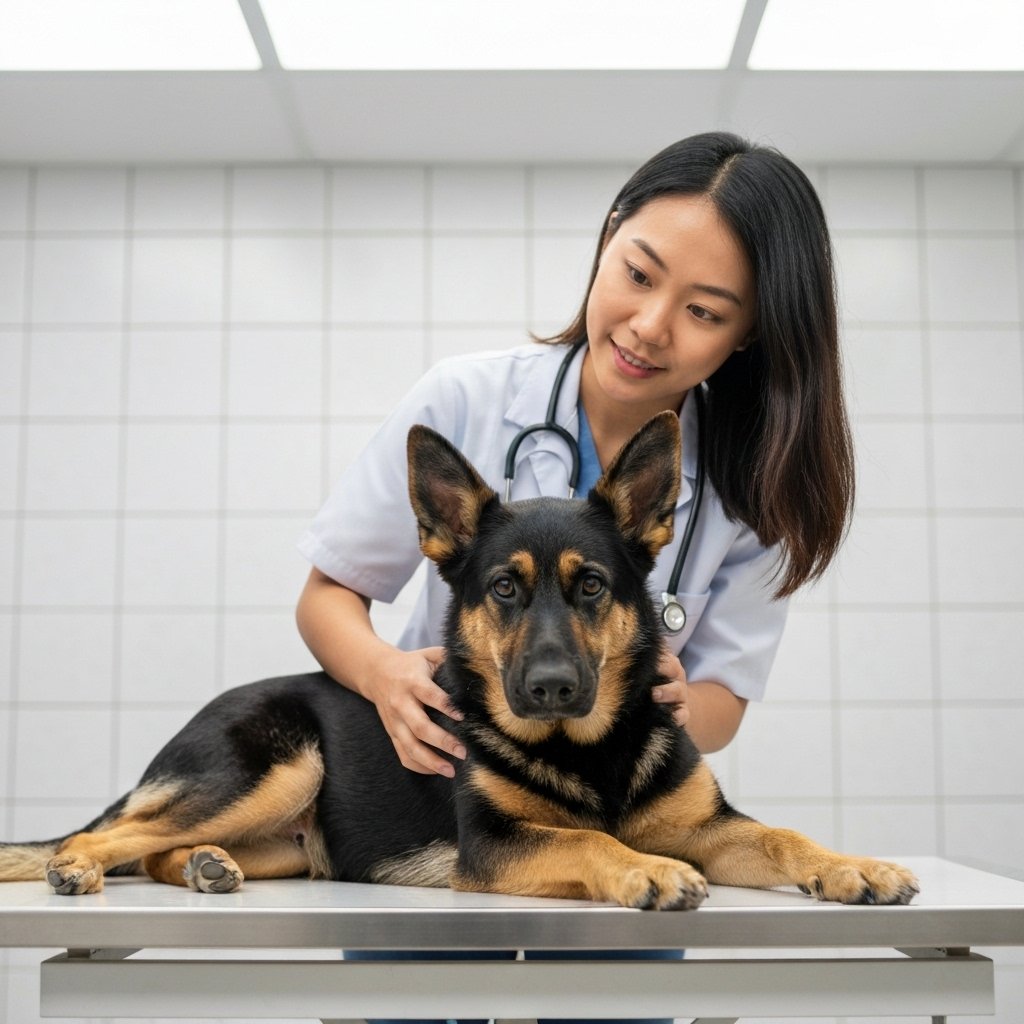
For most pet owners, watching a dog twitch and wag in its sleep is a source of amusement. However, it’s crucial to be able to distinguish these normal dream movements from the signs of a serious medical issue, such as a seizure. While they can look superficially similar to an untrained eye, there are key differences.
Normal sleep movements are typically subtle, intermittent, and short-lived. Your dog will be clearly asleep and can usually be roused if necessary (though it’s often best not to). In contrast, a seizure is a much more violent and rigid event.
Key Differences: Dreaming vs. Seizures
| Characteristic | Normal Dreaming Movements | Seizure Activity |
|---|---|---|
| Body Stiffness | Body remains mostly relaxed and limp, with isolated twitches. | Body becomes rigid and stiff. Legs may paddle violently and uncontrollably. |
| Consciousness | Dog is asleep and can be woken up (may be groggy). | Dog is unconscious and unresponsive. Eyes may be open and glazed over. |
| Vocalization | Soft whimpers, muffled barks, or quiet growls. | Loud, distressed vocalizations, or no sound at all. Often accompanied by drooling or foaming. |
| Duration | Movements last for short bursts, typically less than a minute. | Can last for several minutes. The period after (post-ictal phase) involves disorientation and confusion. |
| Bodily Functions | No loss of bladder or bowel control. | Involuntary urination or defecation is common. |
When to See a Veterinarian: If you ever witness an episode that aligns with the ‘Seizure Activity’ column, it is imperative to contact your veterinarian immediately. Try to time the event and take a video with your phone if it is safe to do so, as this can be invaluable for diagnosis. While a single tail wag in sleep is never a cause for alarm, understanding these distinctions is a vital part of responsible pet ownership.
Conclusion
The sight of a dog’s tail wagging in its sleep is more than just a charming habit. It is a physical manifestation of a complex and active mind at work. It signifies that your dog’s brain is engaging in the vital processes of memory consolidation and emotional regulation during the REM stage of sleep. These twitches and wags are tangible proof of their ability to dream, re-living the moments of joy, excitement, and connection they experience in their waking lives. By understanding the science behind this behavior, we not only demystify a common canine action but also gain a deeper appreciation for the rich emotional and cognitive world our dogs inhabit. So the next time you see that sleeping tail start to thump, smile, and know that your canine companion is likely dreaming of their favorite thing in the world—perhaps a thrilling chase, a delicious treat, or, most likely, you.