
Why Do Dogs Eat Grass Then Vomit? (Should You Stop Them?)

As a pet owner, witnessing your dog graze on your lawn like a small farm animal can be perplexing, especially when it’s followed by vomiting. This common canine behavior, known as pica, raises numerous questions: Is it normal? Is my dog sick? Should I intervene? The sight of a dog eating grass is one of the most frequently discussed topics among canine enthusiasts and veterinarians alike. While often a benign and natural behavior, it’s essential to understand the underlying reasons and to recognize when it might signal a more serious health issue. This comprehensive guide will delve into the science and instinct behind why dogs eat grass, clarify the connection to vomiting, outline the potential dangers, and provide expert guidance on how to manage the behavior and when professional veterinary care is necessary. Our goal is to empower you with the knowledge to ensure your canine companion remains happy, healthy, and safe.
The Root of the Behavior: Decoding Why Dogs Eat Grass
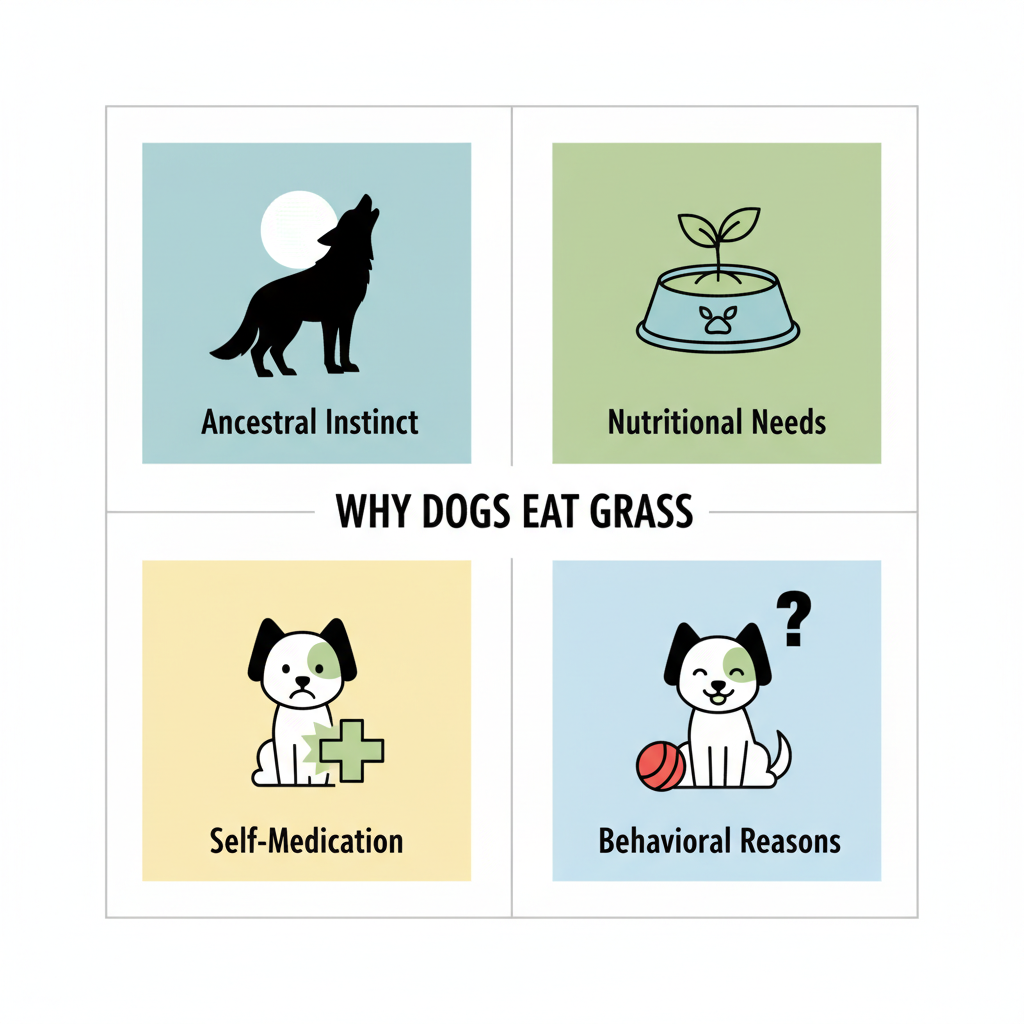
The Root of the Behavior: Decoding Why Dogs Eat Grass
Understanding why dogs engage in this seemingly odd behavior requires looking at a combination of instinct, physiology, and psychology. There is no single answer; rather, several well-supported theories explain this canine quirk. By exploring these possibilities, owners can gain a clearer picture of their own dog’s motivations.
Ancestral Instincts and Scavenging
One of the most compelling theories traces back to the domestic dog’s wild ancestors. Wild canids, such as wolves and foxes, are opportunistic carnivores and scavengers. Their prey typically consists of herbivores, and when consuming these animals, they would ingest the entire creature, including the plant matter within the stomach and intestines. This provided a source of essential nutrients and fiber not otherwise found in their diet. It’s plausible that modern dogs have retained an innate drive to consume plant material, and grass is simply the most readily available option.
Nutritional Deficiencies
Another prominent theory suggests that grass-eating may be an attempt to supplement a dietary deficiency. This condition, where an animal craves non-food items, is known as pica. If a dog’s commercial diet is lacking in certain nutrients, particularly fiber, they may turn to grass to fill that void. Fiber is crucial for healthy digestion, aiding in the passage of food through the intestinal tract and promoting regular bowel movements. Dogs instinctively seeking to improve their digestion might find that the roughage from grass helps. Some veterinarians suggest that a switch to a higher-fiber dog food can sometimes reduce the incidence of grass-eating.
The Self-Medication Hypothesis
This is perhaps the most common assumption among pet owners, especially when vomiting occurs. The theory posits that a dog feeling nauseous or suffering from gastric upset will intentionally eat grass to induce vomiting. The long, ticklish blades of grass can irritate the stomach lining and the back of the throat, triggering the vomit reflex. In this view, the dog is intelligently purging its system of something that has caused discomfort, whether it’s spoiled food, a foreign object, or excess bile. While this is a plausible explanation in some cases, studies have shown that less than 25% of dogs who eat grass vomit afterward, and most dogs appear perfectly healthy before they start grazing. This indicates that inducing vomiting is not the primary motivation for the majority of grass-eaters.
Boredom, Anxiety, or Simple Enjoyment
Behavioral factors play a significant role. For some dogs, particularly those left alone in a yard for extended periods, eating grass can simply be a way to pass the time. It can be a displacement behavior, similar to how a person might bite their nails when anxious. If a dog is not receiving enough physical exercise or mental stimulation, they may develop habits like grass-eating out of sheer boredom. Furthermore, we cannot discount the simplest explanation: some dogs just like the taste and texture of grass. The fresh, sweet taste of new spring grass can be appealing, and the act of chewing can be satisfying in itself.
The Vomiting Connection: Is It Intentional Purging or an Unintended Consequence?
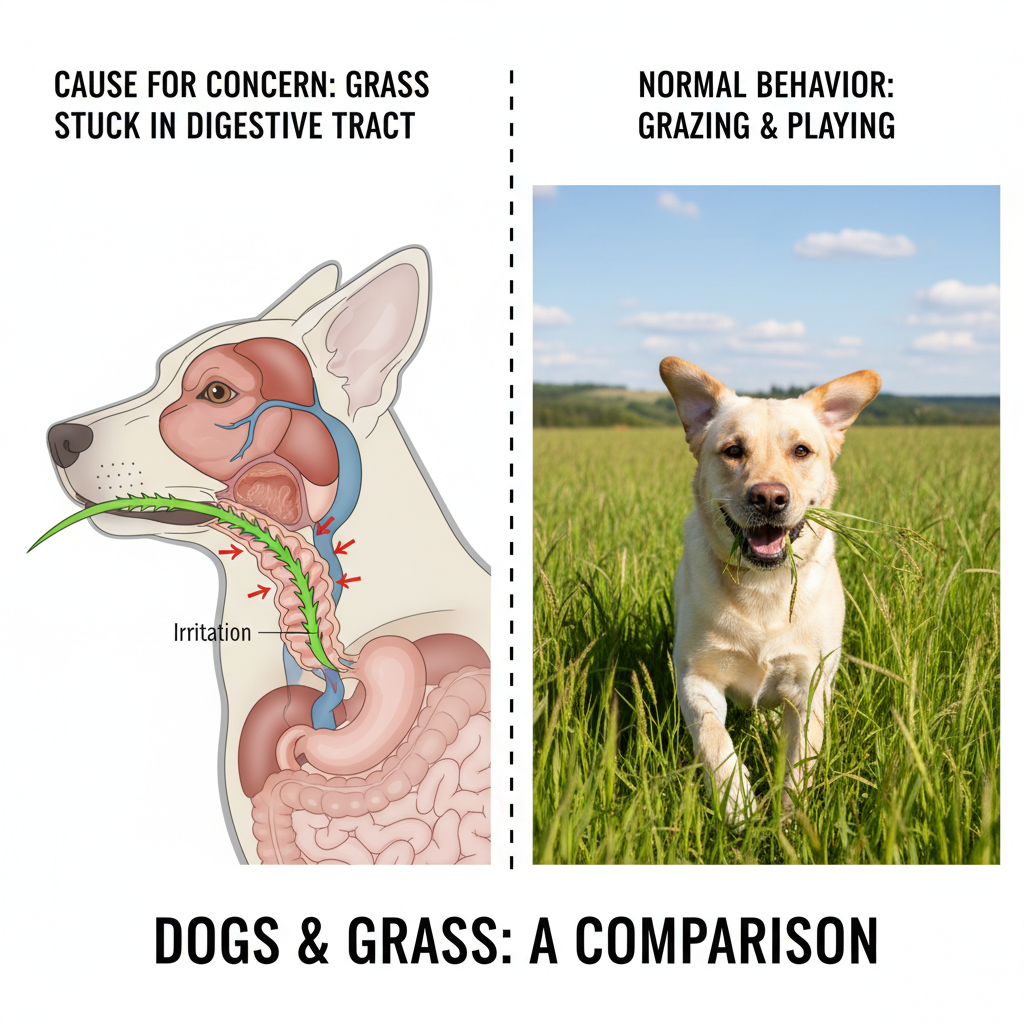
The Vomiting Connection: Is It Intentional Purging or an Unintended Consequence?
The sequence of ‘dog eats grass, dog vomits’ seems like a clear case of cause and effect, leading many to believe the act is a deliberate purge. However, veterinary research suggests the relationship is more complex. The majority of dogs that eat grass do so without any subsequent illness. This simple fact challenges the idea that the primary goal is to induce vomiting.
When vomiting does occur, it’s more likely an unintended side effect rather than a calculated action. Grass, in its whole form, is not easily digestible for dogs. Their digestive systems are primarily designed for processing meat and fat. The long, fibrous blades of grass can tickle the sensitive lining of the stomach and the pharynx (the back of the throat). This physical irritation is what often triggers the gag reflex and leads to vomiting. The dog isn’t necessarily ‘thinking’ about making itself sick; rather, its body is reacting to an indigestible, irritating foreign material.
Expert Insight: It’s crucial to differentiate between a dog that occasionally vomits after eating grass and a dog that is vomiting frequently for other reasons. The former is often benign, while the latter can indicate a serious underlying medical condition requiring immediate veterinary attention.
Consider the contents of the vomit. If your dog throws up and you see foamy, yellow bile along with the grass, it might indicate that they ate the grass because their stomach was already empty and upset. This is common in dogs with bilious vomiting syndrome, which often occurs in the morning before their first meal. In this scenario, the pre-existing nausea led to the grass-eating, not the other way around. Conversely, if the vomit contains undigested food, it may be that the dog was experiencing general indigestion. In either case, the grass acts more as a catalyst for a process that was likely to happen anyway.
Therefore, pet owners should view the vomiting not as the purpose of grass-eating, but as a possible outcome. Observing your dog’s overall demeanor is key. Is the dog lethargic and showing other signs of illness before eating grass? Or is it energetic and seemingly fine, only to vomit after a quick graze? The context provides critical clues to the real motivation and whether there is cause for concern.
Hidden Dangers: When Grass-Eating Poses a Serious Risk
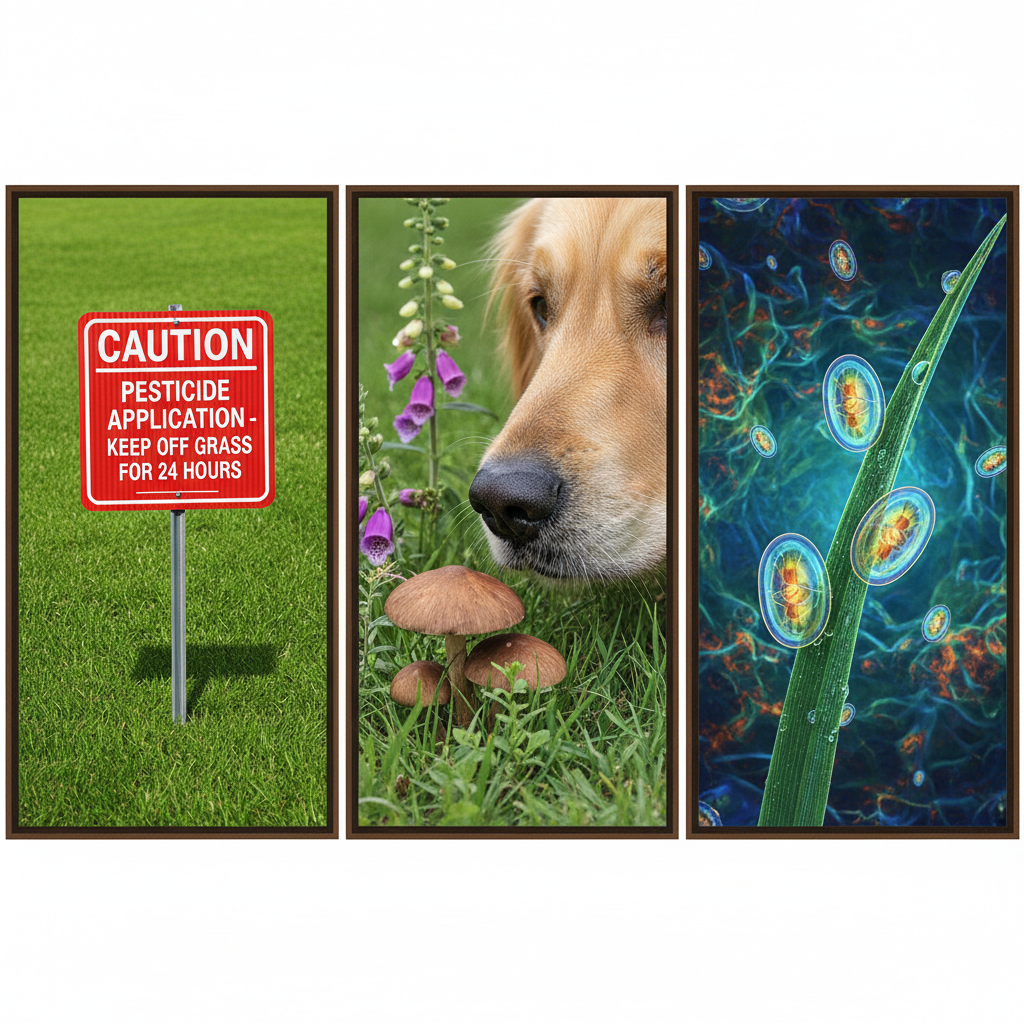
Hidden Dangers: When Grass-Eating Poses a Serious Risk
While the act of eating grass itself is typically harmless, the environment in which the grass grows can hide significant dangers. Before dismissing this behavior as a harmless quirk, it’s imperative for owners to assess the potential risks associated with their dog’s grazing habits.
Chemical Contamination: Pesticides and Herbicides
This is arguably the most significant risk. Lawns in residential areas, parks, and golf courses are frequently treated with a cocktail of chemicals, including pesticides, herbicides (weed killers), and fertilizers. These substances are toxic and can cause severe illness if ingested. Symptoms of chemical poisoning in dogs can range from mild gastrointestinal upset (drooling, vomiting, diarrhea) to severe neurological signs (tremors, seizures), organ damage, and even death. Always be aware of your surroundings. Look for posted signs indicating recent chemical applications and prevent your dog from grazing in any area unless you are certain it is untreated and safe.
Toxic Plants and Fungi
A pristine lawn is not always just grass. Various weeds and other plants can grow interspersed with grass blades, and some of these can be highly toxic to dogs. Common examples include foxglove, lilies, oleander, and certain types of mushrooms. A dog intent on eating grass may not differentiate between safe blades and a poisonous leaf. Familiarize yourself with common toxic plants in your region and inspect your yard regularly to remove them.
Ingestion of Parasites
Grass and soil can harbor intestinal parasites, such as roundworms, hookworms, and whipworms, from the feces of other infected animals. When a dog eats grass, it can inadvertently ingest parasite eggs or larvae left behind. This is why it is crucial to keep your dog on a year-round parasite prevention program as recommended by your veterinarian and to discourage eating grass in areas frequented by many other dogs or wildlife, such as public dog parks.
Gastrointestinal Obstruction
While uncommon, obsessive or compulsive grass-eating can lead to the ingestion of a large amount of plant matter. This can clump together in the stomach or intestines, forming a bezoar that can cause a partial or complete blockage. An intestinal obstruction is a life-threatening medical emergency that requires immediate surgical intervention. Signs include persistent vomiting, severe abdominal pain, loss of appetite, and straining to defecate. If you notice your dog’s grass-eating is becoming excessive or frantic, it’s time to intervene and consult a professional.
Proactive Solutions: How to Manage and Redirect Grass-Eating Behavior
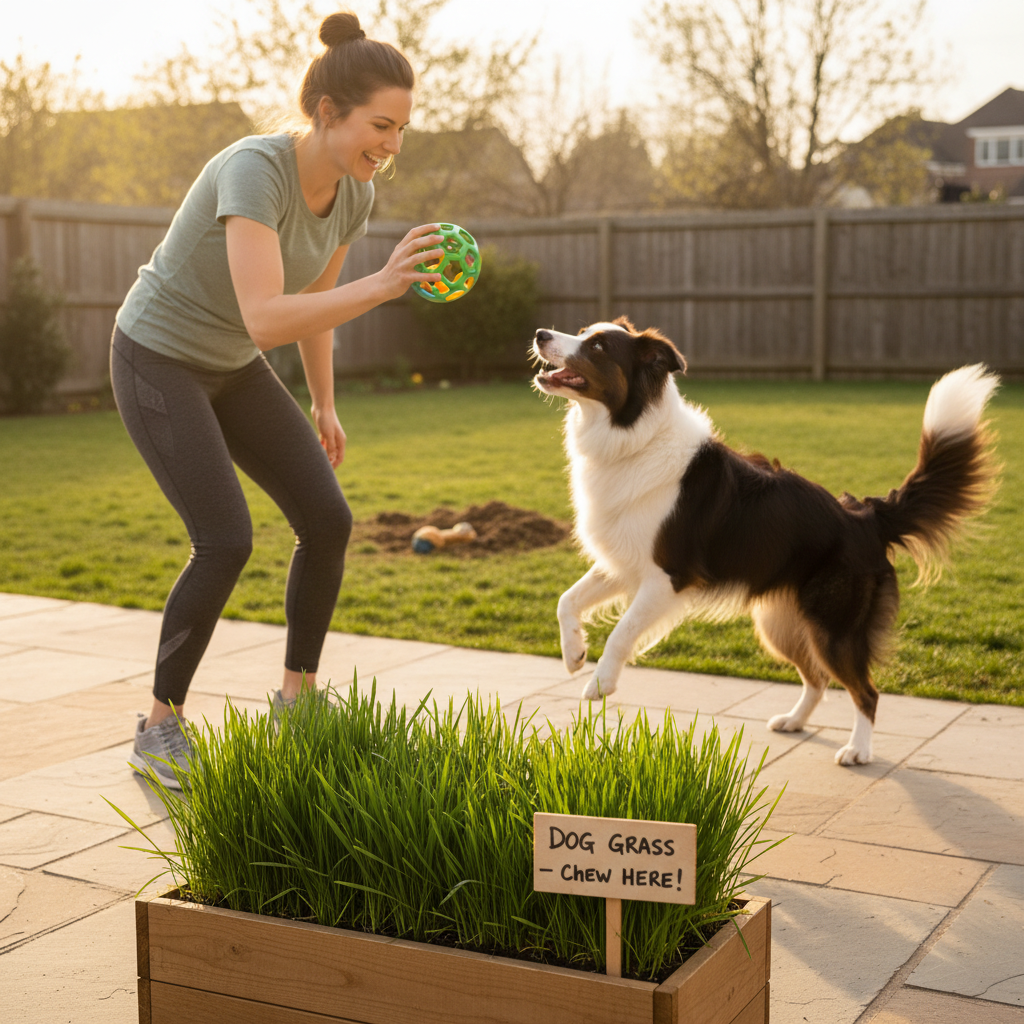
Proactive Solutions: How to Manage and Redirect Grass-Eating Behavior
If you’ve determined that your dog’s grass-eating is a concern, either due to its frequency or the potential risks, there are several effective strategies you can implement. The goal is not necessarily to eliminate the behavior entirely but to manage it and ensure your dog’s safety.
1. Evaluate and Enhance Their Diet
Start by assessing your dog’s current food. Consult with your veterinarian to ensure the diet is complete, balanced, and contains adequate fiber. Sometimes, a simple dietary adjustment is all that’s needed. Consider adding safe, high-fiber vegetables to their meals. Steamed green beans, carrots, or a spoonful of plain canned pumpkin can boost fiber intake and may reduce the craving for grass.
| Safe Fiber Source | Key Benefits | Serving Suggestion (for a medium-sized dog) |
|---|---|---|
| Plain Canned Pumpkin | Rich in soluble fiber, aids digestion, low in calories. | 1-2 tablespoons per meal. |
| Steamed Green Beans | Good source of fiber and vitamins, provides a satisfying crunch. | A small handful, chopped. |
| Carrots (Raw or Steamed) | Excellent for dental health (if raw), high in fiber and beta-carotene. | 1/2 a medium carrot, chopped or grated. |
| Psyllium Husk Powder | A concentrated fiber supplement. Use only under veterinary guidance. | As directed by your veterinarian. |
2. Increase Physical and Mental Stimulation
Boredom is a common culprit. Ensure your dog is receiving enough daily exercise through walks, runs, or games of fetch. In addition to physical activity, mental enrichment is vital. Engage your dog with puzzle toys, treat-dispensing balls, or regular training sessions. A tired and mentally satisfied dog is far less likely to engage in destructive or habitual behaviors like eating grass.
3. Use Training and Redirection Techniques
When you see your dog start to graze, interrupt the behavior with a firm but positive command like ‘Leave it!’. When they stop and look at you, immediately reward them with high-value praise, a favorite toy, or a tasty treat. The key is to redirect their attention to a more appropriate activity. Keep walks engaging by changing your route, practicing commands, and bringing along a toy to make you more interesting than the grass.
4. Provide Safe Grazing Alternatives
If you suspect your dog simply enjoys the act of chewing on plants, provide a safe and controlled alternative. You can purchase or grow a small indoor pot of dog-safe plants like wheatgrass, oat grass, or barley grass. This allows them to satisfy their craving in a safe environment free from pesticides and parasites. By offering a designated ‘yes’ plant, it becomes easier to teach them to leave outdoor grass alone.
Red Flags: When to Consult Your Veterinarian Immediately

Red Flags: When to Consult Your Veterinarian Immediately
While occasional grass-eating is usually not a cause for alarm, certain signs and symptoms warrant an immediate trip to the veterinarian. It is your responsibility as a diligent pet owner to monitor your dog’s behavior and overall health, and to act swiftly when something seems amiss. Do not hesitate to seek professional medical advice if you observe any of the following red flags:
- Sudden and Compulsive Increase: If your dog, who was previously an infrequent grazer, suddenly begins eating grass frantically or obsessively, it could signal the onset of a significant gastrointestinal issue or other underlying illness.
- Signs of Pain or Distress: Grass-eating accompanied by whining, lip-licking, drooling, pacing, a hunched posture, or a bloated abdomen is a medical emergency. These can be signs of serious conditions like pancreatitis, gastritis, or bloat (gastric dilatation-volvulus).
- Frequent or Severe Vomiting: A dog that vomits once after eating grass is one thing. A dog that is vomiting multiple times, has unproductive retching, or has blood in its vomit requires immediate veterinary care.
- Additional Symptoms of Illness: Do not ignore grass-eating when it occurs alongside other signs of sickness, such as lethargy, weakness, diarrhea (especially with blood), loss of appetite, weight loss, or pale gums. These symptoms together point towards a more systemic problem.
- Suspected Toxin Ingestion: If you have any reason to believe the grass your dog consumed was treated with chemicals, or if you saw them ingest a potentially toxic plant or mushroom, treat it as a poisoning emergency. Contact your veterinarian or an animal poison control center immediately.
A Veterinarian’s Advice: You know your dog better than anyone. Trust your instincts. If the grass-eating behavior seems ‘off’ or is part of a larger picture of unwellness, a veterinary check-up is always the safest course of action. It’s better to be cautious and find nothing wrong than to wait and allow a serious condition to progress.
During your visit, your veterinarian will perform a thorough physical examination and may recommend diagnostic tests such as blood work, fecal analysis, or imaging (X-rays or ultrasound) to rule out underlying medical causes. Be prepared to provide a detailed history of your dog’s diet, behavior, and the specific symptoms you’ve observed.
Conclusion
The question of why dogs eat grass and then vomit is multifaceted, rooted in a blend of instinct, nutrition, and behavior. For most dogs, it is a normal, harmless activity that doesn’t require intervention. However, it is not a behavior to be ignored entirely. The primary takeaway for pet owners is the importance of observation and context. By understanding the potential motivations—from a simple taste preference to a sign of gastrointestinal distress—you can better interpret your dog’s actions. Always ensure their grazing areas are free from toxic chemicals and plants. Consider dietary and enrichment enhancements to address potential deficiencies or boredom. Most importantly, learn to recognize the red flags that distinguish a benign quirk from a symptom of a serious health problem. Your veterinarian is your most valuable partner in your dog’s health. By working with them and trusting your own informed intuition, you can confidently navigate this common canine behavior and ensure your companion’s long-term well-being.