Why Are My Dog’s Ears Pinned Back? Decoding the Signal
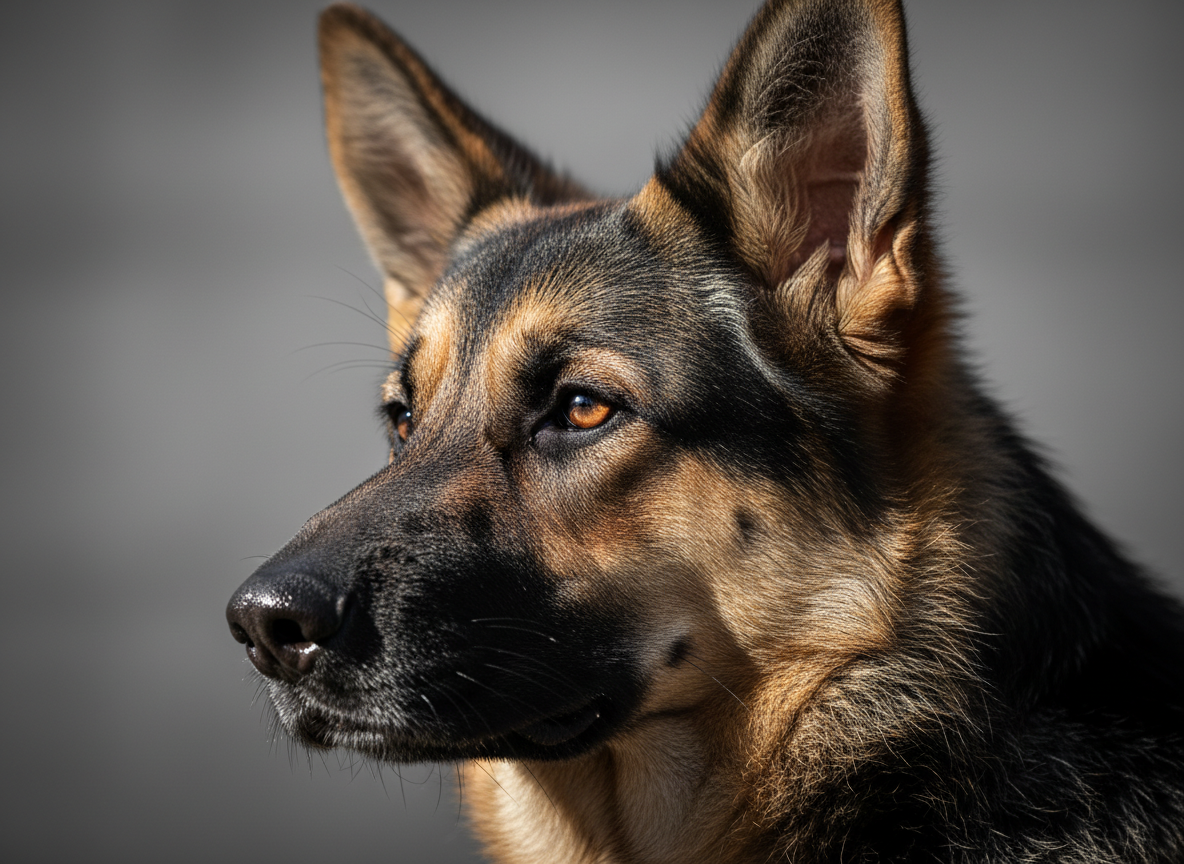
As dedicated pet owners, we strive to understand our canine companions on the deepest level. While they can’t speak our language, they communicate constantly through a sophisticated system of body language. Among the most expressive features are their ears, which can pivot, prick, and flatten in response to their environment and emotional state. One of the most frequently observed—and often misinterpreted—signals is when a dog’s ears are pinned back. This posture is not a monolithic signal with a single meaning; rather, it is a dynamic indicator that can signify everything from profound fear to joyful exuberance. Understanding the nuances of why your dog’s ears are pinned back is fundamental to fostering a strong, trusting relationship. This guide will provide an in-depth analysis of the various reasons behind this behavior, empowering you to accurately interpret the signals and respond to your dog’s needs with confidence and empathy.
Fear, Anxiety, and Stress: The Defensive Posture
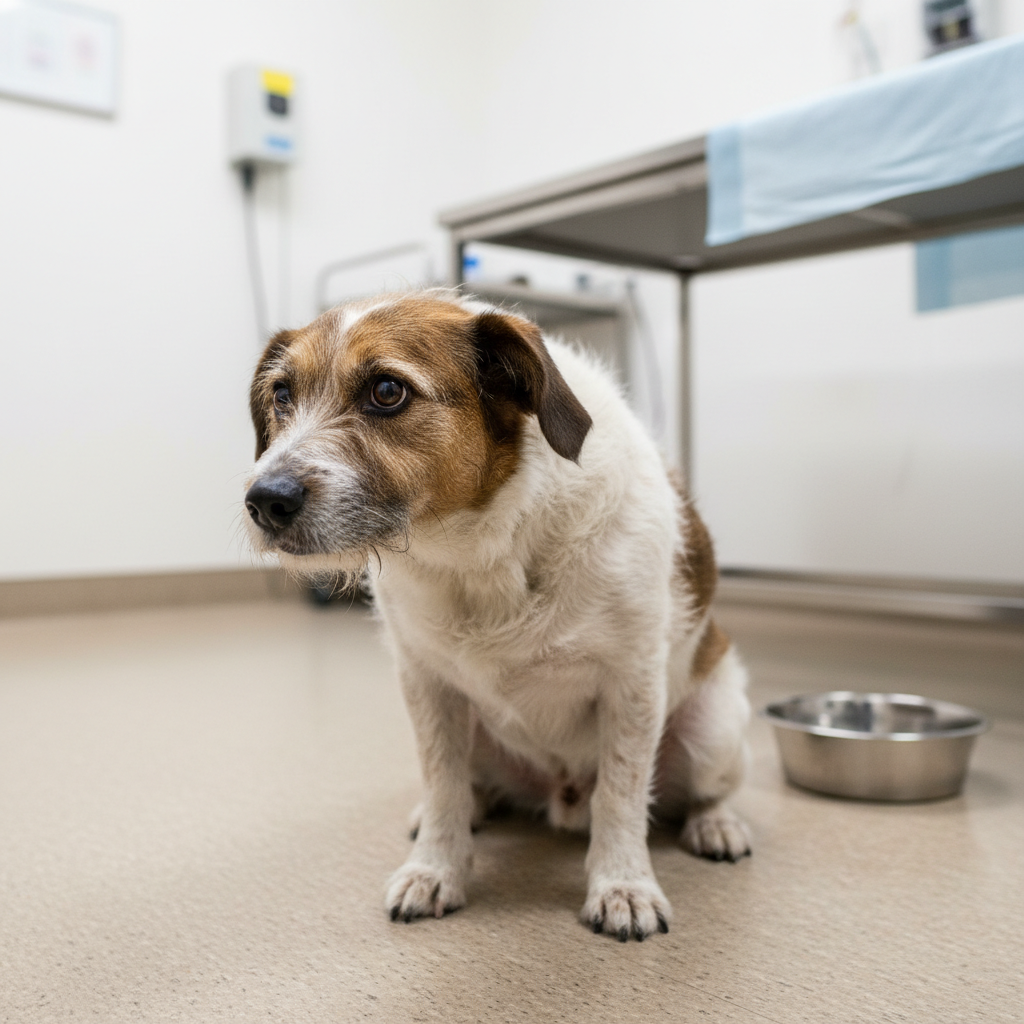
One of the most common reasons a dog pins its ears back is as a response to fear, anxiety, or stress. In this context, the action is often an instinctive, self-preservative behavior. By flattening their ears against their head, dogs protect these sensitive and vulnerable appendages from potential harm in a perceived threatening situation. This is a clear signal that the dog is uncomfortable and wishes to avoid conflict or danger.
Accompanying Body Language Signals
To accurately identify fear, you must observe the cluster of signals that accompany the pinned ears. A fearful dog will often exhibit several of the following behaviors simultaneously:
- Lowered Body Posture: The dog may crouch, lower its head, or make itself appear smaller.
- Tucked Tail: The tail will likely be held low or tucked tightly between the hind legs.
- Whale Eye: The dog may avert its head slightly but keep its eyes on the perceived threat, revealing the whites of the eyes in a crescent shape.
- Lip Licking and Yawning: These are classic calming signals, used when a dog is feeling stressed or uncertain.
- Trembling or Shaking: In cases of extreme fear, the dog’s body may tremble.
- Avoidance: The dog may actively try to move away from the trigger, hide behind its owner, or seek an escape route.
Common triggers for this fear-based response include loud noises like thunderstorms or fireworks, the presence of an unfamiliar or imposing person or animal, a chaotic environment, or a visit to the veterinarian’s office. Recognizing this cluster of signals is critical. It is your dog’s way of communicating, ‘I am scared, and I need reassurance or removal from this situation.’ Ignoring these signs can escalate the dog’s fear, potentially leading to a defensive reaction if it feels cornered.
Appeasement and Submission: The Social Signal

Not all instances of pinned ears stem from negativity. This posture is also a vital component of canine social etiquette, often used as a gesture of appeasement or submission. In a social context, a dog may pin its ears back to signal to another dog or a person that it is not a threat and comes in peace. This is a deferential behavior designed to diffuse potential tension and prevent conflict before it begins.
When a dog displays submissive ear pinning, it is actively communicating respect for a perceived higher-ranking individual. This is common in multi-dog households, during greetings between unfamiliar dogs, or when a dog interacts with its owner, especially during training or after being corrected. It’s a polite way of saying, ‘I recognize your authority, and I mean no harm.’ This behavior is crucial for maintaining a stable social hierarchy and ensuring peaceful interactions.
Differentiating Submission from Fear
While both fear and submission involve pinned ears, the accompanying body language is typically different. A submissive dog’s posture is often ‘softer’ and more relaxed than that of a fearful dog:
- ‘Soft’ Eyes: The dog’s eyes will appear relaxed, and it may blink slowly or avert its gaze without the wide-eyed panic of ‘whale eye.’
- Low, Gentle Tail Wag: A submissive dog may offer a low, sweeping tail wag, which is different from the stiff, high wag of an assertive dog or the tucked tail of a fearful one.
- Body Wiggle: The dog’s entire body may seem loose and wiggly.
- Licking: The dog might attempt to lick the face or hands of the person or the muzzle of the other dog as a sign of deference.
- Exposing the Belly: In a clear display of trust and submission, the dog may roll over onto its back.
Understanding this signal allows you to recognize when your dog is simply trying to be polite and maintain social harmony, which is a positive and healthy canine behavior.
Excitement and Aerodynamics: The Joyful Runner
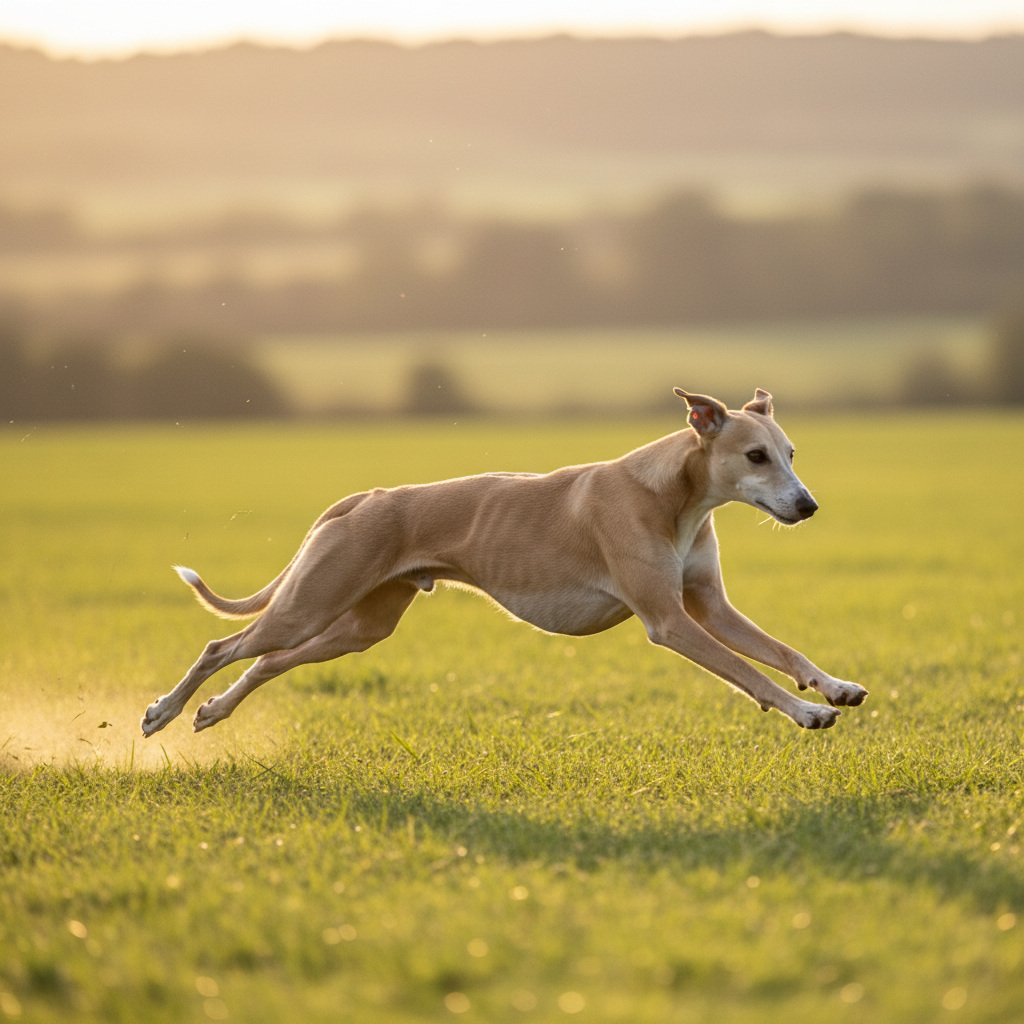
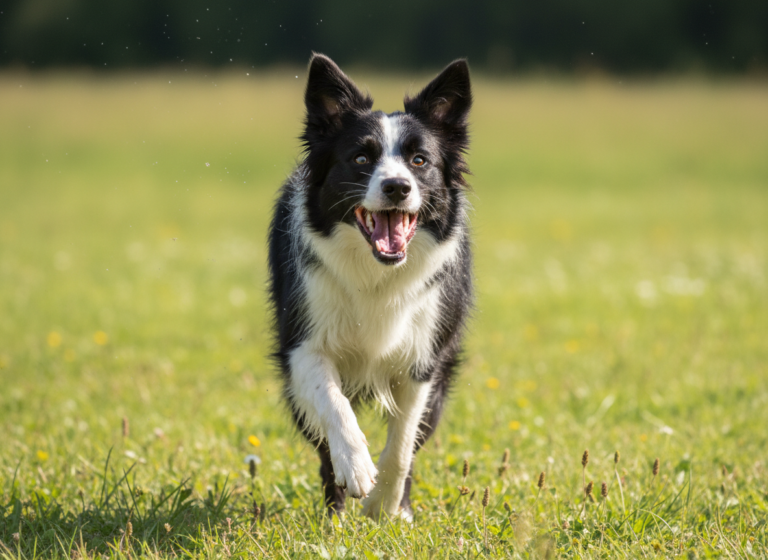
In a complete departure from fear or submission, dogs often pin their ears back in moments of pure joy and high excitement. This is frequently seen when you return home after an absence, during a spirited play session, or in anticipation of a favorite activity like a walk or a car ride. In this context, the pinned ears are part of an overall expression of happiness.
The accompanying signals are unmistakably positive: a wildly wagging tail, a ‘smiling’ expression with a relaxed, open mouth, wiggling, jumping, and playful vocalizations. The dog’s entire body communicates eagerness and delight.
The Need for Speed
There is also a purely functional, physical reason for this behavior, especially in sighthounds and other fast breeds. When a dog runs at high speed, pinning the ears back against the head makes them more aerodynamic. It reduces wind resistance and prevents the ears from flapping uncomfortably. If you watch a dog chasing a ball or running freely in an open field, you will almost certainly see its ears slicked back. This is not an emotional signal but a practical adjustment for efficient movement, akin to a swimmer wearing a swim cap. It is a sign of a dog in its element, focused and physically engaged. Therefore, when you see pinned ears during high-energy activities, it is most often a sign of focus and exhilaration.
A Sign of Physical Discomfort or Pain
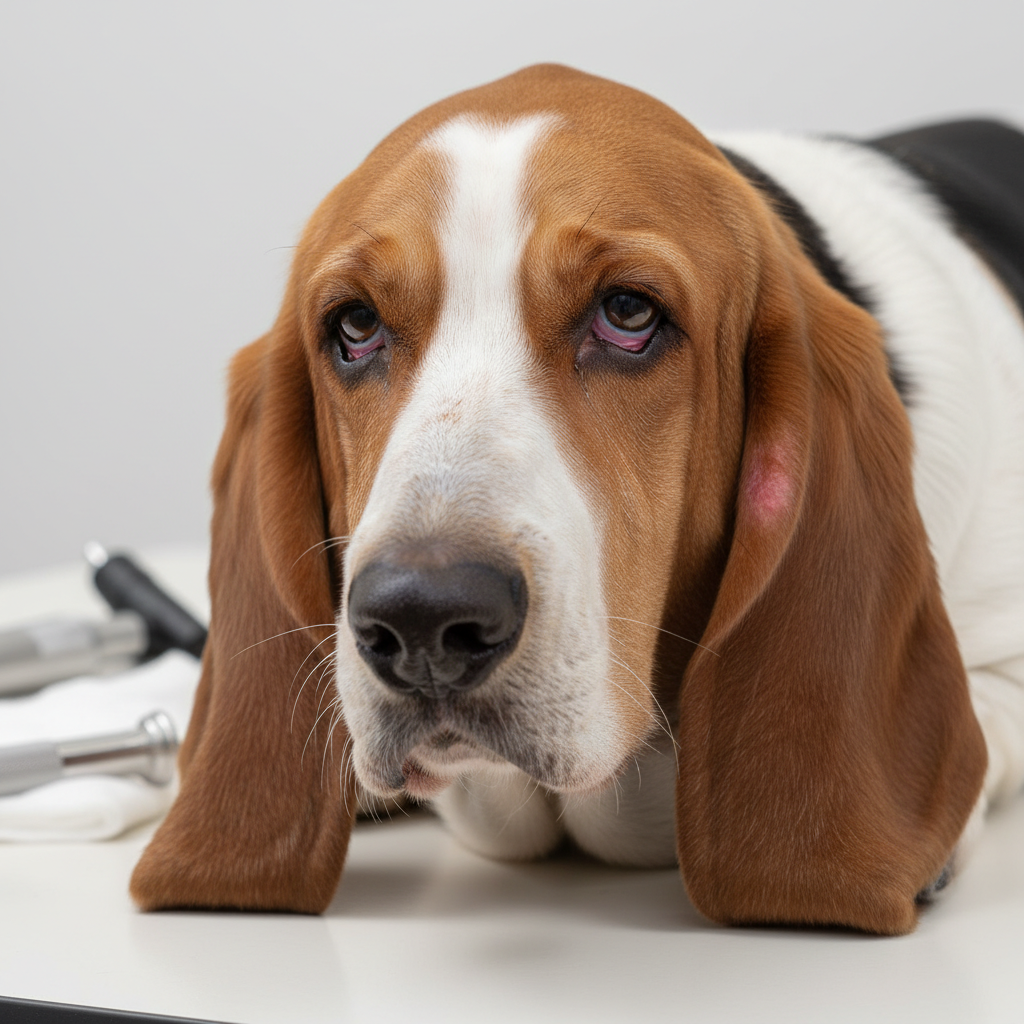
It is critically important for pet owners to understand that pinned ears can also be a significant indicator of physical pain or discomfort. A dog that is not feeling well may hold its ears back as a general sign of malaise, but this posture is especially common when the source of the pain is the ears themselves.
Common Ear-Related Ailments
If you notice your dog’s ears are persistently pinned back, especially in conjunction with other symptoms, a veterinary check-up is warranted. Potential causes include:
- Ear Infections (Otitis): Bacterial or yeast infections are common and can cause significant pain, inflammation, and itching.
- Ear Mites: These tiny parasites cause intense irritation and are highly contagious among pets.
- Hematoma: A blood blister that forms on the ear flap (pinna), usually as a result of aggressive head shaking or scratching.
- Foreign Objects: Grass seeds, burrs, or other debris can become lodged in the ear canal, causing pain and potential damage.
- Allergies: Environmental or food allergies can often manifest as chronic ear inflammation and discomfort.
When to See a Veterinarian
Observe for other signs that point to a medical issue. If pinned ears are accompanied by any of the following, schedule a veterinary appointment immediately:
- Head shaking or tilting to one side
- Scratching or pawing at the ears
- A foul odor or discharge from the ear canal
- Redness or swelling of the ear flap or canal
- Crying or whimpering when the ears are touched
- Loss of balance or disorientation
Never attempt to diagnose or treat a potential ear problem at home without professional guidance. The ear is a delicate structure, and improper care can cause further damage or worsen the condition. Pinned ears due to pain is a clear call for medical attention.
Decoding the Signals: A Guide to Context
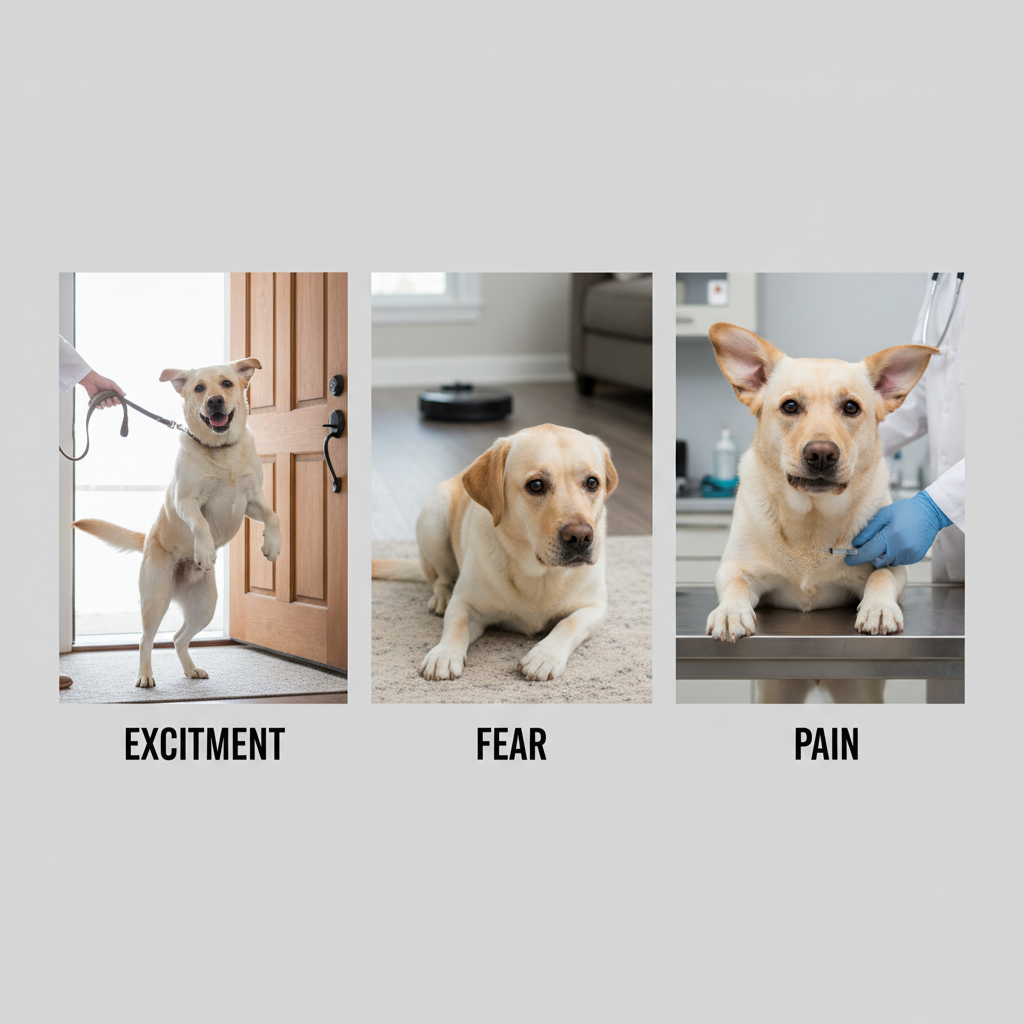
As we have established, a single canine signal rarely tells the whole story. To become a truly adept interpreter of your dog’s language, you must become a ‘whole-dog observer.’ The position of the ears is just one piece of a complex puzzle. You must analyze the ear position in conjunction with the tail, mouth, eyes, and overall body posture, all within the context of the current situation. A dog pinning its ears back when you grab the leash means something entirely different from a dog pinning its ears back as a strange dog approaches.
To help you synthesize this information, the following table provides a comparative overview of the different meanings of pinned ears, the cluster of signals associated with each, and the typical context in which they occur.
| Emotional/Physical State | Associated Body Language Cluster | Typical Situation or Context |
|---|---|---|
| Fear / Anxiety | Tucked tail, whale eye, lowered body, trembling, lip licking, avoidance. | Loud noises (thunderstorm), unfamiliar person/animal, veterinary visit, perceived threat. |
| Appeasement / Submission | Soft eyes, low/slow tail wag, body wiggle, licking, exposing belly. | Greeting a person or another dog, during training, after a mild correction. |
| Excitement / Play | High/fast tail wag, ‘smiling’ mouth, play bow, bouncing, vocalizing. | Owner returning home, pre-walk rituals, during a game of fetch or tug. |
| Focused Running | Intense focus, stretched-out body, rapid movement. Purely physical. | Chasing a toy, running at full speed in an open area. |
| Pain / Discomfort | Head shaking/tilting, scratching at ears, lethargy, whimpering, redness/odor. | Persistent behavior with no clear external trigger; indicates a potential medical issue. |
By using this framework, you can move from simply noticing your dog’s ears are back to understanding why they are back. This deeper level of comprehension is the foundation of effective communication and a trusting, harmonious relationship with your canine companion.
Conclusion
A dog’s pinned-back ears are a powerful and versatile communication tool, conveying a rich tapestry of information. From the clear warnings of fear to the polite deference of submission, the unbridled joy of play, and the critical signs of pain, this single posture speaks volumes. The key to accurate interpretation lies not in the ears alone, but in observing the entire symphony of body language and understanding the context of the situation. By paying close attention to these signals, you move beyond being a simple caregiver to becoming a fluent and empathetic communicator with your dog. This mindful observation strengthens your bond and ensures you can provide the support, reassurance, or medical care your loyal companion needs. When you are ever in doubt about the cause, particularly if you suspect pain or chronic anxiety, the most responsible and loving action is to consult your veterinarian or a certified professional dog behaviorist.