What Is Puppy Manding? The Secret To A Polite Dog Without Commands
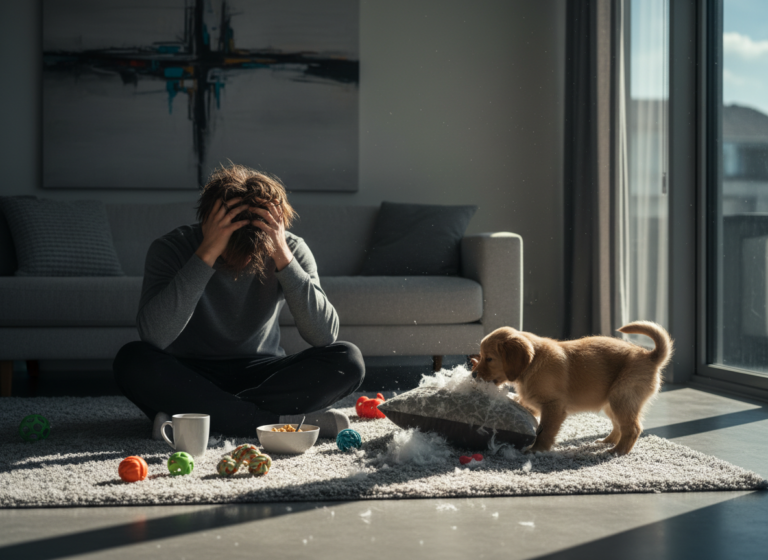
In the world of canine training, we are constantly seeking methods that not only shape behavior but also deepen the bond between human and dog. Traditional, command-based training has its place, but it often creates a dynamic where the dog becomes a passive recipient of instructions. What if there was a way to empower your puppy to think for itself, to make good choices, and to communicate its needs politely without you ever having to say a word? This is the power of manding. Manding is a behavior modification concept that shifts the entire paradigm of communication. Instead of you commanding ‘Sit,’ your puppy learns to offer a sit as a way of saying ‘please.’ It is the canine equivalent of learning good manners. This guide will deconstruct the science behind manding, provide a comprehensive, step-by-step implementation plan, and reveal how this single technique can eliminate a host of problem behaviors like demand barking, jumping, and pawing, creating a foundation for a lifetime of polite, peaceful coexistence.
The Psychology of Manding: Why It Teaches More Than Just a ‘Sit’
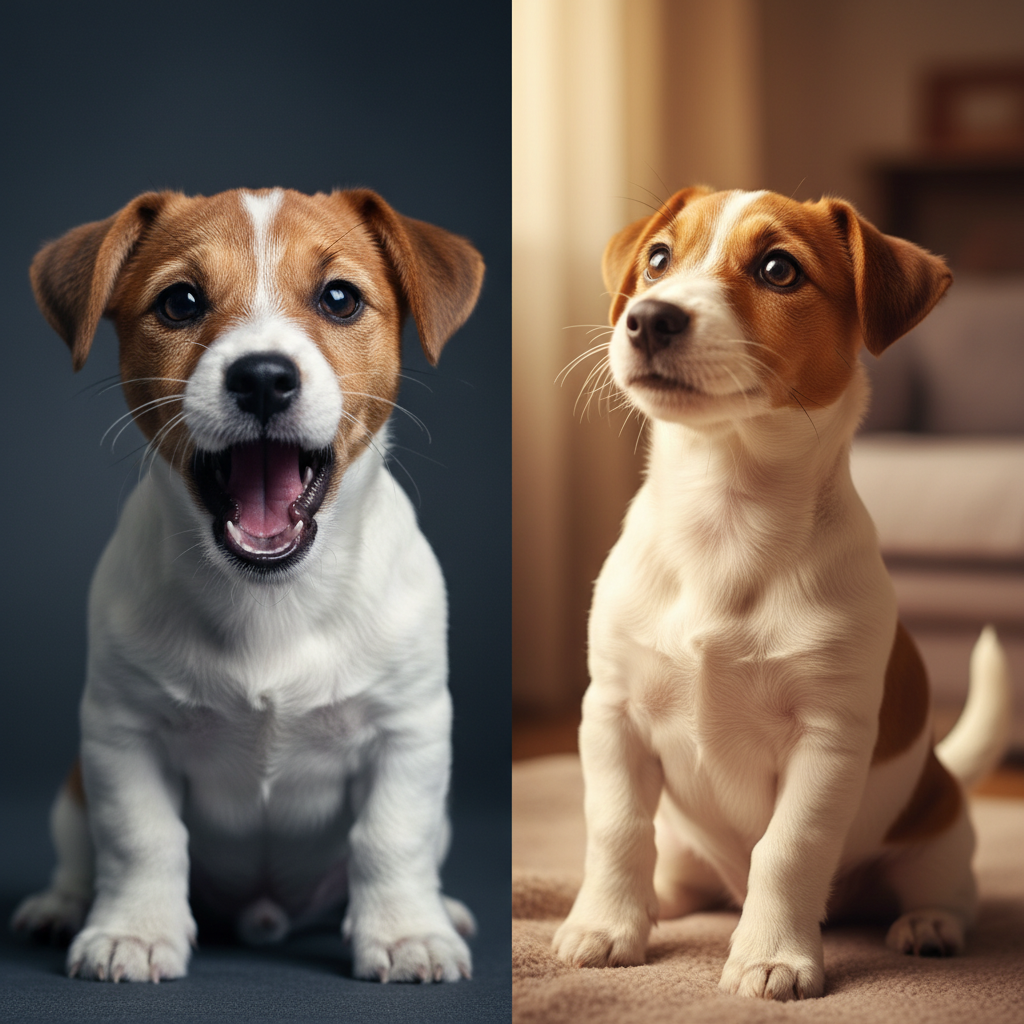
At its core, manding is a sophisticated application of operant conditioning. The term ‘mand’ was originally coined by psychologist B.F. Skinner to describe a verbal request motivated by a specific need or desire. In dog training, we adapt this to mean a physical behavior that functions as a request. When your puppy barks at you to throw a ball, that is a mand—an impolite one. When it jumps on you for attention, that is also a mand. Our goal is not to extinguish the puppy’s desire to communicate, but to teach it a more acceptable, polite language.
We achieve this by teaching the puppy that a specific default behavior—most commonly a sit—is the ‘magic word’ that makes good things happen. It becomes the key that unlocks all the resources it desires: food, play, affection, and access to the outdoors. This process fundamentally changes the dog’s cognitive process. Instead of seeing you as a vending machine that dispenses treats upon hearing a command, the puppy learns to see you as a cooperative partner. It understands that its own behavior directly influences its environment and outcomes. This fosters problem-solving skills and impulse control. A dog that learns to mand is a dog that learns to pause, think, and offer a polite behavior instead of reacting with frantic, demanding actions. It is the difference between a dog that mechanically obeys and a dog that thoughtfully communicates.
This is not about suppression; it’s about redirection. We are giving the dog a better, more effective way to get what it wants, which is the cornerstone of successful, humane training.
Step 1: Choosing and Reinforcing the Default ‘Polite’ Behavior
Before you can implement manding, you must establish the polite behavior your puppy will use to ask for things. For 99% of puppies and owners, the sit is the ideal choice. It is a simple, stable position that is incompatible with undesirable behaviors like jumping or door-darting. The initial goal is to make sitting an automatic, highly reinforced action that the puppy offers without being asked.
Capturing the Behavior
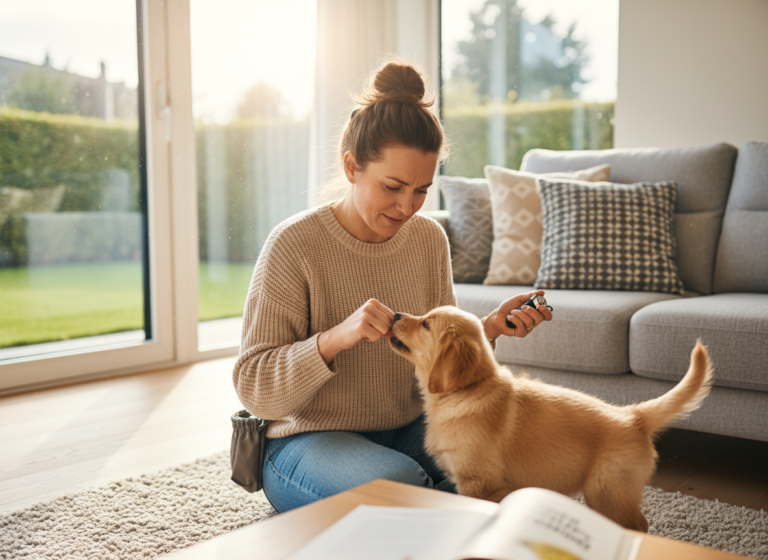
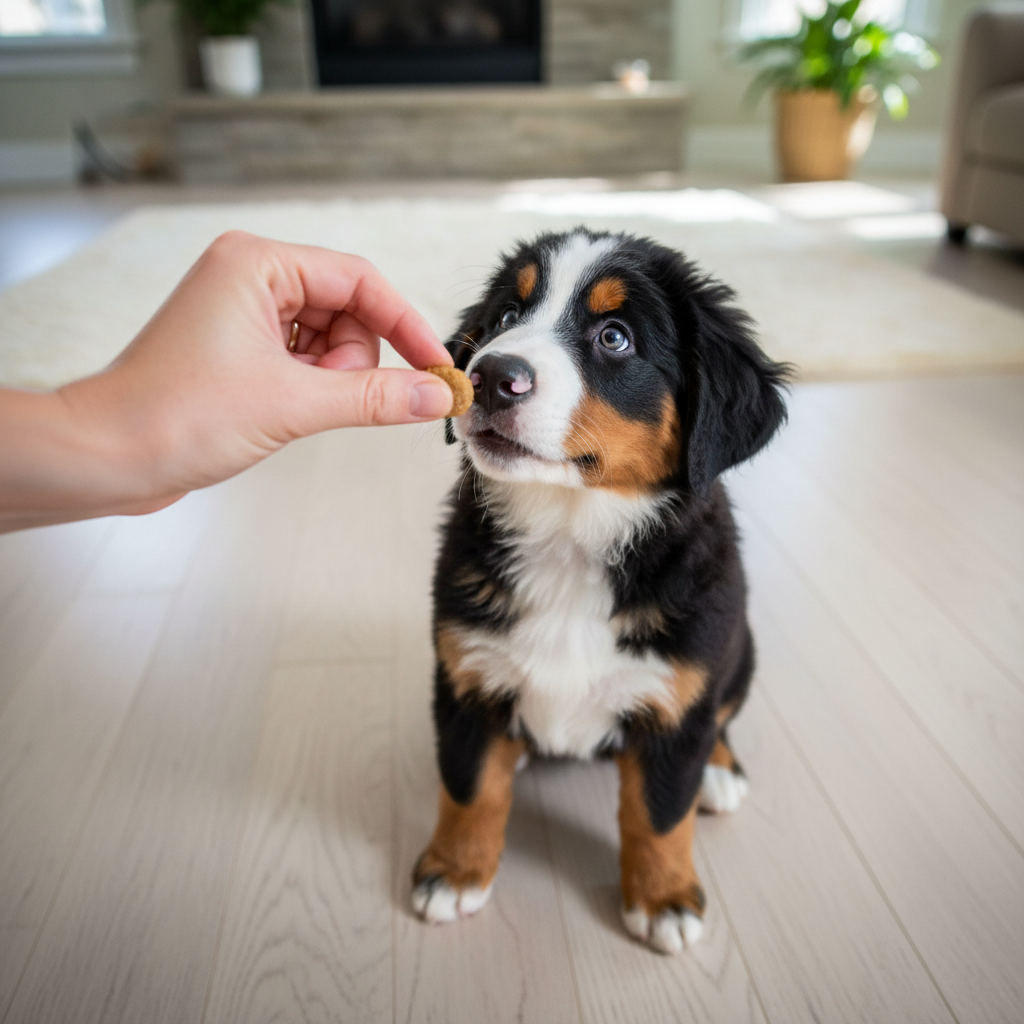
The most effective way to begin is by ‘capturing.’ This involves no commands and no lures. Simply have a handful of high-value treats ready in your pocket or a treat pouch throughout the day. Go about your routine and watch your puppy. The moment its rear touches the floor in a sit, mark the behavior with a verbal marker like ‘Yes!’ and immediately deliver a treat. The sequence is critical: puppy sits, you mark, you treat. Do this dozens of times a day in short, informal sessions. Your puppy will quickly learn that sitting on its own makes treats appear from the sky. It becomes a valuable, self-initiated action.
Introducing a Lure (If Necessary)
Some puppies may not offer sits frequently enough to capture effectively. In this case, you can use a lure. Hold a smelly treat near your puppy’s nose. Slowly lift the treat up and slightly back over its head. As its nose follows the treat up, its hindquarters will naturally lower into a sit. The moment it sits, mark ‘Yes!’ and give it the treat. The key is to fade the lure as quickly as possible—within one or two sessions. Start making the hand motion without a treat in it, then reward from your other hand. The goal is for the puppy to perform the sit without needing the physical prompt.
Step 2: Implementing Manding for Meals
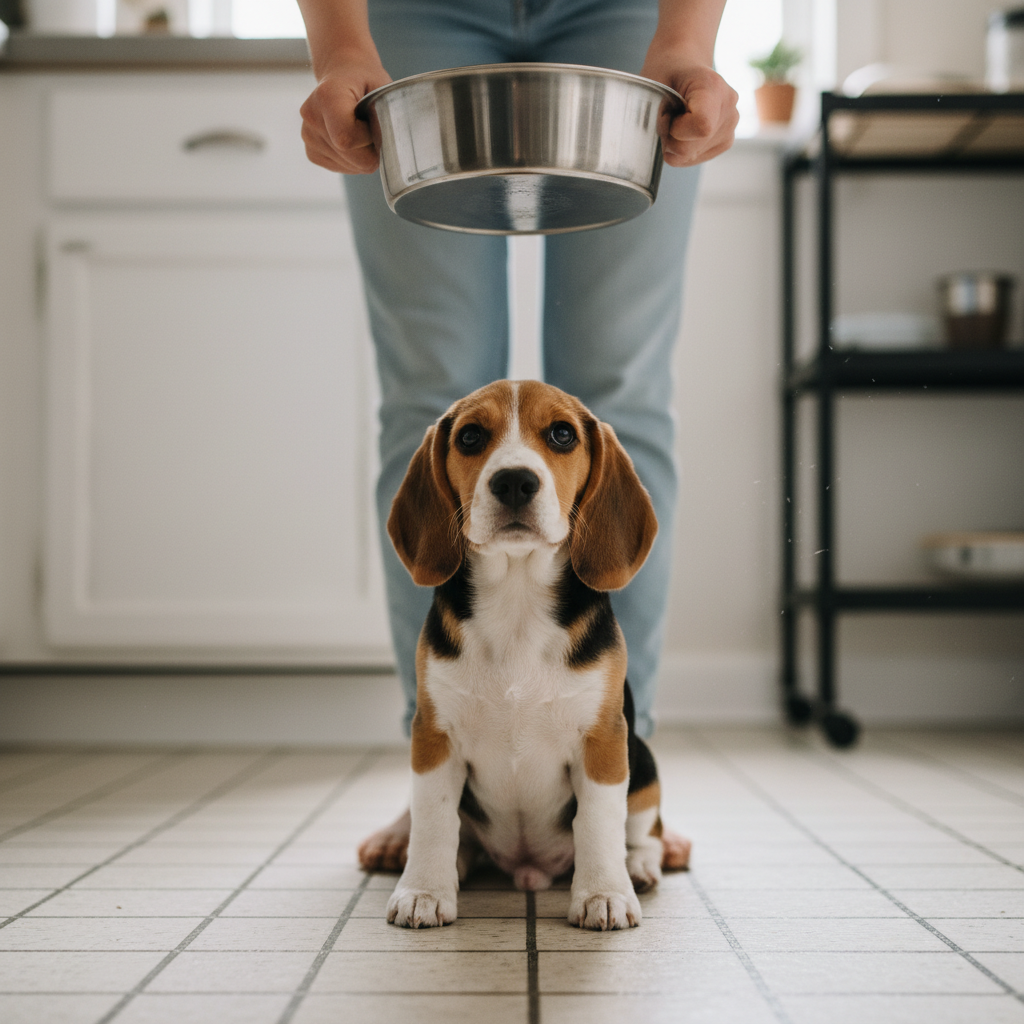
Feeding time is often a moment of high excitement and chaotic behavior. It is the perfect first scenario to introduce manding, as the motivation is incredibly high and the routine is predictable. Your objective is to teach your puppy that the food bowl will only be lowered to the floor when it is sitting politely.
- Preparation: Prepare your puppy’s meal in its bowl, out of sight if necessary to prevent premature excitement.
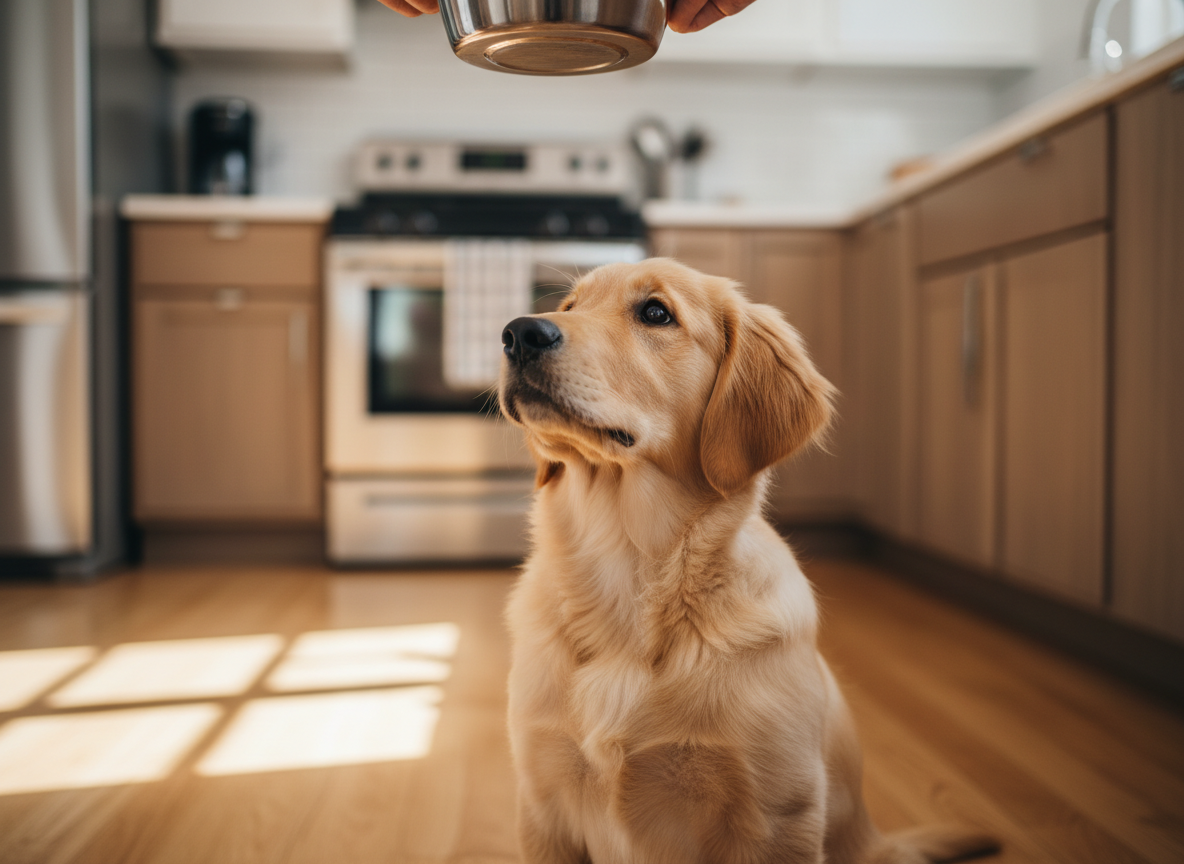
- The Approach: Walk calmly to the feeding area with the bowl in hand. Your puppy will likely be bouncing, barking, or circling your feet. Ignore this behavior completely. Stand straight and hold the bowl at chest level. Do not speak to, make eye contact with, or touch your puppy. You are a statue.
- Wait for the Offer: Your puppy will eventually cycle through its repertoire of behaviors. Frustrated, it will eventually try the one thing that has been earning it rewards recently: sitting. The instant its rear hits the floor, begin to lower the bowl.
- The Critical Rule: If the puppy stands up as you lower the bowl, the bowl immediately goes back up to your chest. No words, no scolding. The movement of the bowl is the only communication. Wait for the puppy to sit again.
- Success: Repeat this process. It may take several attempts initially, but the puppy will quickly learn that a seated position is the only thing that makes the bowl descend. Only release the bowl to the floor when it can hold the sit until the bowl is completely down. Initially, you can give a release cue like ‘Okay!’ but eventually, the presence of the bowl on the floor becomes the release.
This single exercise teaches profound impulse control. The puppy learns that frantic energy makes the desired object (food) go away, while calm, controlled behavior makes it appear.
Step 3: Manding for Attention and Affection
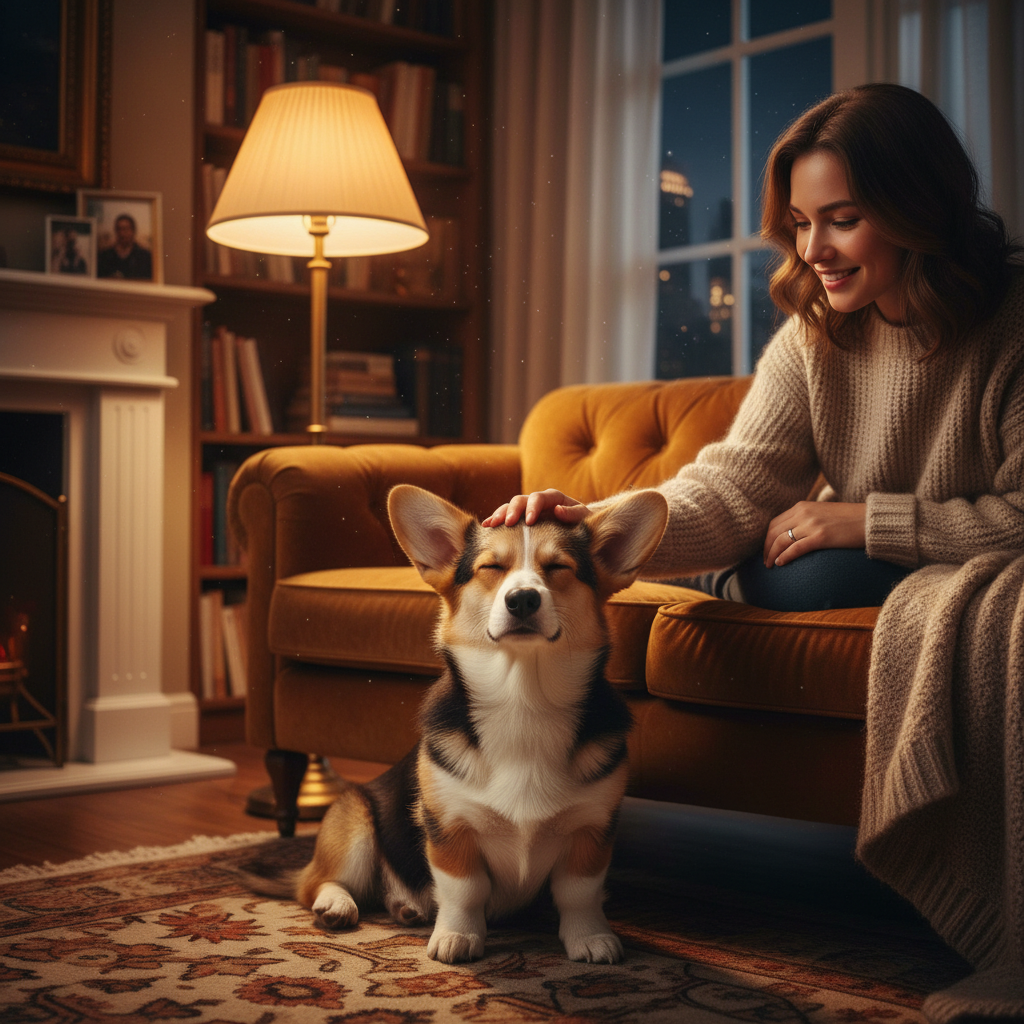
Many owners unknowingly reinforce demanding behavior. When a puppy paws at your leg, nudges your hand, or barks for attention, and you respond by petting it (even if you’re pushing it away), you have just rewarded the demanding behavior. Manding flips this script entirely.
The ‘Become a Tree’ Method
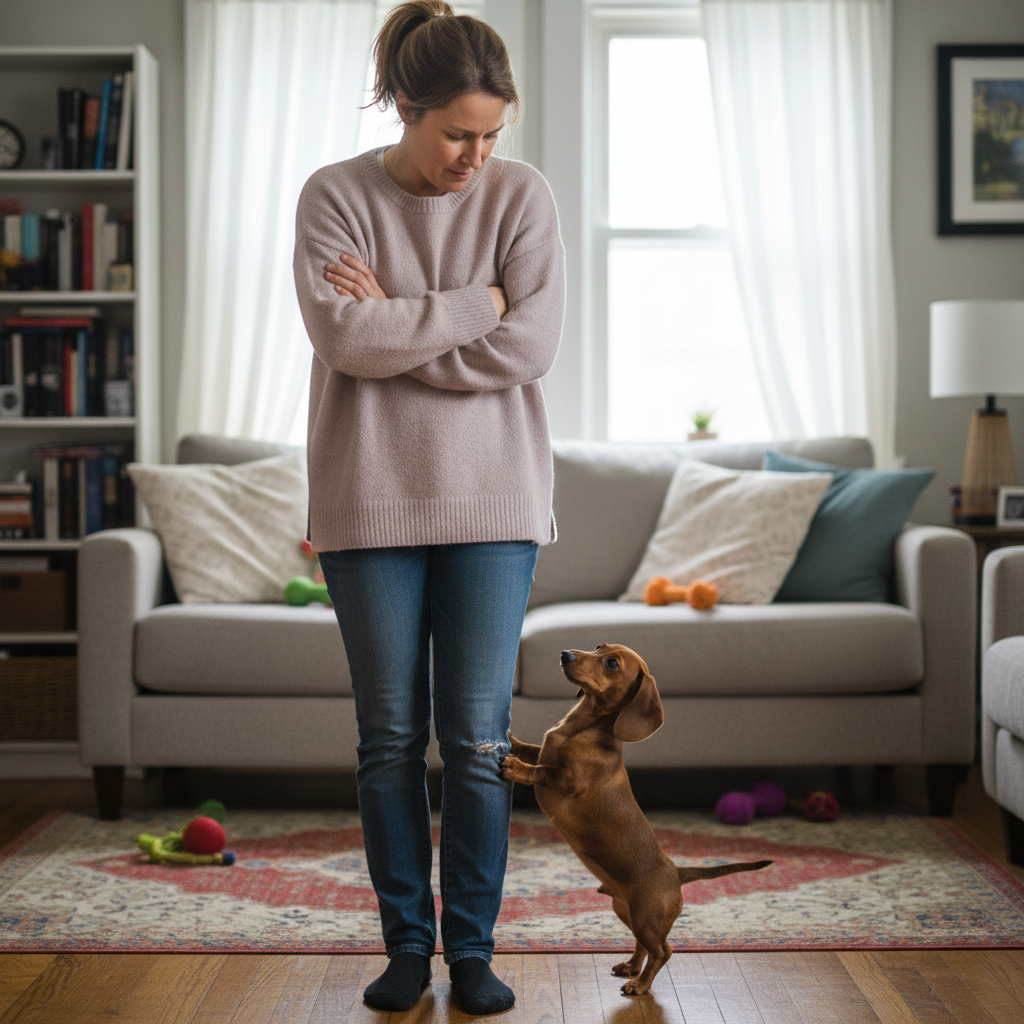
When your puppy engages in demand-seeking behaviors, you must become completely unresponsive. We call this ‘becoming a tree.’ Stand still, cross your arms, and look at the ceiling. You become the most boring thing in the room. Your puppy’s pawing, nudging, and barking will have zero effect. This is an extinction process; the old, unwanted behaviors are no longer being reinforced, so they will eventually fade away.
Rewarding the Polite Mand
During this period of ignoring, your puppy will become confused and try other tactics. Just as with the food bowl, it will eventually offer a sit. The moment it sits, you can come back to life. Calmly reach down and provide the affection it was seeking. Give it a nice scratch under the chin or a gentle stroke down its back. If the puppy gets overly excited and stands up or starts jumping again, the affection immediately stops, and you become a tree again. This creates a crystal-clear contingency: sitting brings affection, while jumping and pawing make affection disappear. This is a powerful lesson in emotional regulation and polite social interaction.
Step 4: Applying Manding at Thresholds and for Privileges
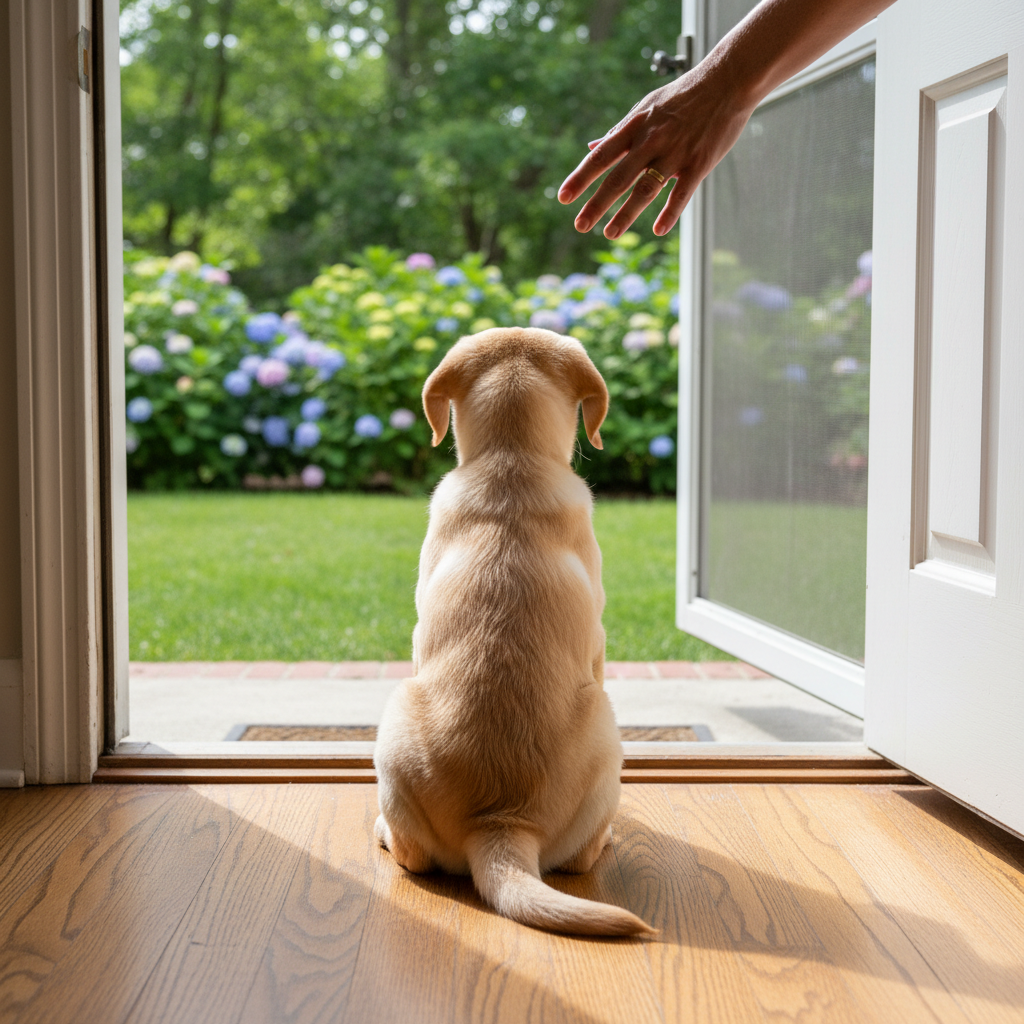
Manding is not limited to food and attention. It should be integrated into every aspect of your puppy’s life, especially at thresholds like doorways, which are common triggers for impulsive behavior.
Manding at Doorways
A puppy that bolts through an open door is a significant safety risk. Manding at doors teaches life-saving impulse control.
- Approach the door to the backyard or the front door for a walk. As you reach for the handle, your puppy will likely get excited. Stop and wait for it to sit.
- Only when the puppy is sitting does your hand touch the doorknob. If it stands, your hand comes off.
- Only when the puppy is sitting does the door begin to crack open. If it stands, the door closes.
- Only when the puppy is sitting calmly can you open the door fully and give a release cue (‘Okay!’ or ‘Let’s go!’) to pass through.
This process transforms a chaotic dash into a structured, safe routine. The puppy learns to look to you for permission before crossing a threshold.
Manding for Other Life Rewards
Extend this principle to everything your puppy values. Does it want you to throw the ball? Wait for a sit before you throw. Does it want to get up on the couch? Wait for a sit before you give the invitation. Does it want its harness put on for a walk? Wait for a sit before you present the harness. By consistently requiring this small moment of polite deference, you are reinforcing a calm state of mind and strengthening your leadership role in a positive, non-confrontational way.
Common Pitfalls and How to Maintain Consistency
Implementing manding requires patience and, above all, consistency from every human in the household. A single person rewarding demand barking can undermine the entire process. Here are common mistakes to avoid:
- Inconsistent Reinforcement: If one family member waits for a sit before giving a treat, but another gives in to the puppy’s whining, the puppy receives mixed signals. This is confusing and will prolong the learning process. Hold a family meeting and ensure everyone understands and agrees to the ‘sit means please’ rule.
- Accidentally Rewarding Demand Behavior: Be mindful of subtle reinforcements. Pushing a puppy away when it jumps is still a form of physical contact (attention). Saying ‘No!’ or ‘Quiet!’ when it barks is also a form of attention. True extinction requires a complete lack of response to the unwanted behavior.
- Impatience and Frustration: There will be moments, known as ‘extinction bursts,’ where the puppy’s demanding behavior gets worse before it gets better. It might bark louder or paw more frantically because the old method isn’t working. This is the most critical time to remain patient and wait it out. Giving in during an extinction burst powerfully reinforces the escalated behavior.
- Poisoning the Cue: Avoid saying ‘Sit, sit, sit!’ when the puppy is excited. Manding is about the puppy offering the behavior, not you commanding it. If you need to prompt, use a simple, non-verbal lure, but aim to let the puppy think for itself.
Beyond the Sit: Expanding Your Dog’s Polite Vocabulary
Once your puppy has mastered the automatic sit as its primary mand, you can begin to expand its communication toolkit. You can shape other behaviors to mean ‘please’ in different contexts. This advanced stage of manding creates an incredibly nuanced and responsive dog.
For example, a ‘down’ can become a mand for longer-duration settling. If you are sitting on the couch watching a movie, you can ignore a sit but reward a puppy that offers a down and settles on its mat. This teaches the dog to request calm, quiet time with you appropriately.
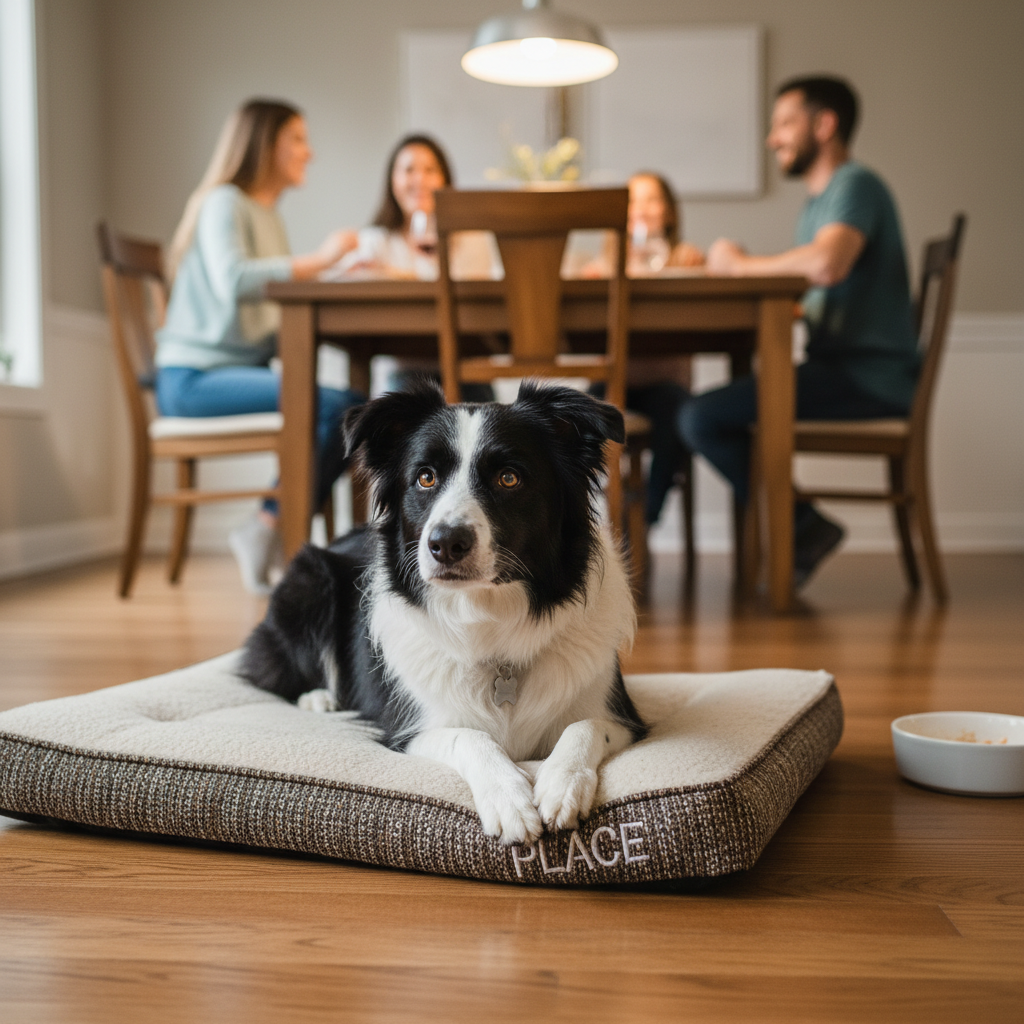
Going to a ‘place’ or ‘mat’ can become a powerful mand for when guests arrive or during meal times. The dog learns that going to its designated spot is how it politely requests to be part of the social situation without being underfoot. You can reinforce this by delivering a high-value chew to the mat.
The key is to think about what behavior you want to see in any given situation and then structure the environment so the dog learns that offering that specific behavior is the most rewarding choice it can make. This moves beyond basic manners and into the realm of true canine-human partnership, built on a foundation of mutual understanding and respect.
Conclusion
Puppy manding is more than a training trick; it is a philosophy that reshapes your entire relationship with your dog. By teaching your puppy how to say ‘please,’ you are giving it the gift of effective communication and the tools for self-control. You are moving away from a relationship based on commands and corrections to one built on cooperation and choice. The result is a dog that is not only better behaved but also more confident, less anxious, and more deeply bonded to you. It requires an initial investment of patience and unwavering consistency, but the payoff is immeasurable: a calm, quiet home and a polite canine companion that understands the art of asking, not demanding.