Walked for an Hour, Pooped on the Rug? Here’s Why They Do It
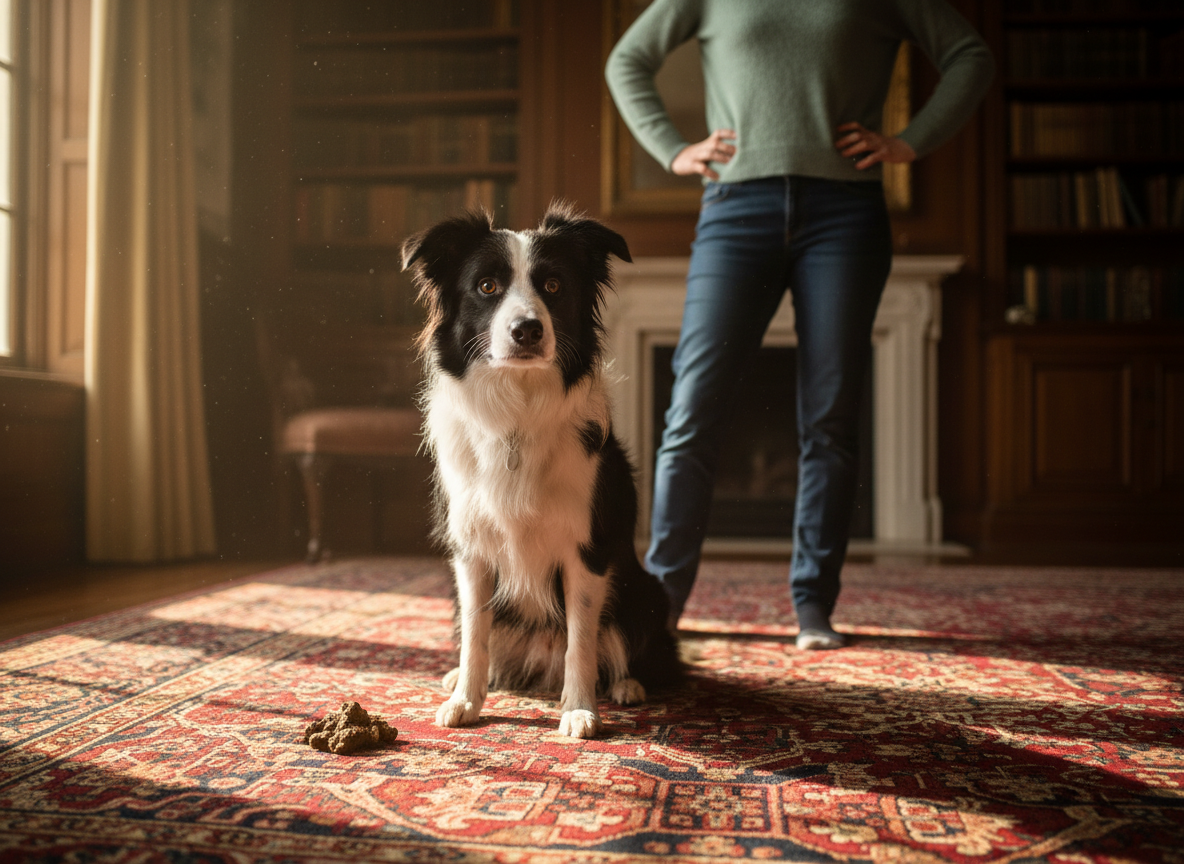
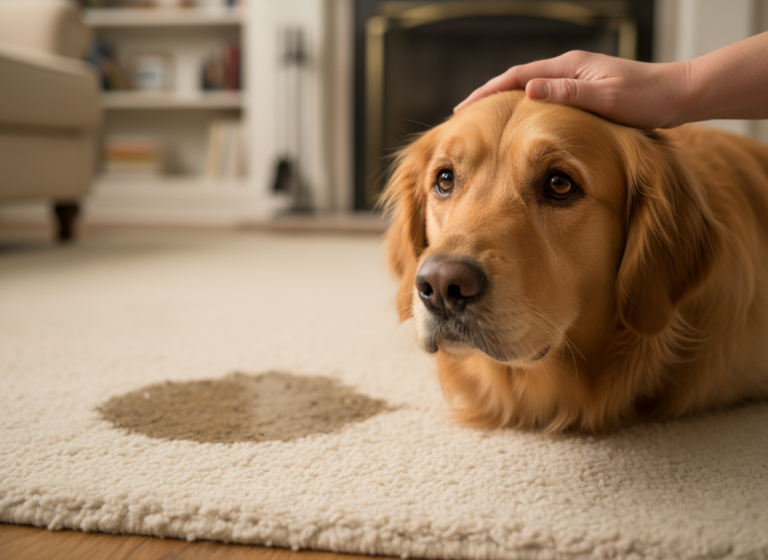
It is one of the most perplexing and frustrating scenarios a dog owner can face. You have just returned from a long, meandering walk. Your dog had ample opportunity to relieve themselves, sniffing every bush and greeting every passerby. Yet, within minutes of stepping back inside, you discover an unwelcome surprise on your favorite rug. Your immediate reaction is likely a mix of confusion and exasperation. It is a common misconception to interpret this behavior as spite or defiance, but the reality is far more complex. Dogs do not engage in such calculated acts of malice.
This behavior is a signal—a breakdown in communication that stems from underlying medical, behavioral, or environmental factors. As a canine behavior and veterinary nutrition consultant, I have guided countless owners through this exact issue. The solution is not found in punishment, which only erodes trust, but in understanding the root cause. This guide will systematically deconstruct why a well-walked dog might soil the house, providing you with the professional insights and actionable protocols necessary to resolve the problem for good.
Ruling Out Medical Issues First
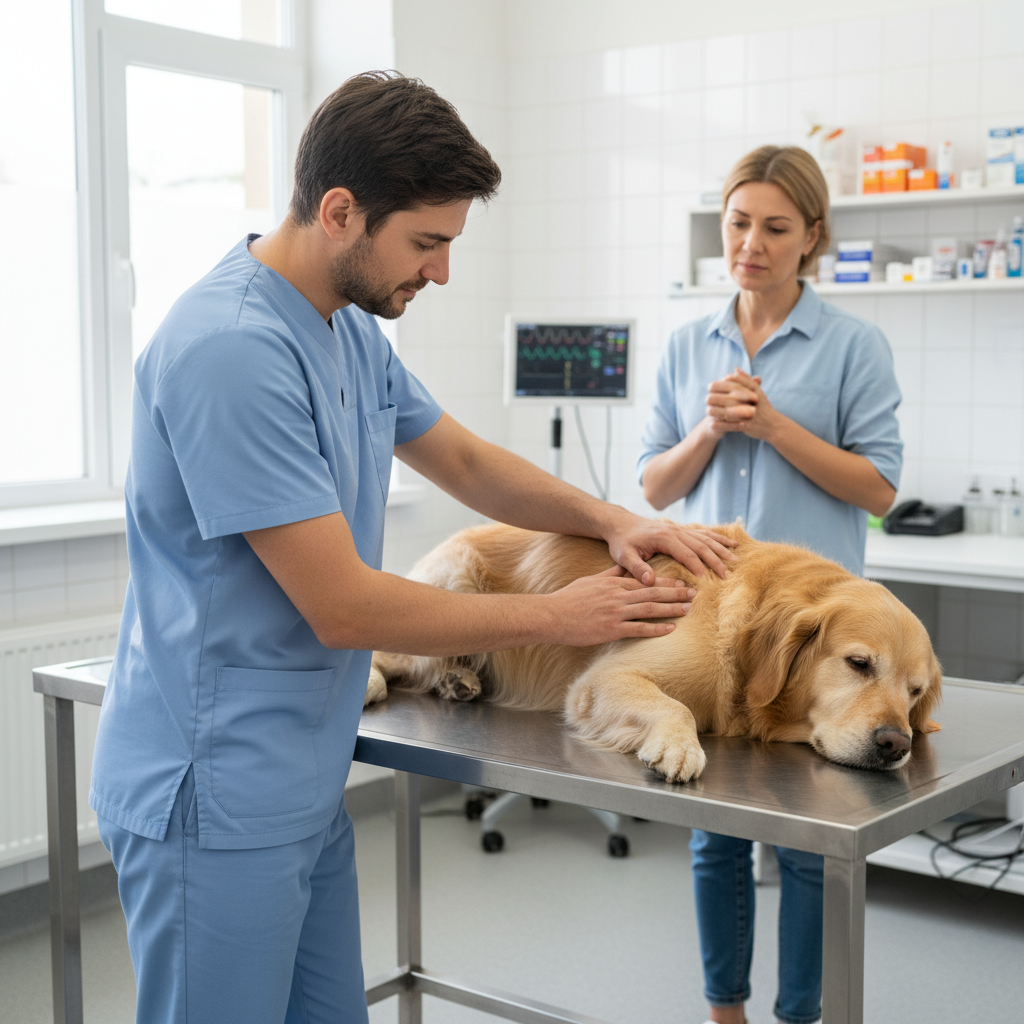
Before delving into any behavioral analysis or training protocol, a comprehensive veterinary examination is non-negotiable. Any sudden change in a dog’s toileting habits, especially in a previously housetrained adult dog, must be evaluated as a potential medical symptom. Behavioral modification is ineffective and inappropriate if the root cause is physical discomfort or disease.
Several medical conditions can manifest as inappropriate elimination. It is critical to rule these out with your veterinarian, who may recommend a urinalysis, fecal test, or blood work.
- Urinary Tract Infections (UTIs): A UTI creates a constant sense of urgency and discomfort. A dog may feel the need to urinate frequently and may not be able to hold it, even if they just went outside. Signs include straining to urinate, licking the genital area, and sometimes blood in the urine.
- Gastrointestinal Distress: Conditions like colitis, Inflammatory Bowel Disease (IBD), or even a simple dietary indiscretion can cause inflammation of the colon. This leads to fecal incontinence or an overwhelming urgency to defecate that the dog simply cannot control. The soft surface of a rug may also feel more comfortable for a dog experiencing abdominal cramping.
- Musculoskeletal Pain: For many dogs, especially seniors, the act of posturing to urinate or defecate can be painful. Arthritis in the hips or spine, or an injury to the legs, can make squatting on hard, uneven, or cold ground outside an agonizing experience. The soft, yielding surface of an indoor rug offers relief, making it a preferred spot despite their training.
- Canine Cognitive Dysfunction (CCD): In senior dogs, a decline in cognitive function, similar to Alzheimer’s in humans, can lead to a breakdown in established housetraining. They may become disoriented, forget their training, or lose the ability to signal their need to go outside.
- Other Systemic Illnesses: Conditions such as kidney disease, diabetes, and Cushing’s disease can cause a dog to drink more water and produce more urine (polyuria/polydipsia), overwhelming their ability to hold it for normal durations.
Assuming your veterinarian has given your dog a clean bill of health, we can then proceed to investigate the intricate behavioral reasons for this phenomenon.
The Behavioral Science Behind the Accident
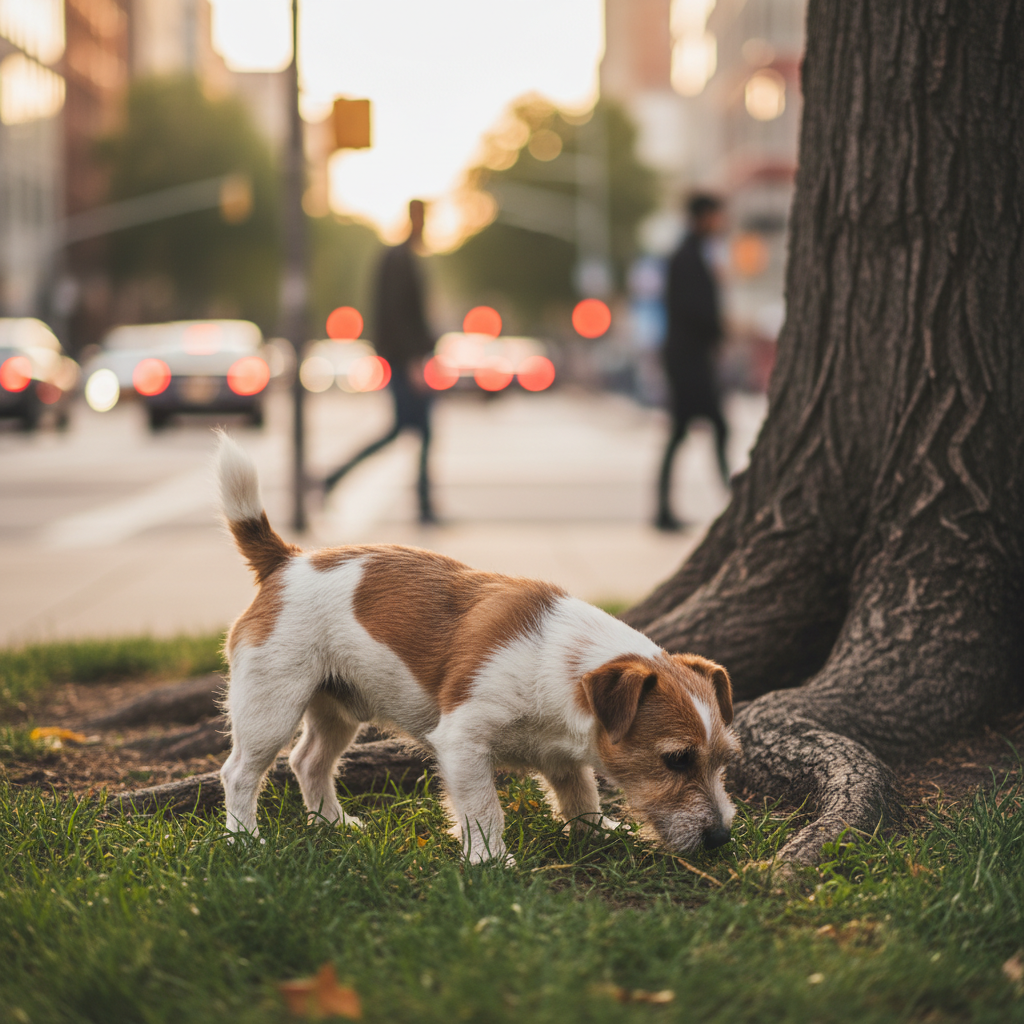
When medical causes are eliminated, the focus shifts to the dog’s psychological and environmental experience. A walk is not merely a potty break in a dog’s mind; it is a rich, and sometimes overwhelming, sensory event. Understanding their perspective is key to solving the puzzle.
The ‘Too Distracted to Potty’ Phenomenon
For a dog, a walk is the equivalent of reading the morning newspaper, checking social media, and catching up on neighborhood gossip all at once. Every scent on a blade of grass, every sound from a distant siren, and every sight of a squirrel or another dog is a piece of critical information. This state of high alert and intense information gathering is managed by the sympathetic nervous system—the ‘fight or flight’ response. In this state, physiological functions not essential for immediate survival, such as digestion and elimination, are suppressed. Your dog is so engrossed in processing their environment that the physical cues to defecate or urinate are simply not on their radar.
Anxiety and Overstimulation
Furthermore, the outdoor world can be a source of significant stress for some dogs. A fearful or anxious dog may feel too vulnerable to assume the exposed posture required for elimination. They are in a state of hyper-vigilance, constantly scanning for perceived threats like loud trucks, approaching strangers, or off-leash dogs. In this mindset, they will hold it in until they are back in the safety and security of their home territory. The walk, intended to be a relief, becomes a stressful event they must endure.
The Comfort of Home: Relaxation-Induced Elimination
This is the most critical piece of the behavioral puzzle. The moment you and your dog step back inside, the sensory overload ceases. The environment is predictable, safe, and quiet. This transition triggers a physiological shift from the sympathetic (high-alert) to the parasympathetic nervous system, which governs ‘rest and digest’ functions. As the dog’s body finally relaxes, the suppressed signals from their bladder and bowels suddenly make themselves known with undeniable urgency. The dog feels the need to go now, and the nearest, most convenient location is often the living room rug.
Gaps in Training: Surface Preference and Incomplete Housetraining
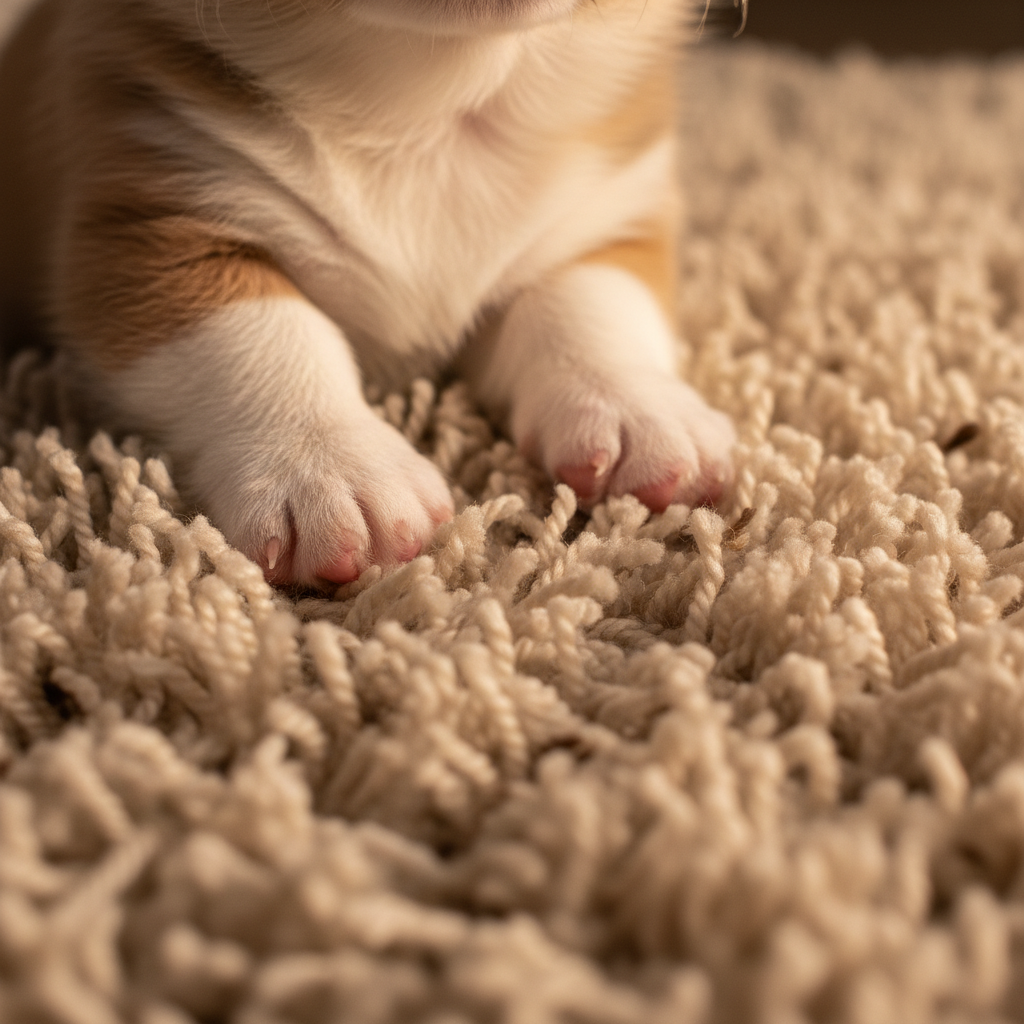
Beyond the immediate context of the walk, long-standing gaps in a dog’s initial training can contribute significantly to indoor accidents. These are often subtle issues that were never fully addressed during puppyhood.
Substrate and Surface Preference
Dogs develop what behaviorists call a ‘substrate preference’ at a very young age. This means they form a strong association with the texture of the surface on which they learn to eliminate. If a puppy was raised in a carpeted whelping box or trained predominantly on absorbent puppy pads, their brain becomes wired to seek out soft, yielding surfaces when they need to relieve themselves. Grass, dirt, or concrete feels foreign and wrong. Your plush living room rug, however, feels identical to the ‘potty spot’ they learned to use. This is not a conscious choice to be ‘bad,’ but a deeply ingrained habit that feels correct to the dog.
The ‘Walk’ vs. ‘Potty Break’ Confusion
Many well-intentioned owners inadvertently create a negative association with toileting on a walk. If the dog learns that the moment they poop, the fun walk ends and they are taken straight home, they will quickly learn to ‘hold it’ for as long as possible to prolong their enjoyable outdoor time. They do not understand that eliminating outside is the desired behavior; they only understand that it signals the end of their adventure. This creates a dog who is an expert at delaying defecation until they are safely back indoors.
The Ineffectiveness of Punishment
It is essential to understand that punishing a dog for an accident discovered after the fact is entirely counterproductive. A dog’s brain cannot connect your anger in the present moment with an action they completed minutes or even seconds ago. When you scold your dog or rub their nose in the mess, they do not learn ‘I shouldn’t poop inside.’ Instead, they learn ‘My owner becomes scary and unpredictable when poop is present.’ This can create a host of new problems, including the dog becoming fearful of you and learning to hide when they need to eliminate, making the problem even harder to solve.
The Solution: A Step-by-Step Protocol to Correct the Behavior
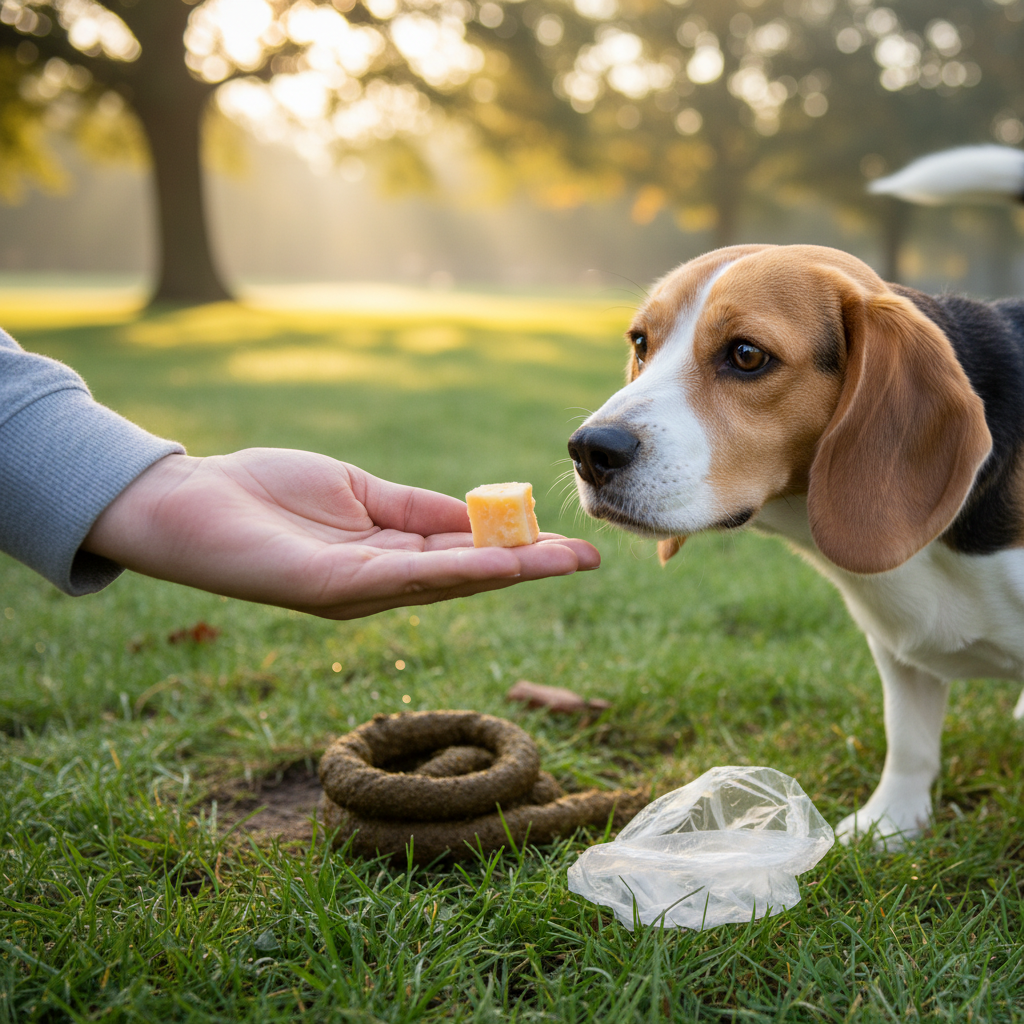
Correcting this behavior requires a systematic and patient approach that addresses the dog’s needs and rewires their associations. This is not a quick fix; it is a new routine that must be implemented with absolute consistency. Follow these steps precisely to create a clear distinction between ‘potty time’ and ‘walk time’.
- Implement the ‘Boring Potty Break’ First. Before you embark on your exciting walk, take your dog on-leash to their designated potty spot outdoors. Stand still. Be as boring as possible. Do not talk to them, play with them, or let them sniff aimlessly. Your silent, stationary presence should communicate that this trip has one purpose only. Use a clear, consistent verbal cue, such as ‘Go Potty’ or ‘Hurry Up,’ said in a calm, neutral tone. Give them 3-5 minutes to do their business.
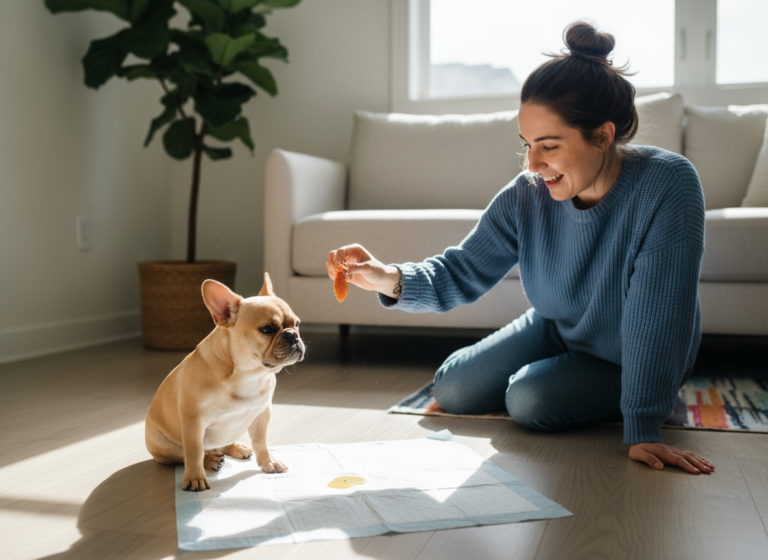
- Reinforce Success with a High-Value Reward. The instant your dog finishes urinating or defecating during this boring potty break, mark the moment with an enthusiastic ‘Yes!’ and immediately provide a high-value reward. This should not be their regular kibble. Use a small piece of cooked chicken, cheese, or a special training treat they love. The reward must be powerful enough to create a strong positive association. The ultimate reward is the walk itself. As soon as they are done, clip on the walking lead and begin the fun.
- Structure the Walk Itself. The walk is now the reward for successful elimination. Allow for periods of sniffing and exploring, but also incorporate structured walking (heeling). If your dog did not eliminate during the initial potty break, you can try another ‘boring potty’ stop midway through the walk in a low-distraction area.
- Conduct a Post-Walk ‘Empty-Out’ Check. After your walk is complete, but before you go back inside, return to the designated potty spot for one final, boring potty opportunity. Use your verbal cue again. This gives them a chance to empty out completely now that the stimulation of the walk has subsided.
- Manage the Indoor Environment Post-Walk. Upon returning home, do not grant your dog immediate, unsupervised freedom. For the first 15-30 minutes, they should be actively managed. This means keeping them on a leash and tethered to you, placing them in their crate with a chew toy, or confining them to a smaller, dog-proofed area with hard flooring. This crucial step prevents the opportunity for them to sneak away and have a relaxation-induced accident. After this cool-down period, they can have their normal freedom.
- Clean All Accidents with an Enzymatic Cleaner. If an accident does occur, do not scold the dog. Clean it silently and thoroughly. It is imperative to use an enzymatic cleaner specifically designed to break down the proteins in pet urine and feces. Standard household cleaners will not eliminate the odor at a microscopic level. Any lingering scent will act as a powerful attractant, signaling to your dog that this is an acceptable potty spot.
Troubleshooting Common Challenges
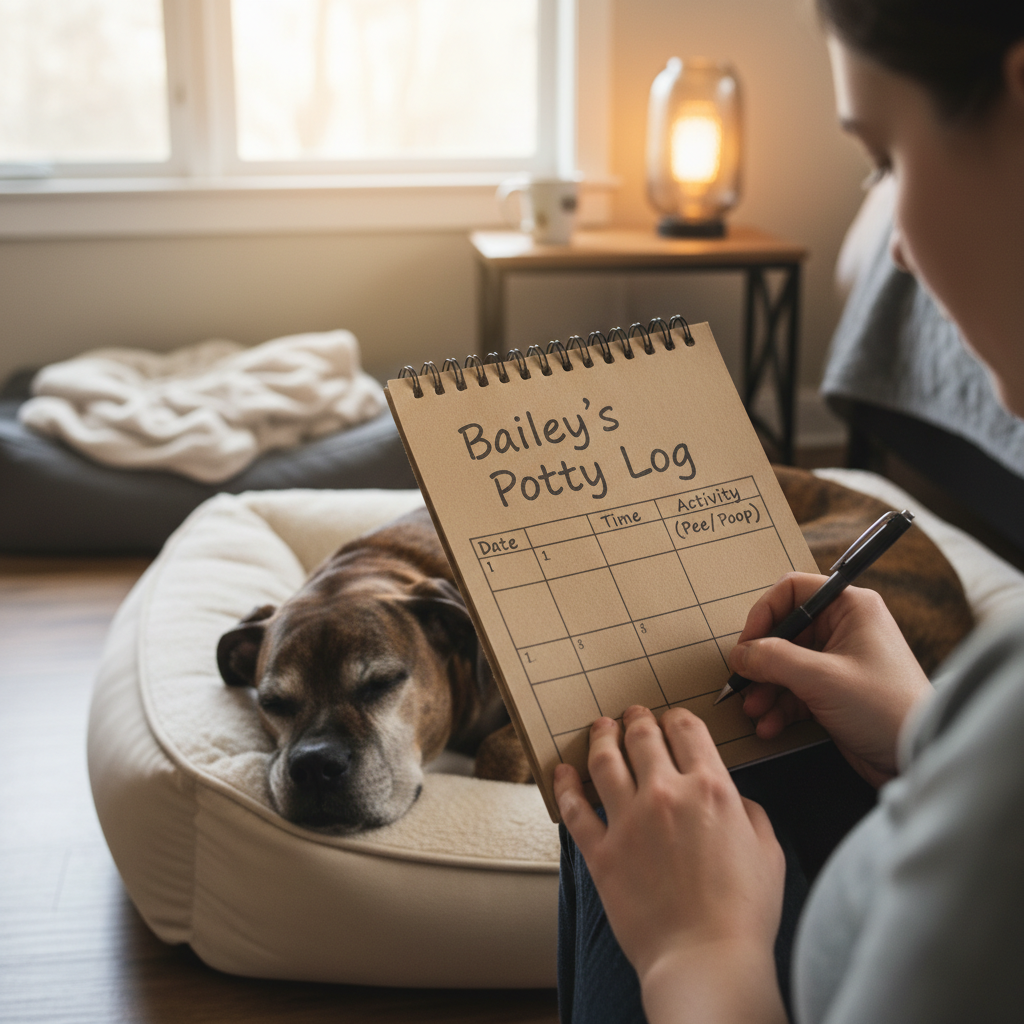
Even with a perfect protocol, you may encounter specific challenges based on your dog’s history, temperament, or environment. Addressing these scenarios requires slight adjustments to the core plan.
What If My Dog Still Won’t Go Outside?
Some dogs have developed aversions to eliminating outdoors due to negative experiences. If your dog dislikes rain, snow, or cold, provide them with as much comfort as possible. A dog raincoat or boots can help, as can shoveling a clear patch in the snow. For anxious dogs, find the quietest, most secluded potty spot available, away from foot traffic and noise. You may need to simply stand with them for longer periods until their anxiety subsides enough to relax.
The Senior Dog Dilemma
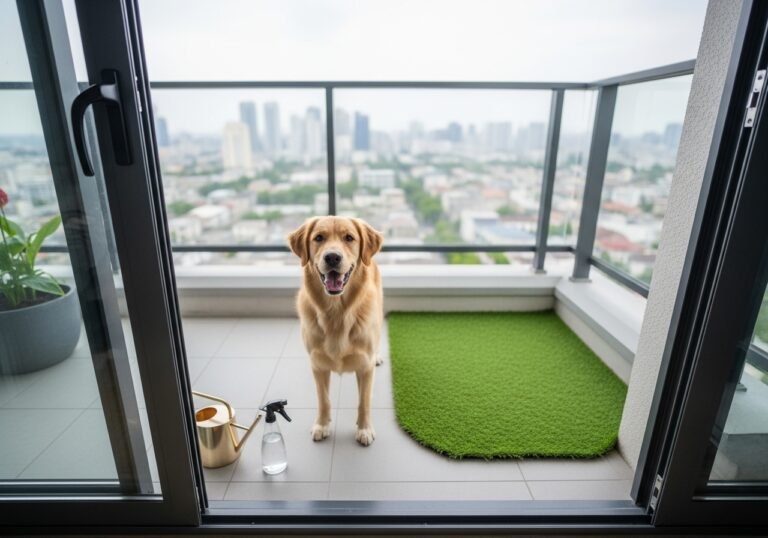
With older dogs, patience and accommodation are paramount. Revisit your veterinarian to discuss pain management for arthritis and potential treatments for Canine Cognitive Dysfunction. Instead of one long, potentially strenuous walk, plan for multiple shorter, more frequent trips outside. For seniors with severe mobility or incontinence issues, introducing an indoor potty option, such as a large pee pad or a real-grass patch on a balcony, can be a compassionate management solution that preserves their dignity and your sanity.
Using a Potty Log for Pattern Recognition
If the problem persists, data can be your most valuable tool. A ‘Potty Log’ helps you identify patterns you might otherwise miss. Tracking these details can reveal connections between diet, exercise, and accidents, providing invaluable information for both you and your veterinarian or a certified behaviorist.
| Date & Time | Activity | Elimination Outside? (U/F) | Accident Inside? | Notes |
|---|---|---|---|---|
| Oct 26, 8:00 AM | 5 min boring potty break | Urine only | No | Seemed distracted by neighbor’s dog. |
| Oct 26, 8:05 AM | 45 min park walk | Urine | No | High-energy walk, lots of sniffing. |
| Oct 26, 9:00 AM | Returned inside, tethered | N/A | No | Calm for 20 mins. |
| Oct 26, 9:25 AM | Released from tether | N/A | Yes – Feces | Happened immediately after being let free. |
Conclusion
The frustrating cycle of a long walk followed by an indoor accident is rarely a sign of a ‘bad dog,’ but rather a misunderstood one. This behavior is a complex interplay of medical discomfort, sensory overload, physiological responses, and gaps in training. By methodically ruling out health issues, you can confidently address the behavioral components at play.
The solution lies not in punishment, but in proactive management and clear communication. By restructuring your routine to separate ‘potty time’ from ‘play time’ and heavily reinforcing the desired behavior, you teach your dog exactly what is expected of them. Managing their environment upon returning home is a critical step that prevents the habit from becoming more ingrained. Remember that you are working to change a deep-seated behavior, and progress requires absolute consistency. With patience, understanding, and the right protocol, you can rebuild your dog’s housetraining reliability and restore harmony to your home.
If you consistently apply these strategies and the problem persists, do not hesitate to seek professional help from a board-certified veterinary behaviorist or a certified professional dog trainer. They can provide a customized plan tailored to your dog’s specific needs.