Vomit-Free Road Trips: Training Your Dog to Love the Car
The dream of hitting the open road with your canine best friend by your side is a powerful one. Yet for many pet owners, this dream quickly turns into a stressful reality filled with whining, drooling, and the dreaded cleanup of vomit. If car rides with your dog are more turmoil than triumph, you are not alone. Car sickness and travel anxiety are incredibly common issues, but they are not insurmountable. The key to transforming your dog from a fearful passenger into an eager co-pilot lies in understanding the root of the problem and implementing a structured, patient training plan.
This guide moves beyond simple quick fixes to provide a professional, in-depth protocol rooted in the behavioral science principles of desensitization and counter-conditioning. We will dissect the difference between true motion sickness and learned anxiety, equip you with the necessary tools for success, and walk you through a step-by-step process to systematically change your dog’s emotional response to the car. By following these expert-backed strategies, you can build your dog’s confidence, eliminate nausea, and finally unlock the joy of vomit-free road trips.
Understanding the Root Cause: Motion Sickness vs. Travel Anxiety
Before beginning any training, it is critical to understand what you are trying to solve. A dog’s negative reaction to the car is rarely a simple issue; it is typically a complex interplay between a physiological response (motion sickness) and a psychological one (anxiety). Successfully addressing the problem requires targeting both components.
The Physiology of Motion Sickness
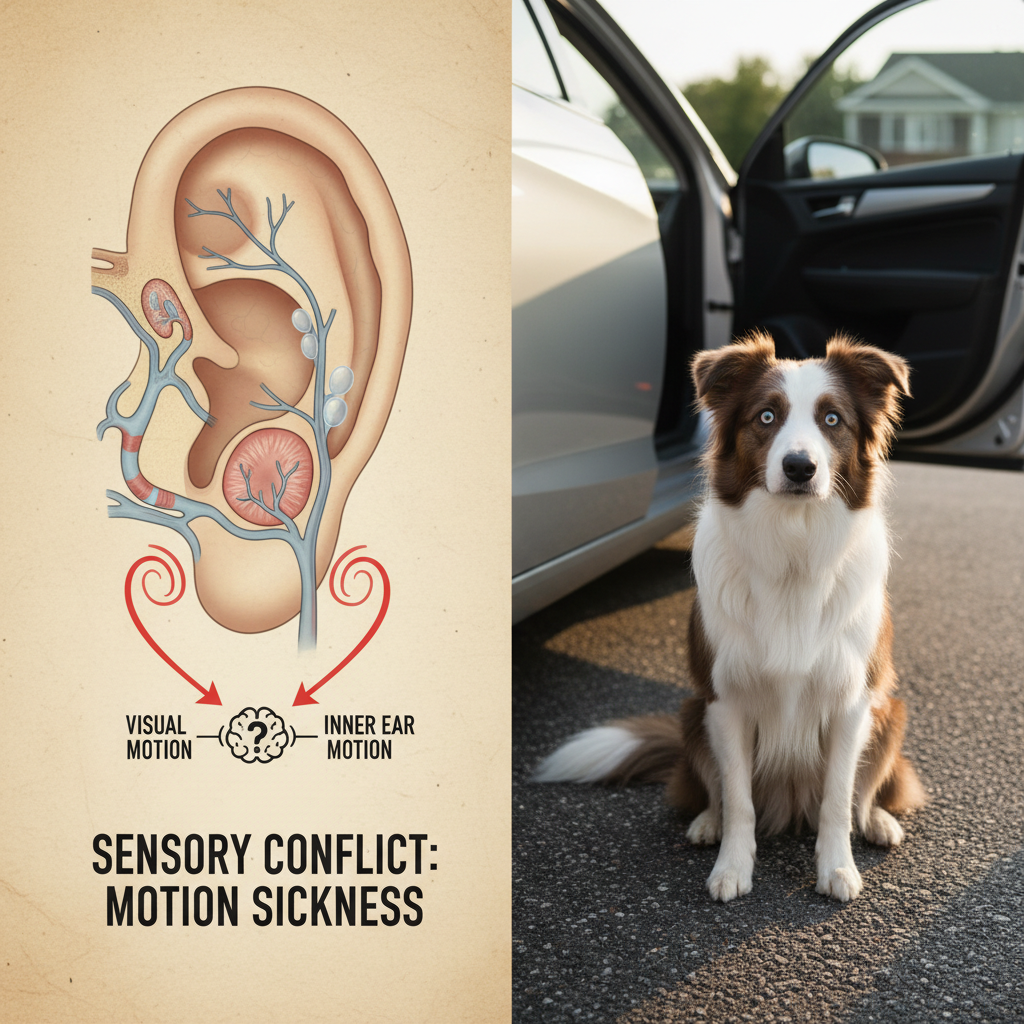
True motion sickness, or kinetosis, is a physical condition caused by a conflict between the sensory signals received by the brain. The eyes see a stationary environment inside the car, but the vestibular system—the delicate structures within the inner ear responsible for balance—feels the motion of the vehicle. This sensory mismatch can trigger nausea, dizziness, and vomiting. Puppies and young dogs are particularly susceptible because their vestibular systems are not yet fully developed. While many dogs outgrow this physical sensitivity, some do not.
The Psychology of Travel Anxiety
Travel anxiety is a learned behavioral response. It often develops from one or more negative associations with the car. Perhaps the only time your dog rides in the car is for trips to the veterinarian or groomer, creating a powerful link between the vehicle and unpleasant experiences. For other dogs, a frightening event like a loud noise or a sudden stop during an early car ride can instill a lasting fear. This anxiety creates a vicious cycle: the dog anticipates the car ride will be stressful, its body releases stress hormones like cortisol, and this heightened state of arousal can actually induce or worsen the physical symptoms of nausea.
Common Signs of Car-Related Distress
It is crucial to recognize the early warning signs of distress before they escalate to vomiting. By identifying these subtle cues, you can intervene and end a training session or a trip on a positive note. Be observant for the following behaviors:
- Excessive drooling or hypersalivation
- Frequent yawning when not tired
- Repetitive lip licking or smacking
- Constant whining, whimpering, or barking
- Heavy panting and a stressed facial expression
- Restlessness and inability to settle down
- A rigid or frozen posture
- Vomiting or retching
Understanding whether you are dealing primarily with a physical issue, a behavioral one, or—most likely—a combination of both will inform your approach and help you set realistic expectations for the training process.
Essential Preparations and Tools for Success
Effective training begins long before you turn the key in the ignition. Setting up the car environment for safety and comfort and gathering the right tools will dramatically increase your chances of success. Your goal is to create a space that feels secure and predictable for your dog.
Creating a Safe and Comfortable Travel Space
First and foremost, safety is paramount. An unrestrained dog is a significant distraction and is at extreme risk of injury in the event of a sudden stop or accident. A proper restraint system not only ensures safety but can also provide a sense of security, much like a swaddle for an infant.
- Travel Crate or Carrier: For many dogs, a sturdy, well-ventilated crate is the safest and most comfortable option. It should be large enough for the dog to stand up and turn around in but small enough to feel cozy and secure. Securing the crate in the car so it cannot slide or tip is essential.
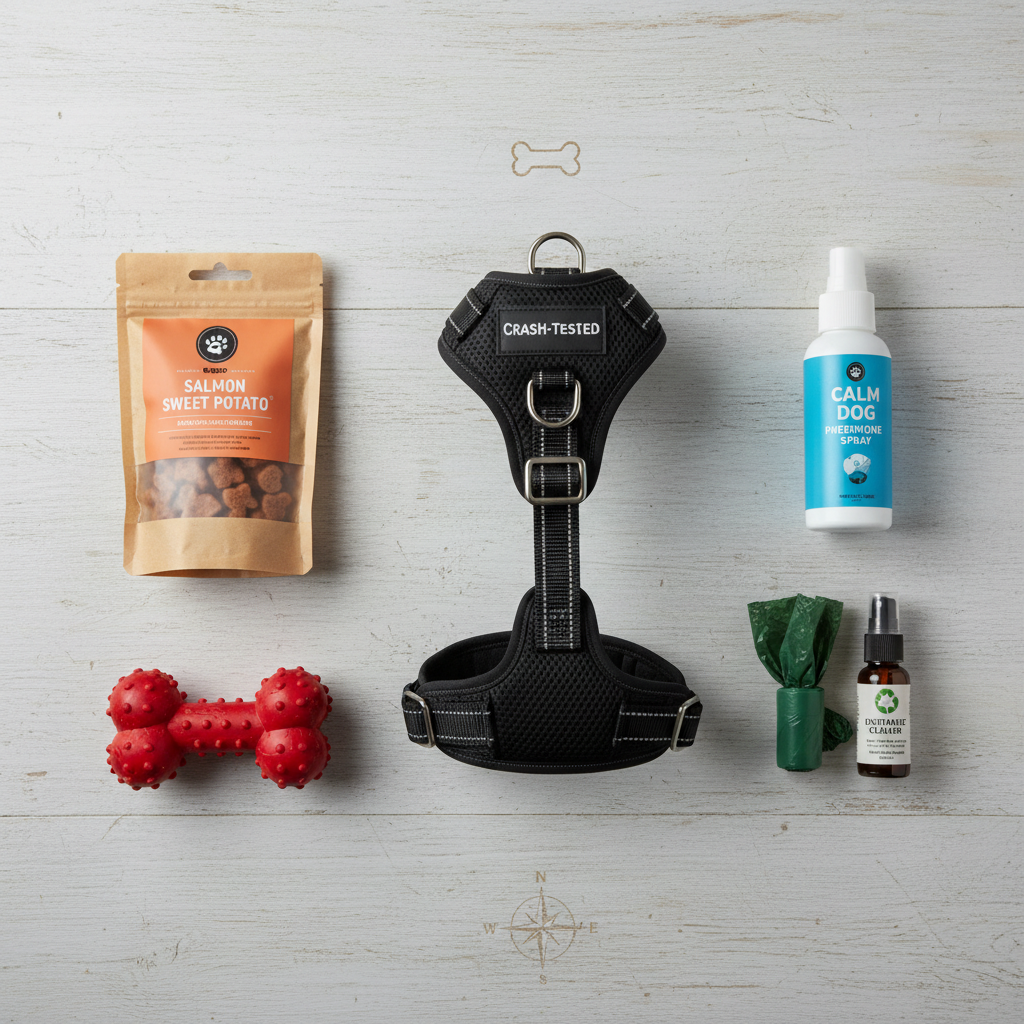
- Canine Seatbelt/Harness: If a crate is not feasible, a crash-tested canine seatbelt that attaches to a harness (never a neck collar) is a great alternative. This allows the dog some movement while keeping them safely in their seat.
Gathering Your Training Toolkit
Having the right resources on hand will make your training sessions more efficient and effective. Think of these as the essential ingredients for changing your dog’s perception of the car.
- High-Value Treats: These are not your dog’s everyday kibble. Think small, delicious morsels like freeze-dried liver, small pieces of chicken, or commercial training treats that your dog finds irresistible. The goal is to create a powerfully positive association.
- Favorite Toys: A special toy that is reserved only for the car can be a fantastic motivator and distraction. A puzzle toy or a long-lasting chew can keep your dog’s mind occupied.
- Comfort Items: A familiar blanket or bed from home can make the foreign environment of the car smell and feel more secure.
- Ginger Supplements: Natural ginger can have anti-nausea effects. Consult your veterinarian about the appropriate form (capsules, specialized dog treats) and dosage for your dog.
- Cleaning Supplies: Be prepared for accidents. Keep a kit with paper towels, pet-safe enzymatic cleaner, and a spare towel or blanket in your car at all times. This removes the stress of a potential mess.
The Step-by-Step Desensitization and Counter-Conditioning Protocol
This training protocol is the core of the solution. It is designed to be a slow, gradual process that systematically changes your dog’s negative feelings about the car into positive ones. The golden rule is to always work at your dog’s pace and end every session on a positive note, before your dog shows signs of stress. Each step may take several sessions over multiple days or even weeks. Do not rush.
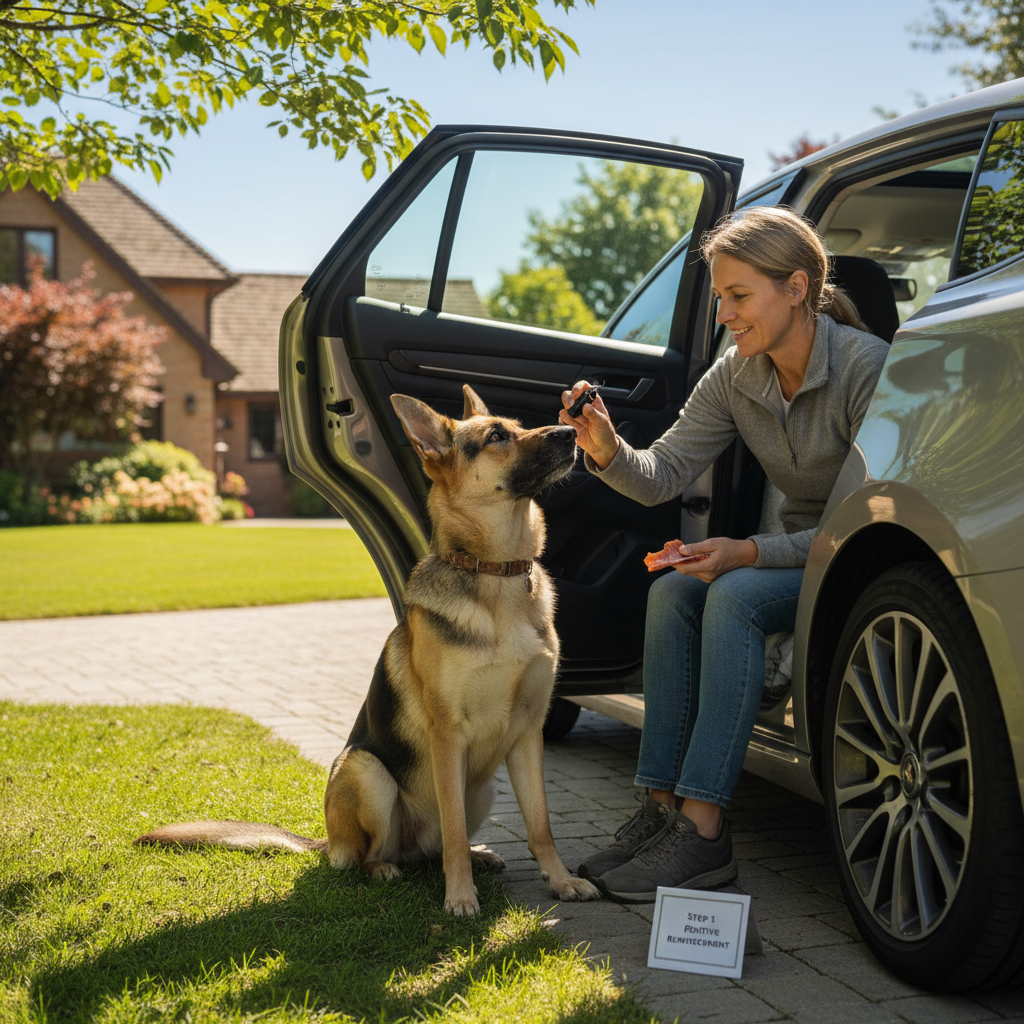
- Step 1: The Stationary Oasis. The initial goal is to make the car a wonderful place without any motion. With the car parked in the driveway or garage, open a door and, without any pressure, toss high-value treats inside for your dog to find. Let your dog jump in and out at will. Once comfortable, feed your dog its entire meal in the car. Play with a favorite toy in the back seat. Do this for 5-10 minutes a day until your dog eagerly approaches and happily gets into the stationary car. The car should not be running.
- Step 2: Introducing the Engine. Once your dog is completely happy in the parked car, have them get in and get comfortable with a chew or puzzle toy. Close the door, get into the driver’s seat, and simply turn the engine on for 3-5 seconds, then immediately turn it off. Give your dog a jackpot of treats and let them out. Gradually increase the duration the engine is on, always pairing the sound with something wonderful.
- Step 3: The Illusion of Movement. With the dog securely harnessed in the car and the engine running, simply put the car in gear and release the brake so it rolls a foot or two down the driveway. Then stop, treat lavishly, and end the session. The next session, you might back all the way out of the driveway and immediately pull back in. The goal is miniscule amounts of movement.
- Step 4: The Micro-Trip. Now you are ready for a real, albeit incredibly short, trip. Drive to the end of your block and immediately return home. When you arrive, celebrate with treats and play. The destination is home, which is safe and fun. The trip itself is so short that anxiety and nausea don’t have time to build.
- Step 5: The Fun Destination. Gradually increase the length of the trips. The key here is to make the destination incredibly rewarding. Drive five minutes to a favorite park, a hiking trail, or a pet-friendly store. The car becomes the magical machine that transports your dog to amazing places. This powerfully rewrites their association with car travel.
- Step 6: Expanding Horizons. Once your dog is comfortable with short trips to fun places, you can begin to increase the duration and vary the routes. Mix in trips that end back at home with trips that end somewhere exciting. This prevents the dog from only associating the car with one specific activity.
Expert Tip: Keep training sessions short and sweet. Five minutes of positive, successful training is far more valuable than thirty minutes of struggling that ends in stress. Your dog’s body language is your guide—if you see any signs of anxiety, you have moved too fast. Take a step back and work at that level until your dog is confident again.
Managing the Journey: On-the-Road Best Practices

Once your dog has made significant progress through training, you can begin to take longer trips. Managing the environment during these journeys is crucial to prevent relapses and ensure continued comfort. These best practices are designed to support your training and minimize the physical triggers of motion sickness.
Pre-Trip Preparations
- Manage Meal Times: Traveling on a full stomach can exacerbate nausea. It is best to withhold food for 2-4 hours before a planned car trip. Access to water is fine, but avoid letting your dog gulp large amounts right before you leave.
- Provide Exercise: A tired dog is a calmer dog. A long walk, a game of fetch, or a run at the dog park before a trip can help burn off excess energy and anxiety, making it more likely your dog will rest during the drive.
During the Drive
- Ensure Proper Ventilation: Good air circulation is vital. Crack the windows open an inch or two to equalize the air pressure and provide fresh air. Avoid letting your dog hang its head completely out the window due to the risk of eye injury.
- Keep it Cool: Cars can heat up quickly. Use the air conditioning to maintain a comfortable temperature for your dog, who is likely wearing a fur coat. Sunshades on the side windows can also help keep the interior cool and reduce visual overstimulation.
- Consider Forward-Facing Position: If possible and safe within their restraint system, encouraging your dog to face forward can help reduce the sensory conflict that causes motion sickness.
- Take Frequent Breaks: On long journeys, plan to stop every 1-2 hours. These breaks are not just for potty; they are an opportunity for your dog to get out, stretch their legs, have a drink of water, and decompress from the motion of the car.
- Maintain a Calm Atmosphere: Dogs are highly attuned to our emotions. Stay calm and relaxed yourself. Play calming music, avoid loud conversations, and drive smoothly, avoiding sudden stops and sharp turns whenever possible.
When to Consult a Professional: Vets and Trainers
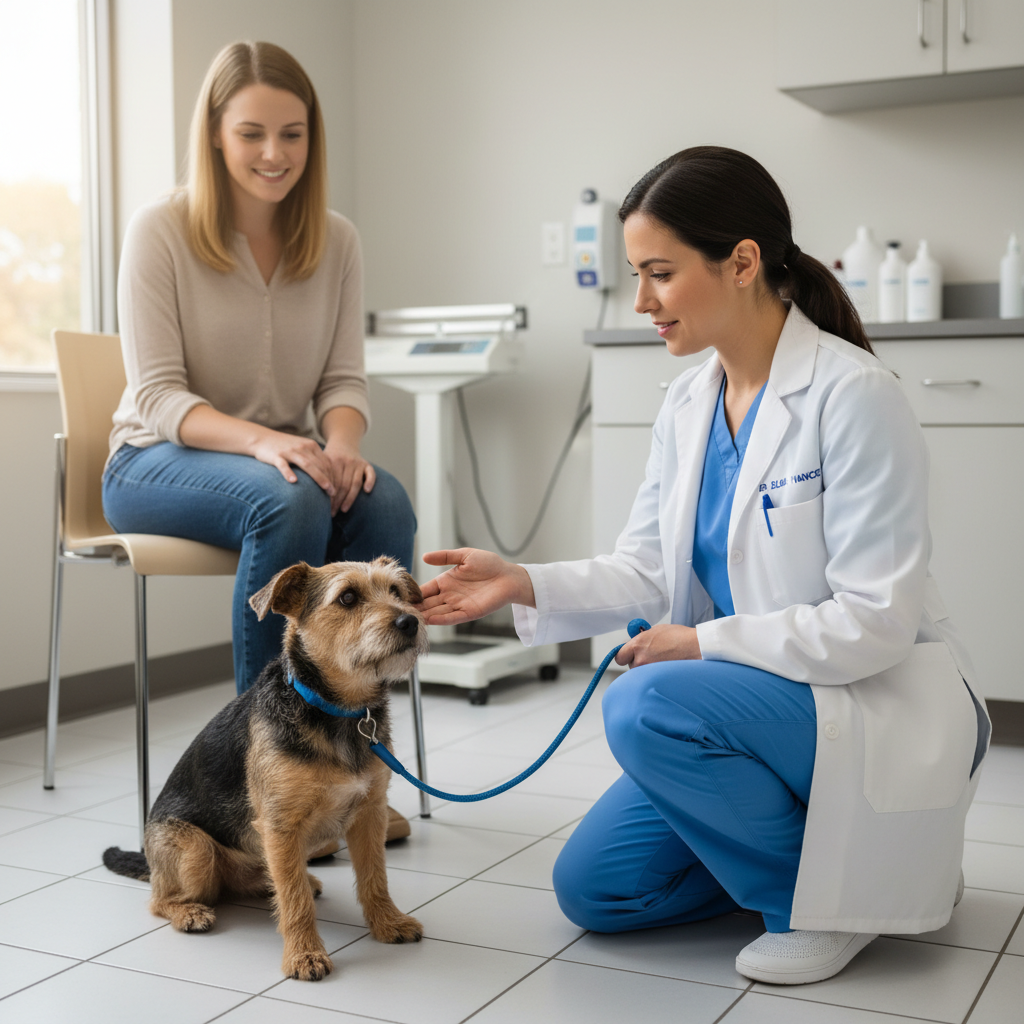
While the training protocol outlined in this guide is highly effective for most cases of car anxiety and mild motion sickness, there are situations where professional intervention is necessary. Recognizing when you need help from a veterinarian or a certified trainer is a sign of responsible pet ownership and can be the key to finally resolving severe issues.
When to See Your Veterinarian
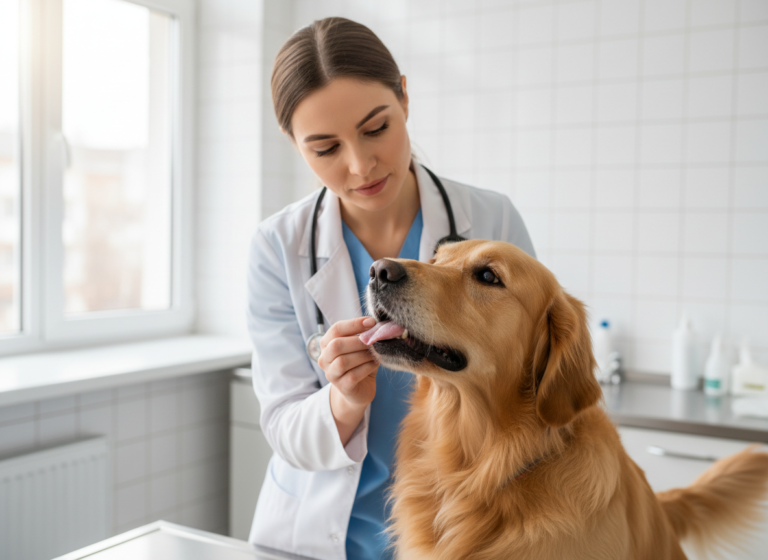
Your veterinarian should be your first point of contact if your dog’s symptoms are severe or do not improve with initial training. A vet can:
- Rule Out Underlying Medical Issues: While uncommon, persistent nausea and vomiting could be a sign of an underlying health problem, such as a vestibular disease, that needs to be addressed.
- Prescribe Anti-Nausea Medication: For dogs with severe, persistent motion sickness, medication can be a game-changer. Medications like maropitant citrate (Cerenia) are specifically designed to prevent vomiting in dogs and are very effective. Using medication can help break the cycle of nausea, allowing your behavioral modification training to be more successful.
- Discuss Sedatives and Anti-Anxiety Medications: In cases of extreme, debilitating anxiety, your vet may discuss prescription anti-anxiety medications. These are typically reserved for severe cases and are used in conjunction with a behavior modification plan.
When to Hire a Certified Professional
If the primary issue appears to be behavioral and you are struggling to make progress on your own, a professional can provide personalized guidance.
| Professional to Consult | When to Seek Their Help |
|---|---|
| Certified Professional Dog Trainer (CPDT-KA) | Your dog’s anxiety is moderate, you are feeling overwhelmed by the training process, or you need help with timing and technique. They can provide a customized plan and hands-on coaching. |
| Veterinary Behaviorist (DACVB) | Your dog’s anxiety is severe, includes panic attacks or aggression, or is part of a larger constellation of behavioral issues. These specialists are veterinarians with advanced training in animal behavior and can prescribe medication while overseeing a comprehensive behavior modification plan. |
Do not hesitate to seek professional help. Combining expert medical and behavioral support with your own patient training efforts provides the most robust and effective path to success for dogs with significant car-related distress.
Conclusion
Transforming a dog that dreads the car into one that eagerly awaits the next adventure is a journey of patience, consistency, and empathy. The process requires you to become a keen observer of your dog’s body language and to celebrate small victories along the way. Remember that the foundation of this training is building a new, positive association with the car, systematically replacing fear and nausea with comfort and pleasant anticipation.
By understanding the roots of the issue, preparing your environment for success, and diligently following the steps of desensitization and counter-conditioning, you are not just stopping your dog from getting sick; you are fundamentally changing their emotional state. You are giving them the confidence to explore the world with you. Every short, successful session builds upon the last, strengthening the bond you share and opening up a future filled with shared experiences and happy, vomit-free road trips.