Understanding the Predatory Motor Sequence: Why Your Dog Chases Things
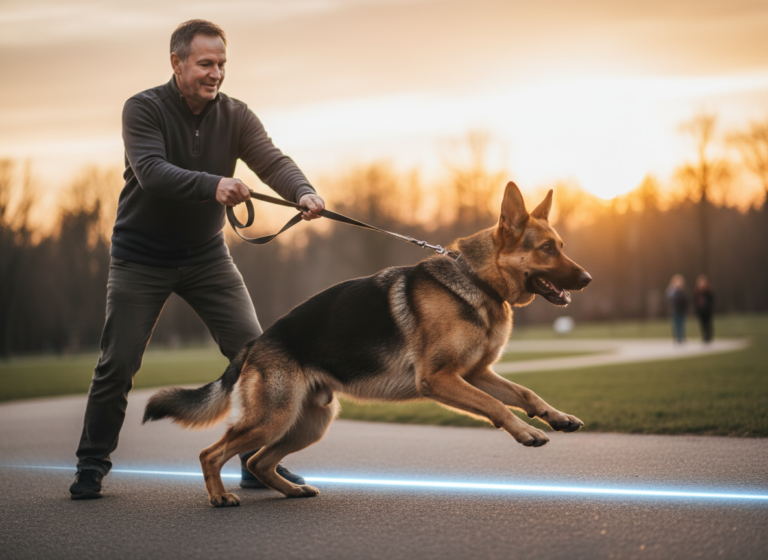
The sight is familiar to nearly every dog owner: a sudden stillness, ears perked, eyes locked onto a squirrel, and then an explosive burst of speed. This powerful, seemingly uncontrollable urge to chase is one of the most fundamental behaviors exhibited by our canine companions. While it can be a source of joy during a game of fetch, it can also present significant safety challenges. This behavior isn’t random or a sign of disobedience; it is the expression of a deeply ingrained, hardwired set of actions known as the Predatory Motor Sequence.
Understanding this sequence is paramount for any responsible pet owner. It is the genetic blueprint that guided their ancestors’ survival, dictating the step-by-step process of a hunt. Though our modern dogs are more likely to hunt squeaky toys than their next meal, this instinct remains a powerful motivator. By deconstructing this sequence, we can gain profound insight into our dogs’ minds, appreciate their heritage, and learn to manage these behaviors effectively. This knowledge empowers us to provide safe, appropriate outlets for their natural drives, preventing problem behaviors and fostering a deeper, more cooperative relationship built on mutual understanding and respect.
Deconstructing the Instinct: What is the Predatory Motor Sequence?

The Predatory Motor Sequence is a specific, linear chain of behaviors related to hunting and acquiring food. It’s a neurological pattern, meaning it’s coded into a dog’s very being. Unlike the generalized term ‘prey drive,’ which refers to the overall motivation to pursue, the predatory sequence is the specific playbook the dog follows. The sequence was extensively studied and described by ethologists like Raymond and Lorna Coppington, who observed that the full sequence consists of distinct, ordered steps. When one step is triggered, it often leads fluidly to the next, creating a cascade of actions that can be difficult for a dog to interrupt on its own.
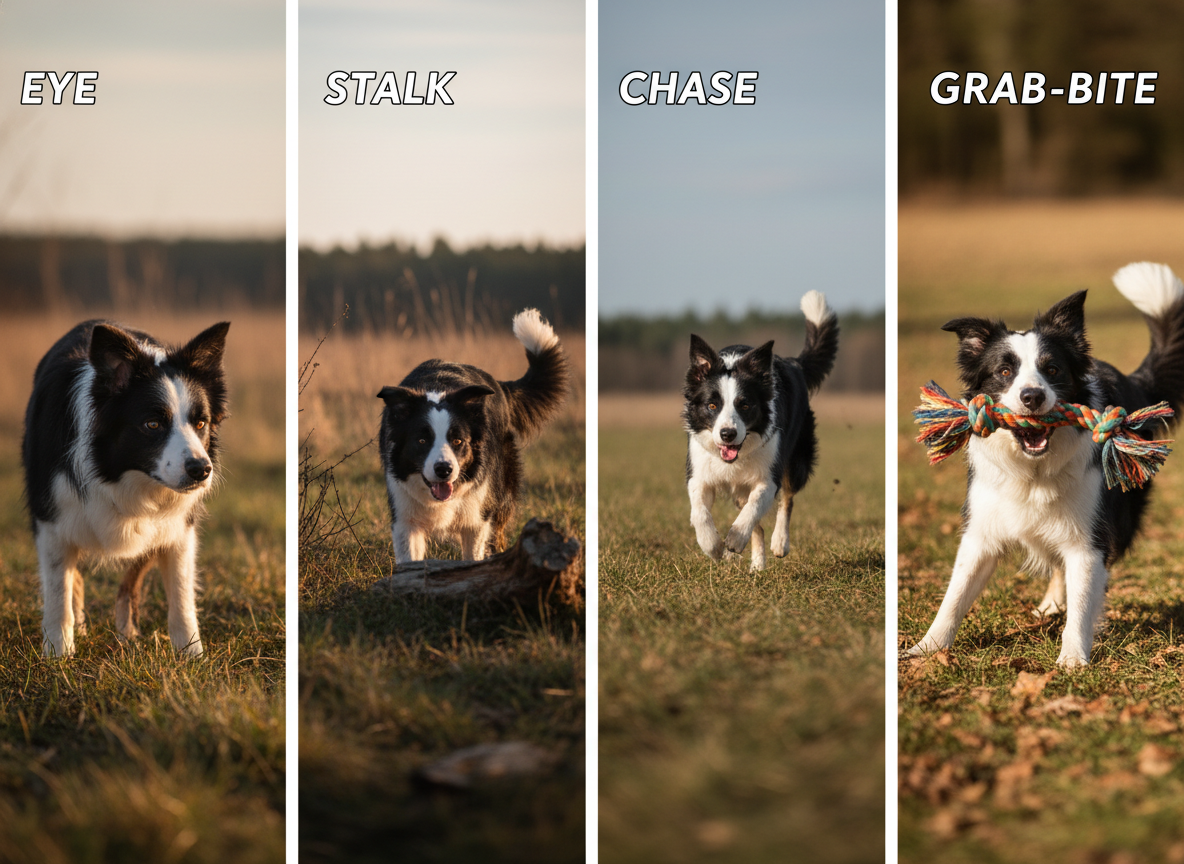
The sequence in its complete, ancestral form is: Orient/Search -> Eye -> Stalk -> Chase -> Grab-Bite -> Kill-Bite -> Dissect -> Consume. However, domestication and selective breeding have modified this sequence profoundly. Very few modern dogs exhibit the full, uninterrupted sequence. Instead, different breeds have been genetically sculpted to emphasize certain steps while inhibiting others. This is the key to understanding why a Border Collie will stare and stalk sheep but not harm them, while a terrier might be driven to complete the entire sequence with a rodent. Recognizing which parts of this sequence are most motivating for your specific dog is the first step toward effective management and training.
Expert Tip: Think of the predatory sequence not as a single ‘on’ switch, but as a series of connected switches. The earlier you can redirect your dog in the sequence—ideally at the ‘Orient’ or ‘Eye’ stage—the more successful you will be in managing the behavior.
The Chain of Behavior: Unpacking the Steps of the Sequence
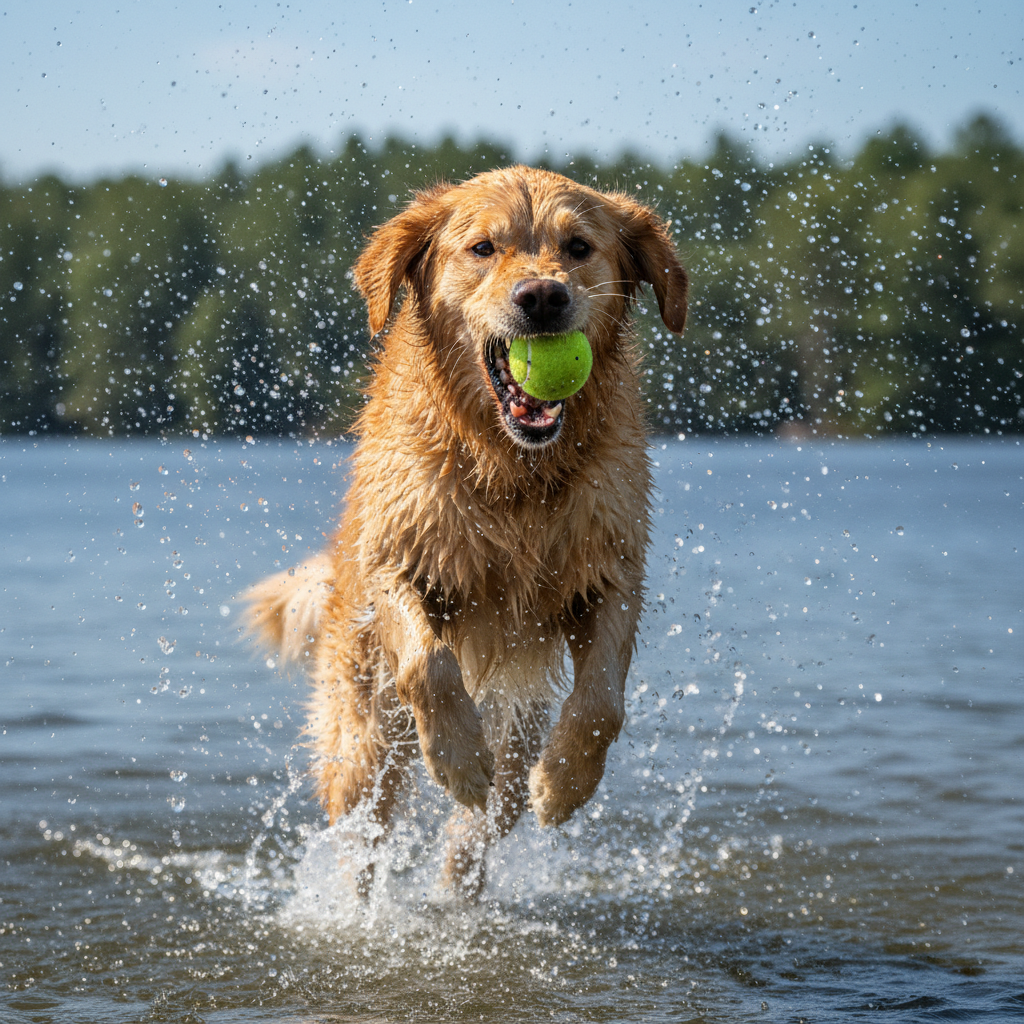
To truly manage predatory behavior, we must understand its components. Each step in the sequence offers a unique window into your dog’s motivations and provides an opportunity for intervention and redirection. While some dogs may rush through these steps in a blur, the distinct behaviors are almost always present.
The Initial Steps: Search, Eye, and Stalk
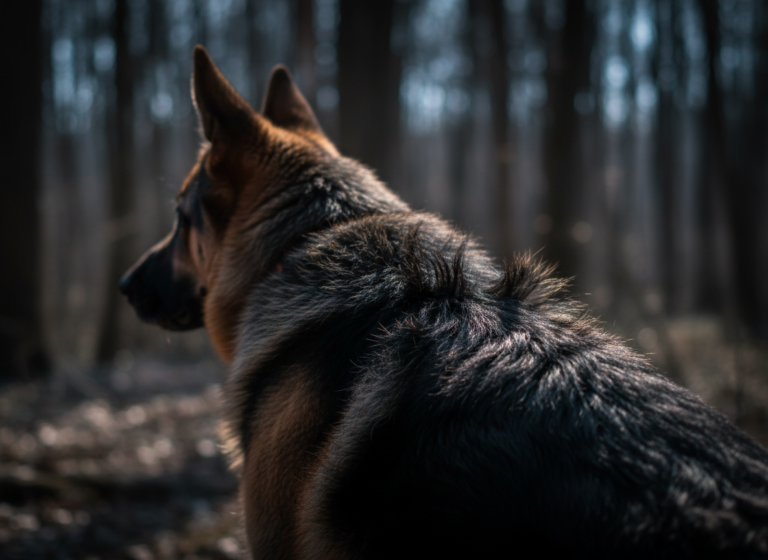
This is the information-gathering phase. It begins with the Search (sometimes called Orient), where the dog uses its senses—primarily nose and ears—to detect potential prey. This is the dog scanning the environment on a walk. Once a target is located, the behavior shifts to Eye. The dog’s body becomes rigid, its gaze fixed and intense. This hyper-focus is a clear indicator that the sequence has been activated. For many herding breeds, this is the most rewarding part of the sequence. Following the ‘Eye’ is the Stalk, a slow, deliberate, creeping approach. The dog keeps its body low to the ground, making calculated movements to close the distance without startling the target.
The Action Phase: Chase and Grab-Bite
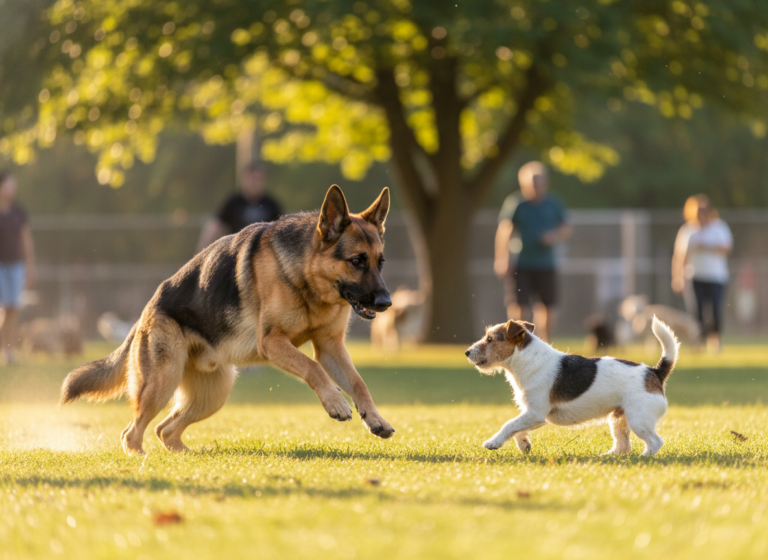
The Chase is the most recognizable part of the sequence. It is a pure, explosive pursuit triggered by the movement of the target. This phase is intensely self-reinforcing; the thrill of the chase itself is highly rewarding for the dog, which is why the behavior can be so persistent. The chase culminates in the Grab-Bite. This is the act of catching the target with the mouth. In retrievers, this bite has been bred to be soft, allowing them to hold game without damaging it. In other dogs playing with toys, the grab-bite is firm and satisfying.
The Final Steps: Kill-Bite, Dissect, and Consume
These are the parts of the sequence most often inhibited by selective breeding. The Kill-Bite is a specific behavior, often involving a powerful head shake, designed to quickly dispatch prey. We see a modified version of this when our dogs vigorously shake a rope or squeaky toy. The Dissect phase involves tearing and pulling apart the object, which is why so many dogs love to ‘de-stuff’ their plush toys. Finally, the Consume step is the act of eating. While rare in play, some dogs may ingest pieces of destroyed toys, which can be a safety concern.
| Sequence Step | Ancestral Behavior | Modern Dog Example |
|---|---|---|
| Search/Orient | Scanning the environment for prey. | Sniffing intently on a walk, head turning to a sound. |
| Eye | Locking gaze on the target, body tenses. | Staring fixedly at a squirrel or a ball before it’s thrown. |
| Stalk | Slow, creeping approach. | Crouching and slowly moving toward another dog in play or a bird. |
| Chase | Running at top speed to catch the target. | Chasing a frisbee, a fleeing cat, or a bicycle. |
| Grab-Bite | Catching the target in the mouth. | Catching a ball in mid-air; grabbing a toy. |
| Kill-Bite | Shaking the head to snap the neck. | Vigorously shaking a squeaky toy or rope. |
| Dissect | Tearing apart the carcass. | Shredding a stuffed animal or cardboard box. |
| Consume | Eating the prey. | Ingesting pieces of a destroyed toy or finding a ‘treat’ on the ground. |
Genetic Blueprints: How Breed Influences the Predatory Sequence

For centuries, humans have acted as the primary drivers of canine evolution, selectively breeding dogs for specific tasks. Much of this selection centered on modifying the predatory motor sequence to create specialists. Understanding your dog’s breed group provides a powerful cheat sheet for predicting which parts of the sequence will be most prominent and motivating.
Herding Group (e.g., Border Collies, Australian Shepherds)
These breeds are masters of the initial stages. They were bred to control livestock through intimidation, not harm. Consequently, they have a highly developed Eye and Stalk, but a strongly inhibited Grab-Bite and Kill-Bite. Their ‘work’ is to move animals by stalking and staring, making activities like Treibball (urban herding) and advanced obedience highly rewarding.
Terrier Group (e.g., Jack Russell Terriers, Airedales)
Terriers are the opposite. They were bred to hunt and kill vermin independently. As such, they often display the entire sequence with gusto, from Search right through to Kill-Bite. Their tenacity is legendary. For these dogs, activities that allow them to dig, search, and ‘kill’ a toy (like those with squeakers they can destroy) are immensely satisfying.
Sporting Group (e.g., Retrievers, Pointers, Spaniels)
This diverse group has been specialized for different hunting-related tasks. Pointers and Setters were bred to Search and Eye, holding a point to indicate game. Spaniels were bred to flush game out (a modified chase). Retrievers were bred to wait until after the kill and then execute a perfect Grab-Bite (with a soft mouth) and bring the game back.
| Breed Group | Emphasized Sequence Steps | Inhibited Sequence Steps | Enrichment Suggestions |
|---|---|---|---|
| Herding | Eye, Stalk, Chase (modified) | Grab-Bite, Kill-Bite | Treibball, herding balls, advanced obedience, agility. |
| Terriers | Search, Chase, Grab-Bite, Kill-Bite | Generally none; the full sequence is present. | Barn hunt, scent work, puzzle toys, flirt poles, durable chew toys. |
| Sighthounds | Eye, Chase | Stalk, prolonged Search | Lure coursing, safe off-leash running in fenced areas. |
| Retrievers | Search, Grab-Bite (soft mouth) | Kill-Bite, Dissect | Fetch (on land and water), scent work, carrying objects. |
Harnessing the Instinct: Management and Safety Protocols
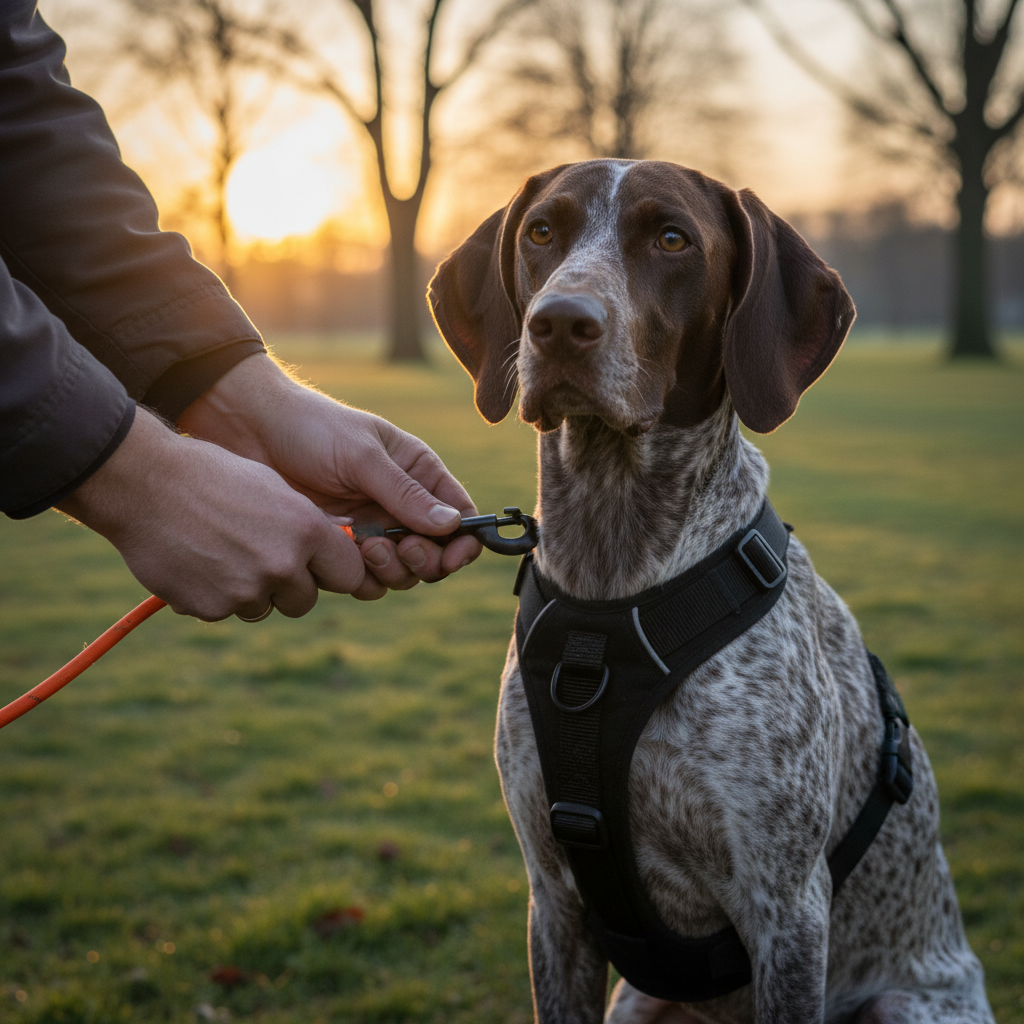
While we can’t eliminate the predatory sequence, we have a responsibility to manage it to ensure the safety of our dogs, other animals, and people. Management is not training; it is the proactive control of the dog’s environment to prevent the rehearsal of unsafe behaviors. Effective management is the foundation upon which all training is built.
Leashes, Lines, and Fences: Your Primary Tools
The most reliable way to prevent an unwanted chase is to use a physical barrier. A standard 6-foot leash is non-negotiable in environments where triggers (squirrels, cats, cars) are present. For giving a dog more freedom in a safe area, a long line (20-30 feet) is an excellent tool, as it allows the dog to explore while you retain ultimate control. It’s crucial to use a long line with a back-clip harness, not a collar, to prevent neck injuries. Finally, a secure, physical fence is the only truly safe way to have a dog with a high chase drive off-leash. Invisible or electric fences are not recommended, as a highly aroused dog can easily run through the boundary but may be hesitant to return, and they do nothing to prevent other animals from entering your yard.
Building a Reliable Recall
A rock-solid recall (coming when called) is the single most important safety command you can teach. However, it is vital to be realistic. The predatory sequence triggers a powerful chemical rush of adrenaline and dopamine in the dog’s brain, which can easily override a half-trained cue. Practice recall constantly, starting in low-distraction environments and gradually increasing the difficulty. Use extremely high-value rewards and never punish your dog for coming to you, no matter how long it took. The goal is to make returning to you more rewarding than the chase itself.
Important Safety Note: Never trust a recall completely. Even the best-trained dog can have a moment of instinctual override. Management tools are your fail-safe when training isn’t enough.
Constructive Chasing: Providing Safe and Fulfilling Outlets
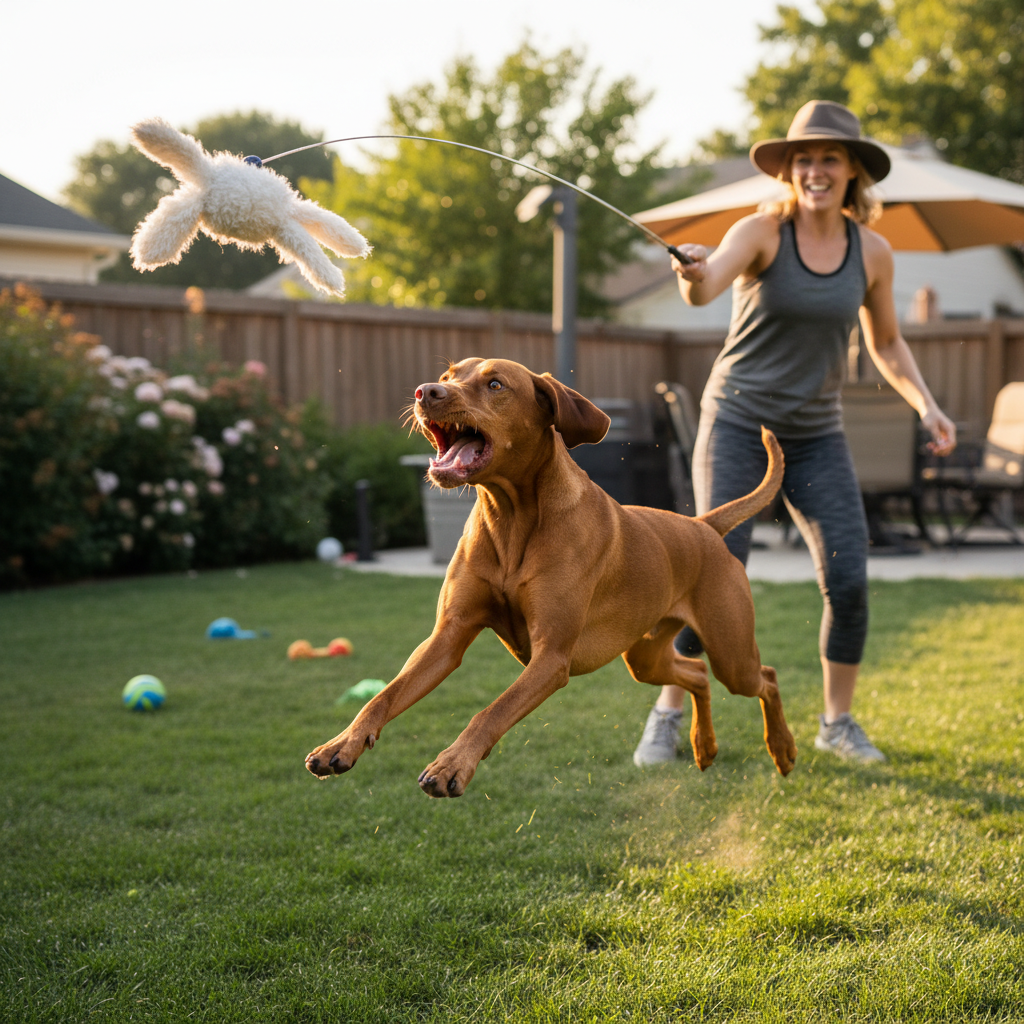
Suppressing your dog’s predatory drive is not only impossible but also detrimental to their mental well-being. A dog without an outlet for its core genetic behaviors is a frustrated, bored, and potentially destructive dog. The key is to channel that drive into safe, appropriate, and mutually enjoyable activities. By providing these outlets, you satisfy your dog’s innate needs and strengthen your bond.
Instead of letting your dog choose to chase squirrels, you become the provider of the ‘hunt.’ This reorients their focus onto you as the source of fun and fulfillment. Here are several excellent ways to provide safe outlets for predatory behaviors:
- Flirt Poles: This is essentially a giant cat toy for dogs. A pole with a bungee-like rope and a lure (toy) at the end. It allows you to control a fast-moving object, satisfying the chase and grab-bite instincts in a structured way. It’s a fantastic way to burn energy quickly in a small space.
- Lure Coursing: For sighthounds and other running dogs, lure coursing is the ultimate sport. Dogs chase a plastic bag (the ‘lure’) across a large, open field. It allows them to engage in a full-speed chase in a safe, controlled environment.
- Fetch and Retrieval Games: The classic game of fetch is a perfect outlet for many breeds, engaging the eye, chase, and grab-bite sequence. Vary the game by using different toys, playing on different terrains (hills, water), or asking for a ‘wait’ before you throw to build impulse control.
- Scent Work (Nose Work): This activity focuses on the ‘Search’ part of the sequence. You teach your dog to find specific target odors. It is mentally exhausting, builds confidence, and is an excellent activity for dogs of any age or physical ability.
- Tug-of-War: When played with rules (such as ‘drop it’ on command), tug is a wonderful way to satisfy the grab-bite and kill-bite (shaking) instincts. It’s a great bonding activity that allows a safe, physical outlet for your dog’s power.
- Puzzle and Dissection Toys: For dogs that love the ‘Dissect’ phase, provide toys designed for this purpose. Food puzzles, treat balls, and toys that allow you to hide treats inside for them to ‘disembowel’ can be incredibly satisfying.
By incorporating these activities into your routine, you are not just exercising your dog; you are honoring their nature and providing deep, instinctual fulfillment.
Conclusion
The Predatory Motor Sequence is not a behavioral problem to be solved, but a fundamental aspect of canine nature to be understood and respected. It is the legacy of thousands of years of survival, a beautiful and complex dance of instinct that persists in our homes and hearts. By looking beyond the simple act of ‘chasing’ and seeing the intricate sequence of behaviors beneath, we can become more empathetic and effective handlers. We learn to read our dogs’ subtle cues, anticipate their actions, and appreciate the incredible genetic heritage that makes a Border Collie different from a Beagle, and a Terrier different from a Retriever.
Ultimately, our role is not to extinguish this fire but to channel its energy. Through diligent management, consistent training, and the provision of safe, enriching outlets, we can meet our dogs’ deepest instinctual needs. Doing so prevents unwanted behaviors and builds a relationship founded on communication and partnership. When you provide a structured ‘hunt’ through a game of fetch or a flirt pole, you transform a potentially dangerous instinct into a powerful point of connection, strengthening the incredible bond between human and dog.