ThunderCap Reviews: Does This hood Really Stop Reactivity?
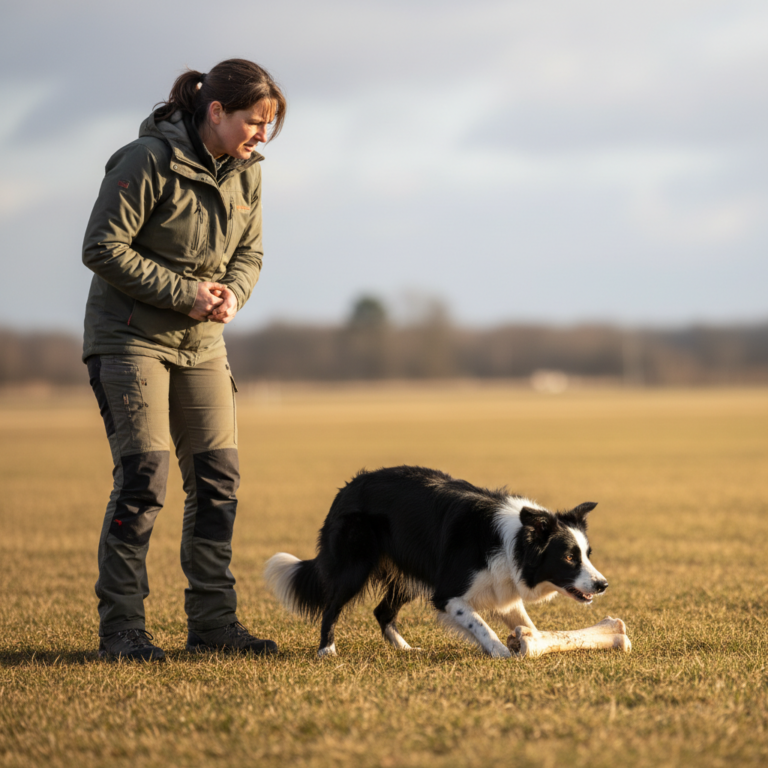
Living with a reactive dog can be a stressful and isolating experience. The constant scanning for triggers, the sudden lunging and barking, and the feeling of being judged can turn a simple walk into a source of anxiety for both you and your canine companion. In the search for solutions, many owners come across a unique tool: the ThunderCap. This sheer, hood-like cap claims to reduce a dog’s reactivity by filtering their vision. But does it actually work? Is it a humane training aid or just a temporary fix? As a canine specialist, I’ve seen countless tools and techniques come and go. This article will provide a thorough, evidence-based review of the ThunderCap. We will move beyond anecdotes to dissect the science behind it, offer a detailed guide for safe introduction, analyze its true effectiveness, and explore its place within a holistic behavior modification plan. Our goal is to empower you with the authoritative information needed to decide if this tool is a suitable option for your beloved pet.
Understanding the ThunderCap: What It Is and How It Claims to Work
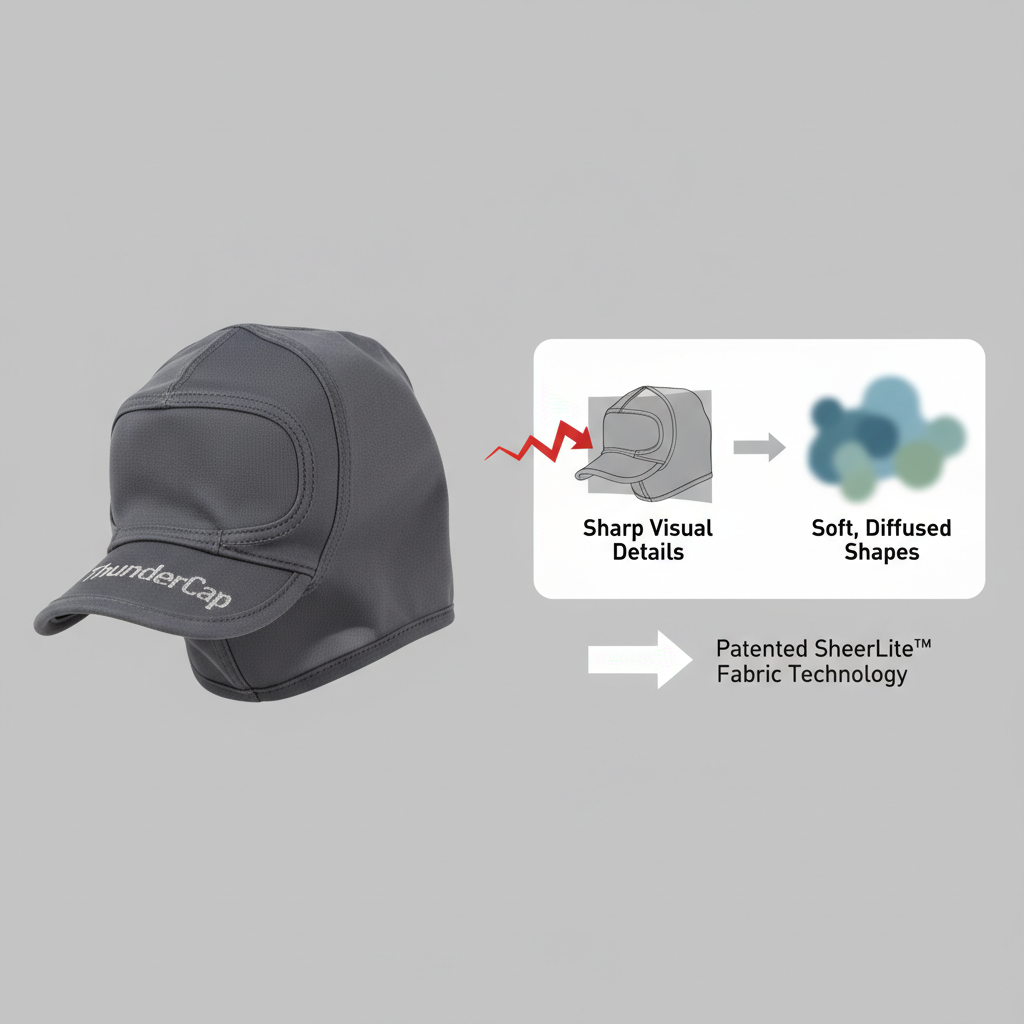
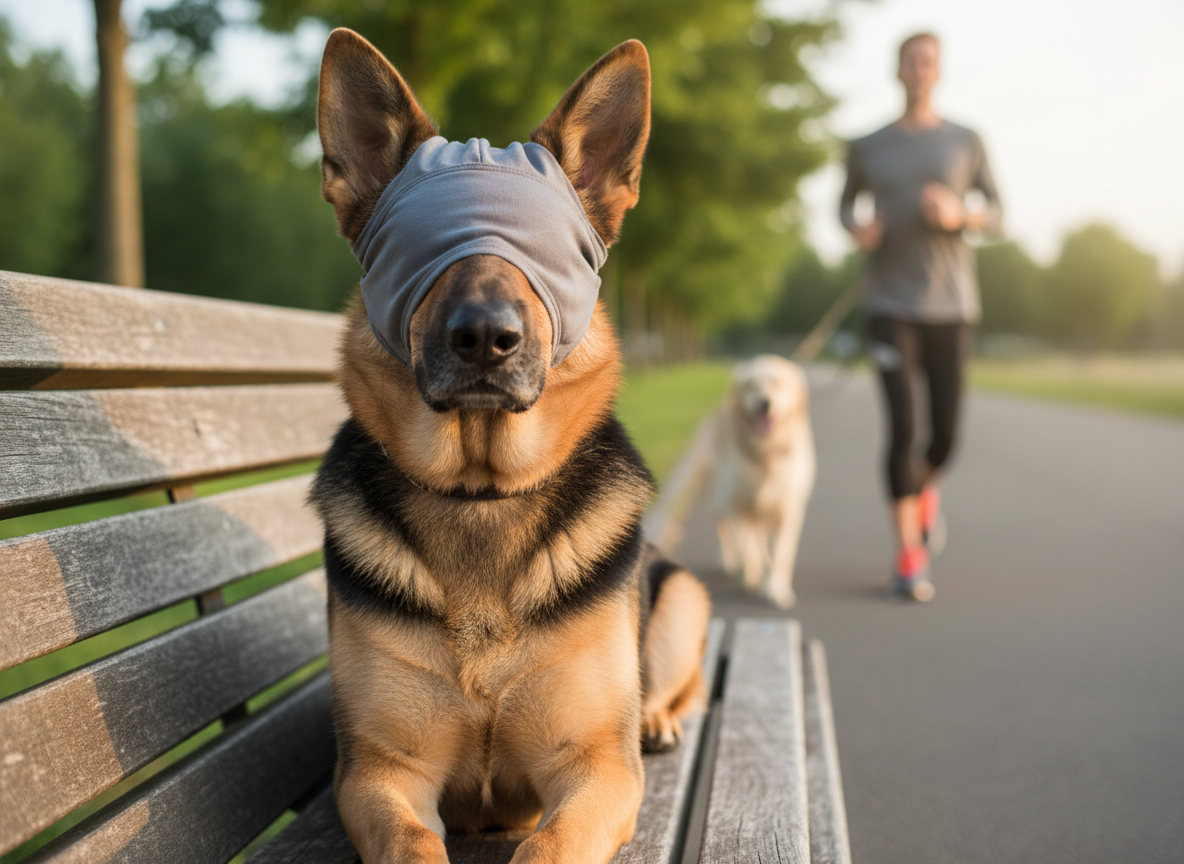
At first glance, the ThunderCap may seem unusual. It is a lightweight, breathable fabric hood that fits over a dog’s head and eyes. Unlike a muzzle, it does not restrict panting, drinking, or eating. The key feature is its single-pane, sheer fabric window that covers the eyes. This fabric is not opaque; rather, it functions like a filter, similar to tinted sunglasses. The dog can still perceive shapes, movement, and shadows, allowing them to navigate their environment, but the sharp, triggering details are muted.
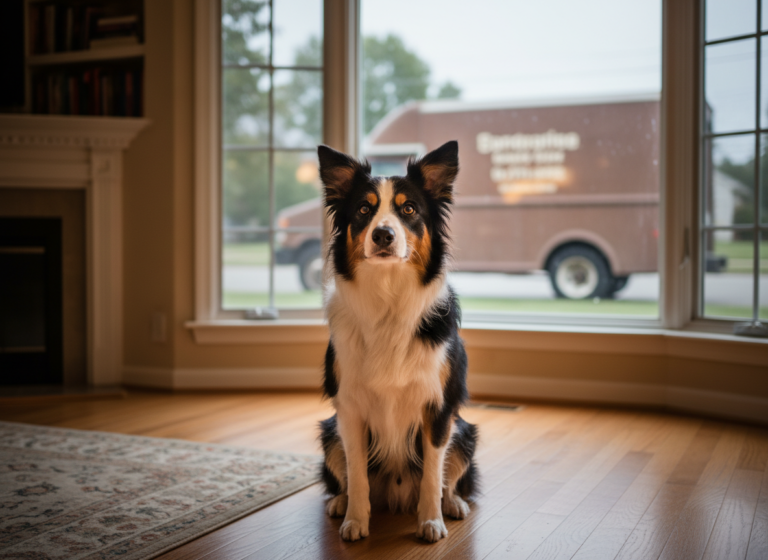
The manufacturer’s primary claim is that the ThunderCap helps manage canine anxiety and over-stimulation by reducing visual stimuli. For a highly reactive dog, the world can be an overwhelming flood of information. A person approaching, a squirrel darting across the path, or another dog appearing a block away can be enough to push them over their emotional threshold. By dialing down the intensity of this visual information, the cap theoretically helps to keep the dog in a calmer, more receptive state of mind. It’s based on the same principle as blinders on a horse, which narrow the field of vision to prevent distractions and spooking. The ThunderCap applies this concept in a gentler, more filtered manner for dogs, aiming to lower arousal levels before a reaction can even begin.
The Science of Calming Caps: Sensory Input and Canine Anxiety
The Concept of Trigger Stacking
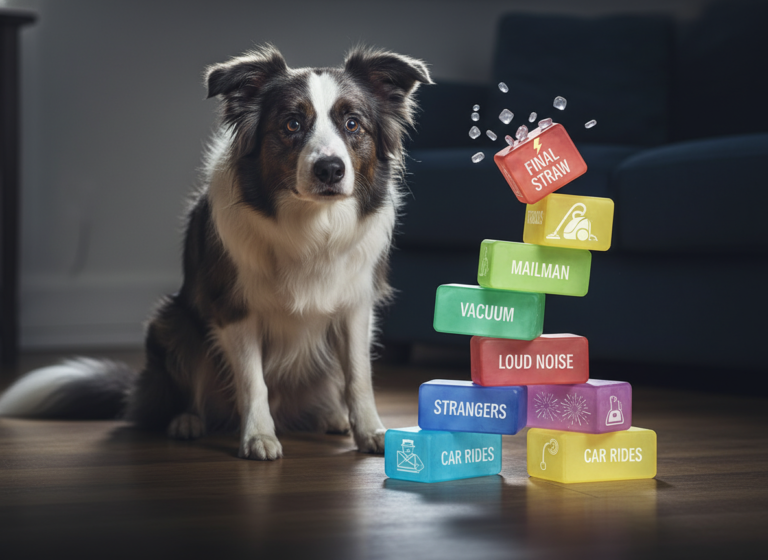
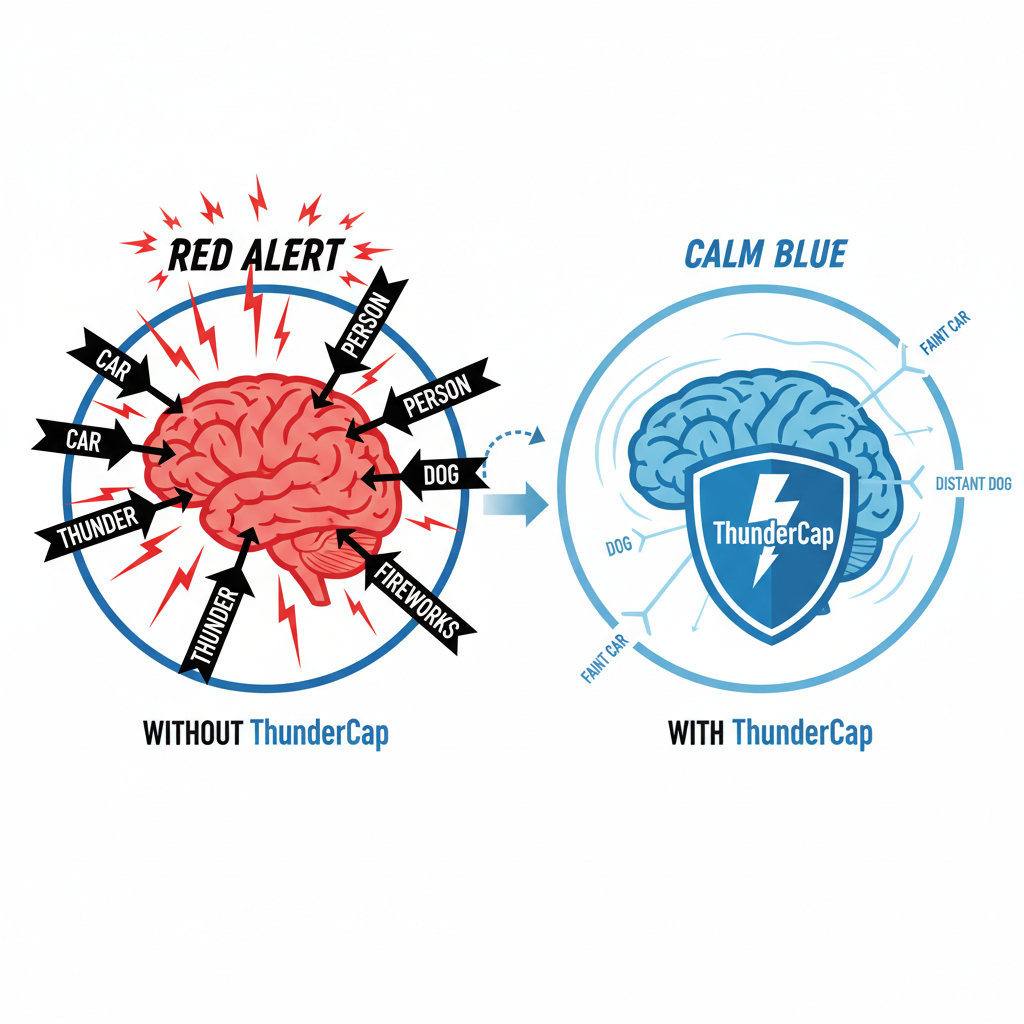
To understand why a tool like the ThunderCap might be effective, we must first understand the concept of trigger stacking. A reactive outburst is rarely the result of a single event. Instead, it’s often the culmination of multiple smaller stressors that accumulate over time. A noisy truck passes, the leash gets tangled, a stranger makes direct eye contact—each of these adds a layer of stress. The final trigger, like the sight of another dog, becomes the proverbial straw that breaks the camel’s back, resulting in an explosive reaction.
The ThunderCap intervenes at the sensory level. A significant portion of environmental triggers for dogs are visual. By filtering this primary source of input, the cap can potentially prevent some of those initial stress layers from ever being added. This keeps the dog further from their threshold, giving the owner a wider window of opportunity to manage the situation using training techniques like counter-conditioning and desensitization.
Sensory Gating and Neurological Response
While direct, peer-reviewed clinical trials on the ThunderCap are limited, the underlying principle aligns with established behavioral science. The practice of managing a dog’s environment to reduce arousal is a cornerstone of modern, force-free training. By limiting overwhelming sensory data, we can help regulate the dog’s sympathetic nervous system, which is responsible for the ‘fight or flight’ response. When a dog is calmer, they are neurologically more capable of learning new, more appropriate responses to their triggers. The cap acts as a management tool that facilitates a better learning environment.
The goal of a sensory-filtering tool is not to eliminate the dog’s ability to perceive its environment, but to reduce the overwhelming ‘noise’ so the dog can learn to process the ‘signal’ without panicking.
A Step-by-Step Guide to Introducing and Using the ThunderCap Safely

The success or failure of the ThunderCap hinges almost entirely on its introduction. Forcing this tool on an already anxious dog will only create a negative association and worsen their fear. The goal is to build a positive emotional response to the cap through a process of careful desensitization and counter-conditioning. This process should be spread out over several days or even weeks, depending on your dog’s temperament.
Phase 1: Positive Association
- Initial Introduction: Hold the ThunderCap in your hand and let your dog sniff it. The moment they do, say “Yes!” in a happy tone and give them a very high-value treat (e.g., a piece of chicken, cheese, or freeze-dried liver). Put the cap away. Repeat this 5-6 times in a short session.
- Association with Touch: Hold the cap in one hand and your treats in the other. Gently touch the cap to your dog’s shoulder or back, then immediately treat. Progress to touching it to their neck, and then the top of their head, treating after each successful touch.
Phase 2: Gradual Acclimation
- Brief Placement: Once your dog is comfortable with the cap touching their head, briefly drape it over their eyes for just one second, then immediately remove it and deliver a jackpot of treats. The goal is for the cap to predict wonderful things.
- Increasing Duration: Slowly increase the duration the cap is on their head, from one second to two, then three. Do not fasten it yet. Always follow with high-value reinforcement.
- Fastening the Straps: Once the dog is comfortable with the cap resting on their head for several seconds, loosely fasten the Velcro straps. Deliver a stream of treats, then immediately unfasten and remove the cap. Gradually increase the time it is fastened.
Phase 3: Real-World Application
Only after your dog willingly and calmly accepts wearing the cap indoors should you attempt to use it on a walk. Start with a short, low-stress walk in a familiar area. Keep the session positive and end on a good note. Never leave the cap on an unsupervised dog.
Analyzing the Effectiveness: Scenarios, Pros, and Cons

The ThunderCap is not a one-size-fits-all solution. Its effectiveness is highly dependent on the individual dog and the root cause of their reactivity. It tends to be most effective for dogs whose reactivity is primarily triggered by sight. This includes dogs that react to other dogs, people, cars, or bicycles at a distance. By softening these visual triggers, the cap can prevent the initial arousal that leads to an outburst.
However, it may be less effective for dogs whose reactivity is triggered by sound (e.g., loud noises, other dogs barking) or scent. It is also not a substitute for training. A dog with frustration-based reactivity who is desperate to greet another dog may still pull and whine, even if their vision is slightly obscured. The cap is a tool for management, designed to make training more effective, not replace it.
| Potential Pros | Potential Cons |
|---|---|
| Can significantly reduce arousal in visually-triggered dogs. | May be ineffective for sound or scent-based reactivity. |
| Helps create a calmer state of mind, making training more effective. | Requires a slow, patient introduction process to avoid negative association. |
| Allows the dog to navigate safely by perceiving shapes and shadows. | Can become a ‘crutch’ if not paired with active behavior modification. |
| Can be a non-pharmaceutical aid for managing anxiety. | Some dogs may find wearing anything on their head highly aversive. |
| May help prevent trigger stacking on walks or during car rides. | Improper fit or use could pose a safety risk. |
Potential Risks and Important Considerations Before You Buy

While the ThunderCap can be a beneficial tool, it is not without risks if used improperly. It is crucial to approach this tool with a clear understanding of its limitations and potential downsides.
- Risk of Aversion: The most significant risk is creating a negative association. If the cap is forced on a dog, it becomes a ‘poisoned cue’—an object that predicts stress and discomfort. This can worsen the dog’s overall anxiety. The careful introduction process outlined above is not optional; it is essential for the tool’s success and the dog’s welfare.
- Impaired Navigation: Although the fabric is sheer, it does reduce visual acuity. In complex environments with uneven terrain, stairs, or unexpected obstacles, it could pose a tripping hazard. It is vital to use the cap in environments where you can guide your dog and ensure their safety. It should never be used on a dog off-leash in an unenclosed area.
- Misuse as a ‘Quick Fix’: There is a danger of owners becoming reliant on the cap as a standalone solution. Reactivity is a complex emotional and behavioral issue. Simply covering a dog’s eyes does not address the underlying fear or frustration. The cap must be viewed as a single component within a larger plan that includes counter-conditioning, desensitization, and building the dog’s confidence.
- Veterinary and Behavioral Consultation: Before using any behavioral tool, especially for moderate to severe reactivity, consulting with a professional is paramount. A veterinarian can rule out underlying medical issues that may contribute to behavioral changes, such as pain or thyroid dysfunction. A certified veterinary behaviorist or a certified professional dog trainer (CPDT-KA) can help you develop a comprehensive training plan and determine if the ThunderCap is an appropriate tool for your specific dog.
Comparing the ThunderCap: Alternatives and Complementary Strategies
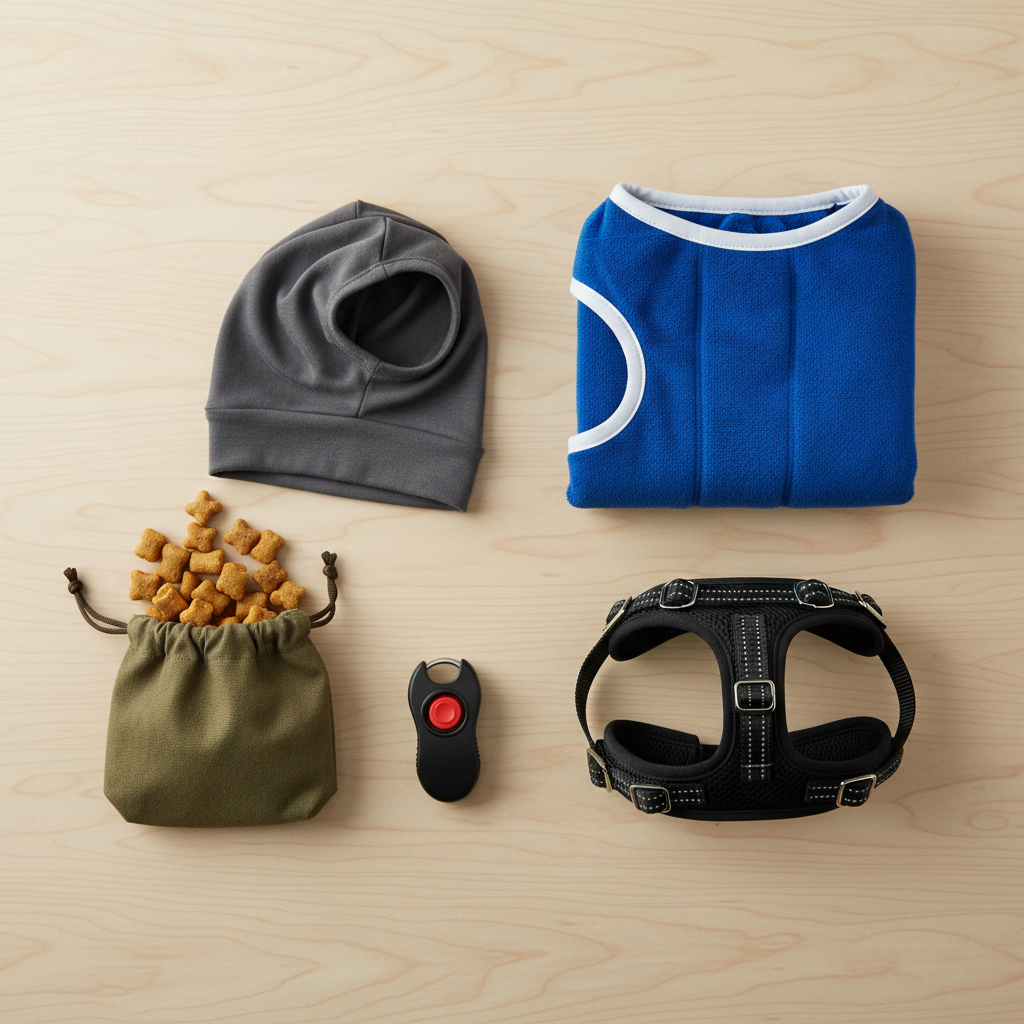
The ThunderCap is just one of many tools available to help manage dog reactivity. Understanding the alternatives and how they can complement each other is key to building a successful program. A multi-faceted approach is almost always more effective than relying on a single product.
Different tools address different aspects of anxiety. A pressure wrap like the ThunderShirt, for example, uses gentle, constant pressure to calm the nervous system—a different sensory modality entirely. High-quality harnesses and head halters provide better physical control and communication without relying on sensory filtering. The best approach often involves combining management tools with proven training protocols.
| Tool / Strategy | Primary Mechanism | Best Use Case |
|---|---|---|
| ThunderCap | Visual Filtering | Visually-triggered reactivity (dogs, cars, people at a distance). |
| ThunderShirt / Pressure Wrap | Deep Pressure Therapy | General anxiety, noise phobias, travel stress. Can be used with the ThunderCap. |
| Front-Clip Harness / Head Halter | Physical Management | Redirecting a dog’s focus and preventing lunging during training exercises. |
| Counter-Conditioning & Desensitization | Behavior Modification | The core training protocol for changing a dog’s emotional response to triggers. Essential for long-term success. |
| Calming Supplements / Pheromones | Biochemical / Olfactory | Lowering baseline anxiety levels. Consult a vet before use. |
Remember, tools manage the situation; training changes the behavior. The most effective plans use management tools like the ThunderCap to create situations where effective training can take place.
Conclusion
So, does the ThunderCap really stop reactivity? The most accurate answer is: it depends. It is not a magic wand that will instantly cure a complex behavioral issue. However, for dogs whose reactivity is heavily driven by visual triggers, the ThunderCap can be an invaluable management tool. When introduced with patience and positive reinforcement, it can effectively lower a dog’s arousal by filtering overwhelming stimuli, creating a crucial buffer that prevents them from going over their threshold.
Ultimately, the ThunderCap should be viewed as a supportive aid, not a solution in itself. Its true value is unlocked when it is integrated into a comprehensive behavior modification plan developed with a qualified professional. It can create calmer, more controlled scenarios where real learning and confidence-building can occur. If you are struggling with a reactive dog, the ThunderCap is a viable option worth considering, provided you commit to the necessary training and prioritize your dog’s comfort and safety above all else. Your journey is one of patience and understanding, and the right tools, used correctly, can make that path significantly smoother for both of you.