The ‘Squirt and Rub’ Method: How to Give Liquid Medicine Without Losing a Finger
For many pet owners, the phrase ‘time for your medicine’ can trigger a cascade of anxiety. The chase around the furniture, the wrestling match, and the inevitable sticky mess of spat-out medication are all too familiar. Giving a dog liquid medicine often feels like a battle of wills you are destined to lose. However, it doesn’t have to be this way. There is a proven, low-stress technique that veterinary professionals often recommend, designed to be safe, efficient, and preserve the trusting bond you have with your canine companion. It’s called the ‘Squirt and Rub’ method.
This guide provides an authoritative, step-by-step breakdown of this essential skill. We will move beyond simple instructions to explore the psychology behind the process, helping you understand how to create a positive and calm experience. We’ll cover everything from meticulous preparation and mastering the core technique to troubleshooting common issues and knowing when to explore alternative solutions. By the end of this article, you will be equipped with the knowledge and confidence to administer liquid medication effectively, turning a dreaded chore into a manageable moment of care.
Preparation is Paramount: Gathering Your Tools and Creating a Calm Environment
Success in administering medication begins long before you approach your dog. A rushed, disorganized attempt will transmit your stress to your pet, setting you both up for failure. Proper preparation involves organizing your supplies and engineering a calm atmosphere.
Essential Supplies
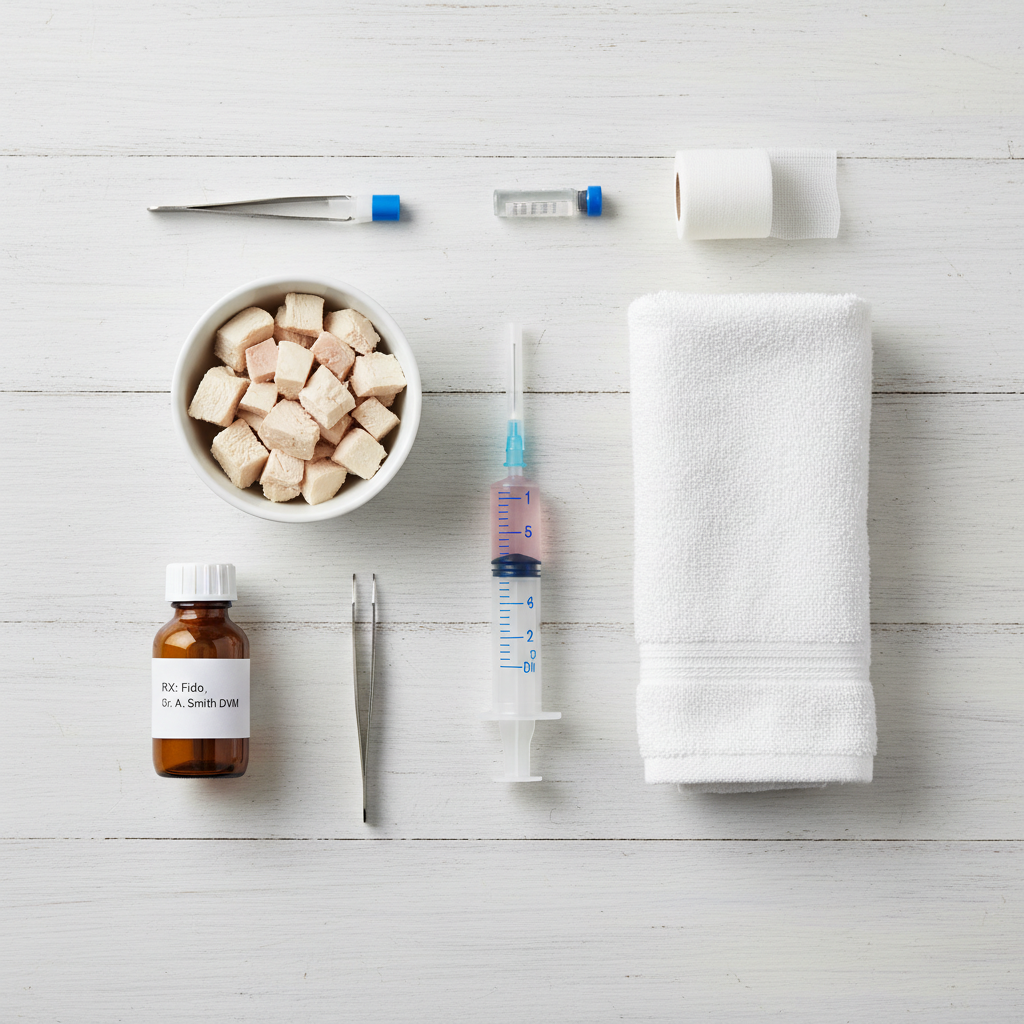
Have everything you need within arm’s reach to ensure the process is swift and smooth. You will need:
- The Medication: Ensure it’s the correct prescription and has been stored properly (e.g., refrigerated if required). If it needs to be shaken, do so thoroughly.
- The Oral Syringe or Dropper: Use the one provided by your veterinarian. It is marked for accurate dosing. Never use a kitchen spoon or a syringe from a different medication.
- The Correct Dose: Carefully draw up the exact amount of liquid prescribed. Double-check the dosage on the bottle against the amount in the syringe. Accuracy is critical for your pet’s health.
- High-Value Treats: This is not the time for a standard biscuit. You need something your dog absolutely loves and rarely gets, such as small pieces of boiled chicken, cheese, or a favorite commercial soft treat. This will be the reward for their cooperation.
- Towels or Paper Towels: Keep these handy for any potential drips or spills. For smaller dogs, a large towel can also be used to create a gentle wrap or ‘burrito’ to help keep them secure.
Setting the Stage for Success
Your dog is highly attuned to your emotional state. If you are anxious, they will be too. Before you begin, take a deep breath and project a calm, confident demeanor. Choose a location that is quiet and free from distractions. Avoid slippery floors. A corner of a room is often ideal as it prevents the dog from backing away. Do not chase your dog to administer medicine; this creates a negative association. Instead, calmly call them to your chosen spot and reward them for coming with a small treat or praise before you even present the medicine.
Mastering the Technique: A Step-by-Step Guide to the ‘Squirt and Rub’ Method
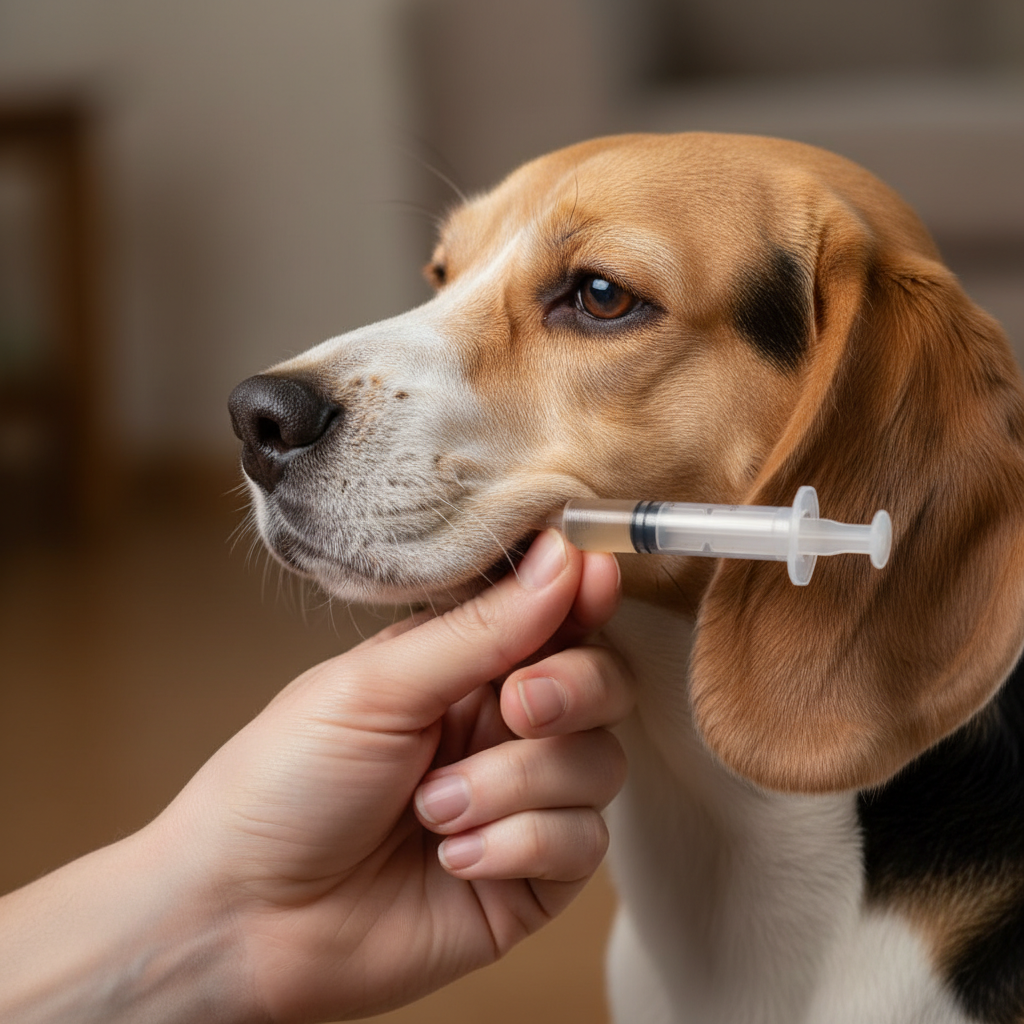
With your supplies ready and your environment calm, you can now proceed with the core technique. The goal is gentle control and precise placement, followed by immediate positive reinforcement. Work efficiently but never rush.
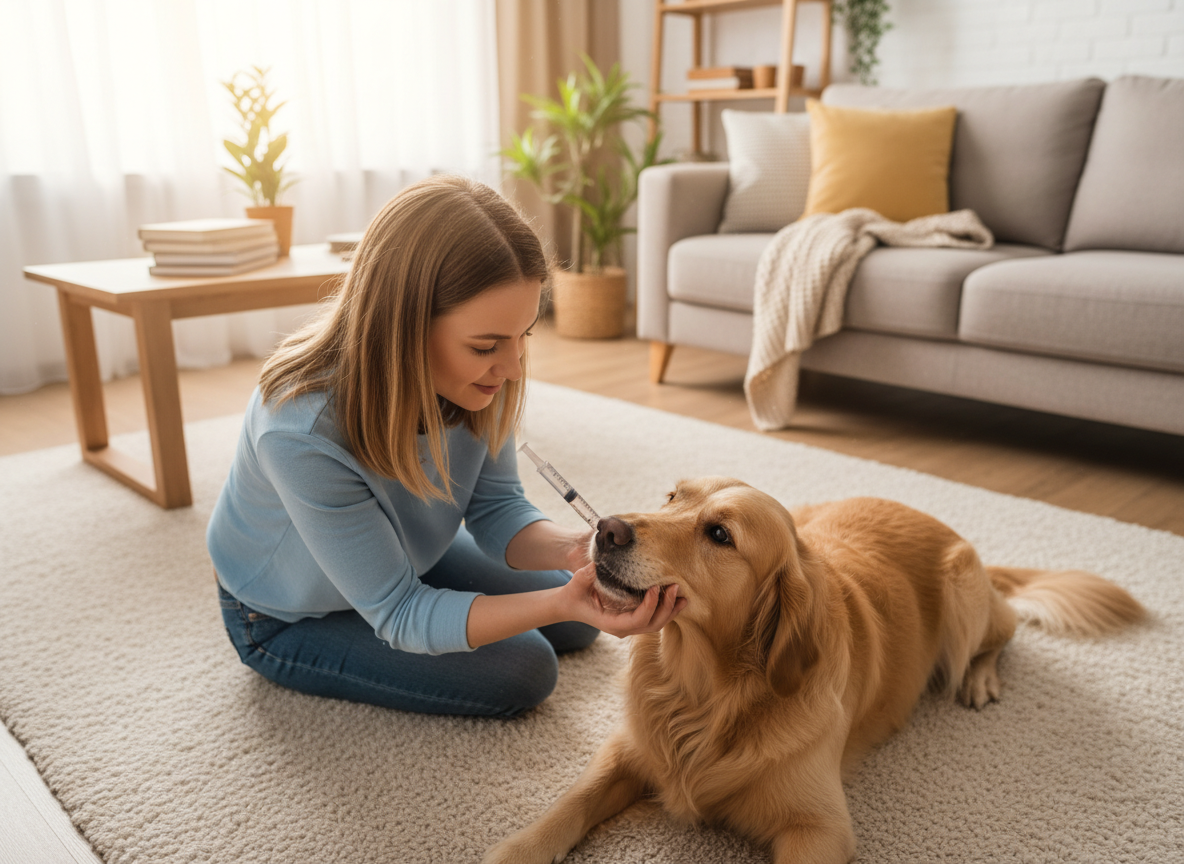
- Position Your Dog Safely: Your position relative to your dog is crucial. Do not stand over them in a threatening manner. The best approach is to be at their level. Sit or kneel beside your dog, facing the same direction. Place one arm over their shoulders to gently but securely keep them in place. For small dogs, you can hold them in your lap. The key is a comforting hold, not a forceful restraint.
- Create the ‘Cheek Pouch’: With the hand that isn’t securing your dog, gently hold their muzzle. Do not clamp it shut. Use your thumb and index finger to lift their upper lip on one side, creating a natural pocket or pouch between their cheek and their gums. This is your target.
- The ‘Squirt’ – Proper Syringe Placement and Delivery: Pick up the prepared syringe with your free hand. Insert the tip into the cheek pouch, aiming toward the back of their mouth. It’s critical that you do not tilt your dog’s head back and squirt the medicine straight down their throat. This can cause them to inhale the liquid, leading to aspiration pneumonia, a serious and potentially fatal condition. By aiming into the cheek pouch, the liquid will pool in their mouth, prompting them to swallow naturally. Depress the plunger steadily, not in one fast, startling squirt.
- The ‘Rub’ – Encourage Swallowing: Once the syringe is empty, remove it and gently hold your dog’s muzzle closed for a moment. To stimulate the swallowing reflex, you can do one of two things: gently rub their throat in a downward motion or blow a soft, quick puff of air on their nose. You should see them lick their lips or swallow.
- Immediate Positive Reinforcement: This is the most important step for future success. As soon as they swallow, shower them with praise in an enthusiastic voice. Immediately give them the high-value treat you prepared. This action creates a powerful positive association: medicine is followed by something wonderful. It helps to counteract any unpleasantness from the taste of the medicine and makes them more willing to cooperate next time.
Troubleshooting Common Challenges: What to Do When Things Don’t Go as Planned
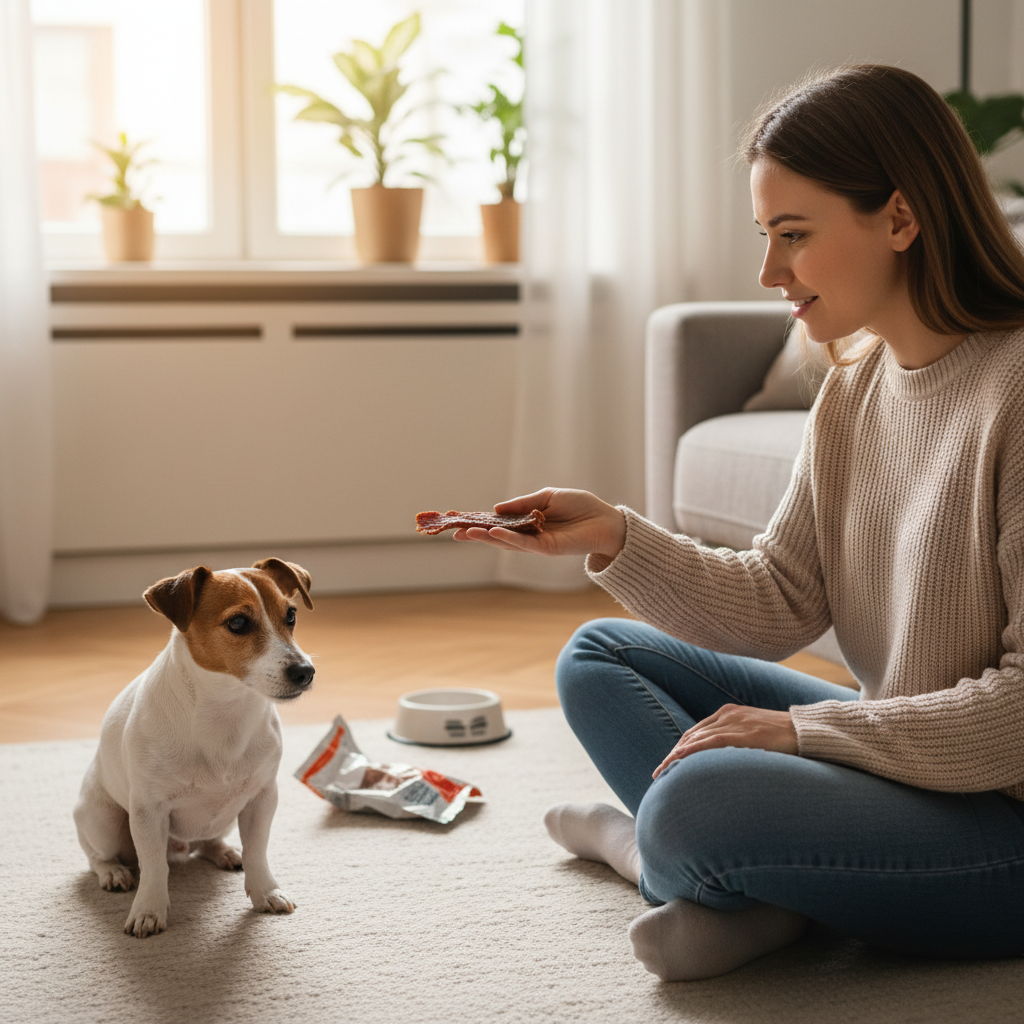
Even with perfect technique, you may encounter resistance. Understanding how to react to common problems is key to maintaining a low-stress experience and ensuring your pet’s safety.
My dog spits out the medicine.
It’s a common issue. If your dog spits out a significant portion of the dose, do not re-administer another full dose. You risk overdosing your pet. Contact your veterinarian for guidance. They can advise if you should give a partial dose, wait until the next scheduled time, or if the missed dose is a major concern. To prevent this in the future, ensure you are getting the syringe far enough back in the cheek pouch and try a slightly tastier ‘chaser’ treat immediately after.
My dog becomes fearful or aggressive.
If your dog growls, snaps, or shows signs of intense fear (tucking tail, ears back, trembling), stop immediately. Forcing the issue will only escalate the behavior and can be dangerous for you. This indicates a deep-seated fear. You may need to work on desensitization and counter-conditioning. This involves slowly reintroducing the syringe in a positive context (e.g., letting them lick something tasty off the tip without administering medicine) over several days. In these cases, it’s best to consult your veterinarian or a certified animal behaviorist.
My dog is too wiggly and won’t stay still.
For high-energy or anxious dogs, a second person can be invaluable. One person can focus on gently restraining and comforting the dog while the other administers the medicine. For small dogs, the ‘towel burrito’ method can be effective. Lay a large towel on the floor, place your dog in the center, and snugly wrap the sides over their body, leaving only their head exposed. This provides a sense of security and prevents them from wiggling their legs. Always ensure the wrap is not too tight and does not restrict their breathing.
Safety First: Critical Dos and Don’ts of Administering Medication
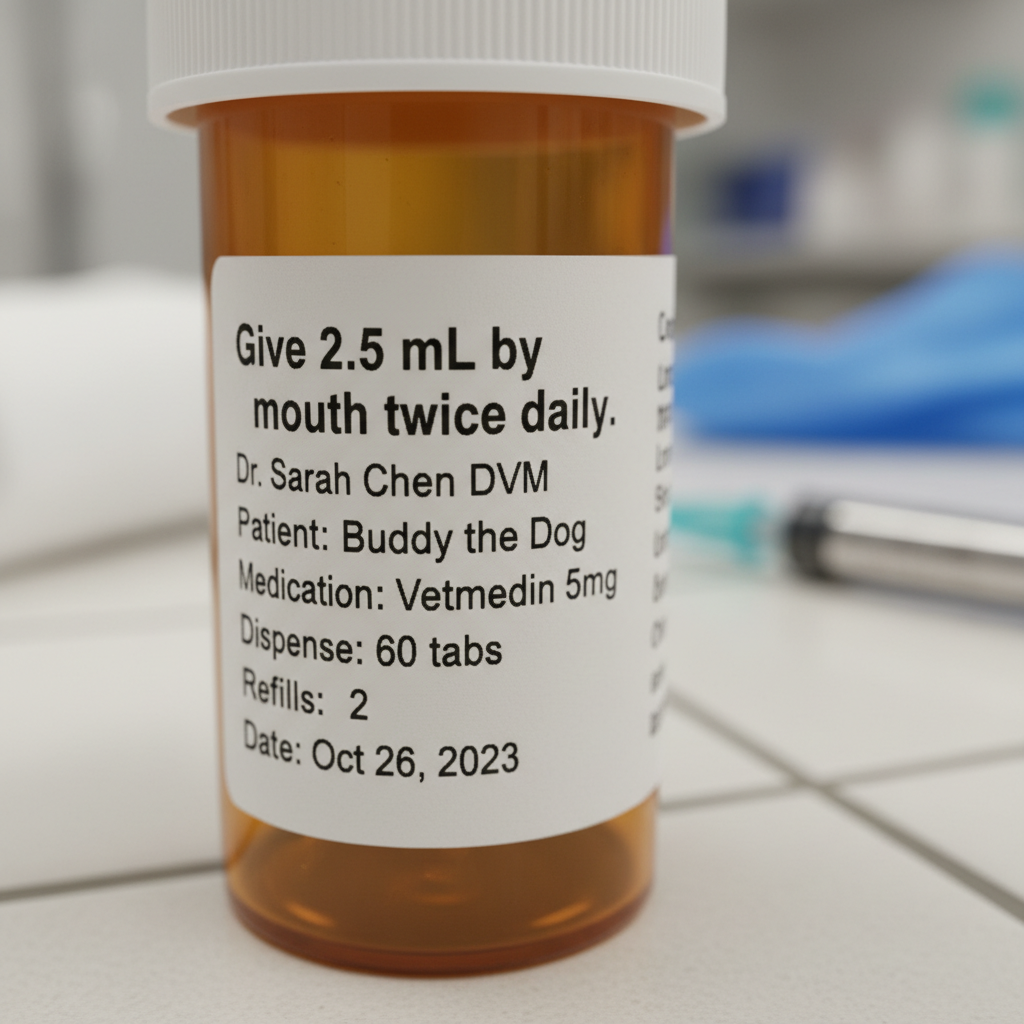
Administering any medication carries responsibility. Adhering to strict safety protocols protects your pet from harm and ensures the treatment is effective. Below is a clear guide to best practices.
| DO | DON’T |
|---|---|
| Follow veterinary instructions precisely. This includes dosage, frequency, and duration of treatment. | Never use human medication unless specifically instructed by your vet. Many human drugs are toxic to dogs. |
| Double-check the label and dosage every single time before drawing up the medicine. | Don’t squirt medicine directly down the throat. This is the most common cause of aspiration. Always use the cheek pouch. |
| Remain calm and positive. Your demeanor has a significant impact on your dog’s anxiety levels. | Don’t punish or scold your dog for being uncooperative. This will only create fear and make future attempts harder. |
| Use the specific syringe provided by your vet. They are calibrated for the medication’s viscosity and dosage. | Don’t mix liquid medicine into a full bowl of food or water. You have no way of knowing if they consumed the entire dose. |
| Reward generously after every dose. This builds a positive association and is crucial for long-term cooperation. | Don’t stop a course of medication early, even if your dog seems better. Finish the full prescription as directed. |
Expert Tip: Always store pet medications securely and out of reach of both children and pets. Some liquid medications for dogs are flavored to be palatable, which can lead to accidental overdose if a curious pet gets into the bottle.
Beyond the Squirt: Alternative Methods for Difficult Dogs
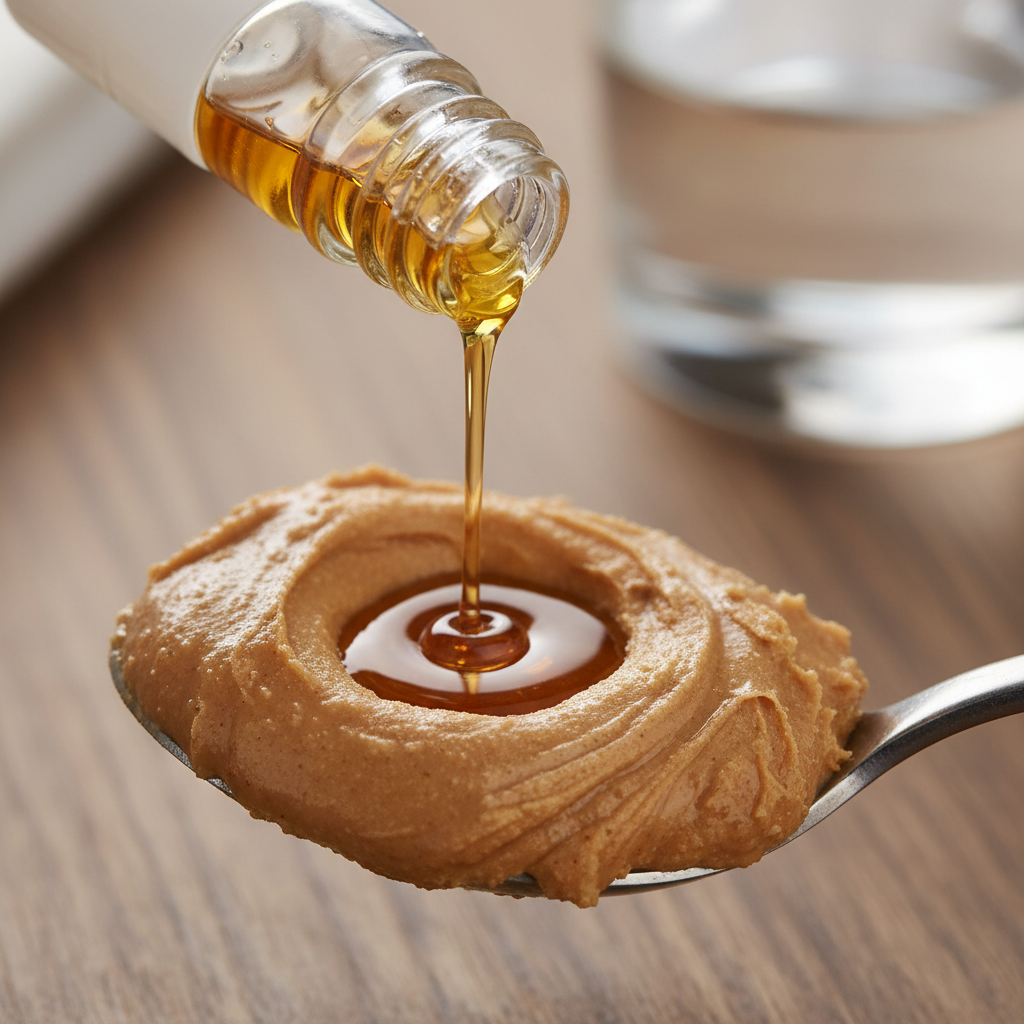
For some dogs, particularly those with a history of negative experiences or extreme sensitivity, the direct ‘Squirt and Rub’ method may remain a significant challenge. Fortunately, there are several effective alternatives to discuss with your veterinarian if you are struggling.
Compounding Pharmacies
One of the best options for uncooperative pets is a compounding pharmacy. These specialized pharmacies can take the active ingredient in your dog’s medication and reformulate it. For liquid medicines, they can add flavorings that are highly appealing to dogs, such as beef, chicken, or liver. A medication that tastes like a treat is infinitely easier to administer than one that is bitter or unpleasant. They may also be able to concentrate the medication, meaning a smaller volume is needed per dose.
Mixing with a Small Amount of High-Value Food
While mixing medicine in a full meal is not recommended, blending it with a small, irresistible bit of food can be very effective. This ensures the entire dose is consumed in one go. Good options include:
- Canned dog food or meat-based baby food
- Plain yogurt or cottage cheese
- Peanut butter (ensure it is xylitol-free)
- A small ball of bread or a commercial pill pocket paste
Always check with your vet first to ensure the medication can be given with food, as some drugs require an empty stomach for proper absorption.
Exploring Different Formulations
If liquid medication is proving impossible, don’t give up. Talk to your veterinarian. The same drug may be available in a different form that is better suited to your dog. Alternatives can include chewable tablets, pills that can be hidden in treats, or even transdermal gels that are applied to the skin (usually the inside of the ear flap). Your vet’s primary goal is for your pet to receive their treatment, and they will be your best partner in finding a solution that works for you and your dog.
Conclusion
Giving your dog liquid medicine does not have to be a source of conflict or stress. By adopting the ‘Squirt and Rub’ method, you transform the process from a potential struggle into a structured, manageable task. The pillars of this technique—thorough preparation, calm handling, correct placement in the cheek pouch, and generous positive reinforcement—are designed to respect your dog’s comfort and preserve your bond. Remember that patience is your greatest tool. Every successful, positive experience builds a foundation of trust for the future.
If you encounter difficulties, do not be discouraged. Utilize the troubleshooting tips provided and never hesitate to consult your veterinarian. They are your ultimate resource for exploring alternatives like flavoring or different formulations. By approaching this task with confidence and compassion, you can ensure your beloved companion gets the essential care they need, safely and with minimal fuss.