The Silent Killer: 5 Signs of Heat Stroke Every Owner Must Know
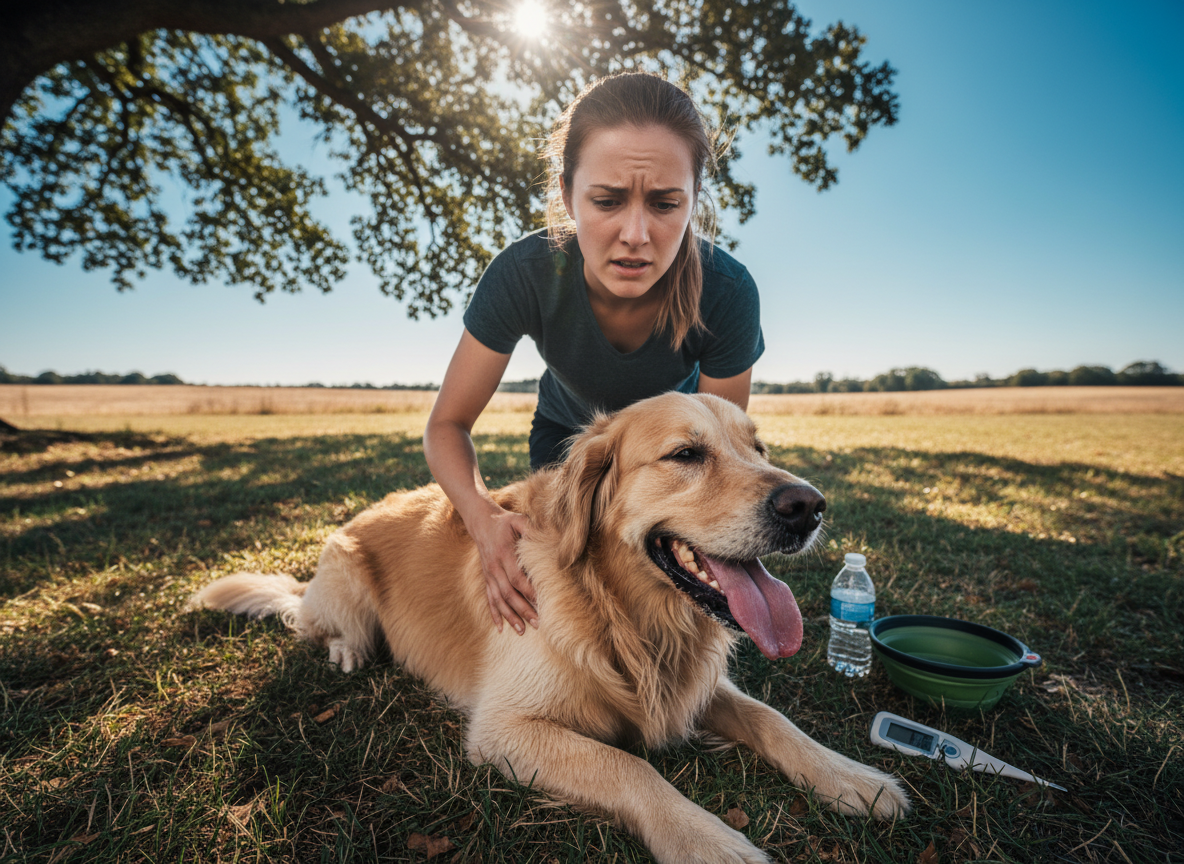
In the warmth of a sunny day, it’s easy to forget the hidden dangers that accompany high temperatures. For our canine companions, one of the most severe threats is heat stroke, a condition that can escalate from discomfort to a life-threatening emergency in a matter of minutes. Unlike humans who can sweat efficiently to cool down, dogs primarily rely on panting, a far less effective method. When their internal temperature rises uncontrollably, it can lead to catastrophic organ failure. Understanding the subtle yet critical signs of this silent killer is not just helpful; it is an essential responsibility for every dog owner. This guide will provide an in-depth, veterinary-backed perspective on identifying the five key signs of heat stroke, administering immediate first aid, and implementing preventative measures to ensure your beloved pet stays safe and healthy during warmer weather.
Understanding Canine Heat Stroke: The Physiological Cascade
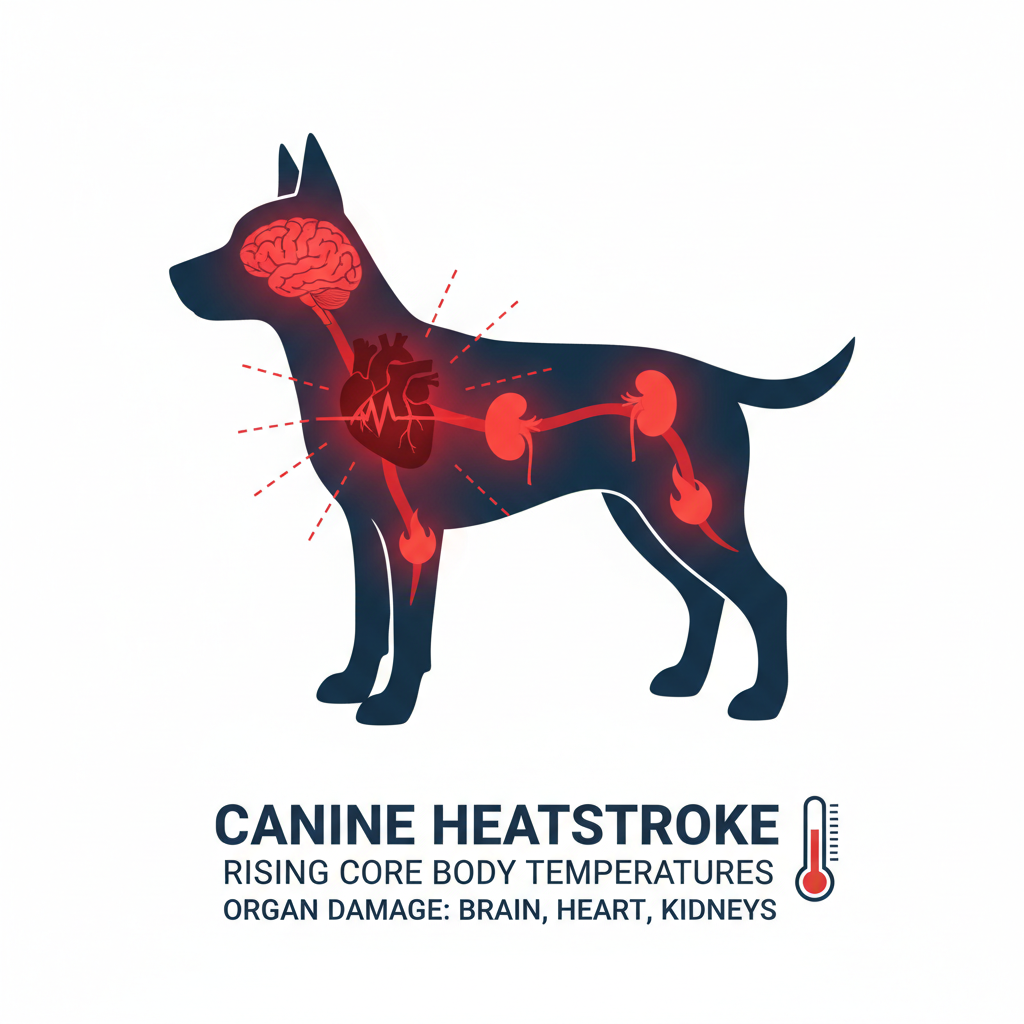
Canine heat stroke, or hyperthermia, is a state of severe overheating where a dog’s core body temperature rises above the normal range of 101 to 102.5 degrees Fahrenheit (38.3 to 39.2 degrees Celsius) to levels of 106°F (41°C) or higher. At these temperatures, a dangerous physiological cascade begins. The body’s cooling mechanisms are overwhelmed, and the extreme heat starts to denature cellular proteins and enzymes, essentially ‘cooking’ the internal organs from the inside out. This leads to widespread cellular death, particularly affecting the brain, liver, kidneys, and gastrointestinal tract.
The process begins when a dog cannot dissipate heat as fast as it is being generated or absorbed. This is common in hot, humid environments, poorly ventilated spaces like cars, or during strenuous exercise. As the core temperature climbs, blood is diverted to the skin to try and cool off, which reduces blood flow to vital organs. This lack of oxygenated blood, combined with direct thermal injury, leads to a condition called systemic inflammatory response syndrome (SIRS) and disseminated intravascular coagulation (DIC), where small blood clots form throughout the bloodstream, blocking circulation and leading to organ failure and death. Recognizing the external signs is critical because they are the only window into this devastating internal process.
The 5 Critical Signs of Heat Stroke You Must Recognize
Early detection is the single most important factor in a positive outcome for a dog suffering from heat stroke. These five signs range from early to advanced, and recognizing any of them should trigger immediate action.
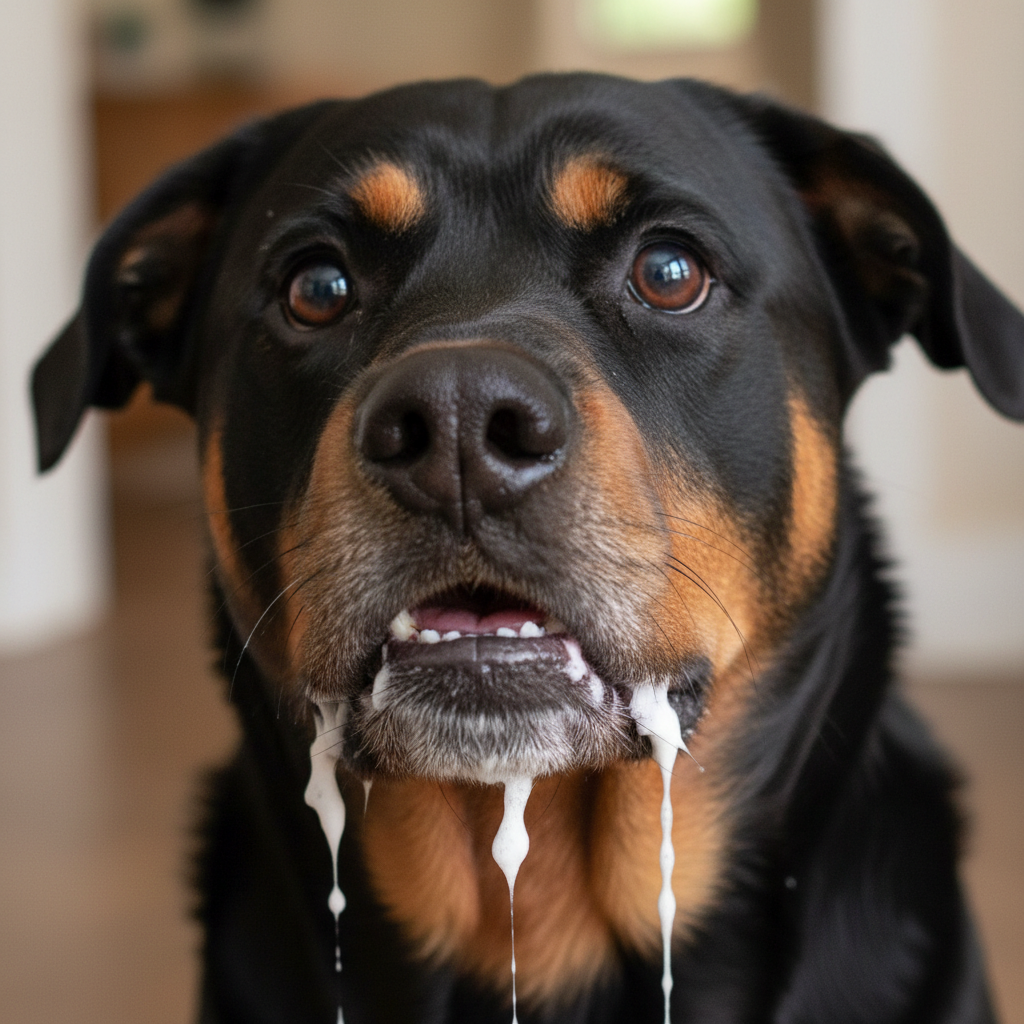
1. Excessive, Rapid Panting and Thick, Ropy Saliva
Panting is a dog’s primary cooling method, but in heat stroke, it becomes frantic and inefficient. The panting will be rapid, heavy, and noisy, much more intense than the normal panting after a walk. The dog’s tongue may loll out and appear wider and flatter than usual. As dehydration sets in, the saliva becomes thick, sticky, and ropy. This is a clear indicator that the body is losing fluids faster than it can replace them, and the cooling mechanism is failing.
2. Changes in Gum and Tongue Color
A healthy dog’s gums are typically a bubblegum pink. During the early stages of heat stroke, the gums and tongue may become a bright, brick-red color. This is due to the body shunting blood to the extremities in an attempt to cool down. As the condition progresses and shock sets in, the gums can turn pale, white, or even bluish-purple (cyanotic), which signifies a severe lack of oxygen and is a dire emergency.
Gently press on your dog’s gums; if the color doesn’t return to pink within two seconds, it’s a sign of poor circulation and requires immediate veterinary intervention.
3. Neurological Dysfunction: Dizziness, Disorientation, and Staggering
As the brain is affected by the extreme heat, neurological signs become apparent. Your dog may seem confused, unresponsive to commands, or disoriented. They might bump into things or have trouble standing. This can progress to an uncoordinated gait, often described as ‘drunken’ staggering or ataxia. The dog is losing control of its motor functions, a clear sign that the central nervous system is being severely compromised.
4. Gastrointestinal Upset: Vomiting and Diarrhea
The reduced blood flow to the GI tract, combined with direct heat damage to its lining, often leads to vomiting and diarrhea. The vomit may be clear or contain bile, while the diarrhea can be watery and may contain blood (either bright red or dark and tarry). This not only exacerbates dehydration and electrolyte imbalances but is also a sign of significant internal organ damage.
5. Collapse, Seizures, or Unconsciousness
This is the most advanced and life-threatening stage of heat stroke. The cumulative effect of organ damage, dehydration, and neurological impairment can lead to a dog collapsing. Muscle tremors may begin, escalating into full-blown seizures. Ultimately, the dog may lose consciousness and fall into a coma. At this point, the chances of survival are significantly reduced, even with aggressive veterinary care. Any sign of collapse or seizure in a hot environment is a grave emergency.
High-Risk Factors: Is Your Dog More Susceptible?
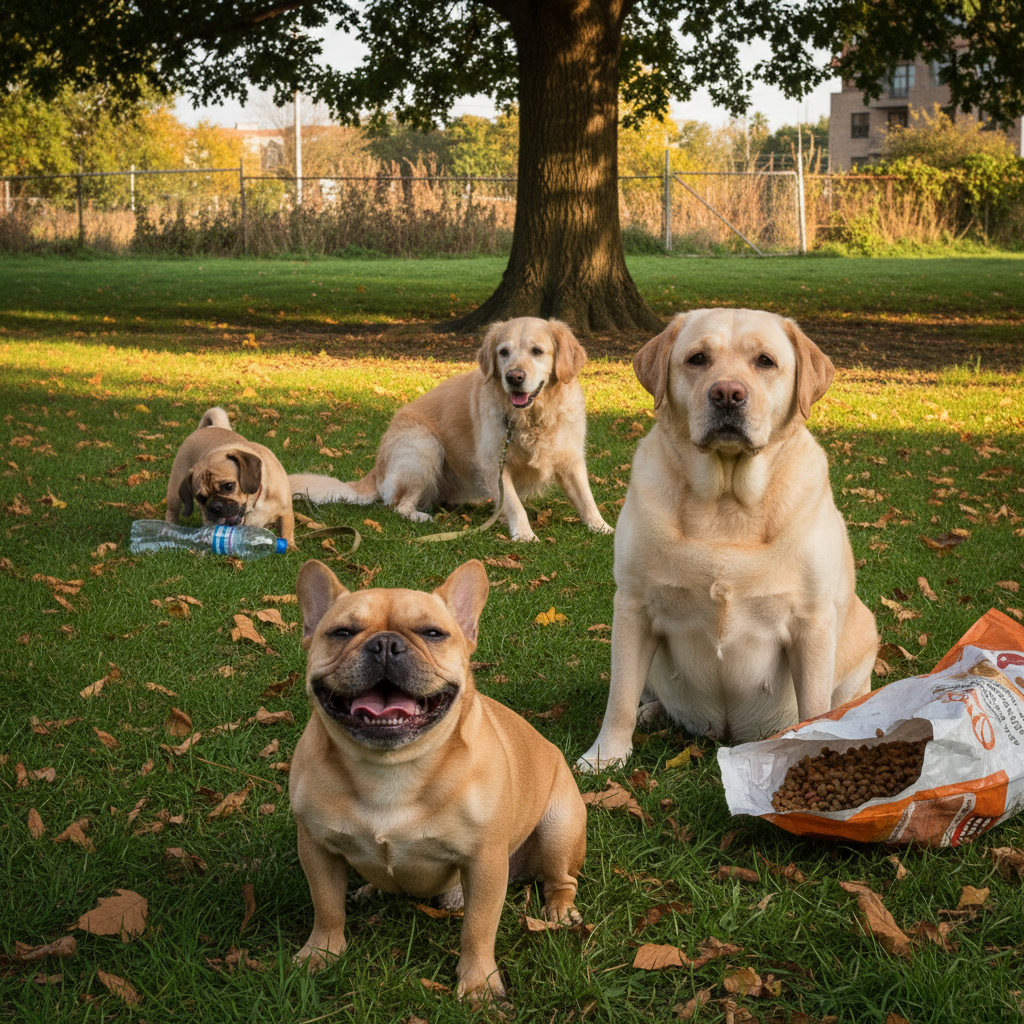
While any dog can suffer from heat stroke, certain factors dramatically increase the risk. Owners of these dogs must be exceptionally vigilant.
| Risk Factor | Explanation | Examples |
|---|---|---|
| Brachycephalic Breeds | Dogs with short muzzles and flat faces have compromised respiratory systems, making it much harder for them to pant effectively. | Pugs, French Bulldogs, English Bulldogs, Boxers, Shih Tzus |
| Age | Very young puppies and senior dogs have less efficient thermoregulation systems and cannot cope with temperature extremes as well as adult dogs. | Puppies under 6 months, dogs over 7-10 years (depending on breed) |
| Coat Type | Thick, double-coated breeds are insulated for cold weather and can overheat quickly. Dark-colored coats also absorb more heat from the sun. | Siberian Huskies, Malamutes, Bernese Mountain Dogs, Newfoundlands |
| Obesity | Excess fat acts as insulation, trapping heat. Overweight dogs also have to work harder, generating more body heat during any activity. | Any breed that is significantly over its ideal body weight. |
| Medical Conditions | Pre-existing conditions that affect the heart or lungs can impair the body’s ability to cope with heat stress. | Laryngeal paralysis, heart disease, respiratory conditions, Cushing’s disease |
Immediate First Aid: What to Do While En Route to the Vet
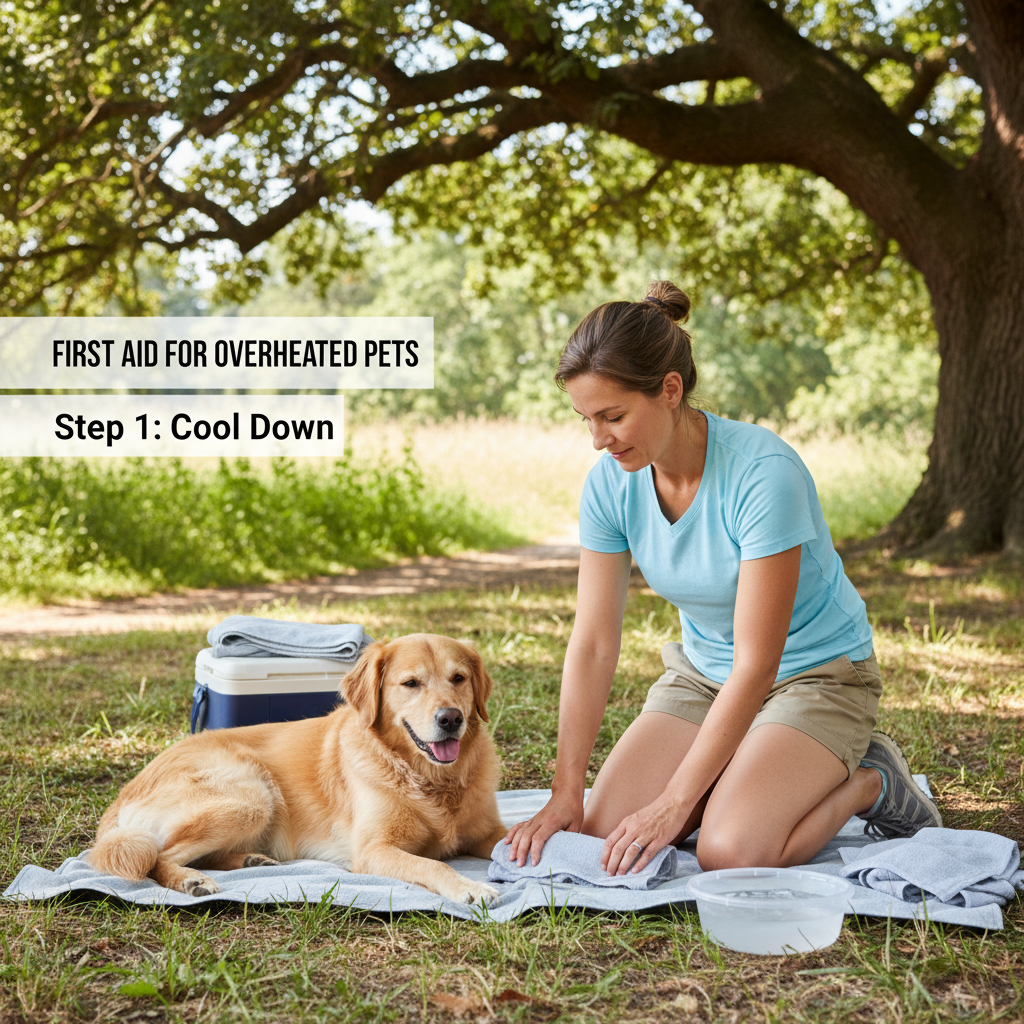
If you suspect your dog has heat stroke, it is a medical emergency. You must begin cooling measures immediately while preparing to transport your dog to the nearest veterinarian. Your goal is to lower the body temperature in a controlled manner, not to induce shivering or shock.
Step 1: Move to a Cooler Environment Immediately.
Carry your dog out of the direct sun and into an air-conditioned room or a shady, breezy area. If possible, place them on a cool surface like tile flooring.
Step 2: Apply Cool Water.
Do not use ice or ice-cold water. This can cause the blood vessels in the skin to constrict, which paradoxically traps heat in the core of the body and can lead to shock. Use cool or tepid water. You can use a hose, a shower, or wet towels. Focus the water on the groin area, paw pads, and around the neck and head, where major blood vessels are close to the surface.
Step 3: Promote Air Circulation.
Place the dog in front of a fan or open the car windows while driving to the vet. The moving air helps evaporate the water from their coat, which is a highly effective cooling process (evaporative cooling).
Step 4: Do Not Force Water.
Offer small amounts of cool water to drink, but do not force it. A dog with neurological impairment may not be able to swallow properly and could aspirate water into its lungs.
Step 5: Stop Cooling When Temperature Drops.
If you have a rectal thermometer, monitor their temperature. The goal is to lower it to about 103°F (39.4°C). Once you reach this temperature, stop the active cooling measures. The body can continue to cool on its own, and over-cooling can lead to hypothermia. Regardless, proceed to the veterinarian immediately, as internal damage may have already occurred and requires professional medical treatment.
Prevention: The Best Medicine for Heat Stroke
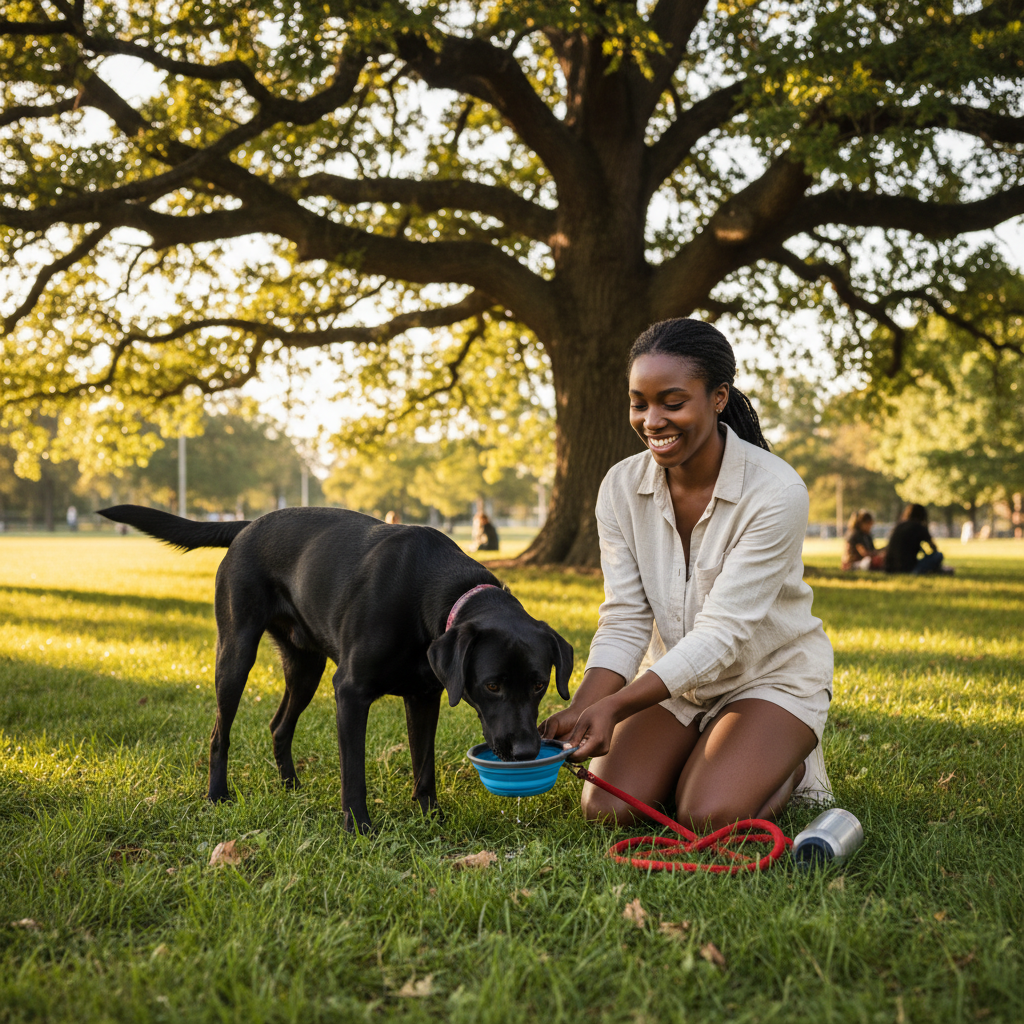
The most effective way to treat heat stroke is to prevent it from ever happening. Simple awareness and proactive changes to your routine during warm weather can save your dog’s life.
- Never, Ever Leave a Dog in a Car: Not even for a minute. On a 75°F day, the temperature inside a car can soar to over 100°F in just 10 minutes. Cracking a window does very little to help.
- Time Your Walks and Exercise: Avoid strenuous activity during the hottest parts of the day (typically 10 a.m. to 4 p.m.). Schedule walks for the early morning or late evening when temperatures are cooler.
- Check the Pavement: Place the back of your hand on the asphalt. If it’s too hot for you to hold it there for five seconds, it’s too hot for your dog’s paws.
- Provide Constant Access to Shade and Water: When outdoors, ensure your dog always has a shady spot to rest and a large bowl of fresh, cool water. Consider adding ice cubes to their water on particularly hot days.
- Consider Cooling Products: Cooling vests, mats, and elevated beds that allow for airflow can provide significant relief for dogs, especially for high-risk breeds or those who spend time outdoors.
- Know Your Dog’s Limits: Pay close attention to your dog’s behavior. If they seem tired or are panting more than usual, it’s time to stop the activity and get them into a cool environment.
Conclusion
Heat stroke is a terrifying and rapidly progressing medical emergency, but it is also largely preventable. By embedding these preventative strategies into your daily routine and memorizing the five critical signs—from excessive panting to collapse—you empower yourself to act as your dog’s first line of defense. Your knowledge and swift action can mean the difference between a close call and a tragedy. Always prioritize your dog’s safety over convenience, especially in the heat. If you ever have any doubt about your dog’s condition, do not hesitate. Contact your veterinarian immediately. They are your best resource for ensuring your canine companion enjoys a long, happy, and safe life by your side.