The ‘Mailman Monster’: Stop Door Slot Attacks in 3 Days
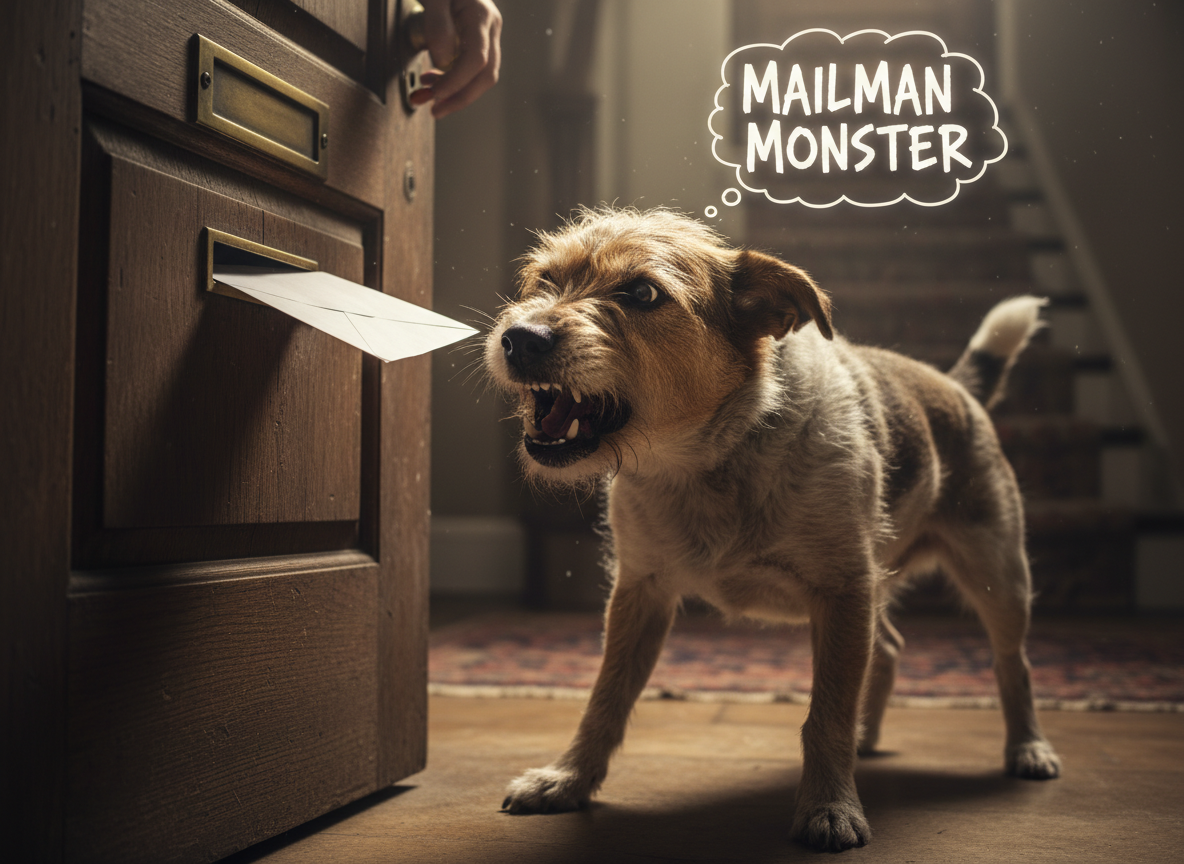
The familiar sound of the mail carrier approaching can trigger a daily dose of chaos in many homes. One moment, your home is peaceful; the next, your dog erupts into a frenzy of barking, lunging, and scratching at the front door. This ‘Mailman Monster’ phenomenon is more than just a nuisance—it’s a significant source of stress for both you and your pet, often resulting in shredded mail and a frazzled household. But why does this seemingly innocuous event provoke such an extreme reaction?
This behavior is not born from malice, but from a potent cocktail of instinct and learned responses. At its core are territorial guarding, barrier frustration, and a reinforcement cycle that inadvertently teaches your dog that aggression works. Every day, the ‘threat’ (the mail carrier) appears, your dog barks ferociously, and the ‘threat’ leaves. In your dog’s mind, their aggressive display successfully protected the home. This guide is designed to break that cycle. Over the next three days, you will implement a clear, humane, and highly effective plan based on desensitization and counter-conditioning. We will transform your dog’s emotional response from fear and aggression to calm anticipation, proving that you can achieve a peaceful mail delivery without conflict.
Why Your Dog Hates the Mail Slot: The Psychology Behind the Barking
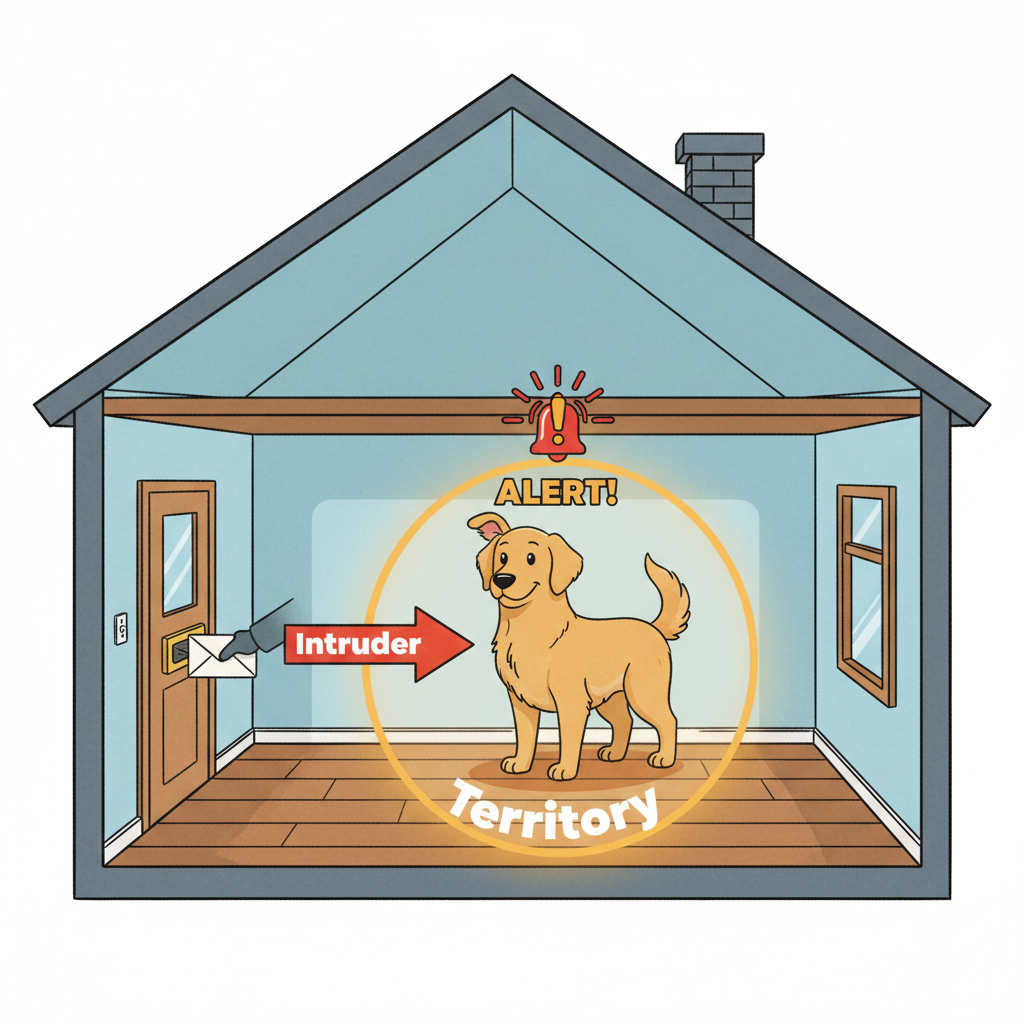
To effectively solve a behavior problem, we must first understand its roots. A dog attacking the mail slot is not being ‘bad’; it is reacting based on powerful instincts and environmental cues. Understanding the ‘why’ is the first critical step in changing the ‘what’.
Territorial Instinct
Dogs are inherently territorial creatures. Their home is their sanctuary, and the front door is the primary boundary between their safe space and the outside world. When a hand or an object suddenly breaches that boundary through a mail slot, it can trigger a powerful protective instinct. To your dog, it’s not just a letter; it’s an intrusion by an unknown entity into the very heart of their den. The startling, unexpected nature of the event—a sudden noise and movement where there was none—amplifies this response.
Barrier Frustration and Arousal
The door itself creates a barrier, which can lead to intense frustration. Your dog can hear, see, and smell the mail carrier approaching, but they are physically prevented from investigating or confronting the perceived intruder. This helplessness can quickly escalate arousal levels, and the energy has to go somewhere. It is channeled into explosive barking, lunging at the door, and attacking the mail as it comes through the slot. This is a classic example of barrier frustration, a common issue for dogs in homes, cars, or behind fences.
The Accidental Reinforcement Cycle
Perhaps the most significant factor is the daily reinforcement of the behavior. Consider the sequence of events from your dog’s perspective:
- An unfamiliar person approaches the territory (the mail carrier).
- The dog performs its ‘alarm’ behavior (barking, growling).
- The person pushes something through the slot and then immediately leaves.
In your dog’s mind, a direct cause-and-effect relationship is formed: ‘My aggressive behavior made the intruder go away.’ This ‘success’ reinforces the behavior, making it stronger and more likely to occur the next day. The dog feels accomplished, having successfully defended its home. Without intervention, this cycle solidifies the ‘Mailman Monster’ persona.
By understanding these three elements—territory, frustration, and reinforcement—we can shift our training focus from punishing the barking to changing the underlying emotional response that causes it.
Day 0: Assembling Your Training Toolkit and Management Plan
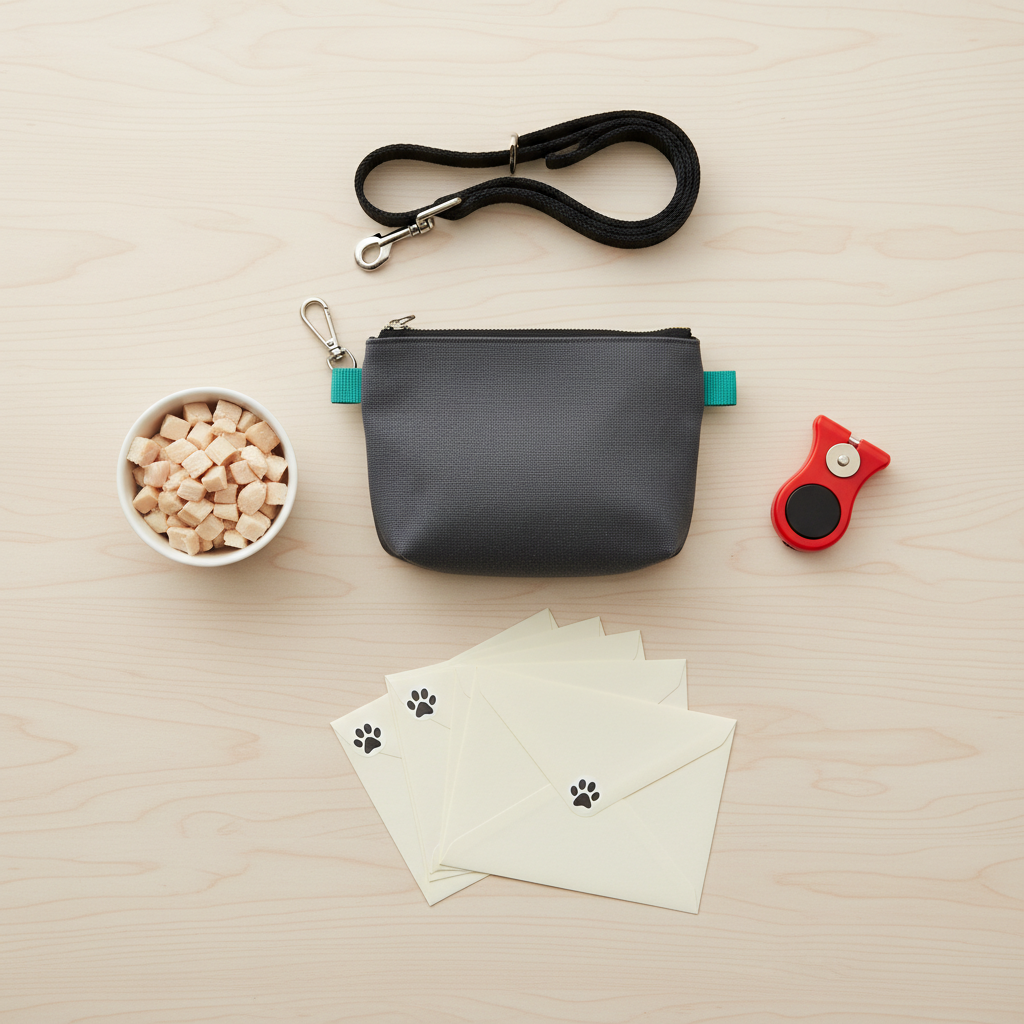
Success in training is built on a foundation of preparation. Before you begin the 3-day plan, it is essential to gather the necessary tools and implement a management strategy. Management is crucial because it prevents your dog from rehearsing the unwanted behavior, which would undermine your training efforts. This preparation day is ‘Day 0’.
Your Essential Toolkit
Having these items ready will ensure your training sessions are smooth and effective:
- High-Value Food Rewards: These are not your dog’s regular kibble. Think small, soft, and incredibly delicious treats that your dog rarely gets, such as tiny pieces of boiled chicken, cheese, hot dogs, or commercial training treats. The goal is to have something more rewarding than the act of barking.
- Treat Pouch: For quick and easy access to rewards. Fumbling in your pockets can cause you to miss the perfect moment to reward your dog.
- A Helper: Enlist a family member, friend, or neighbor to act as the ‘mock mail carrier’. It is critical that this person is someone your dog is neutral or friendly towards.
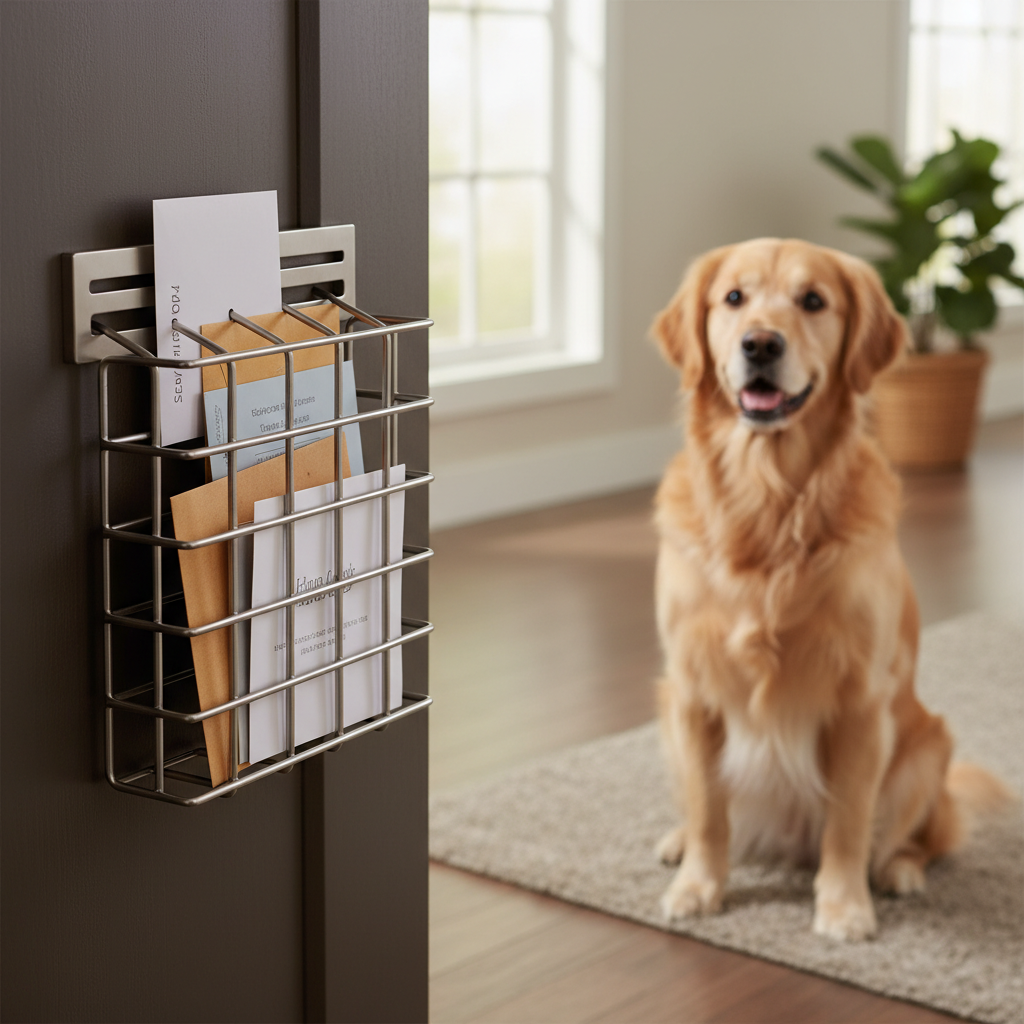
- Management Tools: You need a way to prevent your dog from practicing the behavior when you are not actively training. This could be a baby gate to block the hallway, a crate in another room, or temporary opaque window film to block the view of the front door. A mail cage that attaches to the inside of your door is an excellent long-term management tool to prevent mail shredding.
- A Leash: A standard, non-retractable leash will help you maintain control and guide your dog during training sessions, especially in the initial stages.
Implementing Your Management Strategy
Starting immediately on Day 0, your dog should no longer have the opportunity to rush and bark at the mail slot. During the typical mail delivery window, implement your management plan. Crate your dog in a back room with a fun chew toy, or use a baby gate to restrict access to the front of the house. This step is non-negotiable. Every time your dog gets to practice the ‘Mailman Monster’ routine, it sets your training back significantly.
The 3-Day Plan to Tame the Mail Slot Beast
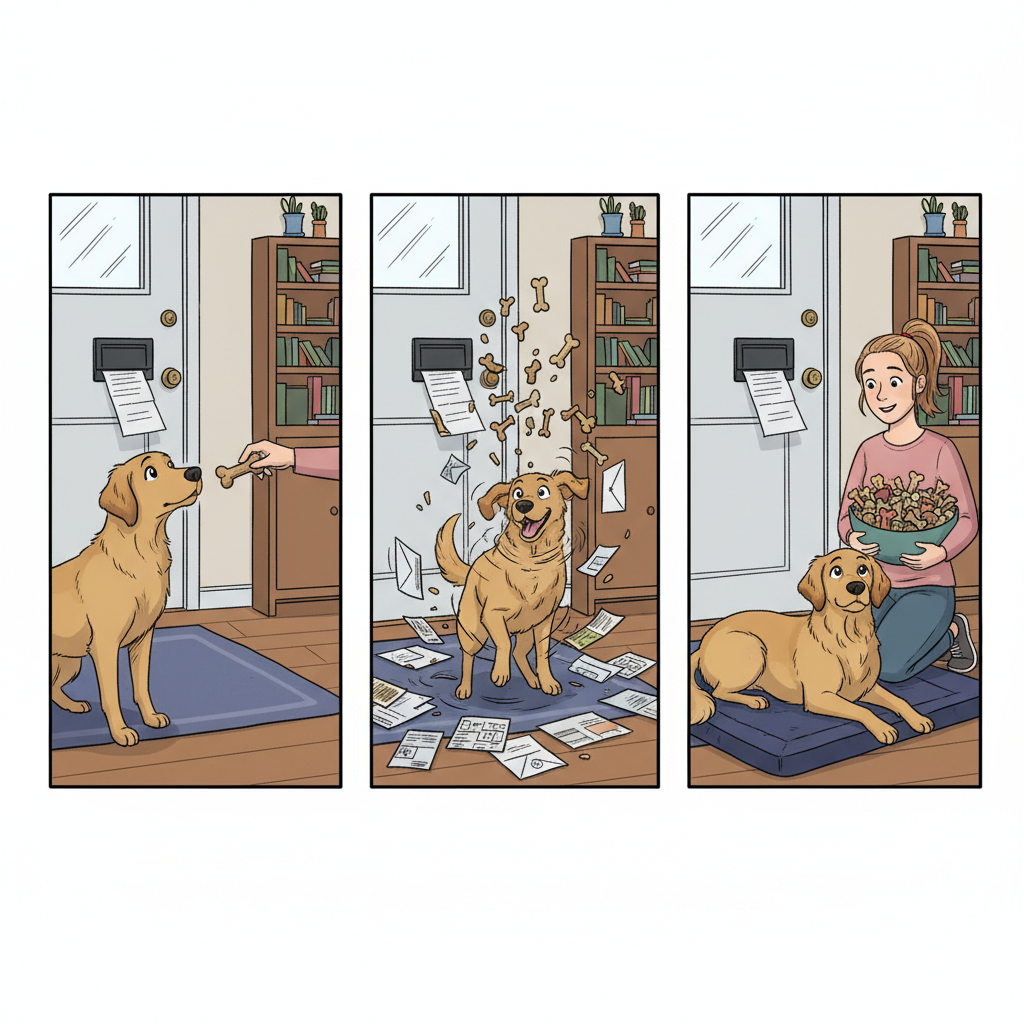
This intensive plan is broken down into three days, with each day building on the last. The goal is to keep sessions short (5-10 minutes) and frequent (3-4 times per day) to maintain your dog’s focus and prevent fatigue. Remember to always end on a positive note.
Day 1: Desensitization and Counter-Conditioning
Today is all about changing your dog’s emotional response. We will use two powerful concepts: Desensitization (making the scary thing less scary by introducing it at a low intensity) and Counter-Conditioning (changing the association from negative to positive). Your dog should be on a leash for control.
- Start with Sound: Position yourself with your dog at a distance from the front door where they are calm but can still hear what’s happening. Have your helper stand outside and make very quiet noises at the mail slot, like a gentle tap with a fingernail. The instant your dog hears the sound and orients towards it, but before they bark, mark the moment with an enthusiastic ‘Yes!’ and give them a high-value treat. If they bark, you are too close or the sound is too loud. Increase the distance and try again.
- Introduce Movement: Once your dog is consistently looking to you for a treat upon hearing the soft taps, have your helper gently wiggle the mail slot flap. Again, mark and treat for calm observation. The goal is for your dog to think, ‘That sound means chicken is coming!’.
- Introduce Mail: Have your helper slowly push a corner of an envelope through the slot and immediately pull it back. Mark and treat your dog for remaining calm. Repeat this process, gradually pushing the envelope further in over several repetitions. Keep the sessions short and positive.
Day 2: Building a Positive Association
Today, we build on yesterday’s foundation by making the mail itself the predictor of wonderful things. We will also introduce an alternative behavior for your dog to perform.
- Mail Means a Party: Repeat the final exercise from Day 1. This time, have your helper push the mail all the way through the slot. The moment the mail hits the floor, start a ‘treat party’. Toss a handful of high-value treats on the floor around the mail. Let your dog eat the treats off the floor. The association we’re building is: Mail on the floor = treasure hunt!
- Introduce a ‘Place’ Cue: In a separate session away from the door, teach a ‘Go to your mat’ or ‘Place’ command. Lure your dog onto a bed or mat, and reward them for staying there. Practice this until your dog will go to their mat from a few feet away. This gives your dog a ‘job’ to do when the mail comes.
- Combine the Skills: Now, practice near the front door. Ask your dog to go to their mat (placed at a safe distance). Have your helper push mail through the slot. As soon as it lands, release your dog and initiate the ‘treat party’ on the floor.
Day 3: Proofing and Real-World Application
Today we simulate the real event more closely and solidify the new, desired behavior.
- Simulate the Routine: Have your helper walk up the path to the door, make noise, and push the mail through, mimicking the real mail carrier’s routine. As your helper approaches, cue your dog to ‘Go to your mat’. Reward your dog for staying on the mat as the sounds get closer.
- Reward for Calm: When the mail comes through the slot, calmly walk over to your dog (who should still be on their mat) and deliver a ‘jackpot’ reward—a stream of high-value treats, one after another, for their calm behavior. This is a higher-level reward than the treat party on the floor and reinforces their impulse control.
- Real-World Practice: During the actual mail delivery time, keep your dog on leash and run through the ‘Go to mat’ protocol. Be prepared with your best treats. Your goal is to manage the situation and reward any and all calm behavior. It may not be perfect on the first try, but you are actively rewriting your dog’s old habits.
Troubleshooting Common Issues and Long-Term Management
Even the best plans can hit a snag. Behavior modification is not always a linear process. Here’s how to handle common challenges and ensure long-term success.
What if my dog barks during training?
A bark or a lunge is simply information. It tells you that the challenge was too difficult for your dog at that moment. This is known as going ‘over threshold’. Do not scold the dog. Simply and calmly increase the distance from the door or ask your helper to make the trigger (the sound or movement) less intense. Take a short break, and then restart the exercise at a level where your dog can be successful.
What if I don’t have a helper?
While a helper is ideal, you can still practice. Use a smartphone to record the sounds of the mail slot opening and mail dropping, then play it back at a very low volume. You can also practice by pushing mail through the slot yourself while tossing treats away from the door for your dog to find. This still builds a positive association, though it’s less realistic than having someone outside.
My dog is still anxious. What else can I do?
For some dogs, the issue is deeper than simple territorialism. If your dog shows signs of severe anxiety or aggression, or if you see no improvement, it is time to seek professional help.
Expert Tip: Always consult a certified professional dog trainer (CPDT-KA) or a veterinary behaviorist for cases involving serious aggression. They can provide a customized plan and ensure the safety of everyone involved. Never use punishment-based methods like shock collars or yelling, as these will increase anxiety and can make aggression worse.
Maintaining Success for the Long Haul
The 3-day plan is an intensive intervention designed to break the cycle. To maintain your progress, you must be consistent. Continue to use your management plan (blocking access to the door) whenever you cannot supervise. Periodically run through your training exercises to reinforce the positive association. Over time, the new, calm response will become the default habit, and the ‘Mailman Monster’ will become a distant memory.
Conclusion
Transforming your dog’s frantic, aggressive reaction to the mail delivery into a moment of calm is entirely achievable. By dedicating time to this 3-day plan, you have done more than just stop a nuisance behavior; you have addressed your dog’s underlying anxiety and strengthened the bond of trust between you. The key takeaways are to understand the motivation behind the barking, prepare your tools for success, and consistently implement the principles of desensitization and counter-conditioning. Remember that every training session is a step toward a more peaceful home.
Continue to manage the environment to prevent setbacks and periodically reinforce the training to keep the new skills sharp. With patience and consistency, the daily arrival of the mail can become a non-event, freeing you and your beloved pet from the stress of the ‘Mailman Monster’. You have the tools and the knowledge—now you can enjoy the quiet rewards of your hard work.