The Husky Tantrum: How To Survive The Screaming Without Losing Your Mind

The Siberian Husky is a breed renowned for its stunning looks, incredible endurance, and a personality that is as charming as it is complex. They are also famous for their voice. While the endearing ‘woos’ and conversational ‘roos’ can be a source of endless amusement, there is another, more challenging vocalization that can test the patience of even the most dedicated owner: the Husky tantrum. This high-pitched, seemingly incessant scream can feel overwhelming, leaving you feeling helpless and, as the title suggests, on the verge of losing your mind.
Before you resign yourself to a life of noise-canceling headphones, it is crucial to understand that these dramatic displays are not acts of defiance or malice. A Husky tantrum is a powerful, albeit frustrating, form of communication. Your highly intelligent, energetic, and social dog is trying to tell you something important. This article will serve as your comprehensive guide to surviving, and ultimately resolving, these vocal outbursts. We will decode the meaning behind the screams, provide a proactive framework for prevention, offer a step-by-step plan for managing tantrums in the moment, and identify when it’s time to call in professional help. By shifting your perspective from frustration to understanding, you can transform these moments of chaos into opportunities to strengthen your bond and build a more peaceful coexistence with your vocal companion.
Decoding the Drama: Why Siberian Huskies Throw Tantrums
Understanding the Root Causes of Husky Vocalizations
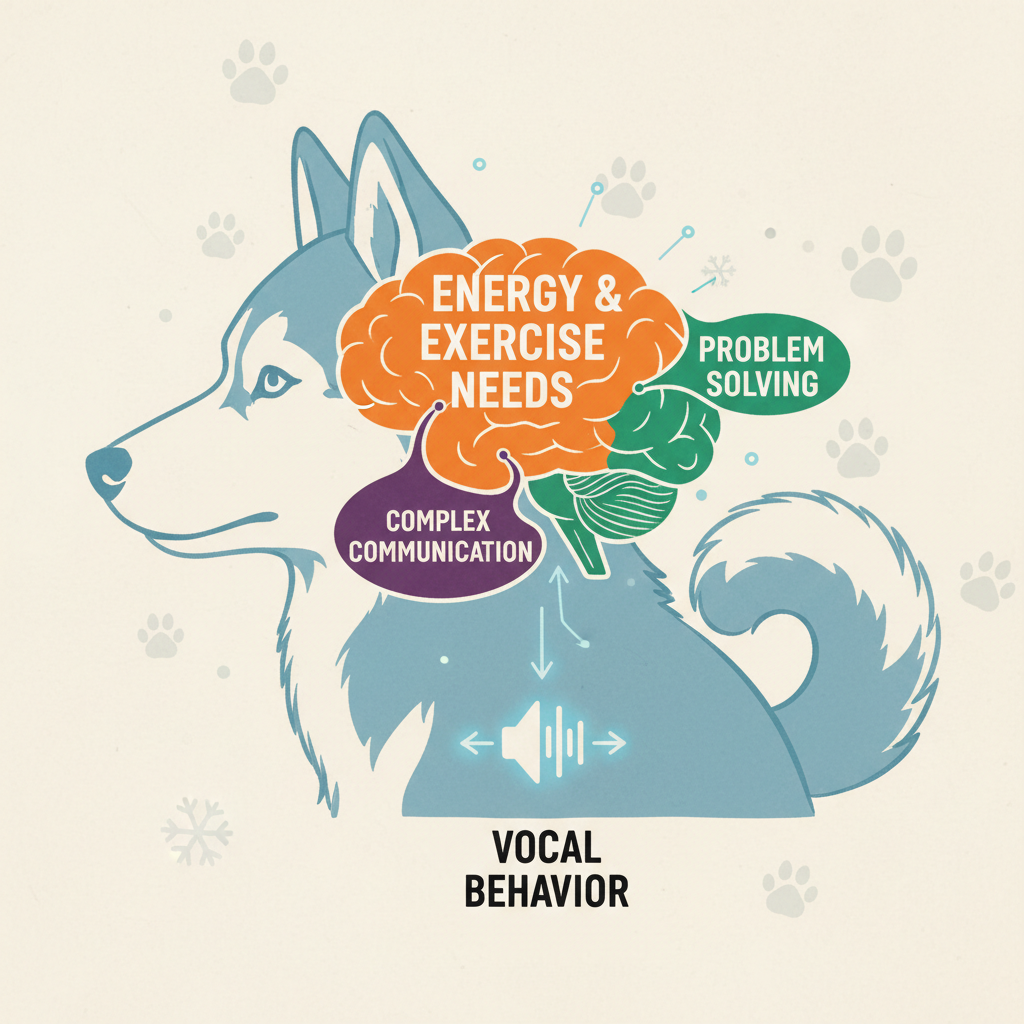
To effectively manage Husky tantrums, we must first understand their origin. This behavior is not random; it is deeply ingrained in their breed history and psychological makeup. Siberian Huskies were bred for centuries to work in packs, pulling sleds over vast, desolate landscapes. In this environment, complex vocalization was essential for communication over long distances, expressing needs to the pack, and signaling everything from excitement to distress. Your living room is a far cry from the Siberian tundra, but the instinct to communicate vocally remains just as strong.
Key Triggers for Tantrum Behavior
A ‘tantrum’ is simply an expression of an unmet need or an overwhelming emotion. Identifying the specific trigger is the first step toward a solution. Here are the most common culprits:
- Boredom and Lack of Stimulation: This is arguably the number one cause. A Husky is a working dog with a brilliant mind. When deprived of adequate physical exercise and mental challenges, they develop pent-up energy that must be released. A screaming tantrum can be a desperate plea for a job to do.
- Attention-Seeking: Huskies are intelligent enough to learn cause and effect quickly. If they scream and you immediately run over, give them a treat to be quiet, or even scold them, you have given them what they crave: your attention. The behavior has been reinforced and is now more likely to happen again.
- Frustration: Often called ‘frustration intolerance,’ this occurs when a Husky wants something it cannot have. This could be a toy just out of reach, your dinner on the table, or the desire to go outside when you are busy. The tantrum is an expression of their inability to solve the problem themselves.
- Protest or Disagreement: These are highly opinionated dogs. A tantrum can be a form of protest against a command they don’t want to follow, such as ‘go to your crate,’ ‘drop it,’ or ‘it’s time to come inside.’
- Over-Excitement: The same energy that fuels a tantrum can be triggered by happiness. The anticipation of a walk, the arrival of a guest, or seeing you pick up their favorite toy can push them into a state of excitement so intense that it erupts as a scream.
- Separation Anxiety or Stress: For some Huskies, being left alone is a source of immense stress. The tantrum may begin as you prepare to leave and can continue long after you’re gone, representing a cry of genuine distress.
Expert Tip: Keep a journal for one week. Note every time a tantrum occurs, what was happening right before, your reaction, and what made it stop. This data will be invaluable in identifying patterns and specific triggers for your dog.
Proactive Management: Creating a Tantrum-Proof Environment
The Best Offense is a Good Defense
The most effective way to handle Husky tantrums is to prevent them from happening in the first place. This requires a proactive approach centered on fulfilling the unique needs of the breed. By creating an environment that channels their energy and intelligence constructively, you significantly reduce the likelihood of vocal outbursts.
Fulfilling Physical Exercise Requirements
A short leash walk around the block is not sufficient for a Siberian Husky. These are elite canine athletes bred to run for miles. An under-exercised Husky is a ticking time bomb of pent-up energy.
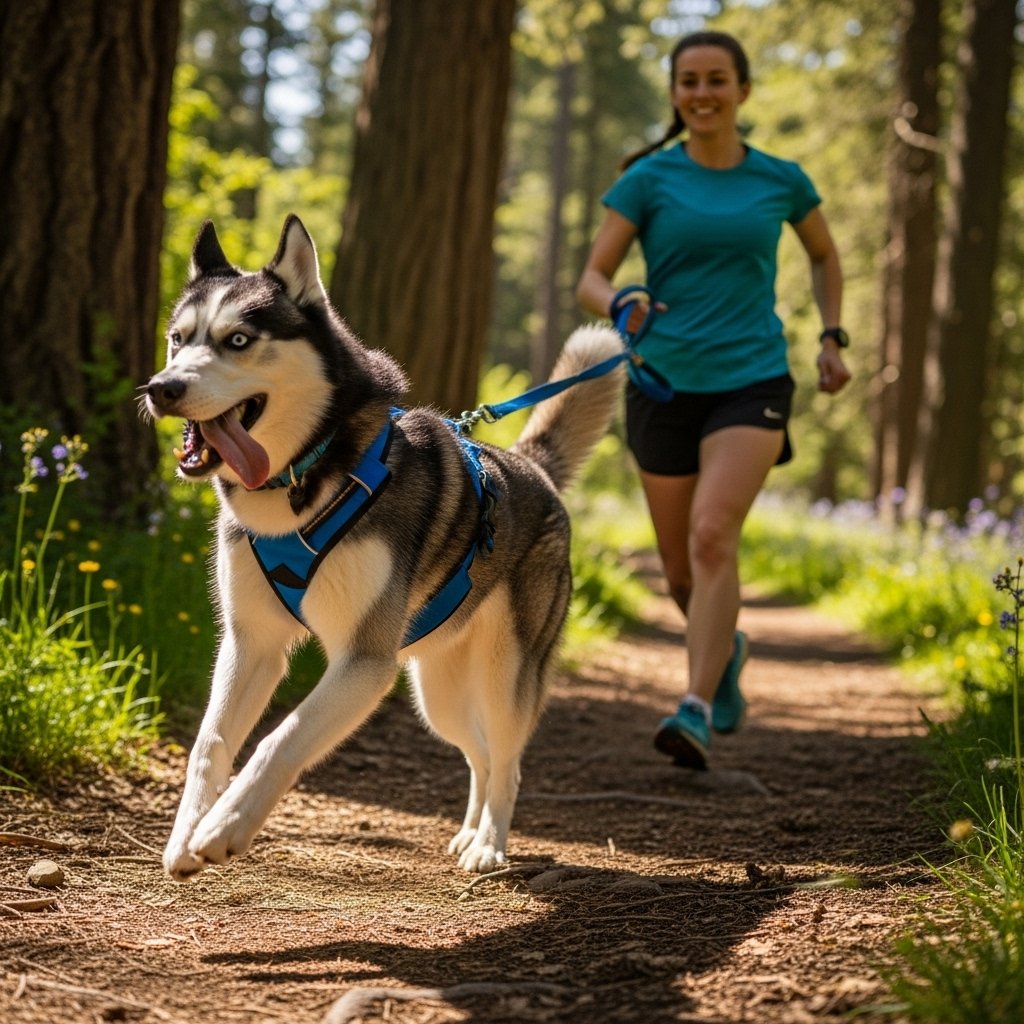
- High-Impact Cardio: Aim for at least 60-90 minutes of vigorous exercise daily. This means activities where they can run, such as off-leash time in a secure area, jogging with you, or participating in dog sports like canicross (running with your dog in a harness) or bikejoring.
- Consistent Routine: Dogs thrive on routine. A predictable exercise schedule helps manage their energy levels and reduces anxiety, as they learn to anticipate their outlets for activity.
Providing Robust Mental Stimulation
A tired body is only half the equation; you must also challenge their intelligent minds. A bored Husky will invent its own entertainment, which often includes screaming.
- Puzzle Toys and Feeders: Ditch the standard food bowl. Make your dog work for their meals using puzzle feeders, snuffle mats, or treat-dispensing toys. This mimics their natural foraging instincts and engages their problem-solving skills.
- Training Sessions: Daily 5-10 minute training sessions are a fantastic way to engage their brain. Work on basic obedience, teach them new tricks, or practice more complex commands. This strengthens your bond and reinforces your role as the leader.
- Nose Work Games: Hide treats around a room or in the yard and encourage your dog to ‘find it.’ This taps into their powerful sense of smell and is an incredibly mentally taxing activity.
| Activity Type | Examples | Primary Benefit |
|---|---|---|
| Physical Exercise | Running, Canicross, Swimming, Fetch | Reduces pent-up physical energy |
| Mental Stimulation | Puzzle feeders, Training sessions, Nose work | Prevents boredom and engages the mind |
| Calm Enrichment | Chewing on a frozen Kong, LickiMat | Promotes self-soothing and calm behavior |
In the Moment: A Step-by-Step Guide to Calming the Chaos
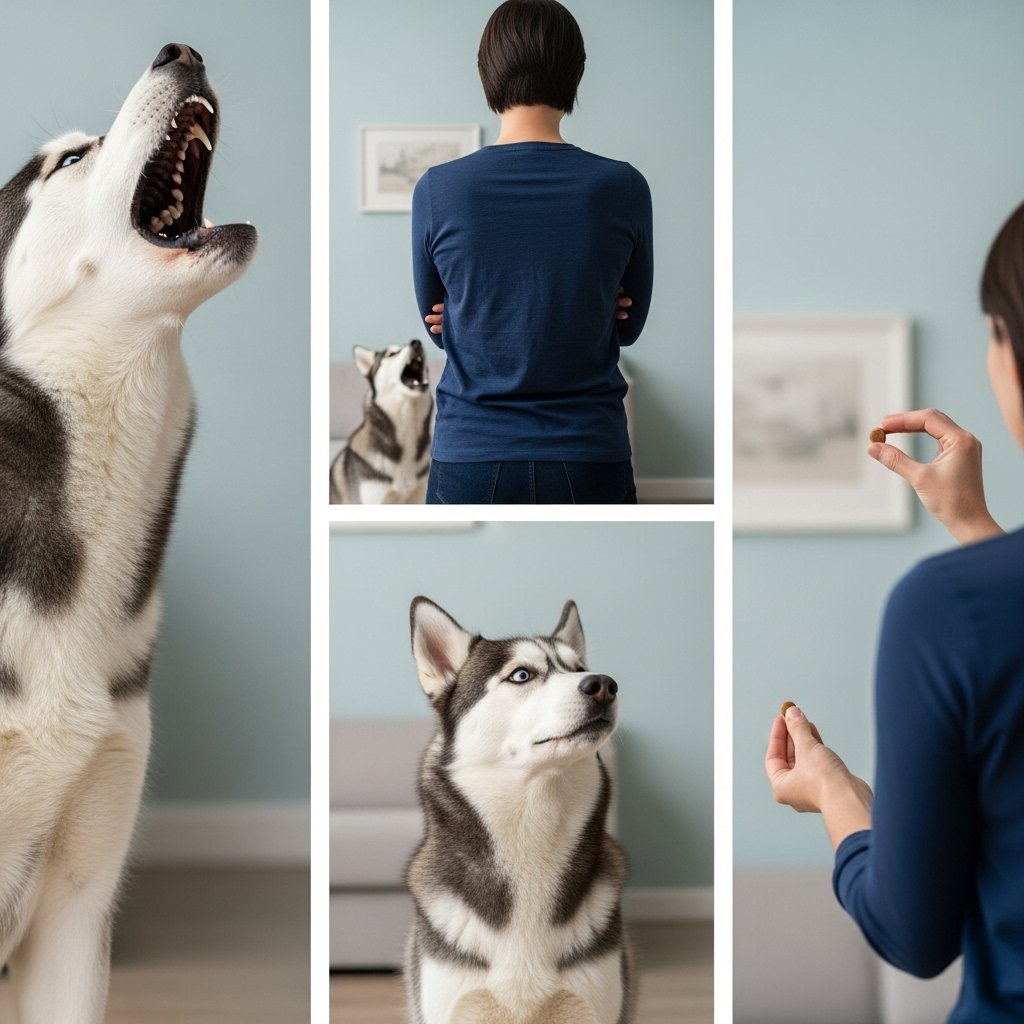
How to Respond When a Tantrum Erupts
Even with the best prevention plan, tantrums can still occur. Your response in these crucial moments will determine whether the behavior is extinguished or reinforced. The goal is to remain a calm, confident leader and teach your dog that screaming is not an effective way to get what it wants.
- Step 1: Stay Calm and Neutral. Your dog is an expert at reading your energy. If you become frustrated, anxious, or angry, you will only add fuel to the fire. Take a deep breath. Do not yell, make sudden movements, or engage in a battle of wills. Your calm demeanor is your most powerful tool.
- Step 2: Do Not Reinforce the Behavior. This is the most critical step. Whatever your dog is screaming for—attention, a toy, food, to go outside—they must not get it as a result of the tantrum. If you give in, you have just taught them that screaming works. This includes negative attention; for many dogs, being yelled at is still a form of rewarding attention.
- Step 3: Implement ‘Negative Punishment’ (The Right Way). In behaviorism, ‘negative punishment’ simply means removing something the dog wants to decrease a behavior. If the tantrum is for attention, turn your back and walk away calmly. If they are screaming at you while you prepare their food, set the bowl down and leave the kitchen. The moment the screaming stops, even for a second, you can return. This teaches them that silence, not screaming, makes the good thing happen.
- Step 4: Redirect to an Incompatible Behavior. It’s difficult for a dog to scream while performing another task. Once the initial intensity of the tantrum has subsided, ask for a simple, known command like ‘Sit’ or ‘Touch’ (targeting your hand with their nose). This shifts their brain from an emotional state to a thinking state.
- Step 5: Reward the Quiet. The instant your dog stops screaming and offers the desired behavior (like sitting), reward them calmly with a high-value treat or praise. You are not rewarding the tantrum; you are rewarding the moment of silence and the choice to perform a calm action. Timing is everything.
Important Takeaway: You are teaching your Husky a new currency. The old currency was ‘screaming,’ which no longer buys them anything. The new currency is ‘quiet,’ which earns them attention, rewards, and privileges.
Common Mistakes to Avoid and Long-Term Strategies

Avoiding Pitfalls and Building Lasting Quiet
Managing Husky tantrums is a process that requires consistency and patience. It’s easy to fall into common traps that can inadvertently make the problem worse. Understanding these pitfalls is essential for long-term success.
Mistakes That Reinforce the Screaming
- Inconsistency: If one family member ignores the screaming while another gives in or scolds the dog, your Husky will receive mixed messages. The behavior will persist because it works sometimes. Everyone in the household must be on the same page with the management plan.
- Using Physical or Verbal Punishment: Yelling ‘No!’ or ‘Quiet!’ at a screaming Husky is like shouting at a fire to put it out. It often escalates the dog’s aroused state. Physical punishments or tools like spray bottles can create fear and anxiety, potentially leading to other, more severe behavior problems.
- Misinterpreting the Communication: Never assume the tantrum is just ‘your Husky being dramatic’ without first considering underlying issues. A sudden increase in vocalization could be a sign of pain or medical distress. Always rule out health problems before focusing solely on behavioral modification.
Teaching the ‘Quiet’ Cue
Beyond managing tantrums, you can proactively teach your dog a ‘Quiet’ command. This gives you a tool to communicate your desires clearly.
- Start when your dog is calm. Encourage a single bark by knocking on a door or ringing the bell.
- The moment your dog barks, say ‘Speak!’ and give them a treat. Repeat this until they associate the word with the action.
- Next, when they are barking, hold a high-value treat in front of their nose. They will stop barking to sniff the treat. The second they are silent, say ‘Quiet!’ and give them the treat.
- Practice this in short, positive sessions, gradually increasing the duration of silence required before they get the reward.
This method teaches them that both barking and being quiet have names, and that being quiet on cue is a highly rewarding behavior.
When to Call in the Professionals: Vets and Certified Trainers

Knowing When You Need Expert Help
While most Husky tantrums can be managed with patience, consistency, and the techniques outlined above, there are situations where professional intervention is necessary for the well-being of both you and your dog.
Consult Your Veterinarian First
Before embarking on any intensive training plan, it is imperative to rule out underlying medical causes for the behavior change. A sudden onset of excessive vocalization or tantrums could be a symptom of:
- Pain or Discomfort: Arthritis, dental disease, or an internal injury can cause a dog to vocalize excessively.
- Canine Cognitive Dysfunction: In older dogs, disorientation and anxiety from cognitive decline can lead to increased vocalization.
- Sensory Loss: Gradual hearing or vision loss can make a dog more anxious and prone to vocalizing when startled or feeling insecure.
Your veterinarian can perform a thorough physical exam and any necessary diagnostics to ensure your Husky’s behavior isn’t rooted in a health problem.
When to Hire a Certified Professional
If medical issues have been ruled out and you are still struggling, it is time to seek help from a qualified canine behavior professional. Do not hesitate to reach out if:
- The Tantrums Are Escalating: If the screaming is becoming more frequent, more intense, or lasting longer despite your best efforts.
- The Behavior is Accompanied by Aggression: If the tantrums involve growling, snapping, or biting, professional guidance is essential for safety.
- You Suspect Severe Anxiety: If the vocalizations are part of a larger picture of separation anxiety (e.g., destruction, house soiling when left alone), a certified specialist can develop a comprehensive behavior modification plan.
- You Feel Overwhelmed: There is no shame in asking for help. A professional can provide personalized guidance, support, and an objective perspective that can make all the difference.
Look for credentials such as Certified Professional Dog Trainer (CPDT-KA), Certified Applied Animal Behaviorist (CAAB), or a Diplomate of the American College of Veterinary Behaviorists (DACVB). These professionals are committed to humane, science-based methods.
Conclusion
The Siberian Husky’s voice is an integral part of who they are—a direct link to their ancestral past and a key component of their expressive personality. While the tantrum can be a uniquely challenging aspect of owning this breed, it is rarely a sign of a ‘bad dog.’ Instead, it is a sign of a bored, frustrated, or misunderstood dog. By committing to providing sufficient physical and mental stimulation, you lay the foundation for a calmer, more contented companion. By responding to outbursts with calm consistency rather than frustrated energy, you teach them more effective ways to communicate their needs.
Remember that changing ingrained behaviors takes time, patience, and unwavering consistency. There will be good days and challenging days. But by embracing your role as a patient teacher and a proactive leader, you can survive the screaming and build a relationship with your Husky that is based on mutual understanding and respect. The quiet moments will become more frequent, and the dramatic tantrums will fade into a distant memory, replaced by the charming ‘woos’ and ‘roos’ that made you fall in love with the breed in the first place.