The ‘Hard Stare’: When Eye Contact From Your Dog Means Danger
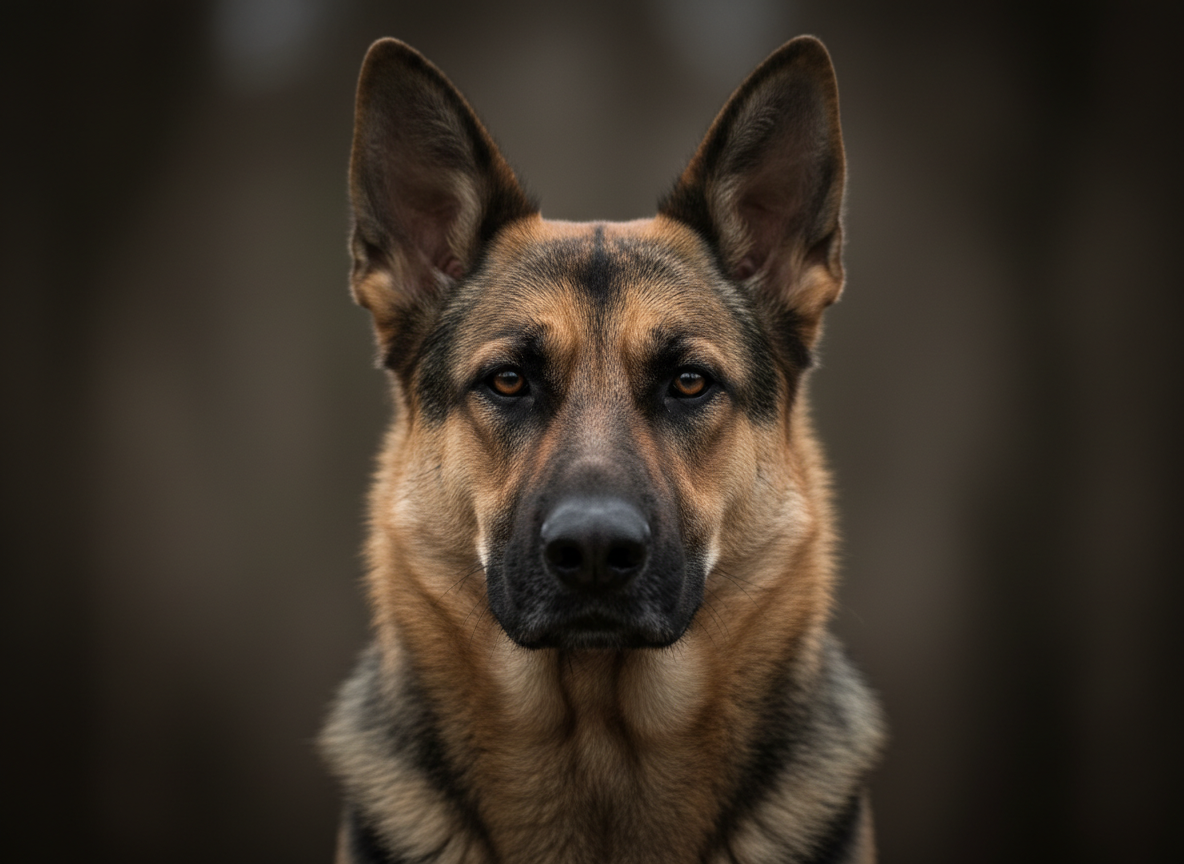
Eye contact is one of the most powerful forms of communication, and this holds true for the bond we share with our canine companions. A soft, lingering gaze from your dog can feel like a warm embrace, a silent affirmation of trust and affection. However, not all eye contact is created equal. There is a distinct, chilling form of gaze known as the ‘hard stare’—a signal that, if misinterpreted or ignored, can precede a bite or other aggressive acts. Understanding this crucial piece of canine communication is not just about being a better pet owner; it’s about ensuring the safety of you, your family, and your dog. This comprehensive guide will equip you with the knowledge to distinguish between benign and threatening stares, understand the motivations behind them, and learn the safest protocols for responding to this unambiguous warning.
Decoding the Stare: Differentiating a Loving Gaze from a Threat Display
Decoding the Stare: Differentiating a Loving Gaze from a Threat Display
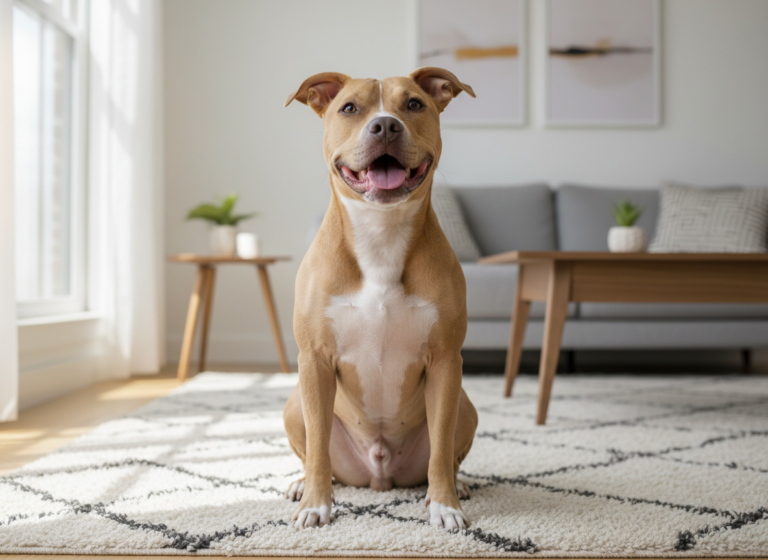
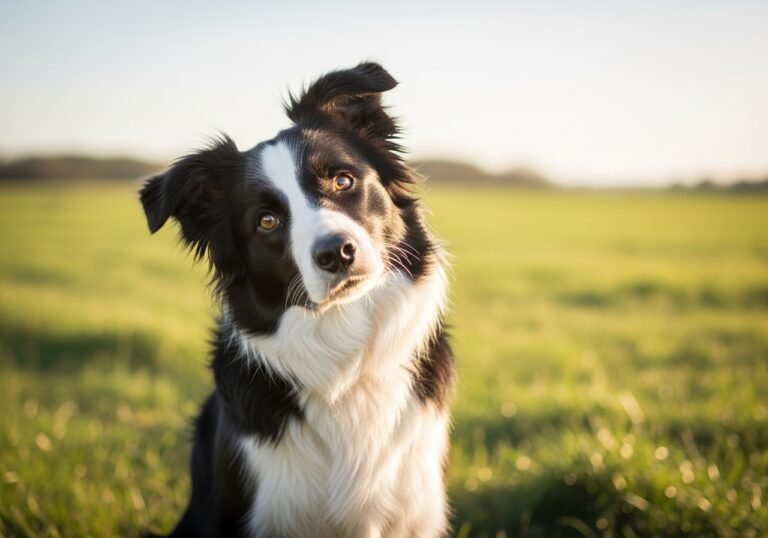
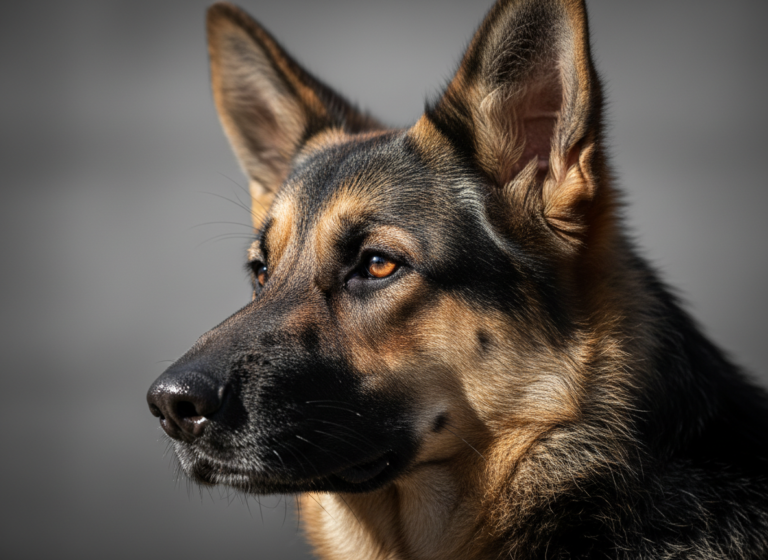
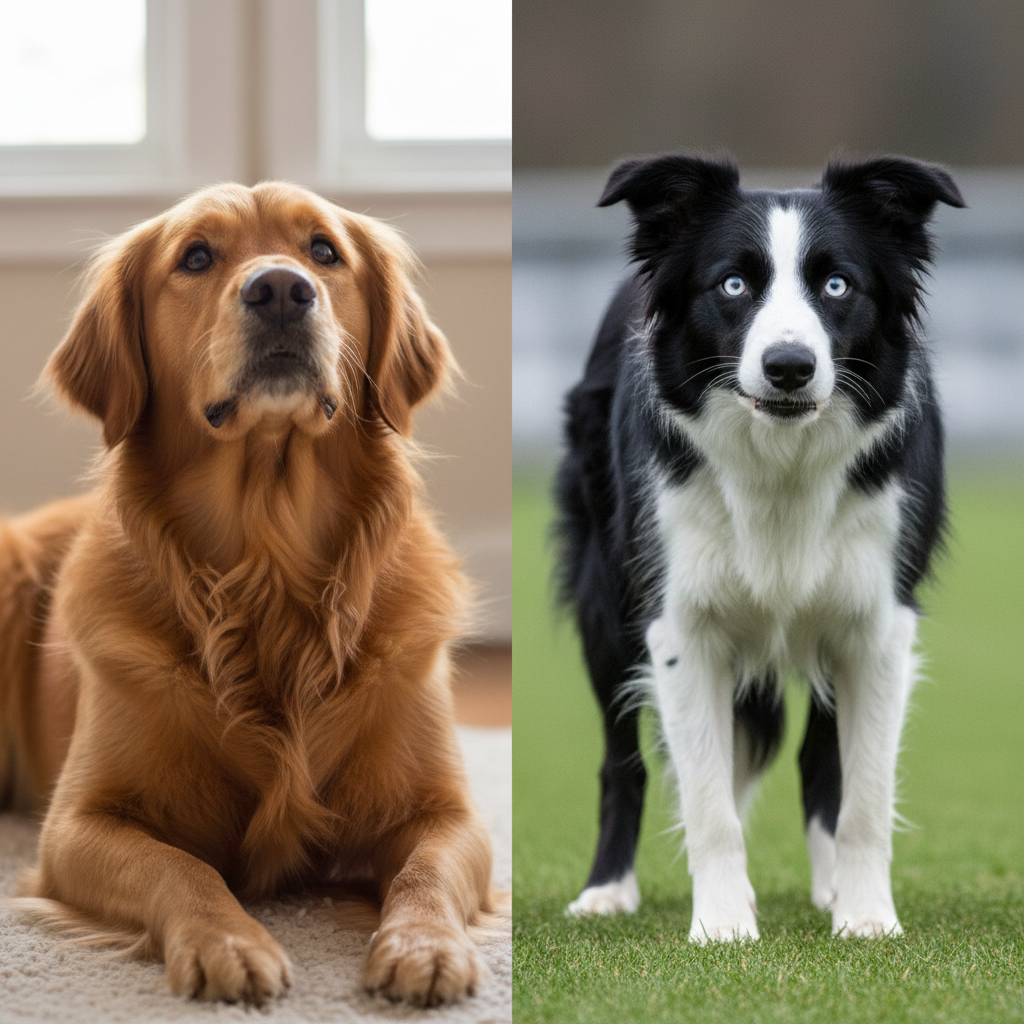
The first and most critical skill for any dog owner is to accurately differentiate between relaxed, affiliative eye contact and a hard, confrontational stare. The former strengthens your bond, while the latter signals a significant problem. The distinction lies in the subtle constellation of facial expressions and overall body posture that accompany the gaze. A relaxed dog’s eyes appear soft, often almond-shaped, and they may blink slowly. Their entire face, from their brow to their jaw, is loose and free of tension. In contrast, a hard stare is characterized by a complete lack of blinking, with eyes that may appear rounder and wider than usual. The muscles around the eyes and mouth are tight, and the dog’s entire body becomes rigid. To help you clearly identify these signals, we’ve broken down the key differences.
| Characteristic | Affectionate Gaze (‘Soft Eyes’) | Confrontational Stare (‘Hard Eyes’) |
|---|---|---|
| Eye Shape | Soft, almond-shaped, relaxed eyelids. | Wide, round, unblinking. The whites of the eyes (sclera) may be visible, known as ‘whale eye’. |
| Facial Muscles | Relaxed brow, loose jaw, may have a soft, open-mouth ‘smile’. | Tense forehead, wrinkled muzzle, tightly closed mouth or lips pulled back in a snarl. |
| Blinking | Frequent, slow, and deliberate blinking. | Little to no blinking; a fixed, unwavering stare. |
| Body Posture | Loose, wiggly, or relaxed body. Tail may be wagging gently in a wide sweep. | Stiff, frozen, rigid posture. Weight may be shifted forward. |
| Overall Impression | Peaceful, trusting, and inviting. | Tense, threatening, and intimidating. |
Recognizing these contrasting signs is the foundation of safe interaction. A soft gaze is an invitation for gentle interaction, whereas a hard stare is an explicit request for you to stop your current action and increase distance.
The Psychology Behind the Hard Stare: What Your Dog is Communicating
The Psychology Behind the Hard Stare: What Your Dog is Communicating
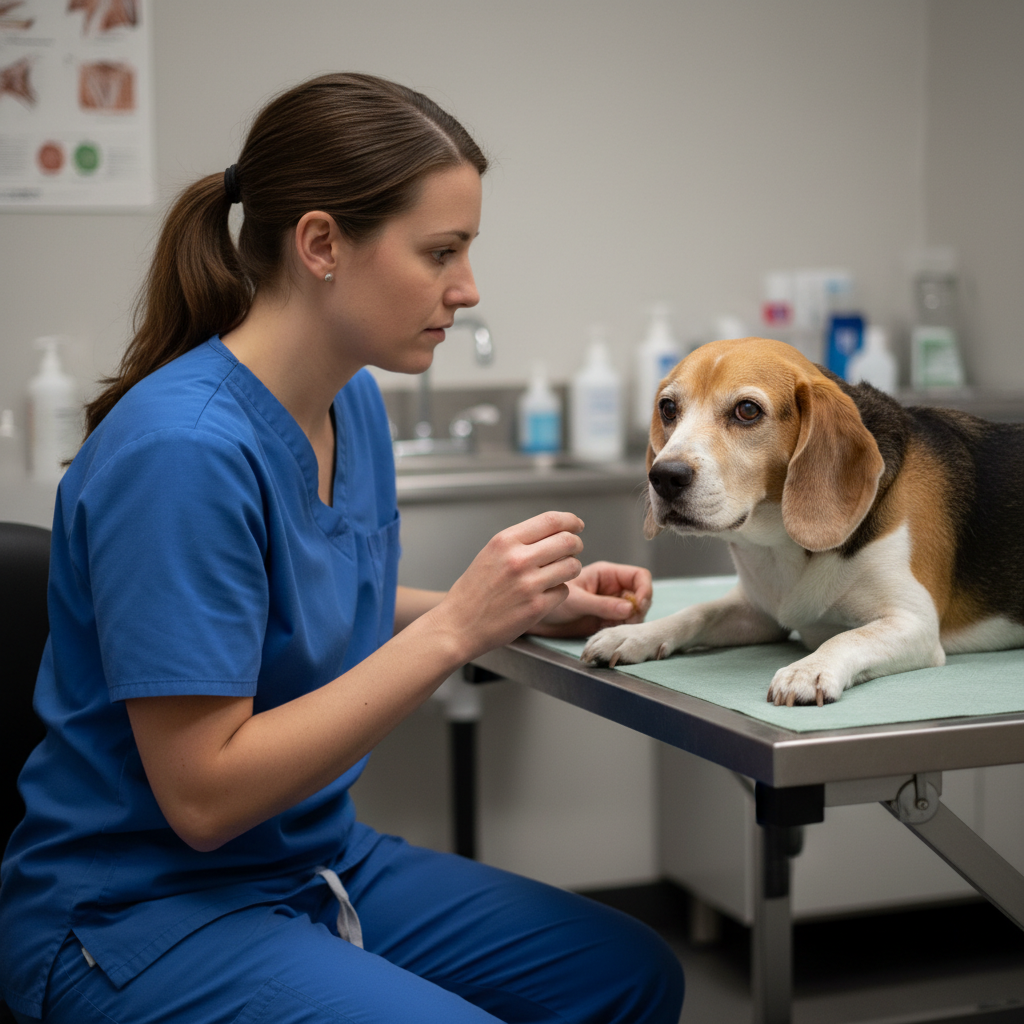
A hard stare is not a sign of a ‘bad dog’; it is a form of communication rooted in instinct. It is a distance-increasing signal, a clear message that the dog is uncomfortable and wants a perceived threat to cease and retreat. Understanding the underlying reason for the stare is crucial for addressing the root cause of the behavior rather than just reacting to the symptom. Several common triggers can elicit this intense response:
- Resource Guarding: This is one of the most frequent causes. The dog may be guarding a high-value item such as food, a toy, a bone, or even a specific location like their bed or a favorite person. The stare says, ‘This is mine. Do not come closer.’
- Fear or Anxiety: A frightened dog who feels cornered or trapped may use a hard stare as a last-ditch defensive effort before lashing out. This is often seen in dogs with a history of trauma or in situations they find overwhelming, like being crowded by strangers.
- Pain or Illness: Undiagnosed pain is a significant contributor to sudden aggression. A dog suffering from an injury, arthritis, or an internal issue may stare intently at an approaching hand, warning you not to touch a sensitive area.
- Territorial Defense: A dog may direct a hard stare at people or other animals they perceive as intruders in their territory, which could be the house, the yard, or even the car.
- Predatory Intent: While less common in interactions with owners, a fixed, unblinking stare can be part of the predatory sequence (stalk, chase, bite). This is more often directed at smaller animals but is a critical signal to recognize.
An important takeaway for every owner is that a hard stare is almost always a defensive communication. The dog is expressing profound discomfort and is asking for the pressure to stop. It’s a final warning before the situation potentially escalates to a snap or a bite.
Context is Key: Reading the Full Body Language Picture
Context is Key: Reading the Full Body Language Picture
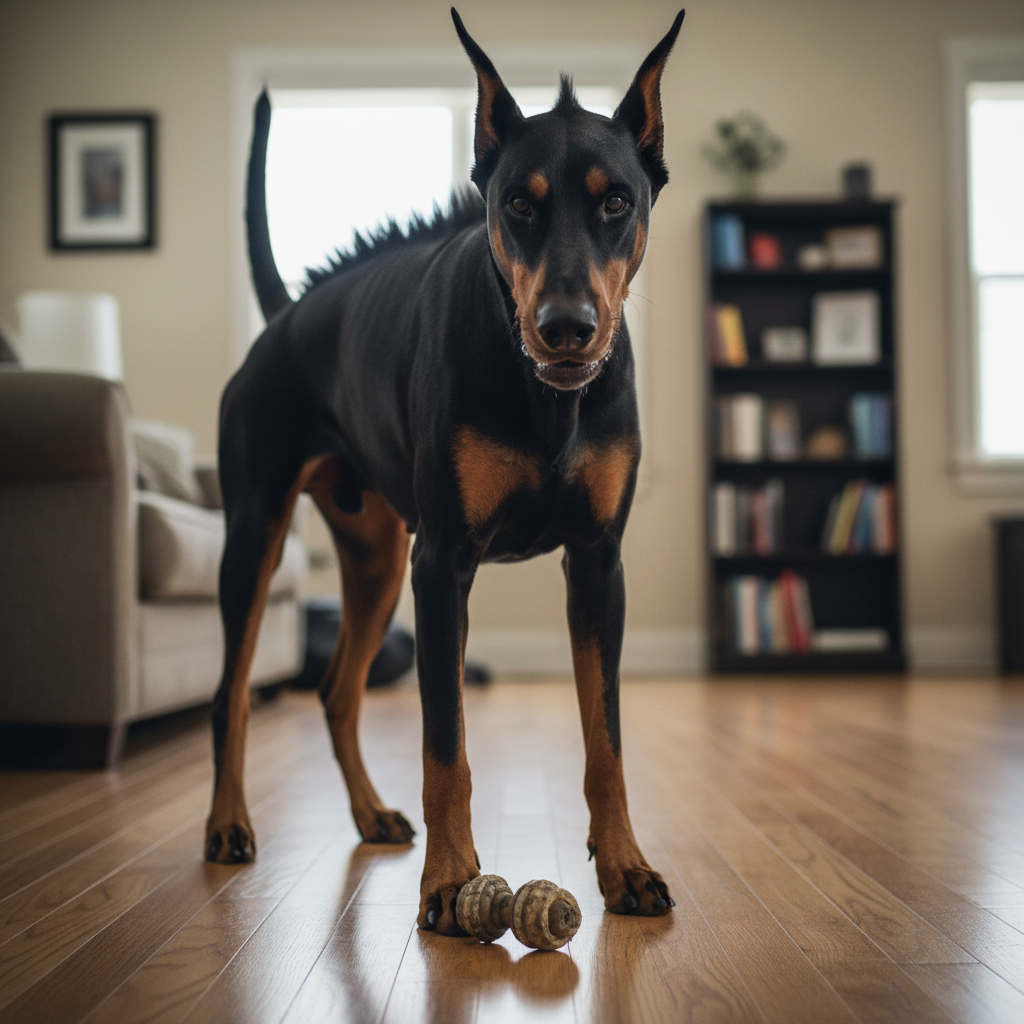
The hard stare rarely occurs in isolation. It is the centerpiece of a larger display of body language that communicates stress and the potential for aggression. To accurately assess the severity of the situation, you must become fluent in reading these accompanying signals. Observing the entire dog, from the tip of its nose to the end of its tail, provides the full context needed for a safe and appropriate response.
Concurrent Warning Signals to Watch For:
- Freezing: One of the most significant red flags. The dog’s body becomes completely still and rigid. This cessation of movement often immediately precedes an explosive action.
- Tail Posture: A stiff tail held high is a sign of arousal and confidence, often associated with a threat. Conversely, a tail that is tucked low and is also stiff can indicate fear-based aggression. The lack of movement is more important than the position.
- Piloerection (Raised Hackles): The hair along the dog’s spine, from the neck to the tail, stands on end. This is an involuntary response to adrenaline, indicating a high state of arousal, fear, or aggression.
- Mouth and Lip Signals: Beyond a tightly closed mouth, you may see the lips pull back vertically to expose the front teeth (incisors and canines). This is a clear offensive threat. Lip licking, yawning, and panting when not hot can also be signs of stress.
- Vocalizations: A hard stare is often accompanied by a low, rumbling growl. This is an explicit auditory warning. Do not punish a growl; it is a vital piece of communication that, if suppressed, can lead a dog to bite without this audible warning.
When you see a hard stare combined with one or more of these signals, the risk of escalation is extremely high. The dog is using every communication tool available to signal its distress and intent.
De-escalation Protocol: Your Safe Response to a Hard Stare
De-escalation Protocol: Your Safe Response to a Hard Stare
Your immediate reaction to a hard stare can determine whether the situation resolves peacefully or escalates into a bite. Human instinct often tells us to confront, command, or punish. These actions are counterproductive and dangerous in this context. The goal is not to win a battle of wills but to defuse the tension and ensure everyone’s safety. Follow this protocol carefully.
What NOT to Do:
- Do NOT hold the stare. Direct eye contact is a challenge in the canine world.
- Do NOT shout, yell, or say ‘No!’. This raises the emotional temperature and can escalate the dog’s fear or aggression.
- Do NOT reach for or try to physically punish the dog. This will almost certainly provoke a defensive bite.
- Do NOT run away, as this can trigger a predatory chase response.
The Safe De-escalation Steps:
- Freeze: Immediately stop what you are doing. Cease all movement toward the dog or the resource it may be guarding.
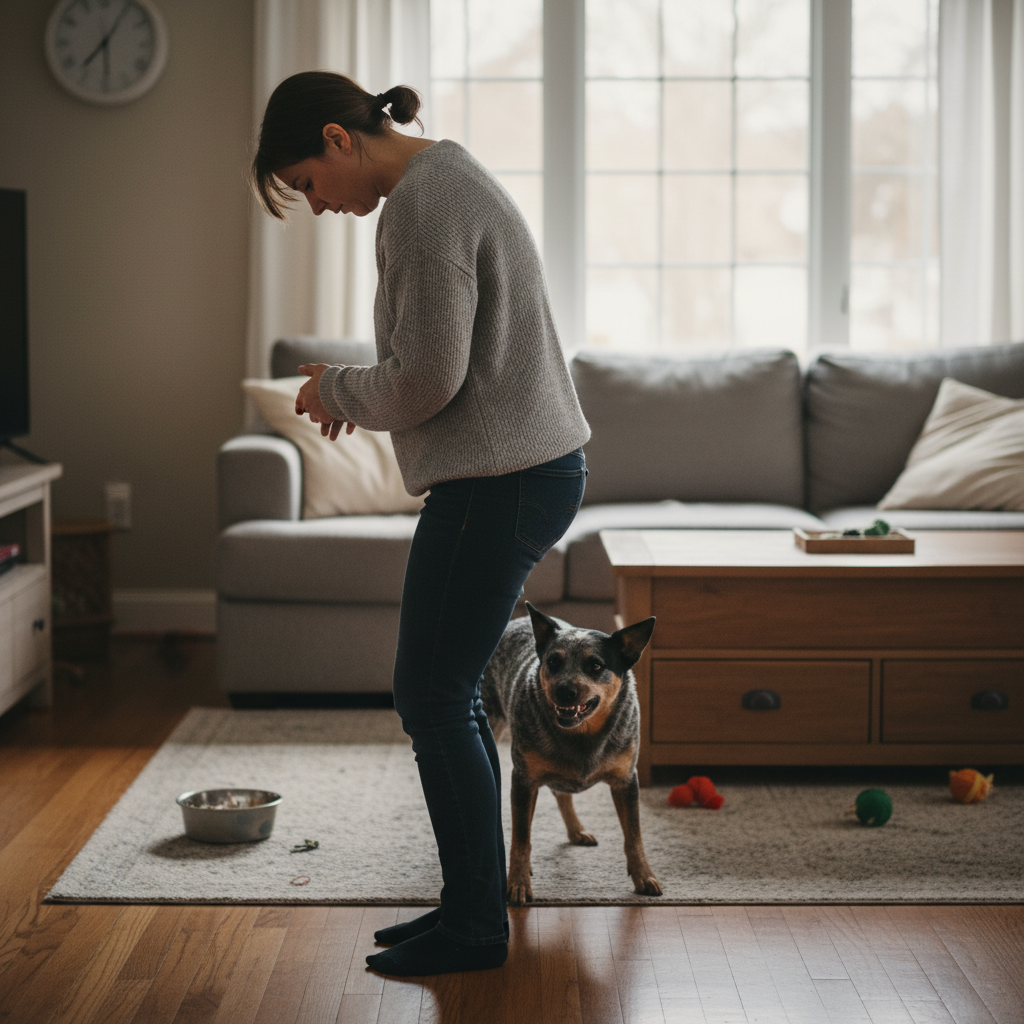
- Avert Your Gaze: Slowly and calmly turn your head to the side. Look away from the dog, using your peripheral vision to keep an eye on its location. This signals that you are not a threat.
- Turn Your Body: Present the side of your body to the dog, not the front. A frontal posture is confrontational. A sideways stance is a disarming gesture.
- Create Space Slowly: If possible, take a slow, calm step backward or to the side, away from the dog. Avoid sudden, jerky movements. The goal is to gracefully increase the distance between you and the dog.
- Speak Softly (Optional): If you must speak, use a calm, soft, and high-pitched tone to reassure the dog. Avoid any commanding or harsh tones. Something like, ‘Okay, okay, it’s all yours,’ can help.
- Provide an Escape Route: Ensure the dog does not feel cornered. If you are blocking a doorway or its path to another room, move out of the way.
Remember the cardinal rule of de-escalation: Do not challenge the stare. Your priority is to reduce the perceived threat and create a safe distance. Winning a confrontation is not the goal; preventing a bite is.
When to Seek Professional Help: Recognizing the Red Flags
When to Seek Professional Help: Recognizing the Red Flags
While a single, isolated incident of a hard stare might be managed with careful de-escalation, repeated instances are a sign of a serious underlying behavioral issue that requires professional intervention. Attempting to manage frequent or escalating aggression on your own can be dangerous and may worsen the problem. It is the mark of a responsible owner to know when to call for expert help.
Seek immediate professional guidance if you observe:
- Frequent Staring: The hard stare becomes a regular occurrence, especially over resources like food or toys.
- Escalation: The stare is quickly followed by growling, snarling, snapping, or biting. Any incident that results in a bite, even if it doesn’t break the skin, warrants a professional consultation.
- Unpredictability: You are unable to identify the trigger for the stare, and it seems to happen ‘out of the blue’.
- Staring Directed at Children or Visitors: Aggression directed towards vulnerable individuals is a high-risk situation that requires immediate management.
- A Sudden Change in Behavior: If your previously docile dog suddenly begins exhibiting this behavior, a veterinary visit is the first step to rule out pain or a medical condition like a thyroid issue or a neurological problem.
Who to Contact:
- Your Veterinarian: Always start here to rule out any medical causes for the change in behavior. Pain is a powerful motivator for aggression.
- A Certified Veterinary Behaviorist (DACVB): These are veterinarians who have undergone extensive, specialized training in animal behavior. They are qualified to diagnose and treat complex behavioral problems and can prescribe medication if necessary.
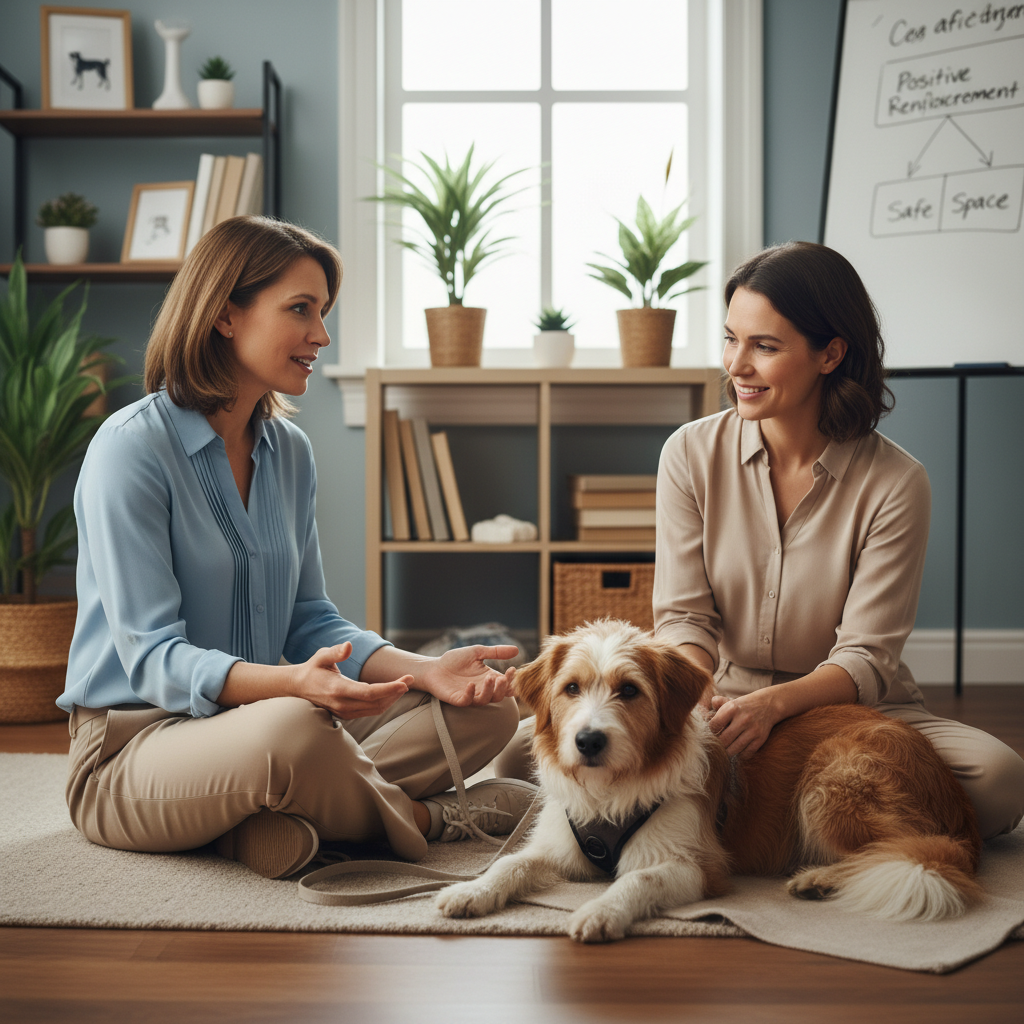
- A Certified Professional Dog Trainer (CPDT-KA/KSA) or Certified Dog Behavior Consultant (CDBC): Look for professionals who use positive reinforcement and science-based methods. Be wary of any trainer who advocates for punishment, dominance, or ‘alpha rolls,’ as these techniques are outdated and can severely damage your dog’s trust and exacerbate aggression.
Engaging a professional is not a sign of failure; it is a proactive step towards creating a safe and harmonious home for you and your beloved pet.
Conclusion
The hard stare is one of the most serious and unambiguous signals in the canine communication repertoire. It is not a test of your authority, but a desperate plea for space and a clear indicator of a dog’s profound discomfort. By learning to differentiate it from a loving gaze, understanding its psychological roots, and mastering the art of safe de-escalation, you transform a potentially dangerous moment into an opportunity for understanding. Pay attention to the full picture of your dog’s body language and never hesitate to seek qualified professional help when you see patterns of this behavior emerge. Respecting the hard stare is the ultimate act of responsible ownership—one that protects your bond, ensures safety, and honors the complex emotional life of your dog.