The Grossest Habit: Why Dogs Eat Poop and How to Stop It Now
As a pet owner, you provide love, care, and the best possible life for your canine companion. However, some dog behaviors can be baffling and, frankly, disgusting. At the top of that list for many is coprophagia, the clinical term for the act of eating feces. If you’ve witnessed this, you are not alone. It’s a surprisingly common behavior that sends owners searching for answers. While your immediate reaction might be disgust, it’s crucial to approach the issue with understanding and a systematic plan. This habit is more than just a gross quirk; it can be a signal of underlying medical issues or deep-seated behavioral problems. This definitive guide will walk you through the science behind why dogs engage in this behavior and provide an authoritative, step-by-step action plan to help you stop it effectively and compassionately.
Understanding Coprophagia: The Medical Perspective
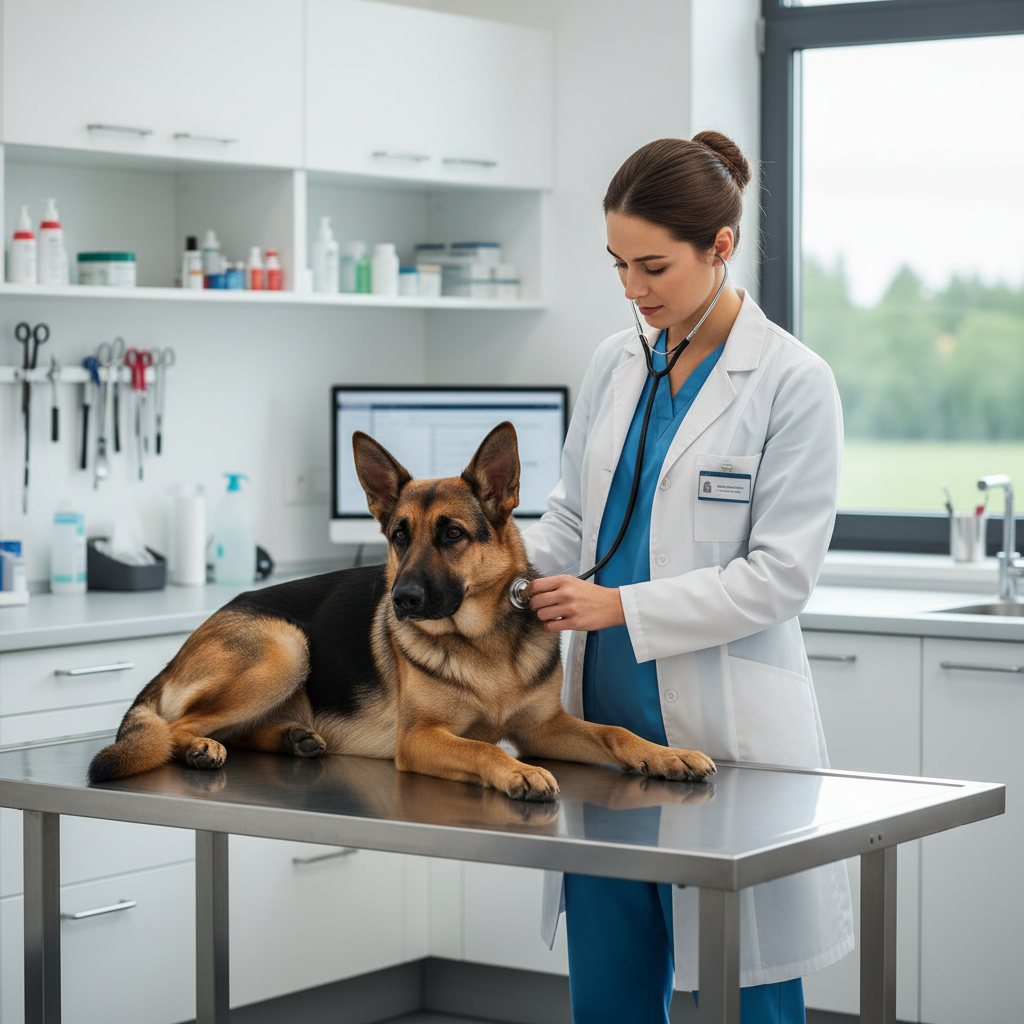
Before addressing coprophagia as a behavioral problem, it is imperative to rule out any underlying medical causes. The act of eating stool can often be a dog’s misguided attempt to correct a physiological issue. A thorough veterinary examination is the essential first step in your journey to resolve this habit. Several health conditions can trigger coprophagia, and identifying them is key to successful treatment.
Common Medical Triggers for Coprophagia
- Nutritional Deficiencies: This is one of the most historically cited reasons. If a dog’s diet is lacking in essential nutrients, vitamins, minerals, or digestive enzymes, they may instinctively turn to feces—their own or that of other animals—as a source of these missing elements. Poor quality, difficult-to-digest commercial dog foods can be a primary culprit.
- Malabsorption Syndromes: Conditions like Exocrine Pancreatic Insufficiency (EPI) prevent a dog from properly digesting and absorbing nutrients from their food. Because the food passes through their system largely undigested, their stool may still contain valuable nutrients, making it appealing to them.
- Increased Appetite (Polyphagia): Certain diseases can cause a dramatic increase in a dog’s appetite, leading them to seek out non-food items, including stool. These conditions include diabetes, Cushing’s disease, and thyroid problems. Medications like steroids (e.g., prednisone) are also well-known for causing extreme hunger.
- Intestinal Parasites: A heavy burden of internal parasites can leach nutrients from a dog’s system, leading to deficiencies and a drive to consume feces, which can unfortunately lead to reinfection.
- Underfeeding: Simply not feeding a dog enough calories can lead it to scavenge for any available food source. This is particularly common in multi-dog households where one dog may steal food from another.
A sudden onset of coprophagia, especially in an adult dog with no prior history of the behavior, strongly warrants an immediate visit to your veterinarian to investigate potential health problems.
The Behavioral Roots of Poop Eating
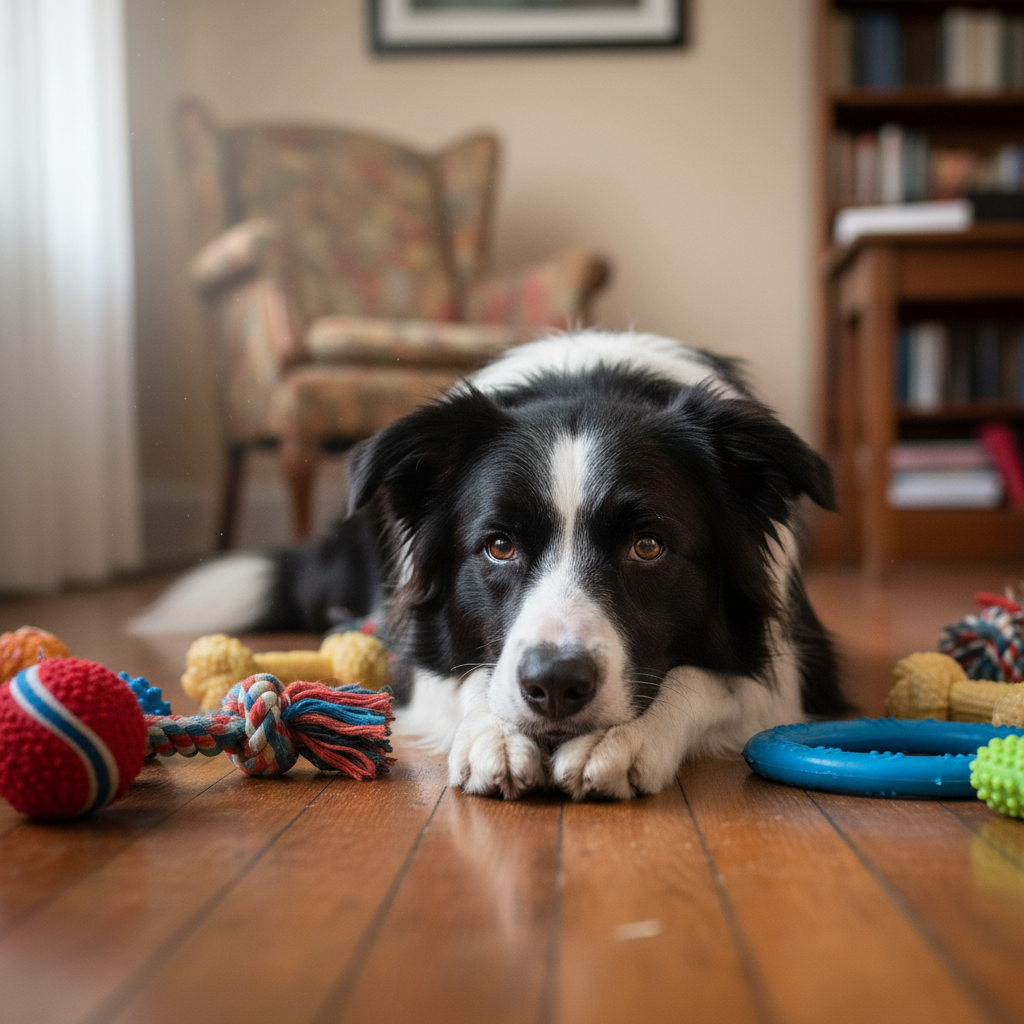
If your veterinarian has given your dog a clean bill of health, the cause of its coprophagia is likely behavioral. These roots can be complex and often stem from a dog’s history, environment, and daily routine. Understanding these psychological triggers is the next critical step in developing an effective modification plan.
Key Behavioral Causes
- Learned Behavior: Puppies may learn this behavior from their mother. A mother dog instinctively keeps the den clean by consuming her puppies’ feces for the first few weeks of their lives. Some puppies may mimic this behavior and carry it into adulthood.
- Boredom and Lack of Stimulation: A dog left alone for long periods without adequate physical exercise or mental enrichment may resort to undesirable behaviors like coprophagia simply to occupy itself. The act of finding, exploring, and consuming stool can become a form of self-entertainment.
- Anxiety and Stress: Coprophagia can be a self-soothing or compulsive behavior in anxious dogs. Stressors such as separation anxiety, changes in the home environment, or the introduction of a new pet can trigger this habit.
- Attention-Seeking: Dogs are intelligent and quickly learn what actions get a reaction from their owners. If you gasp, yell, or chase your dog every time it approaches stool, you may be inadvertently reinforcing the behavior. To the dog, this dramatic reaction is a form of attention.
- Restrictive Confinement: Dogs kept in small crates or kennels for extended periods, especially where they are forced to eliminate, may develop the habit as a way to keep their living space clean. This is often seen in dogs from puppy mills or hoarding situations.
- Fear of Punishment: If a dog has been harshly punished for having accidents in the house, it may learn to eat the evidence to avoid punishment. This creates a cycle of fear and anxiety that can be difficult to break.
The Action Plan: A Step-by-Step Guide to Stop Poop Eating
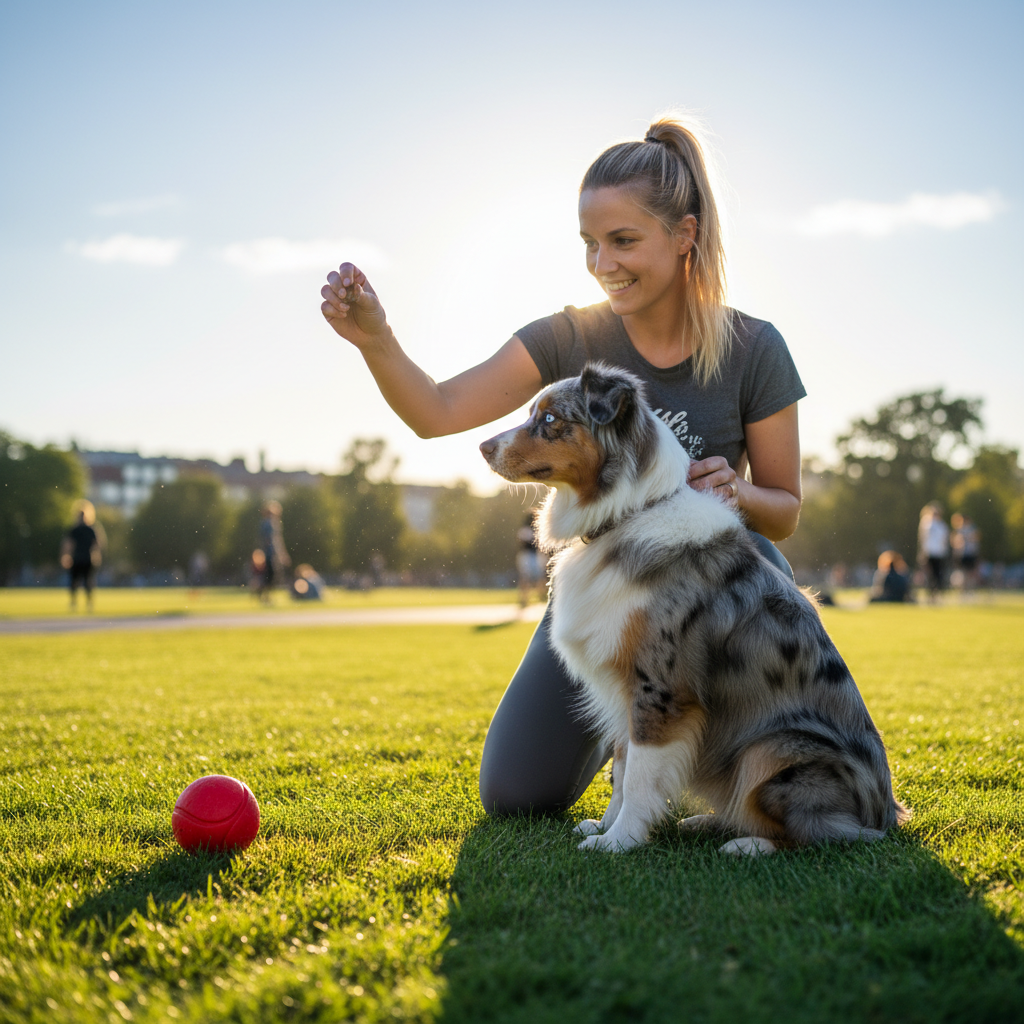
Once medical issues are ruled out, you can implement a three-pronged strategy focused on management, diet, and training. Consistency and patience are paramount for success. This is not an overnight fix, but a dedicated process of changing your dog’s habits and environment.
Step 1: Environmental Management and Prevention
The most critical step is to prevent your dog from practicing the behavior. Every time your dog successfully eats stool, the habit is reinforced. Management is about controlling the environment to make access impossible.
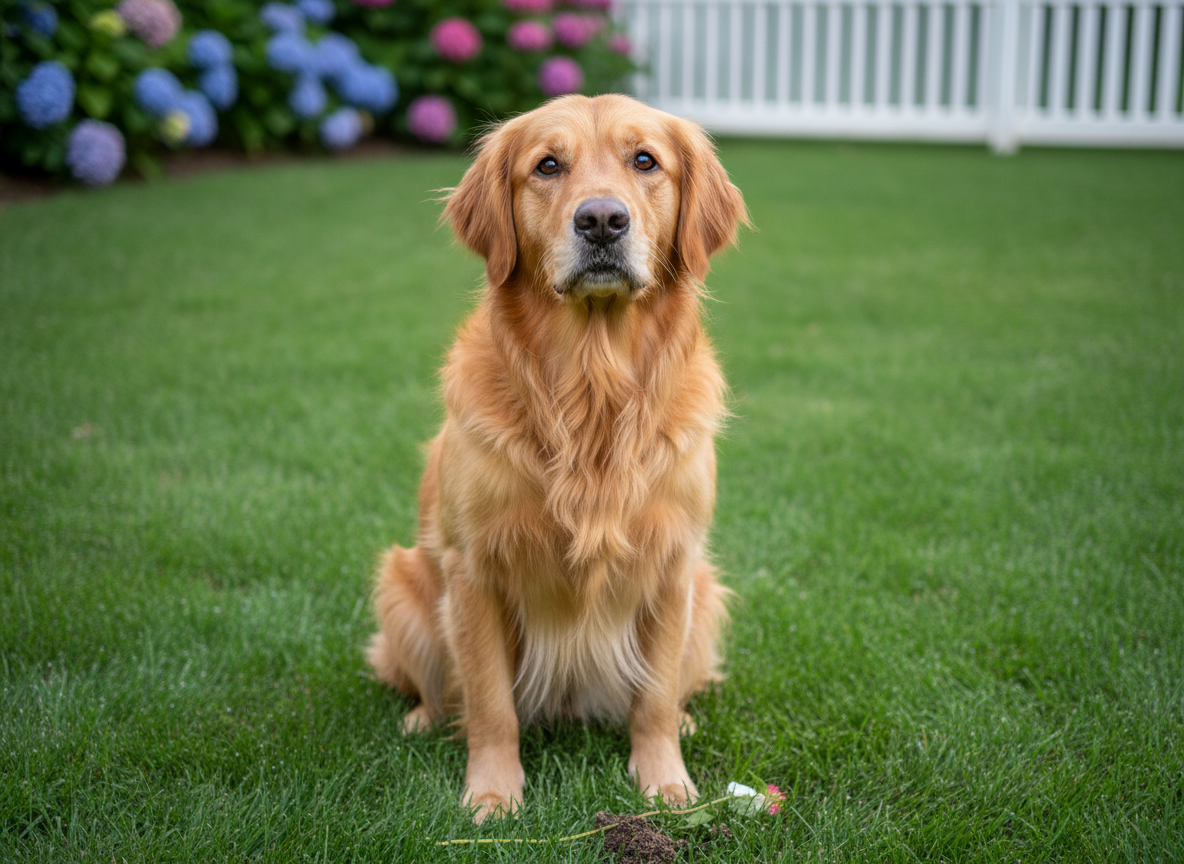
- Immediate Cleanup: The single most effective strategy is to pick up feces in your yard immediately after your dog defecates. If there’s nothing there to eat, the behavior cannot occur.
- Supervised Potty Breaks: Always take your dog out on a leash for potty breaks, even in a fenced yard. This allows you to lead them away from the pile as soon as they are finished and reward them for coming with you.
- Muzzle Training (for severe cases): For dogs that are dangerously fast or consume stool from other animals on walks, a basket muzzle can be a safe and humane management tool. Ensure it is properly fitted to allow for panting and drinking.
Step 2: Dietary Improvement and Supplementation
Optimizing your dog’s diet can address potential nutritional gaps and make their stool less appealing.
- High-Quality Diet: Switch to a highly digestible, high-quality dog food. Look for diets with whole-food ingredients and minimal fillers. A healthier diet leads to better nutrient absorption and firmer, less appealing stools.
- Digestive Enzymes and Probiotics: Consult your vet about adding a digestive enzyme supplement to your dog’s food. These enzymes help break down food more completely, ensuring maximum nutrient absorption and potentially altering the taste and texture of the resulting stool. Probiotics support a healthy gut microbiome, which is crucial for overall digestion.
Step 3: Training and Behavior Modification
Training provides your dog with alternative behaviors and teaches them self-control.
- Teach a Rock-Solid ‘Leave It’: The ‘Leave It’ command is non-negotiable. Practice daily in low-distraction environments with low-value items, gradually working up to higher-value temptations. The goal is for your dog to automatically turn away from a forbidden object (like stool) upon hearing the cue.
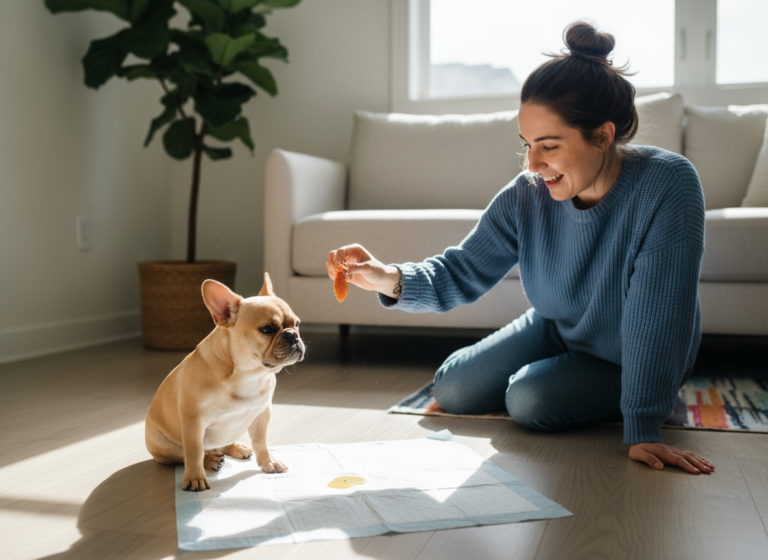
- Reinforce a Strong Recall (‘Come’): Teach your dog that coming to you is the best thing they can do. As soon as they finish defecating, use a cheerful voice to call them to you and reward them with a high-value treat, like a piece of chicken or cheese. This makes returning to you more rewarding than investigating the poop pile.
- Increase Mental and Physical Exercise: A tired, mentally stimulated dog is less likely to engage in problem behaviors. Increase the length or intensity of walks, introduce puzzle toys, play scent games, or enroll in a dog sport like agility or nose work.
Commercial Products and Home Remedies: An Honest Evaluation
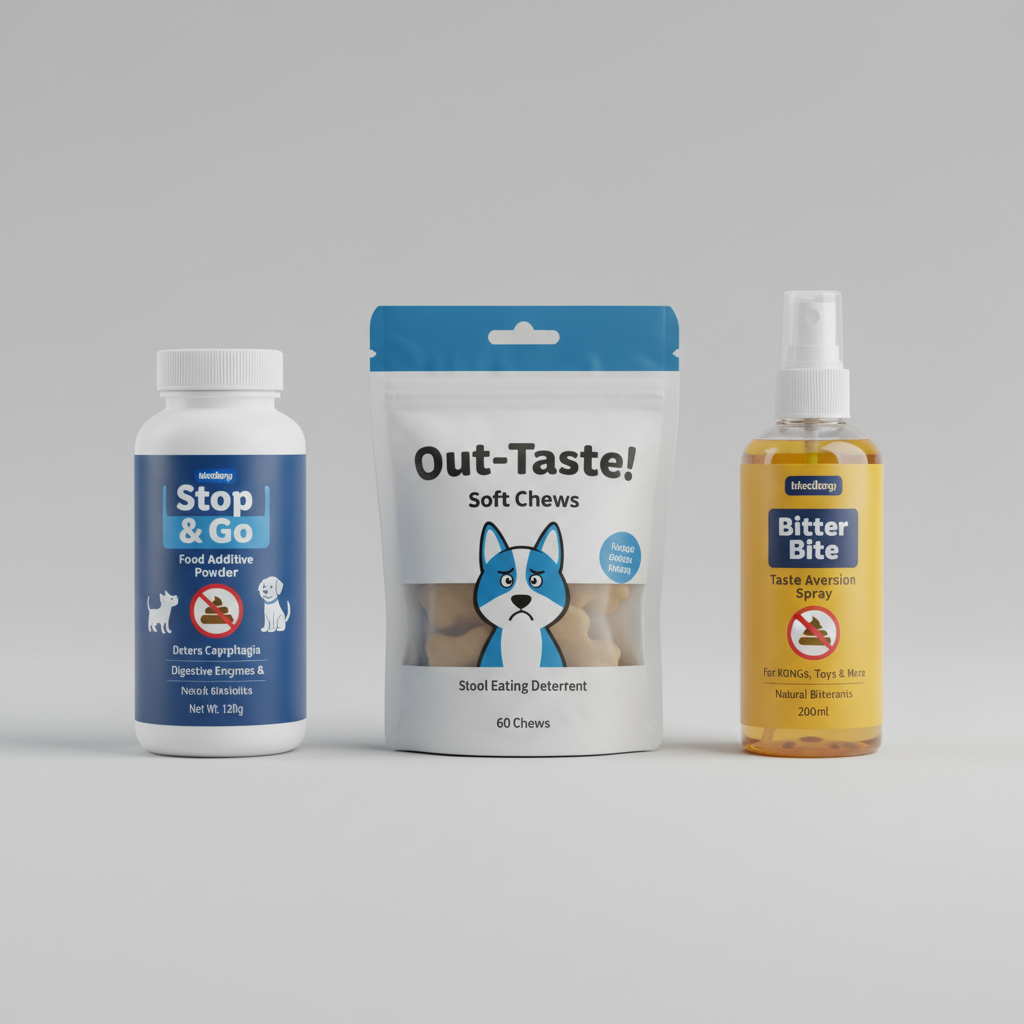
The market is flooded with products promising a quick fix for coprophagia. While some can be helpful as part of a larger strategy, none are a magic bullet. It’s important to understand how they work and to manage your expectations. Always consult your veterinarian before adding any new supplement or remedy to your dog’s diet.
Below is a comparison of common methods used to deter stool eating.
| Method | How It Works | General Effectiveness | Important Considerations |
|---|---|---|---|
| Food Additives (Chews/Powders) | These products contain ingredients like yucca, chamomile, and parsley, which are meant to make the dog’s stool taste bitter and unappealing when ingested. | Highly variable. Works for some dogs but is completely ignored by others. Success often wanes over time as the dog gets used to the taste. | Must be given to the dog whose stool is being eaten. In multi-pet households, all animals may need to be treated. Can be expensive for long-term use. |
| Taste-Aversion Sprays | These are bitter-tasting sprays applied directly to feces in the yard to create a negative association. | Limited. Requires the owner to find and spray every pile of stool before the dog does. The dog may simply move on to an unsprayed pile. | Impractical for most situations. The dog may learn to avoid only the sprayed stool, not all stool. Can be labor-intensive. |
| Home Remedies (e.g., Pineapple, Meat Tenderizer) | The theory is that these items (like the enzyme bromelain in pineapple) make the stool taste bad. Meat tenderizer contains papain, another enzyme. | Largely anecdotal with little scientific backing. Effectiveness is very low and inconsistent. | Can cause digestive upset in some dogs. The amount needed for any potential effect is unknown. Veterinary consultation is essential before trying. |
Expert Tip: No product can replace diligent management and training. View these tools as potential aids to your primary strategy of supervision, cleanup, and behavior modification, not as standalone solutions.
Conclusion
Confronting coprophagia can be one of the more challenging aspects of dog ownership, but it is a solvable problem. The key to success lies in a patient, multi-faceted approach. Begin with a thorough veterinary check-up to eliminate any underlying medical conditions. From there, focus on a dedicated strategy of meticulous environmental management, dietary optimization, and consistent, positive reinforcement-based training. While commercial products may offer some assistance, they are no substitute for your direct involvement and supervision. Remember that you are working to undo a behavior that may be deeply ingrained or instinctive. Be consistent, be patient, and celebrate the small victories. By addressing the root cause and managing your dog’s environment and behavior, you can guide your canine companion toward better habits and restore peace and cleanliness to your home.