The First 30 Days: How to Bond with a Shut-Down Puppy Mill Rescue

Bringing a puppy mill rescue into your home is an act of profound compassion. However, the dog that arrives is often not the joyful, tail-wagging companion you envisioned, but a shadow—a soul deeply traumatized by a life of deprivation and fear. These dogs are frequently described as ‘shut-down,’ a state of learned helplessness where they have emotionally disconnected to survive an unbearable reality. The first 30 days are not about training tricks or going for long walks; they are a delicate, critical period of establishing safety and beginning the long process of building trust.
As a canine behaviorist, I have guided countless families through this journey. It requires a fundamental shift in perspective from what we think dog ownership should be. You must discard expectations and embrace a new role: that of a patient, quiet guardian. This guide will provide a structured, week-by-week framework to help you navigate this period, creating a foundation of security from which your new companion can eventually choose to emerge. Your patience during this month will dictate the trajectory of your relationship for years to come.
Understanding the Trauma: The World Through Their Eyes

Understanding the Trauma: The World Through Their Eyes
To help a puppy mill survivor, you must first comprehend the profound psychological damage they carry. These dogs have never known a normal life. Their entire existence has been confined to a small, filthy cage, often with minimal human contact, and that contact was likely negative. Their brains are wired for survival in an environment of constant stress, sensory deprivation, and fear.
Sensory Overload and Environmental Novelty
Imagine never having felt grass beneath your paws, seen the open sky, or walked through a doorway. Everyday objects and experiences in your home are alien and terrifying. The sound of the television, the texture of a rug, the scent of dinner cooking—these are not sources of comfort but potential threats. A dog in this state is not being ‘stubborn’ when they freeze in a doorway; they are paralyzed by the fear of the unknown. Their world has expanded from a 2×3 foot cage to an entire house, and the sheer volume of new information is overwhelming.
The Impact of Severe Social Deprivation
Puppies have a critical socialization period, typically from 3 to 16 weeks of age, where they learn how to communicate with other dogs and interact with humans. Mill dogs miss this window entirely. They do not understand body language cues from other dogs, nor do they comprehend human signals of affection. A raised hand, which we intend for a gentle pat, may have only ever meant being grabbed or pushed. Direct eye contact is not a sign of connection but a threat. They are socially illiterate in a world that demands constant interaction.
Learned Helplessness: The Core of a ‘Shut-Down’ Dog
Learned helplessness is a psychological state identified by Dr. Martin Seligman. It occurs when an animal is repeatedly subjected to an aversive stimulus that it cannot escape. Eventually, the animal stops trying to avoid the stimulus, even when opportunities to escape are presented. This is the essence of a shut-down dog. They have learned that nothing they do matters. They do not bark, they do not fight, they do not flee—they simply endure. They have retreated so far inward that they appear vacant. Reversing this is our primary goal; we must teach them that their choices now have positive outcomes.
In the world of animal rescue, patience isn’t just a virtue; it’s a primary therapeutic tool. We cannot erase the past, but we can offer a future where choices are respected and safety is absolute.
Week 1 (Days 1-7): Establishing a Sanctuary of Safety
Week 1 (Days 1-7): Establishing a Sanctuary of Safety
The first week is exclusively about decompression. Your goal is to do as little as possible. The objective is to prove to this terrified animal that your home is a place where nothing bad happens. This period, often called the ‘Two-Week Shutdown,’ is about removing all social pressure and allowing the dog’s nervous system to begin regulating itself.
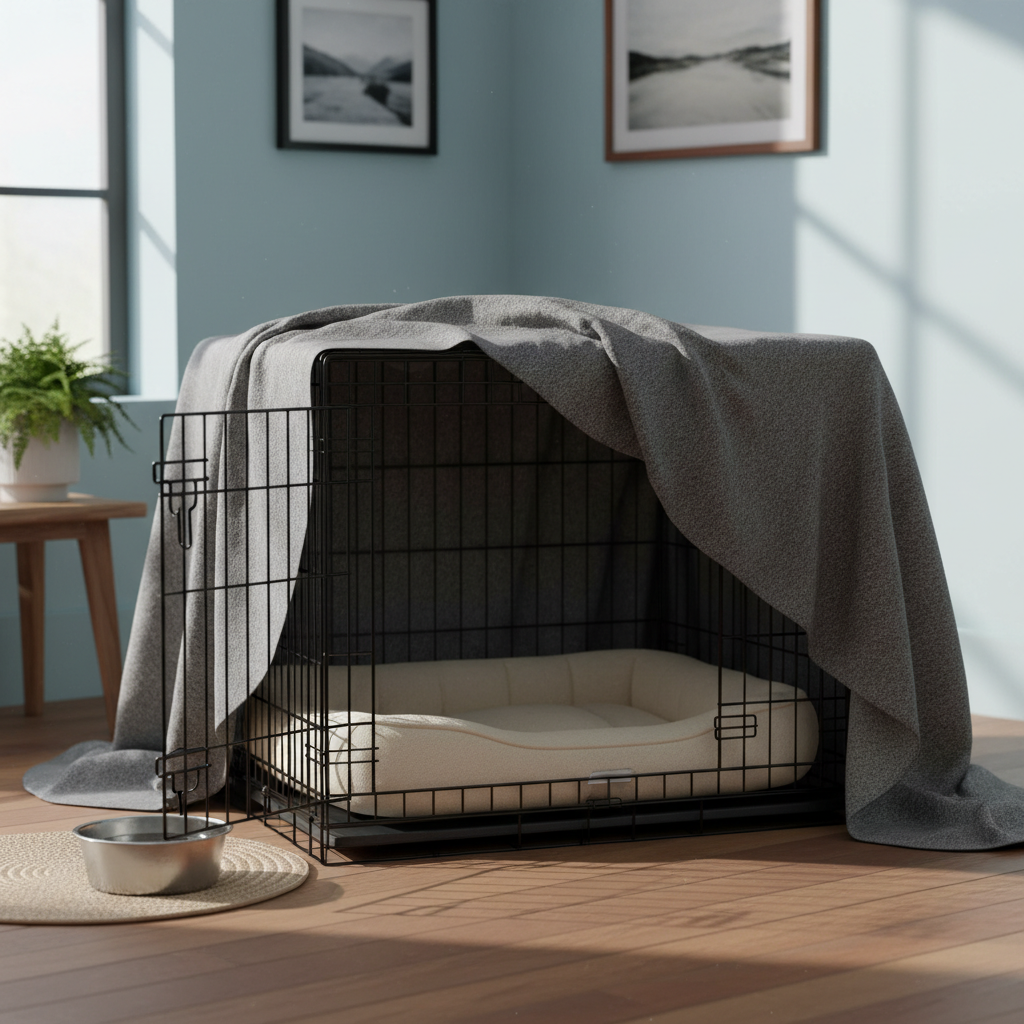
- Create a Safe Haven: Designate a small, quiet area of your home as the dog’s sanctuary. This could be a spare bedroom, a laundry room, or a sectioned-off corner. Furnish it with a comfortable bed, a bowl of fresh water, and a crate with the door removed or secured open. Drape a blanket over the crate to create a dark, den-like space. This is their room, and they should never be forced out of it.
- Practice Passive Presence: Do not try to pet, cuddle, or even talk to the dog excessively. Your job is to be a calm, non-threatening piece of the environment. Bring a book or a laptop and simply sit in the same room, angled away from them. Avoid direct eye contact. Your quiet, consistent presence is the first step in teaching them that you are not a threat.
- Implement a Drag Leash: Keep a lightweight, thin leash (with the handle cut off to prevent snagging) attached to their collar or harness at all times when you are home to supervise. This is not for walking but for safety. It allows you to gently guide them without having to corner or grab them, which can be incredibly traumatic.
- Manage Potty Breaks: These dogs have no concept of potty training. They were forced to eliminate in their living space. Take them outside on leash to the same spot every hour or two. Stand still and be ‘boring.’ If they go, give a quiet, gentle ‘yes’ and a high-value treat. If they don’t, bring them back inside without fanfare. Expect accidents and clean them with an enzymatic cleaner to prevent remarking. Never punish an accident.
- Minimize Stimulation: During this first week, there should be no visitors, no car rides (except for a necessary vet visit), no walks, and no interaction with other pets. Keep household noises to a minimum. You are creating a controlled, predictable, and boring environment.
Week 2 (Days 8-14): The Foundation of Trust Through Routine
Week 2 (Days 8-14): The Foundation of Trust Through Routine
If week one was about safety, week two is about building predictability. Traumatized animals find immense comfort in routine because it eliminates surprises. When they know what to expect, their ambient anxiety levels can begin to decrease. This is also the week we begin to associate our presence with positive things, using food as our primary tool.
The Power of a Predictable Schedule
Create and adhere to a strict schedule for everything. Wake up, potty break, mealtime, quiet time, potty break, mealtime, potty break, bedtime. The more predictable their day becomes, the more secure they will feel. This structure provides the scaffolding for their emotional recovery.
Introducing the ‘Treat and Retreat’ Game
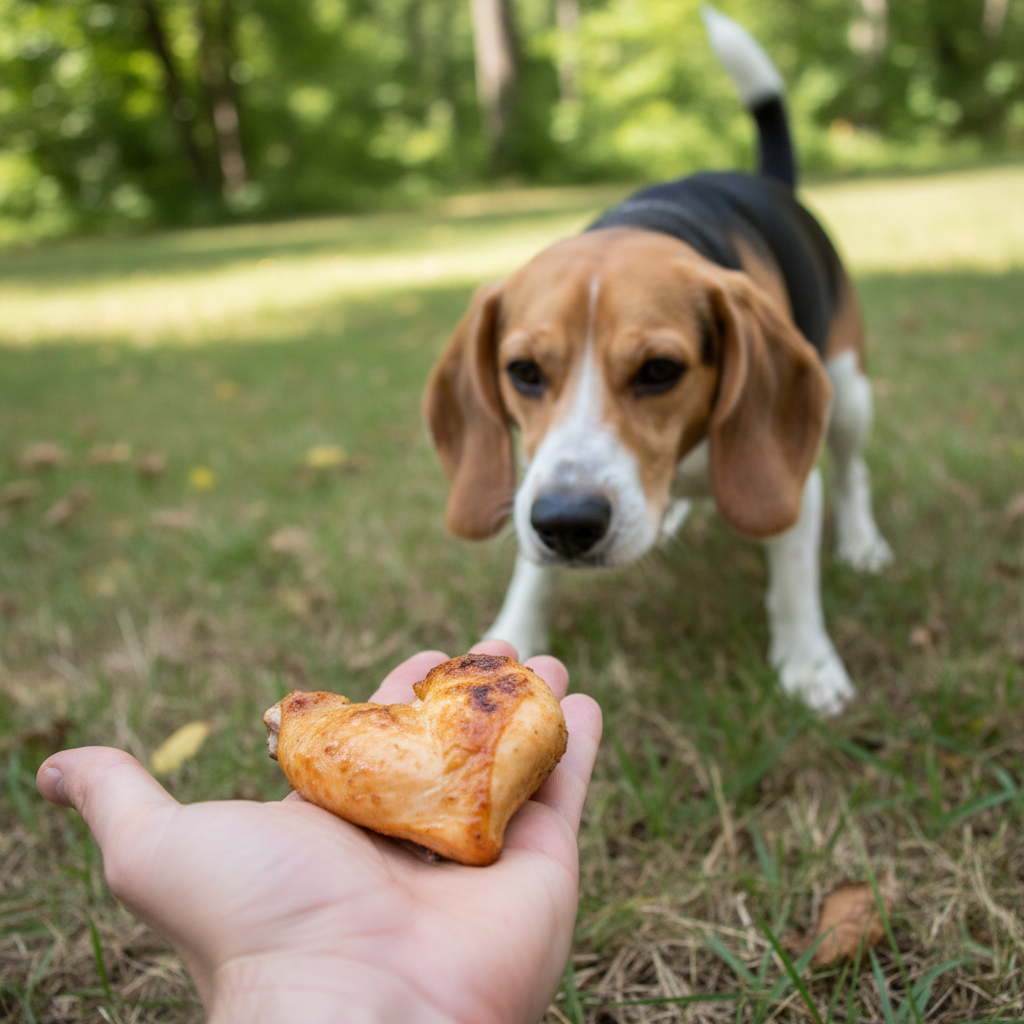
This is the cornerstone of trust-building. The goal is to make the dog feel empowered, not pressured. Sit quietly on the floor, some distance from the dog. Without making eye contact, gently toss a very high-value treat (like a small piece of boiled chicken or cheese) so it lands near them. Then, look away or even stand up and walk a few steps away. This action of ‘retreating’ removes all pressure. It communicates, ‘I am the source of good things, and I will not invade your space.’ Repeat this several times in short, calm sessions throughout the day.
Hand-Feeding Attempts
If the dog is showing some curiosity and their body language is slightly more relaxed (perhaps a soft ear flick or a tentative sniff in your direction), you can attempt to offer a treat from your flat, open palm. Extend your hand slowly and low to the ground. Do not stare at them. If they take it, wonderful. If they freeze or back away, immediately return to the ‘Treat and Retreat’ game. Let the dog set the pace entirely.
Week 3 (Days 15-21): Nurturing Curiosity and Agency
Week 3 (Days 15-21): Nurturing Curiosity and Agency
By week three, you may be seeing the first glimmers of curiosity. This is a monumental sign. Curiosity is the opposite of fear. Our goal this week is to gently encourage this budding confidence by giving the dog choices and allowing them to have control over their interactions and environment—a concept known as ‘agency’.
The Three-Second Rule for Petting
If the dog voluntarily approaches you and sniffs or nudges your hand, you can attempt the ‘Three-Second Rule.’ Pet them gently on the chest or side (never over the head) for three seconds, then stop and pull your hand back. Now, watch their body language. Do they lean in for more? Do they nudge your hand again? If so, you have their consent to continue. If they remain still or move away, they are saying ‘no, thank you.’ Respecting this choice is a massive deposit in your trust bank.
Introducing Environmental Enrichment
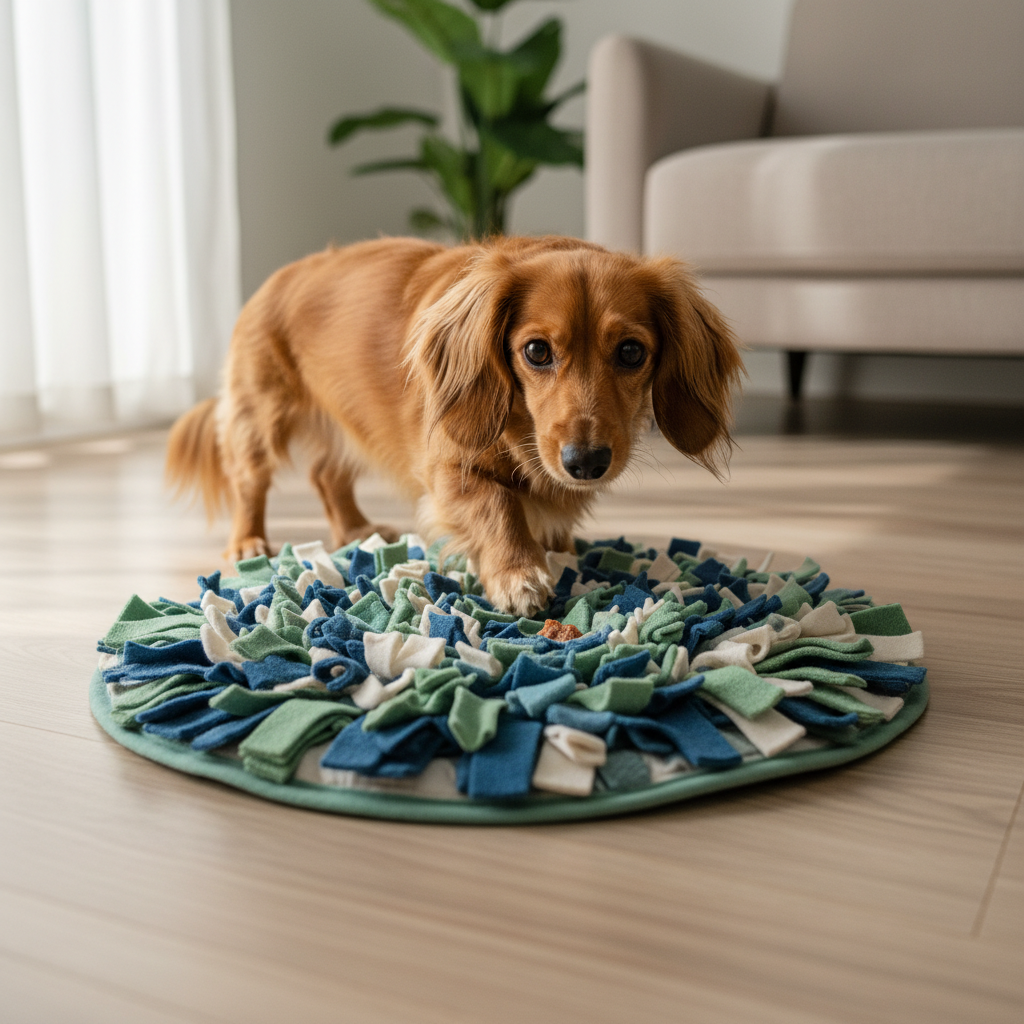
Begin to make their world slightly more interesting, but always on their terms. Place a novel object, like a soft toy or a LickiMat with a small amount of peanut butter, in their space and walk away. Let them investigate it if and when they feel ready. The key is that they are choosing to engage, not being forced. Snuffle mats with a few pieces of kibble scattered inside can also encourage natural foraging behaviors and build confidence.
The ‘Sniffari’ in a Secure Area
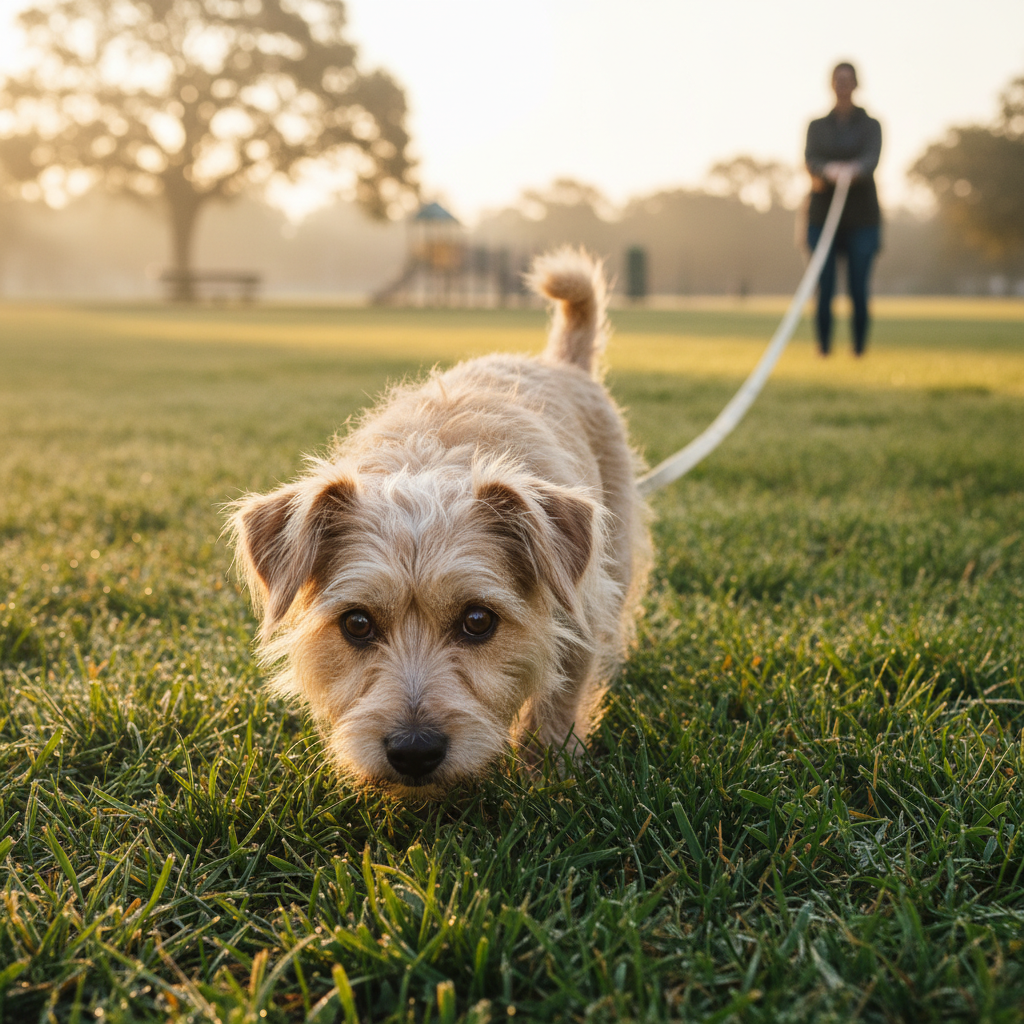
If you have a securely fenced yard, you can begin taking them out on a long, lightweight line (15-20 feet). Do not ‘walk’ them. Simply stand still and let them explore at their own pace. This is a ‘sniffari.’ Allowing a dog to follow their nose is incredibly de-stressing and empowering. It lets them gather information about their new world in a way that is natural to them. Watch for signs of being overwhelmed and keep these sessions very short initially (5-10 minutes).
Week 4 (Days 22-30): Broadening Horizons, One Paw at a Time
Week 4 (Days 22-30): Broadening Horizons, One Paw at a Time
In the final week of this initial period, we may begin to carefully and methodically expand their world beyond the immediate home and yard. Every step must be taken at the dog’s pace. If at any point the dog displays significant stress signals—such as ‘whale eye’ (showing the whites of their eyes), excessive lip licking, a tightly tucked tail, or freezing—you must immediately retreat to the previous stage where they felt comfortable. Pushing them too far can undo weeks of progress.
The First Walk
A ‘walk’ for a puppy mill dog is not about exercise; it is about exposure. Choose a time of day with minimal traffic (early morning or late evening). Go to a quiet area, perhaps an empty field or a deserted cul-de-sac. Use a well-fitted harness to prevent pressure on their neck and a long line. Let them sniff and stand still as much as they want. The goal is a neutral experience. Five minutes of calm is far more valuable than thirty minutes of terror.
Confidence-Building Games
Inside the home, you can introduce very simple games that build confidence. Hide a smelly treat under a towel and let them figure out how to get it. Set up a single, low cavaletti pole (a broomstick on two books) and see if they will step over it for a treat. These simple problem-solving tasks teach them that they can affect their environment to get a positive outcome, directly counteracting learned helplessness.
When to Consult a Professional
The 30-day mark is a milestone, not a finish line. Many of these dogs have deep-seated trauma that requires professional intervention. If your dog is showing no signs of improvement, is exhibiting extreme fear-based behaviors, or you feel overwhelmed, it is time to engage a Certified Canine Behavior Consultant (CBCC-KA) or a board-certified Veterinary Behaviorist (DACVB). These professionals can provide tailored behavior modification plans and may discuss the use of anti-anxiety medications to facilitate learning.
The Golden Rules: Essential Dos and Don’ts
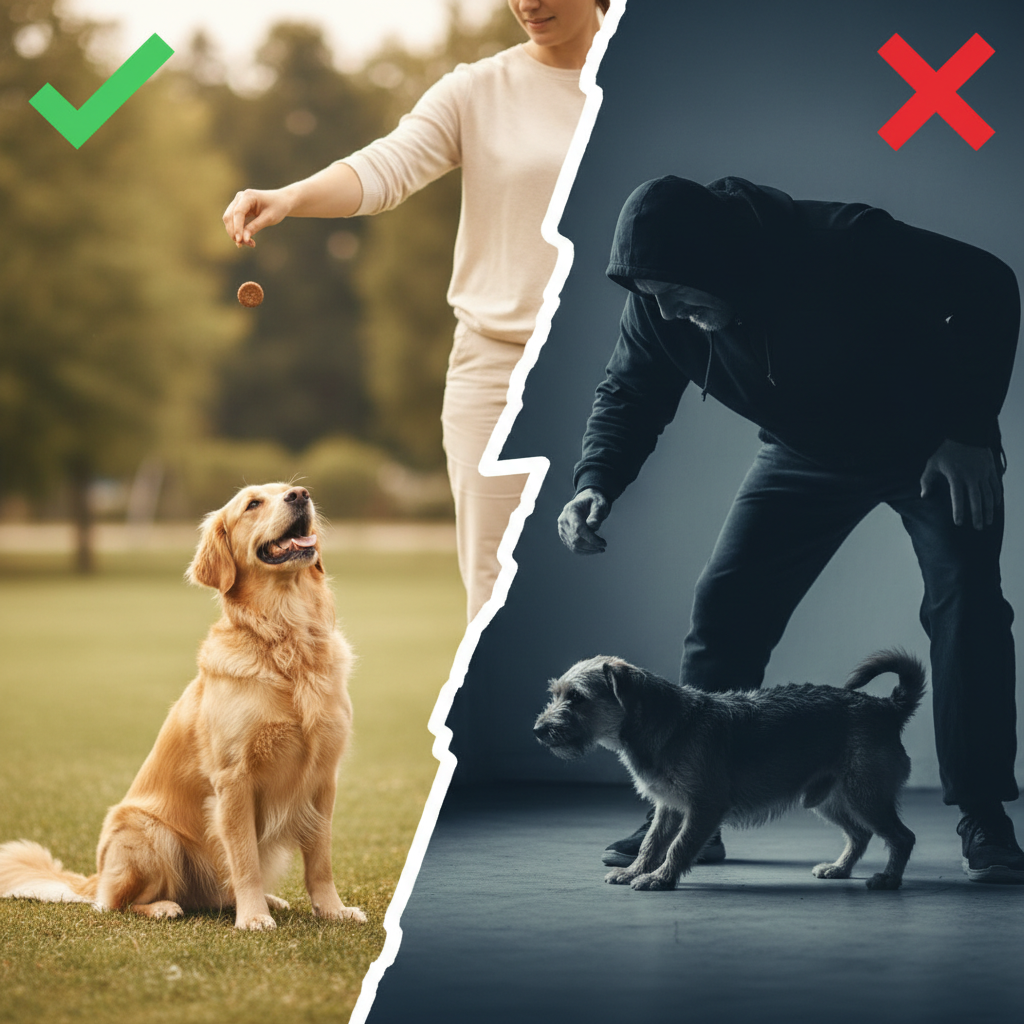
The Golden Rules: Essential Dos and Don’ts
Navigating this period successfully often comes down to a few core principles. Internalizing these rules will help you make the right choices in moments of uncertainty. Below is a clear comparison of constructive actions versus counterproductive ones.
| DO | DON’T |
|---|---|
| Be Patient. This is a marathon, not a sprint. Progress will be slow and non-linear. Celebrate the tiniest of victories, like an ear-flick or a step forward. | Force Interaction. Never pull the dog out of their crate, force them to be petted, or loom over them. All interactions must be on their terms. |
| Use High-Value Food. Food is a powerful, non-threatening tool for building positive associations. Use things they cannot resist, like chicken, cheese, or liver treats. | Punish Accidents or ‘Bad’ Behavior. There is no ‘bad’ behavior, only fear. Punishing a dog for having an accident or growling will only destroy trust and increase their anxiety. |
| Manage the Environment. Your primary job is to prevent your dog from being frightened. This means controlling the environment to keep triggers and surprises to a minimum. | Have Visitors or Go to Busy Places. Do not have houseguests. Do not take your dog to a pet store, dog park, or family gathering. Their world must remain small and safe for now. |
| Let the Dog Initiate. Wait for them to show signs of wanting to engage. A look, a sniff in your direction, or a step towards you is an invitation you can respond to gently. | Expect Too Much, Too Soon. Do not compare your dog’s progress to other dogs. Their journey is unique. Discard all expectations of what a ‘normal’ dog should be doing. |
| Learn Canine Body Language. Become an expert in subtle stress signals: lip licking, yawning out of context, ‘whale eye,’ freezing, a tucked tail. This is how your dog communicates their fear. | Use Aversive Tools. Never use prong collars, choke chains, or shock collars. These tools function by causing pain and fear, which is the very thing we are trying to heal. |
Healing from the Inside Out: Nutritional Support
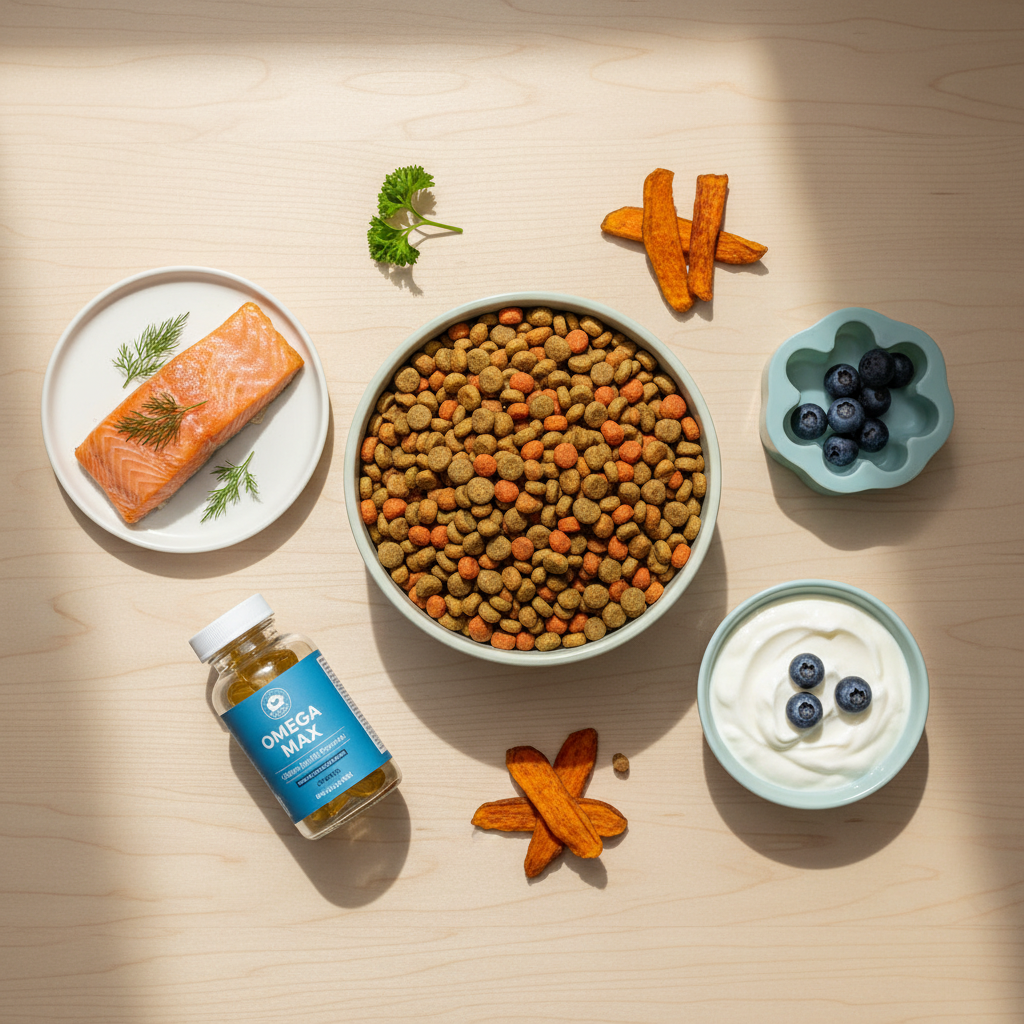
Healing from the Inside Out: Nutritional Support
Chronic, severe stress takes a devastating physical toll. Puppy mill dogs often suffer from malnutrition, poor muscle tone, and a compromised immune system. Providing high-quality nutrition is not just about physical health; it is a critical component of their psychological recovery. The gut-brain axis is a well-established connection, meaning a healthy digestive system can positively influence mood and anxiety levels.
A High-Quality, Digestible Diet
Start with a premium-quality commercial dog food that features a named meat source (e.g., chicken, lamb, salmon) as the first ingredient. Avoid foods with fillers like corn, wheat, and soy, which can be inflammatory. A diet rich in digestible protein is essential for rebuilding atrophied muscles and supporting overall bodily function. Due to potential dental issues, a softened kibble or a high-quality canned food may be more appropriate initially.
The Role of Omega-3 Fatty Acids
Omega-3s, particularly EPA and DHA found in fish oil, are powerful anti-inflammatories and are crucial for brain health. Supplementing with a high-quality fish oil can support cognitive function and may have a calming effect. Always consult your veterinarian for the appropriate dosage for your dog’s size and health status.
Probiotics and Gut Health
The stress of a puppy mill environment wreaks havoc on the gut microbiome. A daily probiotic supplement can help restore a healthy balance of gut bacteria, which can improve digestion, boost the immune system, and positively impact their mood and ability to handle stress. Look for a probiotic specifically formulated for dogs.
While behavior modification is the primary treatment for trauma, we cannot ignore the physiology of fear. Supporting the body with superior nutrition provides the very building blocks the brain needs to heal and form new, healthier neural pathways.
Conclusion
Completing the first 30 days with your puppy mill rescue is the beginning of a remarkable journey. The dog you have at the end of this month will likely still be fearful and reserved, but you will have laid an unbreakable foundation of trust and safety. You have shown them that the world can be predictable, that humans can be a source of comfort, and that their choices matter. From here, progress may continue to be slow, marked by moments of breakthrough followed by periods of regression. This is normal.
Continue to manage their environment, advocate for their needs, and celebrate every small step forward. The bond you will form with a dog who has learned to trust you against all odds is one of the most profound experiences a person can have. You are not just their owner; you are their rescuer, their guardian, and their first true friend. The work is hard, but the reward—witnessing a broken spirit learn to love and be loved—is immeasurable.