The Cutest Trick Ever: Teach Your Dog To Give Real Hugs In 3 Steps
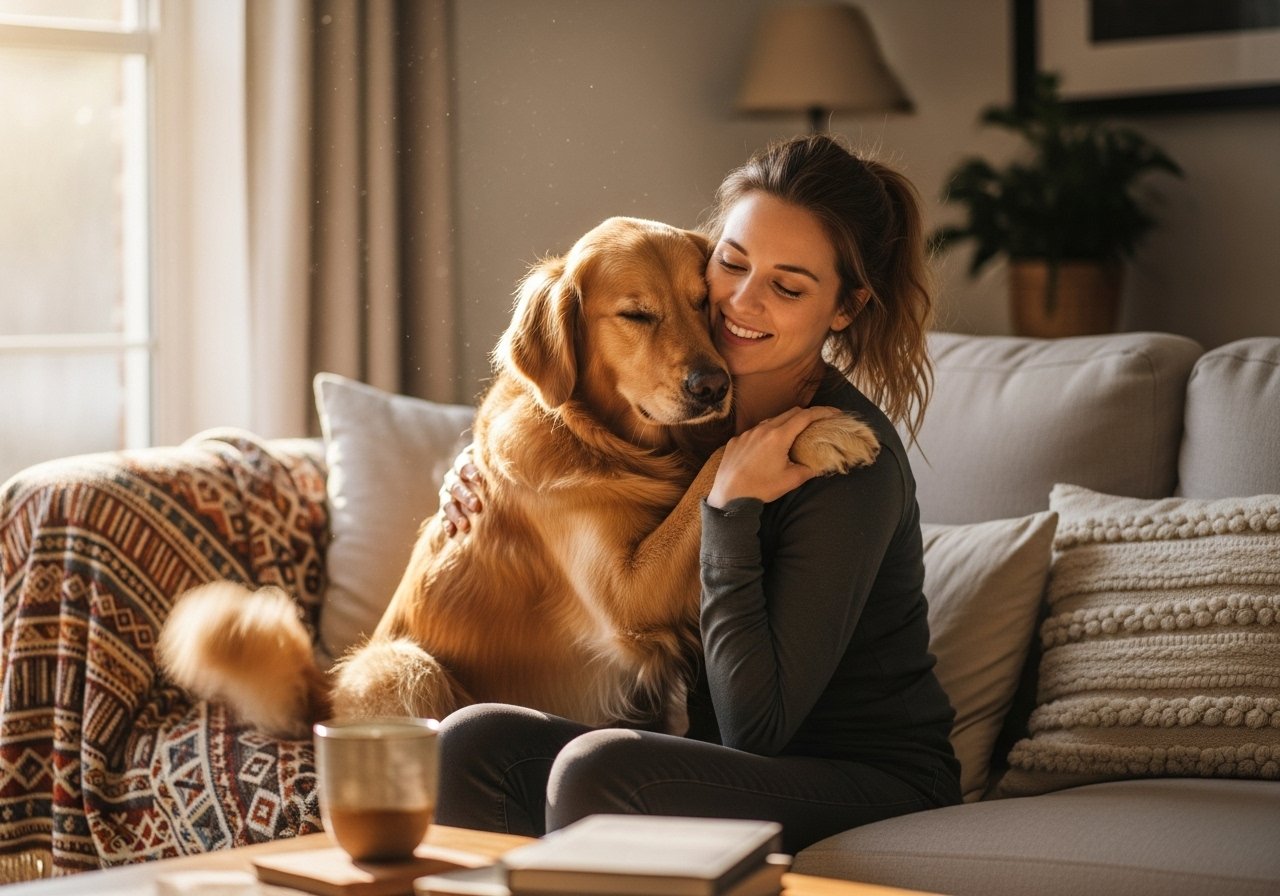
The bond between a dog and its owner is one of life’s most profound connections. We communicate through words, actions, and a shared, unspoken language. Teaching your dog new tricks is more than just a fun pastime; it is a powerful tool for enhancing communication, building confidence, and deepening that incredible bond. One of the most endearing tricks an owner can teach is the ‘hug.’ When taught with patience, respect, and positive reinforcement, this behavior becomes a beautiful, cooperative interaction.
However, it is crucial to approach this trick with a deep understanding of canine nature. Dogs do not perceive hugs in the same way humans do. For some dogs, a full-body embrace can feel confining or threatening. Therefore, this guide is built on a foundation of safety, consent, and clear communication. We will not be teaching your dog to squeeze you, but rather to perform a trained action where they place their paws on you in a ‘hugging’ motion on cue. This distinction is vital for your dog’s well-being and the success of your training. Before we begin, remember that the goal is a happy, willing participant. Let’s embark on this rewarding journey to teach a trick that is not only adorable but also a testament to the trust and partnership you share with your canine companion.
Prerequisites: Building the Foundation for a Safe and Happy Hug
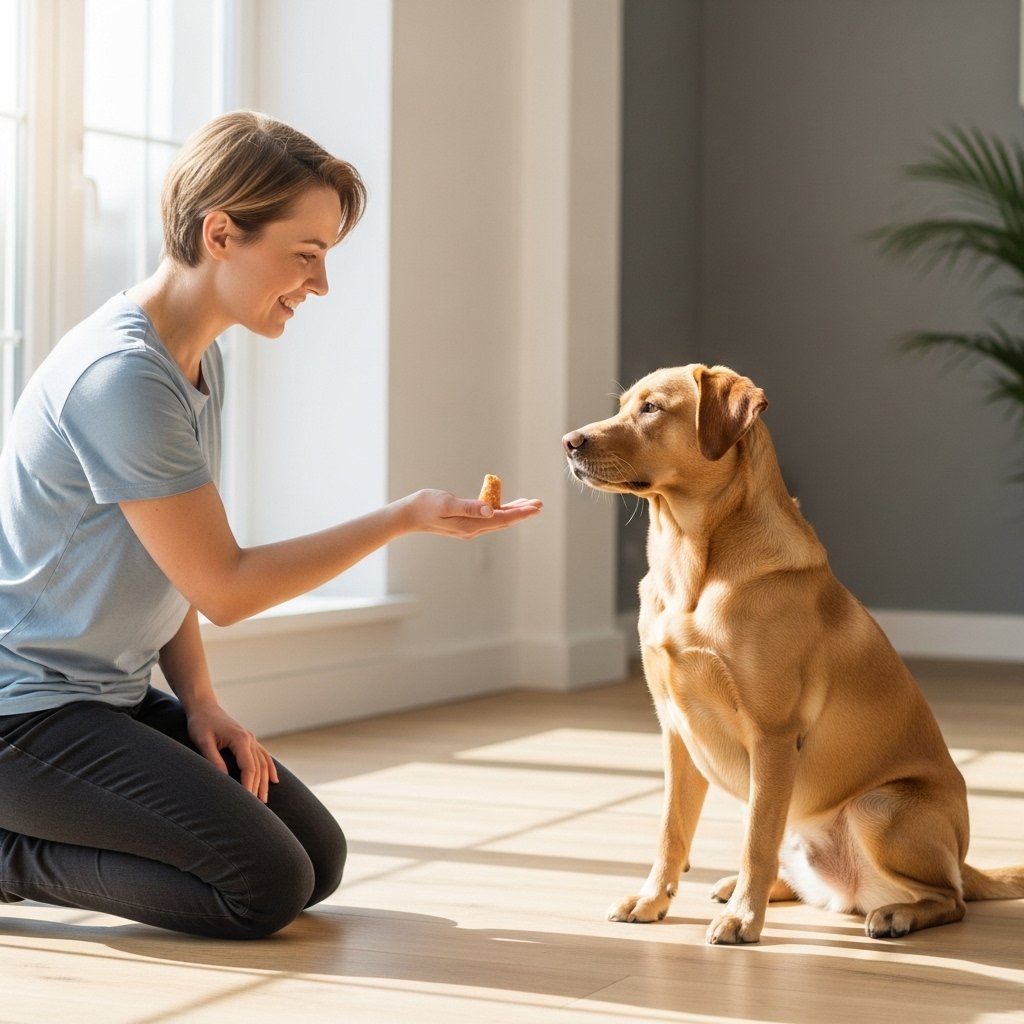
Prerequisites: Building the Foundation for a Safe and Happy Hug
Before you can teach the final performance, you must ensure the stage is set for success. A solid foundation prevents frustration for both you and your dog and ensures the entire process is a positive experience. Rushing into a complex trick without the proper groundwork can lead to confusion and may even damage your dog’s enthusiasm for training.
Mastering Basic Commands
Your dog should have a reliable understanding of a few basic cues before attempting the ‘hug.’ These commands provide structure and control during the training sessions.
- Sit: This is the starting position for the trick. A solid ‘sit’ ensures your dog is calm and focused before you ask for the next behavior.
- Stay: A basic ‘stay’ or ‘wait’ cue is essential. It teaches your dog impulse control and prevents them from jumping up excitedly before you give the actual ‘hug’ cue.
- Paws Up/Touch: While not mandatory, having a pre-existing ‘paws up’ (placing paws on an object) or a ‘touch’ (targeting your hand with their nose or paw) command can significantly accelerate the learning process. It gives you a behavioral component you can easily shape into the desired hug motion.
Gathering Your Tools
Effective training requires the right equipment. Having everything ready before you start a session will keep the momentum going and your dog engaged.
- High-Value Treats: This trick requires special motivation. Forget the dry kibble. Opt for small, soft, and highly aromatic treats that your dog absolutely loves but doesn’t get every day. Think tiny pieces of cooked chicken, cheese, or commercial training treats. The goal is to make the reward worth the effort.
- A Quiet Training Space: Choose a comfortable, distraction-free area. Your living room or a quiet backyard is ideal. Minimizing external stimuli like other pets, people, or loud noises will help your dog concentrate.
- A Positive Attitude: Your energy is infectious. Approach each session with patience, enthusiasm, and a clear plan. Training should be a fun game, not a chore.
Assessing Your Dog’s Comfort Level
This is the most critical prerequisite. Not all dogs enjoy close physical contact or having their paws handled. You must be an honest and empathetic observer of your dog’s body language.
Expert Tip: Consent is key in any physical interaction with your dog. A trained trick should never come at the expense of your dog’s comfort or sense of security. Pay close attention to their signals; they are always communicating with you.
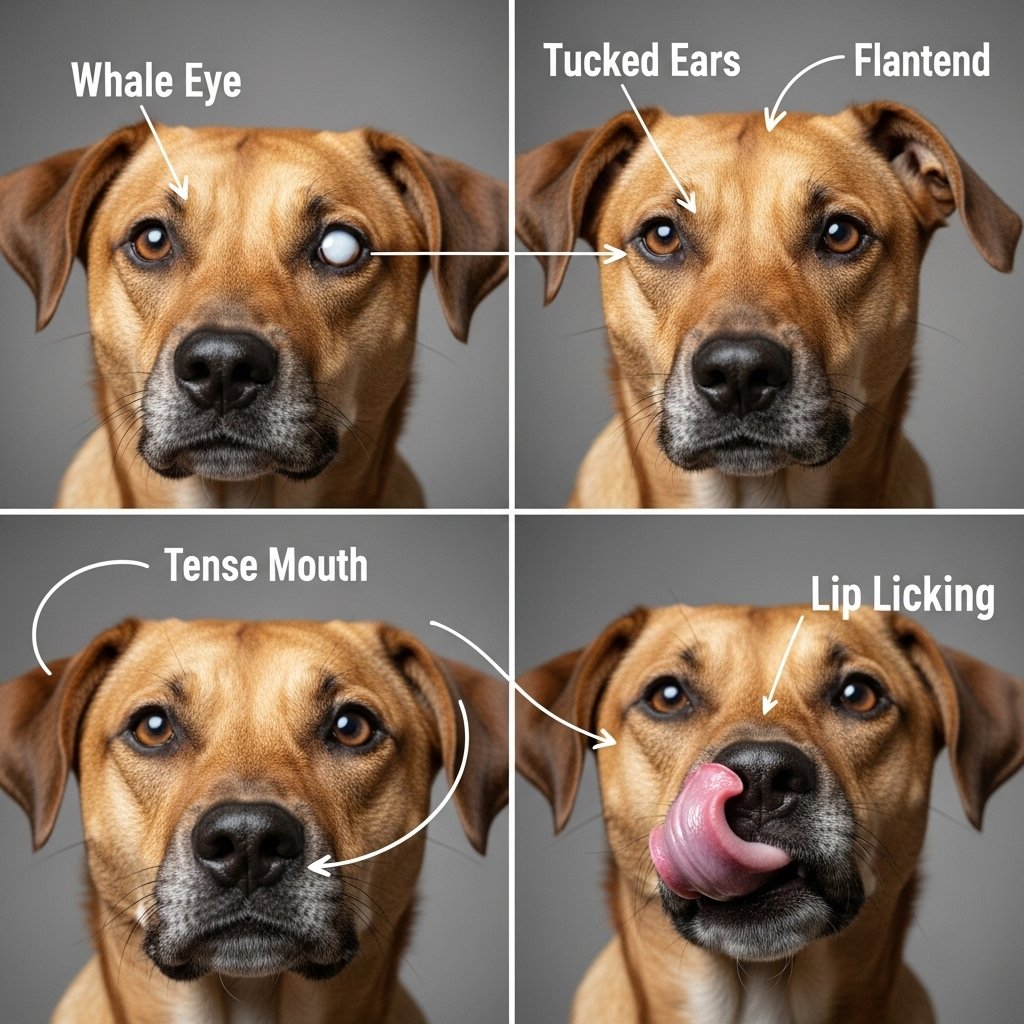
Watch for signs of comfort, such as a relaxed body, soft eyes, and a gently wagging tail. Conversely, be vigilant for signs of stress or anxiety, which include:
- Lip licking or nose licking
- Yawning when not tired
- ‘Whale eye’ (showing the whites of their eyes)
- Pinned-back ears
- A tucked tail
- Stiff body posture
- Turning their head away to avoid interaction
If your dog displays these signs when you initiate close contact, the ‘hug’ trick may not be suitable for them. Forcing the issue can create negative associations and damage your bond. There are countless other tricks to teach that don’t involve such direct physical engagement.
The Main Event: Teaching the ‘Hug’ Command in Three Clear Steps
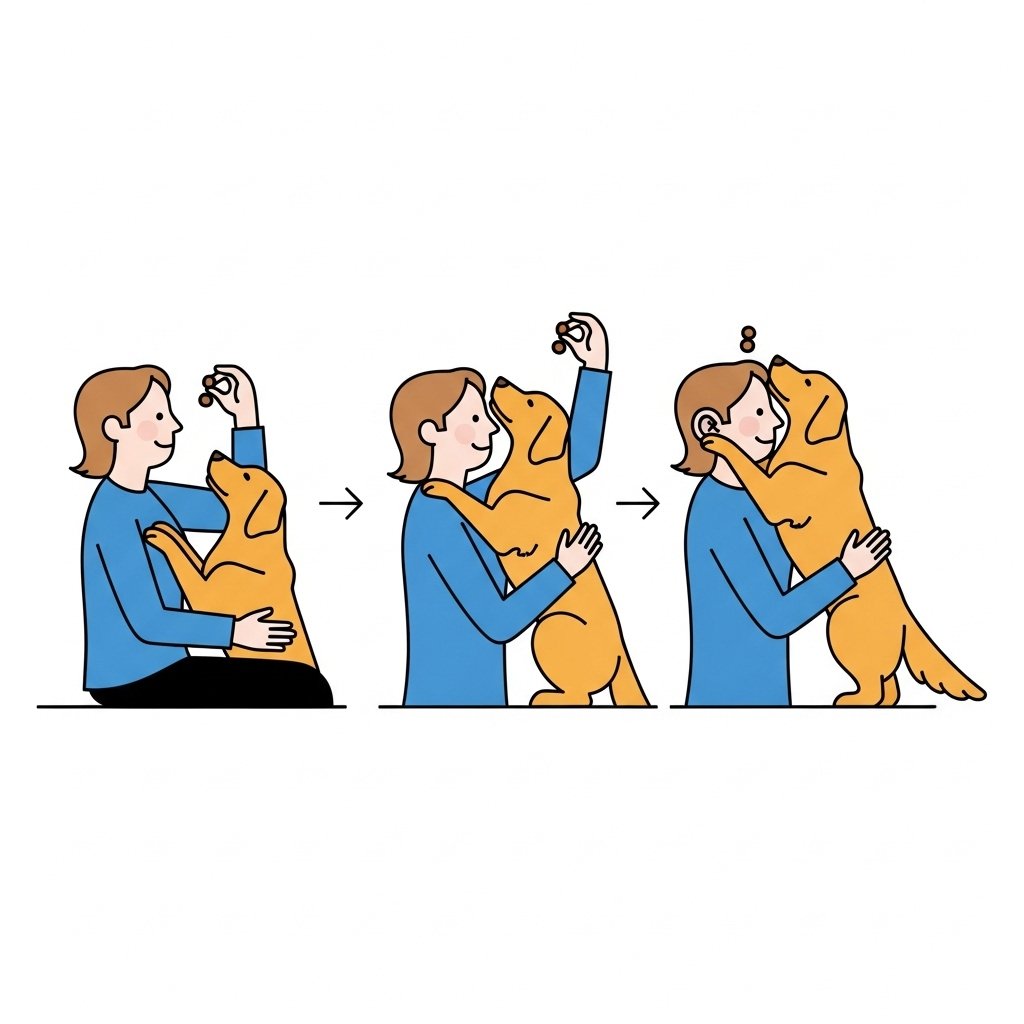
The Main Event: Teaching the ‘Hug’ Command in Three Clear Steps
With the foundational work complete, it’s time to begin teaching the behavior itself. This process is broken down into three manageable steps. Remember to keep sessions short—5 to 10 minutes at most—to maintain your dog’s focus and end on a positive note. The key is to shape the behavior gradually, rewarding small successes along the way.
Step 1: Luring the ‘Paws Up’ Motion
The initial goal is to teach your dog to willingly place their front paws onto your body. We will use a ‘lure,’ which is a treat used to guide your dog into the desired position.
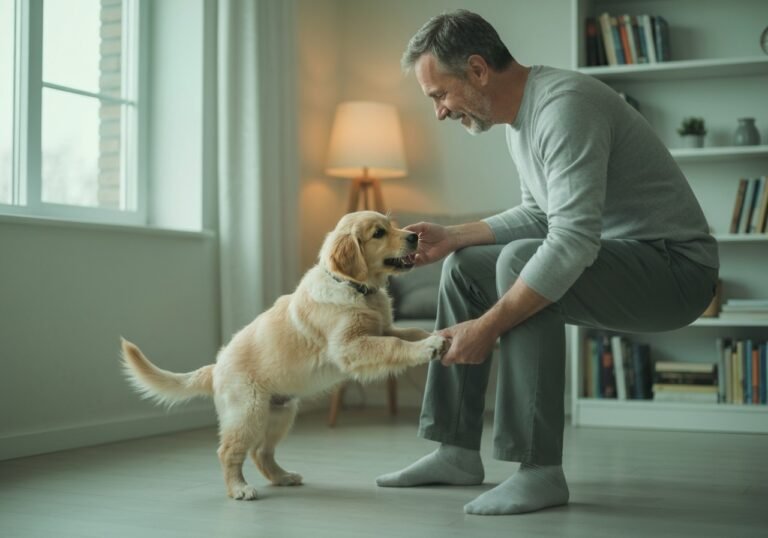
- Start with your dog in a solid ‘sit’ position directly in front of you. You should be sitting on the floor or a low stool to be closer to their level. This is less intimidating and makes the target (your shoulders) more accessible.
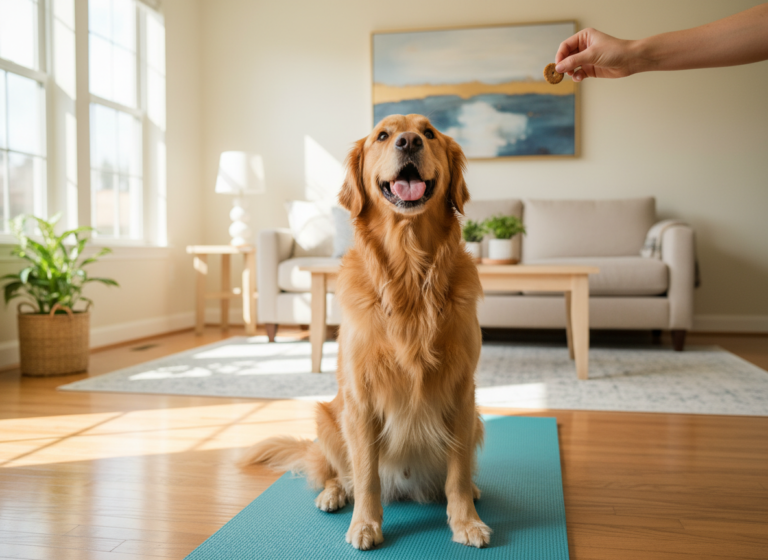
- Hold a high-value treat in your hand. Let your dog sniff it so they know what the prize is.
- Slowly move the treat from your dog’s nose upwards and slightly back over their head, towards your shoulder. This motion should naturally encourage them to lift their front paws off the ground to follow the treat.
- The very first time they lift a paw, even an inch, mark the behavior with an enthusiastic ‘Yes!’ or a clicker, and immediately give them the treat. Repeat this several times.
- Gradually, start requiring them to lift their paws higher. Lure the treat further up until they place their paws on your lap or chest. Mark and reward this enthusiastically. The goal of this step is to make the ‘paws up’ action a fun and rewarding game.
Step 2: Introducing the Cue and Shaping the ‘Wrap’
Once your dog is reliably placing their paws on your chest or shoulders using the lure, you can begin to add the verbal cue and refine the shape of the behavior.
- As you begin the luring motion, just before your dog places their paws on you, say your chosen cue word clearly. ‘Hug,’ ‘Embrace,’ or ‘Love’ are common choices. Be consistent.
- When they place their paws on you, use your other hand to gently guide the treat around your neck. This will encourage them to lean in and ‘wrap’ their head and paws around you to get the treat. It’s a subtle shift, but it creates the visual of a hug.
- Mark and reward the instant they lean in and create that ‘wrap’ motion. At this stage, you are rewarding the combination of ‘paws up’ and ‘leaning in.’
- Practice this sequence: Say ‘Hug,’ lure the motion, reward the wrap. Over many repetitions, your dog will begin to associate the word ‘Hug’ with the entire sequence of actions.
Step 3: Fading the Lure and Building Duration
The final step is to transition from a physically lured trick to a behavior performed on a verbal cue alone, and to hold the position for a few seconds.
- Begin to ‘fade’ the lure. Start by using an empty hand to make the same luring motion. When your dog performs the hug, mark the behavior and then reward them with a treat from your other hand. This teaches them that the reward comes after the action, not from the luring hand itself.
- Once they respond to the empty hand gesture, make the gesture smaller and more subtle with each repetition. The goal is for the verbal ‘Hug’ cue to become the primary trigger for the behavior.
- When your dog is responding to the verbal cue alone, you can start building duration. Ask for the ‘Hug,’ and delay the marker word (‘Yes!’) and reward by just one second. Your dog will hold the position, waiting for the marker.
- Gradually increase the duration, second by second. If your dog breaks the position, you’ve moved too fast. Simply go back to a shorter duration where they were successful. Always release your dog from the hug with a clear release word like ‘Okay!’ or ‘Free!’
Safety and Consent: The Unspoken Rules of Dog Hugs
Safety and Consent: The Unspoken Rules of Dog Hugs
Teaching a fun trick is secondary to our primary responsibility as pet owners: ensuring our dogs feel safe, secure, and respected. The ‘hug’ trick, more than any other, requires a deep understanding of canine communication and consent. A dog cannot verbally tell us they are uncomfortable, but they communicate constantly through their body language.
Why ‘Hugs’ Can Be Stressful for Dogs
In the primate world, a hug is a sign of affection, comfort, and support. In the canine world, however, a dog placing a paw or limb over another dog’s shoulder is often a display of dominance or control. Furthermore, being embraced can feel restrictive and can take away a dog’s primary defense mechanism: the ability to flee. When we impose a human gesture of affection without understanding its potential canine interpretation, we risk causing significant stress.
Remember, this is a trained behavior designed to look like a hug. It is not a spontaneous display of human-like affection from your dog. Respecting this distinction is crucial for your dog’s emotional well-being.
Reading the Signs: When to Stop
You must become a fluent reader of your dog’s stress signals. During training and performance of the hug, immediately stop and give your dog space if you observe any of the following:
- Stiffening Body: A relaxed dog is loose and fluid. A stiff, frozen body is a clear sign of discomfort.
- Head Turning: The dog actively turns its head away from you to avoid engagement.
- Lip Licking and Yawning: These are classic ‘calming signals’ dogs use when they feel anxious.
- Whale Eye: The whites of the eyes are prominent as the dog looks sideways. This indicates high anxiety.
- Pinned Ears: Ears that are flattened against the head are a sign of fear or stress.
- Low or Tucked Tail: A tail held low or tucked between the legs is a signal of insecurity.
Rules of Engagement for the ‘Hug’ Trick
To ensure this trick remains a positive experience, establish clear rules:
- The Dog Always Initiates: The hug only happens when you give the cue and the dog willingly performs it. Never physically force your dog into the position.
- The Dog Always Ends the Interaction: Allow your dog to end the hug whenever they choose. If they pull away, let them go and don’t try to hold them in place.
- Keep it Within the Trusted Circle: This trick is for you and perhaps a few other trusted family members who have a strong bond with the dog. Never ask your dog to hug a stranger, and especially never a child. A child’s unpredictable movements and tendency to squeeze can turn a trained trick into a dangerous situation.
- Consider Your Dog’s Size: For large, powerful dogs, ensure the ‘hug’ is gentle and that they do not put excessive weight on you. For small dogs, be mindful of their delicate bodies and ensure they feel secure when they are lifting up onto you.
Troubleshooting: Overcoming Common Hurdles in Hug Training
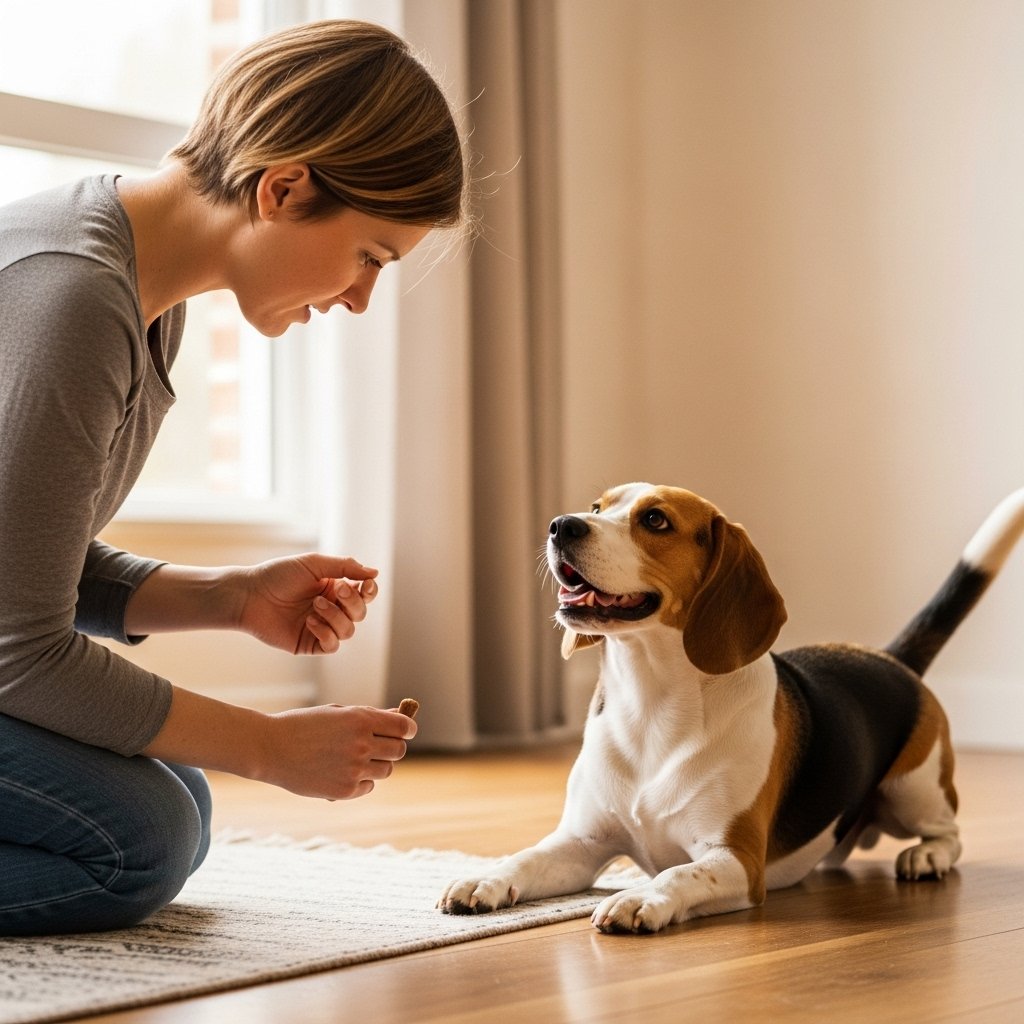
Troubleshooting: Overcoming Common Hurdles in Hug Training
Even with the best plan, you may encounter challenges during your training sessions. This is a normal part of the process. The key is to identify the problem, take a step back, and adjust your approach with patience. Here are solutions to some of the most common issues owners face when teaching the ‘hug’ trick.
A common mistake is to progress too quickly or for the dog to misunderstand what is being asked. By breaking the problem down, we can find a clear path forward. The following table outlines common problems and their corresponding professional solutions.
| Common Problem | Professional Solution |
|---|---|
| My dog just jumps on me instead of placing paws gently. | This usually stems from over-excitement. Go back to Step 1. Heavily reward only calm, seated behavior. Use your ‘stay’ or ‘wait’ cue before you begin luring. Reward any small, gentle paw lift instead of a big, explosive one. Keep the energy of the session calm and controlled. |
| My dog won’t lift its paws at all. | The lure might not be motivating enough. Ensure you are using a treat your dog finds irresistible. You can also try shaping the behavior differently. Start by rewarding your dog for just looking at your shoulder, then for a slight head tilt up, then for a tiny weight shift forward, slowly building up to a paw lift. This is called ‘capturing’ behavior. |
| My dog puts its paws on me but won’t ‘wrap’ or lean in. | The dog may be hesitant about the close contact. Re-evaluate their comfort level. If they seem comfortable, make the lure more enticing. Guide the treat in a more exaggerated arc around your neck so they have to stretch and lean to get it. Reward even the slightest lean-in at first. |
| My dog loses interest in the training session quickly. | Your sessions are likely too long. For a complex trick, sessions should be as short as 2-3 minutes, especially at the beginning. Always end the session on a high note with a successful repetition. This leaves the dog wanting more and eager for the next session. Also, ensure your training space is free of distractions. |
| The trick is sloppy and my dog just paws at me. | You need to refine your criteria for reinforcement. Stop rewarding messy attempts. Go back a step to where the dog was successful and work from there, only rewarding the attempts that are closer to the final, desired behavior. For example, only reward when both paws are placed simultaneously and gently. |
Remember that every dog learns at a different pace. There is no set timeline for mastering the ‘hug’ trick. If you or your dog become frustrated, it’s always best to end the session with a simple, successful command your dog knows well (like ‘sit’), give them a reward, and try again later or the next day. Training is a journey, not a race. The patience you invest will pay dividends in a stronger relationship and a more confident, well-trained canine companion.
Conclusion
Teaching your dog to ‘hug’ can be an immensely gratifying experience, creating a unique and photogenic moment that celebrates your special bond. By following the steps outlined in this guide—building a solid foundation, breaking the behavior down into manageable parts, and proceeding with patience—you can successfully teach this advanced trick. However, the true success of this endeavor is not measured by the final performance, but by the manner in which it is taught.
The principles of positive reinforcement, clear communication, and respect for your dog’s physical and emotional boundaries are paramount. The ‘hug’ must always be a voluntary, joyful, and cooperative act. Your role as a responsible pet owner is to be your dog’s greatest advocate, which includes recognizing and respecting their signals of discomfort or anxiety. By prioritizing their well-being above the desire to show off a cute trick, you reinforce the trust that is the bedrock of your relationship.
Ultimately, whether your dog masters a perfect, lingering hug or simply learns to place their paws on you gently, the time spent training together is an investment in your connection. It’s a dance of communication and mutual understanding. Celebrate every small step of progress, cherish the process, and you will have achieved something far more valuable than a mere trick: a deeper, more respectful, and more joyful partnership with your beloved canine companion.