The Apartment Dweller’s Secret: How to Set Up a Smell-Free Balcony Potty Station
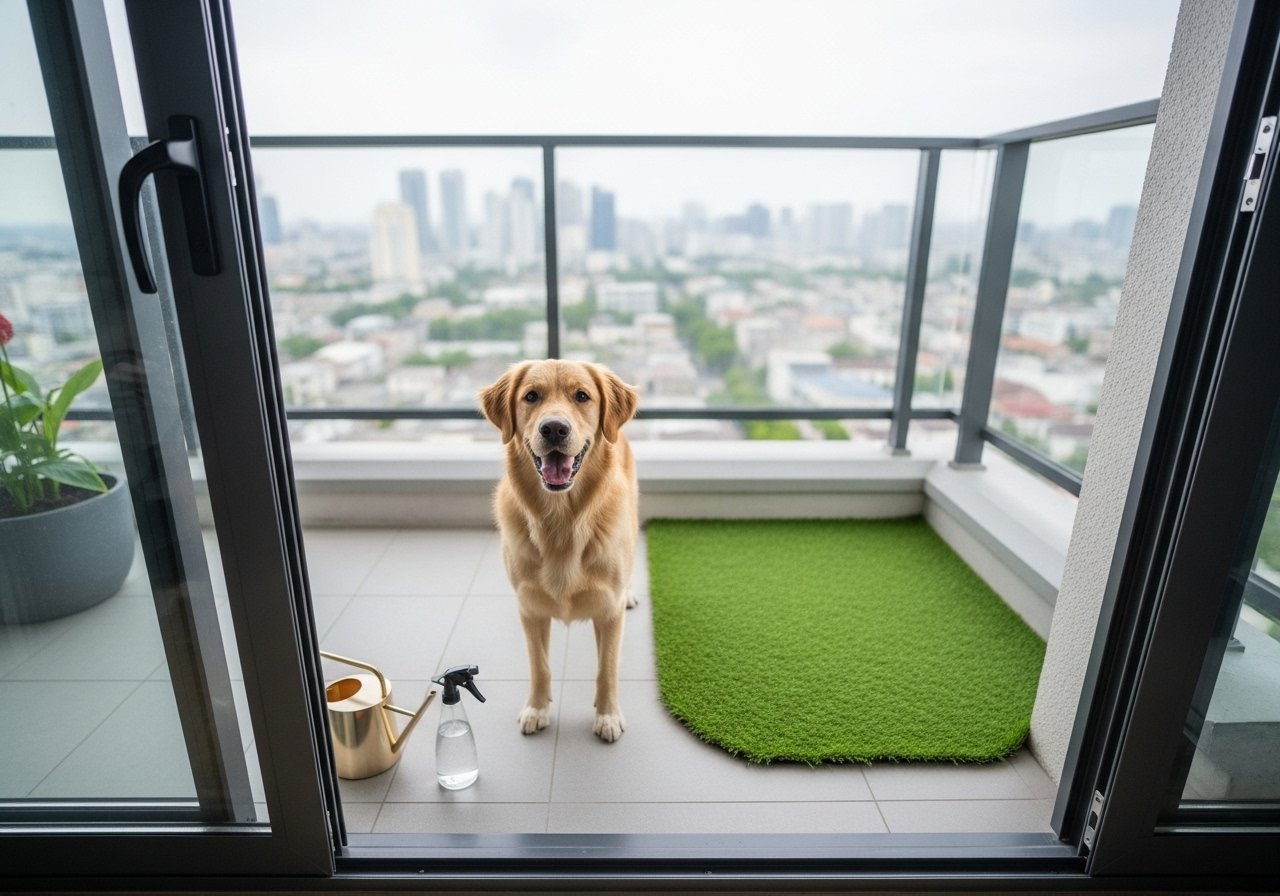
Living in an apartment with a canine companion offers incredible joys, but it also presents unique challenges, chief among them being the logistics of potty breaks. The late-night elevator rides, the frantic dashes downstairs in bad weather, and the constant worry about ‘holding it’ can be stressful for both you and your pet. A balcony potty station emerges as a revolutionary solution, offering unparalleled convenience and peace of mind. However, the fear of persistent, unpleasant odors can deter even the most enthusiastic pet owner. This is where expertise and proper methodology become critical.
This comprehensive guide is your blueprint for establishing a functional, hygienic, and—most importantly—smell-free balcony potty station. We will move beyond simple suggestions and delve into the science of odor control, the specifics of system selection, and the behavioral techniques required for successful training. By following these professional-grade steps, you can transform a small outdoor space into a clean and convenient relief area for your dog, enhancing the quality of life for your entire household.
Choosing Your Balcony Potty System: A Comparative Analysis
Choosing Your Balcony Potty System: A Comparative Analysis
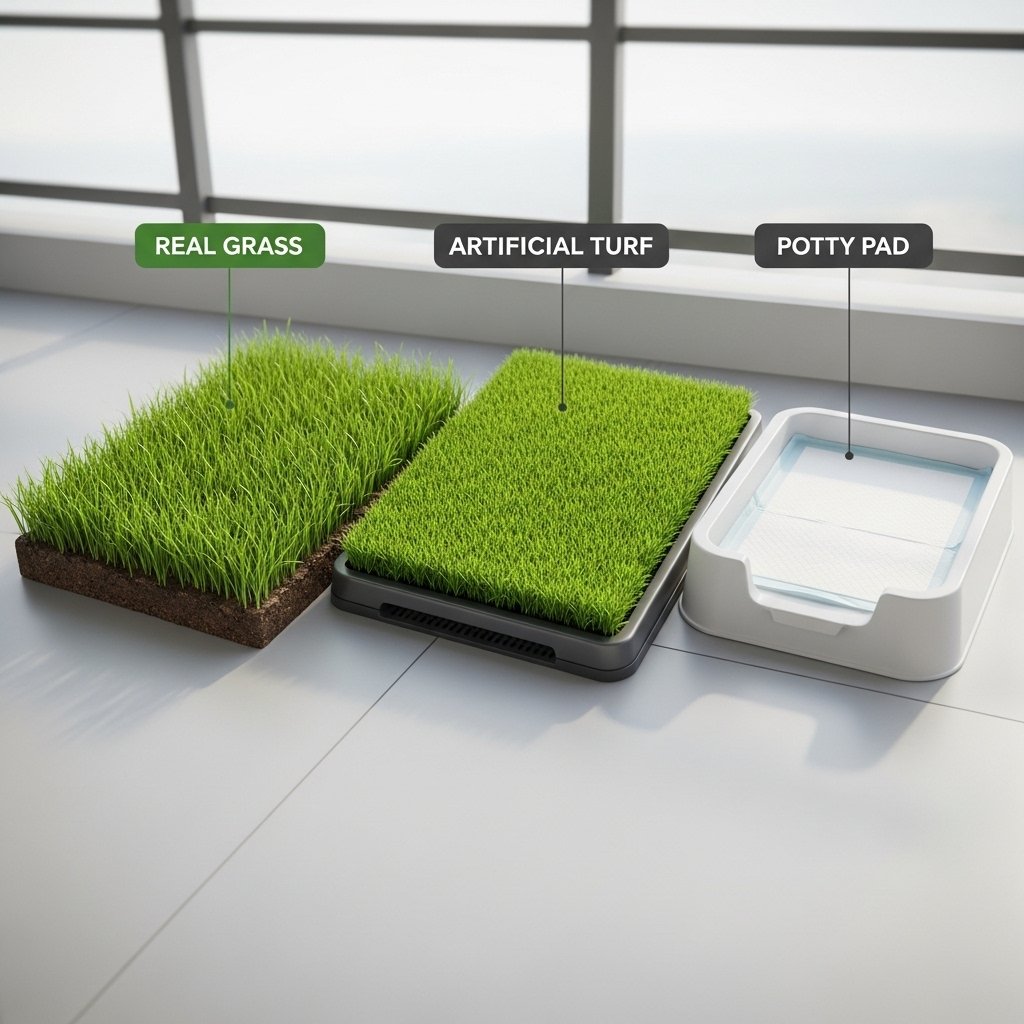
The foundation of a successful balcony potty station is selecting the right system for your specific needs, budget, and dog’s preferences. The market offers three primary categories: real grass patches, artificial turf systems, and puppy pad trays. Each comes with a distinct set of advantages and disadvantages related to maintenance, cost, and odor control. A thorough evaluation is necessary to prevent future complications.
Types of Potty Stations
- Real Grass Patches: These are typically subscription-based services that deliver a roll or slab of living grass in a cardboard or plastic tray. The natural grass absorbs urine and its odors, and the soil base helps break down waste. Dogs are often naturally drawn to real grass, which can simplify the training process.
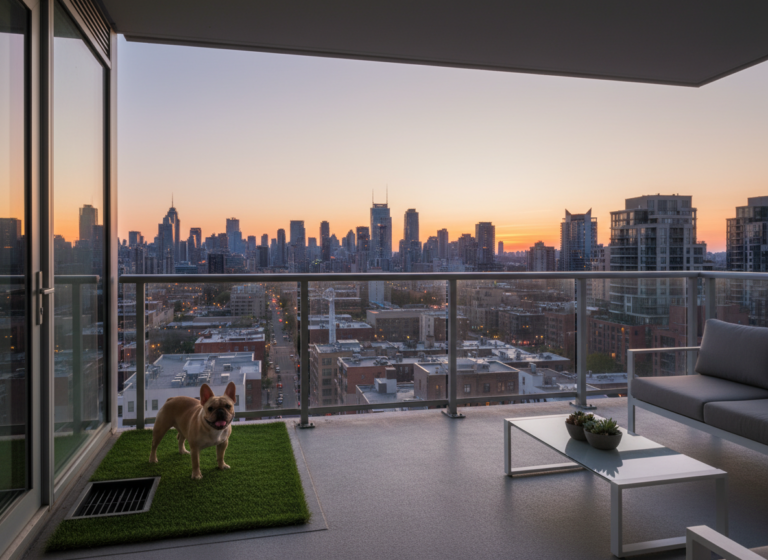
- Artificial Turf Systems: These consist of a layer of synthetic grass placed over a drainage system that collects urine in a tray below. They are a one-time purchase and are reusable, but require more intensive and frequent cleaning to prevent odor-causing bacteria from building up in the turf and collection tray.
- Potty Pad Holder Systems: The simplest option, this is essentially a grated tray designed to hold disposable or reusable absorbent pads. The grate keeps your dog’s paws dry, while the pad absorbs the urine. This system is often best for very small dogs and requires the most frequent replacement of components to manage odor.
To make an informed decision, consider the following detailed comparison:
| System Type | Pros | Cons | Ideal For |
|---|---|---|---|
| Real Grass Patch |
|
|
Owners prioritizing natural odor control and ease of training, willing to pay a recurring fee. |
| Artificial Turf System |
|
|
Budget-conscious owners who are committed to a strict daily and weekly cleaning schedule. |
| Potty Pad Holder |
|
|
Owners of small breeds or puppies, or for temporary use, where odor control is less of a concern than immediate cleanup. |
Expert Tip: When selecting a system, consider your dog’s size and urine output. A larger dog will saturate a small system quickly, making odor control nearly impossible. Always choose a size that allows your dog to comfortably turn around and select a spot.
The Blueprint for a Smell-Free Setup: Assembly and Fortification
The Blueprint for a Smell-Free Setup: Assembly and Fortification
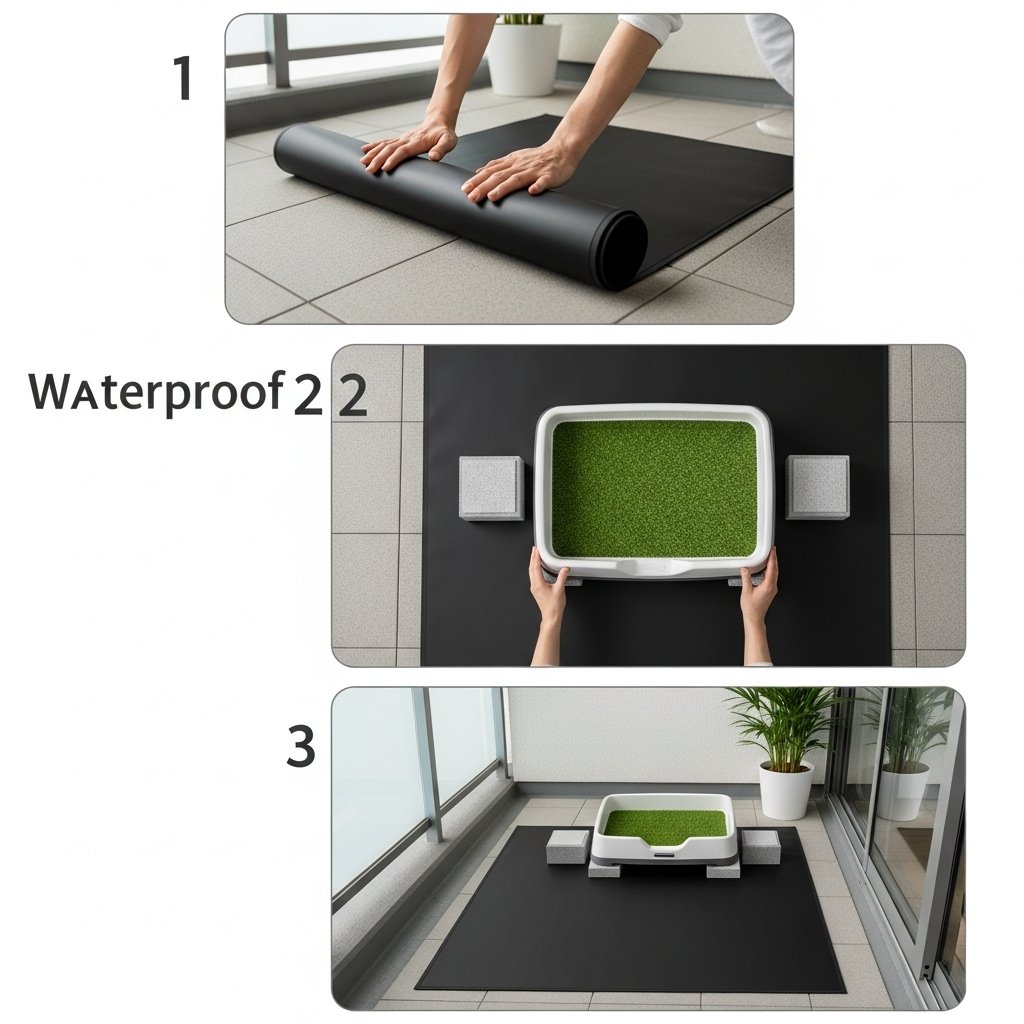
Proper assembly is about more than just unboxing the product. It involves creating a multi-layered defense against moisture damage and odor penetration. Protecting your balcony surface is non-negotiable, as urine can damage wood, concrete, and tile grout over time, leading to permanent staining and odors.
Step 1: Protect Your Balcony Surface
Before placing your potty system, lay down a waterproof barrier. A heavy-duty rubber mat, a sheet of vinyl flooring remnant, or even a shallow hard plastic tray (like a boot tray) can work. This layer serves two purposes: it protects your balcony from any potential leaks or splashes and it makes the entire area easier to clean.
Step 2: Ensure Proper Drainage and Airflow
Stagnant air and trapped moisture are the primary culprits behind persistent odors. If possible, elevate your potty system slightly to encourage airflow underneath. Small rubber or wooden blocks placed under the corners can make a significant difference. This prevents moisture from being trapped between the system and your protective mat, which can lead to mildew growth.
Step 3: Assemble Your Chosen System
Follow the manufacturer’s instructions for assembling your potty station.
- For artificial turf systems, ensure the drainage tray is properly seated and slopes correctly towards the collection point. Some owners add a layer of zeolite odor-absorbing crystals or a puppy pad in the collection tray to help manage urine between cleanings.
- For real grass systems, simply place the grass box on top of your protective layer. Be careful not to puncture the cardboard or plastic base during placement.
- For pad holders, ensure the grate clicks securely into place over the absorbent pad.
Step 4: Strategic Placement
Choose a location on your balcony that is convenient for your dog but also considers your own use of the space. Ideally, place it in a corner away from sitting areas and doors. Consider the sun and rain exposure. A spot with some cover can prevent the potty from becoming waterlogged during a storm or drying out too quickly in direct sun (a particular concern for real grass patches).
Safety First: Ensure your balcony is secure. Check railings for any gaps your dog could slip through. If you have a climber, a potty station might not be a safe option without additional safety measures like balcony netting.
The Ultimate Odor-Control Maintenance Protocol
The Ultimate Odor-Control Maintenance Protocol
Your long-term success hinges entirely on your commitment to a rigorous cleaning schedule. Odor from a potty station is caused by the breakdown of uric acid into ammonia by bacteria. Simply rinsing with water is not enough; you must use products that eliminate the bacteria and neutralize the acid. This requires a multi-tiered approach encompassing daily, weekly, and monthly tasks.
The Science of Cleaning: Enzymatic vs. Traditional Cleaners
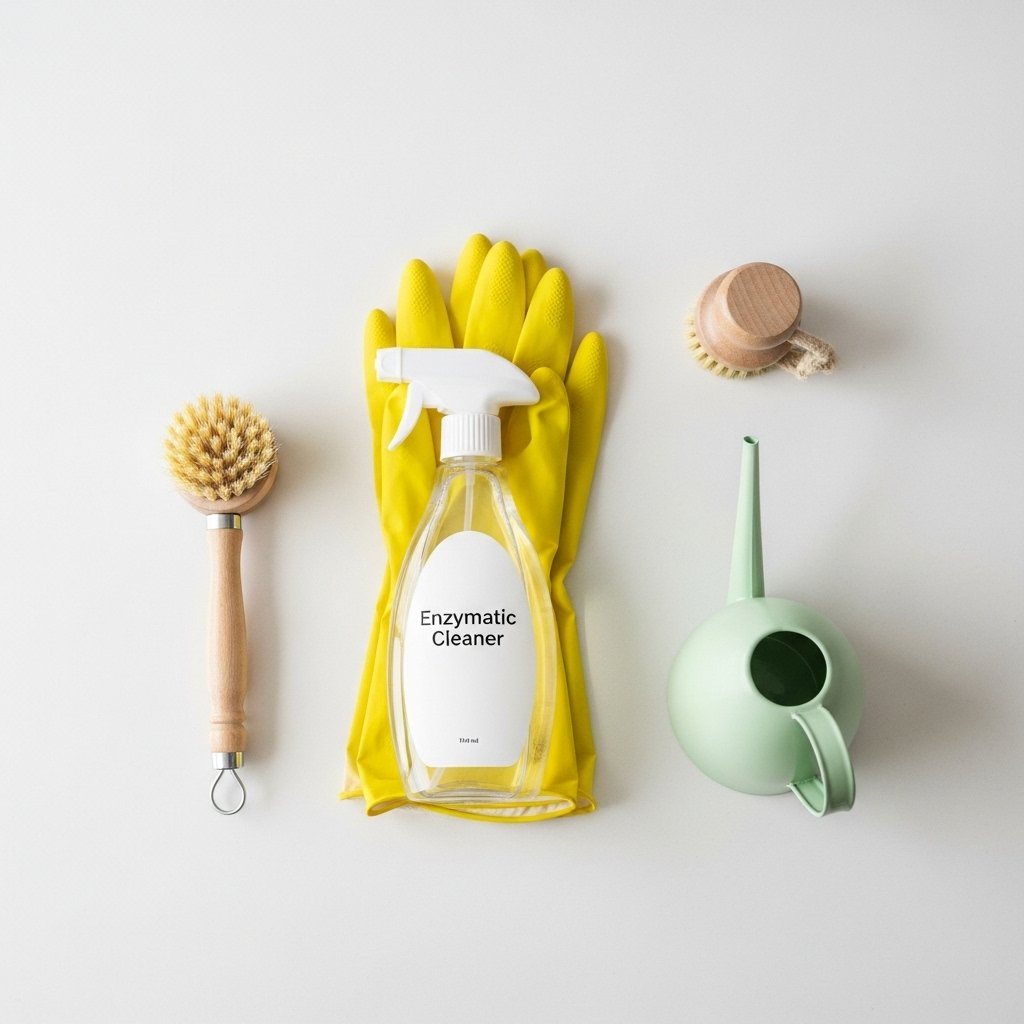
Standard household cleaners (like soap or bleach) can mask odors or disinfect surfaces, but they do not break down the uric acid crystals that are the source of the smell. Enzymatic cleaners contain specific enzymes that consume the organic matter and bacteria in urine, eliminating the odor at its source. For a pet potty station, an enzymatic cleaner is not optional—it is essential.
Your Smell-Free Cleaning Schedule
Consistency is paramount. Adhering to a strict schedule will prevent odors from ever taking hold. Use this protocol as your guide:
| Frequency | Task | Tools Needed | Procedure |
|---|---|---|---|
| Daily | Solid Waste Removal & Quick Rinse |
|
Remove solid waste immediately. After each urine use (or at least twice a day), pour a generous amount of water over the potty area to flush fresh urine through the system and dilute any residue. |
| Weekly | Deep Clean and Sanitization |
|
Take the system apart. Thoroughly scrub the artificial turf, grate, and collection tray with enzymatic cleaner, following product directions. Let the cleaner sit for 10-15 minutes to allow the enzymes to work before rinsing thoroughly with hot water. Let all components air dry completely, preferably in the sun, before reassembling. For real grass, this is when you would typically replace the patch. |
| Monthly | Area Decontamination |
|
Remove the entire potty station. Thoroughly clean the protective mat and the balcony floor underneath with your enzymatic cleaner. This eliminates any splash-back or leaks that may have occurred. Check for any signs of damage to the balcony surface. |
Pro Tip: Have two pieces of artificial turf if you use that system. While one is drying after its weekly deep clean, you can place the clean, dry spare on the tray. This ensures you always have a usable station and allows the turf to dry completely, which is crucial for preventing mildew.
Positive Reinforcement: Training Your Dog to Use the Balcony Potty
Positive Reinforcement: Training Your Dog to Use the Balcony Potty
A perfectly maintained potty station is useless if your dog refuses to use it. The training process requires patience, consistency, and a firm understanding of positive reinforcement principles. The goal is to make the balcony potty the most obvious and rewarding place to go.
Step 1: Introduction and Acclimation
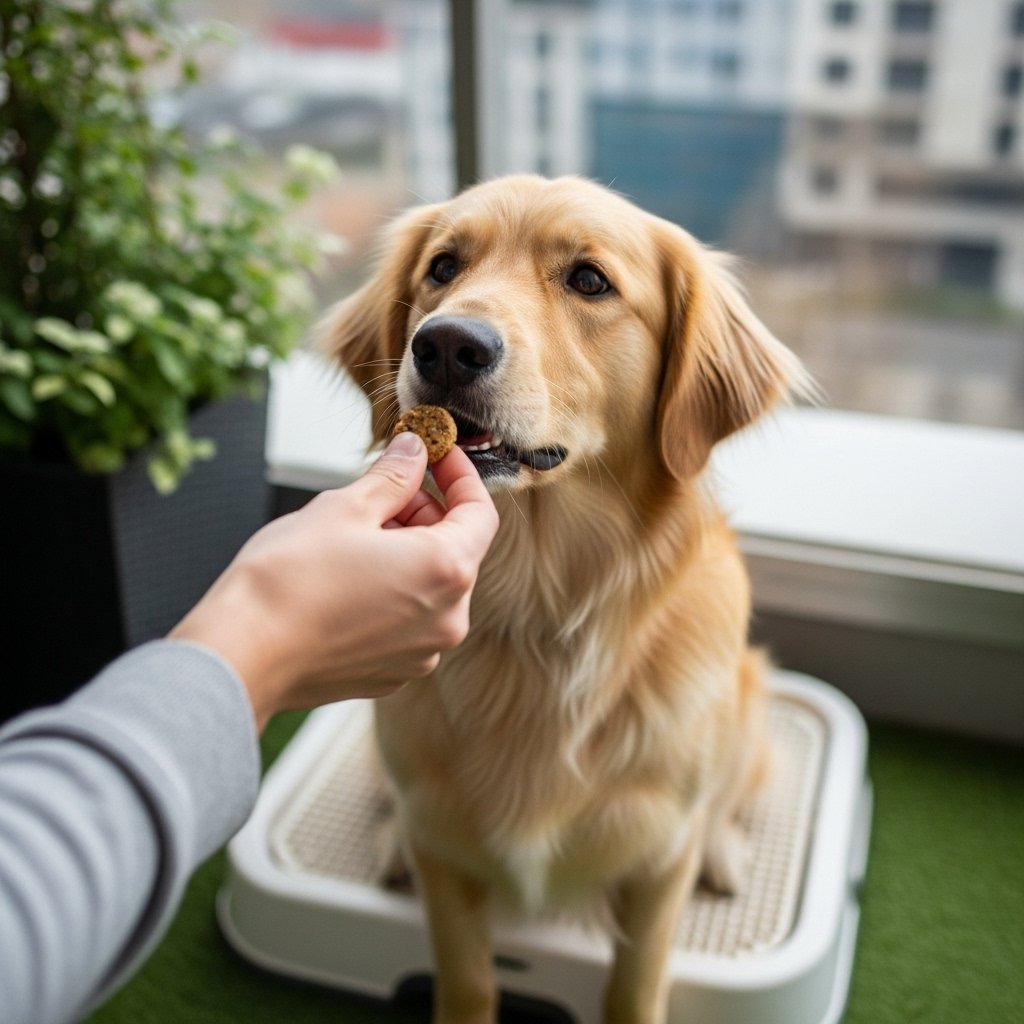
Allow your dog to investigate the new potty station without any pressure. Let them sniff it and walk on it. Drop some high-value treats on the surface to create a positive association. Do this for a day or two before expecting them to use it for elimination.
Step 2: Establishing a Cue Word
Choose a simple, consistent verbal cue, such as ‘Go potty’ or ‘Hurry up.’ You will use this word only when you want them to eliminate. Start by taking your dog to their regular potty spot outside. As soon as they begin to urinate or defecate, calmly repeat your cue word. The moment they finish, praise them enthusiastically and give them a high-value treat. This links the word to the action.
Step 3: Transferring the Cue to the Balcony
Begin taking your dog to the balcony potty at times you know they need to go—first thing in the morning, after meals, and before bed. Leash them as if you were going for a walk and lead them to the station. Stand with them and calmly repeat your cue word. This may take a significant amount of time initially. Be patient and do not interact with them otherwise. The goal is to be boring until they do their business.
Step 4: Rewarding Success
The instant your dog eliminates on the balcony potty, praise them lavishly with an excited tone. ‘Yes! Good potty!’. Immediately give them a very high-value treat that they only get for this specific success. This creates a powerful incentive. If they do not go after 10-15 minutes, take them back inside without fanfare. Try again in 20-30 minutes. Do not let them have free roam of the house during this time, as they may have an accident.
Common Training Hurdles
- Hesitation or Fear: If the dog seems scared of the new object, spend more time on acclimation. Eat your lunch near it, play with toys around it, and continue to sprinkle treats on it.
- Holding It for Walks: It is common for dogs to initially hold their urine, waiting for their walk. Stick to the training schedule. They will eventually need to go. When they finally use the balcony potty, the reward must be immediate and ecstatic to mark the occasion.
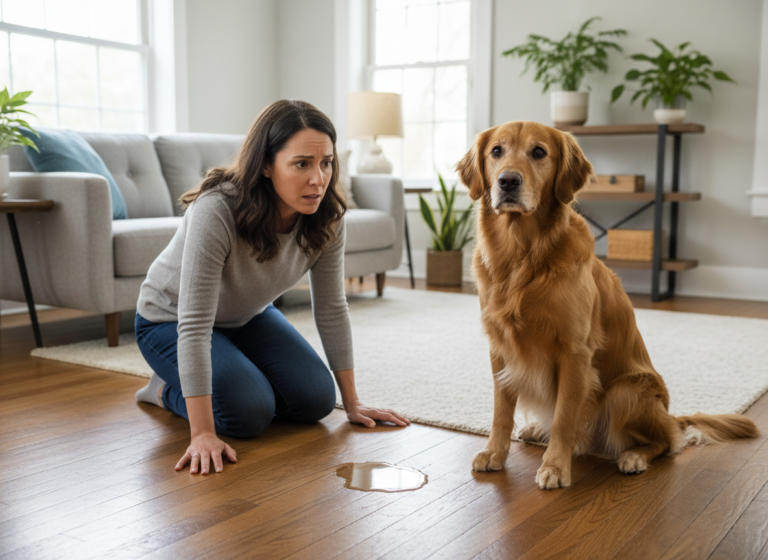
- Marking Elsewhere on the Balcony: If the dog urinates on the balcony floor instead of the potty, it is a cleaning and management issue. Thoroughly clean the accident spot with an enzymatic cleaner to eliminate any scent that would attract them back to it. During training, do not allow unsupervised balcony access.
Conclusion
A balcony potty station can be a transformative tool for the urban dog owner, offering a practical solution to the logistical hurdles of apartment living. However, its success is not guaranteed by the purchase of a product alone. It is the result of a deliberate strategy encompassing careful selection, meticulous setup, and an unwavering commitment to a rigorous maintenance and training schedule. By prioritizing hygiene with enzymatic cleaners and employing patient, positive reinforcement, you can create a clean, convenient, and odor-free space that enhances the well-being of both you and your cherished pet.
Ultimately, this ‘apartment dweller’s secret’ is no secret at all—it is a testament to responsible and proactive pet ownership. The effort invested in creating this functional space will pay dividends in the form of fewer stressful late-night trips, a cleaner indoor environment, and a happier, more comfortable dog.