The Adorable Reason Why Dogs Tilt Their Heads When You Speak
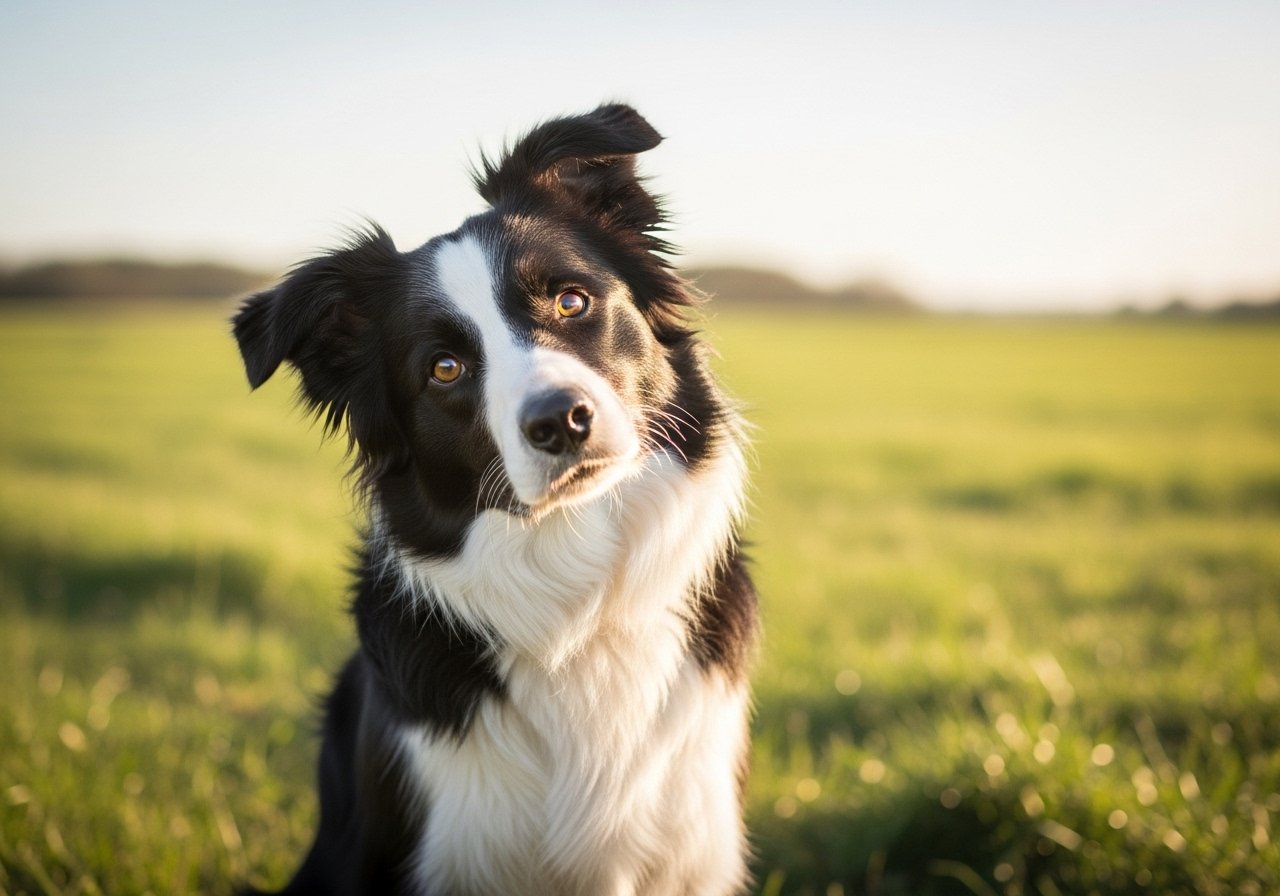
It is one of the most universally recognized and cherished canine behaviors. You say your dog’s name, ask a question in a high-pitched tone, or make a peculiar sound, and its head cocks to one side, ears perked, eyes full of inquiry. This simple, adorable gesture can melt the heart of any pet owner, creating a powerful moment of perceived connection and understanding. But is this head tilt just a cute quirk, or is there a more complex reason behind it? The truth lies in a fascinating intersection of canine anatomy, cognition, and the deep social bond they share with humans.
While it may seem like a simple reflex, the canine head tilt is a sophisticated behavior that scientists and animal behaviorists have studied for years. It is not merely for show; it is a functional action that helps dogs better process our world and, more specifically, better understand us. From optimizing their hearing and vision to signaling deep concentration, this behavior offers a window into the inner workings of the canine mind. This article will delve into the primary scientific theories explaining why dogs tilt their heads, exploring how their unique physiology and intelligence drive this captivating action, and will also guide you on when this behavior might warrant a visit to the veterinarian.
The Auditory Advantage: How Head Tilting Helps Dogs Hear
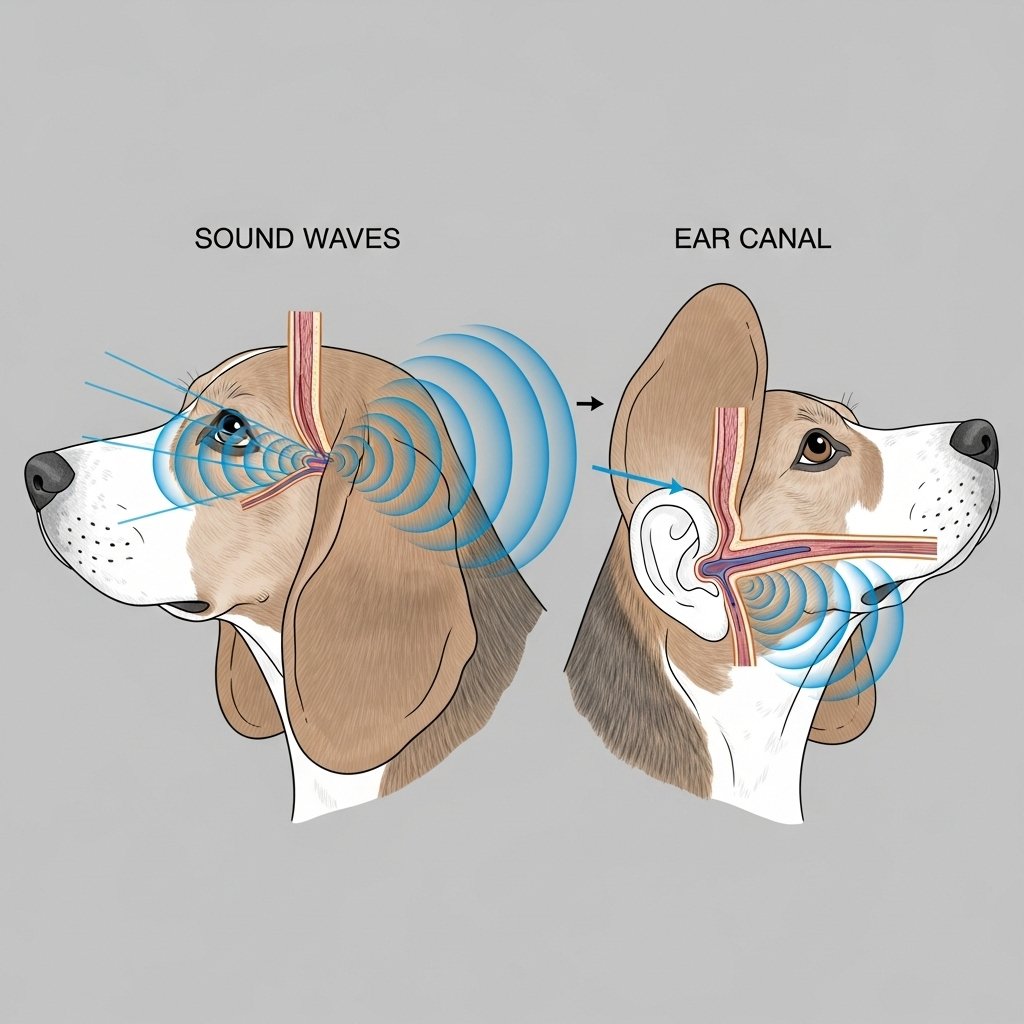
At its core, the head tilt is often a physical adjustment to pinpoint the location and nuances of a sound. While dogs possess a sense of hearing far superior to our own—capable of detecting frequencies as high as 65,000 Hz compared to our 20,000 Hz—their ability to determine the vertical origin of a sound is less precise than their horizontal tracking. This is where the head tilt becomes a critical tool.
A dog’s brain calculates a sound’s location by measuring the minuscule time difference it takes for the sound to reach each ear, a process known as interaural time difference. By tilting their head, a dog can reposition its ears on a different vertical plane, allowing its brain to create a more accurate, three-dimensional ‘sound map’ of its environment. This adjustment helps them instantly gauge not just the direction but also the distance of the sound’s origin.
The Role of Ear Flaps (Pinnae)
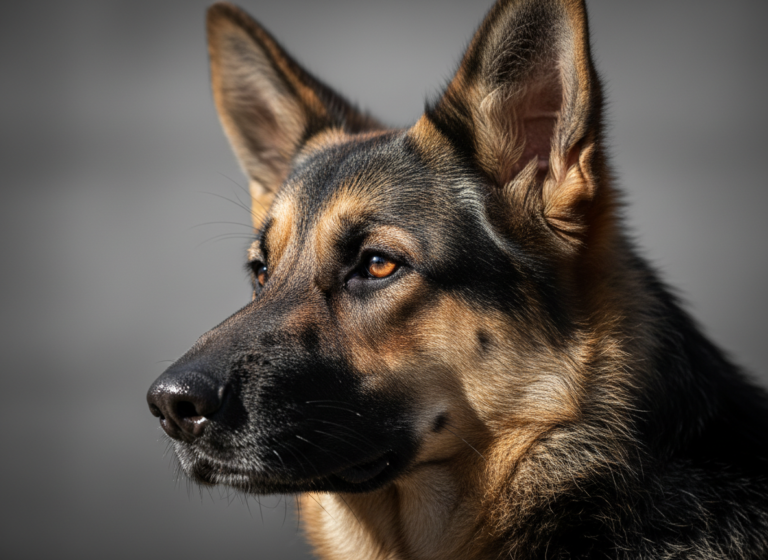
The physical structure of a dog’s ears also plays a significant role. While dogs with erect ears, like German Shepherds or Siberian Huskies, can easily rotate their pinnae (the external ear flaps) to capture sound, dogs with floppy ears, such as Basset Hounds and Cocker Spaniels, have a slight disadvantage. Their ear flaps can partially muffle or obstruct sound waves, making it harder to triangulate their source. Tilting the head lifts the ear flap away from the ear canal, creating a clearer path for the sound to enter. It’s akin to you cupping your hand to your ear to hear a faint noise more clearly.
Expert Tip: Notice if your dog tilts its head more when you speak in a novel tone or use a new word. This is often a sign that they are dedicating extra cognitive resources to deciphering an unfamiliar auditory cue.
A Clearer View: Overcoming the Muzzle Obstruction
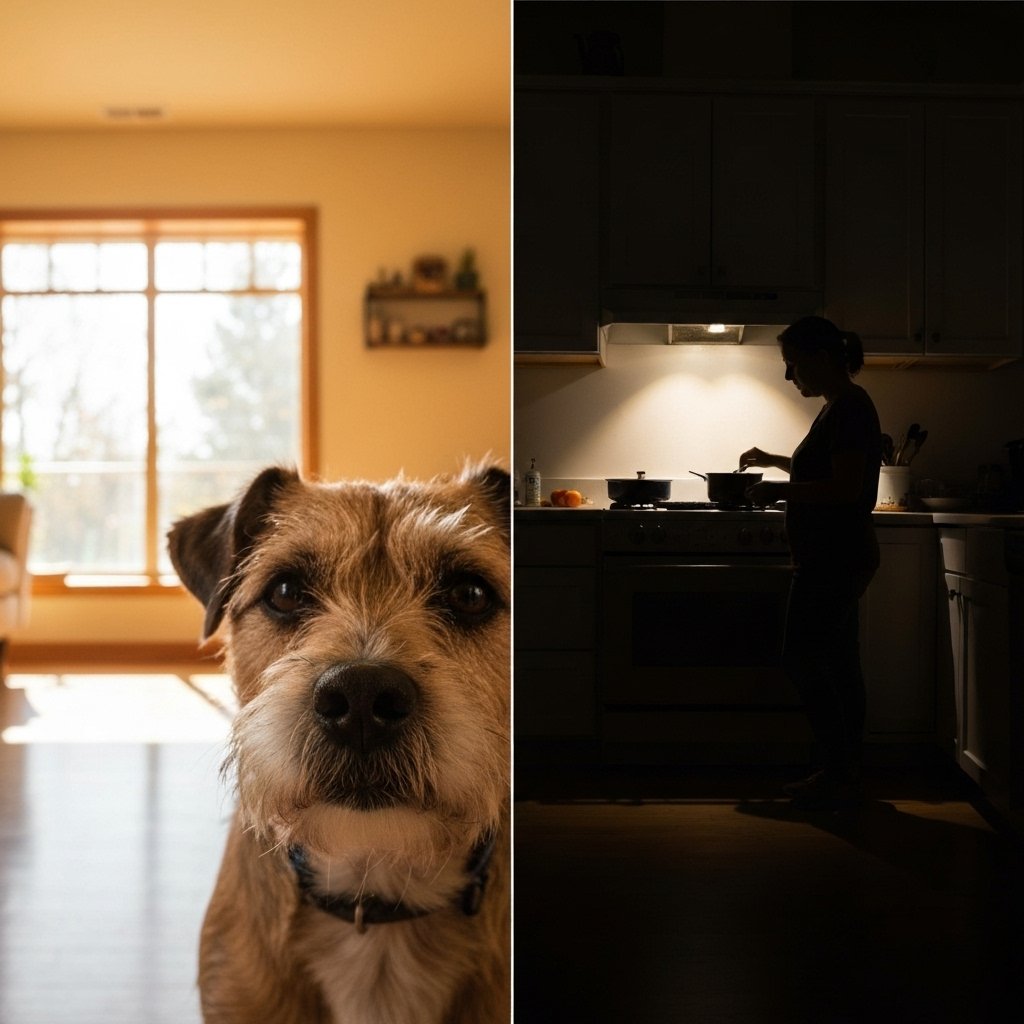
Beyond acoustics, a compelling theory suggests that the head tilt is also a visual adjustment. In his research, psychologist and canine expert Dr. Stanley Coren proposed that a dog’s muzzle creates a significant blind spot in their central field of vision. To understand this, you can try a simple experiment: hold your fist up to your nose. You can still see, but your view of the lower half of objects in front of you is partially obstructed.
For a dog, especially breeds with longer muzzles (dolichocephalic breeds), their nose is constantly in their line of sight. When we communicate with them, they rely heavily on reading our facial expressions, particularly changes around the mouth. A head tilt allows them to shift their muzzle out of the way, giving them an unobstructed view of our entire face. This enables them to better interpret the subtle non-verbal cues that accompany our speech, leading to a more complete understanding of our message.
Dr. Coren’s research surveyed dog owners and found a significant correlation: 71% of owners of long-muzzled dogs reported frequent head-tilting, compared to only 52% of owners of flat-faced (brachycephalic) dogs like Pugs and Bulldogs. This supports the idea that the gesture serves a very practical visual purpose.
More Than Mechanics: A Sign of Empathy and Intelligence

While anatomy and physics provide a strong foundation, the head tilt is also deeply rooted in canine cognition and social behavior. Dogs are exceptionally skilled at attuning to human emotions and communication. A head tilt is often a visible sign of concentration—a signal that the dog is actively processing information and trying to understand.
When a dog tilts its head, it is often in response to specific words or tones. They are listening for familiar keywords that are associated with positive outcomes, such as:
- ‘Walk’
- ‘Treat’
- ‘Car ride’
- ‘Good boy/girl’
Upon hearing a word they recognize, the tilt may be a sign of anticipation and recognition. When they hear a new or confusing word, the tilt signifies an effort to parse the sound and match it to a known command or context. It is, in essence, a gesture of ‘thinking’.
Furthermore, some behaviorists believe the head tilt is a display of empathy. Dogs have co-evolved with humans for thousands of years, and this has made them masters of social connection. By tilting their head, they appear more engaged and non-threatening, a behavior that elicits a positive emotional response from their human companions. It is their way of saying, ‘I am listening, and I am trying to understand you.’ This strengthens the human-animal bond, making it a mutually beneficial social interaction.
The Power of Positive Reinforcement: Have We Trained This Behavior?

It is impossible to ignore the role that we, as owners, play in reinforcing the head-tilting behavior. This falls under the psychological principle of operant conditioning. The process is simple: a dog performs a behavior, and the consequence of that behavior determines if it will be repeated.
Imagine a puppy tilting its head for the first time. The immediate human reaction is almost always overwhelmingly positive. We respond with:
- High-pitched praise (‘Aww, who’s a cute puppy!’)
- Physical affection (patting, scratching behind the ears)
- Sometimes, even a treat
The dog quickly learns to associate the head-tilt action with a highly desirable reward. This positive reinforcement makes it more likely that the dog will offer the behavior again in the future to elicit the same pleasant response. Over time, what may have started as an instinctive adjustment for hearing or seeing becomes a deliberately offered social cue. The dog understands that this specific gesture pleases its human and strengthens their social connection. So, in a way, while the behavior has organic roots, its frequency and context are very much shaped by our loving reactions to it.
When a Head Tilt Isn’t Cute: Recognizing Potential Medical Issues
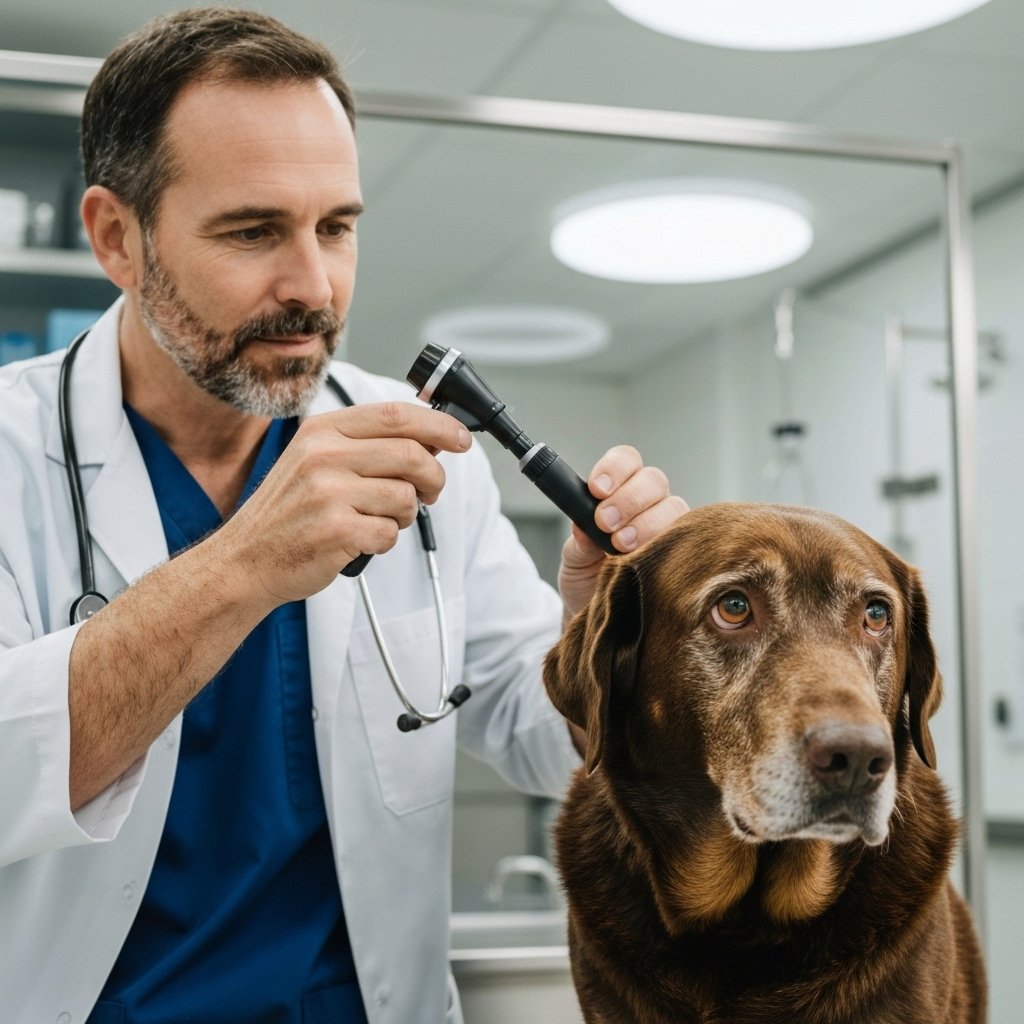
While the vast majority of head tilts are benign behavioral responses, it is critical for every pet owner to know when this gesture may signal a medical problem. The key difference is in the context and persistence of the behavior. A behavioral head tilt is temporary, usually lasting only a few seconds in response to a specific stimulus. A medical head tilt is often constant, involuntary, and accompanied by other concerning symptoms.
A persistent head tilt can be a sign of a problem with the body’s vestibular system, which controls balance and is located in the inner and middle ear. If you notice your dog holding its head to one side for prolonged periods, consult your veterinarian immediately. Pay close attention for other accompanying signs, which may include:
- Loss of balance or coordination (ataxia): Stumbling, staggering, or seeming ‘drunk’.
- Circling: Walking in tight circles, usually in the direction of the head tilt.
- Nystagmus: Rapid, involuntary darting of the eyes from side-to-side or up-and-down.
- Vomiting or nausea: Due to a sense of dizziness, similar to motion sickness.
- Pain or sensitivity: Whining or pulling away when you try to touch their head or ears.
- Discharge or odor from the ear canal.
Potential causes for these symptoms range from common ear infections (otitis) to more serious conditions like vestibular disease (often called ‘old dog syndrome’), head trauma, or even neurological disorders. Early veterinary intervention is crucial for proper diagnosis and treatment.
Conclusion
The simple act of a dog tilting its head is a beautiful reminder of the complexity of our canine companions. It is not one single thing but a convergence of multiple factors. It is a physiological tool to better see and hear us, a cognitive effort to understand our language, a learned behavior to earn our affection, and a social signal to deepen the incredible bond we share. Each time your dog cocks its head, you are witnessing a sophisticated blend of instinct and intelligence at work.
As responsible pet owners, our role is to appreciate these delightful moments of communication while remaining vigilant about our dogs’ health. Cherish the adorable, inquisitive tilts that pepper your daily interactions, but never hesitate to seek professional advice if the behavior becomes persistent or is joined by other signs of distress. By understanding the ‘why’ behind the action, we can better appreciate the amazing animals we are privileged to call our friends.