The 100-Yard Recall: Getting Your Dog to Come from MILES Away

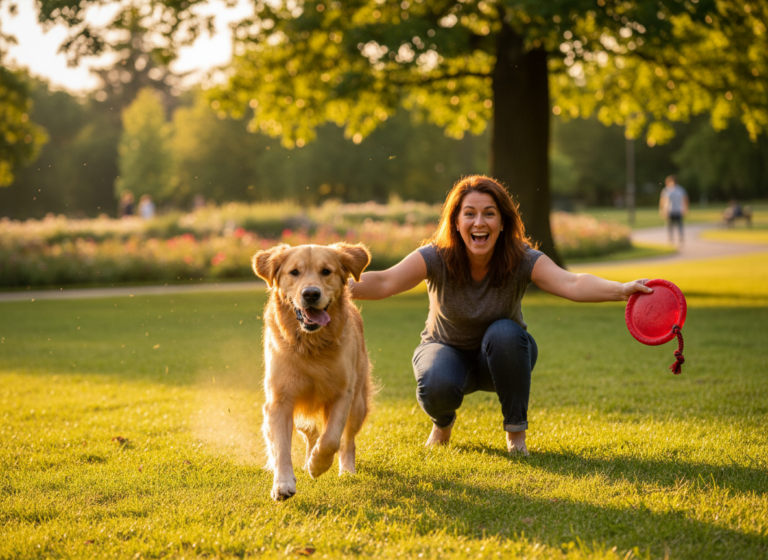
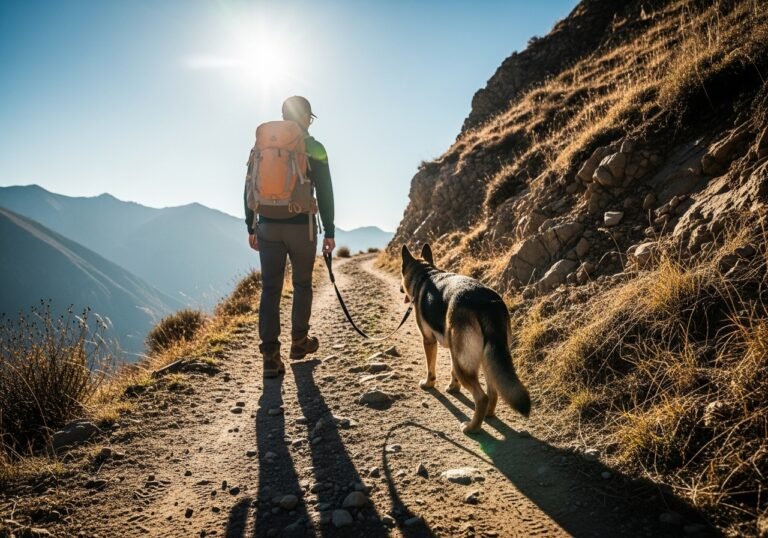
The ability to call your dog and have them return to you without hesitation is arguably the single most important skill they can learn. While a basic ‘come’ command is standard, the 100-yard recall elevates this to a professional level, transforming it from a simple trick into a life-saving tool. Imagine the peace of mind knowing that whether your dog is across a park, down a trail, or distracted by wildlife, your recall cue will cut through everything, bringing them safely back to your side. This is not about ‘getting your dog to come from miles away’ in a literal sense, but about building a response so reliable it feels as though it would work from any distance. This comprehensive guide will provide you with the foundational principles, a step-by-step training protocol, and the expert troubleshooting advice needed to forge an unbreakable, long-distance recall with your canine companion.
Laying the Groundwork: Essential Foundations for a Flawless Recall
Laying the Groundwork: Essential Foundations for a Flawless Recall
Before you can even think about distance, you must first build an unshakeable foundation. A powerful recall is not built on dominance or fear; it is forged through an overwhelmingly positive association. Your dog must believe that coming back to you is the absolute best decision they can make at any given moment. This requires three core components.
Choose a Unique and Sacred Cue
The word ‘come’ is often overused and poisoned in everyday language. We say it when calling the dog for a bath, to put them in their crate, or to leave the park. This creates a mixed association. For your long-distance recall, you need a special, unique cue that is used only for recall training and has a 100% positive history. Examples include:
- A specific word like ‘Here!’ or ‘Touch!’
- A unique sound, such as a high-pitched whistle (a silent dog whistle is excellent for this, as its sound travels far and cuts through environmental noise).
Once you choose this cue, it becomes sacred. It is never to be used in anger or for anything your dog might perceive as negative.
The Power of High-Value Rewards
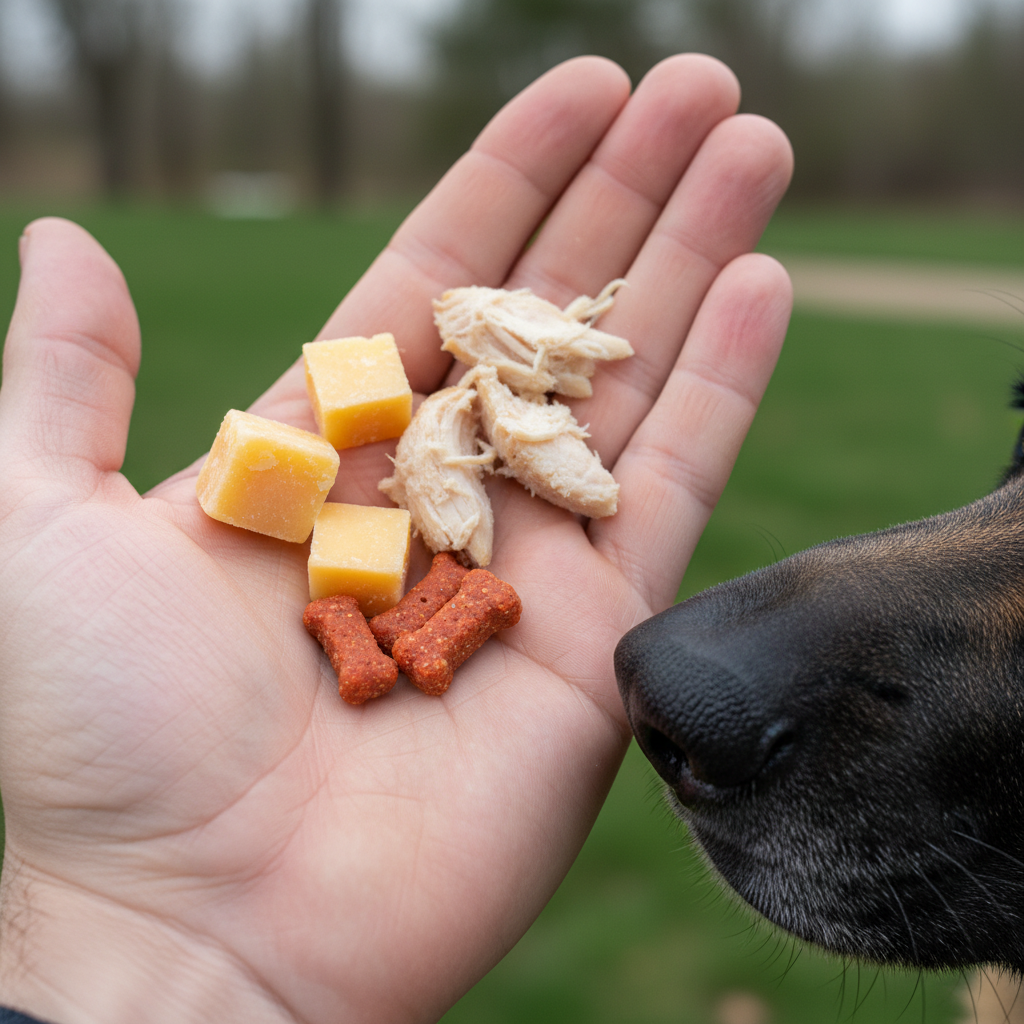
To compete with the immense distractions of the outside world—squirrels, other dogs, fascinating smells—your reward must be of exceptionally high value. A dry biscuit will not suffice. You need to identify what your dog finds irresistible. This is often referred to as a ‘jackpot’ reward.
- Food Rewards: Small pieces of cooked chicken, steak, cheese, or commercial high-value training treats. The reward should be something they don’t get at any other time.
- Toy Rewards: For some dogs, especially high-drive breeds, a frantic game of tug-of-war or a chase after their favorite ball is more rewarding than food.
The key is that this reward is delivered every single time they successfully respond to the recall cue during training, especially in the early stages.
Cultivating a Positive Association
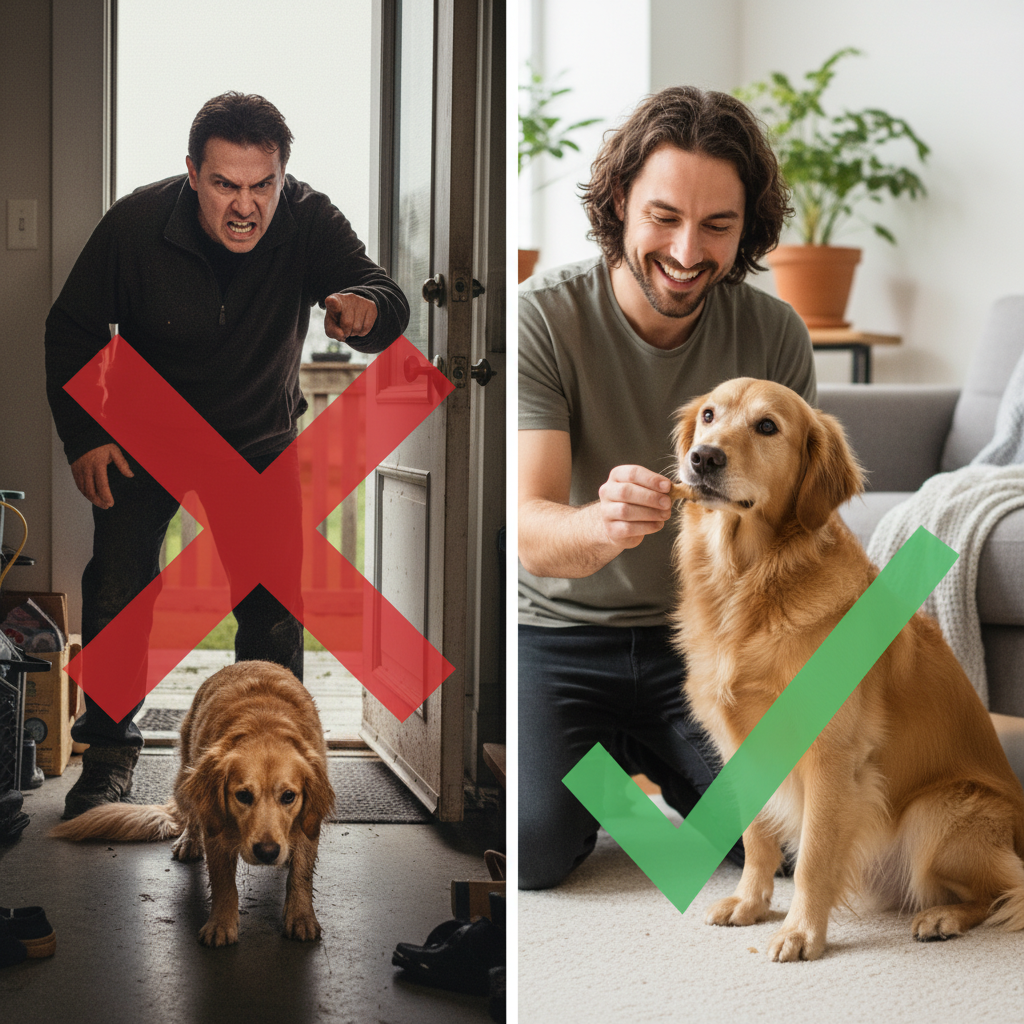
Every interaction with the recall cue must be a positive party. When your dog comes to you, shower them with praise, excitement, and the high-value reward. Your tone of voice should be upbeat and encouraging. They should learn that returning to you is the best thing in the world. Never, ever punish your dog for coming back, no matter how long it took them or what they were doing before. Punishing a dog upon its return only teaches it that coming to you results in a negative consequence, which will poison the cue and destroy your training efforts.
The Step-by-Step Training Protocol: From Your Living Room to the Open Field
The Step-by-Step Training Protocol: From Your Living Room to the Open Field
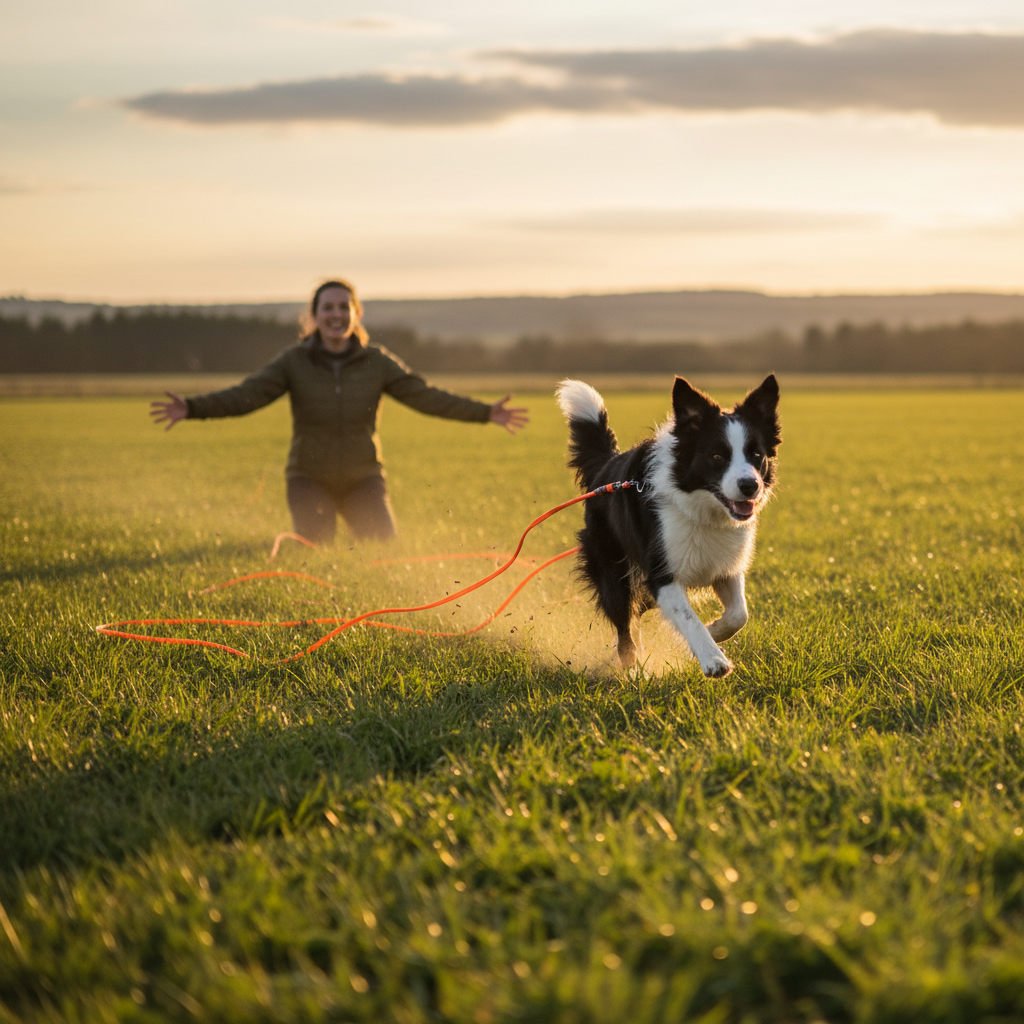
Training a long-distance recall is a marathon, not a sprint. The process involves gradually increasing distance and distractions in a controlled manner, ensuring your dog is successful at every stage. You will need a long line (initially 20 feet, graduating to 50 or 100 feet) for safety and management.
- Phase 1: Charging the Cue (Indoors, No Distractions): Start in a quiet room. With your dog a few feet away, say your special recall cue in an excited tone. The moment they look at you or move toward you, mark the behavior with a ‘Yes!’ and give them a high-value treat. Do this in short, fun sessions of 5-10 repetitions. The goal is to build an immediate, positive reflex to the cue.
- Phase 2: Adding Minimal Distance (Indoors): Begin adding distance. Have a partner hold your dog at one end of a hallway while you go to the other. Call your dog with enthusiasm. When they run to you, throw a ‘recall party’ with praise and multiple treats. Gradually increase the distance until you can reliably call them from anywhere inside the house.
- Phase 3: Introducing the Long Line (Outdoors, Low Distractions): Move to a secure, quiet outdoor area like your backyard or a deserted park. Attach the long line to your dog’s harness (never a collar, to avoid neck injury). Let them wander to the end of the 20-foot line. Use your recall cue. If they hesitate, give a gentle reel-in motion on the line to guide them. When they come, reward lavishly. Practice this until their response is fast and enthusiastic.
- Phase 4: Increasing Distance Incrementally: Graduate to a 50-foot, then a 100-foot long line. The principle remains the same. Allow your dog to get to the end of the line and become mildly engaged in sniffing. Call them. The long line is your safety net, ensuring they cannot fail by running off. Your goal is for the line to remain slack, meaning the dog is choosing to come back on their own.
- Phase 5: The ‘Recall Game’: Make training fun. Play hide-and-seek behind trees, calling your dog to find you. Have a partner hold your dog while you run away, then release them as you call them, turning the recall into an exciting chase game where they always win.
Remember: The long line is not for pulling or dragging your dog back. It is a management tool to prevent self-rewarding behaviors (like chasing a squirrel) and to provide a gentle guide if they are momentarily confused.
Proofing the Command: Building Reliability in the Real World
Proofing the Command: Building Reliability in the Real World
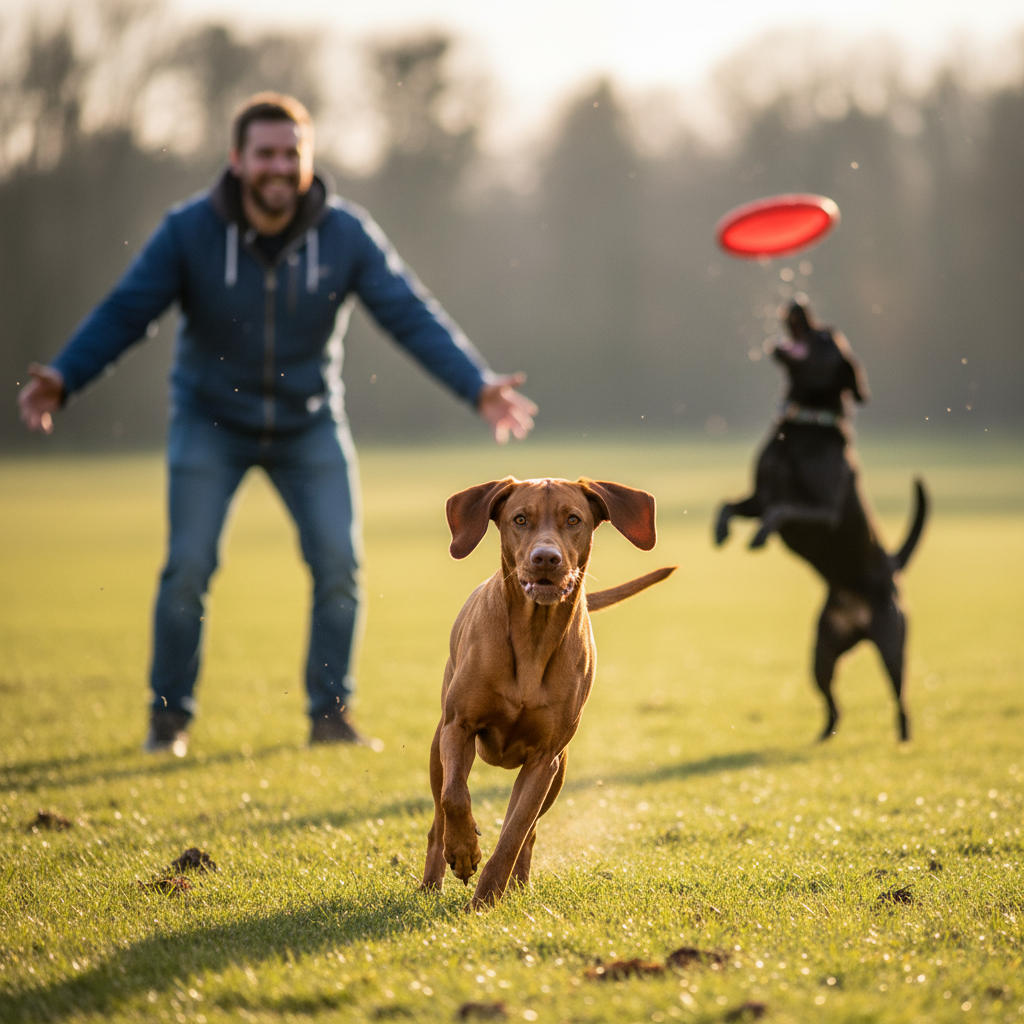
A recall that only works in a quiet field is of limited use. ‘Proofing’ is the process of teaching your dog to respond to the cue despite distractions. This must be done systematically and gradually. Rushing this stage is the most common reason for recall failure. The golden rule is to always set your dog up for success.
Systematic Introduction of Distractions
Start with low-level distractions and slowly increase the intensity. You must manage the environment so the distraction is present, but not so overwhelming that your dog cannot succeed.
| Distraction Level | Example Scenario | Training Strategy |
|---|---|---|
| Low | A calm person walking in the distance. A stationary object like a park bench. | Begin at a distance where your dog notices the distraction but can still easily focus on you. Use your recall cue and reward heavily for success. |
| Medium | Another calm dog on a leash far away. Children playing 100 yards away. | Decrease the distance between your dog and the distraction, but keep your dog on the long line. Work at the edge of their threshold—the point where they are challenged but can still succeed. |
| High | Squirrels or birds nearby. Another dog wanting to play. | This is the ultimate test. You may need to use your absolute highest value reward (the ‘super jackpot’). Keep sessions short. If your dog fails, you have moved too fast. Increase the distance from the distraction and try again. |
Varying Locations and Scenarios
Practice everywhere. Don’t let your dog believe the recall only applies to the training field. Practice in different parks, on different hiking trails, and in wooded areas. Each new environment adds a layer of complexity and strengthens the command. Always use the long line in new or challenging environments until you are 100% confident in your dog’s off-leash response.
Troubleshooting Common Recall Problems
Troubleshooting Common Recall Problems
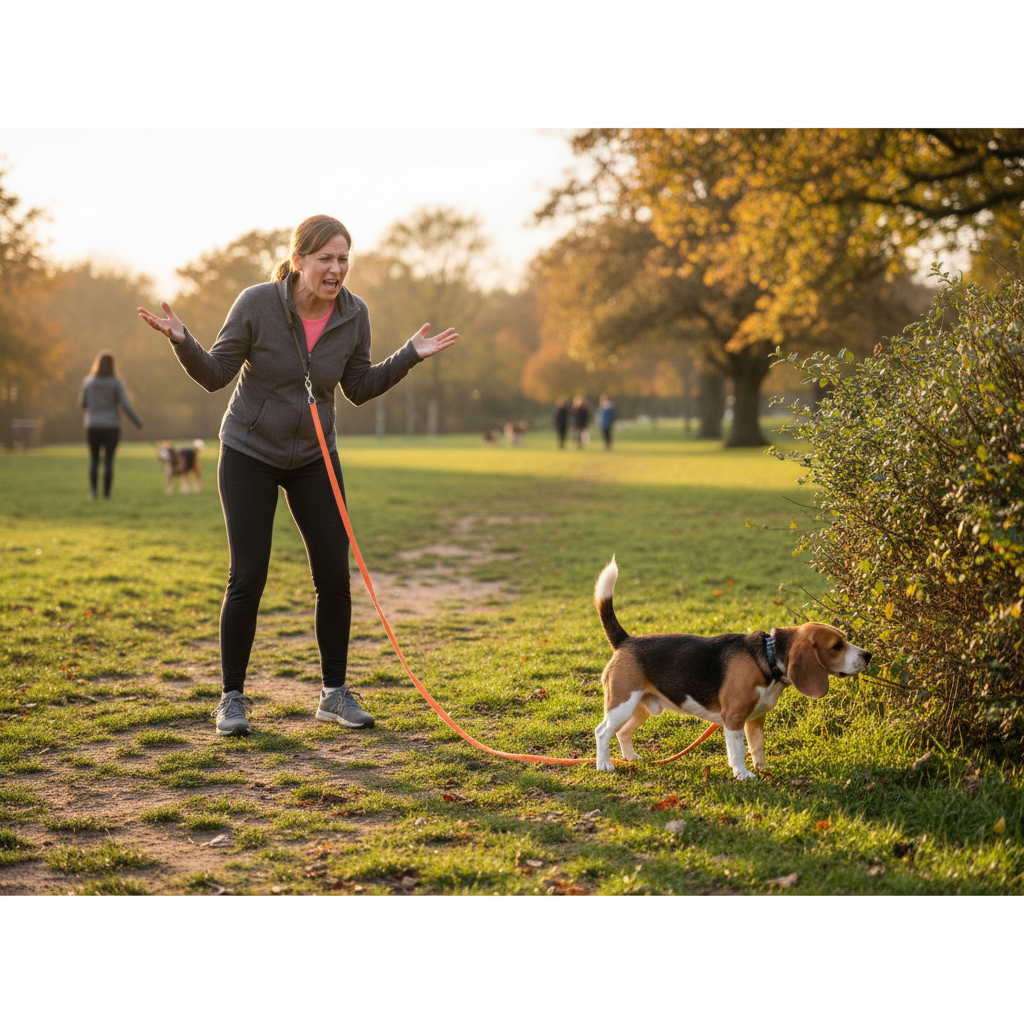
Even with the best training plan, you may encounter bumps in the road. Understanding why a problem is occurring is the first step to fixing it. Here are some common issues and their solutions.
Problem: The Dog Runs Away from You (The ‘Catch Me’ Game)
Cause: This often happens when owners have chased their dog in the past. The dog learns that running away initiates a fun game of chase. It can also happen if the dog associates coming back with something negative, like leaving the park.
Solution: Never chase your dog. Instead, do the opposite. Turn and run away from them, making exciting, playful noises. This often triggers their chase instinct, and they will run after you. When they catch up, reward them. Also, practice ‘random recalls’ at the park where you call them, reward them, and then immediately release them to play again with a cue like ‘Go play!’. This teaches them that a recall doesn’t always mean the fun ends.
Problem: The Dog is Slow or Hesitant to Respond
Cause: The reward may not be valuable enough to compete with the environment, or the dog may be unsure of the cue. You may have also increased the difficulty too quickly.
Solution: Increase the value of your reward. If you’re using dry treats, switch to real meat. Make your reaction a massive celebration. Also, go back a few steps in your training plan. Return to shorter distances and fewer distractions to build back speed and confidence. Short, fast, successful repetitions are key.
Problem: The Dog Gets Distracted Mid-Recall and Veers Off
Cause: The distraction was too powerful for the dog’s current level of training. The value of investigating the distraction outweighed the value of coming to you.
Solution: This is a clear sign you need to manage the environment better. Use your long line to prevent the dog from being successful in veering off. If you see them start to divert, use a verbal cue like ‘Ah-ah!’ to interrupt the thought, and use your body language (running backward, clapping) to make yourself more exciting. When they re-engage and come to you, reward them for making the right choice.
Critical Mistakes to Avoid: Protecting Your Recall Cue
Critical Mistakes to Avoid: Protecting Your Recall Cue
Building a reliable recall is as much about what you don’t do as what you do. Certain actions can quickly undo all your hard work and ‘poison’ your recall cue, making the dog less likely to respond in the future. Avoiding these common pitfalls is essential for long-term success.
1. Calling Your Dog for Something They Dislike
Never use your sacred recall cue to call your dog for a bath, nail trim, to give them medication, or to put them in their crate if they dislike it. The dog will quickly associate the cue with these unpleasant activities and will become hesitant to come. If you need to do something they don’t like, simply go and get them without using the recall cue.
2. Repeating the Cue Over and Over
If you say ‘Here! Here! Here!’, you are teaching your dog that they don’t need to respond on the first cue. You are effectively training them to ignore you. Say the cue once, clearly and with enthusiasm. If they don’t respond, it’s a training issue, not a hearing problem. Use your long line or run the other way to get a response, but do not repeat the command. This preserves the integrity of the first cue.
3. Punishing the Dog When It Finally Comes Back
This is the cardinal sin of recall training. If your dog takes five minutes to come back after chasing a deer, you must still praise and reward them when they arrive. Your frustration is understandable, but any punishment delivered upon their return is linked to the act of coming to you, not the act of running off. Punishing them guarantees they will be less likely to come back the next time.
4. Only Calling the Dog to End Playtime
If the recall cue always means ‘the fun is over and we’re going home,’ your dog will be reluctant to obey. As mentioned earlier, practice numerous random recalls during a walk or play session. Call them, reward them enthusiastically, and then immediately release them back to play. This makes the recall a fun, rewarding, but temporary interruption, not a fun-stopper.
Expert Tip: Your body language speaks volumes. When you call your dog, get low, open your arms, and be inviting. Standing tall and looming over a dog can be intimidating. Be a welcoming, safe harbor, not a commanding officer.
Conclusion
Training a 100-yard recall is a significant commitment, but the payoff in terms of safety, freedom, and your bond with your dog is immeasurable. It is a journey built on patience, consistency, and an unwavering dedication to positive reinforcement. Remember to progress at your dog’s pace, celebrate every success, and manage the environment to prevent failure. By building a sacred cue, using high-value rewards, and systematically proofing the behavior, you can achieve a recall that is not only reliable over long distances but is also a joyful expression of the deep trust and communication you share with your canine partner. The confidence that comes from knowing your dog will return to you, no matter the distraction, is the ultimate freedom for any pet owner.