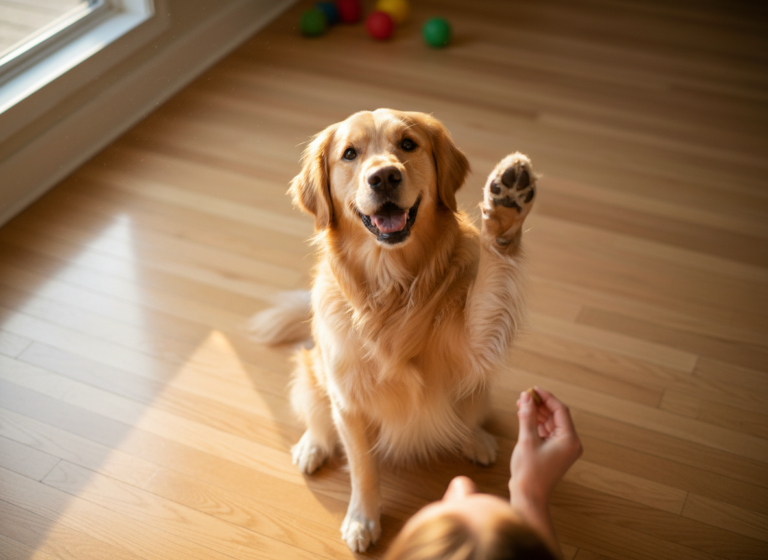
Teach Your Dog to Spin in Circles: The Cutest Party Trick in 10 Minutes
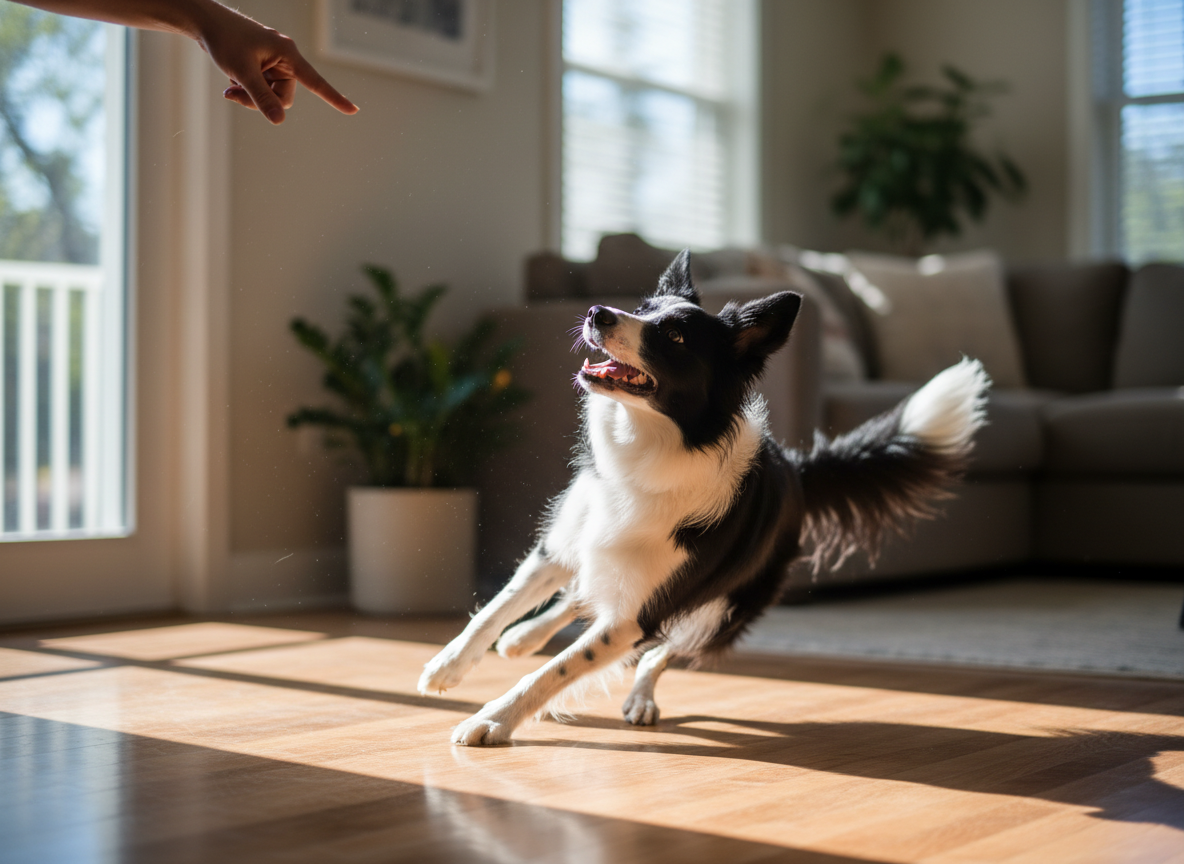
Training your dog is one of the most rewarding aspects of pet ownership. It builds communication, strengthens your bond, and provides essential mental stimulation that a well-behaved dog needs. While foundational commands like ‘sit’ and ‘stay’ are crucial, teaching fun tricks like ‘spin’ can elevate your training sessions from routine to remarkable. The ‘spin’ command is more than just an adorable party trick; it’s an excellent exercise in body awareness for your dog and a testament to your clear communication as a trainer.
Many owners assume that teaching such a dynamic trick requires weeks of effort or a professional trainer. However, the ‘spin’ is surprisingly simple to teach using a technique called ‘luring.’ With the right approach, a handful of high-value treats, and a few minutes of focused effort, you can have your dog spinning on cue. This guide provides a comprehensive, step-by-step methodology rooted in positive reinforcement principles, ensuring the process is enjoyable and effective for both you and your beloved pet. Prepare to be amazed at how quickly your dog can master this charming command.
Preparing for Success: Your Essential Training Toolkit
Preparing for Success: Your Essential Training Toolkit
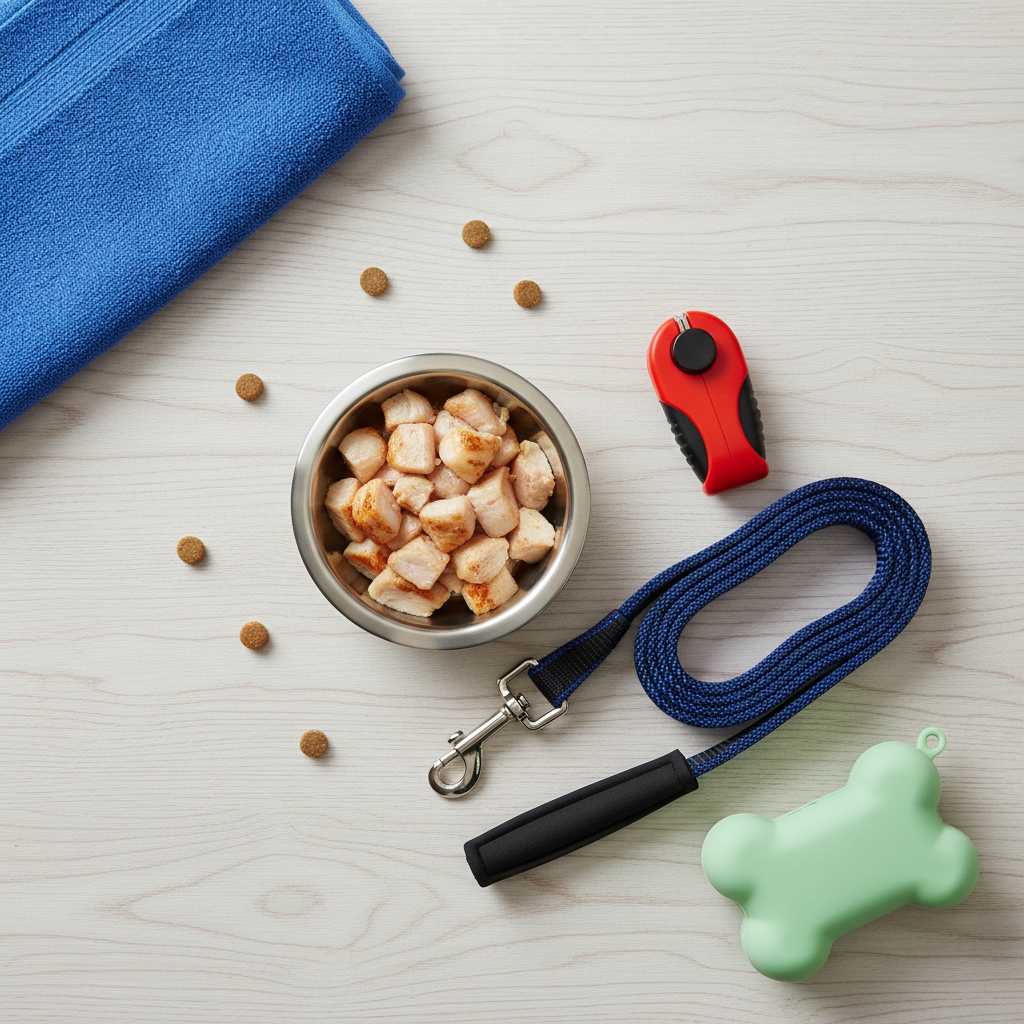
Before you begin any training session, proper preparation is paramount. Setting up the right environment and having the necessary tools on hand will significantly increase your chances of success and make the experience more efficient and enjoyable. For teaching the ‘spin’ command, you don’t need expensive equipment, just a few key items.
Key Components for a Successful Session:
- High-Value Treats: These are the cornerstone of positive reinforcement training. A high-value treat is something your dog absolutely loves and doesn’t get every day. Think small, soft, and smelly morsels like tiny pieces of cooked chicken, cheese, or commercial training treats. The treat should be small enough to be consumed quickly, so you can maintain a rapid pace of reinforcement without your dog getting full too fast. The goal is to motivate, not to provide a meal.
- A Quiet, Distraction-Free Environment: Choose a location where your dog feels comfortable and can focus entirely on you. A living room, a quiet hallway, or a securely fenced backyard are all excellent choices. Minimize distractions by turning off the television, putting away noisy toys, and ensuring other pets or family members won’t interrupt the session. A calm environment allows your dog’s brain to focus on the task at hand.
- A Clicker (Optional but Recommended): A clicker is a small handheld device that makes a distinct ‘click’ sound. In clicker training, you ‘charge’ the clicker by clicking and immediately giving a treat, repeating this until the dog associates the sound with a reward. The clicker then becomes a powerful tool to mark the exact moment your dog performs the desired behavior. Its precision is far greater than a verbal marker like ‘Yes!’, making it highly effective for capturing the specific movements involved in a spin.
- A Positive Attitude: Your energy directly influences your dog’s. Approach the training session with patience, enthusiasm, and a sense of fun. Dogs are highly attuned to our emotional state; if you are relaxed and happy, they are more likely to be engaged and eager to learn. Remember, this is a game you are playing together.
Expert Tip: Keep training sessions short and sweet, especially when introducing a new trick. Aim for multiple 5-10 minute sessions throughout the day rather than one long, grueling session. This prevents burnout and keeps your dog excited for the next lesson.
Phase One: Mastering the Lure
Phase One: Mastering the Lure
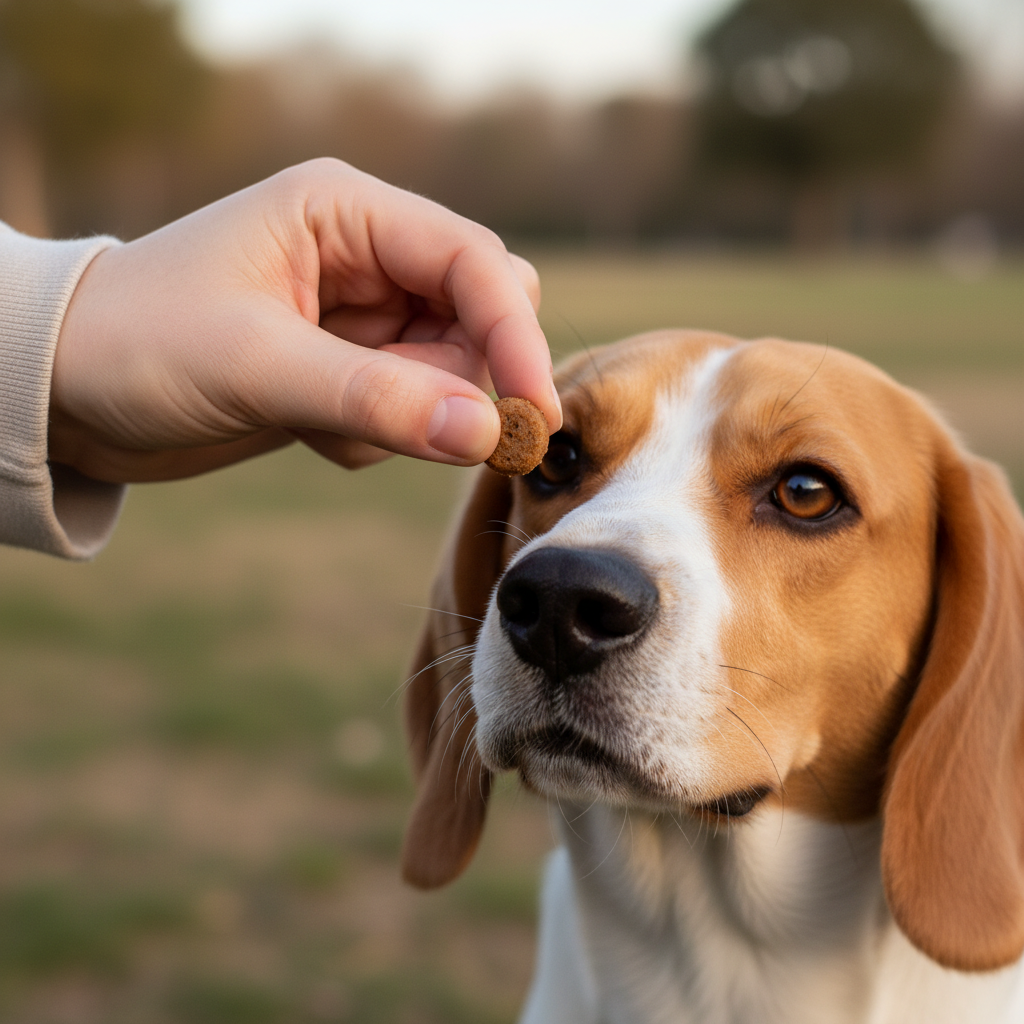
The foundation of teaching the ‘spin’ command lies in a technique called luring. Luring uses a motivator, in this case a high-value treat, to guide your dog into a specific physical position. It’s an intuitive process for the dog—they simply follow the delicious scent. This phase is all about teaching your dog to follow the treat in a complete circle without adding any verbal commands yet.
Step-by-Step Luring Process:
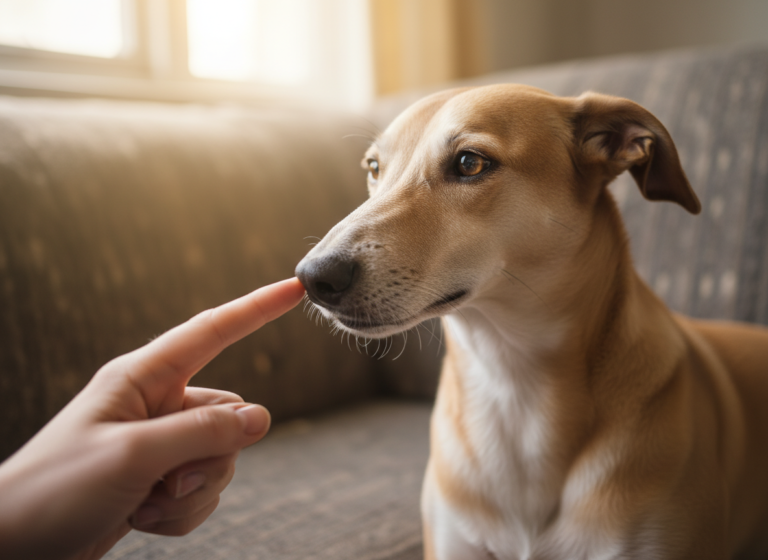
- Present the Lure: Begin with your dog in a standing position in front of you. Hold a high-value treat between your thumb and forefinger, and let your dog sniff it so they know you have something worthwhile.
- Guide the Nose: Place the treat directly in front of your dog’s nose. Slowly begin to move your hand in a horizontal circle around their head, towards their shoulder. The goal is to have their nose ‘stick’ to your hand as if it were a magnet.
- Encourage the Turn: As your dog’s head turns to follow the treat, their body will naturally begin to follow. Continue the circular motion of your hand, guiding them around in a full circle. For the first few attempts, you may only get a quarter or half turn. That’s perfectly fine! Reward any effort in the correct direction.
- Complete the Circle: Continue practicing this luring motion. As your dog gets the hang of it, you can make the circle smoother and faster. Once your dog can consistently follow the treat in a full 360-degree circle, you have successfully established the lure. Mark the completion of the full circle with your clicker or a verbal ‘Yes!’ and give them the treat.
During this phase, it is critical to keep the lure very close to your dog’s nose. If you move your hand too high or too far away, they may lose interest or become confused. The movement should be fluid and confident. Repeat this process several times until your dog is eagerly and smoothly following the treat lure into a full spin. This mastery of the physical motion is the essential groundwork upon which you will build the verbal command.
Phase Two: Fading the Lure and Introducing the Verbal Cue
Phase Two: Fading the Lure and Introducing the Verbal Cue
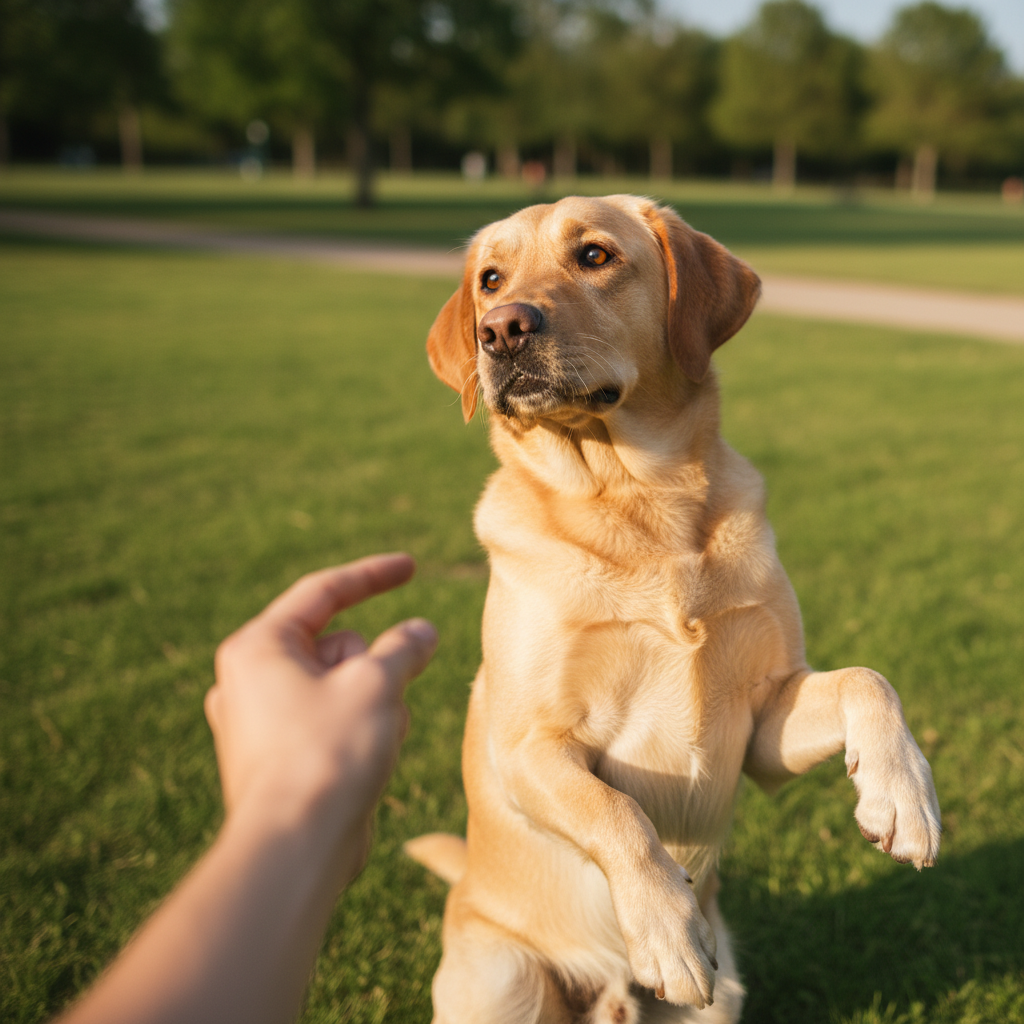
Once your dog reliably follows the treat in a complete circle, it’s time to transition from the physical lure to a more subtle hand signal and then pair it with a verbal command. This process, known as ‘fading the lure,’ is crucial for teaching your dog to perform the behavior without needing a treat waved in front of their face every time.
Fading the Food Lure:
The first step is to remove the treat from your luring hand. Go through the exact same circular motion you did before, but this time your hand is empty. This empty-hand motion will become your new hand signal. Because the muscle memory is already there, your dog will likely still follow your hand. The moment they complete the spin, mark the behavior and reward them with a treat from your other hand. This teaches the dog that the reward comes after the behavior, not during it, and that the hand signal itself is the cue.
Shrinking the Hand Signal:
After your dog responds well to the empty-hand signal, you can begin to make the signal smaller and more refined. Instead of making a large circle around their head, shrink it to a smaller circle in front of them. The ultimate goal is a subtle, circular motion with just your index finger. Practice at each stage of ‘shrinking’ until the dog responds reliably before making the signal smaller.
Adding the Verbal Cue:
Now it’s time to name the behavior. Choose a short, clear verbal cue. ‘Spin’ is the most common, but you could use ‘Twirl,’ ‘Circle,’ or any other word you prefer. The key is consistency.
- Say the Cue First: Just before you give the hand signal, say your chosen verbal cue in a clear, upbeat tone. For example, say ‘Spin!’ and then immediately give the small, circular hand signal.
- Mark and Reward: When your dog completes the spin, mark the moment with a click or ‘Yes!’ and deliver a high-value treat.
- Repeat for Association: Repeat this sequence—verbal cue, then hand signal, then behavior, then reward—multiple times. Through this repetition, your dog will begin to associate the word ‘Spin’ with the action of turning in a circle.
Eventually, you can test the association by giving only the verbal cue. If your dog spins, they have made the connection! If not, simply go back a step and continue pairing the word with the hand signal for a few more repetitions. This is a critical step in creating a reliable, off-leash command.
Troubleshooting Common Training Challenges
Troubleshooting Common Training Challenges
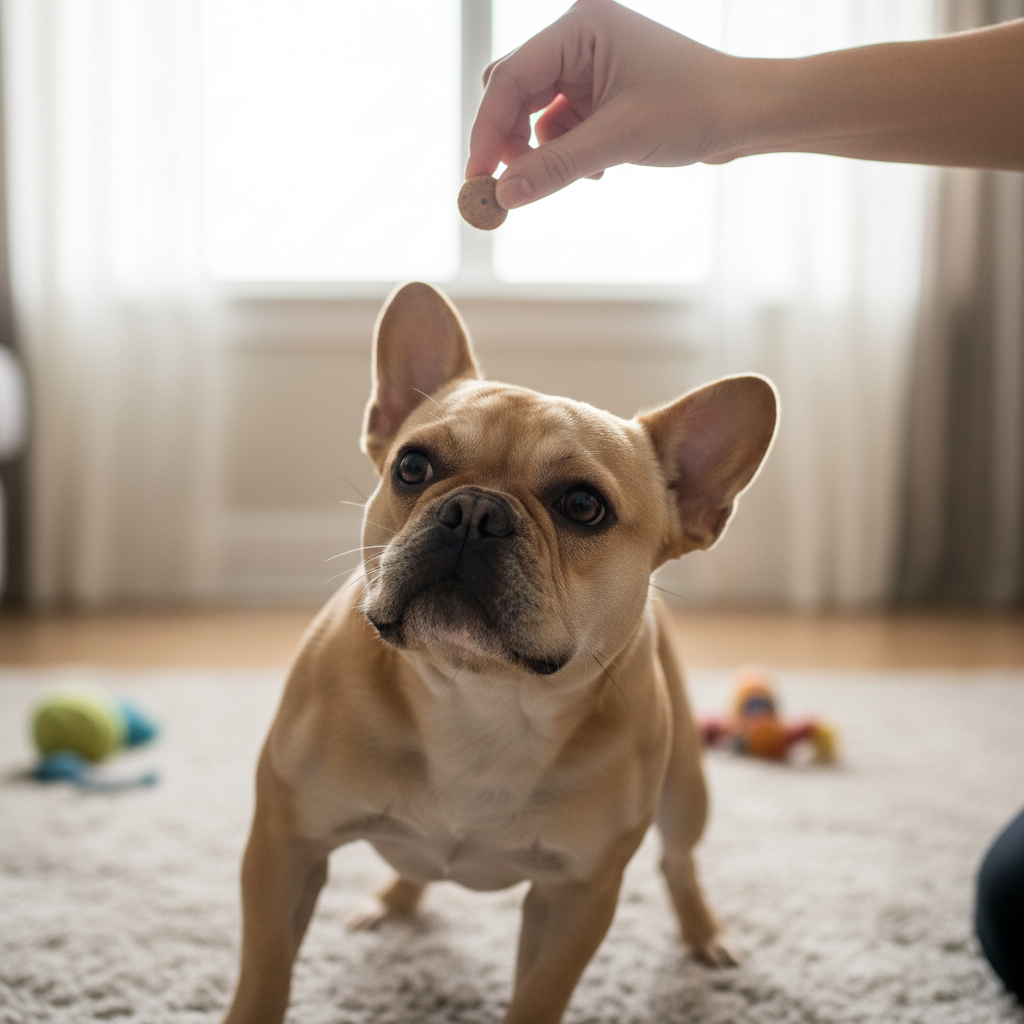
Even with a straightforward trick like ‘spin,’ you may encounter a few bumps in the road. This is a normal part of the training process. Identifying the problem and addressing it with patience is the mark of a great trainer. Below are common issues and their professional solutions.
| Challenge | Reason | Solution |
|---|---|---|
| Dog Won’t Complete a Full Circle | The dog may be losing focus, or the lure is moving too quickly. In some cases, especially with long-bodied dogs, the physical motion can feel awkward at first. | Break the spin down into smaller parts. Reward a quarter turn, then a half turn, then a three-quarter turn, gradually building up to the full 360 degrees. This is called ‘shaping.’ Ensure your lure stays right on their nose. |
| Dog Gets Dizzy or Stops | Spinning can be disorienting. This is particularly true if sessions are too long or if you are asking for too many repetitions in a row. | Keep sessions short (1-2 minutes on this specific trick). Alternate directions if you plan to teach both ‘spin’ and ‘twirl.’ Give your dog a break to reset before trying again. Never force them to continue if they seem uncomfortable. |
| Dog Offers a Different Behavior (e.g., Sits or Lies Down) | The dog might be confused about what is being asked or is defaulting to a behavior that has been highly rewarded in the past. | Reset the dog by tossing a treat a few feet away to get them back on their feet. Restart the luring process from the beginning, making sure your hand signal is clear and distinct from other commands. Reward only the spinning motion. |
| Dog Loses Interest Quickly | The treats may not be high-value enough, the session may be too long, or the dog might be tired or distracted. | Increase the value of your reward; use something extra special. Shorten the training session to end on a high note before the dog becomes bored. Ensure the training environment is free from compelling distractions. |
Professional Insight: Frustration is the enemy of progress in dog training. If you or your dog are feeling frustrated, the most productive thing you can do is end the session on a positive note with a simple command you know they can do (like ‘sit’), reward them, and try again later. Training should always be a positive experience.
Conclusion
Congratulations! You are now equipped with the professional knowledge and step-by-step plan to teach your dog the delightful ‘spin’ command. By following the principles of luring, fading the lure, and positive reinforcement, you can introduce this trick in a way that is both fun and easy for your canine companion to understand. Remember that the journey is just as important as the destination. Each training session is an opportunity to deepen your communication and strengthen the incredible bond you share.
Be patient, stay positive, and celebrate the small victories along the way. Before you know it, you’ll have a dog who can spin on cue, ready to show off their new skill to impressed family and friends. More importantly, you will have invested valuable time in your dog’s mental enrichment, building a happier, more confident, and better-behaved pet.