Teach The “Back Up” Command In 5 Minutes (Life-Saving Skill!)
In the world of dog training, some commands are fun party tricks, while others are fundamental pillars of safety and communication. The “back up” command falls squarely into the latter category. While it may seem simple, teaching your dog to move backward on cue is one of the most practical and potentially life-saving skills you can impart. It’s about creating space, managing situations, and ensuring safety for your dog, yourself, and others.
Imagine your dog is about to rush out an open door into a busy street, or is standing too close to a hot oven. A quick, reliable “back up” command can prevent a tragedy. It can de-escalate a tense situation with another dog, give a nervous child space, or simply help you navigate a crowded room. Many owners assume this is a complex behavior to teach, but the truth is, using positive reinforcement, you can lay the foundation for this essential skill in as little as five minutes. This guide will provide a clear, step-by-step method to not only teach the command quickly but also build a foundation for a reliable, real-world skill that strengthens your bond and enhances your dog’s safety.
Why “Back Up” is a Non-Negotiable Safety Skill
Before diving into the ‘how,’ it’s crucial to understand the ‘why.’ The “back up” command is far more than obedience for its own sake; it is a tool for proactive management and hazard prevention. A dog that understands how to yield space is a dog that is safer and easier to live with. This command empowers you to control your dog’s position in any environment without physical force, relying instead on clear communication and a positive history of reinforcement.
Key Scenarios Where “Back Up” is Essential:
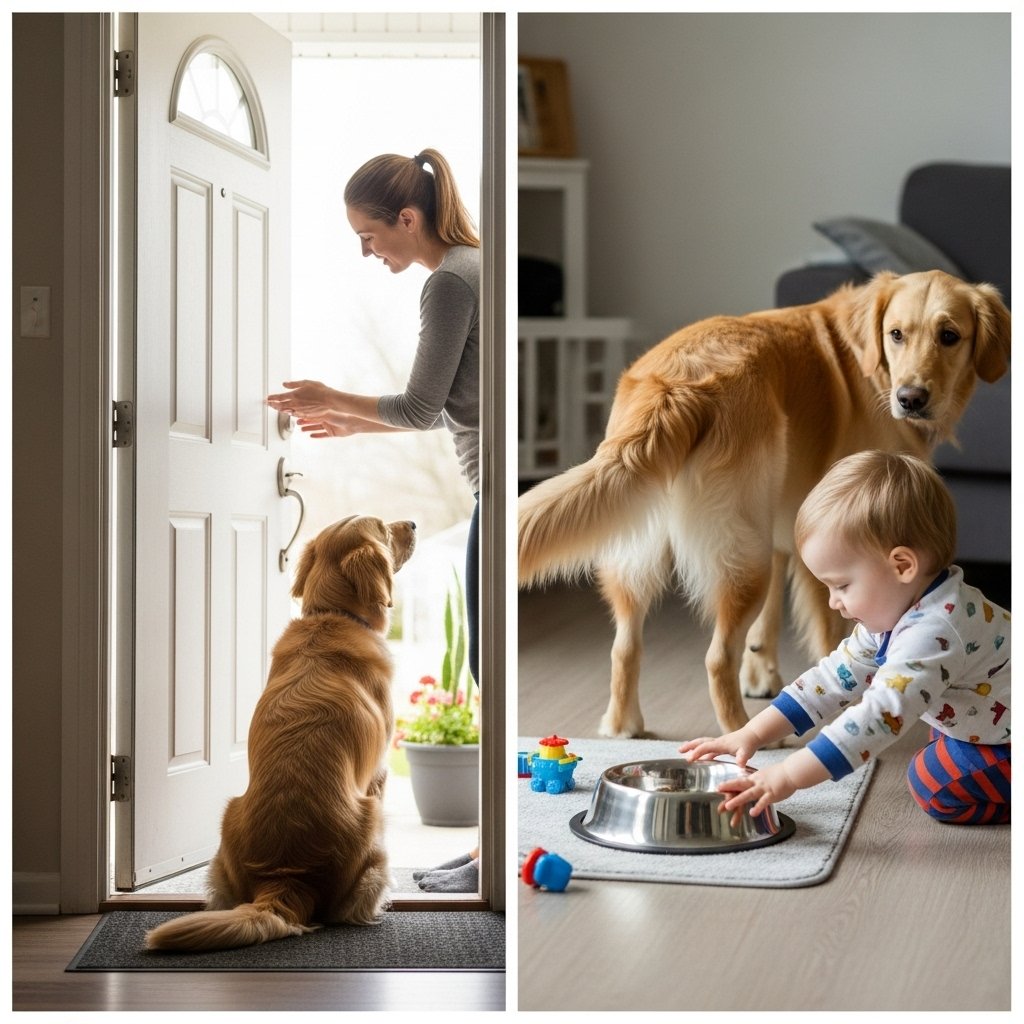
- Doorway Safety: This is perhaps the most critical application. A dog that waits patiently and backs away from an open door is not at risk of bolting into traffic or running off. It establishes a clear boundary and puts you in control of exits and entries.
- Kitchen and Hazard Awareness: Kitchens are filled with potential dangers—hot stoves, sharp knives, dropped food that could be toxic. A dog that can back out of the kitchen on cue is protected from these common household hazards.
- Creating Social Space: When introducing your dog to new people (especially children) or other animals, the ability to ask for space is invaluable. It can prevent a dog from overwhelming a nervous guest or escalating a tense interaction with another dog by providing an immediate ‘off-switch’ to proximity.
- Resource Management: The command can be used to prevent resource guarding. Asking a dog to back away from its food bowl or a favorite toy before you approach teaches them that your presence isn’t a threat to their possessions.
- Grooming and Vet Prep: During grooming or a veterinary exam, asking your dog to back up slightly can help position them correctly and make the experience less stressful for everyone involved.
Expert Insight: A dog that can move backward on cue demonstrates a high level of body awareness and responsiveness. This skill translates to better performance in other training areas and dog sports, as it shows the dog is thinking about its body position in space.
Preparation: Setting the Stage for Success
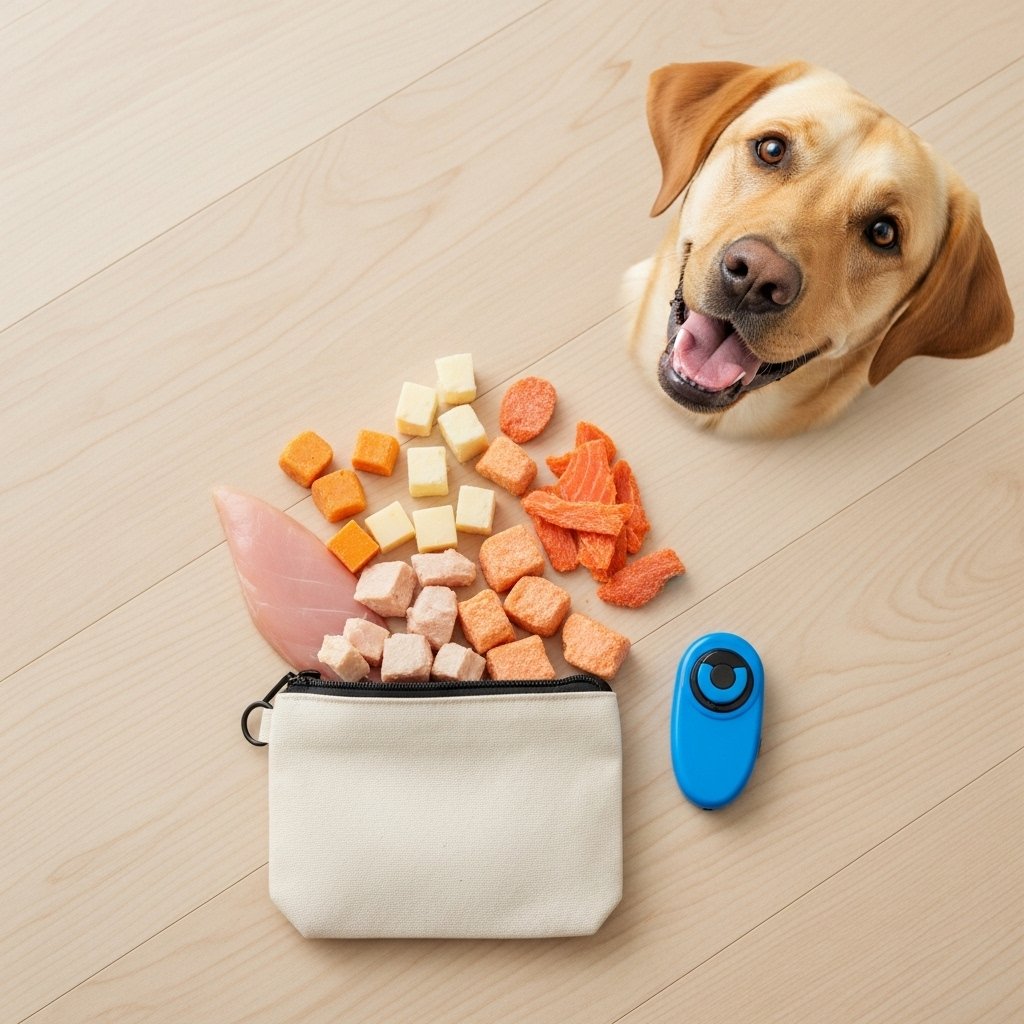
The promise of teaching a command in five minutes hinges on being prepared. A successful training session, no matter how short, is born from a controlled and positive environment. By gathering your tools and setting the scene beforehand, you ensure that those five minutes are focused, efficient, and highly effective. Your goal is to make it incredibly easy for your dog to understand what you’re asking and to succeed repeatedly.
What You Will Need:
- A Quiet, Distraction-Free Environment: Choose a space where your dog feels comfortable and won’t be distracted by other pets, people, or noises. A hallway is an excellent choice as its narrow confines naturally encourage backward movement rather than turning.
- High-Value Treats: This is not the time for dry kibble. You need something your dog finds irresistible to keep their motivation high. Think small, pea-sized pieces of cooked chicken, cheese, or soft commercial training treats. They should be small enough to be eaten quickly without much chewing.
- A Clicker (Optional but Recommended): A clicker is a powerful tool for marking the exact moment your dog performs the correct behavior. This precise communication can significantly speed up the learning process. If you don’t use a clicker, choose a consistent verbal marker like a sharp “Yes!”.
- A Positive Mindset: Your energy is infectious. Approach the session with patience, enthusiasm, and a clear goal. Training should be a fun game, not a chore. Keep the session short and always end on a positive note.
Before you begin, ensure your dog has had a chance to relieve itself and doesn’t have an excess of pent-up energy. A calm, focused dog will learn much more quickly than one that is overly excited or anxious.
The 5-Minute Training Method: A Step-by-Step Guide
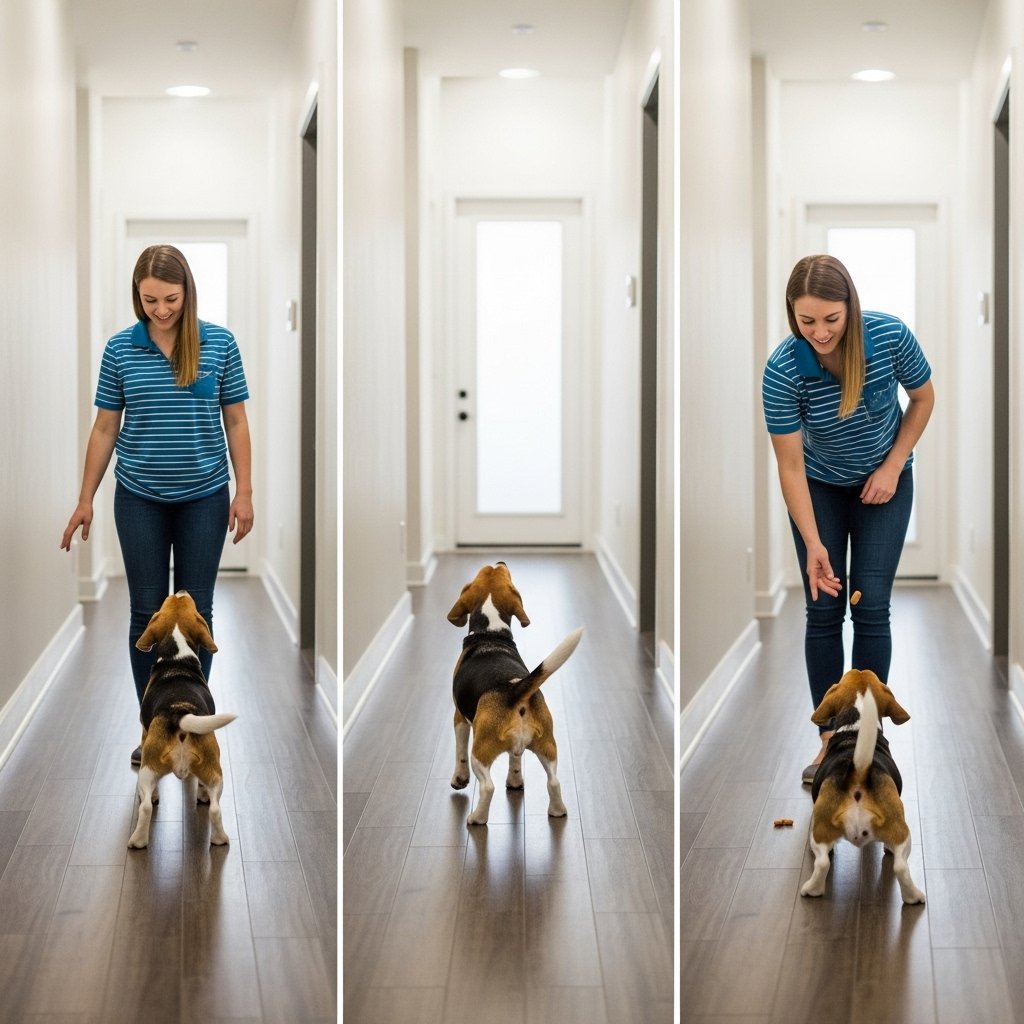
This method uses a technique called ‘shaping,’ where you reward successive approximations of the final behavior. Here, we will use spatial pressure (your movement) to naturally elicit a backward step from your dog, which we will then capture and reward. Remember to keep your movements calm and non-threatening.
- Step 1: Elicit the Backward Step (The First Minute): Stand directly in front of your dog. Calmly and slowly, take one small step forward, directly into your dog’s personal space. Most dogs, when faced with this gentle pressure, will naturally shift their weight back and take a small step backward to re-establish a comfortable distance. They are not being pushed; they are choosing to move.
- Step 2: Mark and Reward (The Second Minute): The absolute instant you see your dog shift its weight back or take that step, mark the behavior. If using a clicker, click at that precise moment. If using a verbal marker, say “Yes!”. The timing here is critical—you are marking the backward movement. Immediately after the mark, reward your dog by tossing a treat on the floor slightly behind them. Tossing the treat accomplishes two things: it rewards them away from you, preventing them from crowding you for the treat, and it naturally resets them for the next repetition. Repeat this sequence 5-10 times.
- Step 3: Build Momentum (The Third Minute): As you repeat the process, your dog will begin to anticipate the sequence. They’ll understand that stepping forward from you is a cue that leads to a reward. You will notice them offering the backward step more quickly and confidently as soon as you initiate your forward movement. Continue to mark and reward every single backward step.
- Step 4: Introduce the Verbal Cue (The Fourth Minute): Now that your dog is reliably offering the behavior, it’s time to name it. Just before you take your step forward, say your chosen verbal cue in a clear, upbeat tone—”Back Up” or “Back.” Then, take your step forward as before. Mark and reward the resulting backward step. Repeat this several times. The dog will begin to associate the words “Back Up” with the action of stepping backward.
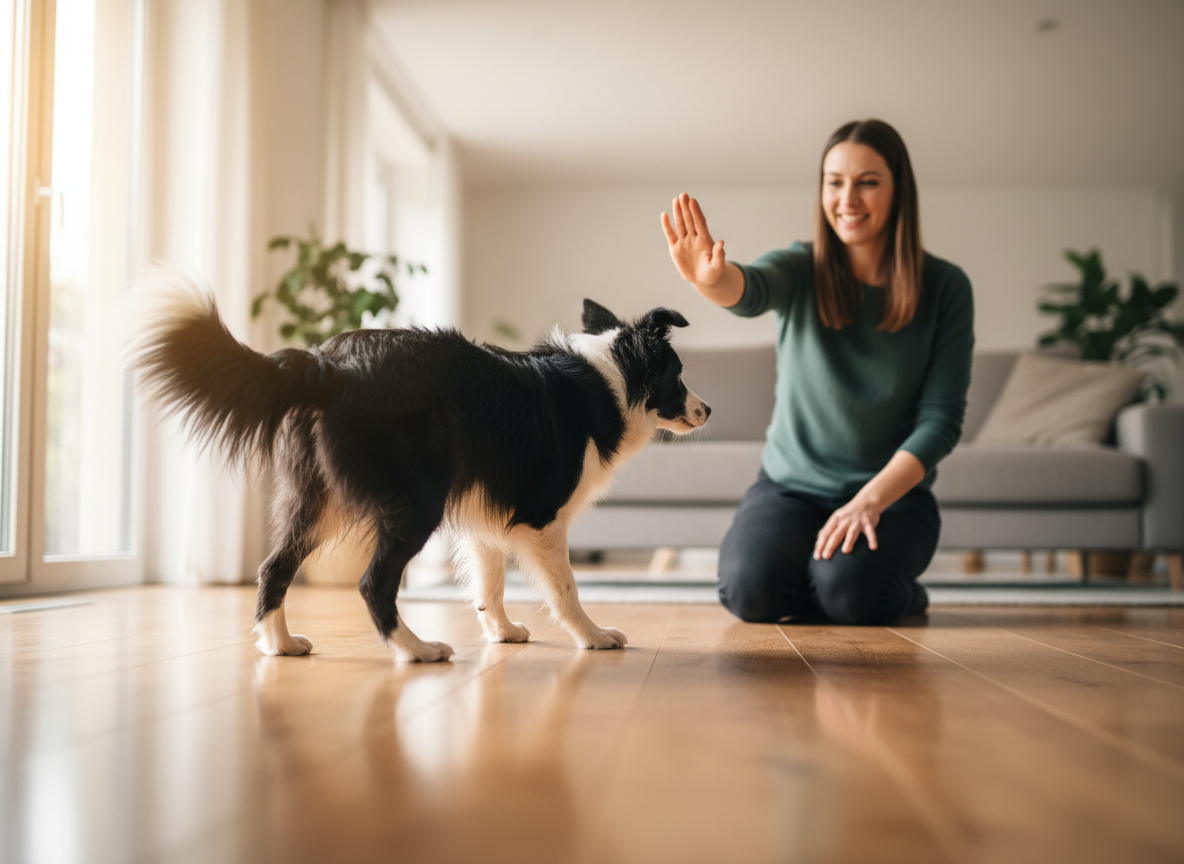
- Step 5: Fade the Physical Lure (The Fifth Minute): The final step is to transition from the physical cue (stepping into their space) to the verbal and/or hand signal. Start by making your forward step smaller and less pronounced. Eventually, you can reduce it to just a slight weight shift or, even better, a hand signal (like an open palm facing the dog, gently pushing forward). Give the verbal cue, use the hand signal, and wait. Because of the previous repetitions, your dog should offer a backward step. Mark and reward this enthusiastically. You have now successfully taught the initial command!
Troubleshooting Common Training Hurdles
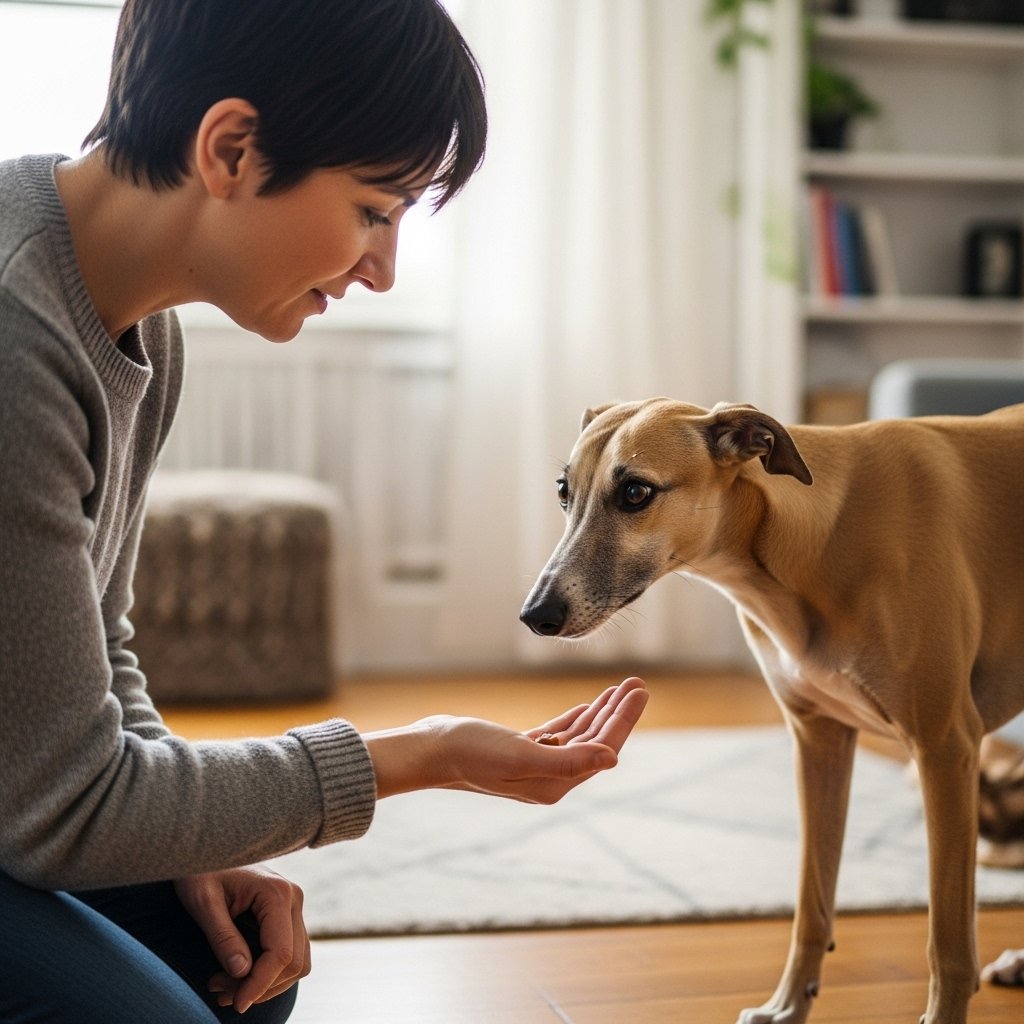
Even with the best method, you might encounter a few common sticking points. The key is to stay patient and adjust your technique. Training is about problem-solving, not perfection. Here are solutions to the most frequent challenges.
My Dog Sits or Lies Down Instead of Backing Up.
This is very common. The dog knows a reward is coming and is offering a default behavior (like ‘sit’) that has been rewarded in the past. To solve this, ensure your marking timing is precise—only mark backward movement, not the preparation for a sit. Also, the way you deliver the treat is critical. Tossing the treat a foot or two behind the dog encourages them to stand up and move backward to get it, resetting them in a standing position and discouraging sitting.
My Dog Just Turns and Walks Away.
If your dog is spinning or walking around you, it means they have too much space and are avoiding the ‘problem’ of you in their space rather than solving it by backing up. This is why starting in a narrow, clear hallway is so effective. The walls on either side limit their options, making a backward step the easiest and most logical choice. Once the behavior is more established, you can move to more open areas.
My Dog seems Anxious or Scared When I Step Toward Them.
This indicates that your spatial pressure may be too intimidating for your specific dog. Training should never be scary. If you see signs of anxiety (tucked tail, flattened ears, lip licking), you need to soften your approach. Make your forward step much smaller and slower. Lean your body forward slightly instead of taking a full step. Keep your body language soft and your voice cheerful. Ensure sessions are extremely short (3-4 repetitions) and end with a big reward and praise just for participating.
From Living Room to Real World: Proofing the “Back Up” Command
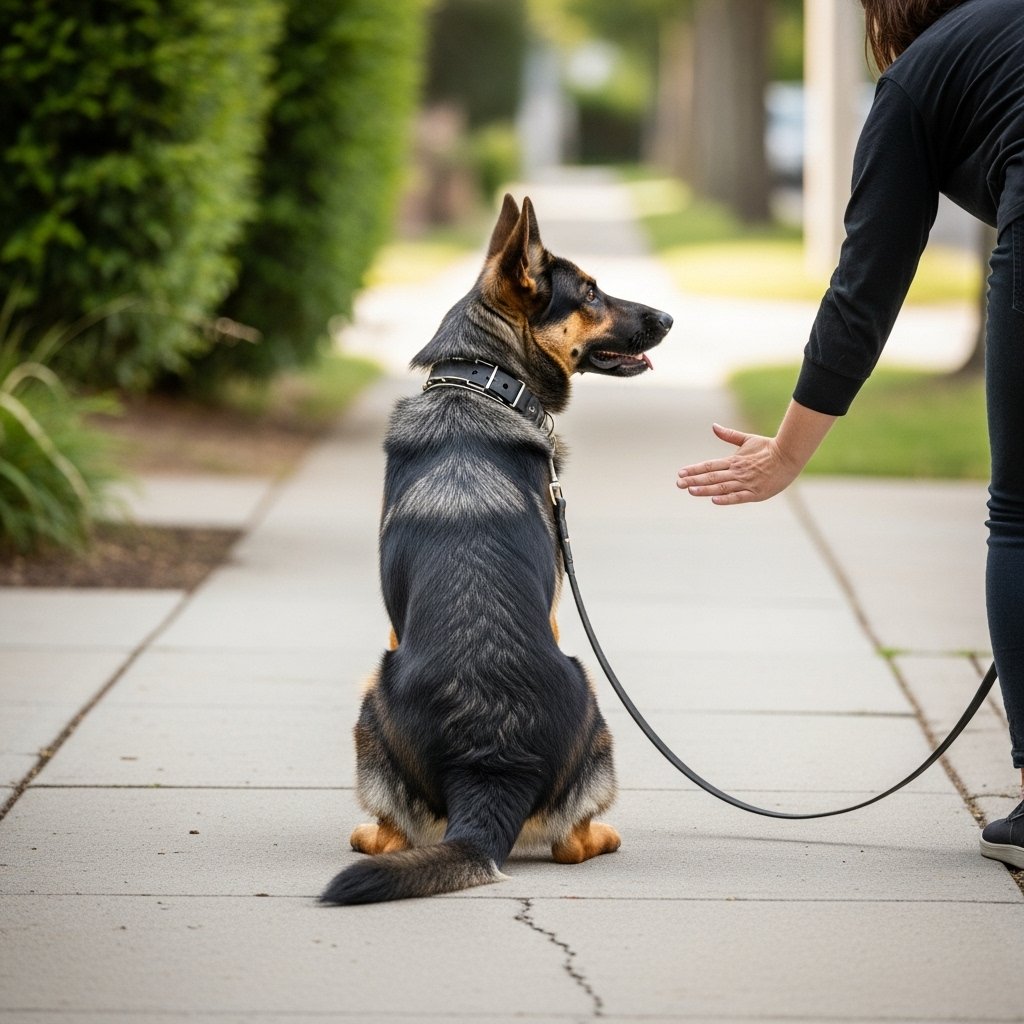
Teaching the command in a quiet hallway is just the beginning. For the skill to be truly life-saving, it must be reliable in various environments with distractions. This process is called ‘proofing’ or ‘generalization.’ It involves gradually increasing the difficulty to ensure the command holds up under pressure.
Increasing Distance and Duration
Once your dog reliably takes one step back on cue, start asking for two. When they offer one step, pause for a second before marking, which often prompts them to offer a second step. Mark and reward lavishly for two steps. Gradually build up the distance until your dog can back up several feet or across an entire room.
Adding Mild Distractions
Begin practicing in a more distracting room of the house, like the living room with the TV on quietly. Then, move to your fenced backyard. The key is to increase the level of distraction incrementally. If your dog fails, it means you’ve increased the difficulty too quickly. Simply take a step back to an environment where they were successful and build up more slowly.
Real-World Application
The ultimate goal is reliability in public. Start on a quiet street or in a park during an off-peak time. Practice on the leash. Use the command when you need to create space on a narrow sidewalk or as you approach a doorway. Every real-world success, reinforced with a high-value reward, strengthens the command’s power.
| Training Stage | Environment | Goal | Key Tip |
|---|---|---|---|
| Foundation | Quiet Hallway / Room | Teach the basic cue and backward step. | Focus on perfect timing with your marker and reward. |
| Generalization | Different Rooms, Backyard | Dog responds despite familiar, low-level distractions. | Vary the location to prevent the dog from only associating the command with one spot. |
| Proofing | Quiet Park, Sidewalk (on leash) | Dog responds with mild, real-world distractions. | Keep the dog on leash for safety and management. Use very high-value rewards. |
| Mastery | Busy Environments (from a distance) | Reliable response in challenging situations. | Do not set your dog up to fail. Work at a distance from major distractions initially. |
Conclusion
Mastering the “back up” command is a testament to the power of clear communication and positive training. What begins as a simple, five-minute exercise in your hallway evolves into an invaluable skill that enhances safety, builds confidence, and deepens the bond you share with your canine companion. The initial teaching is rapid, but true mastery comes from consistent practice and gradual proofing in a variety of situations.
By investing the time to solidify this command, you are giving your dog the tools to navigate the human world more safely and confidently. You are replacing potential conflict and danger with understanding and control. Continue to make training a positive and rewarding experience, and you will foster a well-behaved, responsive partner for life. The peace of mind that comes from knowing you can create space with a simple verbal cue is one of the greatest rewards in dog ownership.