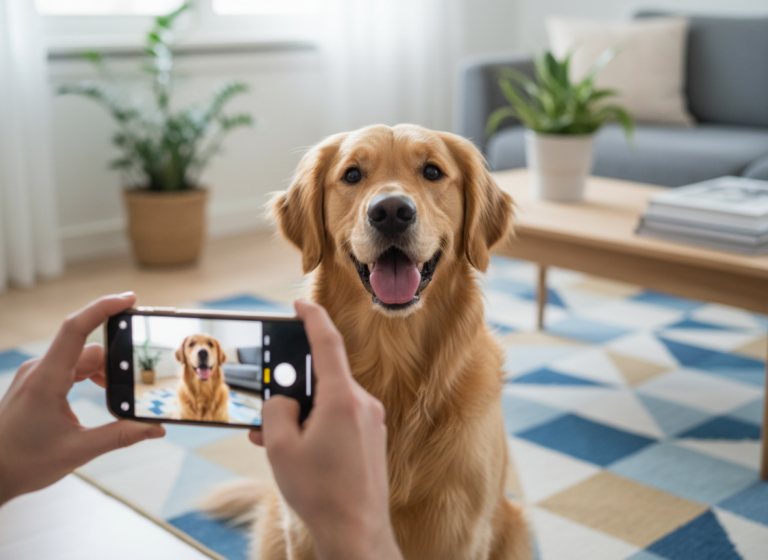
Teach ‘Boop’ in 5 Minutes: The Cutest Confidence Builder for Shy Dogs
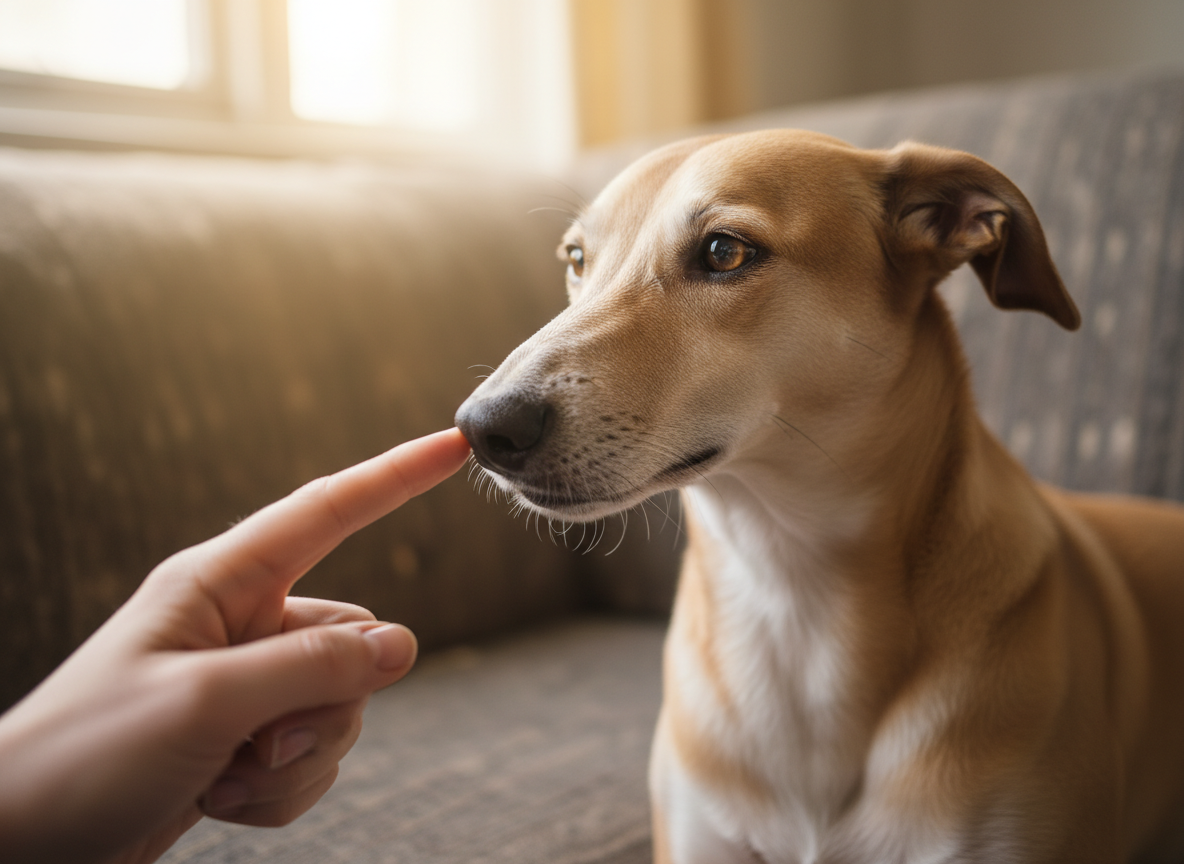
In the world of dog training, some commands are foundational for safety, while others seem purely for entertainment. The ‘boop’—a gentle tap of your dog’s nose to your finger or hand—might appear to fall squarely in the latter category. However, for shy, anxious, or fearful dogs, this simple, interactive trick is one of the most powerful confidence-building tools in a pet owner’s arsenal. It’s more than a cute party trick; it’s a carefully constructed exercise in choice, positive association, and mutual trust.
Many timid dogs are ‘hand-shy,’ flinching or retreating from outstretched hands due to past negative experiences or a simple lack of positive socialization. The ‘boop’ command flips this dynamic on its head. Instead of a hand being something that reaches for them, it becomes a stationary, predictable target that they can choose to interact with. This single shift in perspective—from being a passive recipient to an active participant—can be transformative. In this comprehensive guide, we will break down the science behind why this trick works so well for confidence building and provide a clear, step-by-step plan to teach it in short, positive sessions, truly strengthening the bond you share with your canine companion.
The Surprising Psychological Benefits of the ‘Boop’ Command
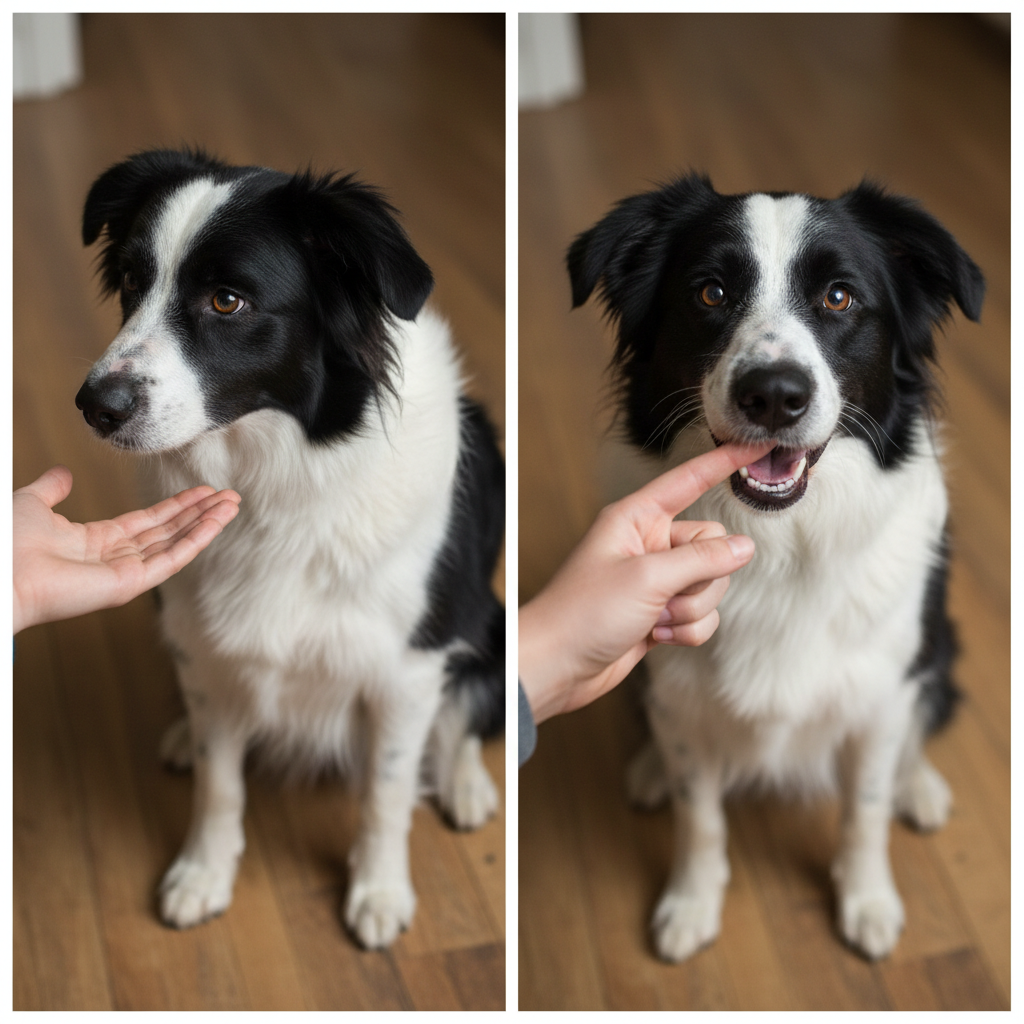
Before diving into the ‘how-to,’ it’s crucial to understand the ‘why.’ The ‘boop’ command is a form of target training, a cornerstone of modern, science-based animal behavior modification. Its benefits extend far beyond the initial, adorable result.
Building Confidence Through Choice and Agency
Shyness in dogs often stems from a feeling of powerlessness over their environment. Loud noises, new people, and unexpected touches can be overwhelming. Target training gives the dog a measure of control. By presenting your hand as a stationary target, you are asking a question: ‘Would you like to interact with this for a reward?’ When the dog chooses to move forward and touch your hand, they are making a conscious, voluntary decision. This act of agency, repeated over time, builds a powerful sense of self-efficacy and confidence. They learn that they can control outcomes and that interacting with their environment can lead to positive results.
Creating Positive Associations with Hands
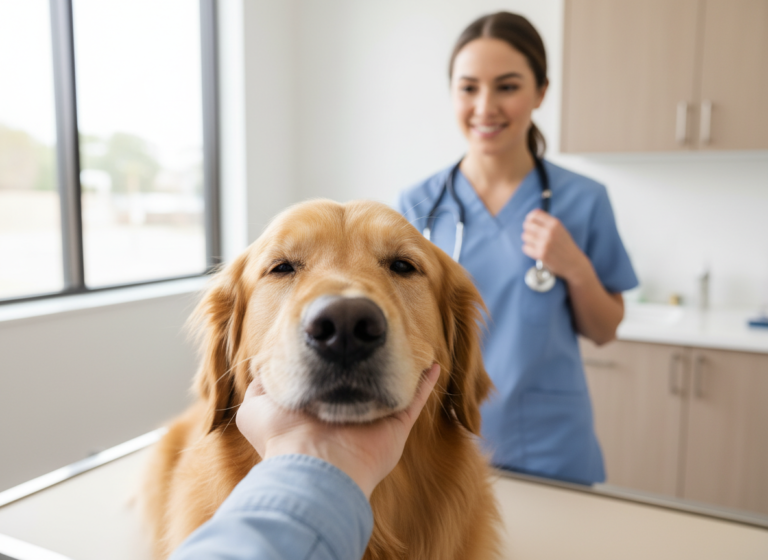
For a hand-shy dog, an outstretched hand can predict unwanted petting, grabbing, or restraint. The ‘boop’ systematically rewires this association. Each successful touch is paired with a high-value reward (a delicious treat, praise). The hand is no longer a source of anxiety but a predictor of wonderful things. This process, known as counter-conditioning, is fundamental in helping dogs overcome fears. It can make future handling for grooming, vet visits, and everyday affection a much less stressful experience.
Expert Tip: Always allow the dog to initiate the final movement. Never push your hand into the dog’s face to complete the ‘boop.’ The entire psychological benefit hinges on the dog making the choice to close that final inch of space.
A Foundation for Advanced Skills and Cooperative Care
Mastering the ‘boop’ opens the door to a world of other useful behaviors. At its core, you have taught your dog to target something with their nose. This skill can be transferred to other objects and situations:
- Cooperative Care: You can teach a dog to ‘boop’ a spot on a towel, creating a ‘chin rest’ behavior. This keeps their head still for procedures like administering eye drops or cleaning their ears, all done with their consent.
- Husbandry and Household Tasks: The targeting behavior can be shaped to have the dog close doors, turn on touch-lamps, or ring a bell to signal they need to go outside.
- Advanced Dog Sports: Targeting is a foundational skill in sports like canine freestyle, agility, and rally obedience.
By starting with a simple ‘boop,’ you are laying the groundwork for a more cooperative, less stressful life together.
Preparation: Setting the Stage for Success
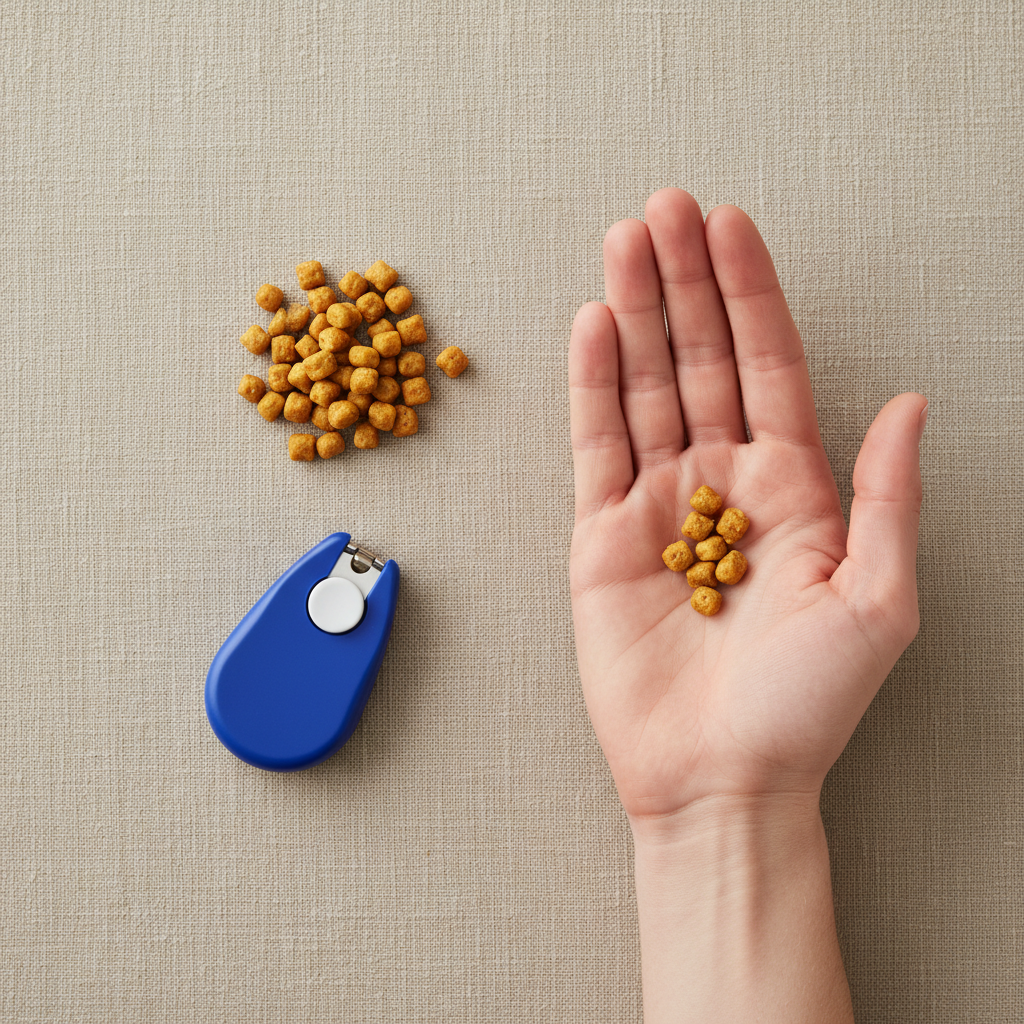
A successful training session, especially one that lasts only a few minutes, is 90% preparation. Rushing into it without the right tools and mindset can lead to frustration for both you and your dog. By setting the stage properly, you make success almost inevitable.
Essential Supplies
You don’t need much, but having these items ready will make the process smooth and effective:
- High-Value Treats: This is not the time for dry kibble. You need something your dog finds irresistible. Think small, pea-sized pieces of boiled chicken, cheese, hot dogs, or soft commercial training treats. The small size allows for many repetitions without overfeeding.
- A Clicker (Optional but Recommended): A clicker is a marker tool that makes a distinct ‘click’ sound. It allows you to mark the exact moment your dog performs the correct behavior with much greater precision than a verbal marker like ‘Yes!’. This clarity accelerates learning significantly. If you opt not to use a clicker, choose a short, unique word to be your verbal marker.
- A Quiet, Distraction-Free Space: Choose a room in your house where your dog feels safe and where there won’t be interruptions from other pets, family members, or outside noises. A boring environment helps your dog focus entirely on you and the training game.
Choosing the Right Moment and Mindset
Timing is everything. Do not attempt to train when your dog is overly energetic, exhausted after a long walk, or stressed from a recent event. The ideal time is when they are calm but alert. Your own mindset is just as important. Approach the session with patience, positivity, and zero expectations. This is a fun game, not a high-stakes exam. Your calm energy will help your shy dog feel more secure.
Understanding Canine Body Language
Since you are working with a shy dog, being able to read their communication is paramount. Watch for subtle signs of stress, which indicate you should take a break or make the exercise easier:
- Lip licking or nose licking
- Yawning when not tired
- ‘Whale eye’ (showing the whites of their eyes)
- Tense facial muscles or a closed mouth
- A low or tucked tail
Conversely, signs of a happy and engaged dog include a relaxed body posture, a gently wagging tail (at body height), soft eyes, and an eagerness to continue the ‘game.’
The 5-Minute ‘Boop’ Training Plan: A Step-by-Step Guide
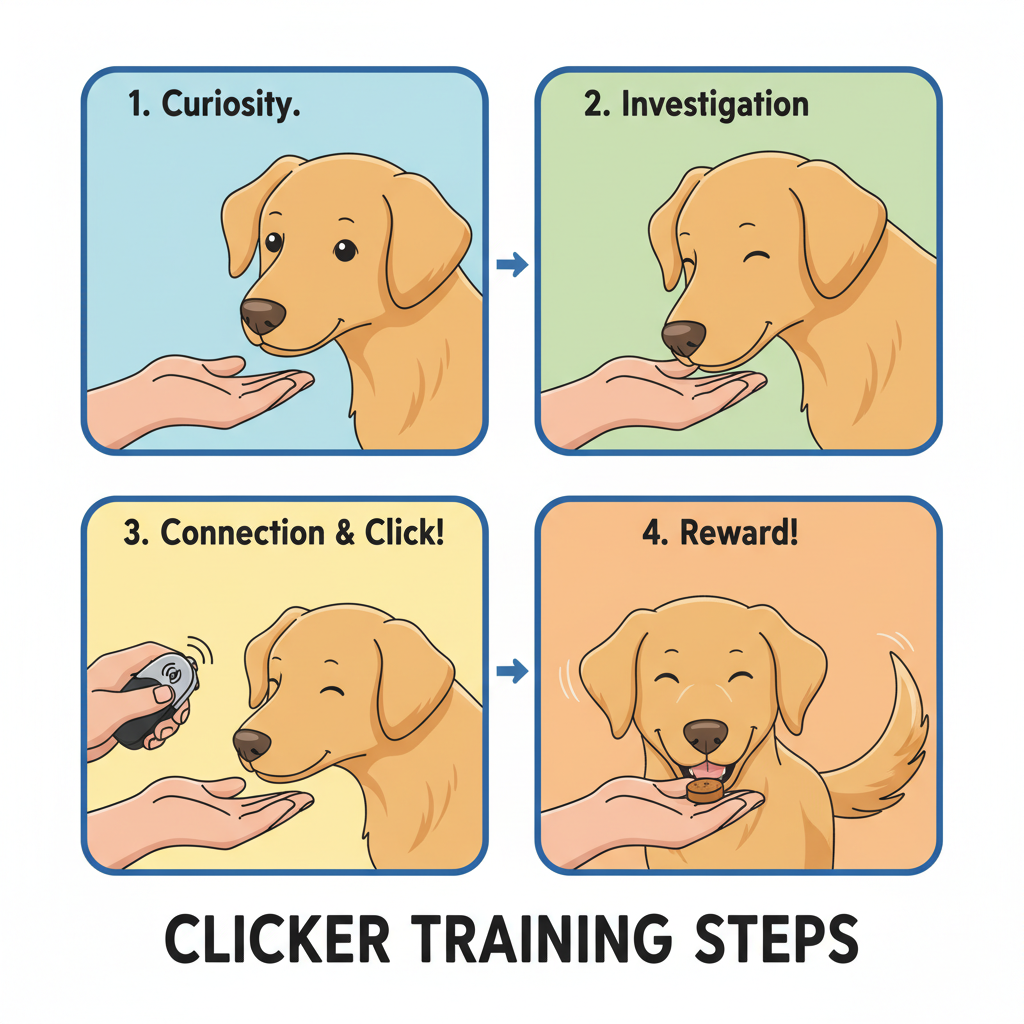
This training plan is designed to be broken into multiple, very short sessions. A ‘5-minute’ session might actually be five 1-minute sessions throughout the day. This prevents your dog from becoming overwhelmed and keeps the game novel and exciting. Remember to keep it light and fun!
-
Step 1: Charge the Marker (30 Seconds)
If you’re using a clicker or verbal marker (‘Yes!’), it needs to have meaning. Its meaning is: ‘That sound predicts a treat is coming.’ Simply click the clicker, then immediately give your dog a treat. Pause for a second, then repeat. Do this 10-15 times. You’ll know the marker is ‘charged’ when your dog’s ears perk up or they look at you expectantly upon hearing the click, anticipating the treat.
-
Step 2: Introduce the Target (1 Minute)
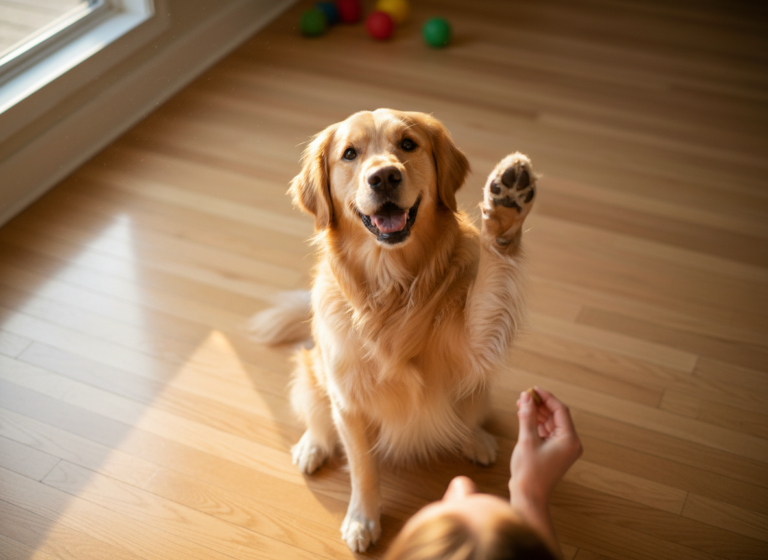
Sit on the floor with your dog in a calm state. Hold your hand out to the side of their head, about 6-8 inches away. Use a flat palm or two extended fingers (some dogs find a ‘fist’ or pointed finger intimidating). Stay perfectly still and silent. The moment your dog even looks at your hand, click and treat. The treat should be delivered from your other hand to prevent them from nibbling the target hand. Repeat this several times. If they are hesitant, simply hold your hand out and wait. The key is that they are rewarded for showing any interest in the target.
-
Step 3: Shape the Touch (2 Minutes)
Now, you’ll raise the criteria slightly. After your dog is reliably looking at your hand, wait for them to make a small movement towards it. This could be a head turn or a slight lean. Click and treat that movement. Gradually, you will only click and treat for closer and closer approximations of the final behavior. First a lean, then a sniff, and finally, the nose-to-hand contact. When their nose makes contact—even for a millisecond—click and deliver a ‘jackpot’ reward (several treats at once) with lots of praise. This is the breakthrough moment!
Troubleshooting Tip: If your dog is stuck and won’t make contact, you can ‘cheat’ by placing a tiny smear of cream cheese or dog-safe peanut butter on your target fingers. This encourages them to make the connection. Fade this lure as quickly as possible.
-
Step 4: Add the Verbal Cue (1 Minute)
Only add the verbal cue when you are confident your dog will touch your hand when presented. The rule is: the cue predicts the action. As you present your hand and see your dog moving to touch it, say your cue—’Boop!’ or ‘Touch!’—in a happy, upbeat tone, just a second before their nose makes contact. Click and treat the touch. After several repetitions, they will build an association between the word and the action.
-
Step 5: Practice and Generalize (30 Seconds)
Now, start practicing in short bursts. Present your hand in slightly different locations—a little higher, a little lower, further away. This ‘generalizes’ the behavior, teaching the dog that ‘Boop’ means touch the hand regardless of its position. Always end each mini-session on a successful, positive note.
Troubleshooting: What to Do If Your Dog Is Hesitant or Confused
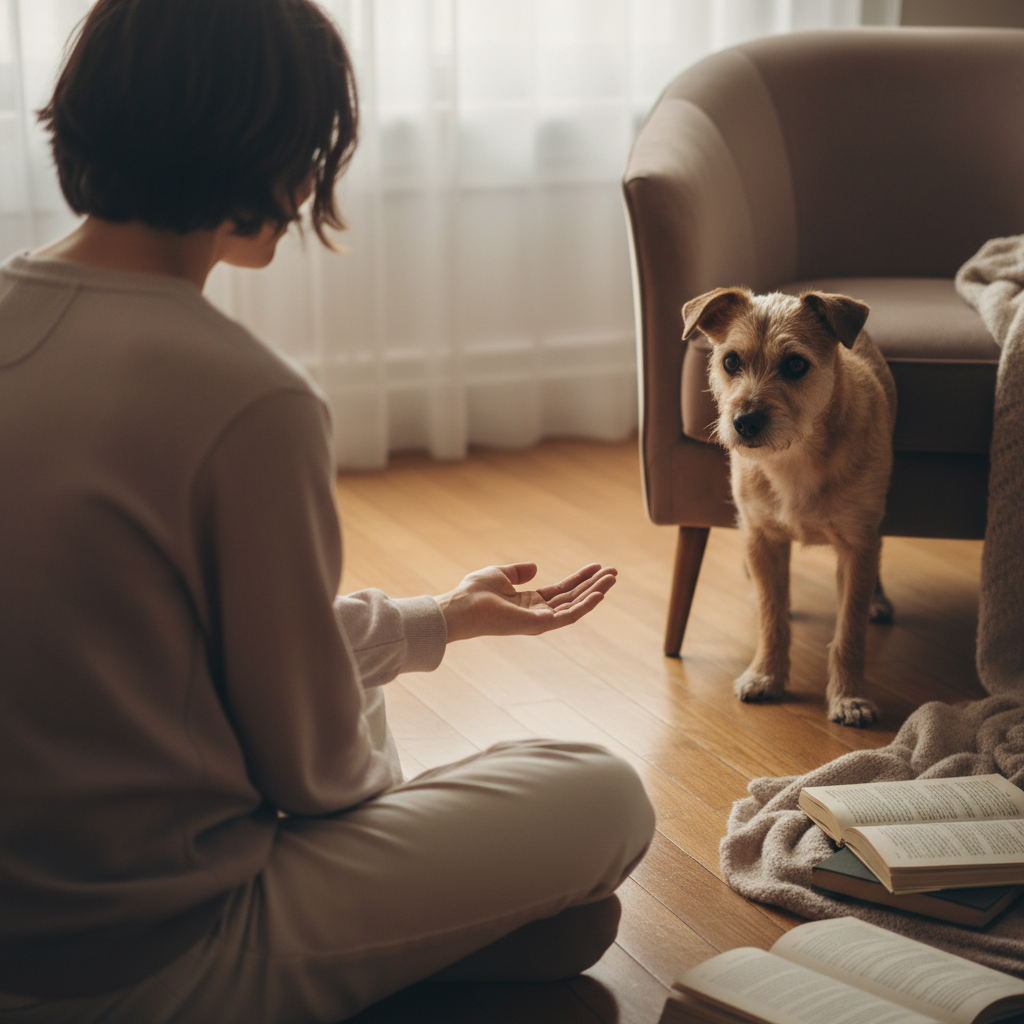
Training is rarely a linear process, especially with a shy dog. It’s normal to encounter small roadblocks. The key is to respond with patience and adjust your technique, rather than applying pressure.
Problem: ‘My dog won’t even look at my hand.’
Solution: This indicates significant hand-shyness. You need to decrease the ‘pressure.’ Instead of holding your hand out, simply rest it on your own knee or on the floor nearby, palm up and non-threateningly. Click and treat your dog for simply looking in its general direction. You can also try using a ‘target stick’ (a stick with a ball on the end) or a wooden spoon as an intermediate step, as a neutral object is often less intimidating than a hand.
Problem: ‘My dog is nipping or mouthing my hand instead of booping.’
Solution: This usually comes from excitement or a dog that is used to using its mouth to explore. First, ensure you are delivering the treat with your other hand, not the target hand. Second, switch your hand position to a flat, vertical palm (like a ‘stop’ signal). This is a less ‘biteable’ target than extended fingers. Only click and reward the gentlest of touches. If the mouthing continues, end the session immediately with a calm ‘Too bad’ and try again later. The dog will learn that gentle touches continue the game, while mouthing ends it.
Problem: ‘My dog did it a few times but now seems to have lost interest.’
Solution: This is a classic sign of a training session that has gone on too long. For sensitive or shy dogs, even a few minutes of focused learning can be mentally taxing. End the session immediately on a positive note (even if it’s an easier step like just looking at your hand). In the future, keep your sessions even shorter—perhaps only 30-45 seconds at a time. Also, evaluate your treats. Are they truly high-value? The reward must be worth the effort for your dog.
Problem: ‘My dog is scared of the clicker sound.’
Solution: Some dogs with noise sensitivities can be startled by a clicker. You can muffle the sound by putting it in your pocket or wrapping it in a sock. Alternatively, ditch the clicker altogether and use a soft, consistent verbal marker like ‘Yes’ or ‘Good.’ The precision is slightly less, but it’s far more important that your dog feels comfortable and safe during training.
Taking It to the Next Level: From ‘Boop’ to Advanced Targeting
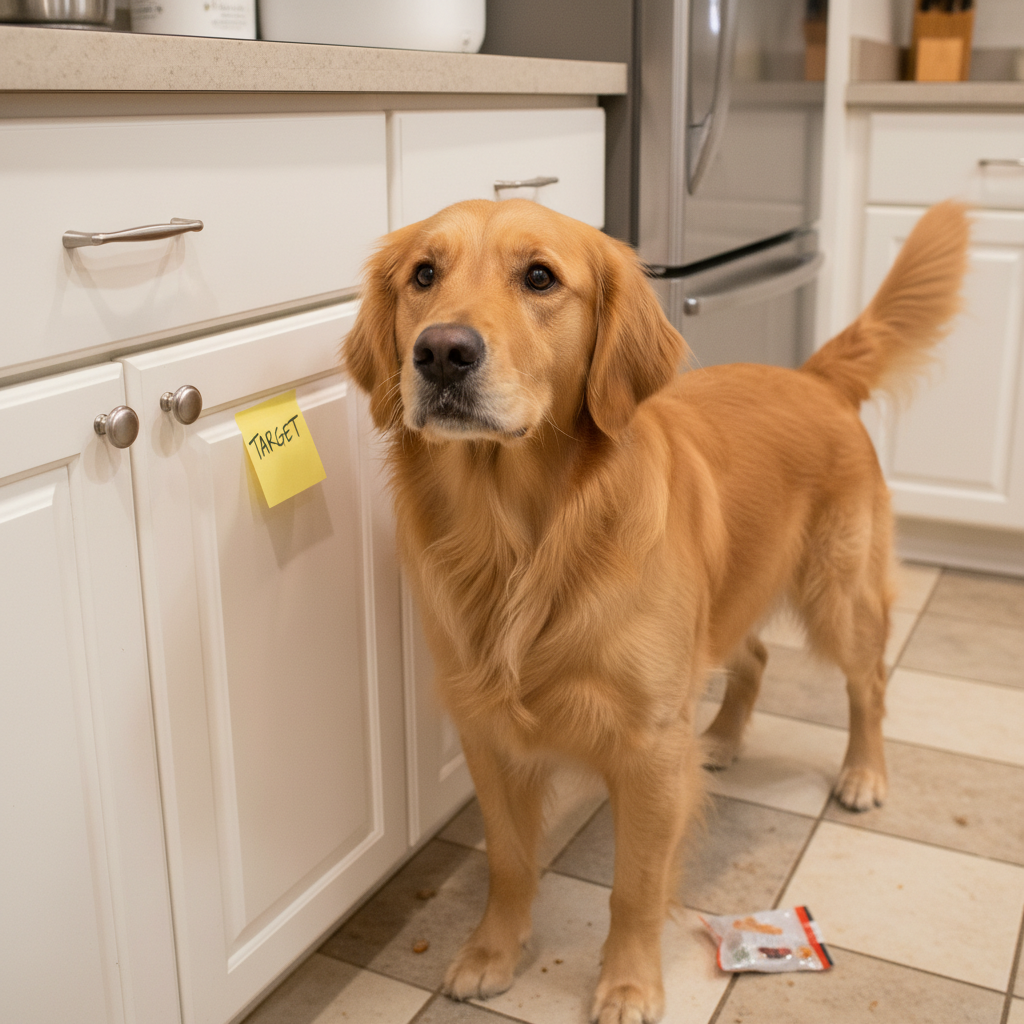
Once your dog has mastered the basic hand ‘boop’ and performs it with confidence, you can expand on this wonderful foundation. This not only provides fantastic mental enrichment but also builds skills that have practical, everyday applications.
Generalizing to New Objects and Environments
The first step is to teach your dog that the ‘boop’ concept applies to more than just your hand. You can use a variety of objects as new targets:
- Target Stick: A retractable stick with a small ball on the end. This is useful for teaching distance behaviors.
- Sticky Notes: A Post-it note can be stuck to any surface, turning it into a target.
- Lids: A plastic yogurt or container lid makes an excellent, portable target.
To transfer the skill, hold the new object in your hand and reward your dog for booping the object instead of your skin. Once they understand, you can place the object (like a sticky note) on different surfaces—a wall, a chair, a door—and ask for the ‘boop.’
Practical Applications for the Confident ‘Booper’
With a reliable targeting behavior, you can train your dog to perform helpful and fun tasks. This further builds their confidence as they learn to purposefully manipulate their environment.
| Task | Training Method | Benefit |
|---|---|---|
| Close a Door | Place a target (like a sticky note) on a partially open cabinet or interior door. Cue ‘Boop.’ As the dog pushes the target, the door will swing shut. Reward enthusiastically. | A helpful and impressive trick that gives the dog a sense of accomplishment. |
| Ring a Bell to Go Outside | Hang a small bell from the doorknob. Smear a tiny bit of a tasty substance on it. When the dog licks or boops it, causing it to ring, immediately open the door and let them out, giving lots of praise. | Provides a clear, non-destructive way for your dog to communicate their needs. |
| Cooperative Chin Rest | Place a folded towel on a chair or your lap. Cue the dog to ‘boop’ the towel and hold their nose there for a second. This ‘chin rest’ is invaluable for keeping a dog steady and calm for grooming or minor medical procedures. | Reduces stress during handling and gives the dog agency in their own care. |
By evolving the ‘boop,’ you are continuously providing your dog with solvable problems and rewarding them for their creative, confident solutions. This ongoing process solidifies the lessons learned in your very first session: that the world is a safe place to explore, and that interacting with you is the most rewarding game of all.
Conclusion
The journey from a hesitant glance to a confident ‘boop’ is a microcosm of a shy dog’s path to empowerment. What begins as a simple trick quickly reveals itself as a profound communication tool, building bridges of trust where there was once fear. It reinforces the idea that your hands are a source of fun and rewards, not anxiety. It gives your dog a voice and a sense of control, teaching them that their choices matter and can lead to wonderful outcomes.
Remember that the ‘5-minute’ goal is not a strict deadline but a philosophy: keep training sessions short, joyful, and overwhelmingly positive. By investing these small pockets of time, you are not just teaching a trick; you are reshaping your dog’s worldview one gentle nose touch at a time. You are showing them that they are safe, that they are capable, and that together, you can confidently face the world.