Stop the Shred: Teaching Soft Mouth to Toy Destroyers

The sound is unmistakable: the frantic rip, the tell-tale squeak giving its last gasp, followed by a shower of white fluff across your living room floor. For many dog owners, this scene is an all-too-common end to a brand-new toy’s short life. While it may seem like a simple, albeit expensive, quirk, chronic toy destruction can be a frustrating and sometimes worrying behavior. It’s not just about the cost of replacement; it’s about safety and teaching your canine companion appropriate play skills. This is where the concept of a ‘soft mouth,’ or proper bite inhibition, becomes crucial.
A dog with a soft mouth understands how to control the pressure of its jaw, a vital skill for safe interaction with humans, other animals, and yes, their toys. This guide is designed to move beyond the frustration and provide you with a professional, step-by-step framework to transform your enthusiastic toy destroyer into a gentle, thoughtful playmate. We will delve into the psychology behind the shredding, equip you with the right tools and techniques, and walk you through a proven training protocol rooted in positive reinforcement. By understanding and addressing the root cause, you can stop the cycle of destruction and build a more enriching and safe playtime experience for you and your beloved dog.
Understanding the ‘Why’: The Root Causes of Toy Destruction
Understanding the ‘Why’: The Root Causes of Toy Destruction
Before embarking on a training regimen, it is imperative to understand the underlying motivations for your dog’s destructive behavior. This is not typically an act of malice, but rather an expression of instinct, emotion, or unmet needs. Identifying the primary driver is the first step toward an effective and empathetic solution.
Instinctual Drives and Breed Predispositions
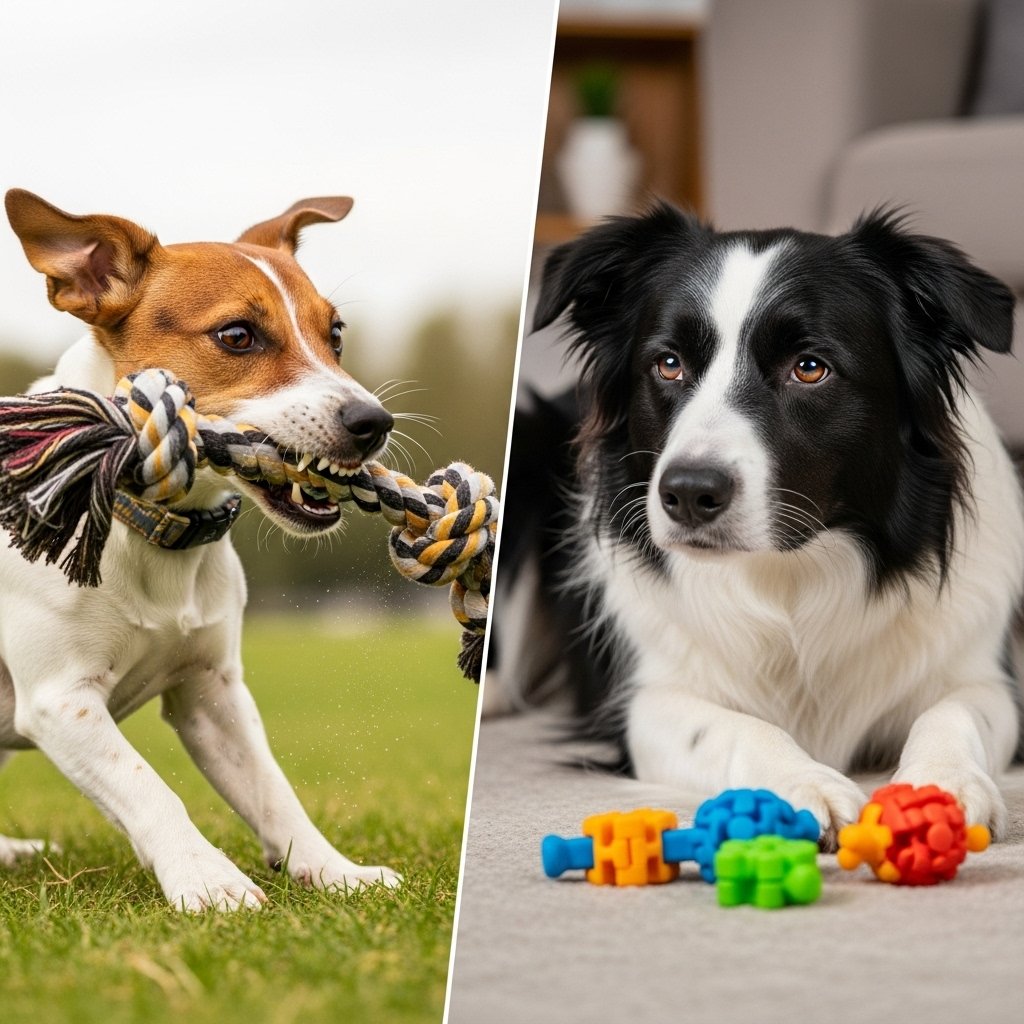
Many breeds were originally developed for tasks involving their mouths, such as retrieving, flushing, or dispatching prey. Terriers, for example, were bred to shake and kill vermin, an instinct that easily translates to ‘killing’ a squeaky toy. Retrievers may not shred but might obsessively mouth and chew, while herding breeds might try to ‘control’ their toys. Understanding your dog’s heritage provides critical context for their innate behaviors.
Boredom and Lack of Stimulation
A leading cause of destructive behavior is a lack of adequate physical and mental exercise. A dog with pent-up energy will find an outlet, and a plush toy presents a very satisfying target. De-stuffing a toy is a stimulating, rewarding activity for a bored mind. It provides sensory feedback—the sound of ripping, the texture of the stuffing—that can be highly engaging for a dog lacking other forms of enrichment.
Anxiety and Stress-Related Behaviors
Chewing and shredding can be self-soothing activities for an anxious dog. Dogs suffering from separation anxiety, noise phobias, or general stress may turn to toys as a way to cope with their emotional state. The repetitive action of tearing and chewing can release endorphins, providing temporary relief from their anxiety. In these cases, the destruction is a symptom of a deeper emotional issue that needs to be addressed alongside the behavioral training.
The Thrill of the Squeak (The Prey-Drive Trigger)
The squeaker inside many dog toys is designed to mimic the sound of frightened or injured prey. This can trigger a dog’s predatory sequence: chase, grab, bite, shake, and ‘kill.’ The squeak itself can be a powerful reinforcer, encouraging the dog to bite harder and more intensely to elicit the sound, which often culminates in the toy’s complete evisceration.
Expert Insight: It is crucial to differentiate between healthy play and obsessive destruction. Healthy play involves a variety of behaviors—tossing, pouncing, carrying—while obsessive destruction is a singular, focused mission to dismantle the object. Recognizing this difference helps tailor your management and training approach.
Essential Tools and Foundational Training
Essential Tools and Foundational Training
Successful training requires preparation. Before you begin teaching a soft mouth, you must set the stage for success by gathering the appropriate tools and ensuring your dog has mastered a few prerequisite commands. This foundation will make the specific bite inhibition exercises much easier to implement.
Gathering Your Training Toolkit
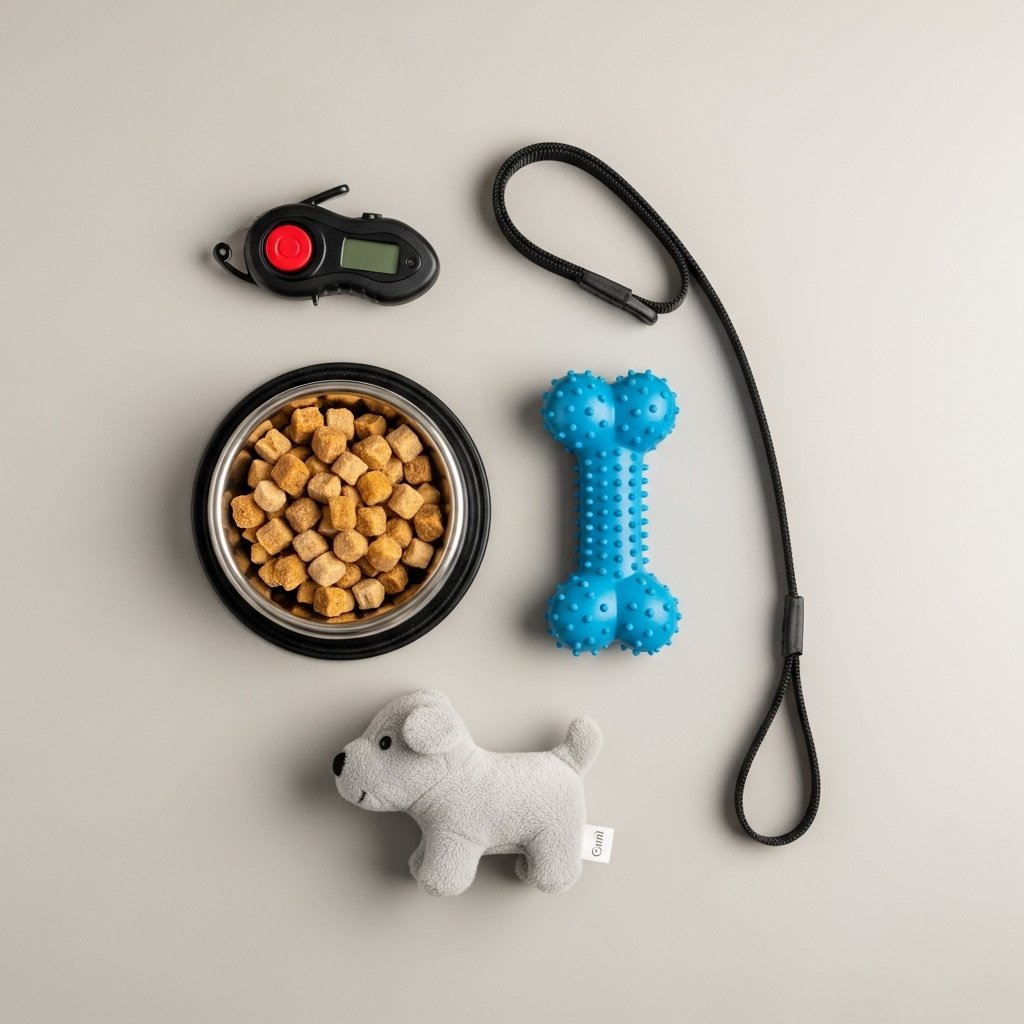
Having the right equipment on hand prevents interruptions and keeps the training session focused and positive. You will need:
- High-Value Treats: Small, soft, and incredibly desirable treats that your dog loves. These should be more enticing than their standard kibble. Think small pieces of cooked chicken, cheese, or commercial training treats.
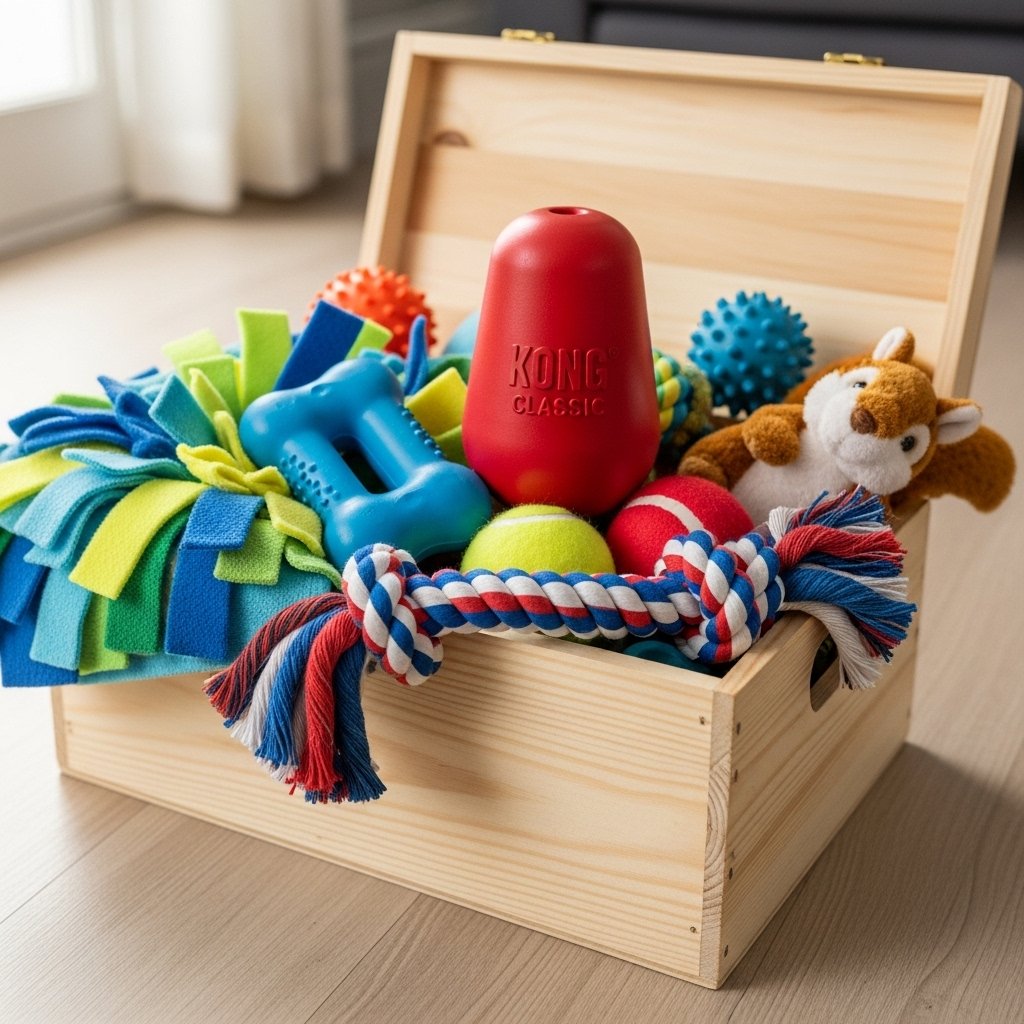
- A Variety of Toys: Include a mix of textures and durability. Have some soft plush toys (for training sessions), some durable rubber toys (like Kongs or West Paw products), and some interactive toys (like tug ropes).
- Clicker (Optional): A clicker is an excellent tool for marking the precise moment your dog performs the correct behavior. If you are not familiar with clicker training, you can use a verbal marker like a sharp “Yes!”.
- A Leash or Tether: Useful for management and preventing your dog from running off with a toy during the initial learning phases.
Prerequisite Commands: ‘Drop It’ and ‘Leave It’
Your dog should have a reliable understanding of ‘Drop It’ and ‘Leave It’ before you begin soft mouth training. These commands are your safety net and give you control over the play session.
Teaching ‘Drop It’:
- Offer your dog a toy they like but are not overly obsessed with.
- Let them hold it for a few seconds. Then, present a high-value treat right in front of their nose.
- The moment they open their mouth to take the treat, causing the toy to fall, say your cue, “Drop It,” and give them the treat.
- Repeat this process, gradually fading the lure of showing the treat first. Start saying the cue just before you present the treat, until the verbal cue alone is enough to make them release the toy.
Teaching ‘Leave It’:
- Place a low-value treat (like kibble) on the floor and cover it with your hand.
- Your dog will likely sniff, lick, or paw at your hand. Ignore this. The moment they pull their head away, even for a second, mark the behavior (“Yes!” or a click) and give them a high-value treat from your other hand.
- Repeat until they are no longer trying to get the covered treat. Now, you can add the cue “Leave It” as you place the treat down.
- The goal is to teach them that ignoring the item on the floor results in a better reward from you.
The Step-by-Step Protocol for Teaching a Soft Mouth
The Step-by-Step Protocol for Teaching a Soft Mouth
This protocol is based on the principles of positive reinforcement and shaping. We will teach the dog that gentle mouth pressure is rewarding, while hard biting ends the game. Patience and consistency are paramount.
Step 1: Introducing Gentle ‘Take It’
The goal here is to teach your dog how to take an object from your hand without lunging or snapping.
- Hold a low-value treat or a piece of kibble in your closed fist.
- Present your fist to your dog. They will likely sniff and lick.
- The instant you feel their teeth make contact with your skin, say “Ouch!” in a sharp but not frightening tone and immediately withdraw your hand for a few seconds. This marks the unwanted behavior.
- Present your fist again. Repeat until they begin to investigate with their nose and tongue only.
- The moment they lick or nudge your hand without teeth, praise them warmly and open your hand to give them the treat.
- Once they are consistently gentle with your hand, add the verbal cue “Take it gently” or just “Gentle” as you offer the treat.
Step 2: Transferring the Skill to Toys
Now, we apply the same principle to toys.
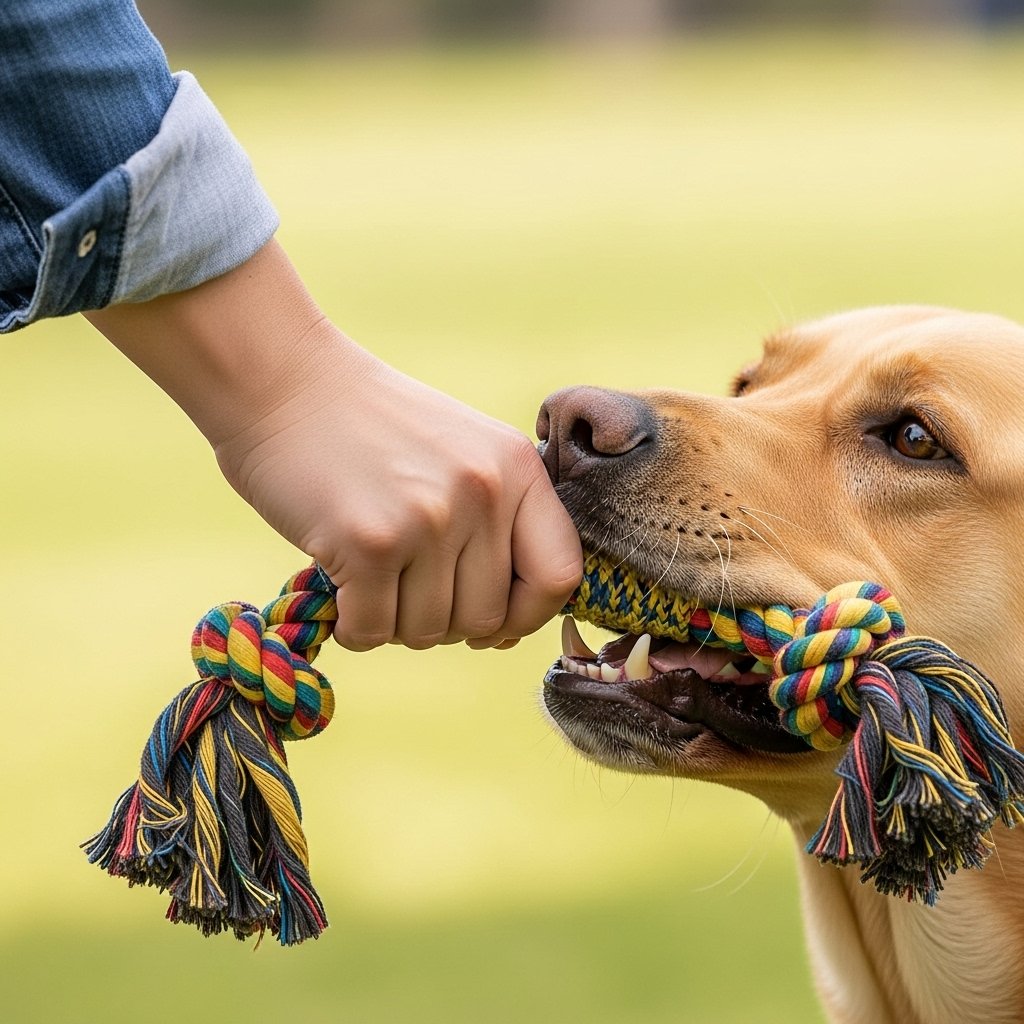
- Choose a durable toy, like a rubber chew or a rope. Hold it firmly in your hand and offer it to your dog, saying “Take it.”
- Allow them to mouth the toy. If you feel their teeth press down too hard, immediately say “Ouch!” and let go of the toy, briefly ending the interaction. Turn away for 10-15 seconds. This is a ‘negative punishment’—the removal of something the dog wants (your attention and the game).
- After the brief time-out, re-engage and offer the toy again.
- The moment they mouth the toy with soft, gentle pressure, praise them enthusiastically (“Good gentle!”) and continue the game. The reward is the continuation of play.
Important Note: The key is to be extremely consistent. Every single time the bite pressure is too hard, the game must stop. This creates a clear association: Hard Bite = Fun Ends. Soft Mouth = Fun Continues.
Step 3: The ‘Toy Swap’ Game
This game teaches your dog to willingly release one item for another, reinforcing the ‘Drop It’ command and reducing possessiveness.
- Start a game with one toy. After a minute of play, become still and present a second, equally exciting toy.
- As your dog shows interest in the new toy, say “Drop It.” When they release the first toy to investigate the second, praise them and let them have the new toy.
- Pick up the first toy and repeat the process, swapping back and forth. This teaches them that giving up a toy isn’t a loss, but an opportunity for a new reward.
Step 4: Managing Play with Soft Toys
Soft, plush toys should only be used during supervised play sessions until your dog has mastered a soft mouth. These are not toys to be left in a crate or alone with the dog. During supervised play, if your dog begins to transition from gentle mouthing to frantic shredding, calmly interrupt them with a cue like “Uh-uh” and redirect them to a more appropriate chew toy. If they persist, end the play session with that toy for the day.
Management Strategies and Advanced Concepts
Management Strategies and Advanced Concepts
Training is only one part of the equation. Effective management is crucial for preventing the rehearsal of unwanted behaviors and setting your dog up for long-term success.
The Importance of Toy Rotation and Selection
Preventing ‘toy boredom’ is a simple yet powerful management technique. Don’t leave all of your dog’s toys out all the time. Keep most of them put away and rotate a few different toys into their environment every few days. This keeps the toys novel and more engaging.
Furthermore, it’s vital to provide a variety of appropriate outlets for chewing. This is where a well-curated toy box comes into play.
| Toy Category | Purpose | Examples |
|---|---|---|
| Interactive Toys | For shared playtime with you. Builds bond and teaches rules. | Tug ropes, flirt poles, fetch balls. |
| Durable Chew Toys | For solo chewing sessions. Satisfies the need to chew safely. | KONG Extreme, West Paw Zogoflex, Nylabone Power Chew. |
| Puzzle/Food-Dispensing Toys | For mental stimulation and slowing down eating. | Snuffle mats, KONG Wobbler, puzzle boards. |
| Comfort/Plush Toys | For supervised, gentle play and carrying. | Soft squeaky toys, plush animals. |
‘Decompression’ Walks and Enrichment
A physically and mentally tired dog is less likely to engage in destructive behaviors. Ensure your dog’s exercise needs are being met, but also consider the quality of that exercise. A ‘decompression walk,’ which is a long-leash walk in a natural, sniff-heavy environment, can do wonders for a dog’s mental state. It allows them to engage in natural canine behaviors and reduces stress far more effectively than a structured walk around the block. Supplement this with other enrichment activities like scent work games, puzzle feeders, and regular training sessions to keep their mind engaged.
Knowing When to Intervene vs. Let Them Play
It is important to learn your dog’s body language. Watch for signs of escalating arousal during play—stiffening body, hard eyes, frantic movements. This is the time to intervene before the destruction begins. Use a calm interrupter cue like “All done” and trade the toy for a calmer activity, like chewing on a durable KONG or doing a few obedience cues for treats. This teaches your dog how to self-regulate and that calm behavior is rewarded.
Troubleshooting: Addressing Common Training Hurdles

Troubleshooting: Addressing Common Training Hurdles
Even with the best plan, you may encounter challenges. Anticipating and knowing how to address these hurdles will keep you on the path to success.
What If My Dog Destroys Toys Instantly?
For the truly dedicated destroyer, you must start with toys that are virtually indestructible. Materials like solid rubber or dense nylon are best. The goal is to remove the satisfaction of shredding entirely. For these dogs, plush toys should be completely off-limits until significant progress has been made in a controlled setting. Use the ‘Take It’ and bite pressure exercises exclusively with ultra-durable toys first. The reward for gentle mouthing of a durable toy can be a very short, supervised moment with a less durable one, which you end before destruction can start.
My Dog Gets Over-Aroused and Mouthy During Play
Over-arousal is when a dog’s excitement level boils over, and they lose impulse control. This is common in high-energy breeds. The key is prevention and teaching an ‘off switch.’ Keep play sessions short and sweet, ending them on a positive note before your dog hits that frantic state. If you see signs of over-arousal, immediately stop the game. Ask for a calm behavior your dog knows well, like ‘Sit’ or ‘Down.’ Reward the calm behavior with a treat, not with more play. This teaches the dog that calmness is the key to continuing the fun.
Regression: My Dog Was Doing Well and Started Shredding Again
Regression is a normal part of any training process. It’s not a failure, but a sign to take a step back. Revisit the foundational exercises. Were there any recent changes in their routine, exercise, or environment that could be causing stress? Have you become less consistent with the rules? Go back to supervised play and reinforce the basics of gentle mouthing and ‘Drop It.’ Often, a few refresher sessions are all that’s needed to get back on track.
Professional Tip: Videotape your training sessions. Watching them back can reveal subtle cues from your dog you might have missed in the moment, or inconsistencies in your own technique. It’s an invaluable tool for objective assessment.
Conclusion
Teaching a dog to have a soft mouth is an investment in their safety, your peace of mind, and the longevity of their toys. It is a process that goes beyond simply saving money; it’s about building communication, teaching impulse control, and deepening the bond you share. Remember that consistency is the cornerstone of this training. Every interaction with a toy is a learning opportunity, and your clear, predictable responses will shape your dog’s behavior over time.
Be patient with your canine companion and with yourself. Some dogs, particularly those with strong breed-specific instincts, will require more time and management than others. Celebrate the small victories—a gentler take, a willing ‘drop,’ a moment of calm play with a soft toy. By implementing the strategies outlined in this guide—understanding their needs, managing their environment, and consistently reinforcing gentle behavior—you can successfully stop the shred and cultivate a lifetime of safe, joyful, and respectful play.