Stop Buying Toys: Make This DIY Snuffle Ball in 20 Minutes
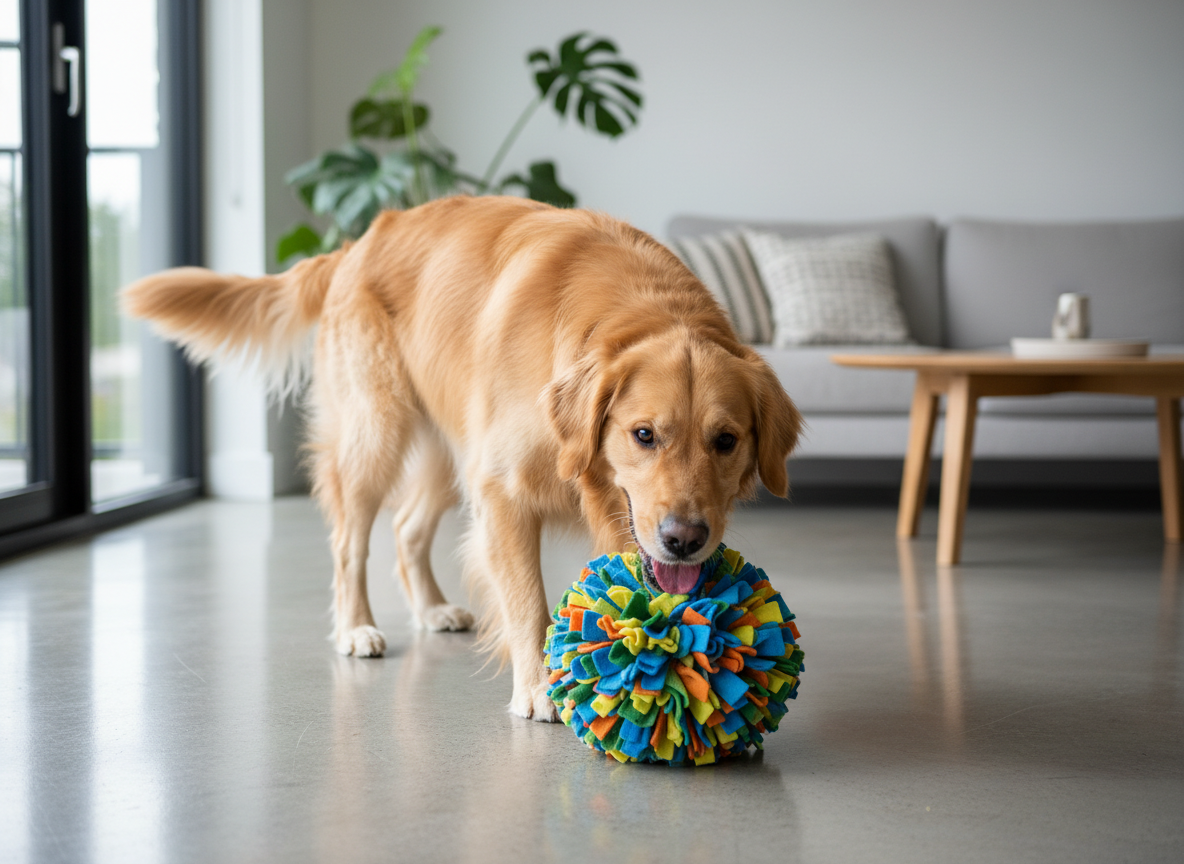
The corner of your living room likely tells a familiar story: a basket overflowing with once-loved, now-ignored dog toys. Squeakers have been silenced, plush figures de-stuffed, and expensive puzzle toys solved and forgotten. As canine behavior specialists, we observe this pattern frequently. Pet owners invest heavily in objects, hoping to purchase happiness and engagement for their companions, only to find that novelty wears off quickly. The fundamental issue is that most commercial toys fail to engage a dog’s most powerful sense: their nose.
This is where the concept of canine enrichment transcends simple play. True enrichment provides an outlet for a dog’s innate behaviors. It challenges their mind, reduces stress, and prevents the destructive habits that arise from boredom. Today, we will guide you through creating one of the most effective, affordable, and simple enrichment tools available: the DIY snuffle ball. Forget the endless cycle of buying and discarding. In just 20 minutes, you can craft a durable, engaging, and washable toy that taps directly into your dog’s natural drive to forage, providing profound mental stimulation that a simple squeaky toy can never match.
Why Your Dog Needs More Than Just a Squeaky Toy: The Science of Enrichment
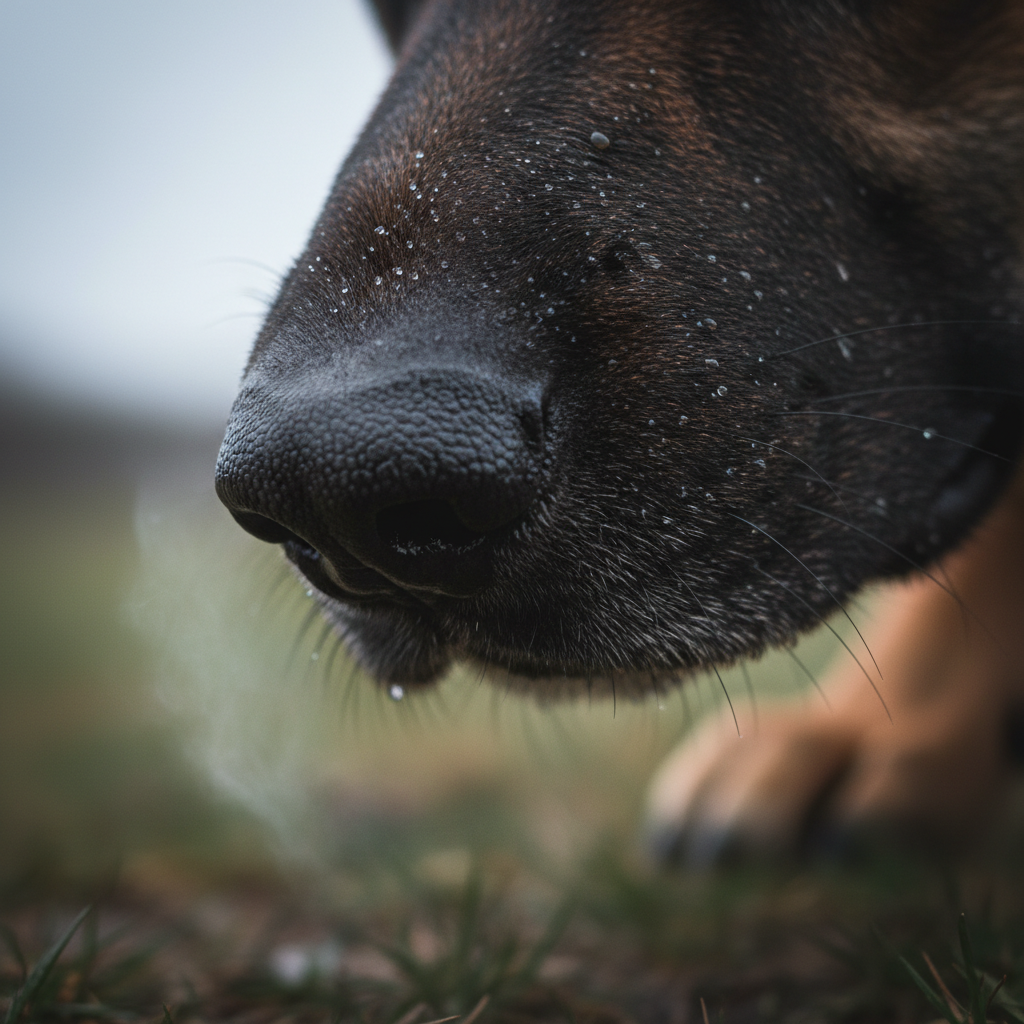
To understand the power of a snuffle ball, we must first understand the canine brain. Dogs are genetically programmed to seek, to hunt, and to forage. Their olfactory system is thousands of times more sensitive than our own, and the act of sniffing is not merely perception—it is a deeply rewarding cognitive process. When a dog works to find food, their brain releases dopamine, the neurotransmitter associated with pleasure and reward. This is a biological process that promotes focus, calmness, and a sense of accomplishment.
This phenomenon is linked to a behavioral principle known as contrafreeloading. When given the choice, most animals, including dogs, prefer to work for their food rather than eat it from a freely available source. An overflowing food bowl offers no challenge and no mental reward. A snuffle ball, however, turns mealtime or treat time into a stimulating game. It requires your dog to use their nose, brain, and paws to solve a problem. This simple act of ‘working’ for a reward is incredibly effective at reducing stress hormones like cortisol, which are often at the root of anxiety-based behaviors such as excessive barking, pacing, and destructive chewing. While a squeaky toy provides a momentary distraction, a snuffle ball provides a meaningful task that builds confidence and promotes a state of calm focus.
The Hidden Costs and Dangers of the Commercial Toy Aisle
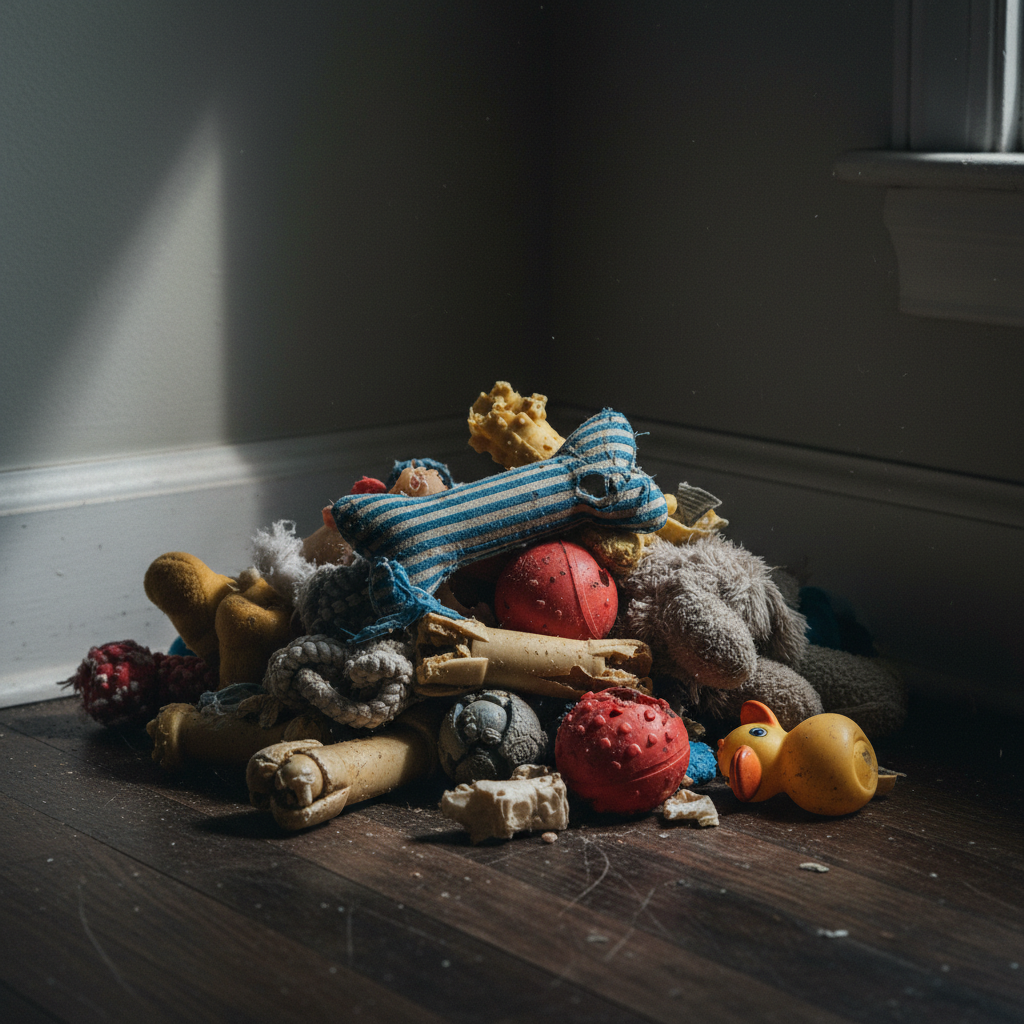
The pet product industry is a multi-billion dollar enterprise, yet quantity does not always equate to quality or safety. Many pet owners find themselves on a treadmill of purchasing new toys, only for them to be destroyed or ignored within days. This cycle carries not only a significant financial cost but also potential risks to your dog’s health.
Many mass-produced toys are made from cheap plastics that can contain harmful chemicals like BPA or phthalates. Dyes can be toxic if ingested, and small, easily detached parts like squeakers, plastic eyes, or internal bells pose a serious choking and obstruction hazard. Even toys marketed as ‘indestructible’ can be compromised by a determined chewer, leading to broken pieces that can cause internal damage.
Beyond the physical risks, there is the issue of behavioral value. A toy that does not challenge the dog’s mind quickly loses its appeal. The snuffle ball provides a sustainable, safe, and endlessly reusable alternative. Its value is not in its novelty, but in its function as a delivery mechanism for mental engagement.
| Feature | Typical Store-Bought Puzzle Toy | DIY Snuffle Ball |
|---|---|---|
| Engagement Method | Visual puzzles, sliding parts, levers | Scent-based foraging |
| Durability | Variable; often hard plastic that can crack | High; soft fleece is gentle on the mouth |
| Safety | Risk of ingested small parts or plastic shards | Very safe; fleece strips are too large to swallow |
| Cost | $15 – $40+ | ~$15 for materials to make one or more |
| Maintenance | Difficult to clean small compartments | Fully machine washable and dryable |
| Behavioral Benefit | Problem-solving | Activates natural foraging instinct, calms, focuses |
Gathering Your Supplies: What You’ll Need
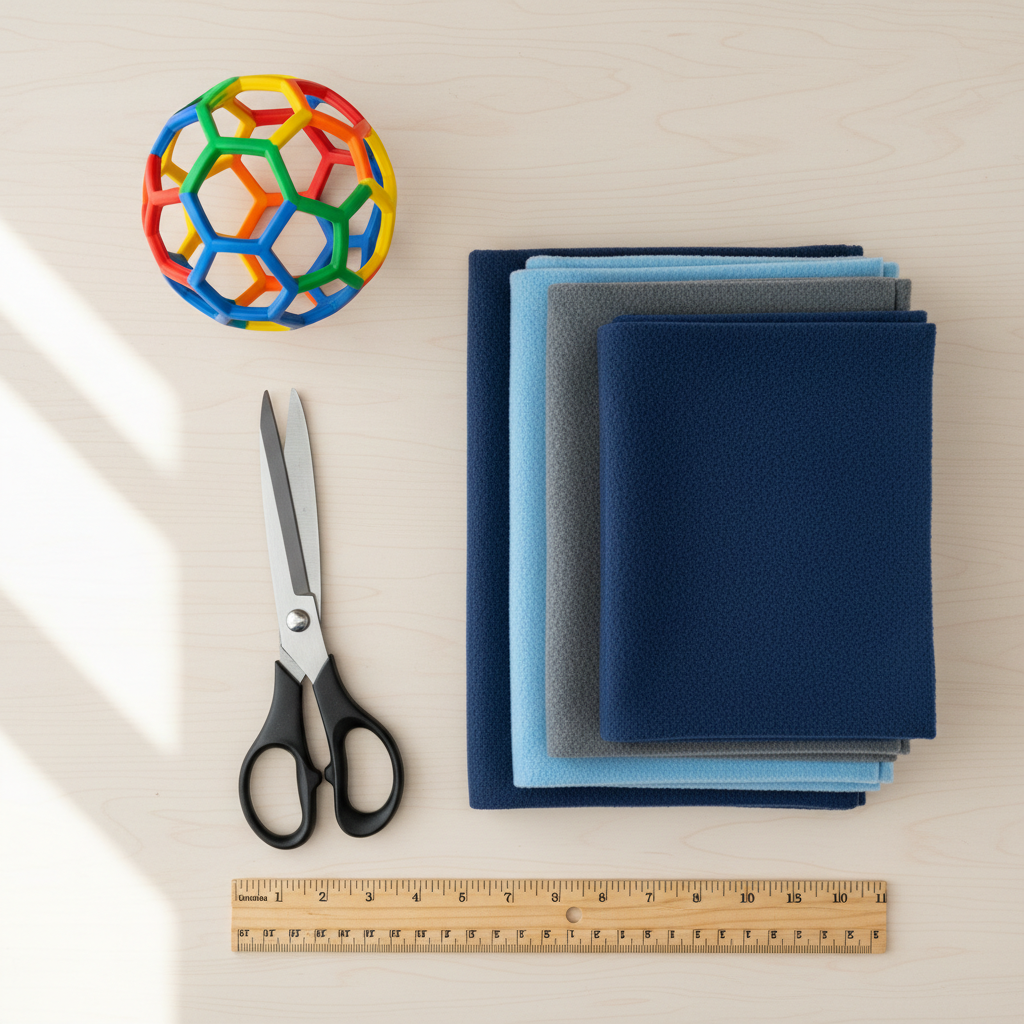
The beauty of this project lies in its simplicity. You only need a few basic, readily available materials. We recommend fleece fabric specifically because it is soft, durable, does not fray when cut, and is completely machine washable, ensuring your dog’s new favorite toy stays hygienic.
Required Materials:
- A Hol-ee Roller® Ball: This is a brand of durable, non-toxic rubber ball with a honeycomb pattern of holes. They come in various sizes; choose one appropriate for your dog’s breed. A medium or large size works well for most dogs to start.
- Fleece Fabric: Approximately 1 to 1.5 yards of fleece will create a dense, plush ball. Feel free to use multiple colors for a vibrant look. You can often find fleece remnants at a discount in fabric stores.
- Sharp Fabric Scissors or a Rotary Cutter: A rotary cutter and cutting mat will make the process much faster and the strips more uniform, but sharp scissors work perfectly well.
- A Ruler or Measuring Tape: For ensuring your strips are a consistent size.
Before you begin, it is best practice to wash and dry your fleece fabric. This will pre-shrink it and remove any residues from the manufacturing process. Once clean, you are ready to cut your strips. For a standard large-sized ball, aim for strips that are approximately 1 to 1.5 inches wide and 10 to 12 inches long. Consistency is helpful but not critical; slight variations will simply add to the texture of the final product.
Creating Your Snuffle Ball: A 20-Minute Project
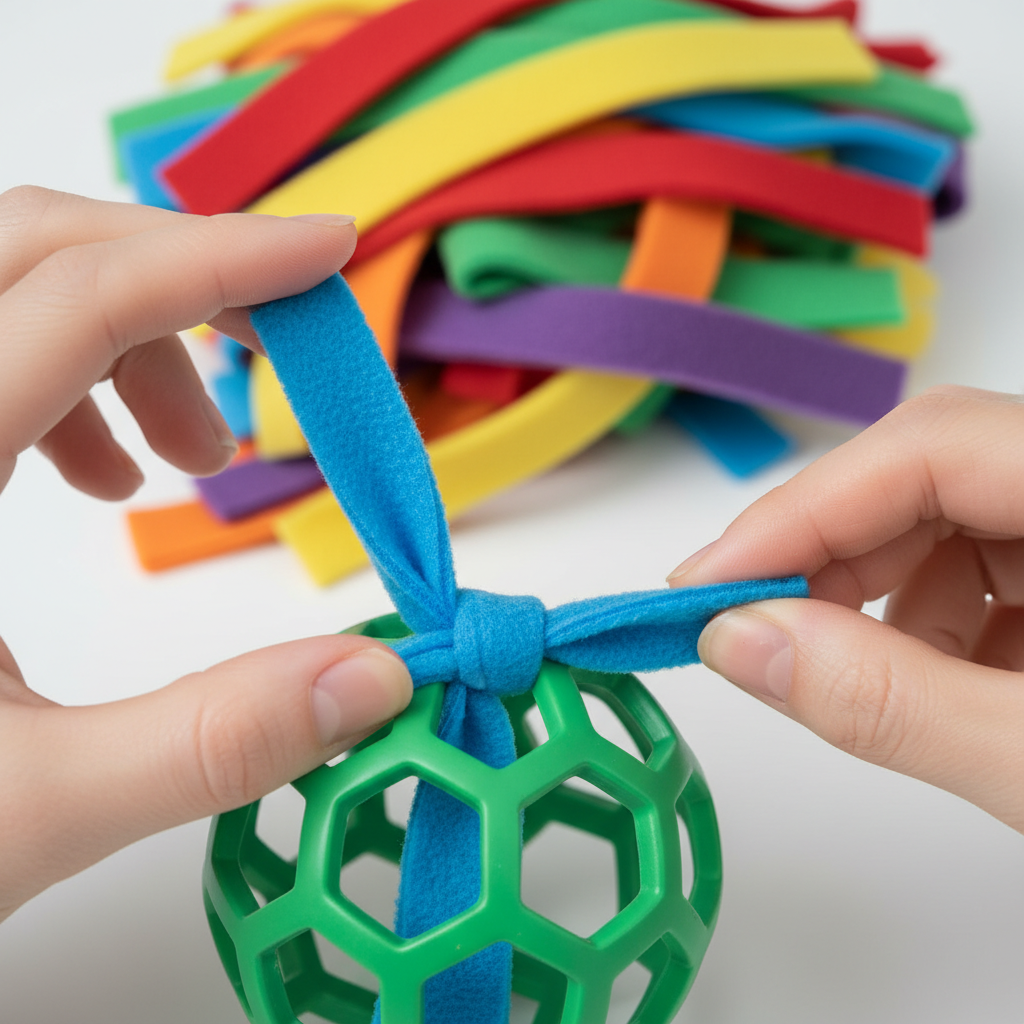
With your materials prepared, the assembly process is a simple, repetitive, and even meditative task. Put on some music or a podcast and follow these steps. You will have a completed enrichment tool before a single episode is over.
- Prepare Your Fleece Strips: If you haven’t already, cut your fleece into strips. For a dense ball, you will need a significant pile of them—typically between 50 and 80 strips, depending on the size of your ball and the thickness of your fleece. Don’t worry about perfect edges; the fleece is very forgiving.
- Master the Knotting Technique: Take a single strip of fleece. Pass one end through a hole on the ball and out through an adjacent hole. Take the two ends of the fleece strip and tie a simple, single knot. Pull it snug against the surface of the ball. The goal is not to tie a double-knot that is impossible to undo, but a simple, secure knot that holds the fleece in place.
- Begin Filling the Ball: Continue this process, working your way around the ball. Thread a strip through two adjacent holes and tie a single knot. You can work in a random pattern or systematically move from one section to the next. Using different colors can help you track your progress.
- Create Density: As you add more strips, the ball will begin to look full. The key to a great snuffle ball is density. The more fleece you pack in, the more challenging and engaging it will be for your dog. Continue adding strips, using any available pair of holes, until it becomes difficult to find an empty spot. The fleece should be packed tightly together.
- The Final Fluff: Once you can no longer easily add more strips, your snuffle ball is complete. Roll it vigorously between your palms or on a clean floor to fluff up all the fleece strips, creating a full, shaggy sphere. It should look like a vibrant pom-pom, ready for action.
How to Use Your New Enrichment Tool for Maximum Benefit
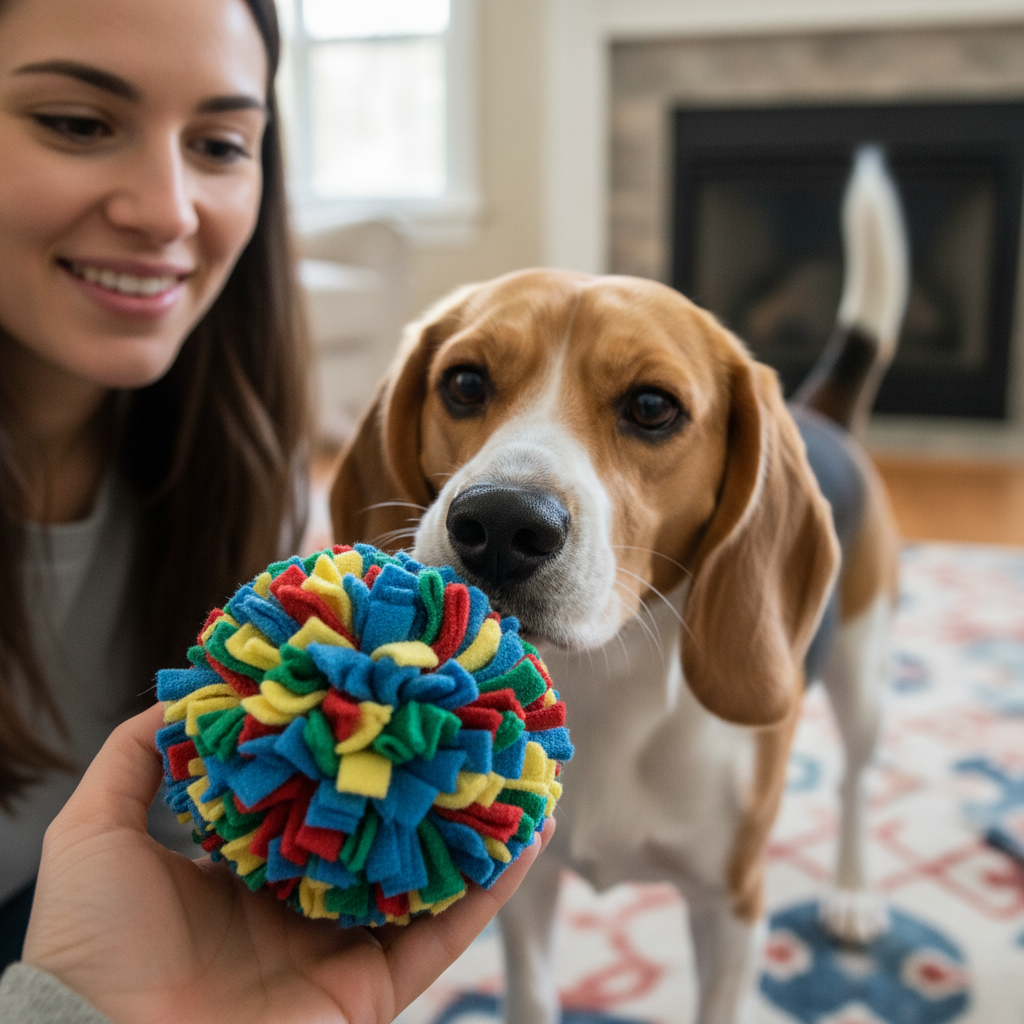
Proper introduction is key to ensuring your dog understands the game and engages with the snuffle ball enthusiastically and safely. This is not a chew toy to be left in the toy basket; it is an interactive tool for supervised sessions.
Introduction Protocol:
- Start Easy and Obvious: For the first few sessions, make the game incredibly simple. Take a few small, high-value, and fragrant treats (like freeze-dried liver or small pieces of cheese) and tuck them loosely into the outermost fleece strips.
- Let Your Dog Watch You: Allow your dog to observe you hiding the treats. This builds anticipation and helps them understand that the object contains rewards.
- Introduce a Verbal Cue: As you present the ball to your dog, use a consistent verbal cue like “Find it!” or “Go sniff!” This will help build an association between the cue, the object, and the rewarding activity of foraging.
- Supervise All Play: Always supervise your dog when they are using the snuffle ball. The goal is for them to sniff and nudge the treats out, not to rip or shred the fleece. If they begin to chew the toy destructively, calmly trade it for a more appropriate chew item and put the snuffle ball away for another time.
- Cleanliness is Key: After a few uses, the snuffle ball will harbor crumbs and saliva. Thankfully, it’s easy to clean. Simply toss it in the washing machine on a gentle cycle and let it air dry completely before the next use. This prevents bacteria growth and keeps it fresh and inviting for your dog.
Level Up: Beyond Basic Foraging
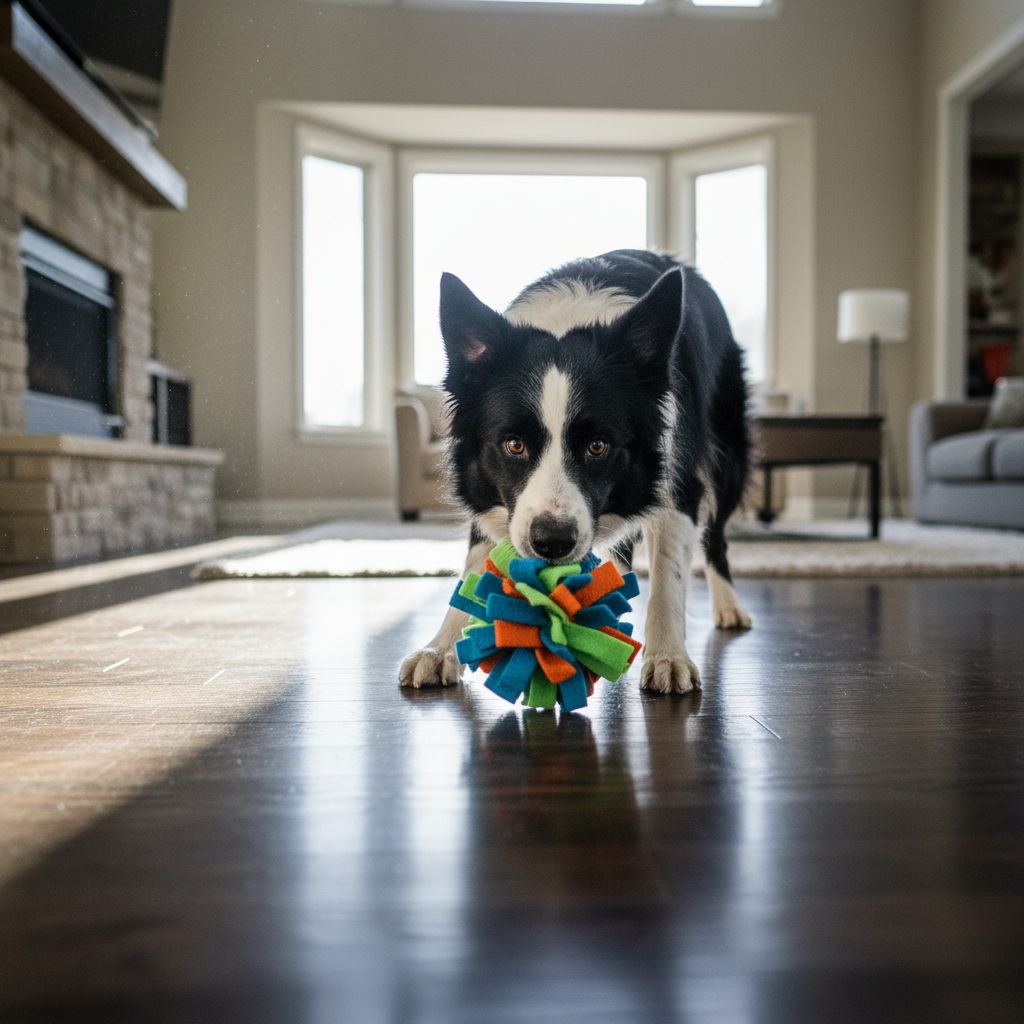
Once your dog has mastered the basic concept of finding treats in the snuffle ball, you can increase the difficulty to keep their mind engaged and prevent boredom. A key principle of effective enrichment is progressive challenge; as the dog’s skills improve, the task should evolve.
Advanced Snuffle Ball Games:
- Increase Hiding Difficulty: Begin tucking the treats deeper into the center of the ball. This will require your dog to work harder, pushing and rolling the ball more to release the rewards.
- Lower the Treat Value: Instead of using highly aromatic, high-value treats, try using your dog’s regular kibble. This makes them rely more on their nose and less on overpowering scents, increasing the cognitive challenge. This is also an excellent way to slow down dogs who inhale their meals. Simply measure out their meal portion and hide it in the ball.
- Play ‘Find the Ball’: Turn it into a two-part scent game. Have your dog in a ‘stay’ while you hide the treat-filled snuffle ball somewhere in the room (initially in an easy spot). Then, release them with your “Find it!” cue. Now they must first locate the ball itself before they can begin foraging for the treats inside.
- Introduce Movement: For confident dogs, you can gently roll the ball across the floor, encouraging them to chase and pounce on it before they settle down to sniff. This adds a layer of physical activity to the mental puzzle.
By varying the difficulty and context of the game, the snuffle ball remains a novel and exciting tool, providing endless opportunities for productive, confidence-building play.
Conclusion
In the world of canine well-being, providing for a dog’s mental and instinctual needs is as crucial as providing food, water, and shelter. The DIY snuffle ball is more than just a toy; it is a direct investment in your dog’s mental health. For a fraction of the cost of a single commercial puzzle toy, you have created a durable, safe, and profoundly satisfying tool that combats boredom, reduces anxiety, and fulfills your dog’s inherent desire to work. This simple 20-minute project offers a powerful way to enrich your dog’s life, strengthen your bond through positive interaction, and finally put an end to the overflowing basket of forgotten toys. It’s time to put down the wallet, pick up the fleece, and invest your time in an activity that will pay dividends in your dog’s happiness and calm contentment.