Silence the Chaos: How to Stop Your Dog Barking at the Doorbell Instantly
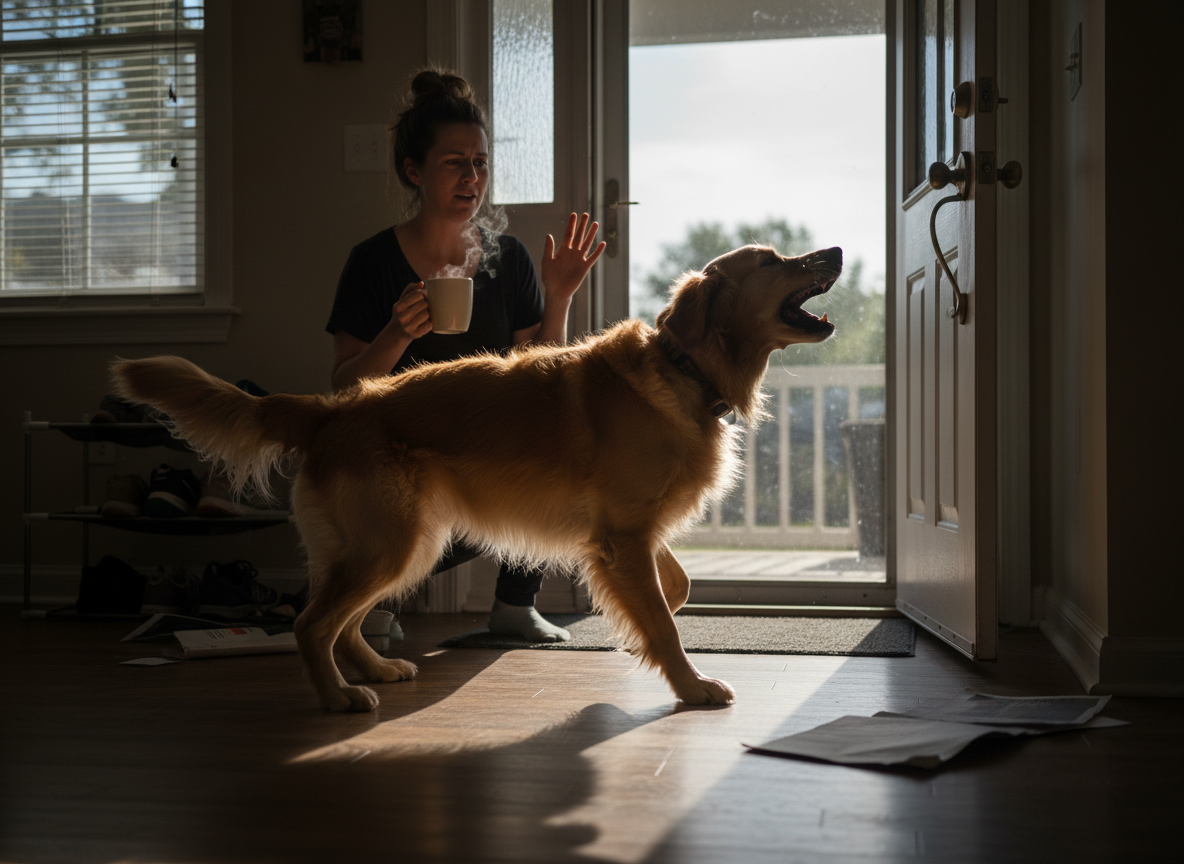
The sudden, sharp ring of a doorbell can transform a peaceful home into a whirlwind of frantic barking. For many pet owners, this familiar sound is a prelude to chaos, causing stress for both the human and canine members of the household. While it may seem like an ingrained, uncontrollable reaction, a dog’s barking at the doorbell is a complex behavior with understandable roots. It’s not a sign of a ‘bad dog,’ but rather a form of communication driven by instinct, excitement, or anxiety.
Understanding the ‘why’ behind the bark is the first critical step toward achieving a quieter, more controlled response. This guide will provide you with the professional knowledge and actionable strategies to address this common behavioral issue. We will delve into the psychology of doorbell reactivity and present a systematic, positive reinforcement-based approach to training. By investing time and consistency, you can teach your dog a new, calmer way to react, effectively silencing the chaos and creating a more welcoming environment for everyone who comes to your door.
Understanding the Root Cause: Why Doorbells Trigger Barking
Territorial Instincts
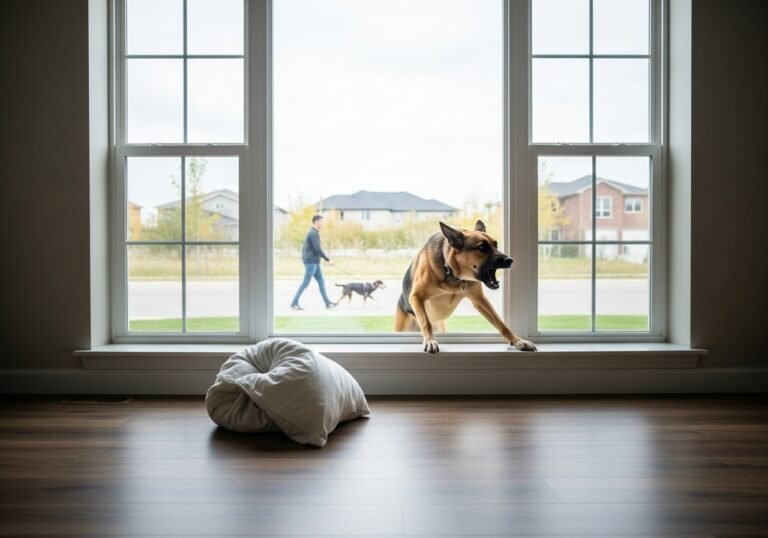
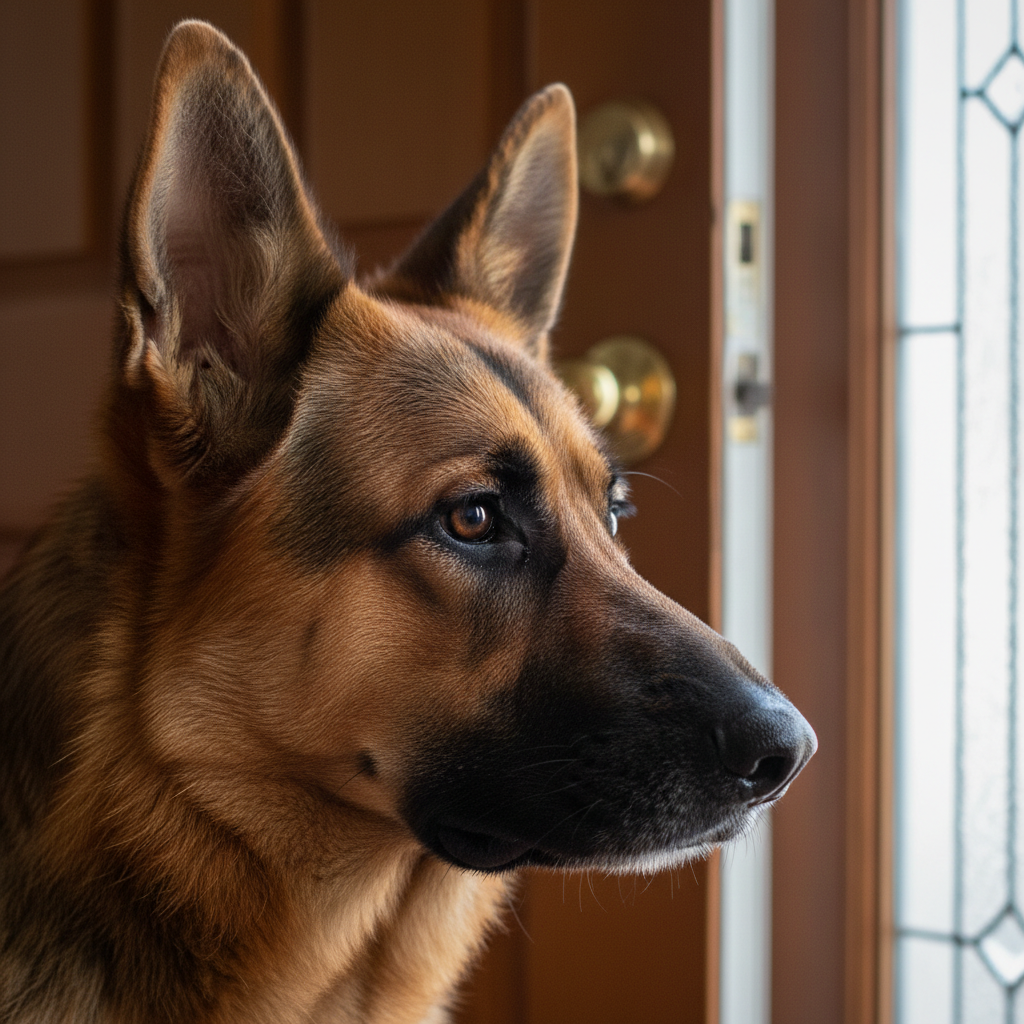
At its core, a dog’s home is its den. The doorbell signals the arrival of an unknown entity at the boundary of their territory. Barking serves as an alarm system, a way to alert the pack (you and your family) of a potential intruder and to warn the visitor to stay away. This is a deeply ingrained instinct passed down from their wild ancestors, for whom protecting the den was essential for survival.
Excitement and Anticipation
Not all doorbell barking is aggressive or fearful. For many social dogs, the doorbell has become a reliable predictor of something exciting: the arrival of a guest! Over time, they learn to associate the sound with positive experiences like petting, playtime, or meeting new people. The resulting barks are often high-pitched and accompanied by tail wagging, jumping, and other signs of joyful anticipation. In this case, the challenge isn’t fear, but rather managing an overwhelming level of excitement.
Fear and Anxiety
Conversely, a dog may bark at the doorbell out of fear or anxiety. The sound itself can be startling, and the subsequent arrival of a stranger can be overwhelming for a nervous or poorly socialized dog. The barking becomes a distance-creating behavior—an attempt to make the scary thing (the visitor) go away. This type of barking is often accompanied by other stress signals, such as a tucked tail, flattened ears, or backing away from the door.
Learned Behavior
Dogs are incredibly observant. They quickly learn that when the doorbell rings and they bark, a person appears. This can inadvertently reinforce the barking. If their barking causes you to rush to the door, they may learn that barking is an effective way to get your attention and prompt action. Without intervention, the behavior becomes a self-reinforcing loop that grows stronger with every ring.
Expert Tip: Before you begin training, observe your dog’s body language when the doorbell rings. Is their tail high and wagging (excitement), or is it tucked low (fear)? Is their posture confident or cowering? Identifying the underlying emotion is key to tailoring your training approach for maximum effectiveness.
Phase 1: Desensitization and Counter-Conditioning (DSCC)
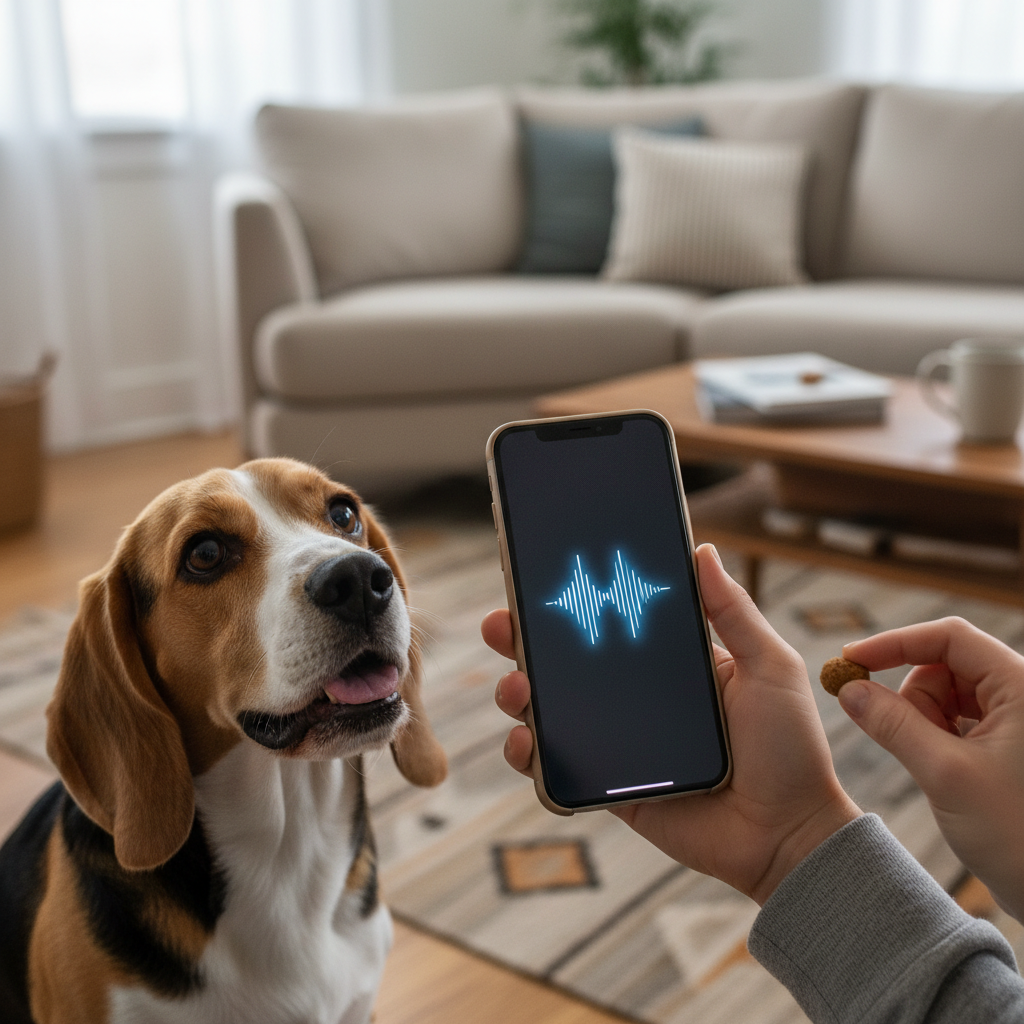
The foundation for stopping doorbell barking is a two-part process known as Desensitization and Counter-Conditioning (DSCC). Desensitization involves gradually exposing your dog to the doorbell sound at a level that does not provoke a reaction. Counter-Conditioning is the process of changing your dog’s emotional response to the sound from negative (fearful, anxious) or overly-excited to positive (calm, expectant of a reward).
Step 1: Find and Control the Sound
You need to be able to trigger the doorbell sound on command and control its volume. The actual doorbell is too loud and uncontrollable for initial training. Instead, find a recording of a doorbell sound on your smartphone or computer. This allows you to play it at a barely audible level to begin the process.
Step 2: The Training Process – Low Volume Association
Begin with your dog in a calm state. You will need a supply of extremely high-value treats—small pieces of chicken, cheese, or hot dogs work well. These should be more enticing than their regular kibble.
- Play the doorbell sound at a very low volume, so low that your dog notices it but does not bark or react strongly.
- The instant the sound plays, give your dog a high-value treat. Do not ask for a sit or any other command. The sequence is critical: Sound first, then treat immediately.
- Wait a few seconds and repeat. Keep sessions short, around 2-5 minutes, to maintain your dog’s focus.
The goal is to build a new association: Doorbell sound = Delicious treat is coming!
Step 3: Gradually Increase the Volume
Once your dog is consistently looking to you for a treat upon hearing the low-volume sound, you can begin to slowly increase the volume in small increments. If at any point your dog barks or shows signs of stress, you have increased the volume too quickly. Simply go back to the last successful volume level and practice there a few more times before attempting to increase it again. This is the most crucial part of the process and requires patience.
Important Note: During this training phase, you must prevent your dog from reacting to the actual doorbell. You can place a sign on your door asking visitors to knock or call you instead of ringing the bell. Every time your dog rehearses the old barking behavior, it sets your training back.
Phase 2: Teaching an Incompatible Alternative Behavior
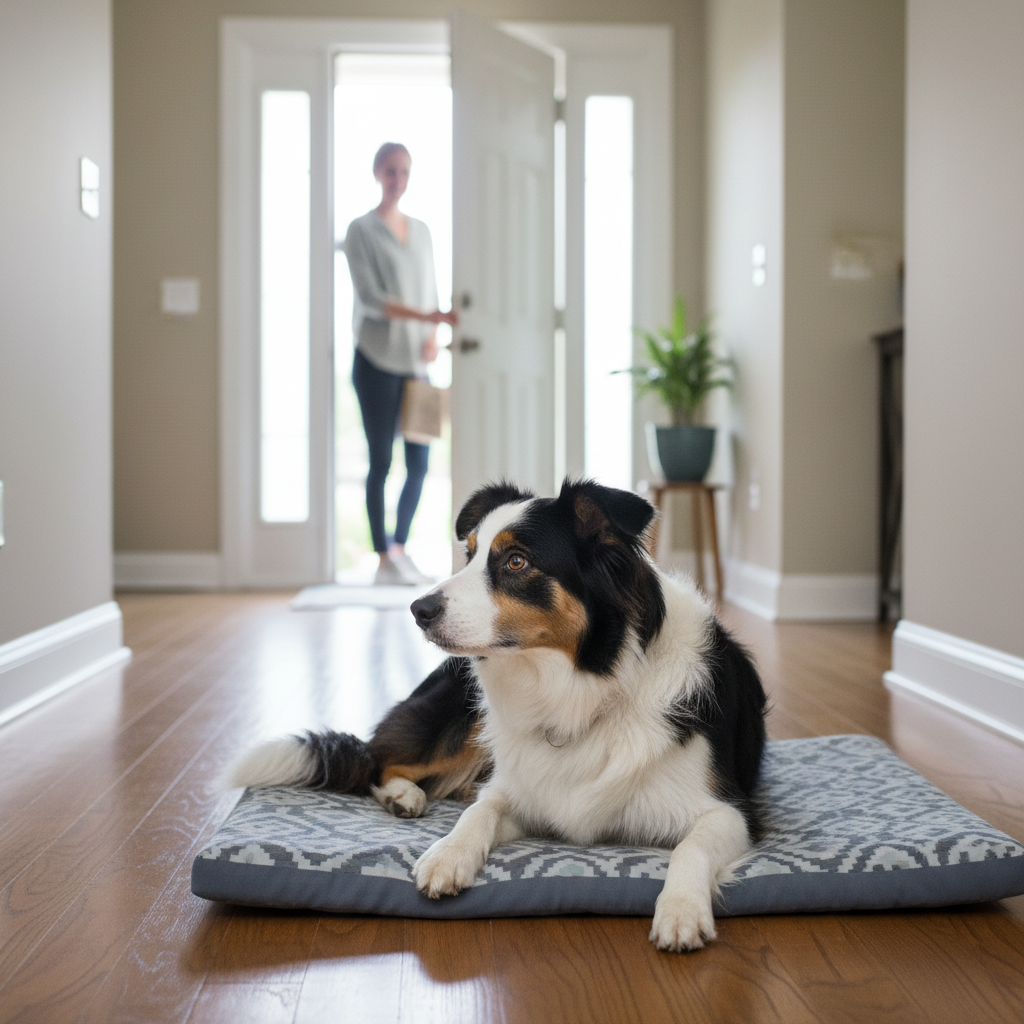
While DSCC changes your dog’s emotional response, you still need to teach them what you want them to do instead of barking. The most effective alternative behavior is the ‘Go to Place’ or ‘Go to Mat’ command. This gives your dog a specific job to do, which is incompatible with rushing the door and barking. It builds confidence and self-control.
Step 1: Introduce the ‘Place’
Choose a specific mat, bed, or towel as your dog’s ‘place.’ Make it a positive spot by dropping treats on it and letting your dog discover them. Use a verbal cue like ‘Go to your place’ and lure your dog onto the mat with a treat. When all four paws are on the mat, say ‘Yes!’ and give them the treat. Repeat this many times until your dog begins moving toward the mat when you give the cue.
Step 2: Build Duration and Distance
Once your dog understands the initial command, start building duration. Ask them to stay on the mat for a few seconds before rewarding them. Gradually increase the time. Next, start adding distance. Take a step back from the mat before giving the cue, gradually increasing the distance from which you send your dog to their place. Always reward successful attempts enthusiastically.
Step 3: Integrate ‘Place’ with the Doorbell Sound
Now, you will combine the two phases of training. This should only be done after your dog is no longer reacting to the recorded doorbell sound at full volume and reliably goes to their place on command.
- Have your dog on a leash to prevent them from running to the door.
- Play the full-volume recorded doorbell sound.
- Immediately after the sound, give your ‘Go to your place’ command in a calm, upbeat tone.
- Guide your dog to their place if needed. Once they are there, reward them with a jackpot of high-value treats.
- Practice this sequence repeatedly. The new association becomes: Doorbell rings -> I go to my mat -> I get an amazing reward!
Phase 3: Real-World Practice and Management
Once your dog has mastered the previous steps with the recorded sound, it’s time to transition to real-world scenarios. This phase requires enlisting a helper to act as a visitor.
Step 1: Practice with a Helper
Begin with your dog on a leash. Have your helper stand outside and ring the actual doorbell. The moment it rings, cue your dog to ‘Go to your place.’ When they comply, have your helper come inside and calmly greet you while you continue to reward your dog for staying on their mat. Keep initial interactions short and positive. If your dog breaks their stay, calmly lead them back to their mat without scolding them. Repeat this process, gradually increasing the duration of the ‘visit.’
Step 2: Generalizing the Behavior
Your dog needs to learn that this rule applies to everyone, not just your training helper. Ask different friends and family members to assist in practice sessions. Vary the time of day and the type of arrival (e.g., sometimes they knock, sometimes they ring the bell). Consistency across different scenarios is key to solidifying the new behavior.
Common Mistakes to Avoid
Even the best training plan can be derailed by common mistakes. Be mindful to avoid the following:
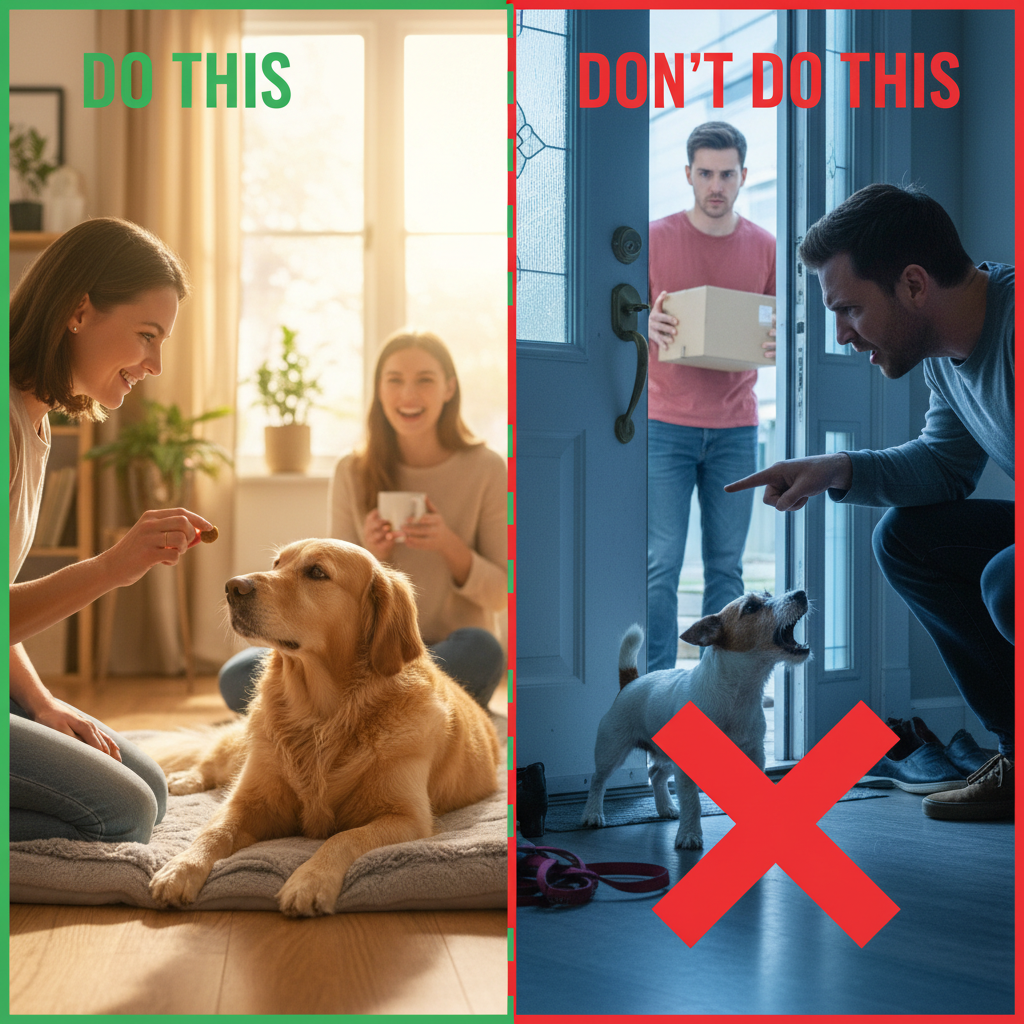
- Punishing the Bark: Yelling ‘No!’ or using a spray bottle may stop the barking in the moment, but it doesn’t address the underlying emotion. It often increases anxiety and can damage your bond with your dog, making them more likely to react fearfully in the future.
- Inconsistent Reinforcement: If sometimes you train your dog to go to their mat and other times you let them rush the door and bark, you are sending mixed signals. Everyone in the household must be on board with the training plan.
- Training When the Dog is Over-Aroused: Do not attempt a training session when your dog is already excited or anxious. Start when they are calm and relaxed to set them up for success.
- Moving Too Fast: The most common error in DSCC is progressing too quickly. If your dog is reacting, it’s a sign you need to go back a step to a lower-intensity version of the trigger they can handle.
| Do This (Effective Method) | Don’t Do This (Common Mistake) |
|---|---|
| Reward silence and calm behavior at the ‘Place’. | Yell at the dog for barking. |
| Use a controlled, recorded sound for initial training. | Only practice with the real, full-volume doorbell. |
| Keep training sessions short, positive, and frequent. | Conduct long, frustrating training sessions. |
| Manage the environment to prevent rehearsal of barking. | Allow the dog to continue barking at delivery drivers and visitors. |
Conclusion
Transforming your dog’s chaotic doorbell reaction into a calm, controlled behavior is not an overnight fix—it is a testament to the power of patience, consistency, and positive communication. By understanding the root of the barking, systematically changing your dog’s emotional response, and providing them with a clear alternative job, you are not just stopping a nuisance behavior; you are building a deeper bond of trust and understanding. Remember to celebrate small victories and remain a patient leader. With this professional approach, you can successfully silence the chaos and restore a sense of calm to your front door, making arrivals a peaceful and pleasant experience for you, your dog, and your guests.