Silence The Chaos: How To Stop Window Barking Without Closing The Blinds
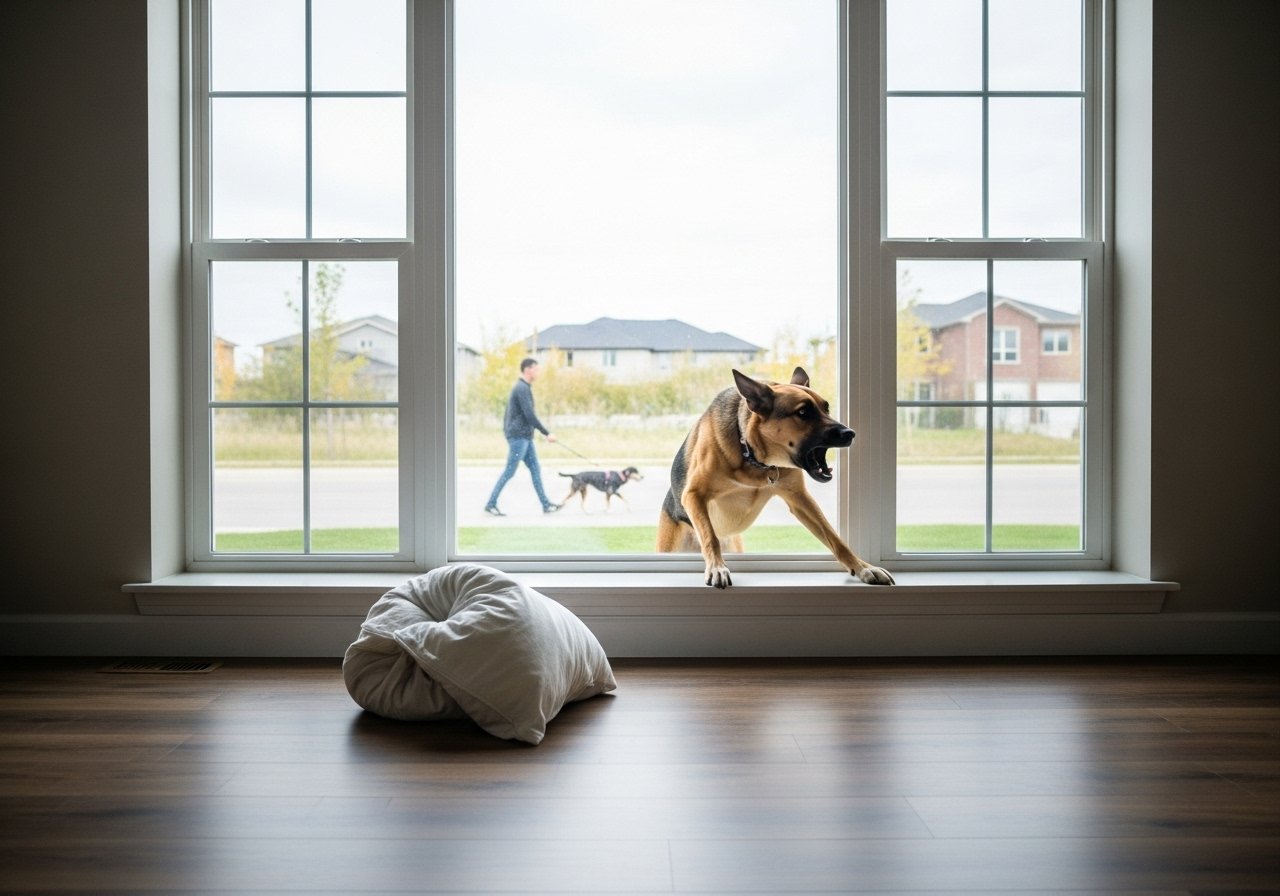
The sudden, explosive eruption of barking from an otherwise peaceful dog is a sound every pet owner knows well. When the trigger is a passerby, a squirrel, or the mail carrier, the window becomes a stage for chaos. Many owners resort to the quickest fix: closing the blinds or drawing the curtains, plunging the room into darkness. While this manages the problem momentarily, it doesn’t solve it. It’s a temporary patch that sacrifices your home’s natural light and fails to address the underlying reasons for your dog’s behavior.
Window barking is more than just a nuisance; it’s a form of communication. Your dog is expressing an emotion—be it territorial instinct, fear, boredom, or over-excitement. Understanding the ‘why’ is the first critical step toward a lasting solution. This guide is designed for dedicated pet owners who want to do more than just manage the noise. We will delve into a professional, behaviorist-approved methodology that combines environmental management with targeted training exercises. By following these steps, you can teach your dog to remain calm and quiet in the presence of outside triggers, allowing you to finally open the blinds and let the light in, both literally and figuratively.
Understanding the ‘Why’ Behind Window Barking
Understanding the ‘Why’ Behind Window Barking
Before any training can be effective, it is imperative to understand the motivation driving the behavior. Window barking is not a sign of a ‘bad dog’; it is a symptom of an underlying emotional or instinctual response. Identifying the specific cause is the key to tailoring your training for maximum success.
Common Motivators for Window Barking:
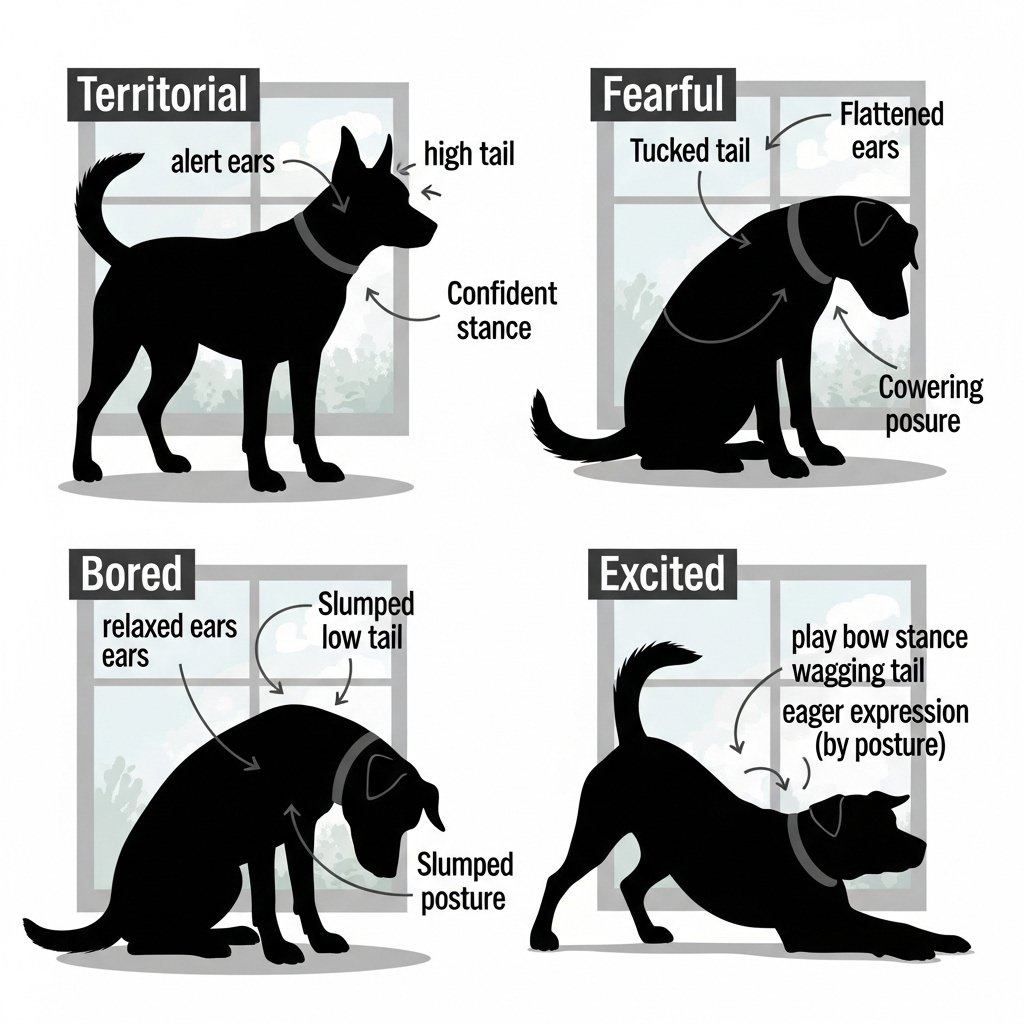
- Territorial Defense: This is one of the most common reasons. From your dog’s perspective, the window is a boundary of their territory. People, other dogs, or vehicles passing by are seen as potential intruders. The barking is a vocal alarm and a warning to “stay away.” When the person or dog eventually moves out of sight, your dog believes their barking was successful in driving the threat away, which powerfully reinforces the behavior.
- Fear or Anxiety: For some dogs, the world outside is overwhelming. Unfamiliar sights and sounds can trigger a fear response. In this case, the barking is defensive, an attempt to make a scary thing go away. These dogs may exhibit other signs of stress, such as a tucked tail, whale eye (showing the whites of their eyes), or a lowered body posture.
- Boredom and Under-stimulation: A dog without sufficient mental and physical exercise will find their own ‘job,’ and ‘window patrol’ is a popular choice. The movement outside provides a source of stimulation in an otherwise uneventful day. The act of barking becomes a self-reinforcing activity, releasing pent-up energy and alleviating boredom.
- Learned Behavior and Excitement: Sometimes, barking is simply a result of pure excitement. The dog may be thrilled to see another dog and want to play, or they may be anticipating a walk when they see a person with a leash. Over time, if this arousal consistently leads to barking, it becomes a learned habit that is difficult to break without intervention.
Expert Tip: Observe your dog’s body language carefully. Is their tail high and stiff (territorial) or tucked (fearful)? Is the bark high-pitched and frantic (excitement) or deep and menacing (warning)? These clues will help you diagnose the root cause and choose the right approach.
Phase 1: Proactive Management and Environmental Setup
Phase 1: Proactive Management and Environmental Setup
The cardinal rule of behavior modification is to prevent the rehearsal of the unwanted behavior. Every time your dog barks at the window, the behavior becomes more ingrained. Therefore, our first phase is not active training but proactive management. The goal is to change the environment to set your dog up for success before you even begin formal training sessions.
Controlling the Visual Stimulus
Since we are committed to keeping the blinds open, we must find creative ways to obscure the view just enough to reduce the trigger’s impact.
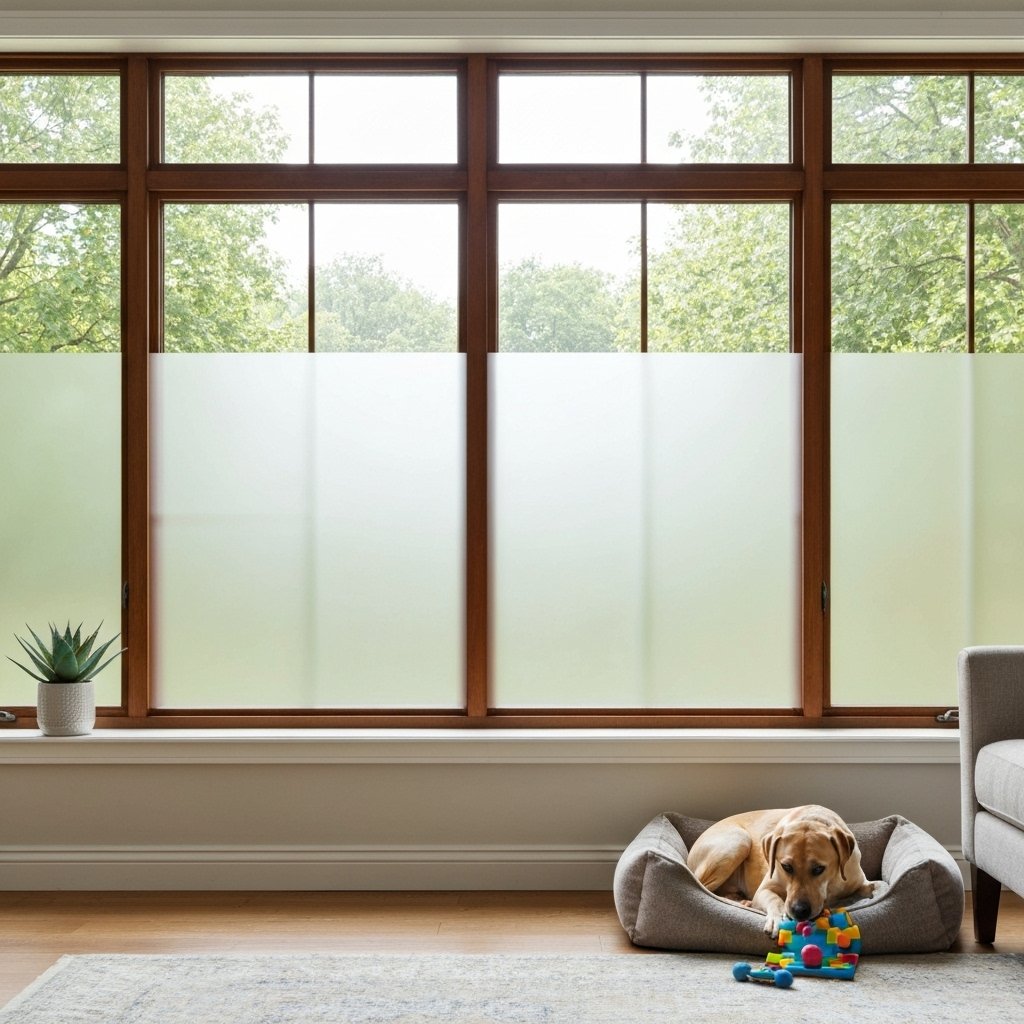
- Window Film: Applying a semi-opaque or frosted window film to the lower half of your windows is an excellent solution. It allows natural light to flood the room while obscuring the direct line of sight to sidewalks and streets. Many modern, stylish options are available that are easy to apply and remove.
- Strategic Furniture Placement: If possible, rearrange your furniture to make the window less accessible. Move couches or chairs that your dog uses as a perch. Create more appealing resting spots away from these high-alert areas.
Creating a ‘No-Bark Zone’
Designate an area away from the window as a place of calm and high-value rewards. This will become a crucial part of your later training.
- The Safe Haven: Place a comfortable bed or crate in a quiet corner of the room.
- Enrichment Tools: Make this area highly desirable by providing special ‘safe haven only’ toys, such as food puzzles, long-lasting chews, or a favorite stuffed toy. This begins to build a positive association with being calm and settled away from the windows.
Management is not a replacement for training, but it is the non-negotiable foundation. Without it, you are constantly fighting an uphill battle against a self-reinforcing behavior. By controlling the environment, you reduce your dog’s stress and create a calmer state of mind, which is essential for learning.
Phase 2: The Core Training Protocol – Desensitization and Counter-Conditioning (DSCC)
Phase 2: The Core Training Protocol – Desensitization and Counter-Conditioning (DSCC)
With a management plan in place, we can now begin the active training process. The gold standard for changing a dog’s emotional response to a trigger is a two-part process known as Desensitization and Counter-Conditioning (DSCC).
- Desensitization (DS): This means gradually exposing your dog to their triggers at a level of intensity so low that they do not react. This is called staying ‘sub-threshold.’
- Counter-Conditioning (CC): This is the process of changing your dog’s association with a trigger from negative or over-aroused to positive. We achieve this by pairing the sight of the trigger with something your dog loves, like high-value food.
Step-by-Step Guide to DSCC for Window Barking:
- Identify Triggers and Establish a Threshold: Make a list of everything that makes your dog bark (e.g., people walking, dogs, bicycles, delivery trucks). Then, determine their threshold distance. Does the barking start when a person is 50 feet away, or 20? You must begin your training outside of this reaction zone. You may need to enlist a friend to act as a ‘trigger’ by walking back and forth at a significant distance outside.
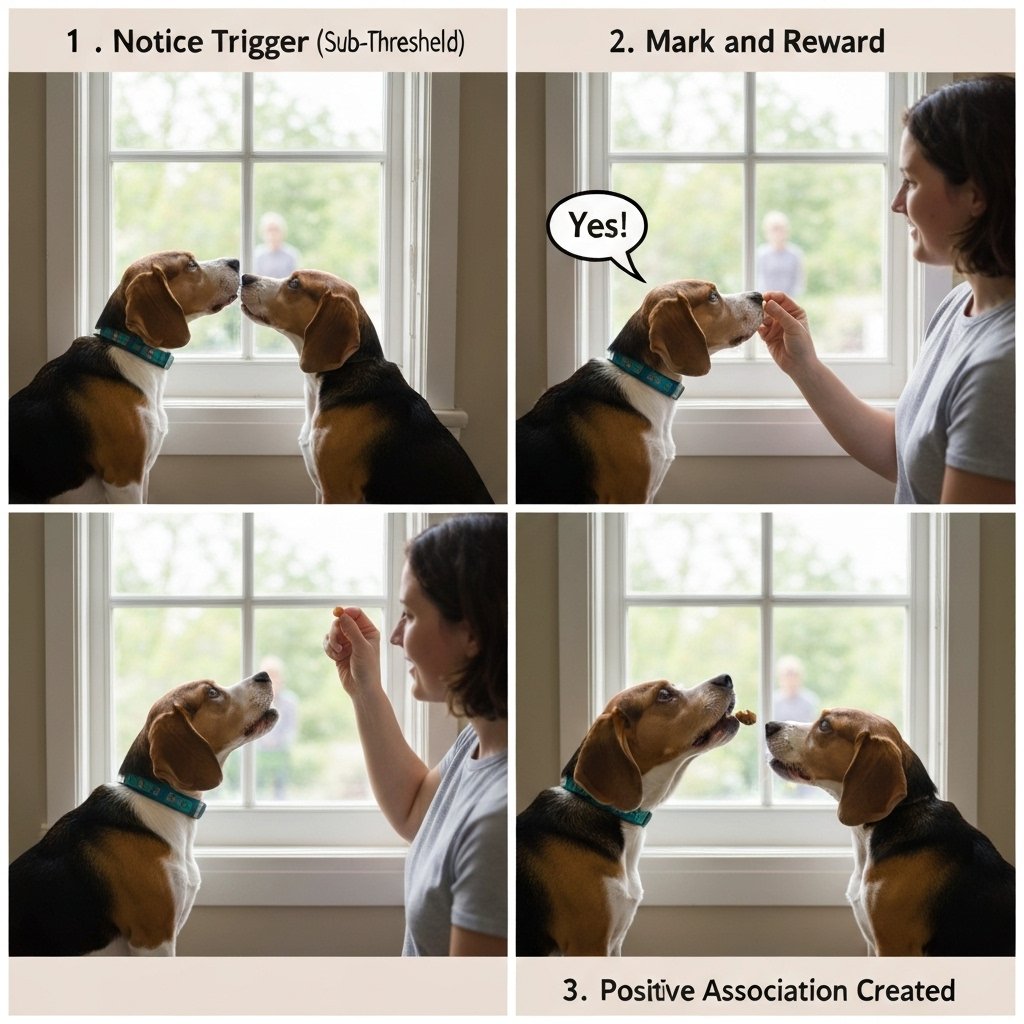
- Introduce the ‘Look at That’ Game: This game teaches your dog that seeing a trigger is a cue to look back at you for a reward.
- Position yourself with your dog on a leash, at a distance from the window where they can see the trigger but are not yet reacting.
- The moment your dog notices the trigger (e.g., their ears perk up, their head turns), use a marker word like a happy, upbeat “Yes!” or use a clicker.
- Immediately after your marker, provide a super high-value treat (e.g., small pieces of chicken, cheese, or steak). Do not use their regular kibble.
- The goal is for the sequence to become: Dog sees trigger -> Dog looks at you expecting a treat.
- Gradually Decrease the Distance: This process is a marathon, not a sprint. Over many short sessions (5-10 minutes each), you can slowly decrease the distance to the window, or have your helper-trigger move slightly closer. If your dog reacts (barks, lunges, whines), you have moved too fast. Simply increase the distance again to a point of success and end the session on a positive note.
- Introduce a ‘Quiet’ Cue: Once your dog is reliably looking at you instead of reacting, you can add a verbal cue. When your dog sees a trigger and remains silent, you can say “Quiet,” then mark and reward. This cue should not be used to stop a barking fit; it should be used to label the desired behavior of silence in the presence of a trigger.
Phase 3: Reinforcing Alternative Behaviors

Phase 3: Reinforcing Alternative Behaviors
While DSCC changes your dog’s emotional response, it’s also crucial to teach them what you want them to do instead of barking. A dog with a clear, alternative job to perform is less likely to revert to old habits. The most effective alternative behavior is one that is incompatible with running to the window and barking.
Teaching ‘Go to Your Mat’
The ‘Go to Mat’ or ‘Place’ command is an invaluable life skill. It teaches your dog to go to a designated spot (their bed or a special mat) and stay there until released.
- Charge the Mat: Start by luring your dog onto the mat and rewarding them for any interaction with it—sniffing it, stepping on it, and eventually, lying down on it. Use your marker word and high-value treats.
- Add the Cue: Once your dog is willingly going to the mat, add the verbal cue, “Go to Mat,” just before they perform the action.
- Build Duration: Gradually increase the amount of time they are expected to stay on the mat before receiving their reward. Start with a few seconds and work your way up to several minutes. Provide them with a puzzle toy or long-lasting chew to keep them happily occupied on their mat.
- Incorporate Triggers: Once the ‘Go to Mat’ cue is strong, you can begin to use it when triggers appear outside. As soon as you see a person approaching, cue your dog to their mat and give them their special chew. This makes the appearance of a trigger a predictor of a wonderful, relaxing reward, solidifying your counter-conditioning efforts.
Capturing Calmness
Beyond formal training sessions, make an effort to notice and reward calm behavior throughout the day. If you see your dog resting quietly near the window or choosing to lie on their bed instead of patrolling, calmly walk over and drop a treat between their paws. This communicates that their default state of calm is highly valued. You are reinforcing the absence of barking, which is just as important as correcting the barking itself.
Troubleshooting Common Challenges and When to Seek Professional Help

Troubleshooting Common Challenges and When to Seek Professional Help
Behavior modification is rarely a linear process. Setbacks are normal and expected. Understanding how to navigate common challenges can keep you on the path to success.
| Challenge | Solution |
|---|---|
| My dog is too aroused and won’t take treats. | This is a clear sign you are over their threshold. The dog is too stressed to eat. You must increase the distance from the trigger until they are calm enough to take treats again. This might mean moving to another room or practicing when the trigger is much farther away. |
| The barking suddenly got worse when I started training. | This may be an ‘extinction burst.’ When a previously reinforced behavior suddenly stops working, an animal will often try the behavior with more intensity before giving up. Stay consistent with your management and training, and do not give in. The behavior will typically decrease after this burst. |
| My dog only barks when I’m not home. | This is a difficult scenario that relies heavily on management. Use window film and prevent access to windows when you are away. Provide ample enrichment like food puzzles to keep their mind occupied. Consider setting up a camera to observe the behavior and identify triggers. |
| I’m not seeing any progress. | Be patient and keep a training journal. Progress can be slow and incremental. Are reactions less intense? Is the recovery time shorter? These are all signs of progress. Ensure your treats are high-value enough and that your training sessions are short and positive. |
When to Call a Professional
While this guide provides a solid framework, some cases require professional intervention. It is time to seek help if:
- The barking is accompanied by aggressive behaviors like snarling, snapping, or lunging at the glass.
- Your dog’s behavior is rooted in severe anxiety or phobia.
- You have been consistent with the training protocol for several weeks with absolutely no improvement.
- You feel overwhelmed, frustrated, or unsure how to proceed safely.
Look for a Certified Professional Dog Trainer (CPDT-KA), a Fear Free Certified Professional, or for severe cases, a board-certified Veterinary Behaviorist (DACVB). These professionals can provide a tailored plan for your specific dog and situation.
Conclusion
Reclaiming peace and quiet in your home without blocking out the world is entirely achievable. The journey to stop window barking is one of patience, consistency, and understanding. By shifting your focus from simply stopping the noise to changing your dog’s underlying emotional response, you are building a stronger, more trusting relationship. Remember the key pillars of this process: manage the environment to prevent failure, patiently work through desensitization and counter-conditioning to change feelings, and proactively teach your dog what you want them to do instead. There will be good days and challenging days, but with a consistent application of these positive, science-based methods, you can silence the chaos and enjoy the sunshine together with your calm and confident canine companion.