Senior Dog Incontinence: How to Keep the Diaper ON
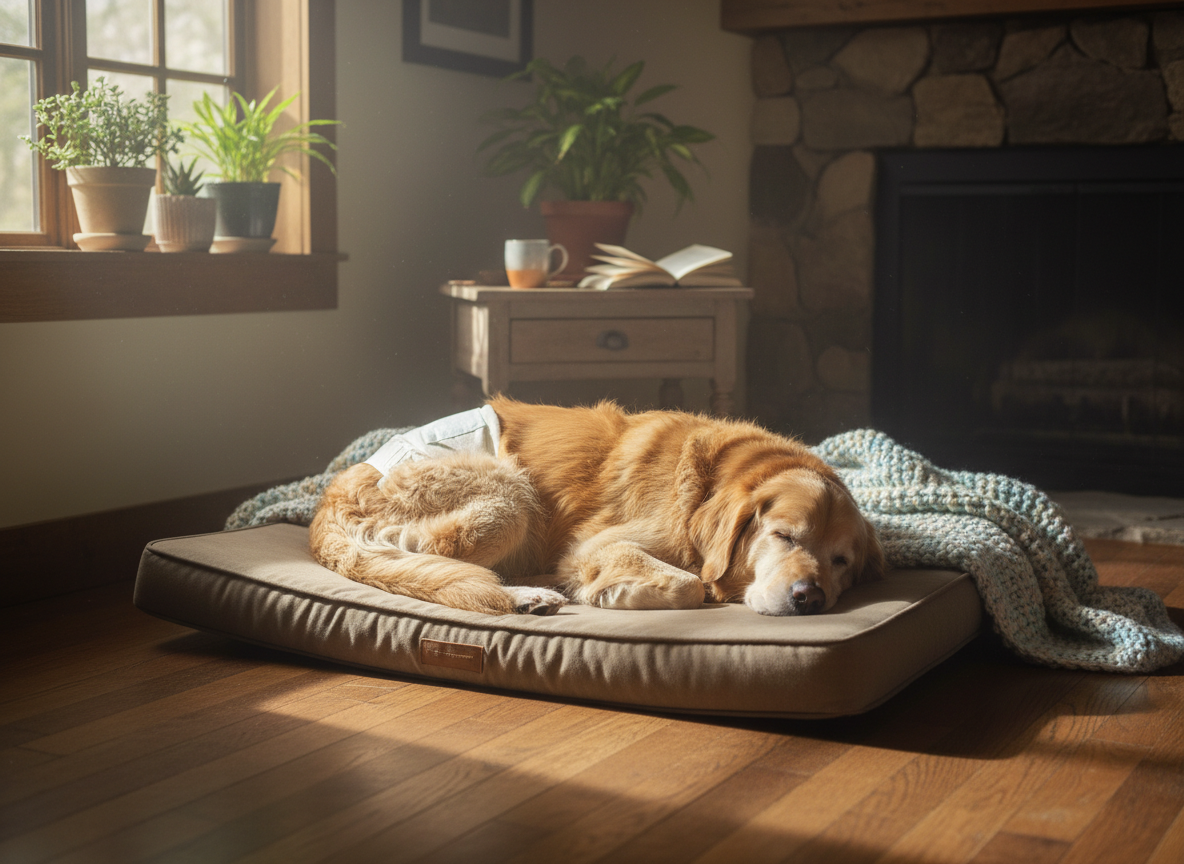
Caring for a senior dog is a journey of deep love and evolving responsibilities. When urinary incontinence enters the picture, it can be a distressing and challenging experience for both you and your loyal companion. You may feel frustrated by constant clean-ups and worried about your dog’s comfort and dignity. It is critical to understand that incontinence is not a behavioral failure; it is a medical condition that requires a strategic and compassionate management plan. This guide provides an authoritative, in-depth approach to not only understanding the complexities of senior dog incontinence but also mastering the practical techniques required to ensure a canine diaper stays securely and comfortably in place. We will move beyond simple tips and delve into a comprehensive protocol that protects your home, your dog’s health, and the precious bond you share.
Understanding the Root Causes of Senior Dog Incontinence
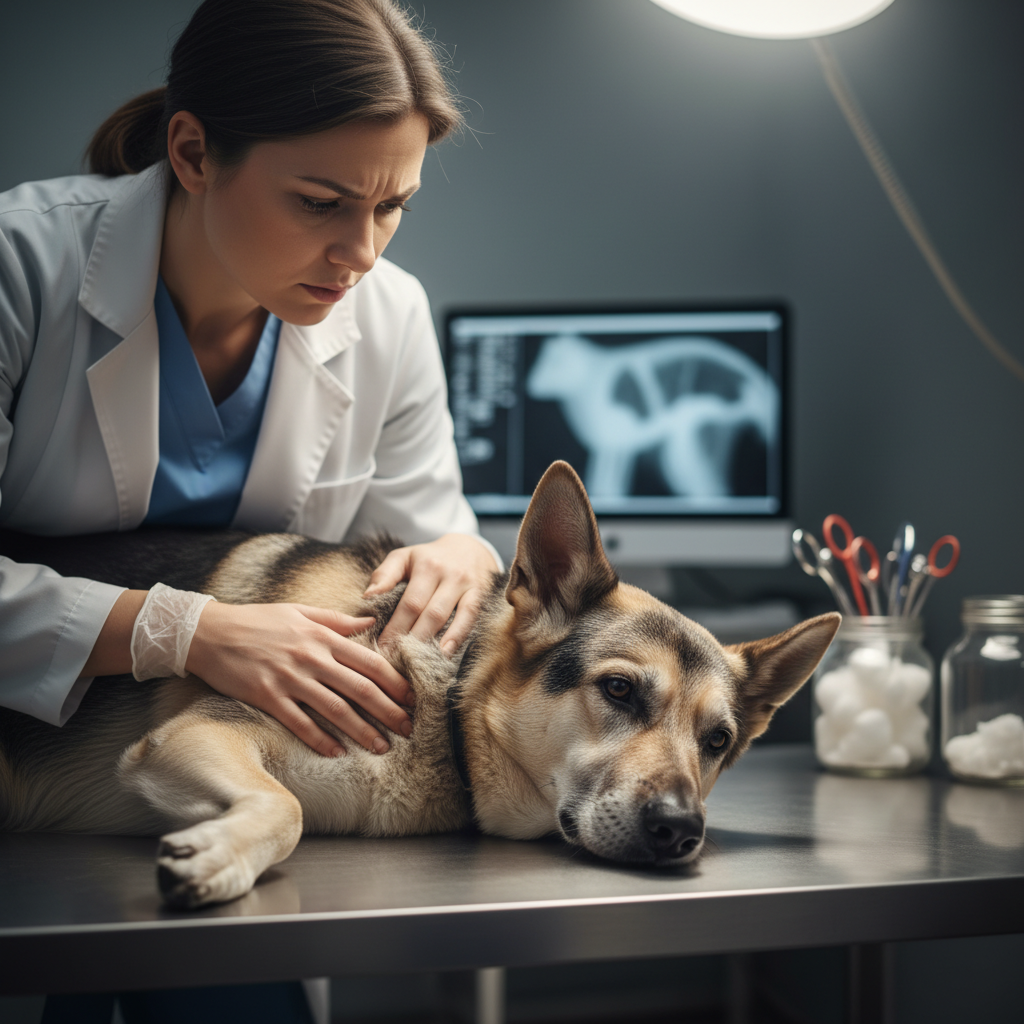
Before a solution can be implemented, the problem must be correctly identified. Urinary incontinence—the involuntary leakage of urine—is a symptom, not a diagnosis. In senior dogs, it can stem from a variety of physiological changes and medical conditions. Attributing it to ‘old age’ is a disservice to your pet, as it often overlooks treatable underlying issues. A precise diagnosis from a veterinarian is the non-negotiable first step.
Common Medical Causes
- Urethral Sphincter Mechanism Incompetence (USMI): This is the most frequent cause of incontinence in spayed female dogs. The sphincter muscle that controls urine flow weakens over time, often due to a decrease in estrogen. This results in leakage, typically when the dog is relaxed or sleeping.
- Neurological Conditions: The nerves controlling the bladder can be compromised by conditions common in senior dogs, such as degenerative myelopathy (DM), intervertebral disc disease (IVDD), or spinal tumors. This can lead to a loss of bladder control.
- Cognitive Dysfunction Syndrome (CDS): Similar to dementia in humans, CDS can affect a dog’s awareness of their bodily functions. They may forget their house-training or lose the ability to signal when they need to go outside.
- Urinary Tract Infections (UTIs) and Bladder Stones: Infections and stones can create inflammation and a constant urge to urinate, leading to accidents and leakage. These conditions are often painful and require immediate medical intervention.
- Systemic Diseases: Conditions like kidney disease, diabetes, and Cushing’s disease increase thirst and urine production, overwhelming the bladder’s capacity and leading to accidents.
It is imperative to differentiate incontinence from behavioral urination. Incontinence is passive and unintentional; your dog may dribble urine while walking or leave a wet spot where they were sleeping. Behavioral urination is an active, conscious act often related to stress, anxiety, or territory marking, and it involves different body postures. Observing how and when the urination occurs provides valuable clues for your veterinarian.
The Critical First Step: A Thorough Veterinary Diagnosis
Attempting to manage incontinence without a veterinary consultation is like navigating without a map. You may manage the symptoms, but you will miss the opportunity to treat the root cause, potentially prolonging your dog’s discomfort. A comprehensive diagnostic workup is essential for developing an effective management plan.
What to Expect at the Veterinary Clinic
Your veterinarian will begin with a detailed history and a thorough physical examination, including palpating the abdomen to assess the bladder. From there, a multi-step diagnostic process will likely unfold:
- Urinalysis and Urine Culture: These tests are fundamental. A urinalysis can detect signs of infection, inflammation, kidney problems, or diabetes. A culture will identify specific bacteria if a UTI is present and determine the most effective antibiotic for treatment.
- Blood Work: A complete blood count (CBC) and chemistry panel provide a broad overview of your dog’s organ function, helping to rule out systemic diseases like kidney disease or Cushing’s disease.
- Imaging: Radiographs (X-rays) or an ultrasound of the abdomen can visualize the bladder, kidneys, and other organs. This is crucial for identifying bladder stones, tumors, or other structural abnormalities that could be causing the issue.
Based on these findings, your veterinarian can pinpoint the cause of the incontinence and recommend a targeted treatment plan. This may involve medication, dietary changes, or other interventions that can significantly reduce or even resolve the leakage, lessening the reliance on diapers altogether.
Choosing the Right Tools: A Guide to Canine Diapers and Accessories
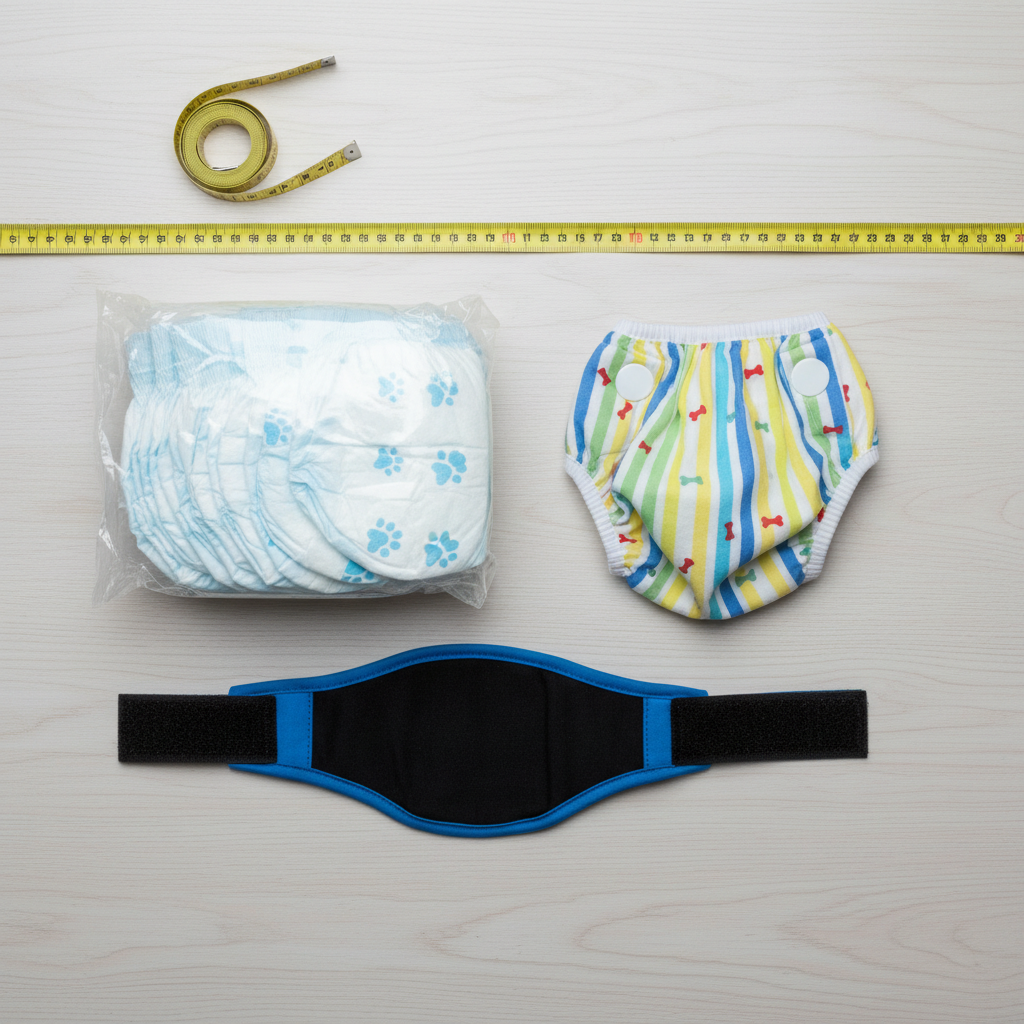
Once a diagnosis is made and a treatment plan is in place, diapers become a critical tool for day-to-day management. However, not all diapers are created equal, and selecting the correct type and ensuring a perfect fit are paramount to success. A poorly fitting diaper is the number one reason for leaks and for the diaper falling off.
Measuring for a Perfect Fit
Before purchasing any product, use a soft tailor’s measuring tape to measure your dog’s waist, just in front of their hind legs. Do not pull the tape too tight. Compare this measurement to the manufacturer’s sizing chart. If your dog is between sizes, it is often better to choose the smaller size for a snugger fit. For male dogs, also measure the length from their waist over their back to a similar point on their belly to ensure proper coverage for belly bands.
| Diaper Type | Primary Use | Pros | Cons |
|---|---|---|---|
| Disposable Diapers | Full coverage for urinary and fecal incontinence | Highly absorbent, convenient for travel, easy disposal | Ongoing cost, environmental impact, can be bulky |
| Washable Diapers | Full coverage for urinary and fecal incontinence | Cost-effective long-term, eco-friendly, often softer materials | Requires frequent laundering, higher initial investment |
| Belly Bands (Male Dogs) | Urinary incontinence only | Less intrusive than a full diaper, easy to put on/take off | Does not contain feces, can shift if not secured |
| Diaper Suspenders/Harnesses | Accessory to secure any diaper type | Excellent at preventing slipping, adjustable | Adds an extra step to changing, dog may need time to adapt |
For heavy leakage, you can use absorbent liners or pads inside both washable and disposable diapers to increase capacity and extend the time between changes. The goal is to create a system that is secure, absorbent, and comfortable for your dog.
The Secure Diaper Method: A Step-by-Step Protocol
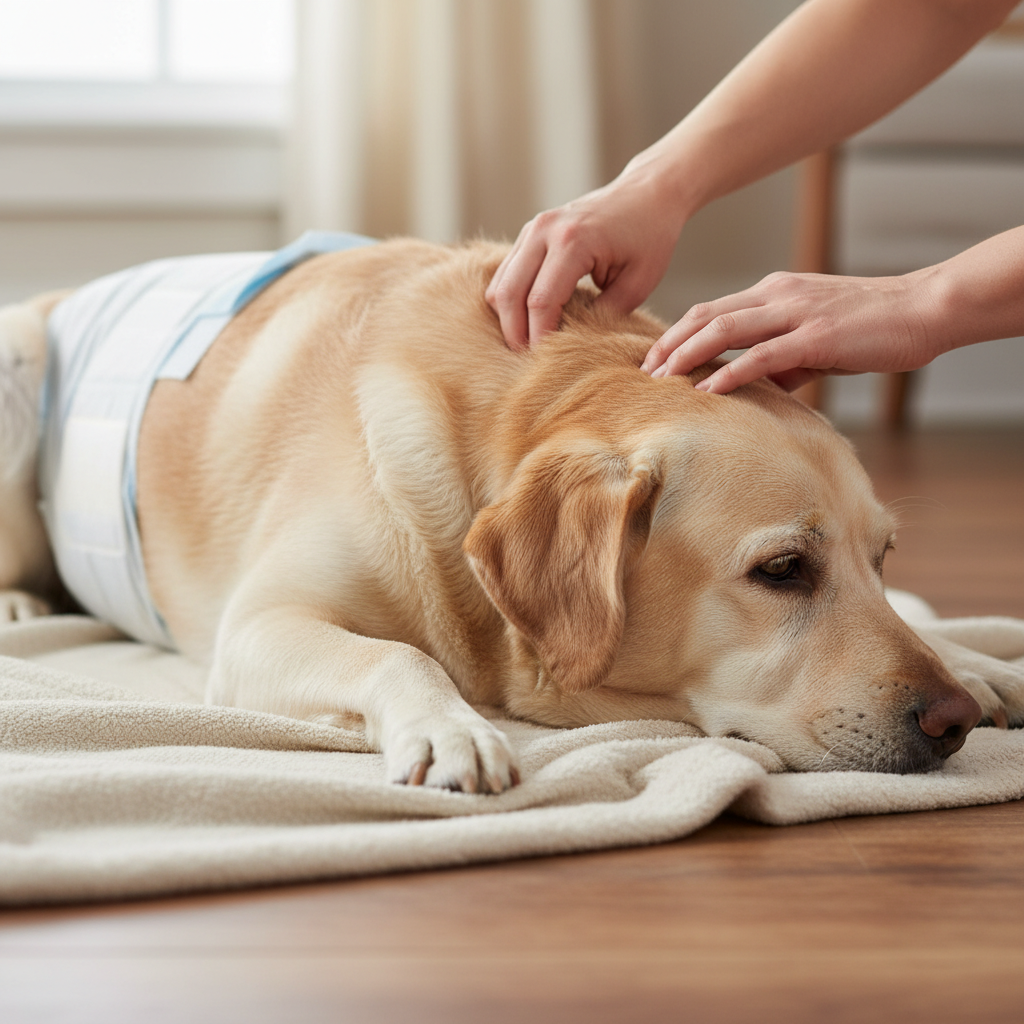
Applying a diaper is more than just wrapping it around your dog. A consistent and methodical approach will prevent leaks, protect your dog’s skin, and ensure the diaper stays exactly where it needs to be. Follow this four-step protocol for optimal results.
-
Prepare the Area and Your Dog
Hygiene is non-negotiable. Before applying a fresh diaper, thoroughly clean your dog’s skin and fur with unscented, pet-safe wipes. Ensure the area is completely dry. If you notice any redness or irritation (urine scald), apply a thin layer of a veterinarian-approved barrier cream. Keep the fur around the area trimmed short to prevent matting and trapping of moisture. Approach your dog calmly and make the process a routine, not a struggle.
-
Master the Application Technique
For full diapers, gently guide your dog’s tail through the designated hole first. This anchors the diaper in place as you bring the rest of it up between their legs. Position the absorbent pad over the urogenital area. Pull the side tabs forward and up towards the dog’s back, fastening them snugly. The fit should be secure enough to prevent slipping but not so tight that it chafes. You should be able to comfortably fit two fingers between the diaper and your dog’s stomach.
-
Incorporate a Security System
This is the most critical step for dogs who are active or skilled at wiggling out of diapers. Canine diaper suspenders are an invaluable tool. These function just like human suspenders, clipping to the diaper and looping over the dog’s back or connecting to a collar or harness. Alternatively, a simple dog onesie or bodysuit worn over the diaper can provide a secure, full-body layer that prevents the diaper from being pushed off or removed.
-
Build a Positive Association
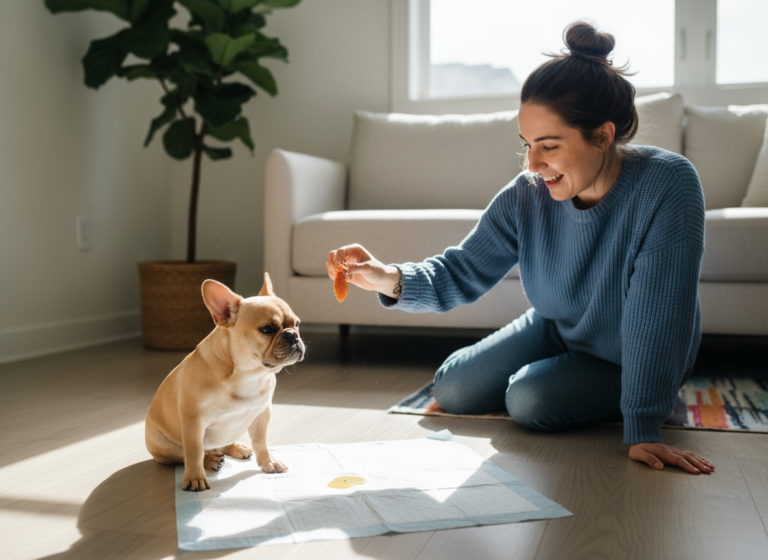
The diapering process should be a neutral or positive experience. Never scold a dog for an accident or for resisting a diaper change. Maintain a calm, matter-of-fact demeanor. Once the diaper is securely in place, reward your dog immediately with a high-value treat, verbal praise, or a favorite form of affection. This positive reinforcement teaches them to tolerate and even cooperate with the routine.
Holistic Management: Creating an Incontinence-Friendly Home
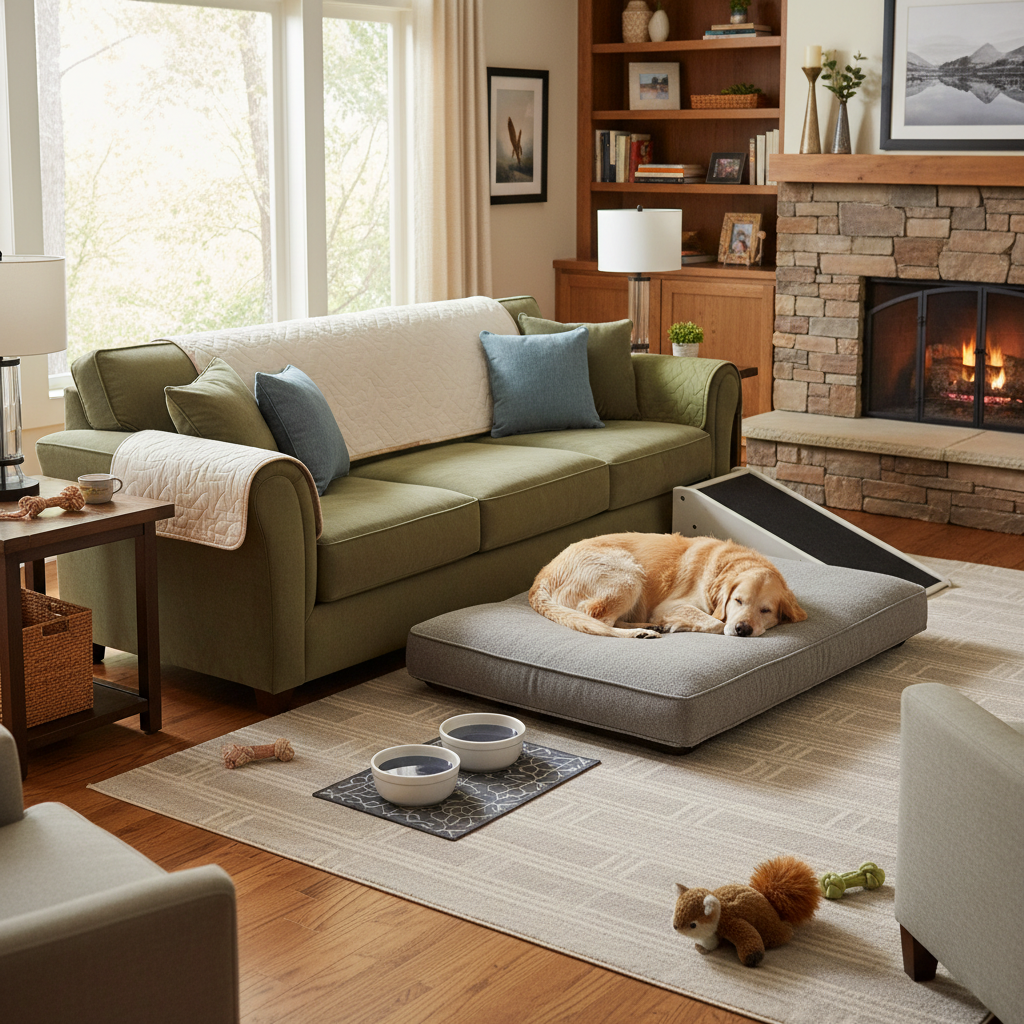
Diapers are a management tool, but a truly effective plan involves modifying the environment to support your dog’s needs and protect your home. This holistic approach reduces stress for everyone and enhances your dog’s quality of life.
Key Environmental and Routine Adjustments
- Waterproof Bedding: Invest in waterproof covers for all of your dog’s beds. For your own furniture or bed, use waterproof throws or mattress protectors in areas where your dog likes to rest. This makes cleanup simple and prevents odors from setting into fabrics and foam.
- Strategic Potty Pad Placement: Place washable or disposable potty pads in areas where your dog spends the most time, such as next to their bed or near the back door. This provides an extra layer of protection against leaks.
- Establish a Strict Hygiene Schedule: An incontinent dog must be checked and changed frequently—at a minimum, every 3-4 hours, and immediately if you know they have soiled the diaper. Leaving a dog in a wet or soiled diaper can lead to painful urine scald, skin infections, and UTIs.
- Increase Potty Opportunities: Do not assume the diaper replaces the need for outdoor trips. Take your senior dog out for potty breaks more frequently than you used to, especially first thing in the morning, last thing at night, and after every meal or nap. This empties the bladder and minimizes the amount of urine leaked into the diaper.
- Maintain Hydration: Never restrict your dog’s access to fresh, clean water in an attempt to reduce urination. Dehydration can cause serious health problems, including worsening kidney disease and increasing the risk of UTIs. The solution is to manage the output, not restrict the input.
Advanced Veterinary Options and Quality of Life
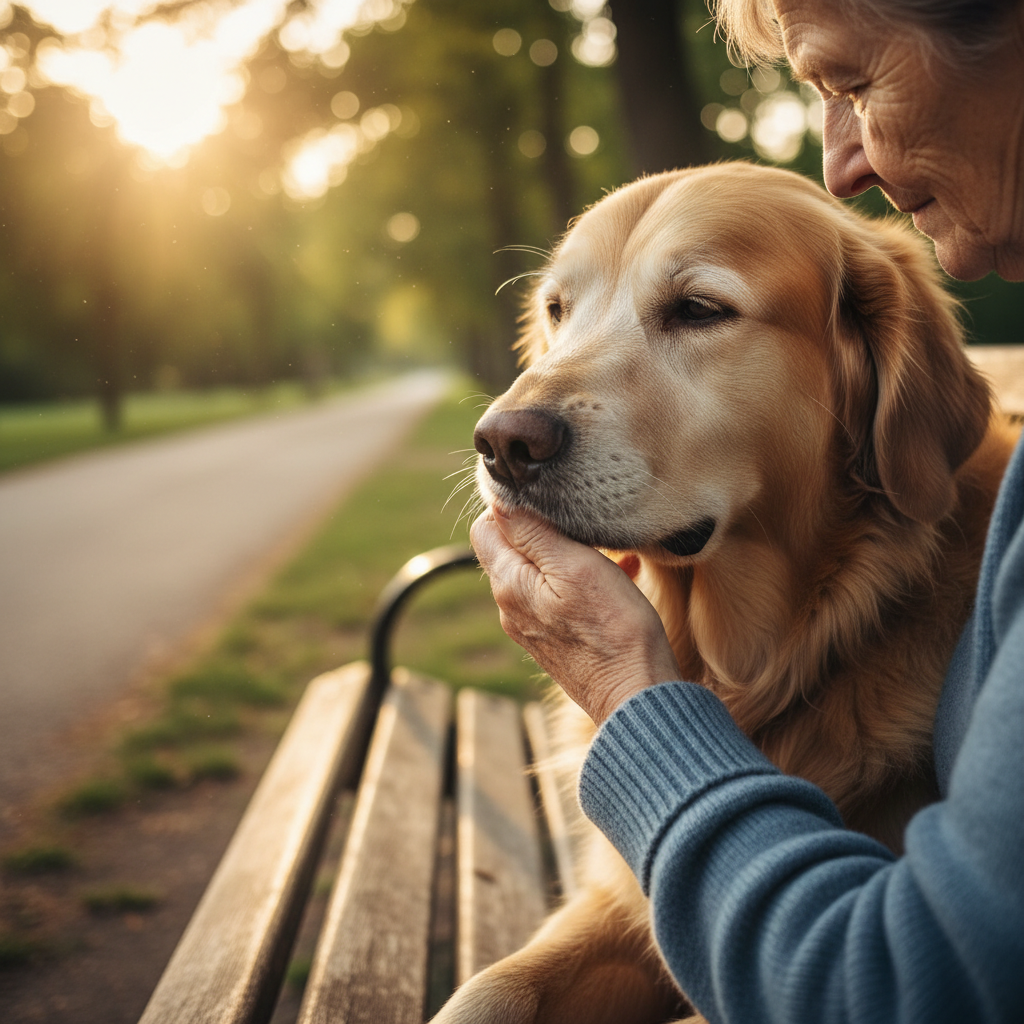
While diapers and home management are essential, they are part of a larger therapeutic plan. Depending on the diagnosed cause of the incontinence, your veterinarian may prescribe specific medical treatments that can dramatically improve your dog’s bladder control.
Common Medical Interventions
For USMI, the most common cause, medications are often highly effective. Phenylpropanolamine (PPA) works by strengthening the urethral sphincter muscle tone. For hormone-responsive incontinence, a synthetic estrogen like Diethylstilbestrol (DES) may be prescribed. It is crucial that these medications are used only under the direct supervision of a veterinarian, as they require careful dosing and monitoring.
In some cases involving anatomical issues, surgical options like colposuspension or the implantation of an artificial urethral sphincter may be considered. For dogs with neurological deficits, supportive therapies such as acupuncture or physical therapy can sometimes improve nerve function and bladder control.
Ultimately, the goal of managing incontinence is to ensure your dog maintains an excellent quality of life. It is not just about keeping the house clean; it is about keeping your dog comfortable, pain-free, and dignified. Regular veterinary check-ups, consistent management, and unwavering patience are the cornerstones of providing exceptional care for your aging companion during their golden years.
Conclusion
Navigating the challenges of senior dog incontinence requires a blend of veterinary science, practical problem-solving, and profound compassion. The journey begins with a definitive diagnosis, which lays the foundation for all subsequent actions. From there, success hinges on a three-pronged strategy: selecting the correct diapering system, mastering a secure application technique using tools like suspenders, and creating a supportive, hygienic home environment. Remember that this is a medical condition, and your dog is not at fault. By approaching the situation with patience and implementing the structured protocols outlined here, you can effectively manage incontinence, protect your dog’s health, and continue to cherish the invaluable time you have with your beloved senior companion.