Save Your Lawn! How to Build a DIY Digging Box
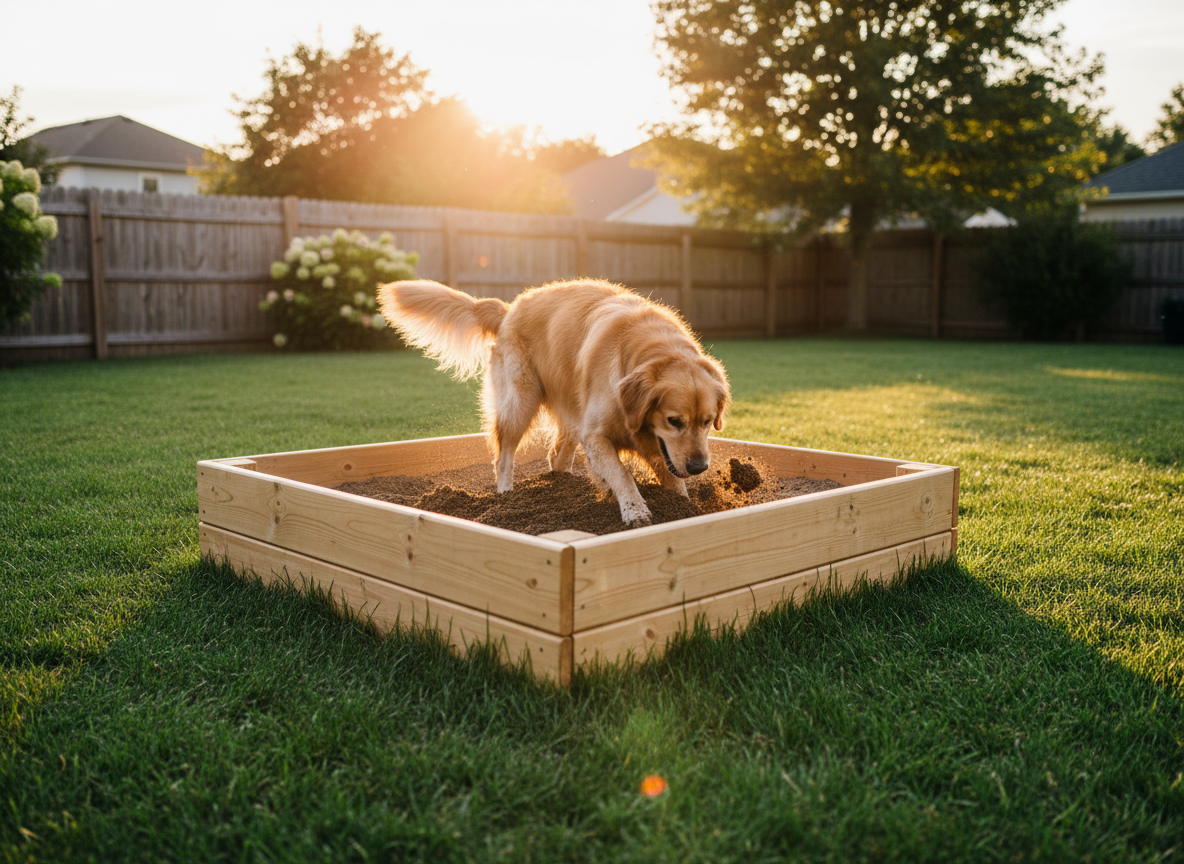
The sight of freshly excavated mounds of dirt scattered across a once-manicured lawn is a source of profound frustration for many dog owners. It can feel like a personal affront, a deliberate act of destruction. However, from a canine behaviorist’s perspective, this behavior is not malicious; it is the expression of a deeply ingrained, evolutionarily honed instinct. Your dog isn’t trying to ruin your yard; they are answering a primal call. The solution, therefore, is not to suppress this instinct through punitive measures, but to manage and redirect it constructively. This guide provides the definitive blueprint for building a DIY digging box—a sanctioned space that not only saves your lawn but also provides your dog with a powerful form of mental and physical enrichment. By understanding and providing for this fundamental need, you strengthen the bond with your companion and create a more harmonious living environment for everyone.
The Psychology of Digging: Why Your Dog Can’t Resist
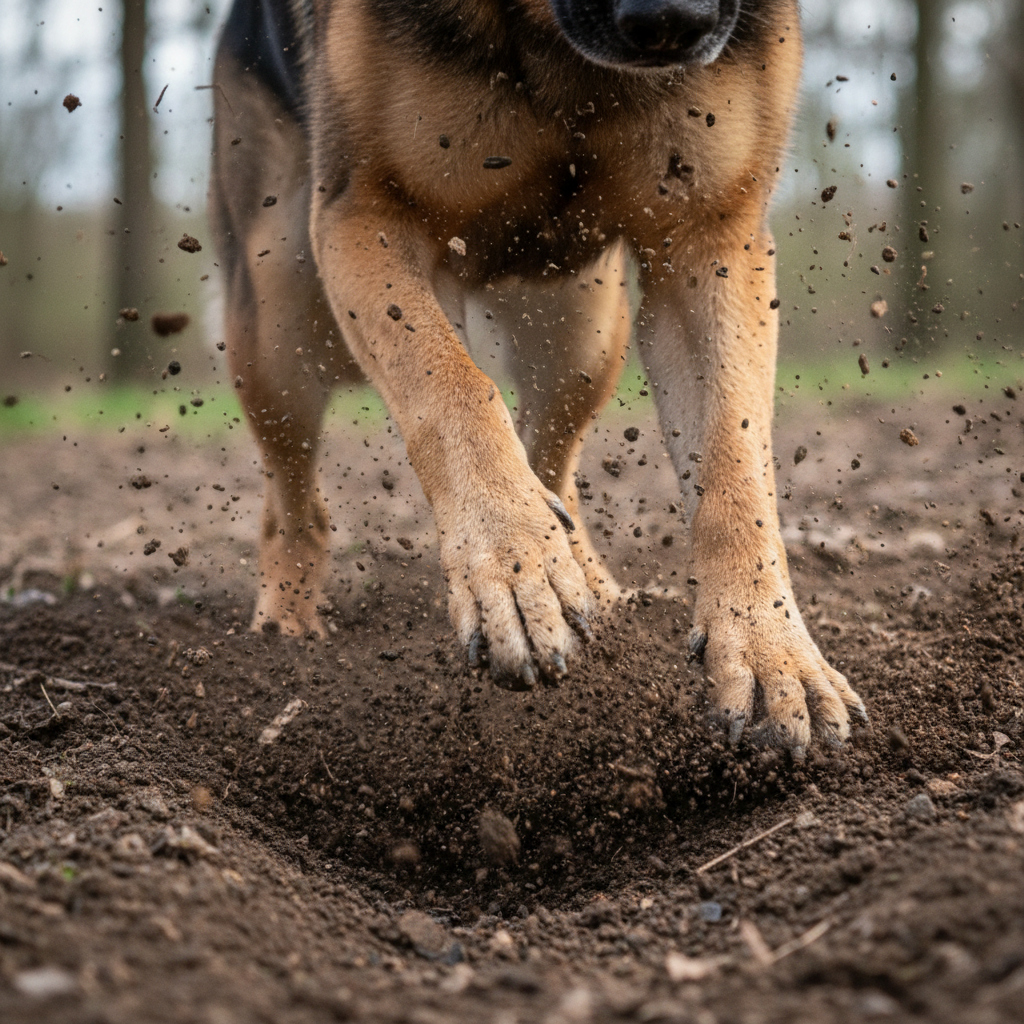
Before constructing a solution, it is critical to understand the root cause of the behavior. Digging is a complex, multi-faceted instinct that serves several purposes in the canine world. To effectively manage it, you must appreciate the powerful motivations driving your dog to break ground. Ignoring these underlying needs is a common pitfall that leads to failed interventions and escalating frustration.
Thermoregulation
One of the most primitive reasons for digging is temperature control. On a hot day, the surface soil absorbs and radiates heat. Just a few inches down, the earth is significantly cooler and often moist. By excavating a shallow pit, a dog can create a cool bed to lie in, effectively lowering their body temperature. You may notice this behavior more frequently in breeds with thick double coats or those living in warmer climates. The dog is not being destructive; it is engaging in a vital survival behavior.
Denning Instinct
Wild canids are den animals. They dig burrows for safety, shelter from the elements, and to raise their young. This instinct persists in our domestic dogs. Pregnant females, in particular, may exhibit a sudden and intense urge to dig as they prepare a nest for their coming litter. However, this behavior is not limited to expectant mothers. Many dogs will dig to create a comfortable, secure, and protected space to rest.
Caching Behavior (Burying Resources)
The instinct to hide valuable resources for later is known as caching. A dog may bury a favorite bone, a chew toy, or a portion of their meal to keep it safe from perceived competitors. This is a strategic act of planning. The dog is not just digging a hole; they are creating a pantry. You might observe them carefully placing the item, pushing dirt over it with their nose, and tamping it down for safekeeping.
Prey Drive
Many breeds were selectively developed to hunt animals that live underground. Terriers, Dachshunds, and even Beagles possess a powerful genetic predisposition to dig for rodents, moles, and other subterranean creatures. The scent, sound, or vibration of an animal moving beneath the surface can trigger an intense, focused digging frenzy. The dog’s body language will be sharp and alert—ears forward, body low, paws working with rapid, forceful strokes. They are not digging aimlessly; they are on a mission.
Boredom and Anxiety Relief
For a high-energy, intelligent animal, a lack of stimulation is a significant source of stress. Digging can become a self-soothing, compulsive activity to alleviate boredom or anxiety. It is a physical outlet for pent-up energy and a mental distraction from environmental stressors like separation anxiety or loud noises. In these cases, the digging itself is the reward, providing a sense of purpose and relief in an under-enriched environment.
Why a Digging Box Outperforms Deterrents and Discipline
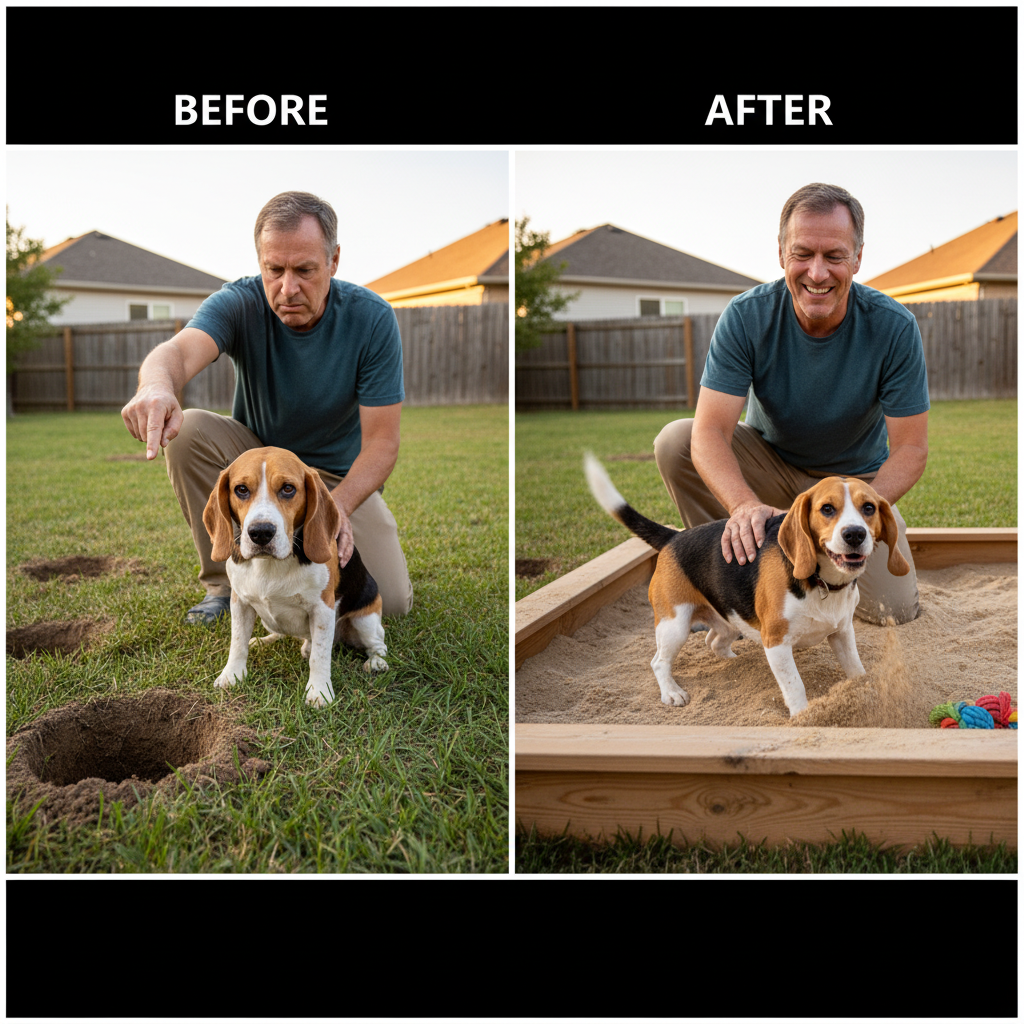
When faced with unwanted digging, the common reaction is to seek out deterrents or apply disciplinary action. Owners might try sprinkling cayenne pepper, using commercial repellent sprays, or verbally scolding the dog when they are caught in the act. While these methods may offer a temporary reprieve, they are fundamentally flawed because they fail to address the underlying instinct. From a behavioral standpoint, they often create more problems than they solve.
Punishing a dog for digging is akin to punishing a bird for singing. Because the drive is so powerful, the dog does not understand why this natural behavior is suddenly forbidden. This can lead to significant confusion and anxiety. The dog may learn not to dig in your presence but will continue the behavior when you are not around. This creates a scenario where the dog becomes secretive, potentially damaging the trust and bond you share. In some cases, the anxiety caused by the punishment can actually increase the compulsive need to dig, creating a vicious cycle.
A designated digging box operates on the principle of positive redirection, which is a cornerstone of modern, effective animal training. Instead of saying “No,” you are providing a clear and enthusiastic “Yes, but do it here.” This approach has numerous advantages:
- Fulfills Natural Instincts: It allows the dog to perform a natural, healthy behavior in a way that is acceptable to you. This prevents the frustration and anxiety that comes from suppressing a core drive.
- Strengthens Your Bond: By providing this outlet, you are seen as a provider of resources, not a source of punishment. Training your dog to use the box becomes a positive, collaborative activity.
- Provides Enrichment: A digging box is a powerful enrichment tool. It encourages problem-solving (finding buried treasures), provides strenuous physical exercise, and offers a sensory experience that engages their mind.
- Prevents Destructive Behavior: By making the digging box the most rewarding place to dig, you significantly decrease the likelihood of them digging elsewhere, such as in your flower beds or along the fence line.
Ultimately, a digging box is a proactive, compassionate solution that respects your dog’s nature. It reframes the issue from a “bad dog” problem to a management and enrichment opportunity, leading to a more successful and harmonious outcome for both pet and owner.
Blueprint for Success: Planning Your Digging Box
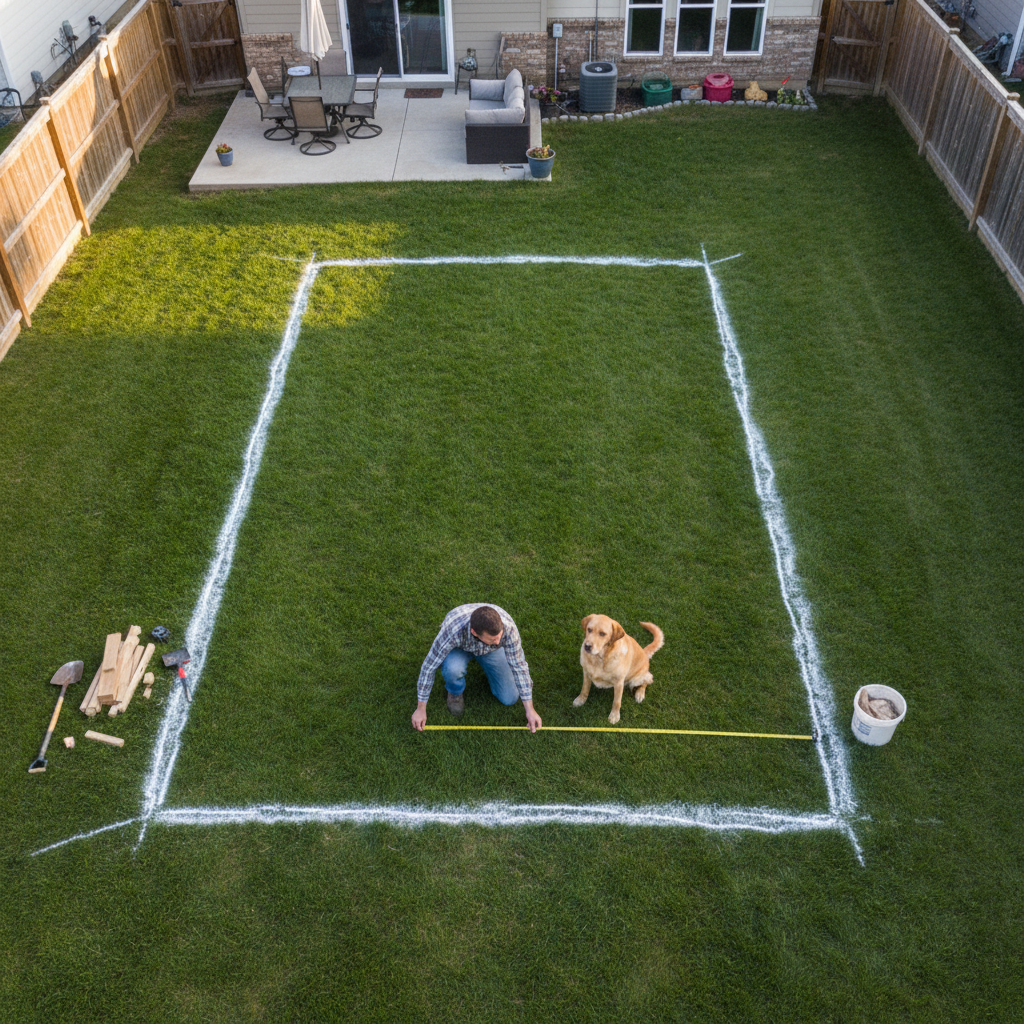
Proper planning is the most critical phase of this project. A well-placed, appropriately sized, and correctly filled digging box is far more likely to be used and enjoyed. Rushing this stage can lead to a structure that your dog ignores or that creates new problems in your yard.
Location, Location, Location
The placement of your digging box will heavily influence its success. Consider the following factors:
- Shade: As dogs often dig to cool down, placing the box in a perpetually sunny spot is counterintuitive. Position it in an area that receives partial or full shade, especially during the hottest parts of the day. Under a large tree is an ideal location.
- Drainage: Choose a spot that does not collect water. A low-lying area will turn your digging box into a muddy swamp after it rains, making it unappealing and messy. Ensure the ground has a slight grade to allow for water runoff.
- Proximity to Fences: Avoid placing the box directly against a fence. For a determined digger, the box can become the first stage of an escape tunnel. Leave several feet of space between the box and your property line.
- Supervision: Place the box in a location where you can easily see it from a window. This allows you to supervise your dog and provide positive reinforcement when they use it correctly.
Sizing It Right
The box must be large enough for your dog to comfortably enter, turn around, and engage in vigorous digging. A box that is too small will feel cramped and restrictive. A general rule of thumb is to make the box at least 1.5 times the length of your dog, from nose to the base of the tail. For depth, a minimum of 12-16 inches is recommended to allow for satisfying excavation. For giant breeds or multiple dogs, a larger footprint is always better.
Choosing Your Substrate
The material you fill the box with matters. It needs to be safe for your dog and provide the right texture for digging. The two best options are play sand and a sand/soil mixture.
| Substrate Type | Pros | Cons |
|---|---|---|
| Play Sand | Clean, drains well, soft on paws. Unlikely to contain harmful chemicals. | Can get hot in direct sun, can be tracked into the house, may need to be covered to prevent use by neighborhood cats. |
| Sand/Topsoil Mix | More closely mimics natural earth, holds moisture for coolness, good for burying toys. | Can become muddy, may contain organic matter that can get messy, requires soil free of pesticides or fertilizers. |
It is imperative to use play sand, which is washed and screened, rather than construction or industrial sand, which can contain silica dust and other harmful contaminants. A 50/50 mix of play sand and organic topsoil is often the ideal compromise, offering both good drainage and a natural feel.
Your Construction Toolkit: Materials and Tools
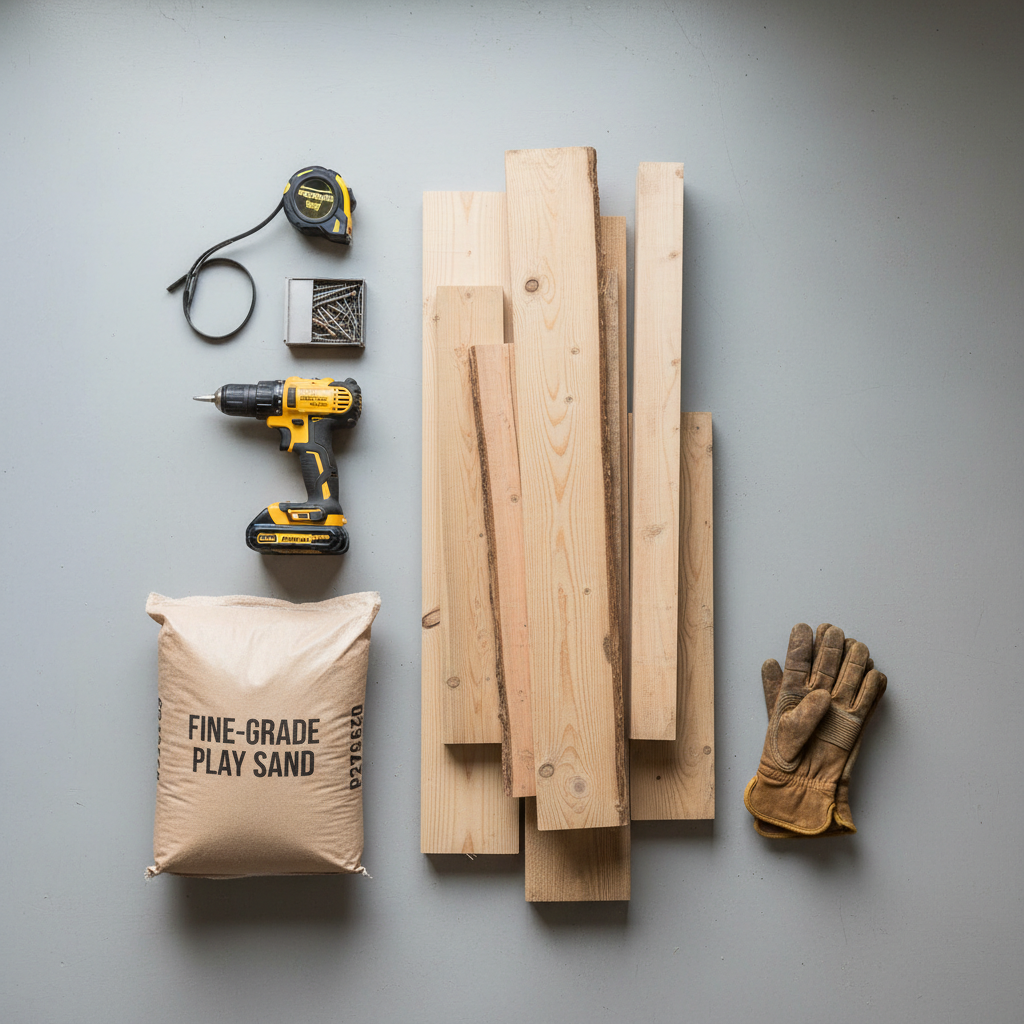
With your plan in place, the next step is to gather the necessary supplies. Using the right materials will ensure your digging box is durable, safe, and long-lasting. This list covers everything you will need for a standard 4-foot by 4-foot wooden frame box.
Materials:
- Lumber: You will need four (4) boards for the frame. For a 12-inch deep box, you could use two (2) 2″x6″x8′ boards, cut in half to create four 4-foot sections, and then stack them. Alternatively, use four (4) 2″x12″x8′ boards, with two cut in half. Crucially, use untreated wood. Cedar or redwood are naturally rot-resistant. Avoid pressure-treated wood, as the chemicals used (like Chromated Copper Arsenate) can be toxic if ingested by your dog.
- Deck Screws: Use exterior-grade deck screws that are resistant to rust. 3-inch screws are a good length for joining 2-inch thick lumber. You will need approximately 16-24 screws.
- Landscape Fabric (Weed Barrier): A 5’x5′ section is sufficient. This will line the bottom of the box, preventing your dog from digging into the ground below and stopping weeds from growing up into the sand.
- Substrate: For a 4’x4’x1′ box, you will need 16 cubic feet of fill. This is approximately sixteen 50lb bags of play sand if using sand alone.
Tools:
- Tape Measure
- Pencil or Marker
- Circular Saw or Hand Saw
- Power Drill with Phillips Head Bit
- Level
- Shovel
- Staple Gun (for attaching landscape fabric)
- Work Gloves and Safety Glasses
Building the Box: A Step-by-Step Guide
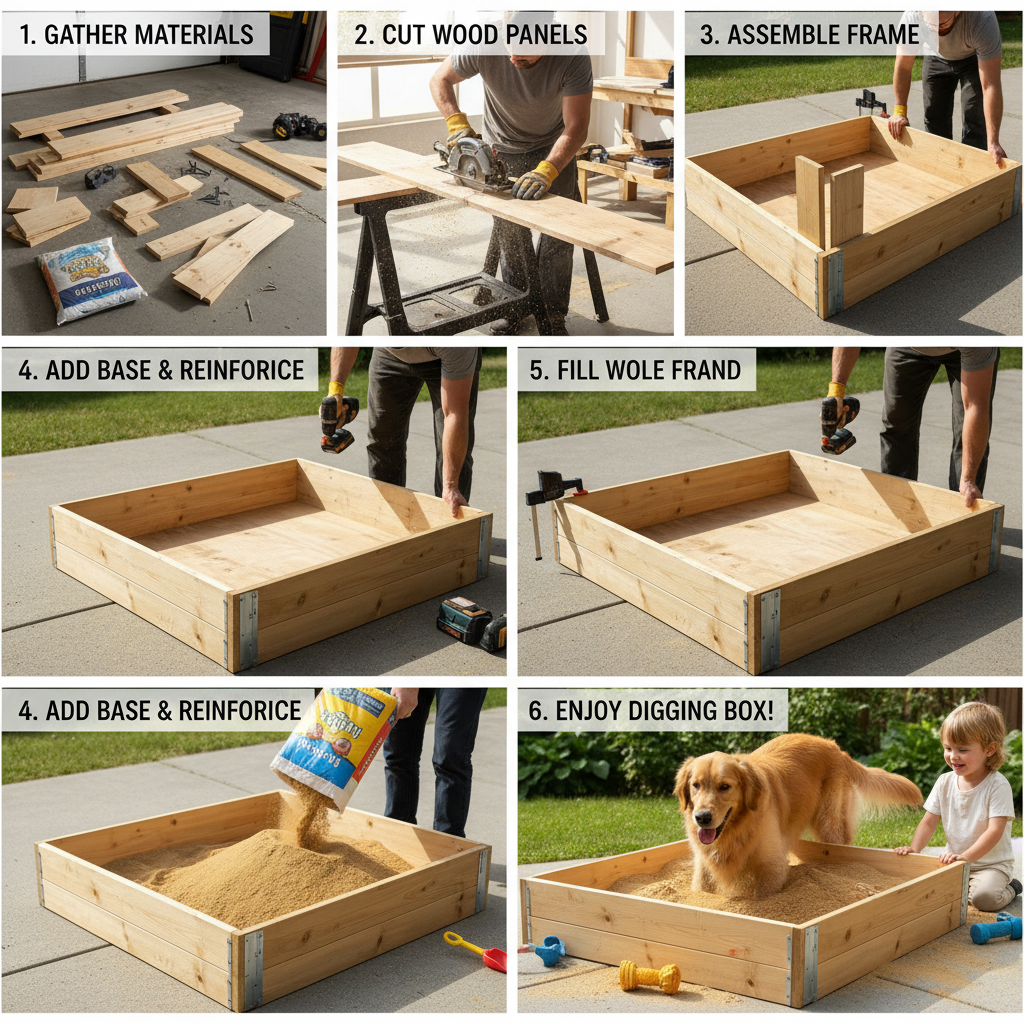
This section provides a clear, sequential process for constructing your dog’s digging box. Follow these steps carefully for a sturdy and safe final product. Always wear safety glasses when cutting or drilling wood.
-
Step 1: Prepare the Site
Using your shovel, clear the designated area of all grass, rocks, and debris. Create a level square patch of ground that matches the dimensions of your planned box. Use your level to ensure the ground is flat. This is a critical step to prevent the frame from wobbling or sitting unevenly.
-
Step 2: Cut Your Lumber
If you did not have your lumber cut at the store, now is the time to do it. Measure your boards carefully and mark your cut lines with a pencil. Using a circular saw or hand saw, cut your lumber to the desired lengths. For a 4’x4′ box, you will need four identical 4-foot sections for each layer of your frame.
-
Step 3: Assemble the Frame
On a flat surface, arrange your four boards into a square. The end of one board should butt up against the face of the next. Pre-drilling pilot holes can prevent the wood from splitting. Drive two to three 3-inch deck screws through the face of one board and into the end of the adjoining board at each corner. Ensure the corners are square. If you are creating a deeper box by stacking frames, assemble each square separately first.
-
Step 4: Install the Weed Barrier
Lay your landscape fabric on the ground. Place your assembled wooden frame on top of it. Pull the excess fabric up along the inside walls of the frame. Using a staple gun, secure the fabric to the interior of the wooden box, placing staples every 6-8 inches. Trim any excess fabric from the top edge for a clean finish.
-
Step 5: Position and Secure the Box
Carefully move the assembled frame with the attached fabric liner to its final, prepared location. Press it down firmly to ensure it sits level on the ground. If you stacked two frames for extra depth, you can now secure them together by driving screws vertically through the top frame into the bottom frame for added stability.
-
Step 6: Fill with Substrate
This is the final step. Begin pouring your chosen substrate—play sand, topsoil, or a mix—into the box. Distribute it evenly until it is filled just below the top edge. Rake it smooth to create an inviting surface for your dog.
Making it Irresistible: Training Your Dog to Use the Box
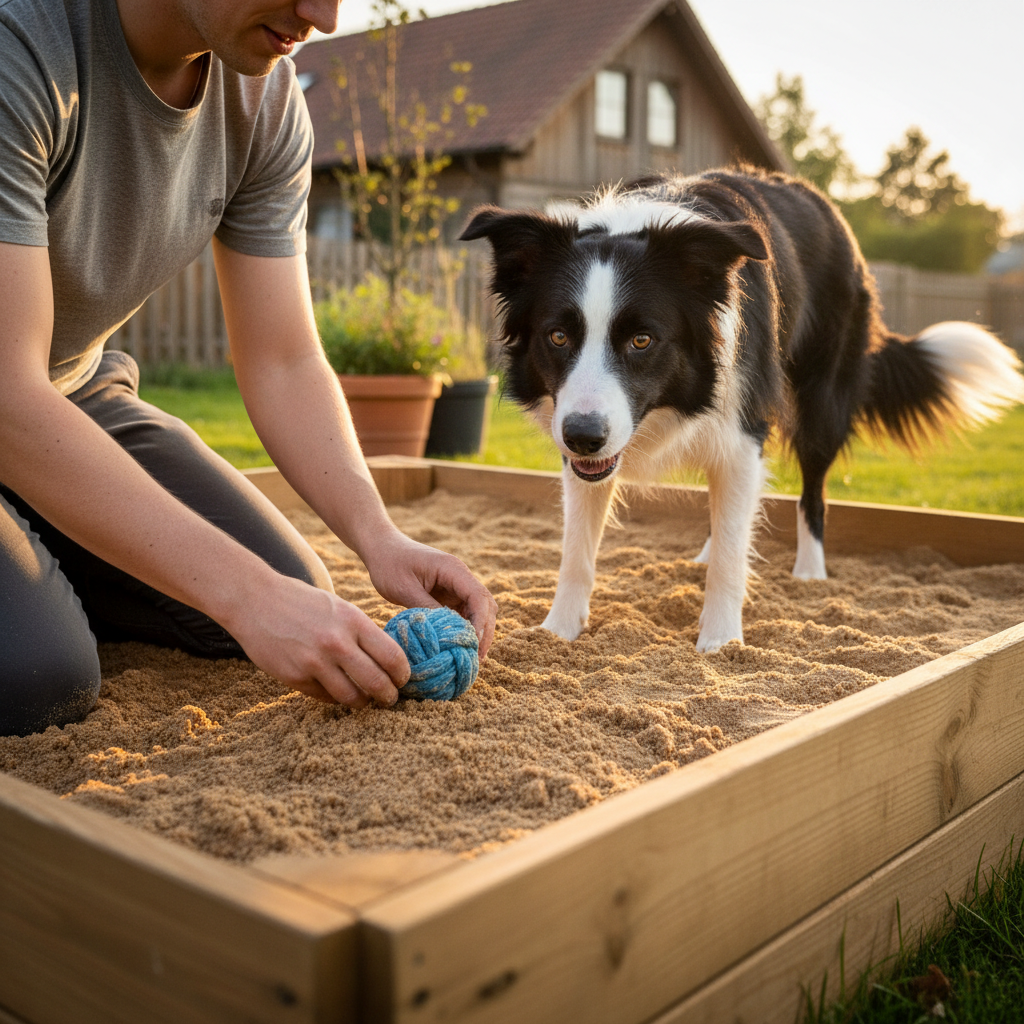
Building the box is only half the battle; now you must convince your dog that this is the best digging spot in the entire yard. This requires a thoughtful introduction and consistent positive reinforcement. The goal is to make the digging box a place of high-value, exciting discoveries.
Begin by leading your dog on-leash to the new box. Use an enthusiastic, happy tone of voice. Let them investigate it at their own pace. The moment they show interest—sniffing it, stepping into it—praise them lavishly and offer a high-value treat. To jump-start the digging instinct, take one of their favorite toys or a scent-work toy and bury it just under the surface of the sand, while they are watching. Encourage them to find it with a cue like “Find it!” or “Go dig!”
When they start to paw at the sand, celebrate the behavior. The key is to associate the box with fun, rewards, and your happy approval. For the first few days, secretly bury a few high-value, durable chew toys or treats in the box before you let your dog outside. This turns the box into a treasure chest where they are guaranteed to find something wonderful. This self-rewarding aspect is incredibly powerful for building a strong positive association.
What happens if they dig in the old, forbidden spot? Do not scold them. A loud “No!” can create anxiety. Instead, calmly interrupt the behavior with a cheerful interrupter sound, like a clap or a happy “Oops!” Then, immediately and enthusiastically redirect them to the digging box. When you get there, encourage them to dig and reward any interaction with the box. You are not punishing the old behavior; you are simply showing them a better alternative. Consistency is paramount. Every single time they dig elsewhere, they must be calmly and positively redirected to the correct location.
Keeping the Fun Safe: Digging Box Maintenance
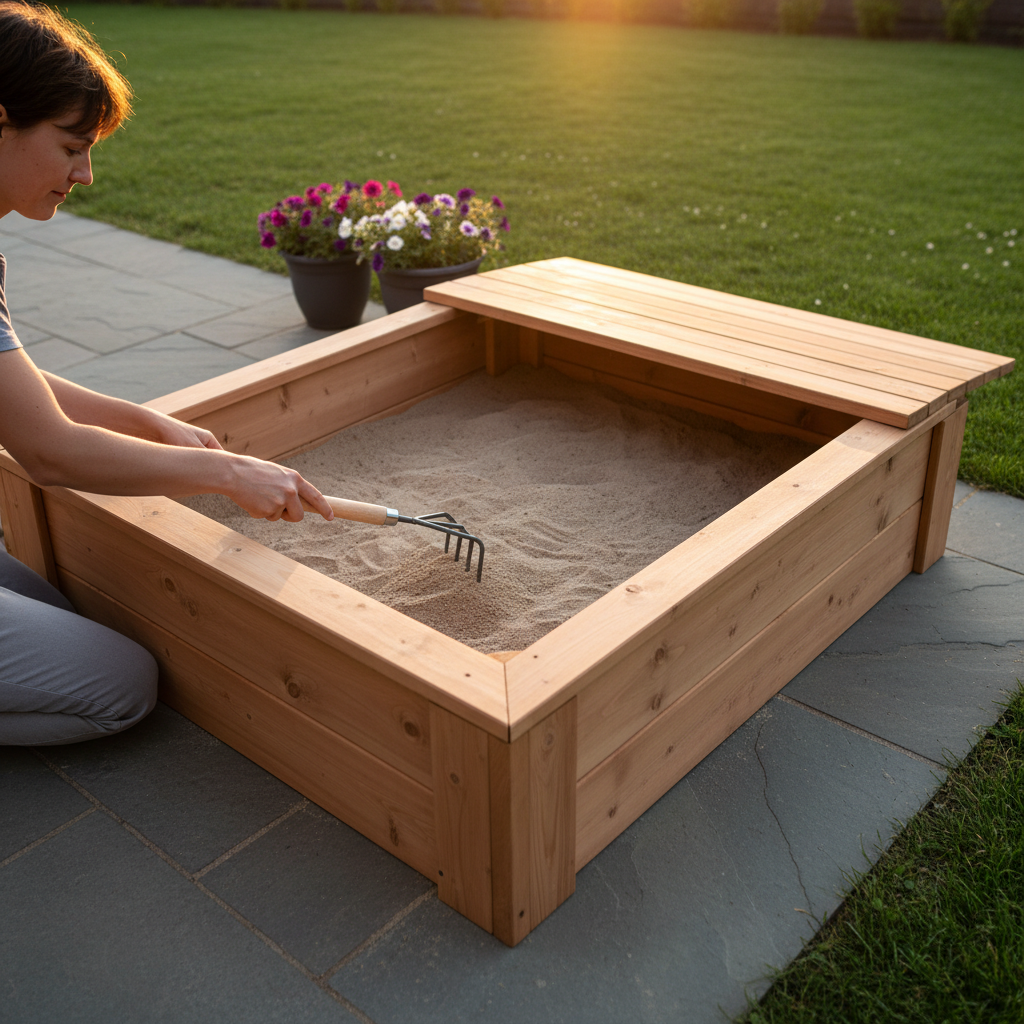
A digging box is not a set-it-and-forget-it solution. Regular maintenance is essential to keep it safe, hygienic, and appealing to your dog. A neglected box can quickly become a health hazard or lose its value as an enrichment tool.
Routine Cleaning
Your dog’s digging box should be treated like a litter box. It needs to be sifted or scooped daily or every other day to remove any feces or urine clumps. This is crucial for preventing the spread of parasites and bacteria. Using a simple cat litter scoop with wide slats works perfectly for sifting through sand.
Regular Inspections
At least once a week, do a thorough rake-through of the entire substrate. You are looking for any foreign objects that may have fallen or been blown in, such as sharp sticks, rocks, or litter. This is also a good time to inspect the wooden frame for any signs of splintering, loose screws, or degradation. Sand down any rough spots to protect your dog’s paws and body.
Substrate Refresh
Over time, the sand or soil will get kicked out of the box during enthusiastic digging sessions. Keep a spare bag on hand to top it off as needed, maintaining the desired depth. Every 6-12 months, depending on use and climate, you may want to completely replace the substrate to ensure it remains fresh and clean.
Consider a Cover
A simple, removable cover for your digging box is a highly recommended addition. It serves two primary purposes. First, it prevents neighborhood cats from using it as a giant outdoor litter box. Second, it keeps the substrate dry during heavy rain, preventing it from becoming a muddy mess. A simple wooden lid or even a tightly secured tarp will suffice.
By incorporating these simple maintenance tasks into your routine, you ensure the digging box remains a safe, fun, and cherished resource for your canine companion for years to come.
Conclusion
Creating a designated digging box is a profound statement of understanding and partnership with your dog. It moves beyond the simplistic and often ineffective cycle of prohibition and punishment, and into the realm of proactive, needs-based problem-solving. You are not simply saving your lawn; you are providing a sanctioned outlet for a behavior that is deeply written into your dog’s genetic code. This act of empathy and management provides critical mental stimulation, offers a powerful form of physical exercise, and helps alleviate boredom and anxiety. It is a testament to a modern, compassionate approach to pet ownership that respects the animal for who they are. By investing a weekend in this project, you are investing in your dog’s long-term behavioral health and fostering a more peaceful, cooperative relationship for years to come.