Raw Feeding 101: A Beginner’s Guide to Making the Switch Safely
The conversation around canine nutrition is constantly evolving, with an increasing number of pet owners exploring alternatives to traditional commercial kibble. Among the most discussed options is the raw food diet, a nutritional philosophy centered on feeding dogs uncooked meat, bones, and organs. Proponents suggest it aligns more closely with a dog’s ancestral diet, potentially offering a range of health benefits. However, making the switch requires careful planning, a deep understanding of nutritional principles, and a steadfast commitment to safety protocols.
This guide serves as a foundational resource for pet owners considering this significant dietary change. We will delve into the core models of raw feeding, present a balanced perspective on the potential advantages and inherent risks, and provide a clear, actionable plan for transitioning your canine companion safely. Our goal is to empower you with the knowledge needed to make an informed decision in consultation with your veterinarian, ensuring your dog’s journey into raw feeding is both healthy and successful.
The Philosophy and Models of Raw Feeding
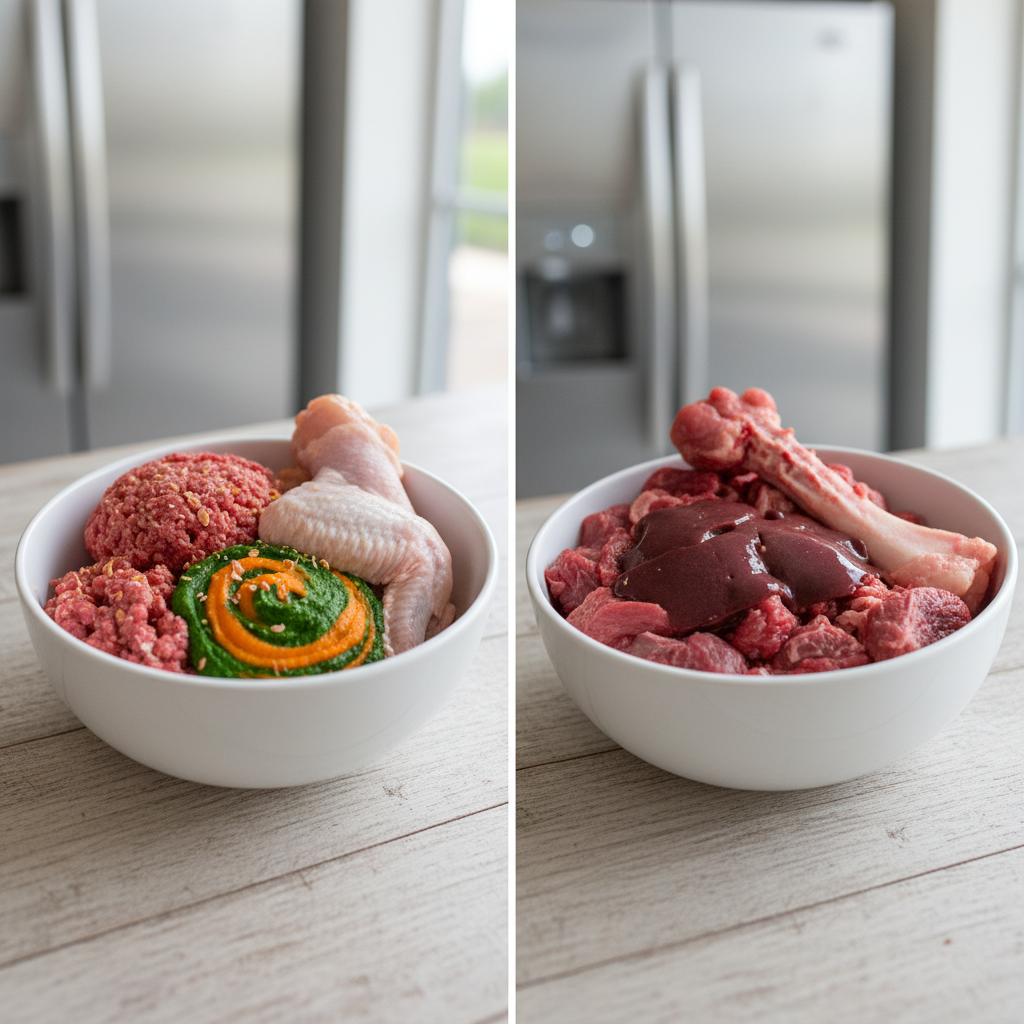
At its core, the raw feeding movement is based on the premise that modern domestic dogs, despite centuries of evolution alongside humans, retain the digestive physiology of their carnivorous ancestors. The goal is to replicate this ‘ancestral diet’ as closely as possible. Within this philosophy, two primary models have emerged, each with a slightly different approach to achieving nutritional completeness.
BARF (Biologically Appropriate Raw Food)
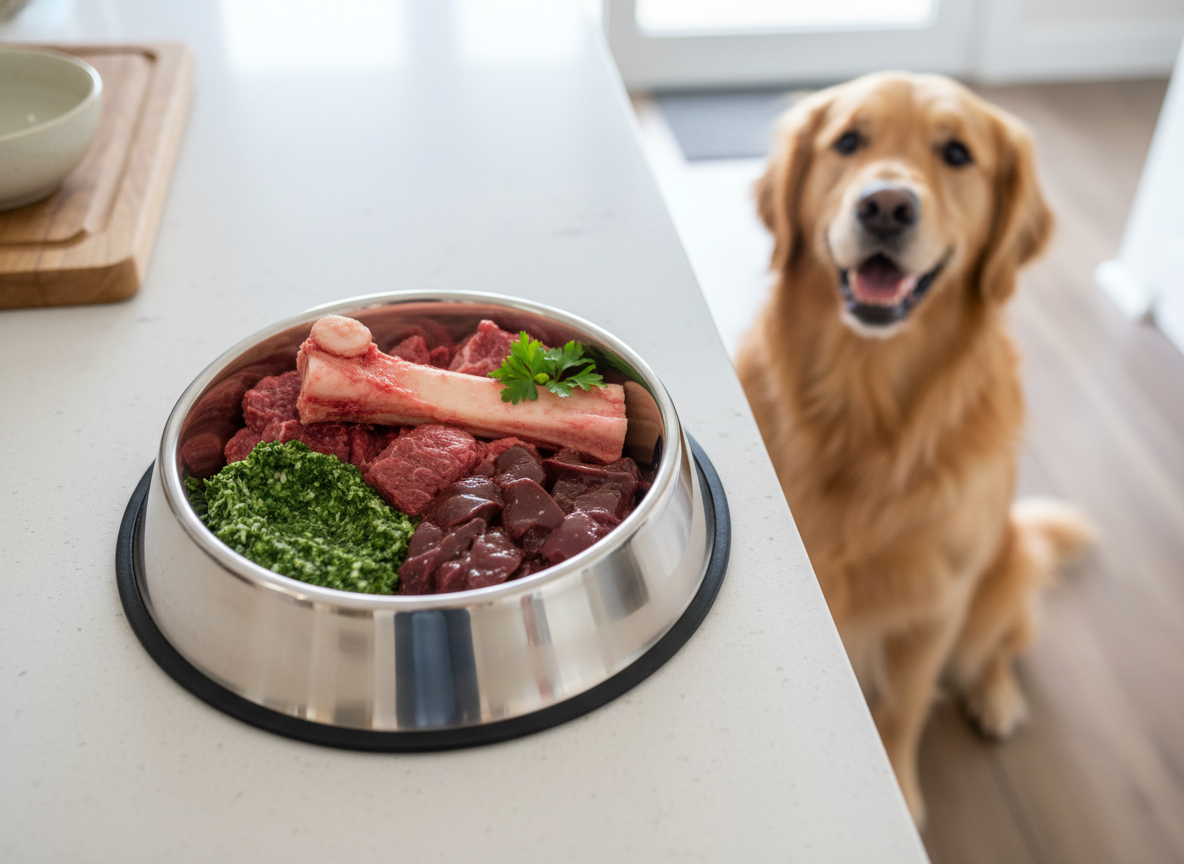
The BARF model is arguably the more widely known approach. Developed by Australian veterinarian Dr. Ian Billinghurst, this model includes not only meat, bones, and organs but also a variety of other foods to provide a broad spectrum of nutrients. The typical composition of a BARF diet aims for a specific balance:
- Muscle Meat: Forms the bulk of the diet, providing essential proteins and amino acids.
- Raw Edible Bones: A critical source of calcium, phosphorus, and other minerals necessary for skeletal health.
- Organs: Highly concentrated sources of vital vitamins and minerals. Liver and kidney are common staples.
- Fruits and Vegetables: Provide phytonutrients, antioxidants, and fiber. These are typically pureed to mimic the pre-digested stomach contents of prey.
- Supplements: Items like kelp, fish oil, and eggs may be added to round out the nutritional profile.
PMR (Prey Model Raw)
The PMR model adheres to a stricter interpretation of the ancestral diet. It aims to replicate the composition of a whole prey animal, excluding plant matter and dairy. The belief behind this model is that all the nutrients a dog requires can be found within the animal itself. A balanced PMR diet consists of specific ratios of animal-based ingredients:
- Muscle Meat: Typically constitutes the largest portion of the meal.
- Raw Edible Bones: Essential for mineral content and dental health.
- Organs: A small but vital part of the diet, with an emphasis on variety to ensure a wide range of nutrients.
Choosing between these models often comes down to personal philosophy and what works best for an individual dog. The following table provides a clear comparison:
| Feature | BARF Model | PMR Model |
|---|---|---|
| Core Components | Meat, Bones, Organs, Fruits, Vegetables, Supplements | Meat, Bones, Organs |
| Philosophy | Aims for a ‘biologically appropriate’ diet that includes a wide variety of food groups. | Strictly mimics the composition of a whole prey animal. |
| Inclusion of Plants | Yes, as a source of fiber, vitamins, and antioxidants. | No, assumes all nutrients can be derived from animal sources. |
| Best Suited For | Owners who want to ensure a broad nutrient profile through varied ingredients. | Owners who prefer a more carnivorous, minimalist approach to raw feeding. |
A Balanced View: Weighing the Pros and Cons
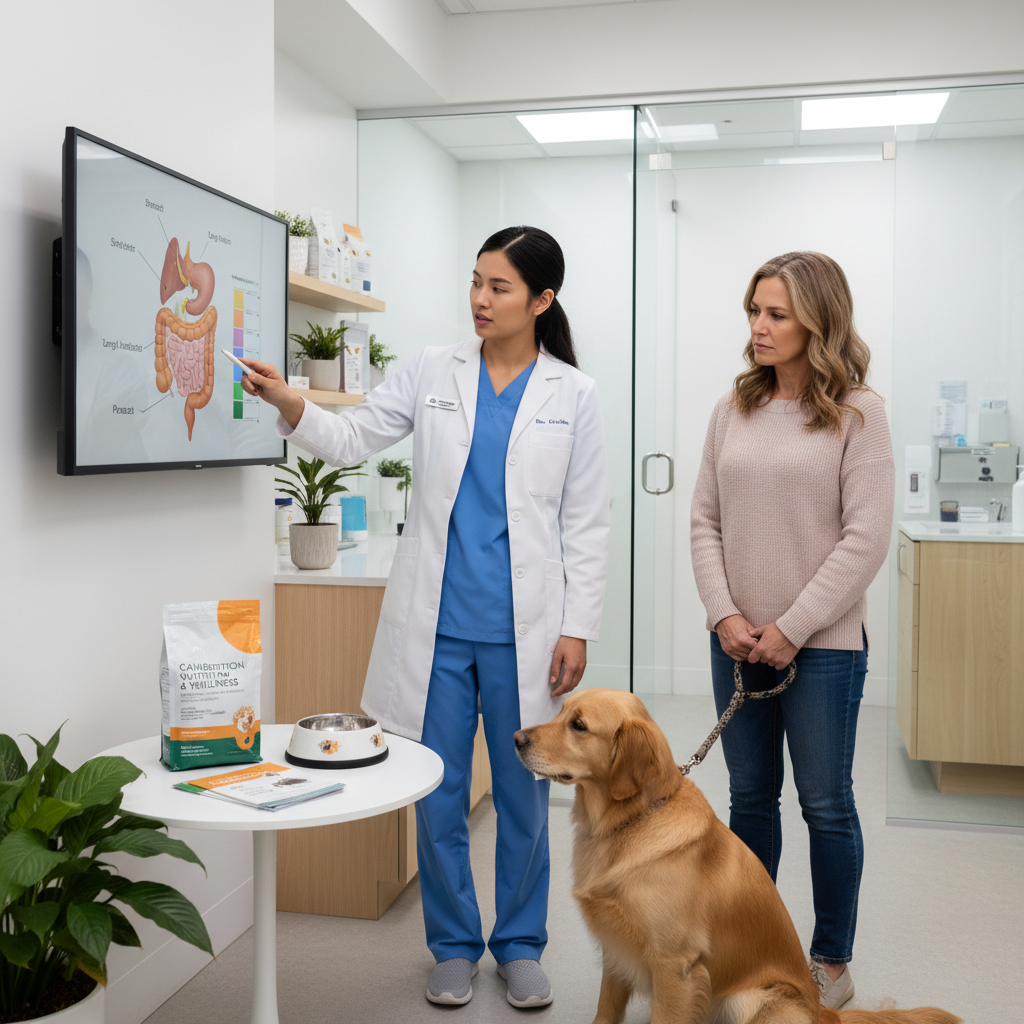
Embarking on a raw feeding journey requires a clear-eyed assessment of both the celebrated benefits and the significant risks involved. A responsible owner must understand both sides of the coin before altering their pet’s diet. It is imperative to discuss these points with a trusted veterinarian who understands canine nutrition.
Potential Benefits
Many advocates of raw feeding report observing positive changes in their dogs’ health and appearance. While many of these reports are anecdotal, they are widespread and compelling. Potential advantages may include:
- Improved Coat and Skin Health: The high levels of quality fats and proteins can lead to a shinier, healthier coat and less skin irritation.
- Enhanced Dental Hygiene: The mechanical action of chewing on raw meaty bones can help scrape away plaque and tartar, leading to cleaner teeth and healthier gums.
- Increased Energy and Vitality: A nutrient-dense, highly digestible diet may result in improved energy levels and a healthier weight.
- Better Digestive Health: For some dogs, a raw diet can lead to smaller, firmer, and less odorous stools, indicating efficient nutrient absorption.
Critical Risks and Concerns
The potential benefits must be weighed against serious and well-documented risks, which can affect both the pet and the humans in the household. These concerns are the primary reason veterinary organizations urge caution.
- Bacterial Contamination: Raw meat can harbor dangerous bacteria such as Salmonella, E. coli, and Listeria. These pathogens pose a risk of illness to the dog and can be transmitted to humans through contact with the food, the dog’s feces, or contaminated surfaces.
- Nutritional Imbalances: Formulating a balanced raw diet is complex. An improper ratio of calcium to phosphorus can lead to severe bone and joint issues, particularly in growing puppies. Deficiencies or excesses in other vitamins and minerals can also cause significant long-term health problems.
- Physical Injury: Feeding whole bones, especially hard, weight-bearing bones from large animals, can lead to choking, broken teeth, or internal perforations of the digestive tract. Cooked bones should never be fed as they become brittle and can splinter easily.
Making an informed choice means acknowledging that while benefits are possible, the risks of nutritional imbalance and pathogen exposure are real and require strict mitigation protocols.
The Step-by-Step Transition Protocol
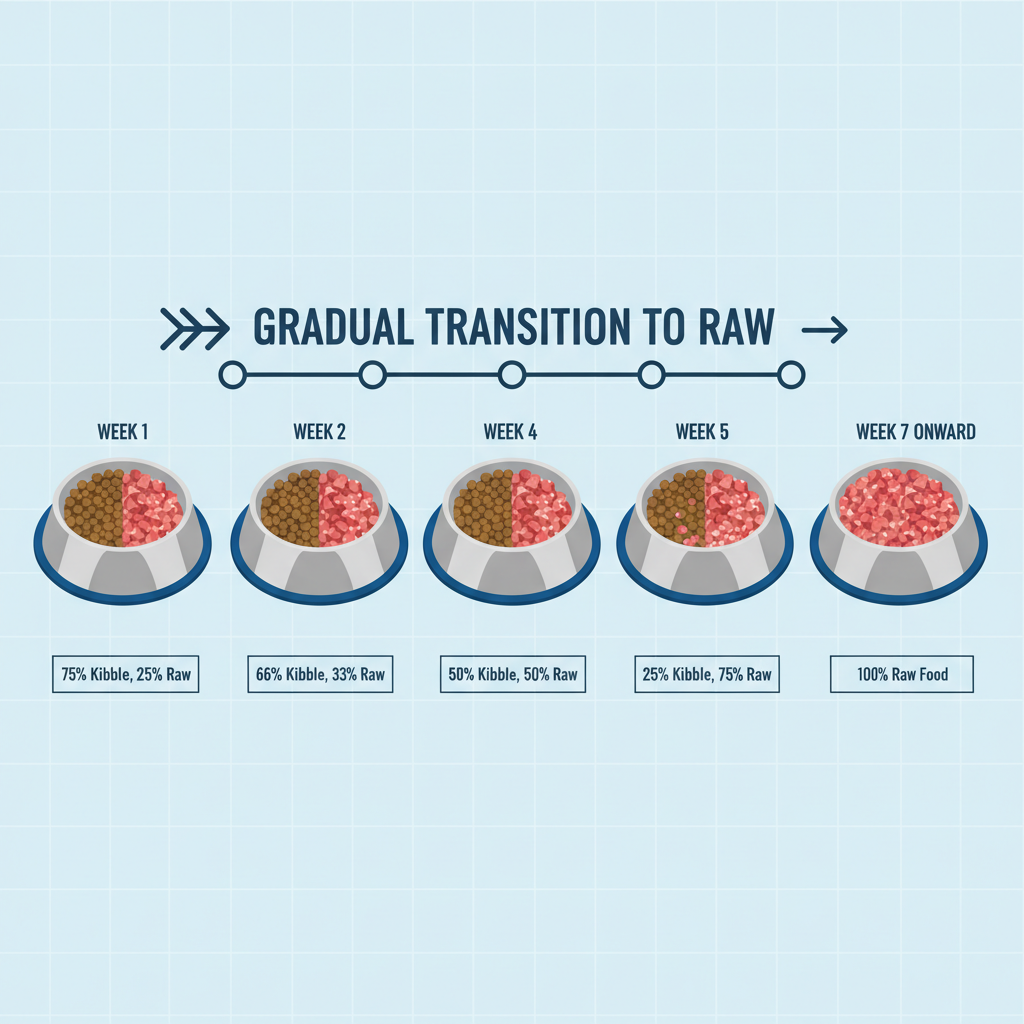
Switching a dog from commercial kibble to a raw diet should never be an abrupt event. The canine digestive system needs time to adapt to processing new types of food. A slow, methodical transition is the safest way to prevent severe gastrointestinal upset. There are two primary methods for making the switch.
Method 1: The Slow and Steady Transition (Recommended)
This method involves gradually introducing raw food while phasing out the old food over one to two weeks. This is the most gentle approach for a dog’s digestive system.
Method 2: The ‘Cold Turkey’ Switch
Some owners and veterans of raw feeding prefer a direct switch. This involves feeding a final kibble meal, fasting the dog for 12-24 hours (water should always be available), and then starting with the first full raw meal. This method can sometimes be easier for dogs with very sensitive stomachs who react poorly to mixed food types in their system. However, it carries a higher risk of initial digestive upset, such as diarrhea, as the gut microbiome adjusts suddenly.
Tips for a Smooth Transition
- Start Simple: Begin with a single, easily digestible protein source, such as chicken or turkey, before introducing richer meats.
- Introduce Probiotics: Adding a canine-specific probiotic or plain kefir can help support healthy gut bacteria during the change.
- Monitor Stools Closely: Your dog’s stool is a primary indicator of how well they are handling the new diet. It may be slightly loose initially, but persistent diarrhea warrants a pause and a consultation with your vet.
Food Safety Protocols: Protecting Your Pet and Your Family
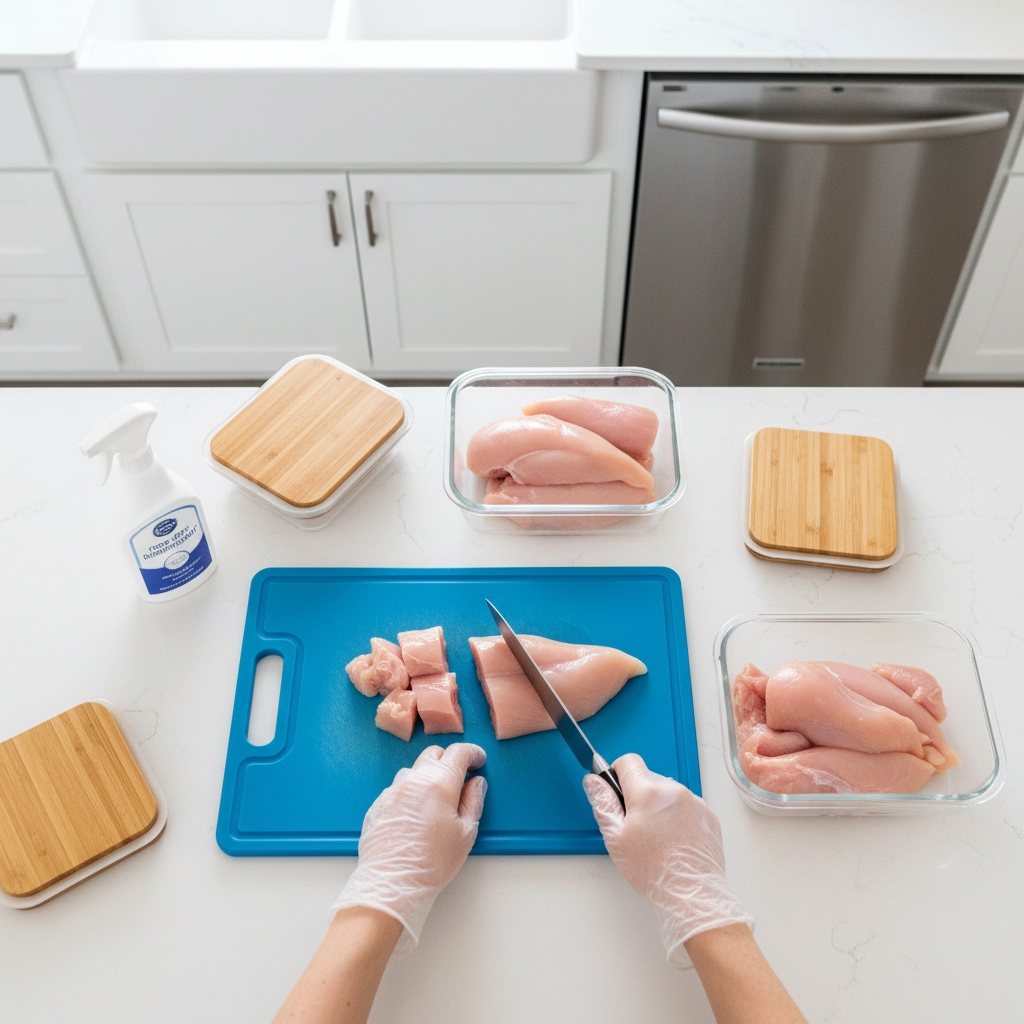
The single greatest risk associated with raw feeding is the management of pathogenic bacteria. Implementing stringent food safety protocols is not optional; it is an absolute necessity to protect the health of every member of your household, both two-legged and four-legged.
Sourcing High-Quality Ingredients
The safety of a raw diet begins with the quality of its components. Whenever possible, source meats from reputable suppliers. Look for human-grade products, as they are subject to higher standards of processing and inspection. Many reputable commercial raw food companies also offer pre-portioned, balanced meals that have undergone high-pressure processing (HPP) to reduce pathogen loads.
Safe Handling, Storage, and Preparation
Treat all raw meat for your pet with the same level of caution you would use for your own food. Adhere to the following steps without fail:
- Proper Storage: Keep all raw meat frozen until you are ready to thaw it. Thaw portions in a sealed container in the refrigerator, never on the countertop.
- Designate a Preparation Area: Use a specific area of your kitchen for preparing your dog’s meals. Use non-porous cutting boards (e.g., plastic or glass) and dedicated utensils, bowls, and storage containers exclusively for raw pet food.
- Practice Meticulous Hygiene: Wash your hands thoroughly with soap and hot water for at least 20 seconds before and after handling raw meat. Clean and disinfect all surfaces, utensils, and bowls immediately after use with a solution effective against foodborne pathogens.
- Manage the Feeding Area: After your dog has finished eating, immediately pick up and wash the food bowl in hot, soapy water. Disinfect the floor or mat where the dog ate.
- Handle Pet Waste Carefully: Your dog can shed bacteria in their feces. Always bag and dispose of waste promptly and wash your hands afterward. Prevent your dog from licking your face, especially immediately after eating.
Observing and Adjusting for Optimal Health

A raw diet is not a static regimen. It requires ongoing monitoring and potential adjustments based on your dog’s age, activity level, and individual health status. Becoming a keen observer of your dog is a critical part of being a responsible raw feeder.
Positive Indicators of Success
When a raw diet is well-formulated and agrees with a dog, you should see clear signs of vitality. Look for:
- Consistent, healthy weight
- High, stable energy levels
- A glossy, thick coat and clear skin
- Clean teeth and fresh breath
- Small, firm, and well-formed stools
Warning Signs That Require Action
Conversely, you must be vigilant for signs that the diet is not working or is nutritionally imbalanced. Contact your veterinarian if you observe:
- Persistent diarrhea or constipation
- Vomiting or frequent regurgitation
- Unexplained weight loss or gain
- Lethargy or a sudden drop in energy
- A dull, flaky coat or skin problems
- Changes in urinary habits
A successful raw diet is a partnership between you and your veterinarian. Regular check-ups, including blood panels and urinalysis, are essential to objectively assess your dog’s internal health and ensure the diet is meeting all of their nutritional needs over the long term.
Do not hesitate to seek professional guidance from a board-certified veterinary nutritionist if you have any doubts about your dog’s diet. They can help you analyze and adjust your recipes to ensure they are complete and balanced, providing peace of mind and promoting a long, healthy life for your companion.
Conclusion
Making the switch to a raw food diet is a significant commitment that extends far beyond simply changing what’s in your dog’s bowl. It requires dedication to research, meticulous attention to food safety, and a proactive approach to monitoring your pet’s health. While the potential benefits can be very appealing, they must be pursued with a full understanding of the associated risks and responsibilities.
This guide has provided the foundational knowledge to begin your journey, from understanding the different dietary models to implementing a safe transition and maintaining stringent hygiene. The cornerstone of this process, however, remains a strong relationship with your veterinarian. Their guidance is invaluable in ensuring the diet is nutritionally complete and appropriate for your specific dog. With careful planning, diligent execution, and professional oversight, you can make an informed and responsible choice about the best nutritional path for your beloved canine companion.