Raising an Only Child: Signs of Single Puppy Syndrome You Can’t Ignore

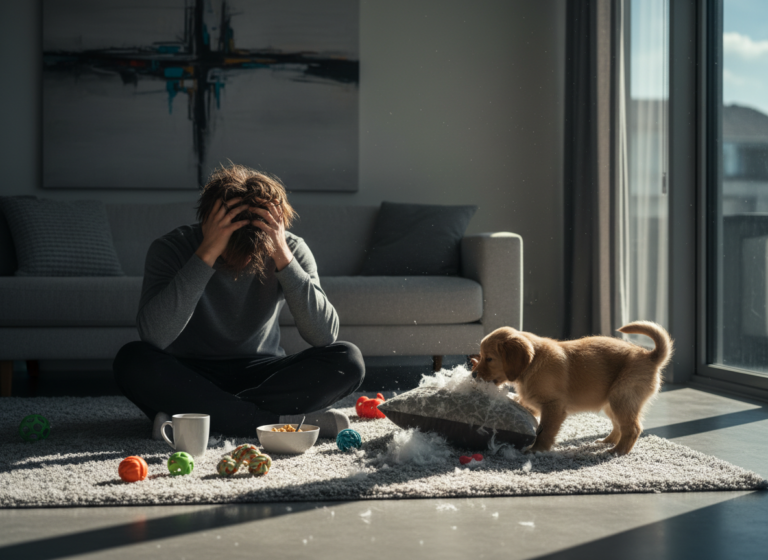
Bringing a single puppy into your home is a joyous occasion, filled with expectations of companionship and unconditional love. However, when a puppy is raised without regular interaction with other dogs, particularly littermates, a specific set of behavioral challenges can emerge. This phenomenon, colloquially known as Single Puppy Syndrome, is not a clinical diagnosis but a descriptive term for the behavioral deficits that arise from insufficient canine socialization. These dogs often struggle to understand the nuances of canine communication, leading to issues that can range from mild social awkwardness to severe fear and aggression. As a canine behavior consultant, I have seen firsthand how these early environmental gaps can shape a dog’s entire life. This guide will provide a definitive overview of Single Puppy Syndrome, equipping you with the knowledge to identify the signs, implement preventative measures, and effectively manage the behaviors in an adult dog. Understanding these principles is the first step toward raising a confident, well-balanced canine companion.
Defining Single Puppy Syndrome: More Than Just Being an Only Dog

It is crucial to understand that Single Puppy Syndrome (SPS) is not an inevitable outcome for every dog raised alone. Rather, it describes a collection of undesirable behaviors resulting from a puppy being deprived of essential social learning experiences with its own kind during critical developmental stages. Littermates are a puppy’s first teachers. Through wrestling, chasing, and tumbling, they teach invaluable lessons about bite inhibition, appropriate play styles, and body language. When a puppy is removed from its litter too early or is raised in isolation, it misses this foundational education.
The core issue is a lack of fluency in ‘dog language.’ These puppies fail to learn how to properly interpret social cues from other dogs—such as a lip curl, a stiff tail, or a play bow—and they don’t know how to offer these signals appropriately themselves. This can lead to them being perceived as rude or threatening by other dogs, resulting in negative encounters that reinforce fear and anxiety. Consequently, an ‘only child’ puppy may develop behavioral problems that are often misinterpreted by owners as simple stubbornness or a ‘bad personality,’ when in reality, they are symptoms of a profound social deficit. This is distinct from a dog that is simply independent or prefers human company; SPS is characterized by a functional inability to engage in healthy, reciprocal social interactions with other canines.
The Science of Socialization: The Critical Developmental Window
To grasp the origins of Single Puppy Syndrome, one must understand the canine critical socialization period. This is a finite window, typically lasting from 3 to 16 weeks of age, during which a puppy’s brain is uniquely wired to accept new experiences with minimal fear. Exposures to various sights, sounds, people, and, most importantly, other dogs during this time are cataloged as ‘normal.’ Experiences encountered after this window has closed are more likely to be met with suspicion, fear, or aggression.
During this period, interactions with a variety of stable, well-behaved adult dogs and other puppies are not just beneficial; they are essential for neurological development. These encounters teach a puppy about social hierarchies, conflict resolution, and the calibration of its own strength. For example, when a puppy bites a littermate too hard during play, the littermate will yelp and withdraw. This immediate, clear feedback teaches the biter to moderate its jaw pressure—a lesson known as bite inhibition. A puppy raised by humans alone often does not receive this type of clear, consistent feedback, as human reactions (like yelping or withdrawing a hand) are often less immediate or clear from a canine perspective. Failing to capitalize on this critical window can create a permanent deficit in a dog’s social toolkit, setting the stage for the behaviors associated with SPS.
Recognizing the Red Flags: Key Signs of Single Puppy Syndrome
Identifying the signs of SPS early is paramount for effective intervention. These behaviors often become more entrenched over time, making them significantly harder to modify in adulthood. Be observant for the following patterns, especially in a dog’s interactions with other canines.
Poor Bite Inhibition
This is one of the most common and concerning signs. The dog may bite too hard during play with humans or other dogs, not out of malice, but because it never learned to control its jaw pressure. The yelps of other dogs or people do not seem to register, and play quickly escalates from fun to painful. They miss the social cue that means ‘you’ve gone too far.’
Fear, Anxiety, or Aggression Toward Other Dogs
Because they cannot read canine body language, dogs with SPS often perceive neutral or friendly signals as threatening. A friendly dog approaching with a wagging tail might be met with stiffening, growling, or lunging. These dogs may be intensely fearful, hiding behind their owner, or they may opt for a proactive, offensive display to keep other dogs at a distance. Their body language often shows clear signs of stress: ears pinned back, tail tucked, and ‘whale eye’ (showing the whites of their eyes).
Demand Barking and Relentless Attention-Seeking
Raised as the center of their human’s world, these dogs often fail to learn patience or how to self-soothe. They may engage in incessant demand barking, pawing, or nudging for attention, food, or play. They have not learned that they are not entitled to immediate gratification, a lesson that competition with littermates for resources and attention naturally teaches.
Resource Guarding
While resource guarding can have multiple causes, it is prevalent in dogs with SPS. Having never had to share valuable items like food, toys, or even their owner’s attention, they can become intensely possessive. They may growl, snap, or bite if another dog or person approaches their food bowl, a favorite toy, or even the spot on the couch next to their owner.
Oversensitivity and Low Frustration Tolerance
These dogs can be easily frustrated and may have ‘meltdowns’ over minor stressors. Being denied a treat, being put on a leash, or a play session ending can trigger disproportionate reactions like frantic barking, whining, or destructive behavior. They lack the emotional resilience that is built through navigating the minor conflicts and frustrations of living in a litter.
Rough and Inappropriate Play Styles
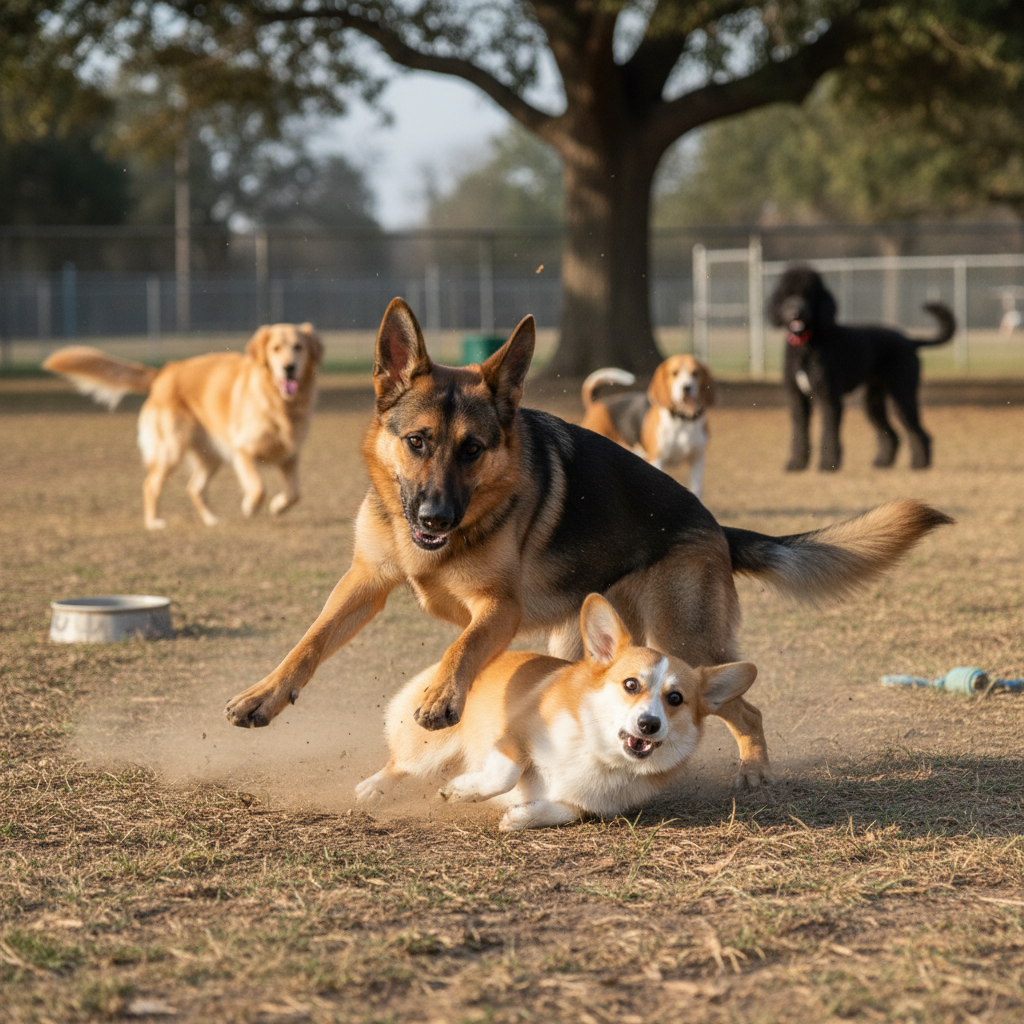
Their attempts at play are often clumsy, overly physical, and rude by canine standards. They may mount other dogs excessively, body-slam them, or fail to engage in the ‘give and take’ of normal play. They miss cues from other dogs indicating they want to stop, leading to scuffles and fights. Other dogs will quickly label them as poor playmates and avoid them, further compounding their social isolation.
A Blueprint for Prevention: Raising a Well-Adjusted Only Puppy
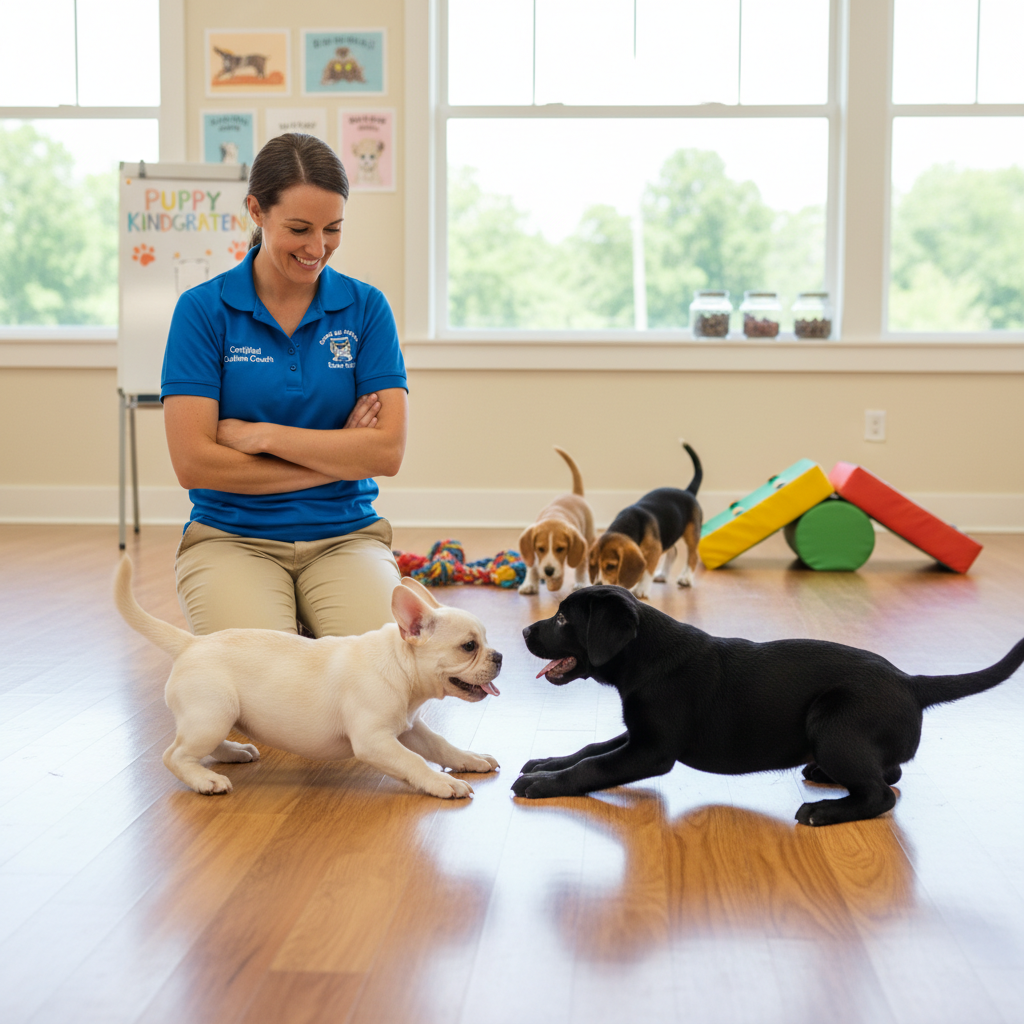
The good news is that Single Puppy Syndrome is entirely preventable with proactive, informed ownership. If you are raising a puppy as the only dog in your home, implementing the following strategies during the critical socialization period is not optional—it is a requirement for their behavioral health.
Here is a step-by-step approach to prevention:
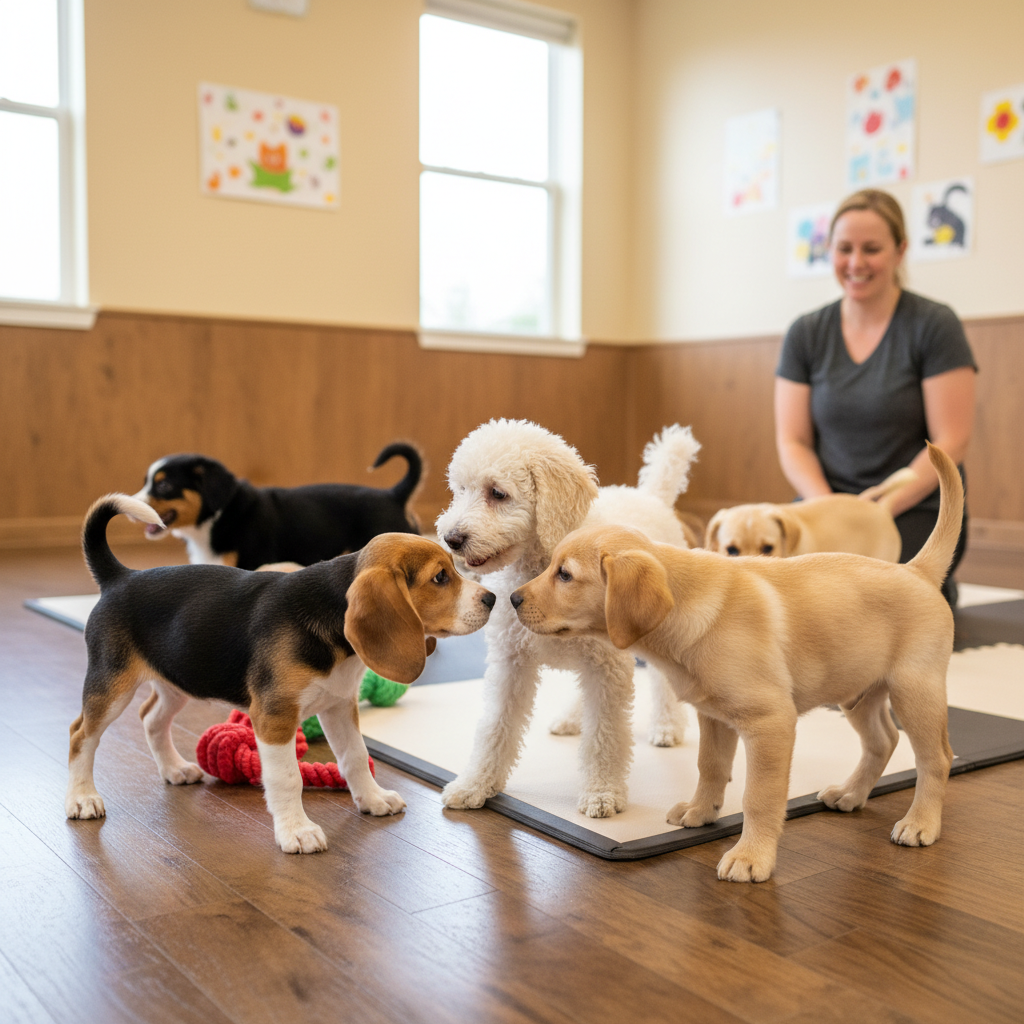
- Enroll in a Reputable Puppy Class: This is the single most important step you can take. A well-run puppy class provides a safe, controlled environment for off-leash play with other puppies of a similar age. A certified trainer will supervise interactions, ensuring they remain positive, and will intervene before play becomes inappropriate. This is the ideal substitute for littermate interactions.
- Curate Positive Dog-to-Dog Interactions: Do not simply take your puppy to a dog park. Dog parks can be overwhelming and are often filled with poorly-behaved adult dogs. Instead, arrange one-on-one playdates with adult dogs you know are calm, vaccinated, and tolerant of puppy antics. These ‘mentor’ dogs can teach your puppy appropriate manners in a safe setting.
- Actively Teach Bite Inhibition: When your puppy plays with you, allow them to mouth your hand. The moment their teeth press down too hard, let out a sharp, high-pitched ‘Ouch!’ and immediately withdraw your hand for 10-15 seconds. This mimics the feedback a littermate would provide. Consistency is key. This teaches the puppy that hard bites result in the end of a fun game.
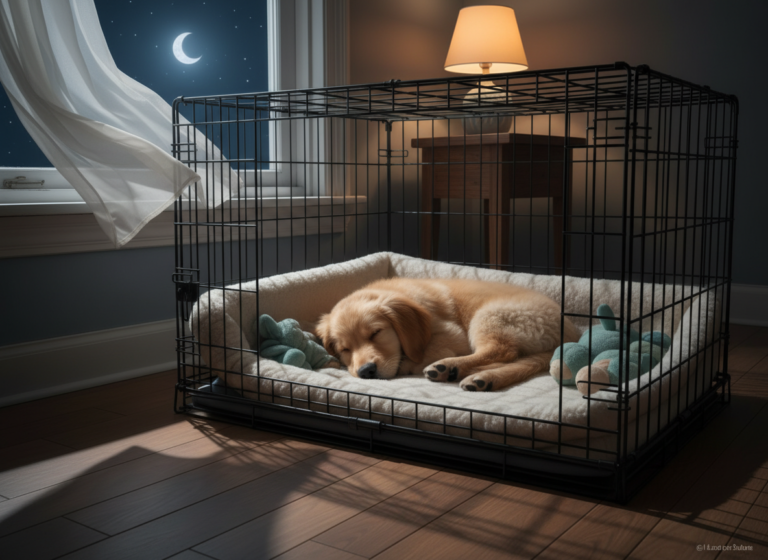
- Implement Crate Training and Independence Exercises: From day one, teach your puppy that being alone is safe and normal. Use a crate as a comfortable den, not a place of punishment. Practice short departures, leaving the puppy in their crate or a puppy-proofed room with a high-value chew toy. This builds their confidence and helps prevent the development of separation anxiety.
- Establish Clear Household Rules and Boundaries: Structure and predictability create security. Implement rules such as waiting at doorways, not jumping on people, and a ‘place’ or ‘settle’ cue. This teaches impulse control and frustration tolerance. Training sessions, even short 5-minute ones, build your communication and strengthen your bond while teaching your puppy how to handle not getting what it wants instantly.
Corrective Action: Managing SPS Behaviors in an Adult Dog
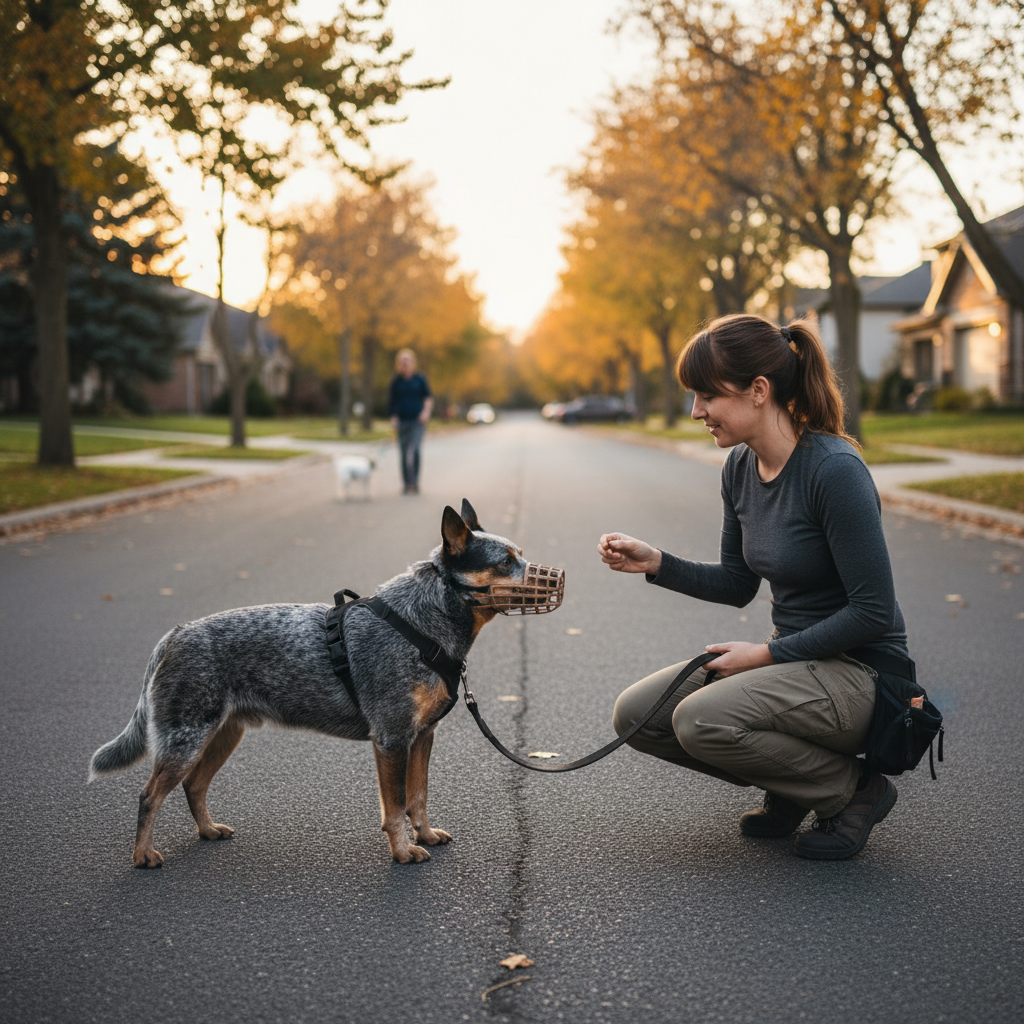
If you are reading this and recognizing your own adult dog in the descriptions, do not despair. While the critical socialization window has closed, significant progress can still be made with patience, consistency, and professional guidance. Management becomes as important as modification.
Consult a Professional First
Before attempting to resolve these issues on your own, it is imperative to seek professional help. A veterinary behaviorist can rule out any underlying medical causes for the behavior and may prescribe medication to reduce anxiety, making the dog more receptive to training. A certified professional dog trainer (CPDT-KA) or certified canine behavior consultant (CBCC-KA) can then create a tailored behavior modification plan.
Behavior Modification Strategies
The core of any treatment plan will likely involve Desensitization and Counter-Conditioning (DSCC). This process involves exposing the dog to its triggers (e.g., other dogs) at a very low intensity—a distance where the dog notices the trigger but does not react negatively. This sub-threshold exposure is then paired with something the dog loves, like high-value treats. Over many sessions, the distance is gradually decreased, changing the dog’s emotional response from fearful or anxious to positive and expectant.
Working with a dog exhibiting signs of Single Puppy Syndrome requires immense patience. The goal is not to create a social butterfly, but to build the dog’s confidence so it can exist comfortably and neutrally in a world that includes other dogs.
Management for Safety and Success
Management is about preventing the dog from practicing the unwanted behavior. This is not a failure; it is a responsible part of the process. Management tools and techniques include:
- Leash Control: Using a front-clip harness or head halter can provide better physical control on walks, preventing lunging.
- Avoidance: Actively avoid situations that trigger your dog. If your dog is reactive on leash, cross the street to avoid other dogs. Do not force interactions.
- Environmental Management: Use baby gates, crates, and closed doors to manage resource guarding within the home.
- Muzzle Training: Positively conditioning your dog to wear a basket muzzle is a responsible safety measure for any dog with a bite history or severe reactivity. It protects other dogs and people, and can reduce your own anxiety, which your dog will sense.
Focus on building your dog’s confidence through activities it enjoys and excels at, such as scent work, trick training, or canine fitness. A confident dog is less likely to be a reactive dog.
Conclusion
Single Puppy Syndrome is a testament to the profound importance of early, positive canine socialization. The behaviors associated with it—from poor bite inhibition to fear-based reactivity—stem not from a dog being ‘bad,’ but from a gap in its early education. For prospective owners, prevention through structured socialization is the most effective path. For those currently living with a dog exhibiting these challenges, a combination of expert guidance, patient training, and diligent management can dramatically improve their quality of life. The journey requires empathy and a commitment to understanding your dog’s unique perspective. By recognizing the signs and responding with appropriate strategies, you can help your ‘only child’ navigate the world with greater confidence and calm, fostering the strong, healthy bond you both deserve.