Post-Bath Madness: Why Your Dog Goes Crazy After Getting Wet
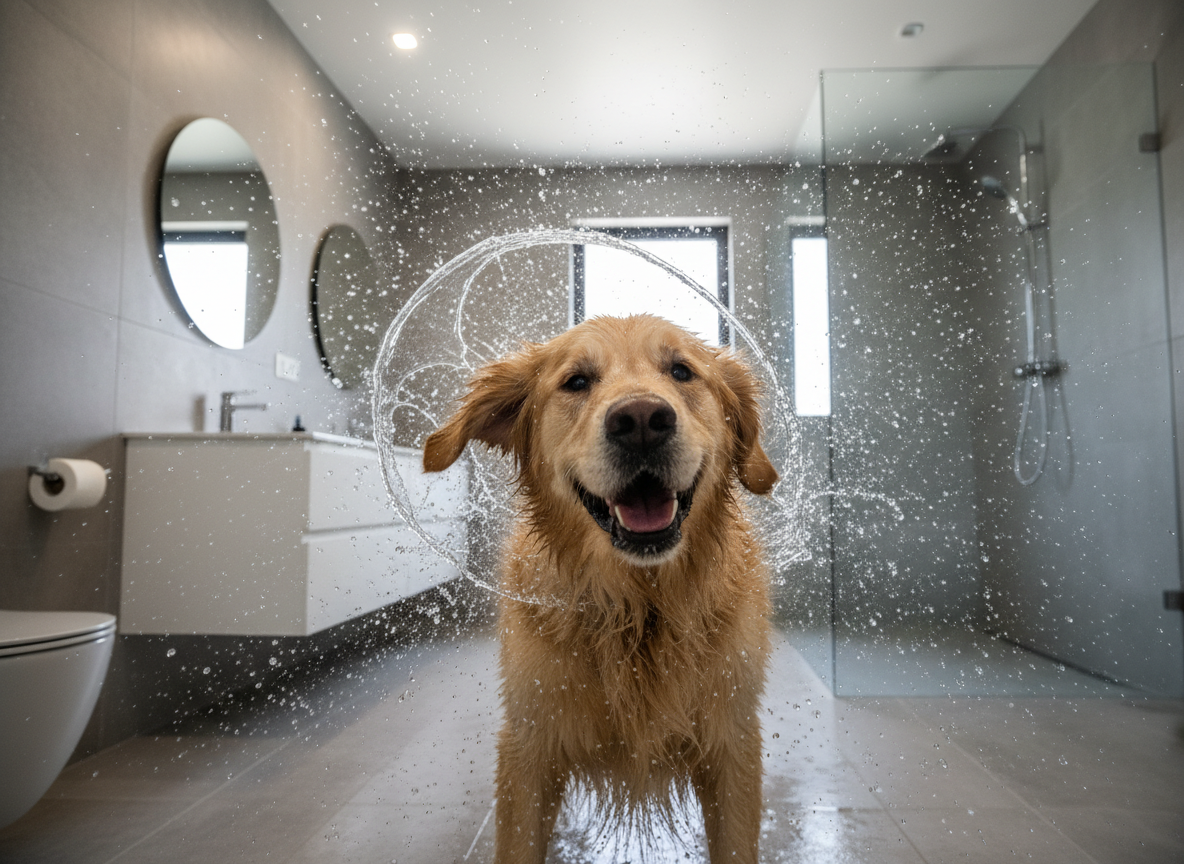
It is a scene familiar to nearly every dog owner: the moment a freshly bathed, damp dog is released from the confines of the tub, it erupts into a whirlwind of chaotic energy. This sudden explosion of activity—colloquially known as the ‘zoomies’—can involve frantic sprints through the house, vigorous rubbing against furniture, and wild, joyful laps around the yard. While amusing, this behavior, clinically termed Frenetic Random Activity Periods (FRAPs), is more than just a quirky canine habit. It is a complex response rooted deeply in a dog’s sensory experience, primal instincts, and emotional state.
Understanding this post-bath madness requires looking beyond the surface-level chaos and examining the world from a canine perspective. From the overwhelming sensory input of shampoos to the instinctual need to dry off, a bath is a significant event for a dog. This guide will provide an authoritative analysis of the multiple factors driving this behavior. We will explore the physiological triggers, the evolutionary imperatives, and the psychological relief that culminates in this energetic display. Furthermore, we will outline professional, actionable strategies to manage this energy, ensuring the safety of your pet and your home, while transforming bath time from a stressful chore into a positive bonding experience.
Sensory Overload: A Canine Perspective on Bath Time
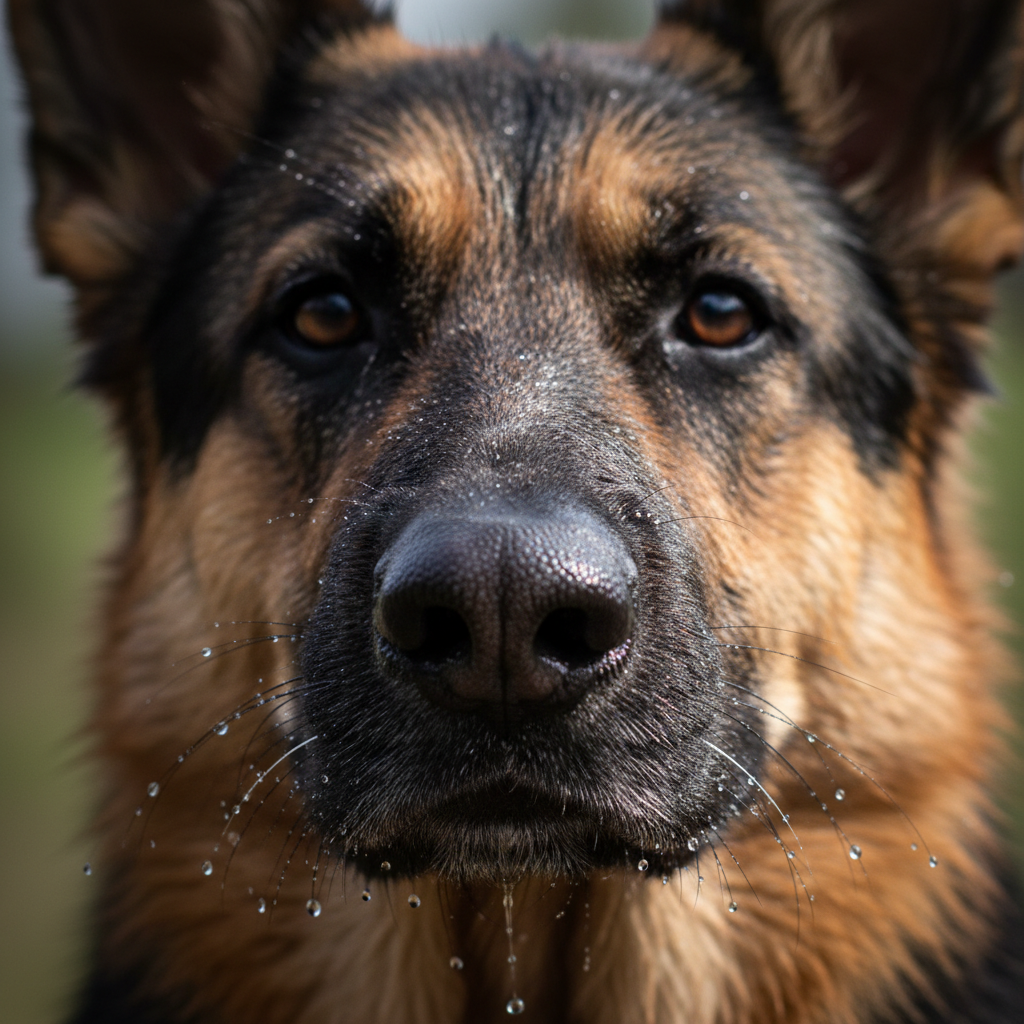
A dog’s primary sense for interpreting the world is its nose, which contains up to 300 million olfactory receptors, compared to a human’s mere six million. This makes their sense of smell between 10,000 and 100,000 times more acute than our own. During a bath, we introduce a deluge of foreign scents. Shampoos, conditioners, and even the mineral content of tap water can be overwhelming to a dog’s sensitive olfactory system. These products effectively strip away a dog’s natural, familiar scent—a unique chemical signature produced by skin oils that communicates its identity, status, and health to other dogs.
Losing this personal scent can be disorienting and even distressing. The ‘clean’ smell we find pleasant is, to a dog, an alien and unwelcome perfume. The frantic rubbing on carpets, bedding, and furniture that follows a bath is a direct and desperate attempt to remove the artificial fragrance and re-establish their own scent. They are trying to cover the chemical smell with the familiar, comforting odors of their home environment and, in doing so, reclaim their olfactory identity. The physical sensation of being waterlogged and scrubbed also contributes to this sensory overload. The relief of being free from the tub, the running water, and the physical restraint is a powerful catalyst for the explosive release of energy that follows.
Primal Instincts: The Shake, Rattle, and Roll
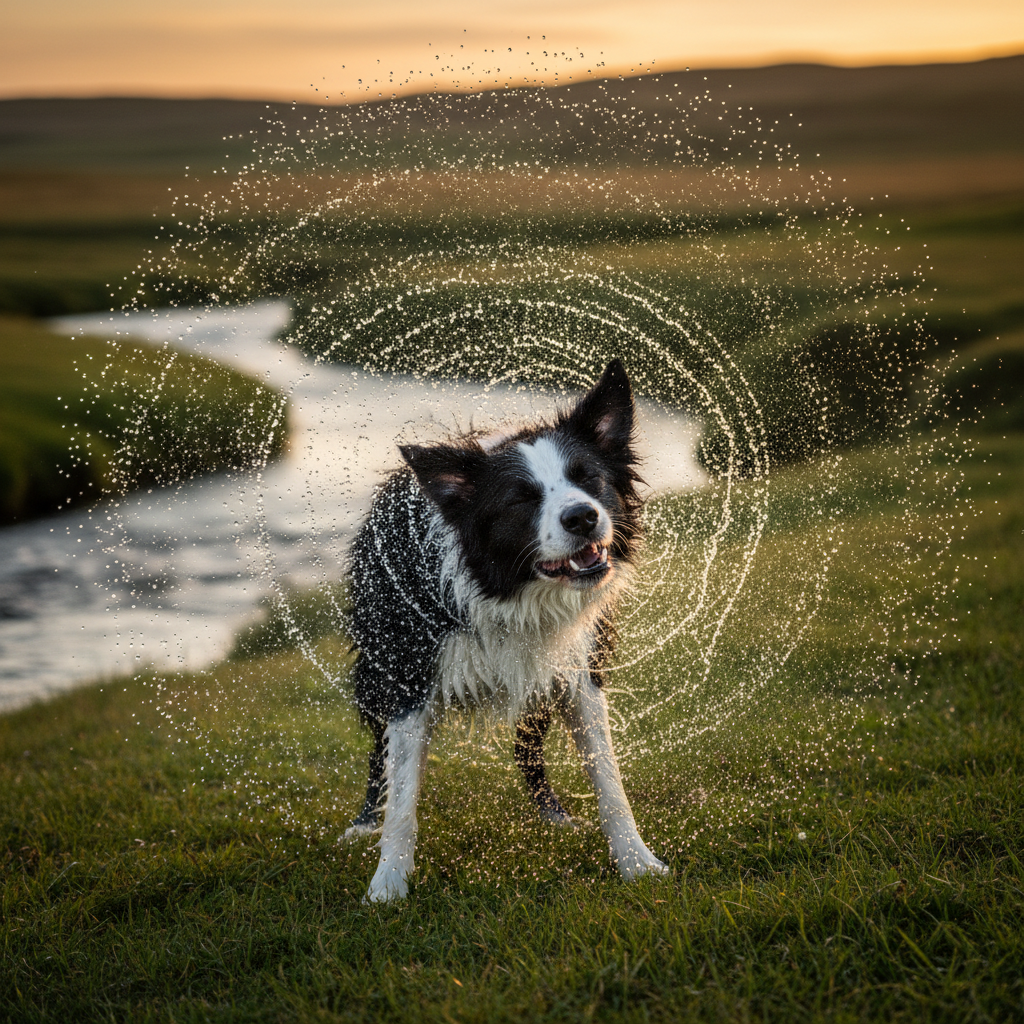
The post-bath frenzy is not a modern, domesticated behavior; its origins lie in the survival instincts of wild canids. For a wolf or a wild dog, a wet coat is a significant liability. It is heavy, uncomfortable, and drastically reduces the fur’s insulating properties, creating a serious risk of hypothermia, especially in cold environments. A waterlogged coat makes an animal slower, less agile, and more vulnerable to predators. Therefore, the drive to get dry as quickly as possible is a deeply ingrained, non-negotiable instinct.
The most effective method for a dog to shed water is the full-body shake. This is not a random thrashing but a highly efficient, biomechanical process. Starting at the head and moving down the spine, a dog can oscillate its body at a specific frequency that generates forces up to 20 times that of gravity, allowing it to shed approximately 70% of the water from its coat in a matter of seconds. Following this initial shake, the rolling and rubbing against surfaces serves to absorb the remaining moisture. This behavior is a powerful, instinctual motor pattern that feels inherently good to the dog. It is a satisfying, full-body action that accomplishes a critical survival task, and the accompanying zoomies are an expression of that instinctual success and relief.
Emotional Catharsis: From Bath Time Stress to Joyful Release
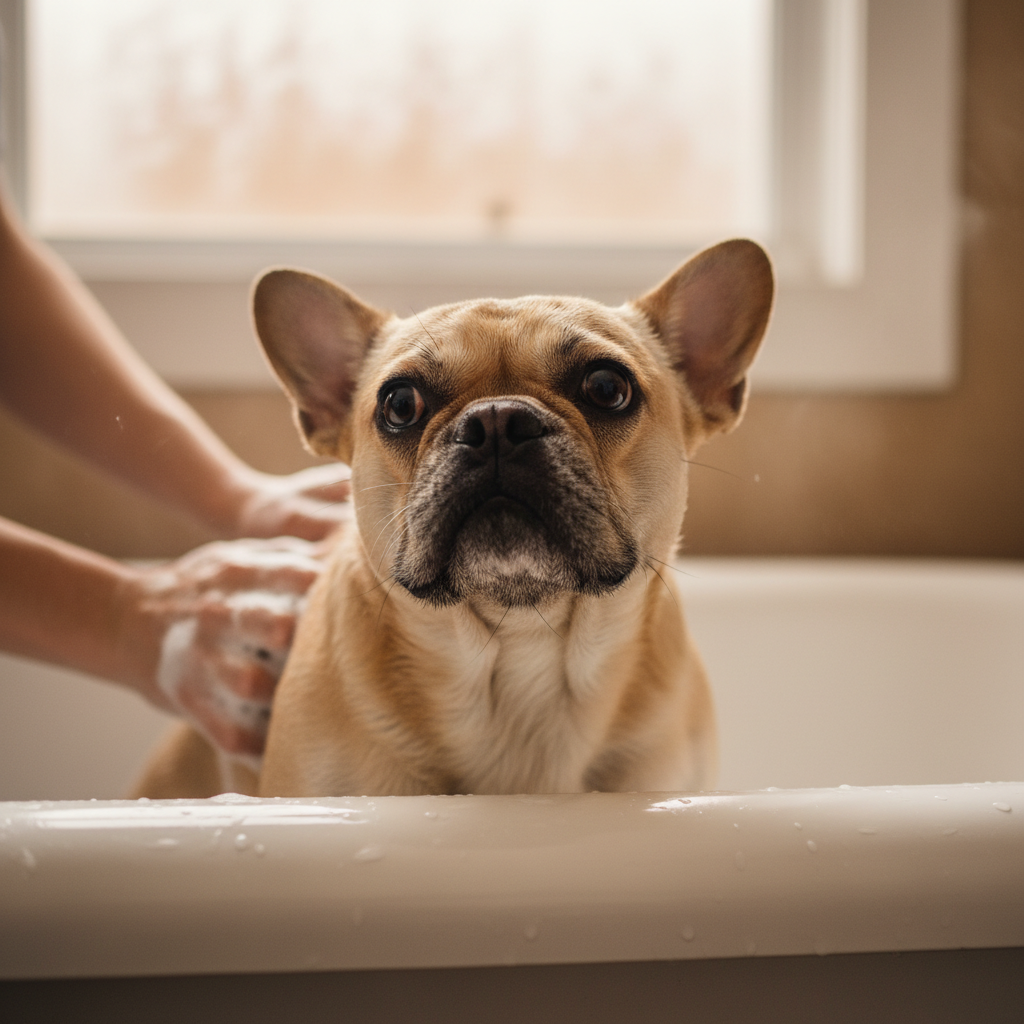
While some dogs tolerate or even enjoy baths, for many, it is a stressful and unpleasant experience. From a dog’s perspective, bath time can involve a series of stressors: the sound of rushing water, the feeling of being confined in a slippery tub, physical restraint, and the application of strange-smelling substances. During this period, a dog must actively suppress its natural inclination to flee. It endures the process, often exhibiting subtle signs of stress such as a tucked tail, pinned-back ears, or ‘whale eye’—where the whites of the eyes are visible.
This period of tolerance requires a significant amount of self-control and builds up nervous energy and tension. The moment the ordeal is over and the dog is released, that pent-up energy needs an outlet. The post-bath zoomies are a form of emotional catharsis. It is a physiological and psychological release of stress. The explosive physical activity helps to dissipate cortisol and other stress hormones that may have accumulated in the dog’s system. The frantic running is not just about drying off; it is an expression of pure relief and the joy of regaining autonomy. It is a celebration of freedom after a period of patient submission.
Proactive Strategies: Setting the Stage for a Calmer Bath
Reducing Bath-Time Anxiety
The intensity of post-bath madness is often directly proportional to the amount of stress experienced during the bath itself. By creating a calmer, more predictable bathing environment, you can significantly reduce the frenetic energy that follows. Preparation is paramount.
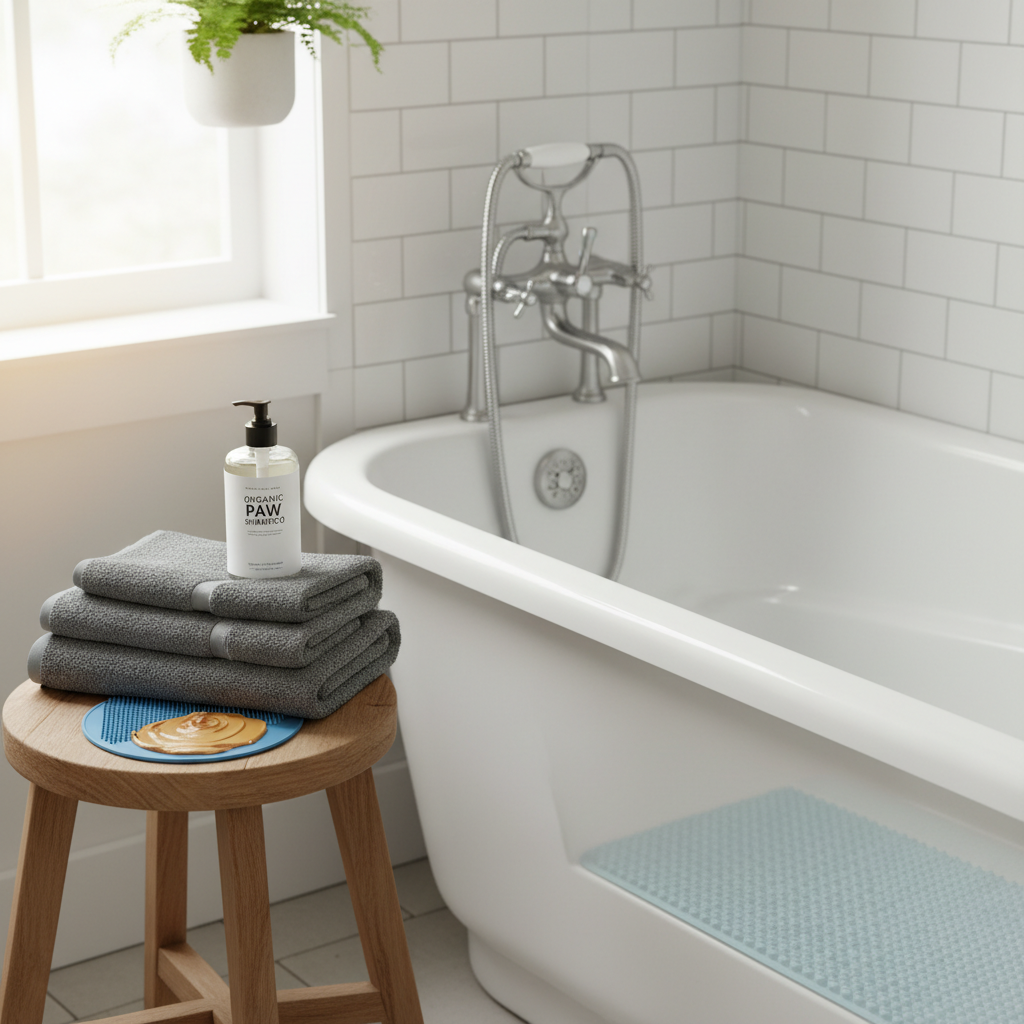
- Create a Safe and Secure Environment: The slippery surface of a tub is a primary source of anxiety. Place a non-slip rubber mat on the bottom of the tub or shower to give your dog secure footing. This simple step can dramatically increase their confidence.
- Control Water Temperature: A dog’s skin is sensitive. Use lukewarm water, similar to what you would use for a human baby. Water that is too hot or too cold is uncomfortable and will heighten their desire to escape.
- Prepare All Supplies in Advance: Have your dog-specific shampoo, towels, and any post-bath treats ready and within arm’s reach. Fumbling for supplies mid-bath only prolongs the process and increases stress for both of you.
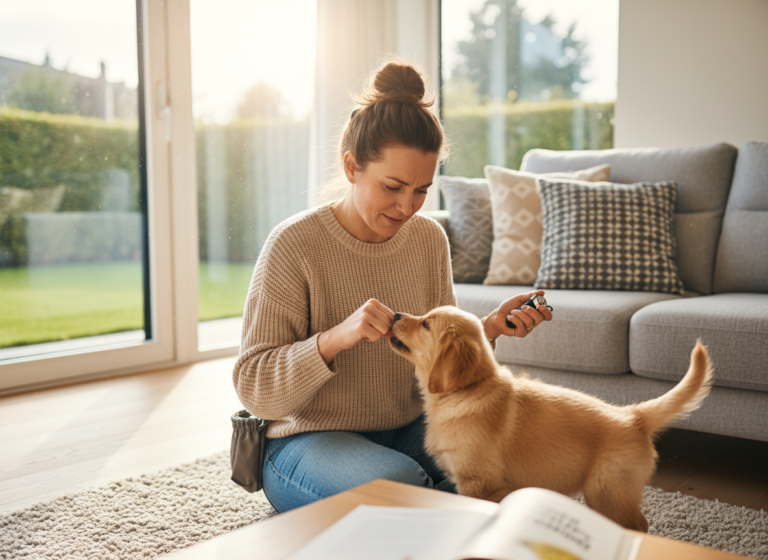
- Incorporate High-Value Positive Reinforcement: The goal is to change your dog’s association with the bathroom from a place of stress to a place of reward. Use a waterproof distraction tool, like a suction-cup lick mat smeared with peanut butter (ensure it is xylitol-free) or cream cheese, stuck to the wall of the tub. This gives them a positive task to focus on throughout the bath.
Bathing should be a cooperative process, not a conflict. Every calm interaction builds trust and reduces the need for a frantic emotional release afterward.
Managing the Aftermath: How to Safely Channel the Zoomies
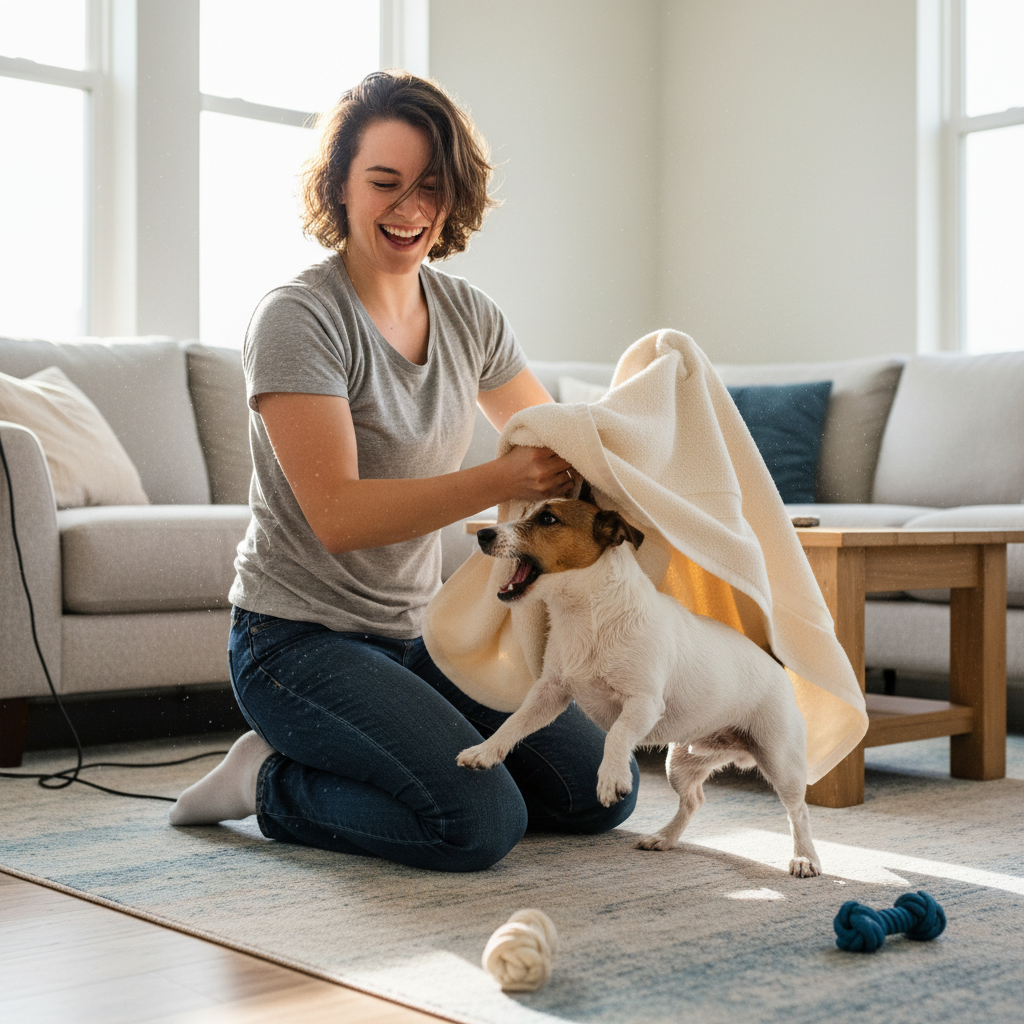
Post-bath zoomies are a normal behavior, so the goal is not to suppress them but to manage them safely and constructively. Anticipating the energy burst allows you to direct it away from potentially hazardous areas.
Establish a Safe ‘Zoomie Zone’
Before you even begin the bath, prepare a safe space for the aftermath. This could be a carpeted room with furniture pushed to the sides, or a securely fenced yard. Close doors to rooms with delicate items or slippery hardwood floors where your dog could be injured. Laying down non-slip runners or old towels in hallways can provide traction and prevent falls.
Engage in a ‘Towel Game’
Instead of just releasing your damp dog to run wild, immediately engage them in a positive, energy-burning activity. Use a large, highly absorbent towel and turn the drying process into an enthusiastic game. Rub them down vigorously while using a cheerful, excited tone of voice. This serves two purposes: it gets them drier faster and channels their initial burst of energy into a controlled interaction with you. For many dogs, this ‘towel-off’ becomes a favorite part of the routine.
Redirect to a Structured Activity
Once the initial, most intense energy has been channeled through the towel game, redirect them to a structured activity. Initiate a game of fetch with a soft indoor toy or a short, intense game of tug-of-war. This provides a clear outlet for their excitement and reinforces your role as the leader and provider of fun, even after an unpleasant event like a bath.
Red Flags: Differentiating Normal Zoomies from Distress

While FRAPs are a perfectly normal canine behavior, it is critical for owners to distinguish this joyful release from signs of genuine physical distress. Certain post-bath behaviors can indicate an underlying medical issue that requires veterinary attention.
Pay close attention to your dog’s actions immediately following a bath and in the hours afterward. Be vigilant for the following red flags:
- Persistent, Localized Scratching or Biting: If the frantic energy quickly turns into intense, focused scratching or chewing at a specific spot on their body, it may signal an allergic reaction to the shampoo or a pre-existing skin condition (hot spot) that was irritated by the water and soap.
- Excessive or Prolonged Head Shaking: A few head shakes are normal as a dog tries to clear water from its ears. However, if the head shaking continues for an extended period, or if the dog begins pawing at its ears or tilting its head, it is a classic sign that water may be trapped in the ear canal, potentially leading to a painful ear infection.
- Skin Irritation: After your dog is dry, check their skin for redness, rashes, or hives. Contact dermatitis can occur if a product is too harsh for your dog’s specific skin type.
- Limping or Signs of Pain: A dog running at full speed on a slippery surface can easily sustain a sprain or other injury. If your dog’s zoomies end abruptly with a yelp or they begin favoring a limb, an immediate veterinary consultation is necessary.
If you observe any of these signs, it is essential to contact your veterinarian. Differentiating between the harmless chaos of the zoomies and symptoms of a medical problem is a key component of responsible pet ownership.
Conclusion
The post-bath explosion of energy is a fascinating intersection of instinct, biology, and emotion. It is a powerful release of stress, a primal drive to get dry, and an urgent attempt to reclaim a sense of olfactory self. This behavior, far from being mere ‘madness,’ is a healthy and normal expression for a vast majority of dogs. It is a testament to their resilience and their transparent emotional states—transitioning from the tolerated stress of the bath to the unadulterated joy of freedom.
By understanding the complex reasons behind the zoomies, you can shift your perspective from that of a frustrated homeowner to an informed and empathetic canine guardian. Implementing strategies to make bath time less stressful and managing the subsequent energy release in a safe, constructive manner not only protects your dog and your home but also strengthens the bond of trust between you. The next time you witness the post-bath frenzy, you will see it not as chaos, but as a complex, communicative, and ultimately joyful expression of what it means to be a dog.