Orphan Puppy Care: How to Stimulate Elimination Correctly

Caring for an orphan newborn puppy is a profound responsibility. In the absence of their mother, you become their sole source of nutrition, warmth, and vital bodily functions. One of the most critical and often misunderstood tasks is stimulating them to urinate and defecate. Unlike older dogs, puppies under three to four weeks of age lack the voluntary muscle control to relieve themselves. They rely entirely on an external trigger, a role the mother dog performs by licking their perineal area. Without this intervention, a puppy’s system can quickly become toxic, leading to severe illness and death. This guide provides a comprehensive, step-by-step protocol to correctly and safely perform this life-sustaining procedure, ensuring your vulnerable charge has the best possible start in life.
The Physiology of Puppy Elimination: Why Stimulation is Non-Negotiable
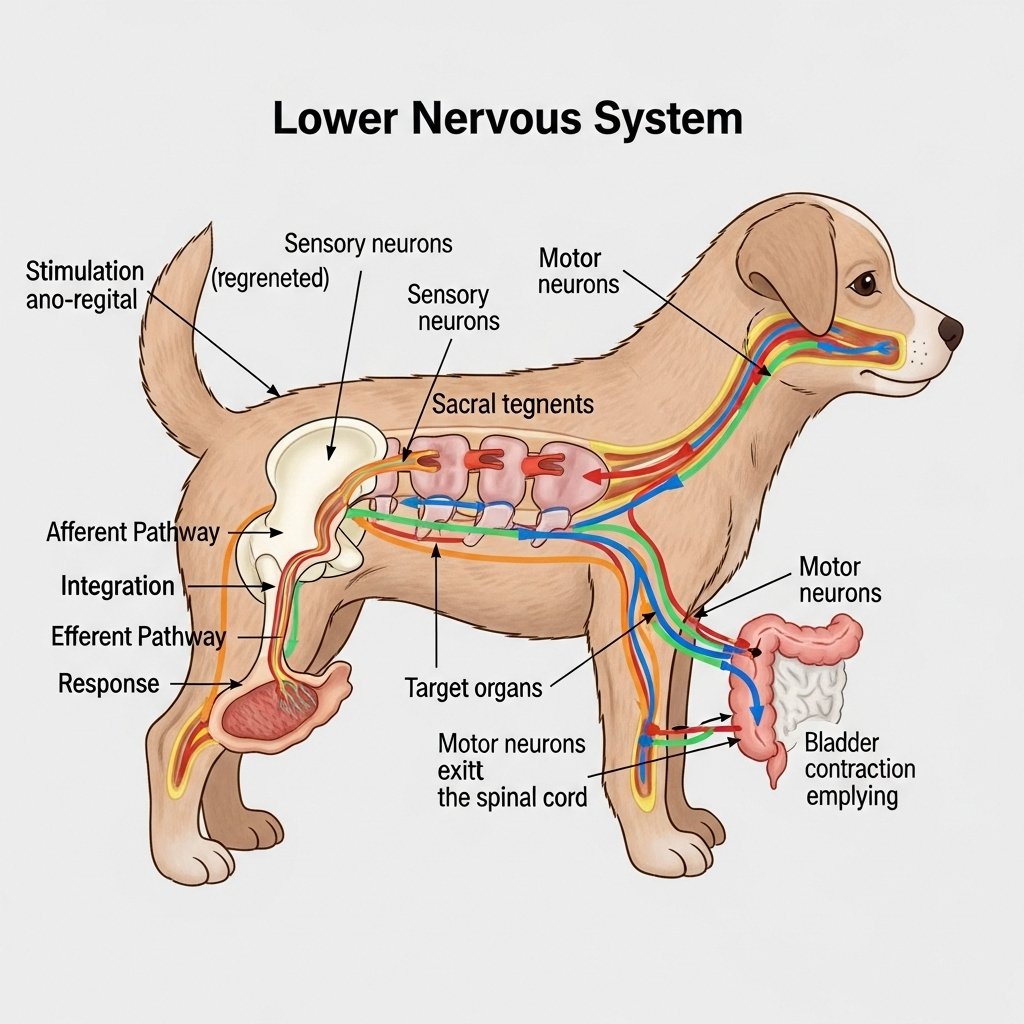
Understanding the ‘why’ behind stimulation is crucial for appreciating its importance. Newborn puppies operate on a series of innate reflexes, and elimination is governed by the ano-genital reflex. When the mother dog licks the area around the anus and genitals, the gentle friction and warmth trigger a neural response that causes the bladder and bowel sphincters to relax, allowing waste to be passed. This is a brilliant evolutionary design that keeps the nest clean and protects the puppies from lying in their own waste, which could lead to chilling and infections.
This reflex is dominant from birth until approximately three weeks of age. Around this time, the puppy’s nervous system matures, and they begin to develop conscious control over their bladder and bowels. They will start to move away from their sleeping area to eliminate on their own. Until you witness this consistent, independent behavior, you must act as the surrogate mother. Skipping this step, even for a few feedings, can lead to constipation, bladder distension, pain, and a systemic buildup of toxins. It is not an optional part of orphan puppy care; it is a biological necessity.
Gathering Your Supplies: Setting Up for Success
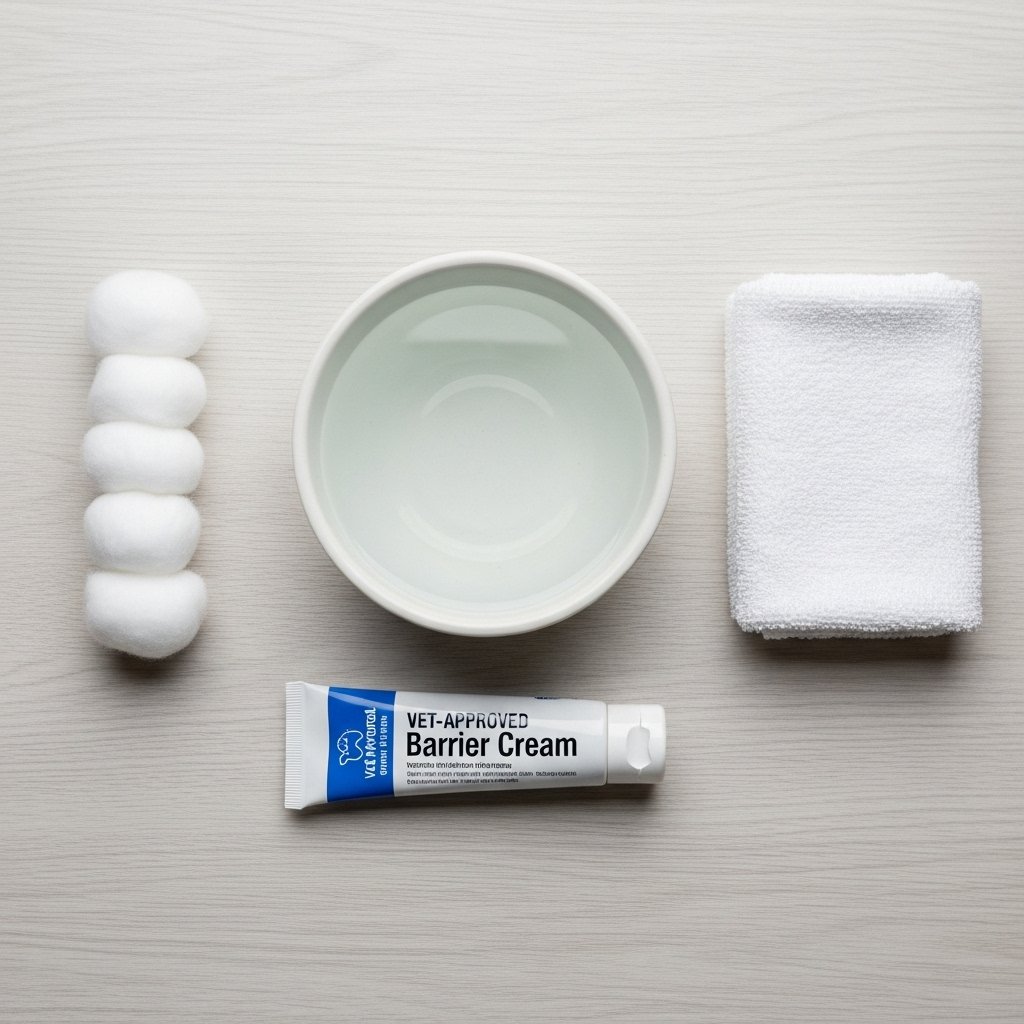
Preparation is key to making the stimulation process smooth, efficient, and hygienic for both you and the puppy. Having everything you need within arm’s reach prevents you from leaving the puppy unattended and minimizes stress. Before each session, assemble your station.
Essential Supplies:
- Soft, Absorbent Material: Cotton balls, soft gauze pads, a corner of a soft washcloth, or unfragranced baby wipes are all excellent choices. Avoid rough materials like paper towels, which can chafe the puppy’s delicate skin.
- Warm Water: A small bowl of comfortably warm (not hot) water is needed to moisten your chosen material. The warmth helps mimic the mother’s tongue and encourages the reflex.
- Clean Towels or Puppy Pads: Have a designated surface for the procedure. A clean towel or disposable puppy pad placed over your lap or a countertop makes cleanup easy.
- A Waste Receptacle: A small trash can or bag should be nearby to dispose of soiled cotton balls or wipes immediately.
- Barrier Cream (Optional but Recommended): A thin layer of a vet-approved diaper rash cream or petroleum jelly can be applied after cleaning to prevent skin irritation, especially if the puppy has diarrhea.
Organize these items in a quiet, warm, and draft-free area where you can comfortably hold the puppy. Consistency in your setup will help create a predictable and calming routine.
The Step-by-Step Guide to Stimulating Elimination
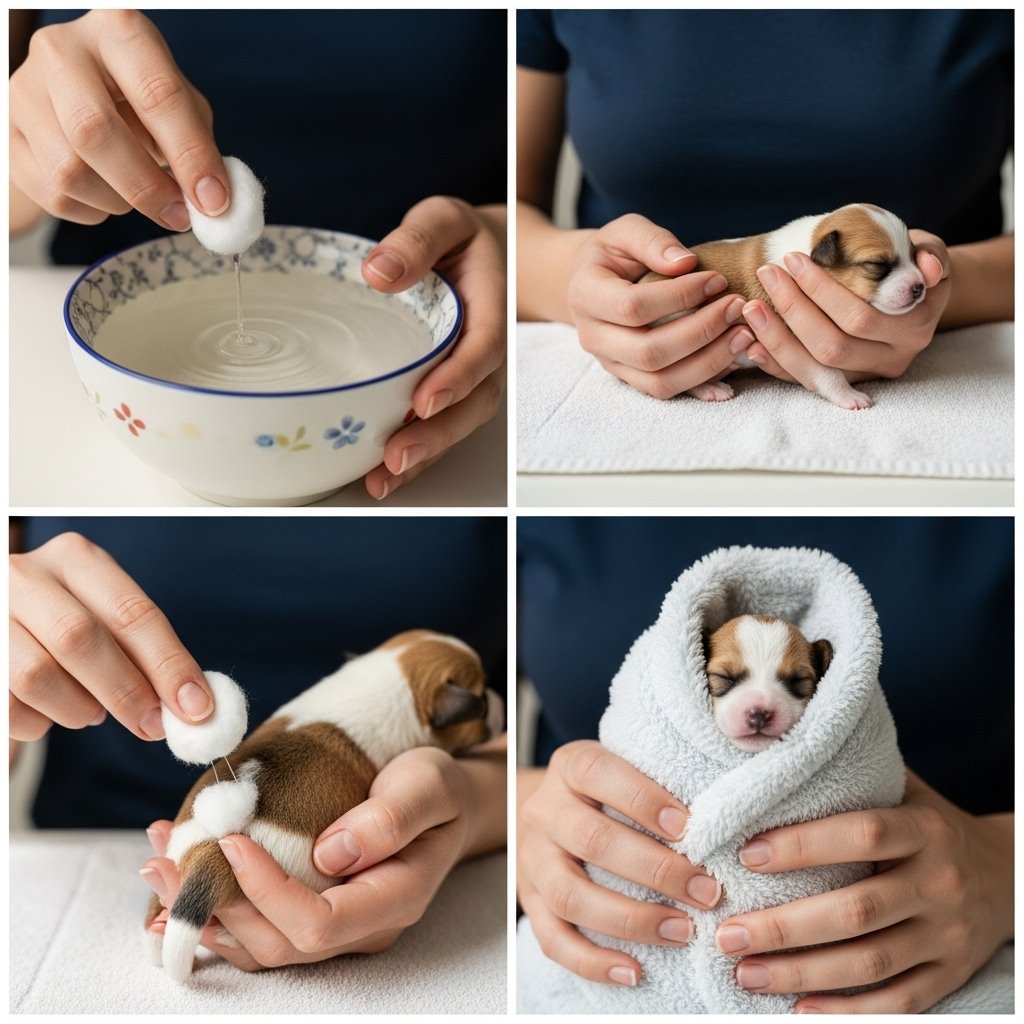
Performing the stimulation technique correctly requires a gentle touch and patience. The goal is to be effective without causing irritation or stress. Follow this precise, veterinarian-approved method.
-
Establish the Routine
Timing is critical. Puppies need to be stimulated before and after every single feeding. Newborns feed every 2-3 hours, which means you will be performing this task around the clock. A pre-feeding stimulation can make them more comfortable and able to take a full meal, while a post-feeding stimulation ensures they process it properly.
-
Prepare Your Station and Material
Wash your hands thoroughly. Place a clean towel or puppy pad on a stable surface. Dip a cotton ball or a corner of a soft cloth into the warm water, squeezing out any excess. It should be damp, not dripping wet.
-
Position the Puppy Correctly
Hold the puppy securely in the palm of your non-dominant hand. Their belly should be supported, and you can gently cradle their head and shoulders with your fingers. Hold them over the prepared towel or a sink. Do not hold them on their back like a human baby, as this can increase the risk of aspiration if they spit up formula. The ideal position mimics how a mother dog would approach them, with their underside accessible.
-
The Gentle Stimulation Technique
Using the warm, damp cotton ball, gently rub the puppy’s genital area in a circular or tapping motion. The area to focus on is the entire region covering the anus and the urinary opening. Use very light pressure—imagine the light rasp of a mother dog’s tongue. Continue these soft strokes for about 30 to 60 seconds. You should see a stream of urine and/or the passage of a small amount of feces. Some puppies respond instantly, while others may require a full minute of stimulation.
-
Monitor the Output
Observe the color and consistency of the urine and feces. This is a primary indicator of the puppy’s health and hydration status. Normal urine should be a pale, translucent yellow. Normal feces for a formula-fed puppy are typically yellowish-brown with a consistency similar to soft-serve ice cream or toothpaste.
-
Clean-Up and Comfort
Once the puppy has finished, use a clean, damp cloth to gently wipe away any remaining waste from their skin and fur. Pat the area dry with a soft, dry cloth. If you notice any redness or irritation, you can apply a very thin layer of a protective barrier cream. Immediately return the warm, clean puppy to their nesting box. Dispose of all used materials properly and wash your hands again.
Recognizing Normal vs. Abnormal: A Health Checklist
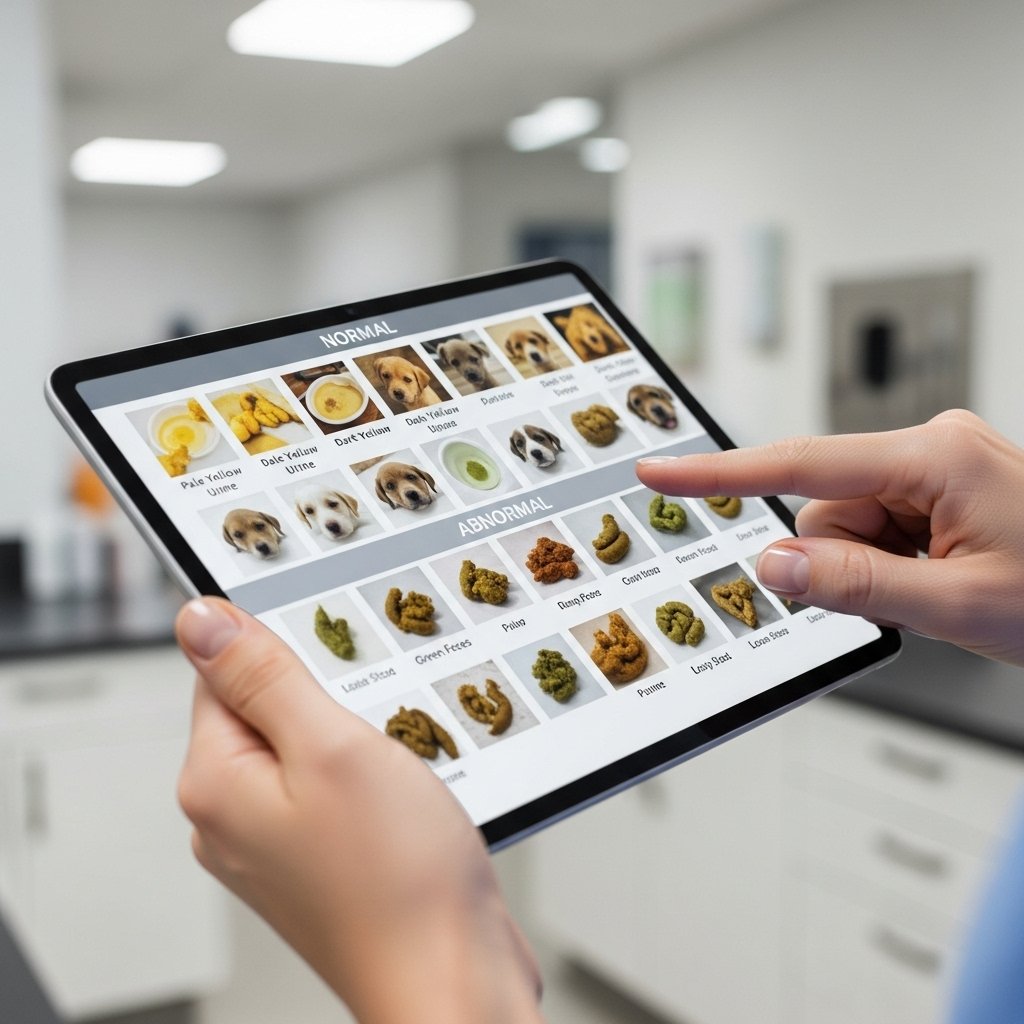
Daily monitoring of your puppy’s eliminations is one of the most effective ways to catch health problems early. Deviations from the norm warrant an immediate consultation with a veterinarian. Use this table as a guide to assess what you are seeing.
| Indicator | Normal Appearance | Abnormal (Red Flag) Signs |
|---|---|---|
| Urine Color | Pale yellow to clear. Indicates good hydration. | Dark yellow or orange (dehydration), brown or red (blood, serious internal issue). |
| Urine Flow | A steady, easy stream. | Straining, crying during urination, or only producing a few drops (potential blockage or infection). |
| Feces Color | Yellowish-brown or mustard-colored (for formula-fed puppies). | Green (indigestion, infection), white/chalky (malabsorption), black/tarry (digested blood), or red streaks (fresh blood). |
| Feces Consistency | Soft, toothpaste-like consistency. | Hard pellets (constipation/dehydration), watery/liquid (diarrhea), or mucousy. |
| Puppy’s Reaction | Calm or mildly squirming. | Excessive crying, whimpering in pain, or showing signs of a bloated, hard abdomen. |
Any sign of blood, severe straining, lack of elimination for more than 12 hours, or a puppy that appears to be in pain is a veterinary emergency. Do not wait.
Common Mistakes to Avoid in Puppy Stimulation
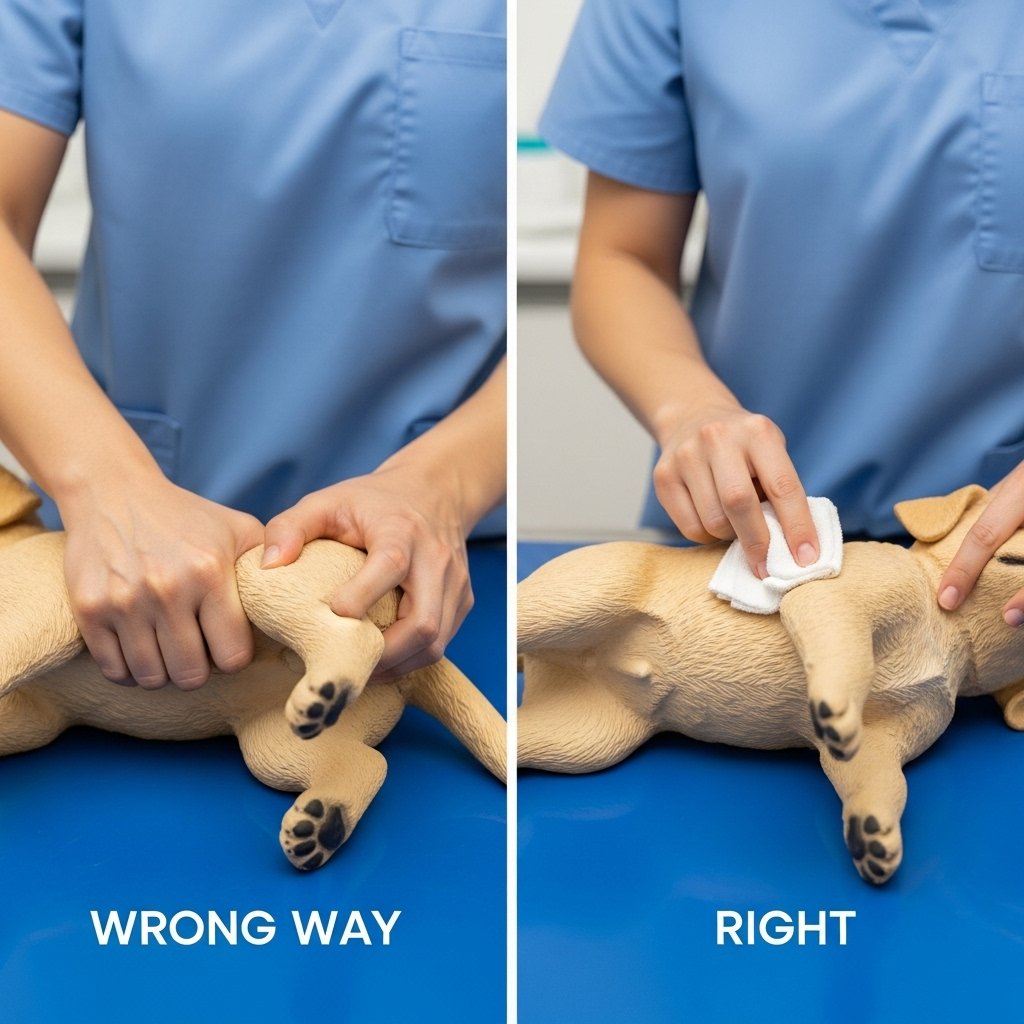
While the process is straightforward, several common errors can lead to skin irritation, inadequate elimination, or distress for the puppy. Avoiding these pitfalls is essential for their well-being.
Key Mistakes and How to Prevent Them:
- Rubbing Too Hard: The most frequent mistake is applying too much pressure. This can cause severe skin irritation, known as ‘scald,’ which is painful and can lead to infection. The pressure should be feather-light.
- Using Cold or Dry Materials: A cold, dry wipe is uncomfortable and less effective at triggering the reflex. Always use a material moistened with warm water to simulate the mother’s tongue.
- Inconsistent Schedule: Forgetting to stimulate the puppy before and after every feed can quickly lead to constipation and bladder distension. Set alarms on your phone to maintain a rigid 24/7 schedule.
- Stopping Too Soon: Some puppies take longer to respond. Do not give up after 10 seconds. Continue the gentle stimulation for at least a full minute to ensure the bladder is fully emptied. An incompletely emptied bladder can be a breeding ground for bacteria.
- Poor Hygiene: Failing to clean the puppy thoroughly after stimulation or not washing your hands can introduce harmful bacteria. Maintain a clean environment and practice meticulous hygiene.
By being mindful of these potential issues, you can ensure the process is always safe, comfortable, and effective for the developing puppy.
Transitioning to Independence: When to Stop Stimulating
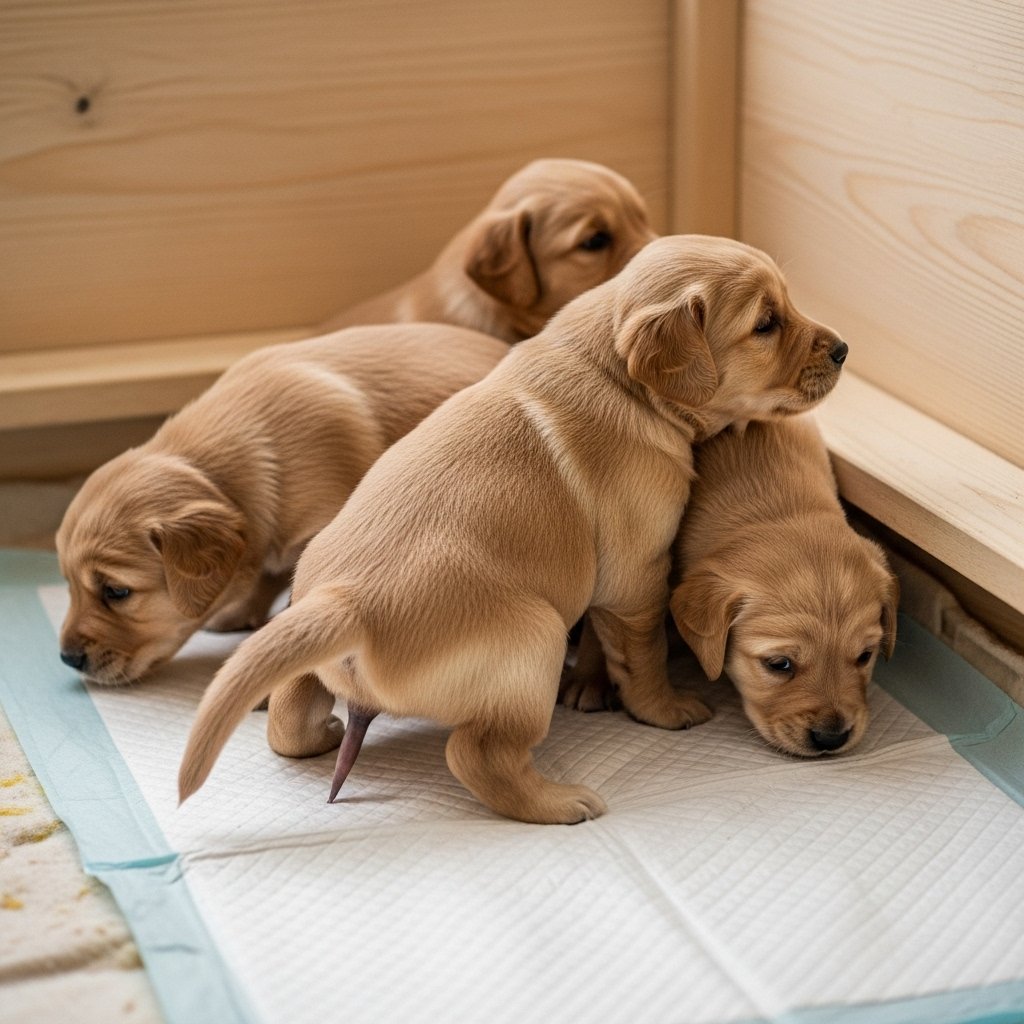
A major milestone in a puppy’s development is gaining independent control over their elimination. This transition typically begins around three weeks of age and is usually complete by the time they are four weeks old. Forcing stimulation beyond this point is unnecessary and can be confusing for the puppy.
Signs of Developing Control:
- Spontaneous Elimination: You will begin to find small wet or soiled spots in the nesting box, away from their primary sleeping area. This is the first sign they are starting to ‘go’ on their own.
- Restlessness After Waking: Puppies will start to wake up and move around purposefully, often crawling to a corner of the box to relieve themselves.
- Reduced Results from Stimulation: When you attempt to stimulate them, you may find they produce very little or nothing at all, because they have already emptied their bladder and bowels independently.
Once you observe these signs consistently, you can gradually phase out stimulation. You might start by only stimulating after feedings, then only a few times a day, and finally stopping altogether as they prove their independence. This is also the perfect time to introduce a litter pan or puppy pads to a section of their enclosure to begin the very early stages of house training.
Conclusion
Mastering the technique of stimulating elimination is a cornerstone of successful orphan puppy care. It is an intimate, life-sustaining act that builds a bond between you and the vulnerable animal in your charge. By understanding the underlying physiology, adhering to a strict schedule, using the correct gentle technique, and vigilantly monitoring for signs of trouble, you provide the essential function their mother would have. This diligent care during the first few critical weeks paves the way for a healthy, thriving puppy to grow and eventually control their own functions. Always remember that your veterinarian is your most important partner in this journey. Never hesitate to seek their guidance for any questions or concerns that arise.