Not Just for Cats: Why You Should Litter Train Your Small Dog (and How to Do It)
The concept of a litter box is almost universally associated with felines. However, this perception overlooks a highly practical, hygienic, and compassionate management tool for small canine companions. Litter training a small dog is not a replacement for outdoor walks and enrichment; rather, it is an intelligent supplement that provides immense benefits for both dog and owner. It offers a solution to the logistical challenges of urban living, the unpredictability of weather, the needs of special-needs dogs, and the demands of a modern, busy lifestyle.
As a canine behavior and nutrition consultant, I have guided countless owners in implementing this system, transforming their daily routines and enhancing their relationship with their dogs. This guide will dismantle the myths and provide a clear, authoritative framework for success. We will first explore the compelling reasons why an indoor potty system is a game-changer for small breeds. Then, we will proceed to a detailed, step-by-step protocol for teaching your dog to use a litter box reliably and confidently. Prepare to unlock a new level of convenience and peace of mind in your life with your small dog.
The ‘Why’: Compelling Reasons for an Indoor Potty Solution
The Unmatched Convenience for Urban Dwellers
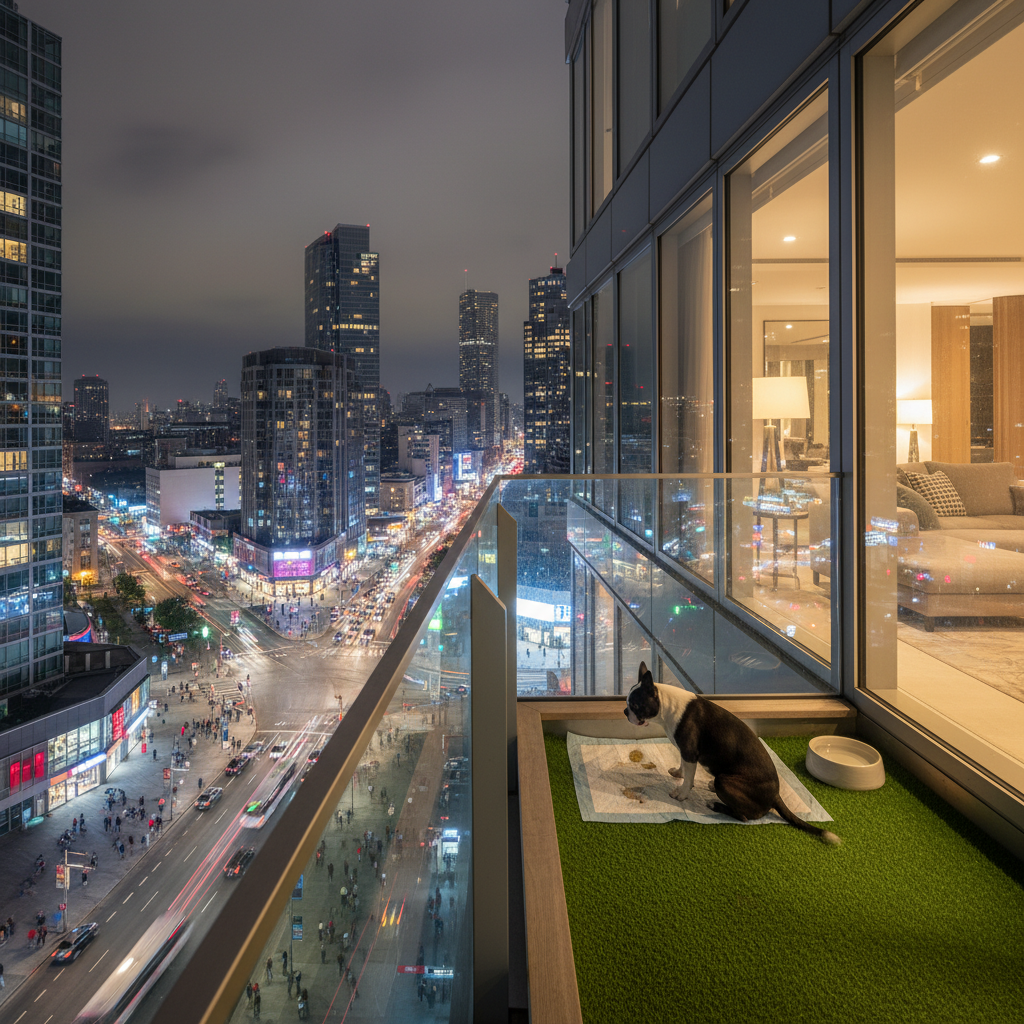
For those residing in high-rise apartments or condominiums, the simple act of taking a dog out for a potty break can be a significant undertaking. It involves elevator rides, navigating lobbies, and finding a suitable patch of grass in a concrete landscape. A middle-of-the-night emergency or an early morning urge for your dog can become a major disruption. An indoor litter box provides an immediate, accessible option, eliminating these frantic rushes. It grants a level of freedom and flexibility that is invaluable in an urban environment, ensuring your dog’s needs are met promptly without compromising your own schedule or security.
A Lifesaver During Inclement Weather
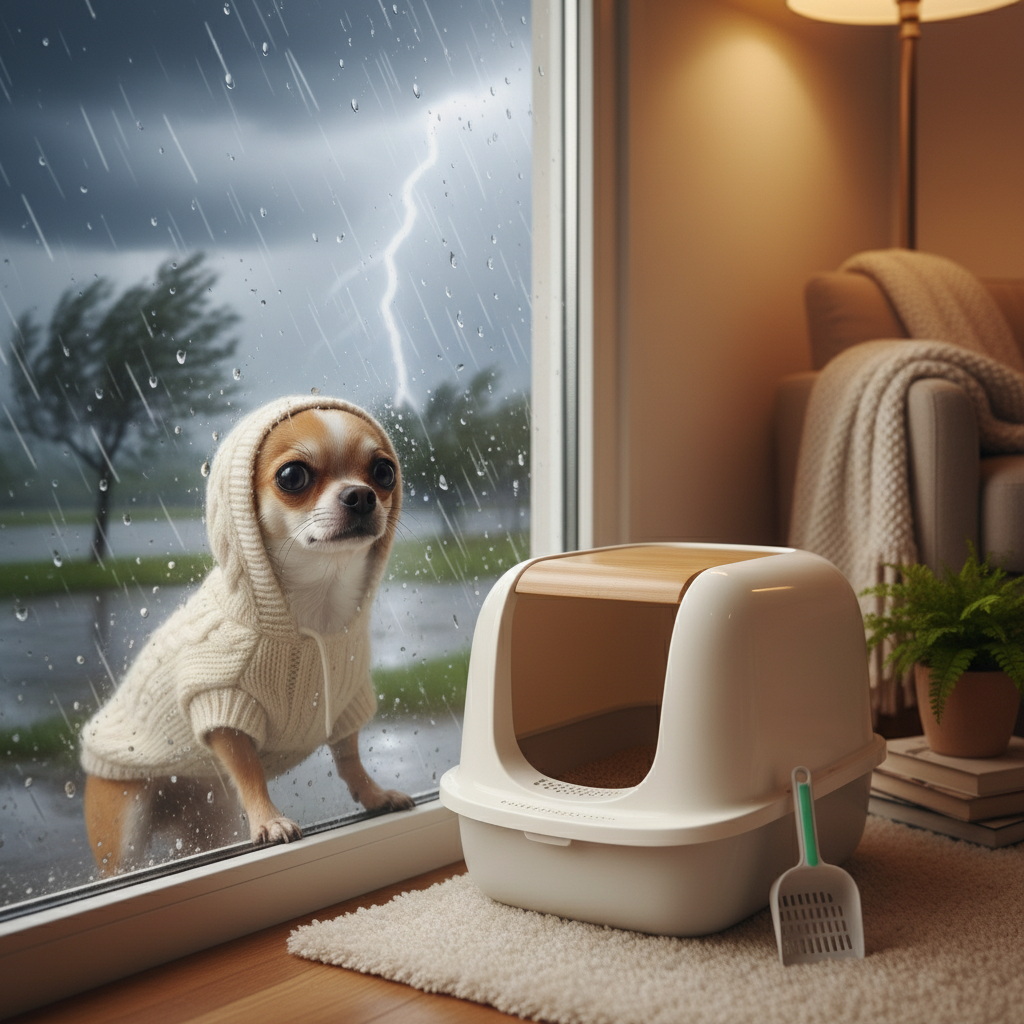
Extreme weather conditions—be it torrential rain, blizzard-level snow, or dangerous heatwaves—pose a challenge for even the most dedicated dog owner. Forcing a small dog, who is more susceptible to temperature extremes, out into such conditions can be uncomfortable and even unsafe. Many small breeds will actively resist going outside in bad weather, leading to accidents indoors. A litter box provides a safe, climate-controlled alternative. It ensures the dog can relieve itself without enduring distressing weather, and it keeps owners from having to brave the elements multiple times a day.
Essential Support for Senior Dogs and Special Needs
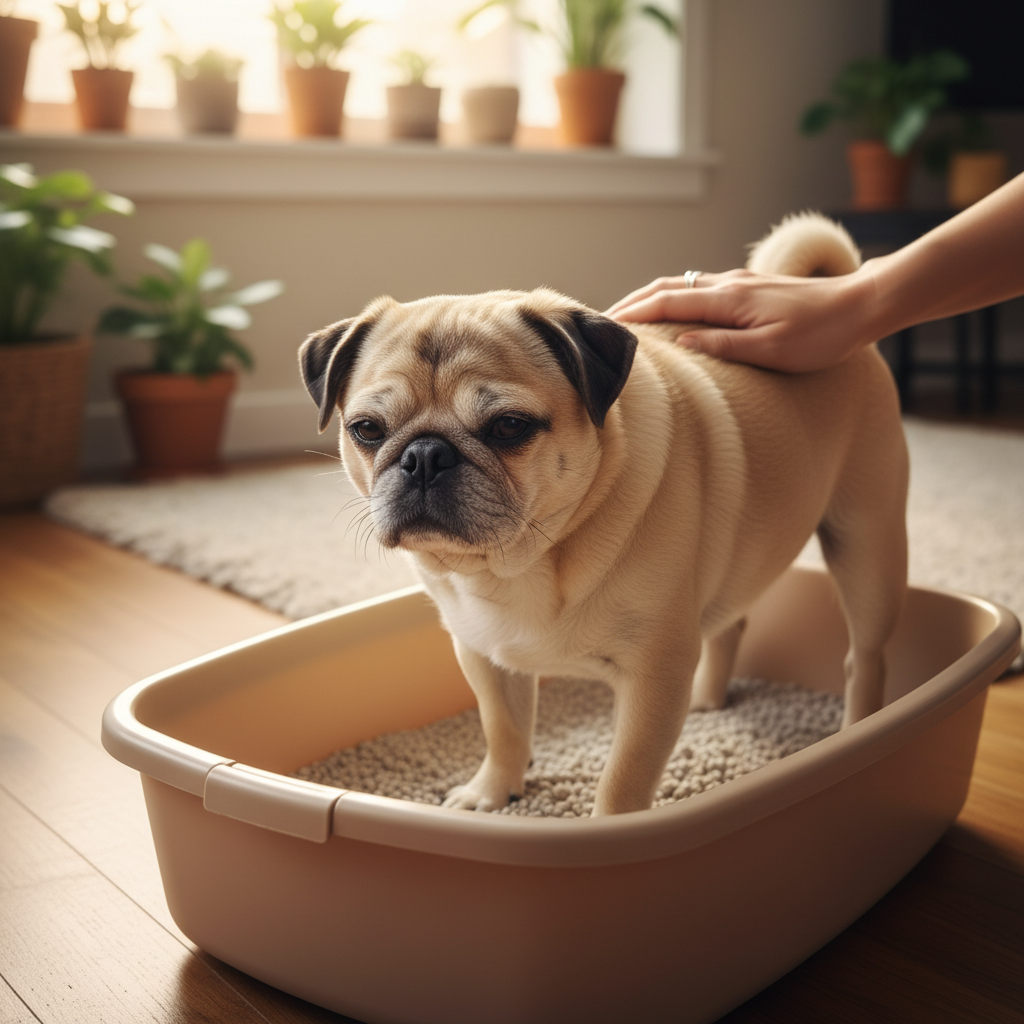
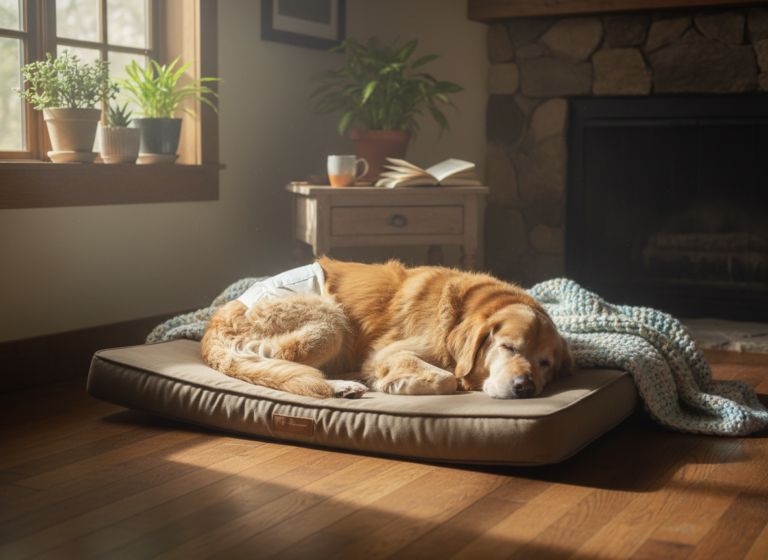
As dogs age, their physical capabilities change. Senior dogs often face mobility issues such as arthritis, making stairs and long walks painful. They may also experience decreased bladder control, leading to a more frequent need to urinate. For dogs recovering from surgery or injury, restricted movement is often a veterinary mandate. In these situations, an indoor potty is not just a convenience; it is a critical component of compassionate care. It reduces physical strain, prevents the distress associated with accidents, and allows the dog to maintain its dignity and comfort during vulnerable periods of its life.
A Reliable Backup for a Modern Lifestyle
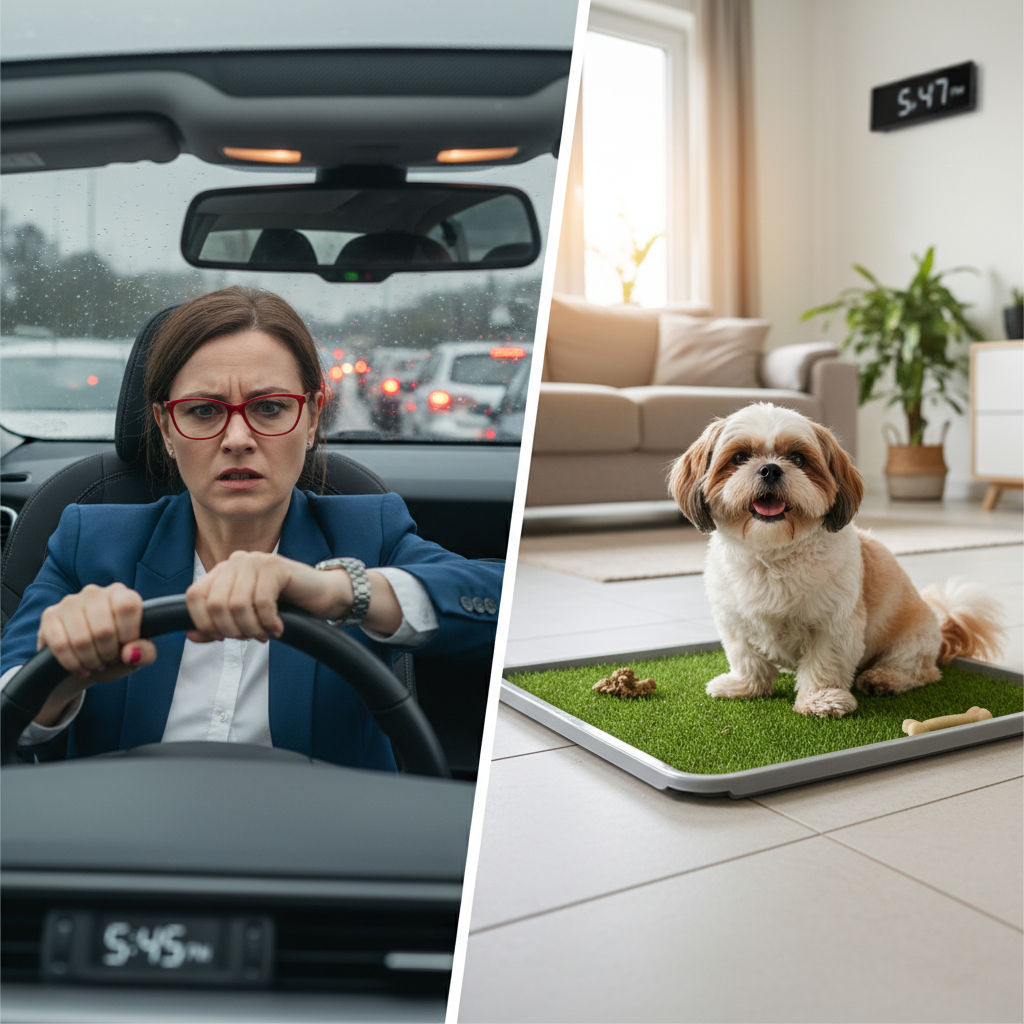
Life is often unpredictable. A meeting runs late, traffic is unexpectedly heavy, or a personal emergency arises. For a dog waiting at home, these delays can cause significant physical discomfort and anxiety. Providing an indoor potty option is a responsible way to plan for the unexpected. It gives your dog a legitimate place to go, preventing the stress of ‘holding it’ and the guilt you feel when you can’t make it home in time. It acts as a safety net, ensuring your dog’s welfare is always prioritized, even when your schedule is disrupted.
Assembling Your Litter Training Toolkit
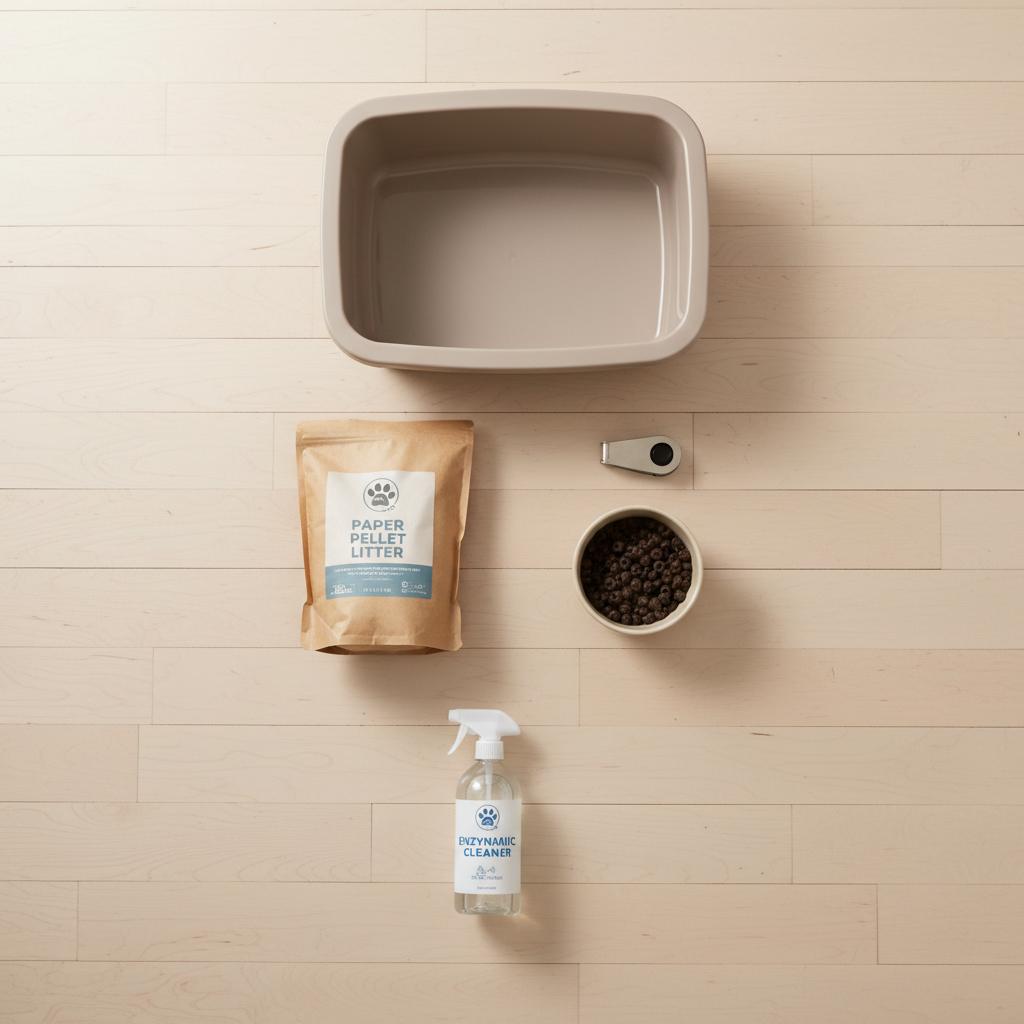
Success in any training endeavor begins with proper preparation. Before you begin, gather the essential supplies. The quality and appropriateness of your tools will directly impact the ease and speed of the training process. Do not compromise on these items, as they form the foundation of a positive learning experience for your dog.
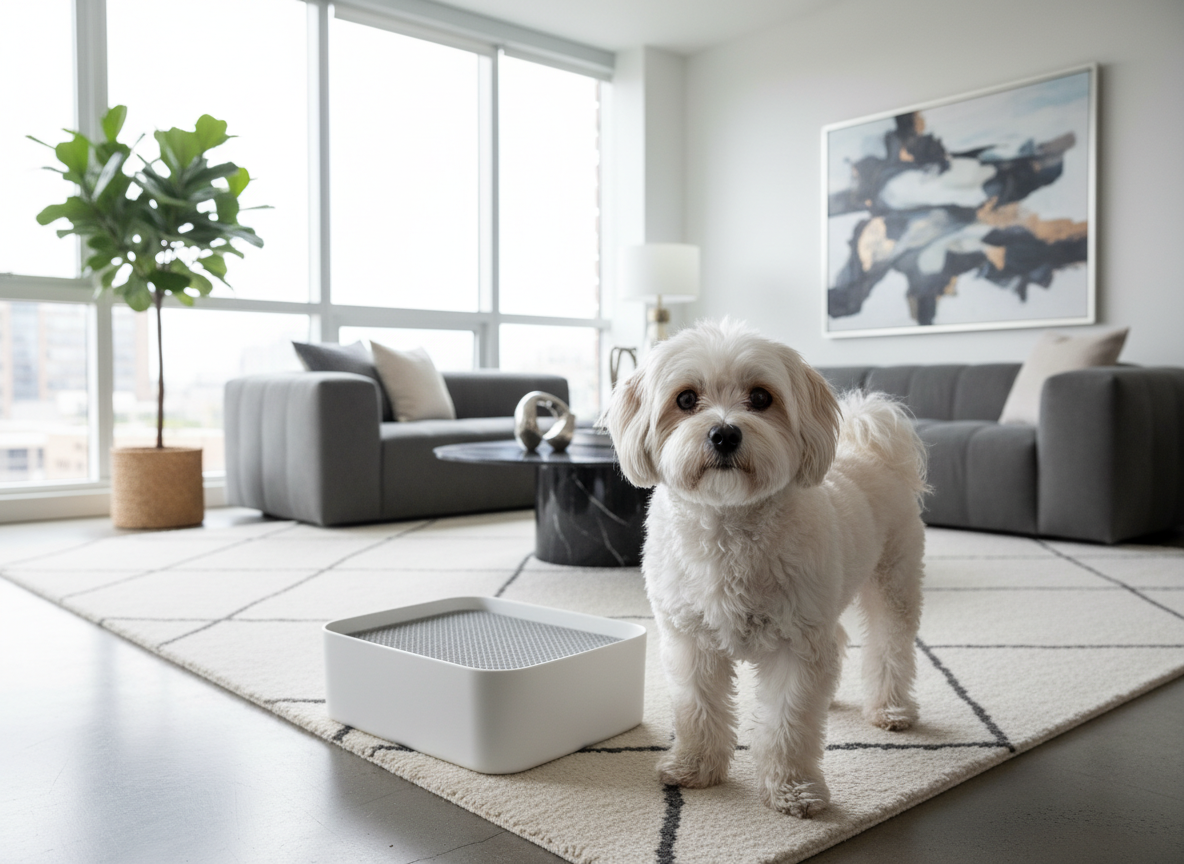
- A Dog-Specific Litter Box: Do not use a cat litter box. Look for a container with a very low entry point on at least one side to allow easy access for small legs and senior dogs. Options range from simple trays to grates that keep paws dry or even patches of synthetic grass.
- Appropriate ‘Litter’: Traditional clumping clay or silica cat litter is not safe for dogs, as they may ingest it. Opt for dog-safe materials. Excellent choices include pellets made from recycled paper, wood, or even alfalfa. Some systems use absorbent potty pads that fit within the tray.
- High-Value Training Treats: These should be small, soft, and exceptionally motivating for your dog. Think beyond their daily kibble. Small pieces of freeze-dried liver, chicken, or commercial training treats work well. The reward must be significant enough to create a strong positive association.
- Enzymatic Cleaner: Accidents will happen. A standard household cleaner is insufficient. You must use an enzymatic cleaner specifically designed to break down and eliminate the biological proteins in pet urine. Failure to do so will leave behind scent markers that encourage your dog to soil the same spot again.
The ‘How-To’: A Step-by-Step Professional Protocol
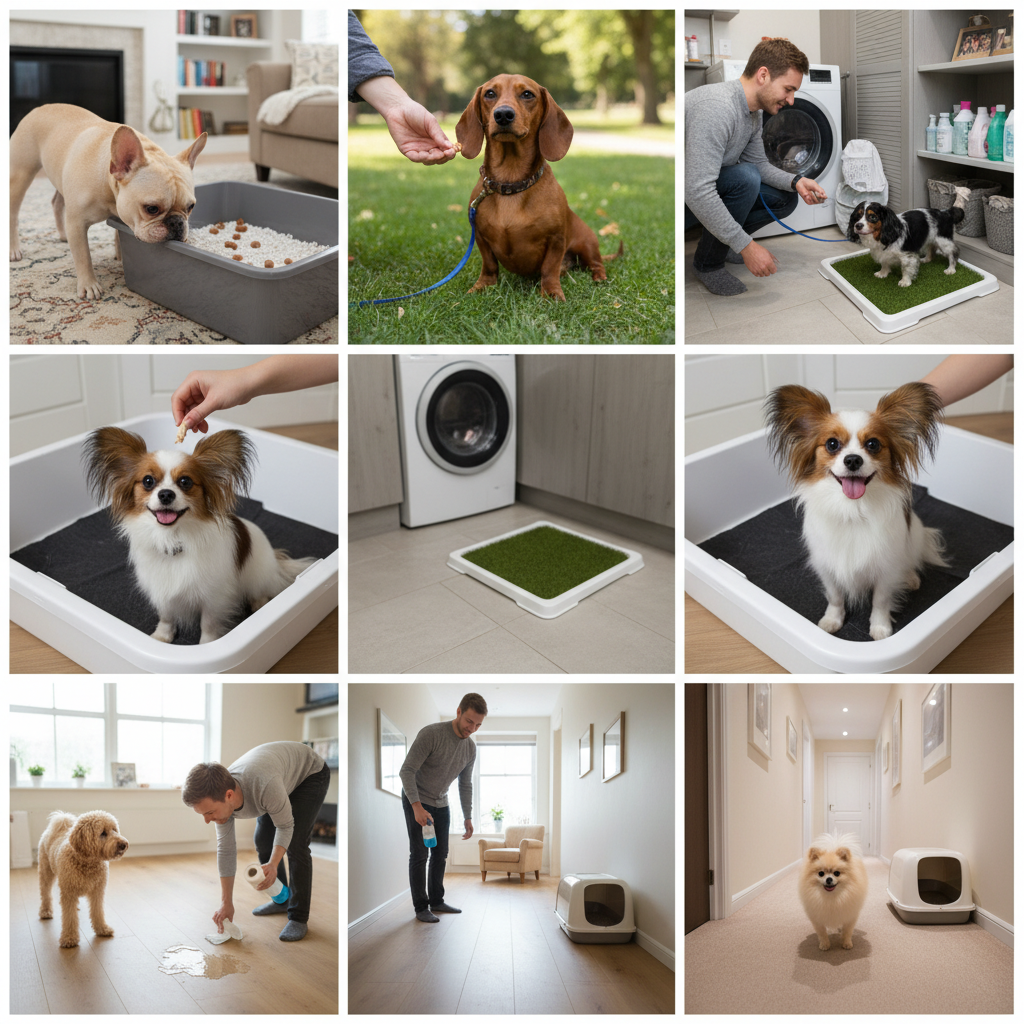
This training protocol is based on the principles of positive reinforcement and classical conditioning. It requires patience, consistency, and an understanding of canine behavior. Never use punishment or scolding during this process; doing so will create fear and anxiety, which are counterproductive to learning. The goal is to make the litter box a wonderful, safe, and rewarding place for your dog to relieve itself.
-
Step 1: Acclimation and Positive Association
Place the litter box in its permanent, desired location—ideally a quiet, low-traffic area. For the first day or two, simply let your dog investigate it at its own pace. Do not pressure the dog. Randomly toss high-value treats into the empty box for your dog to find. The objective is simple: teach your dog that approaching and entering the box makes good things happen. You can also feed your dog its meals near the box to build comfort with its presence.
-
Step 2: Establishing a Potty Cue
Choose a clear, concise verbal cue, such as ‘Go potty’ or ‘Do your business.’ Begin using this cue every time you take your dog outside to eliminate. As your dog starts to urinate or defecate, calmly repeat the cue. The moment it finishes, provide immediate praise and a high-value treat. This process links the verbal command with the physical act of elimination, a crucial step for directing the behavior later in training.
-
Step 3: Strategic Placement and Timing
Canine elimination patterns are predictable. The most likely times a small dog needs to go are: first thing in the morning, last thing at night, shortly after waking up from a nap, after a play session, and about 10-20 minutes after a meal. At these key moments, calmly lead your dog on a leash to the litter box. Stand still and give your established potty cue.
-
Step 4: Mastery of Positive Reinforcement
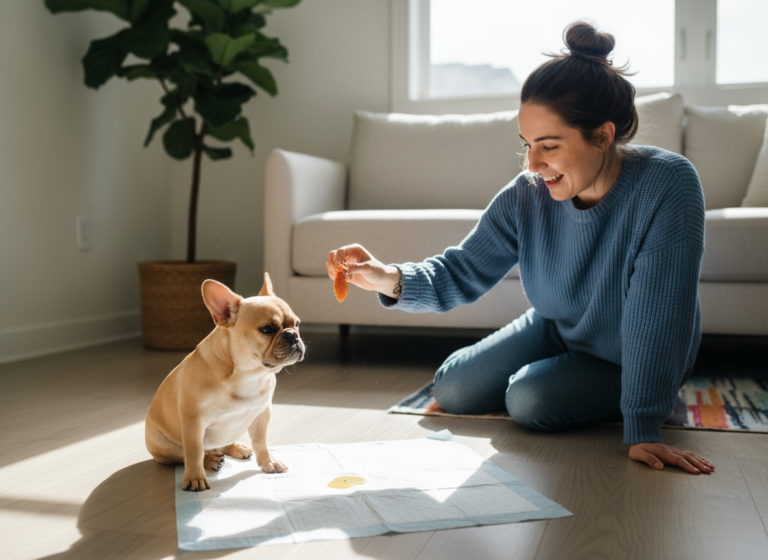
This is the most critical step. The moment your dog eliminates in the litter box—even a small amount—erupt in quiet, enthusiastic praise (‘Yes! Good potty!’) and immediately deliver a high-value treat. The reward must be instantaneous to be effective. It must clearly communicate that eliminating in this specific spot is the most wonderful thing it could have done. Do not delay the reward by even a few seconds.
-
Step 5: Managing Accidents with Professionalism
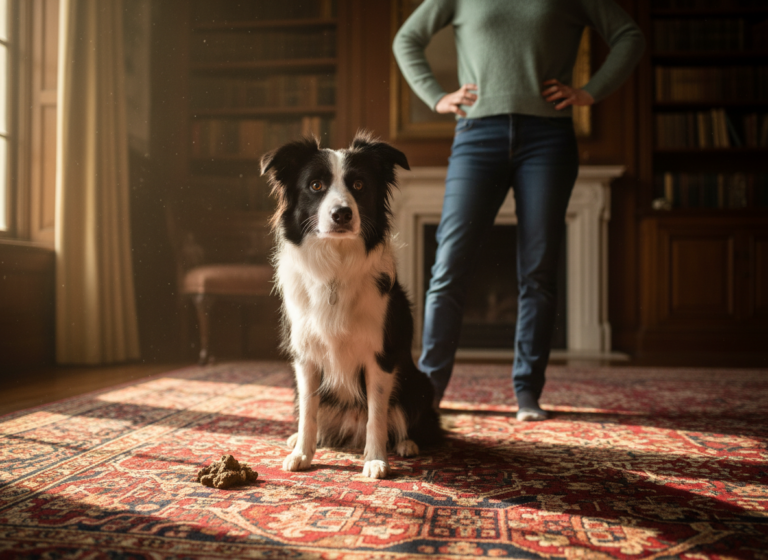
When an accident occurs, do not scold, yell, or push your dog’s nose in it. This will only teach your dog to fear you and to hide from you when it needs to eliminate. If you catch your dog in the act, make a calm sound to interrupt them, like a soft clap, and immediately escort them to the litter box. If they finish in the box, reward them. If you find the accident later, simply clean it up thoroughly with the enzymatic cleaner and review your management. An accident indicates you missed the dog’s signals or did not take them to the box in time.
-
Step 6: Fading the Leash and Granting Independence
Once your dog is reliably using the box when you lead it there on leash, you can begin to fade your direct involvement. At a time you know it needs to go, walk with it towards the box but stop a few feet away, encouraging it to go the rest of the way on its own. When it uses the box successfully, praise and reward. Gradually increase the distance until the dog is seeking out the box independently when it feels the urge.
Troubleshooting Common Challenges
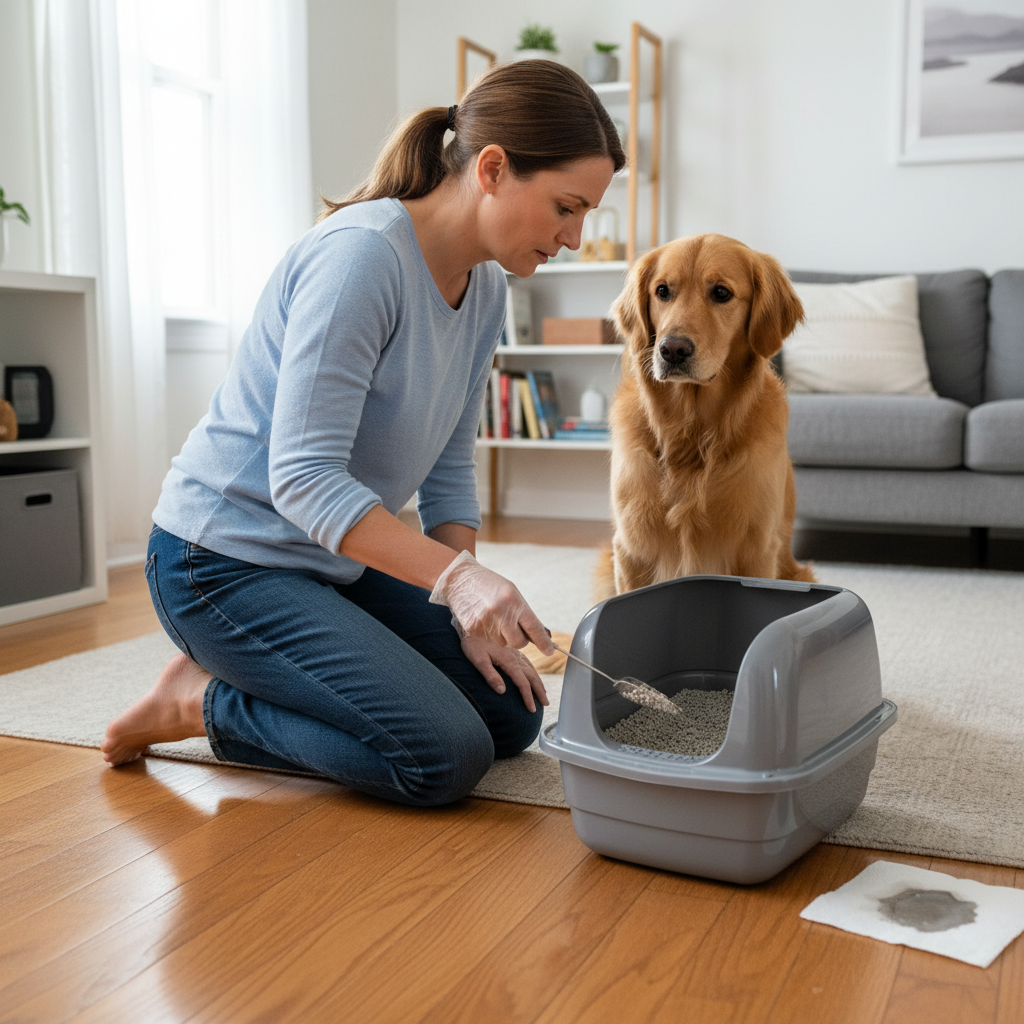
Even with a perfect plan, you may encounter bumps in the road. Here is how to address the most common issues with a calm, problem-solving approach.
My dog plays or sleeps in the litter box.
This indicates that the positive association is strong, but the purpose is misunderstood. It also means the box is not being perceived as a toilet. Ensure the dog has a much more comfortable, designated bed elsewhere. If the behavior persists, you may need to make the box ‘less fun.’ Remove any toys from the area. Only reward the dog for elimination, not for simply being in the box. If it lies down, calmly encourage it to get out and redirect it to its actual bed.
My dog will urinate but not defecate in the box.
This is a common issue. Many dogs have strong substrate preferences for defecation and a natural instinct to go farther away from their ‘den.’ Continue to reward urination in the box heavily. For defecation, you may need to capture the behavior. If you notice your dog posturing to defecate elsewhere, calmly interrupt and quickly move it to the box. If it finishes there, provide a ‘jackpot’ reward—multiple high-value treats. You can also try placing a piece of its feces in the box to provide a scent cue.
My dog suddenly stopped using the box.
This is called regression and it almost always has a cause. First, rule out any medical issues. A urinary tract infection can cause sudden changes in potty habits; a visit to the veterinarian is warranted. Second, assess for environmental changes. Was the box moved? Did you change the type of litter? Is there a new source of stress in the house? Finally, review your cleaning protocol. If the box is not kept meticulously clean, a dog will refuse to use it. A deep clean and a return to the basics of training are often required.
Conclusion
Litter training a small dog is a testament to an owner’s commitment to providing comprehensive, adaptable care. It is a practical strategy that addresses real-world challenges, from the constraints of apartment living to the special needs of a beloved senior pet. By viewing it not as an unusual practice but as a sophisticated management tool, you can significantly improve your dog’s quality of life and simplify your own. The process requires consistency and a foundation of positive reinforcement, but the rewards are profound. Ultimately, this training endeavor strengthens the bond between you and your dog, built on a mutual understanding of needs and a shared environment of comfort, cleanliness, and trust.