
Myth Buster: A Wagging Tail Doesn’t Always Mean A Happy Dog
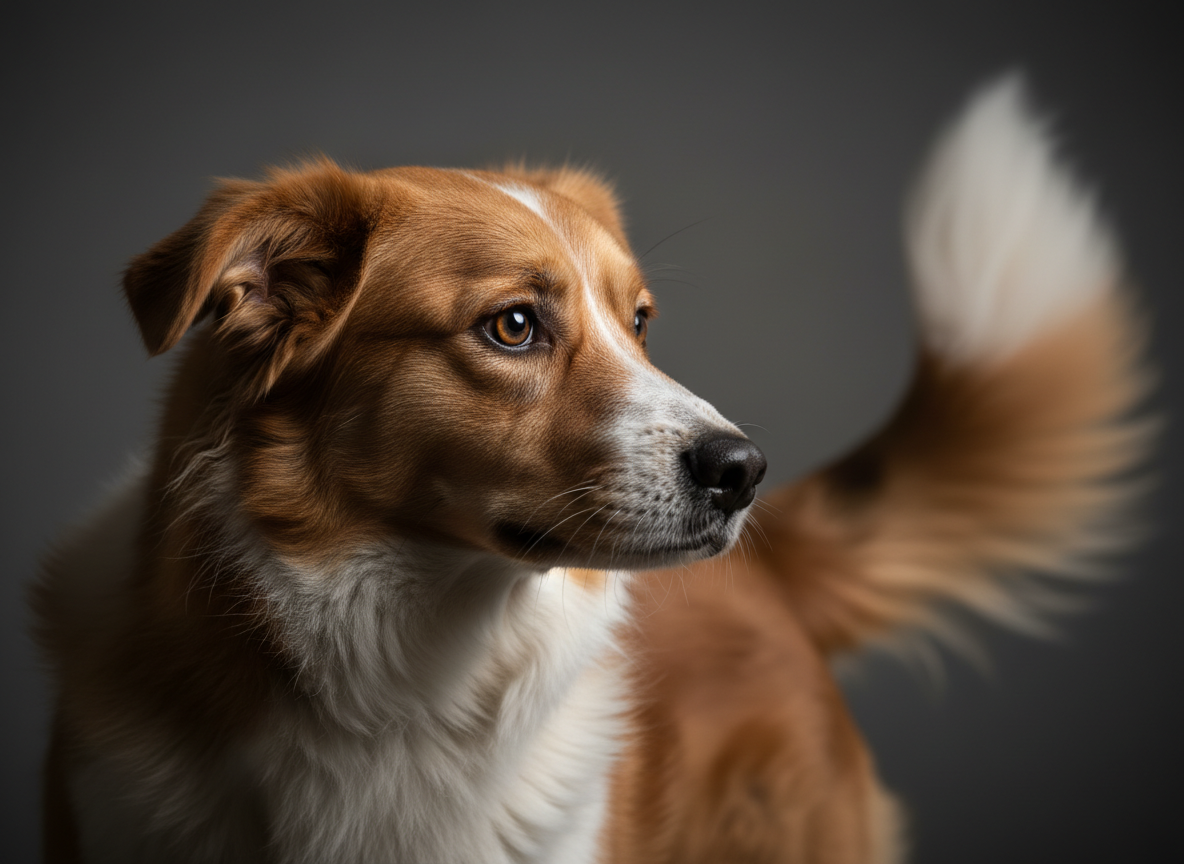
For generations, the image of a dog with a vigorously wagging tail has been the universal symbol of pure, unadulterated joy. It’s a comforting and widely accepted belief among pet owners and dog lovers alike. However, as canine behavior specialists, we must address a critical and often misunderstood fact: a wagging tail does not always mean a happy dog. This common misinterpretation can lead to confusion, miscommunication, and in some cases, unsafe interactions.
The tail is one of the most expressive parts of a dog’s body, but it is just one component of a complex communication system. Its movement is a nuanced indicator of emotional arousal, not necessarily positive emotion. A wagging tail can signify excitement, anxiety, fear, or even a warning of impending aggression. Understanding the subtle differences in the ‘wag-cabulary’ is essential for any responsible pet owner.
This comprehensive guide will deconstruct the myth of the perpetually happy wag. We will explore the science behind tail mechanics, teach you how to decode different types of wags, and show you how to read your dog’s entire body to grasp their true feelings. By the end of this article, you will be equipped with the knowledge to move beyond simplistic assumptions and build a deeper, more intuitive bond with your canine companion.
The Science Behind the Wag: More Than Just Emotion
The Science Behind the Wag: More Than Just Emotion
Before we can interpret the language of the tail, it’s crucial to understand its fundamental purpose and mechanics. A dog’s tail is an extension of its spine, composed of vertebrae, muscles, and nerves that allow for a remarkable range of motion. While its primary evolutionary function was to aid in balance during high-speed chases and agile maneuvers, it has evolved into a sophisticated tool for social signaling.
Brain Hemispheres and Wag Direction
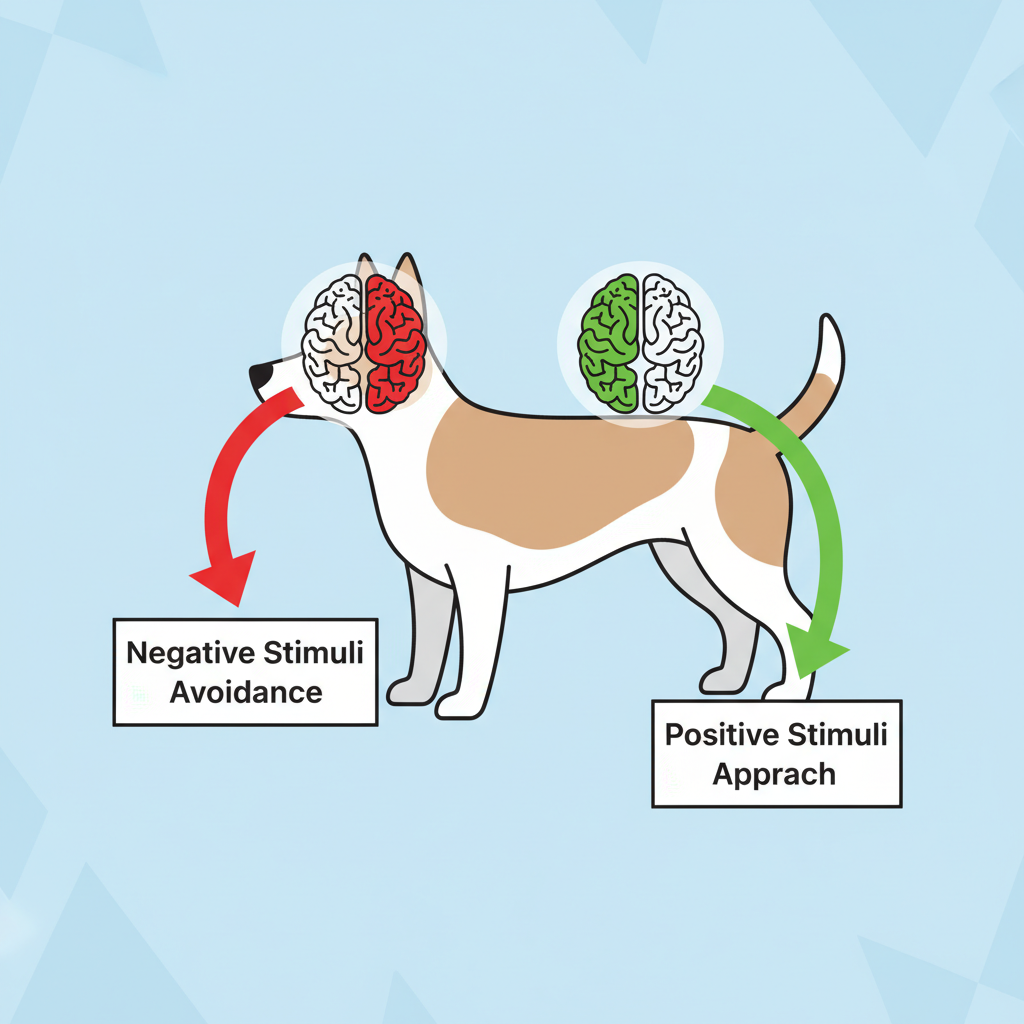
Fascinating research in canine cognition has revealed a direct link between a dog’s brain activity and the direction of its tail wag. This phenomenon, known as asymmetrical tail-wagging, provides a scientific basis for interpreting these movements:
- Wagging More to the Right: Studies have shown that a wag biased toward the dog’s right side is associated with positive emotions and stimuli. When a dog sees its owner or something it perceives as friendly, the left hemisphere of its brain is more active, which controls the right side of the body. This results in a tail wag that is stronger and broader on the right.
- Wagging More to the Left: Conversely, a wag biased toward the dog’s left side is linked to negative or withdrawal-associated emotions. When faced with a potential threat, such as an unfamiliar, dominant dog, the right hemisphere of the brain is activated. This controls the left side of the body, producing a wag that is more pronounced to the left.
This is not just an academic observation. Other dogs instinctively pick up on these subtle cues. A 2013 study published in Current Biology found that dogs shown videos of other dogs wagging to the right remained relaxed, while those who saw dogs wagging to the left showed signs of anxiety and increased heart rates. This underscores that the tail wag is a potent and hardwired form of canine communication, intended to convey critical information to others.
Expert Tip: While the left/right wag bias is a valuable clue, it can be subtle. Do not rely on it as the sole indicator of a dog’s mood. It is most effective when considered as part of a holistic assessment of the dog’s overall body language.
The ‘Wag-cabulary’: Translating Tail Positions and Speeds
The ‘Wag-cabulary’: Translating Tail Positions and Speeds
A dog’s ‘wag-cabulary’ is rich and varied, with the height, speed, and breadth of the motion each adding a layer of meaning. To become fluent in this language, you must learn to observe and interpret these combinations. Think of the tail’s neutral, natural position as the baseline; any deviation from this is a form of communication.
Here is a breakdown of common tail signals:
| Wag Type | Description of Motion | Likely Emotional State |
|---|---|---|
| The Broad, Sweeping Wag | A relaxed, full-body wag that may cause the hips to wiggle. The tail is often at or slightly below the level of the back. | Happiness, friendliness, relaxation. This is the classic ‘happy wag’. |
| The High, Stiff Wag | The tail is held high, often perpendicular to the spine, and moves back and forth in stiff, rapid movements. | Arousal, assertiveness, dominance, or a potential threat. This is a warning sign to proceed with caution. |
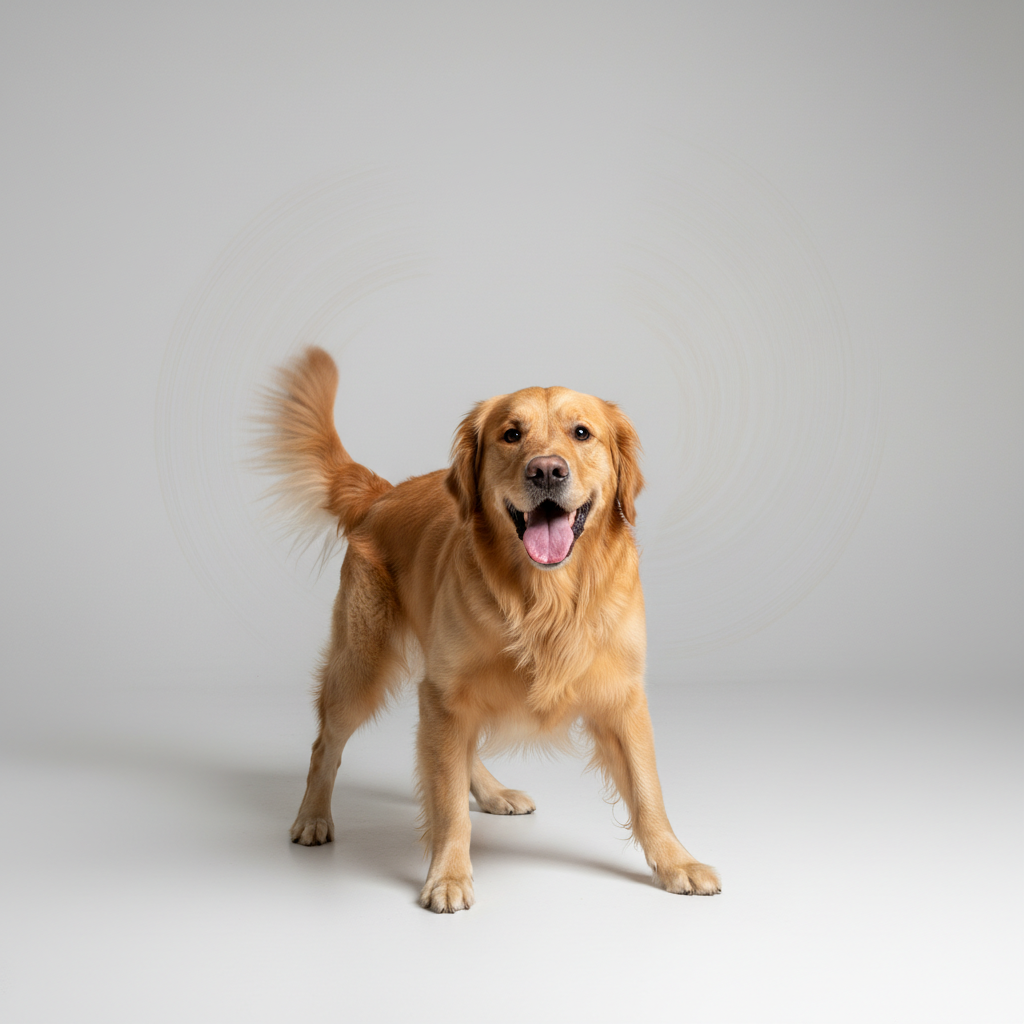
| The ‘Helicopter’ Wag | A broad, enthusiastic wag that moves in a full circular motion. | Extreme excitement and happiness. Often seen when greeting a beloved family member. |
| The Low, Slow Wag– | The tail is held below the spine and sweeps slowly from side to side. It may be partially tucked. | Insecurity, anxiety, appeasement, or submission. The dog is feeling uncertain or worried. |
| The Fast, Twitchy Wag | Very small, high-frequency vibrations or twitches at the tip of a high-held tail. | Intense arousal and pent-up energy. The dog is on high alert and may be about to act (e.g., chase, fight, or flee). |
| The Tucked Tail | The tail is held tight against the body, often covering the genitals. It may have a slight, nervous quiver. | Fear, stress, or extreme submission. The dog is trying to appear smaller and non-threatening. |
It is also important to consider the breed of the dog. A Greyhound’s natural tail carriage is low, while a Pug’s is curled tightly over its back. You must first understand what is ‘normal’ for a particular dog before you can accurately interpret its signals. A Beagle holding its tail straight up is a sign of confidence, whereas the same posture in a German Shepherd could be a serious warning.
Beyond the Tail: A Head-to-Paw Guide to Canine Communication
Beyond the Tail: A Head-to-Paw Guide to Canine Communication
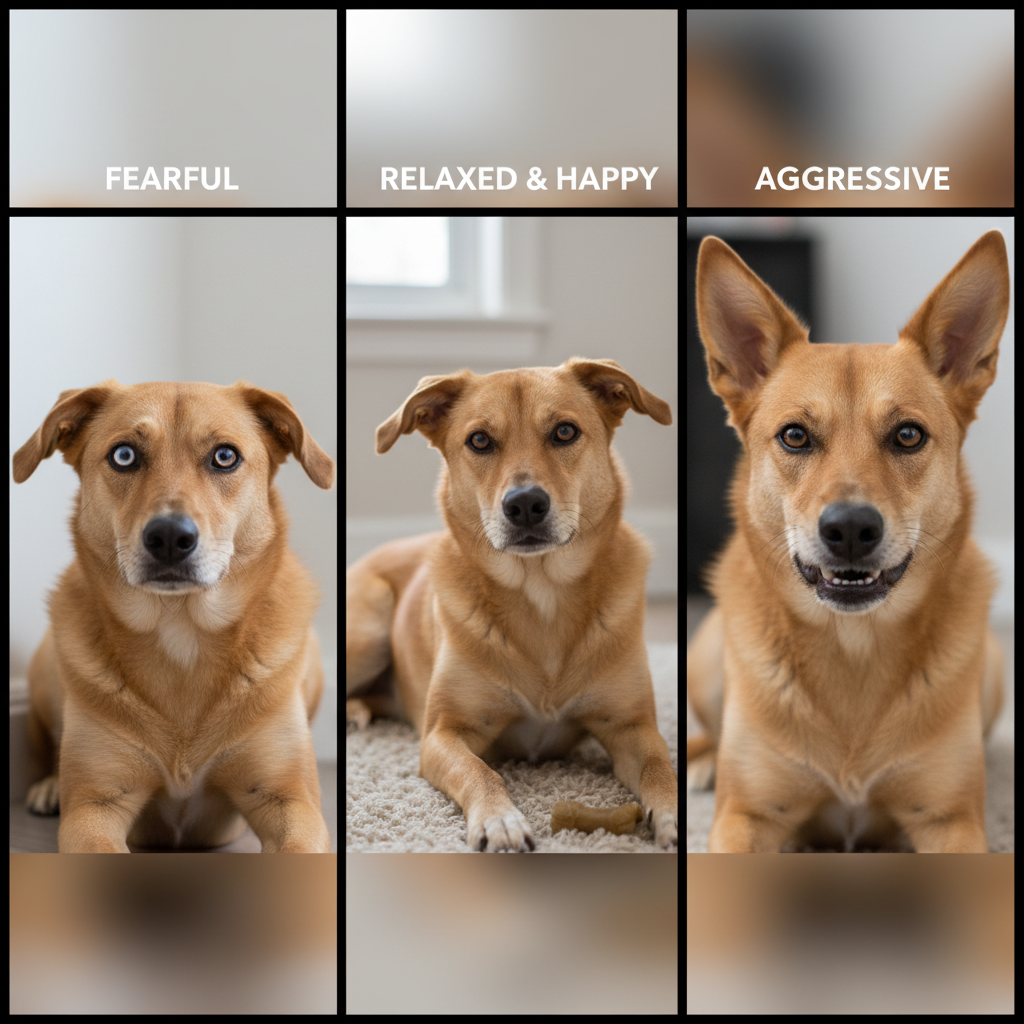
A dog’s tail never communicates in a vacuum. To truly understand what a dog is feeling, you must become an expert in holistic observation, reading the entire symphony of signals the dog is sending. Focusing solely on the tail is like reading a single word in a sentence; you miss the entire context. Pay close attention to these other key areas:
Facial Expressions
- Eyes: A relaxed dog will have soft, almond-shaped eyes with a gentle gaze. A hard, direct stare indicates a challenge or threat. Conversely, showing the whites of the eyes (known as ‘whale eye’) is a significant sign of stress and anxiety.
- Mouth: A slightly open, relaxed mouth with light panting is a sign of contentment. A closed, tense mouth, pulled-back lips (a ‘submissive grin’), lip licking, or excessive yawning are all indicators of stress. A lip curl that exposes the teeth is an unmistakable warning.
- Ears: Ear position is highly indicative of mood. Forward-facing, relaxed ears show engagement and interest. Ears pinned flat against the head signal fear or submission. Ears that are pricked forward and tense indicate high alert and arousal.
Body Posture and Tension
- Weight Distribution: A confident dog stands tall with its weight evenly distributed. A fearful dog will often lower its body and shift its weight backward, as if ready to flee. An offensively aggressive dog will shift its weight forward, preparing to lunge.
- Body Stiffness: A relaxed dog has a loose, fluid posture. A dog that suddenly becomes rigid and still is communicating intense focus or anxiety. This ‘freeze’ is often a precursor to an aggressive act.
- Piloerection (Raised Hackles): When the fur along a dog’s spine stands on end, it is an involuntary reaction to arousal. It can be caused by fear, excitement, or aggression. It is the canine equivalent of goosebumps and means the dog’s emotional state is heightened.
When you see a high, stiffly wagging tail combined with a hard stare, a closed mouth, and a forward-leaning, rigid posture, you are not looking at a happy dog. You are looking at a dog that is highly aroused and potentially dangerous. Conversely, a broad, sweeping wag paired with a wiggly body, soft eyes, and a relaxed mouth is a clear signal of a friendly and approachable animal.
Case Studies: When a Wagging Tail is a Warning Sign

Case Studies: When a Wagging Tail is a Warning Sign
Applying this knowledge to real-world scenarios is key to preventing negative interactions. A wagging tail in a stressful context should always be treated as a signal for caution, not an invitation to approach. Here are common situations where a wagging tail can be misleading and dangerous.
Resource Guarding
A dog is chewing a high-value bone. As you approach, its body stiffens, it gives you a hard stare, and its tail begins to wag in a high, stiff, rapid motion. This is not a happy wag. The dog is aroused and anxious about its resource. The wag is a signal of conflict and a clear warning: ‘This is mine. Do not come closer.’ Ignoring these combined signals and reaching for the bone is a common cause of household dog bites.
Fear and Anxiety at the Vet
At the veterinary clinic, a dog may stand with its body low, licking its lips and showing whale eye. At the same time, its tail might be giving low, slow wags. This dog is not comfortable or happy. It is displaying appeasement and anxiety signals. The low wag is its way of saying, ‘I am not a threat, please do not harm me.’ Forcing interaction or pushing the dog past its comfort threshold could result in a fear-based bite.
Leash Reactivity
On a walk, a dog sees another dog approaching. It freezes, its body becomes rigid, and it begins a high, fast, ‘flagging’ tail wag. This is a sign of extreme arousal and reactivity. The dog is overstimulated and uncertain, and the wag indicates its readiness for a confrontation. This is not a ‘come play with me’ signal; it’s a ‘prepare for action’ signal. The owner should immediately create distance to de-escalate the situation.
Safety Mandate: Never assume a dog is friendly based on its tail wag alone, especially if it is a dog you do not know. Always look for congruent body language—a relaxed body, soft eyes, and a friendly face—before initiating contact. Teach children this rule explicitly to prevent bites.
Conclusion
Conclusion: Becoming a Canine Communication Expert
The belief that a wagging tail is a simple sign of happiness is a myth that, while charming, oversimplifies the rich and complex world of canine communication. As we have explored, a dog’s tail is a sophisticated signaling device, capable of conveying a wide spectrum of emotions from ecstatic joy to profound fear and imminent aggression.
True understanding comes not from isolating one signal, but from observing the entire animal. By learning to read the nuances of the ‘wag-cabulary’ in concert with facial expressions, body posture, and environmental context, you elevate your relationship with your dog from one of simple ownership to one of deep, mutual understanding. This knowledge is the foundation of effective training, a stronger bond, and, most importantly, a safer environment for both humans and dogs.
We encourage you to become a more mindful observer of your dog and the dogs you meet. Challenge the old assumptions and trust the full story their body language tells you. In doing so, you will not only prevent misunderstandings but also unlock a more profound appreciation for the incredible communicative abilities of our canine companions.