
My Dog Ate Chocolate: When to Panic vs. When to Watch

The sight of a half-eaten chocolate bar and a guilt-ridden dog can send any pet owner into a spiral of panic. It’s a common household emergency, but the outcome can vary dramatically depending on several key factors. While chocolate is indeed toxic to dogs, not every instance is a life-threatening crisis. The critical question is knowing the difference: when is it a situation you can monitor at home, and when do you need to rush to an emergency veterinarian?
This guide provides a clear, authoritative framework for assessing the situation. We will delve into the science behind chocolate toxicity, explore the different types of chocolate and their corresponding risk levels, and outline the precise symptoms to watch for. Most importantly, you will learn the immediate steps to take and the definitive signs that indicate a need for professional veterinary intervention. Our goal is to empower you with the knowledge to act swiftly and appropriately, ensuring the best possible outcome for your canine companion.
The Science of Toxicity: Why Chocolate is Dangerous for Dogs
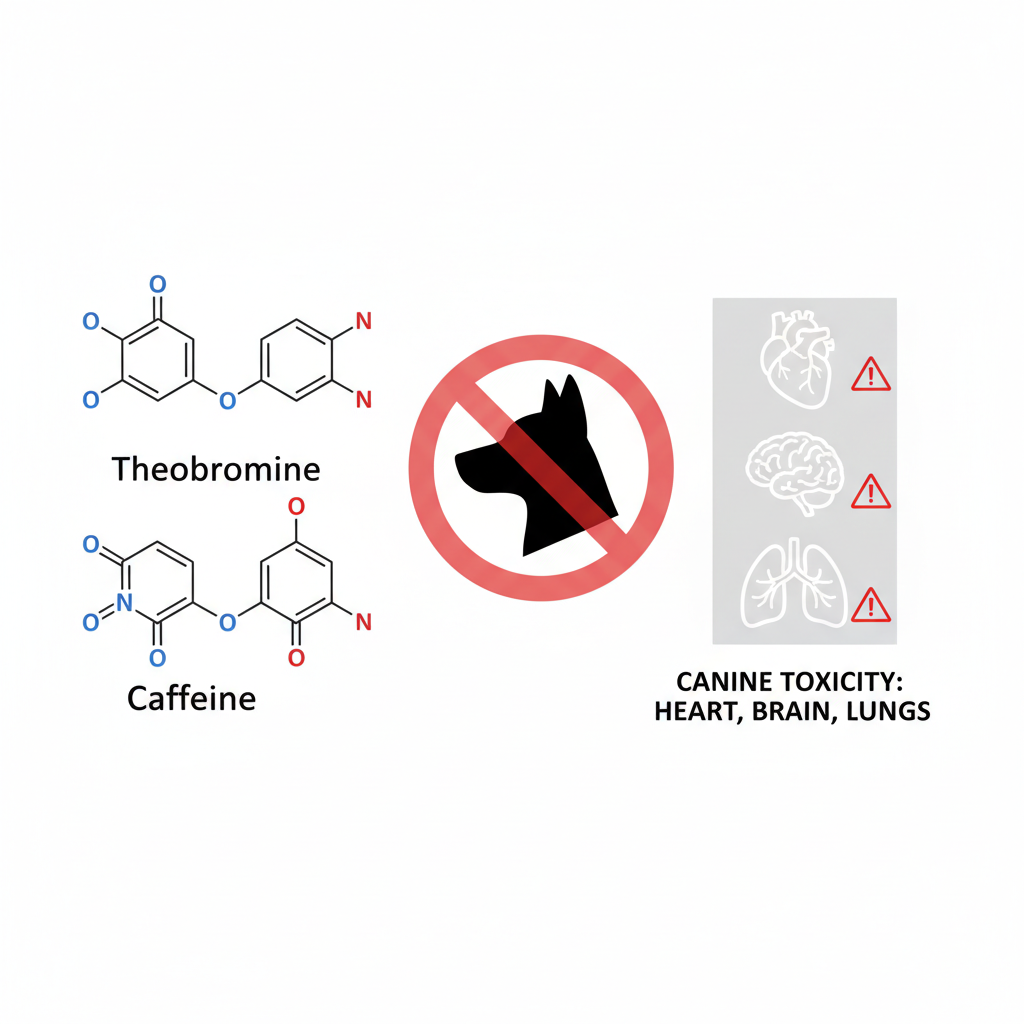
To understand the risk, we must first understand the mechanism of toxicity. The primary culprits in chocolate are two related chemical compounds from the methylxanthine family: theobromine and caffeine. While humans can metabolize these substances efficiently, dogs process them much more slowly. This slow metabolism allows the compounds to build up to toxic levels in their system, leading to a range of serious health problems.
The Role of Theobromine and Caffeine
Theobromine is the main toxic component in chocolate for dogs. It acts as a potent stimulant, primarily affecting the central nervous system, cardiovascular system, and respiratory system. It also has a diuretic effect, increasing the loss of body fluids.
- Central Nervous System (CNS): In moderate doses, theobromine causes restlessness, hyperactivity, and agitation. In severe cases, it can lead to muscle tremors, seizures, and coma.
- Cardiovascular System: The compound causes a significant increase in heart rate (tachycardia) and can induce abnormal heart rhythms (arrhythmias). This places immense strain on the heart muscle.
- Respiratory System: It can cause rapid breathing (tachypnea).
Caffeine, while present in smaller amounts, exacerbates the effects of theobromine. It shares a similar stimulatory effect on the nervous and cardiovascular systems. The combined impact of these two substances is what makes chocolate ingestion a serious medical concern for dogs.
Expert Insight: The half-life of theobromine in dogs is approximately 17.5 hours. This means it takes a long time for the dog’s body to eliminate just half of the ingested toxin, allowing its effects to persist and potentially worsen over time without intervention.
Toxicity Levels: Not All Chocolate is Created Equal

The most critical factor in determining the severity of a chocolate ingestion incident is the type of chocolate consumed. The concentration of theobromine varies dramatically across different chocolate products. The general rule is: the darker and more bitter the chocolate, the more dangerous it is.
Understanding these differences is key to assessing the immediate risk. A large dog eating a small amount of milk chocolate may experience mild upset, while a small dog eating a tiny amount of baking chocolate could be facing a life-threatening emergency. Below is a detailed comparison of common chocolate types and their relative toxicity.
| Type of Chocolate | Theobromine Content (mg per ounce) | Level of Danger |
|---|---|---|
| White Chocolate | ~0.25 mg | Very Low (High fat content can still cause pancreatitis) |
| Milk Chocolate | ~44-60 mg | Low to Moderate |
| Semi-Sweet / Dark Chocolate | ~150-160 mg | Moderate to High |
| Unsweetened Baking Chocolate | ~390-450 mg | Very High / Extreme |
| Cocoa Powder (Dry) | ~400-737 mg | Very High / Extreme |
Calculating the Toxic Dose
Veterinarians use a dog’s body weight to calculate the toxic dose. While individual sensitivity can vary, general guidelines are as follows:
- Mild Symptoms: Can occur at doses around 9 mg of theobromine per pound of body weight (20 mg/kg).
- Severe Symptoms: Cardiac arrhythmias and tremors can be seen at doses of 18-22 mg per pound (40-50 mg/kg).
- Seizures & Fatalities: Can occur at doses exceeding 27 mg per pound (60 mg/kg).
For example, for a 20-pound dog, just one ounce of baking chocolate (approx. 390 mg theobromine) would deliver a dose of 19.5 mg/lb, putting the dog well into the severe symptom range. In contrast, it would take nearly 8 ounces of milk chocolate to reach that same level of toxicity.
Clinical Signs: Recognizing the Symptoms of Chocolate Poisoning

Symptoms of chocolate poisoning typically appear within 6 to 12 hours of ingestion and can last for up to 72 hours due to the slow metabolism of theobromine. It is crucial to monitor your dog closely during this window. The signs can range from mild gastrointestinal upset to severe neurological and cardiac emergencies.
Early Stage Symptoms (Mild to Moderate Toxicity)
These are often the first signs that a problem is developing. If you observe any of these, it is essential to remain vigilant and contact your veterinarian for guidance.
- Vomiting
- Diarrhea
- Increased thirst (polydipsia)
- Increased urination (polyuria)
- Restlessness and hyperactivity
- Panting
Advanced Stage Symptoms (Severe Toxicity)
The appearance of these symptoms indicates a serious, life-threatening situation that requires immediate emergency veterinary care. Do not wait for these signs to worsen.
- Severe hyperactivity or agitation
- Muscle tremors or twitching
- Elevated heart rate (tachycardia)
- Abnormal heart rhythms (arrhythmias)
- High body temperature (hyperthermia)
- Seizures
- Collapse
- Coma
Another potential complication, especially from chocolates with high fat content like white or milk chocolate, is pancreatitis. This is a painful inflammation of the pancreas that can develop 24-72 hours after ingestion and may present with vomiting, abdominal pain, and lethargy.
Immediate Actions: A Step-by-Step Protocol for Owners

Discovering your dog has eaten chocolate requires a calm and methodical response. Your actions in the first few minutes can provide critical information for your veterinarian and significantly impact the outcome.
Step 1: Secure Your Dog and Remove the Source
Immediately separate your dog from any remaining chocolate. Put the wrapper, box, or any remnants in a safe place where your dog cannot access them. Do not discard the packaging, as it contains vital information.
Step 2: Gather Critical Information
Before you call your veterinarian, collect as much information as possible. This will allow them to perform a rapid and accurate risk assessment. Be prepared to provide:
- Your Dog’s Approximate Weight: This is essential for calculating the toxic dose.
- The Type of Chocolate: Was it milk chocolate, dark chocolate, baker’s chocolate, or cocoa powder?
- The Amount Ingested: Be as precise as possible. Check the wrapper for the original weight of the product and estimate how much is missing. For example, “half of a 4-ounce bar of 70% dark chocolate.”
- The Time of Ingestion: Estimate when the dog ate the chocolate. The window for effective treatment is limited.
Step 3: Contact a Veterinary Professional Immediately
With the information you’ve gathered, call your veterinarian or an animal poison control center right away. The two primary resources in the United States are:
- Your Local Veterinarian or Emergency Animal Hospital
- ASPCA Animal Poison Control Center: (888) 426-4435 (A consultation fee may apply)
- Pet Poison Helpline: (855) 764-7661 (A consultation fee may apply)
CRITICAL WARNING: Do not attempt to induce vomiting at home without explicit instruction from a veterinary professional. Using incorrect substances (like salt) or dosages can cause more harm, leading to issues like salt poisoning or aspiration pneumonia. Follow professional guidance precisely.
When to Panic: Red Flags for an Emergency Vet Visit

While any chocolate ingestion warrants a call to your vet, certain scenarios automatically escalate the situation to a true emergency. The decision to ‘watch and wait’ versus ‘rush to the ER’ depends entirely on the calculated toxic dose and the presence of clinical signs. You should proceed to an emergency veterinary clinic immediately if any of the following conditions are met:
High-Risk Ingestion Scenarios
- Type of Chocolate: Your dog has consumed any amount of unsweetened baking chocolate or cocoa powder. The concentration of theobromine is so high that even small quantities are dangerous.
- Significant Quantity: Your dog has eaten a large amount of dark or semi-sweet chocolate. Use the guidelines from the table above; if the amount seems significant relative to your dog’s size, do not wait.
- Calculated Toxic Dose: If the veterinarian or poison control expert calculates that your dog has ingested a dose approaching or exceeding 18 mg/lb (40 mg/kg), it is a medical emergency.
Presence of Severe Clinical Signs
If your dog is exhibiting any of the advanced-stage symptoms, regardless of the type or amount of chocolate, it is a critical emergency. Seek immediate veterinary care if you observe:
- Muscle tremors or twitching
- Seizures
- Severe restlessness or agitation
- Rapid or abnormal heart rate
- Collapse or severe lethargy
Ultimately, the safest course of action is to trust the guidance of your veterinary professional. If they recommend an examination, it is because the risk is significant enough to warrant it. Time is a critical factor in treating chocolate toxicity, and prompt action provides the best chance for a full recovery.
Veterinary Treatment: What to Expect at the Clinic

If your veterinarian determines that treatment is necessary, they will initiate a protocol designed to decontaminate your dog’s system and manage the clinical symptoms. The specific treatments will depend on the time of ingestion and the severity of the dog’s condition.
Decontamination
The primary goal is to remove the chocolate from the dog’s stomach before the toxins are fully absorbed.
- Inducing Emesis (Vomiting): If the ingestion occurred within the last 1-2 hours, the vet will likely administer a medication (such as apomorphine) to induce vomiting. This is the most effective way to remove a large portion of the stomach contents.
- Administering Activated Charcoal: After vomiting, the vet will often give the dog a dose of activated charcoal. This substance binds to any remaining theobromine in the stomach and intestines, preventing it from being absorbed into the bloodstream. Multiple doses may be required.
Supportive Care
For dogs that are already showing symptoms or have absorbed a significant amount of toxins, supportive care is crucial.
- Intravenous (IV) Fluids: IV fluids help to maintain hydration, support blood pressure, and promote the excretion of theobromine through the kidneys.
- Medications: The veterinary team may administer medications to control symptoms, such as diazepam for seizures, beta-blockers to control a rapid heart rate, or anti-arrhythmic drugs for heart rhythm abnormalities.
- Monitoring: The dog will be hospitalized for close monitoring of their heart rate, rhythm (using an ECG), and neurological status. This monitoring will continue until the dog is stable and the clinical signs have resolved.
The prognosis for a dog with chocolate poisoning is generally good with prompt and aggressive treatment. However, once severe signs like seizures develop, the prognosis becomes more guarded. This underscores the absolute importance of early intervention.
Conclusion
The experience of a dog eating chocolate is undeniably stressful, but being prepared can transform panic into purposeful action. The key takeaways are to assess the situation based on the three most important factors: your dog’s weight, the type of chocolate, and the amount consumed. Always contact a veterinary professional for guidance, as they can provide an accurate risk assessment and an appropriate plan.
Prevention remains the best medicine. Keep all chocolate products, baked goods, and cocoa powder stored securely out of your dog’s reach. Be especially vigilant during holidays like Easter, Halloween, and Christmas when chocolate is more prevalent in the home. By understanding the risks and knowing the immediate steps to take, you can effectively protect your dog from the dangers of chocolate toxicity and ensure their continued health and safety.