Mid-Walk Chaos: How to Stop Dog Zoomies on the Leash Safely
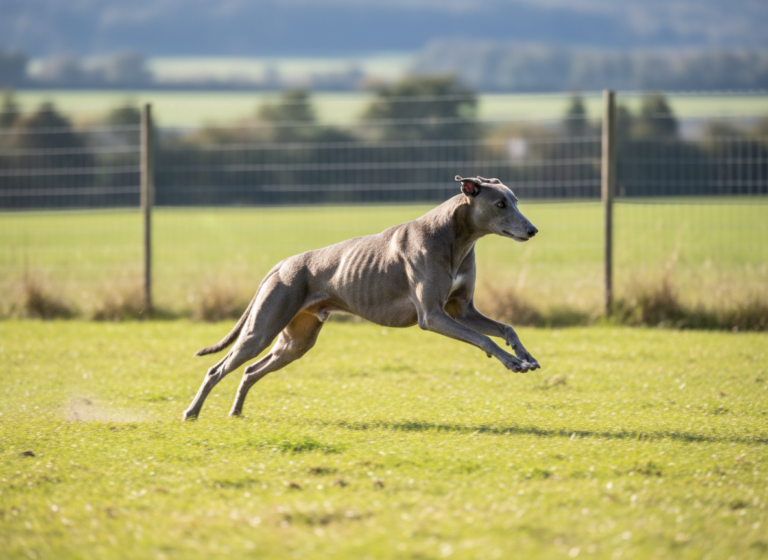
The sudden, explosive burst of energy from your dog in the middle of a peaceful walk can be both baffling and dangerous. One moment, you’re enjoying a stroll; the next, you’re holding on for dear life as your canine companion transforms into a bucking, spinning, leash-pulling whirlwind. This phenomenon, often called ‘the zoomies’ or, more technically, Frenetic Random Activity Periods (FRAPs), is common but presents significant safety risks when it occurs on a leash. It can lead to falls, dropped leashes, and potentially tragic accidents if your dog runs into a dangerous situation.
Understanding this behavior is not about punishment or suppression but about addressing the underlying cause—be it pent-up energy, over-stimulation, or even stress. This guide provides a professional, authoritative framework for managing this mid-walk chaos. We will delve into the psychology behind on-leash FRAPs and provide a clear, step-by-step training protocol to transform your walks from a source of stress into a structured, enjoyable bonding experience for both you and your dog.
Understanding the Root Causes of On-Leash Zoomies
Understanding the Root Causes of On-Leash Zoomies
Before implementing a training plan, it is crucial to understand why your dog is exhibiting this behavior. On-leash zoomies are rarely random; they are a physical manifestation of an overwhelmed or over-excited emotional state. Identifying the trigger is the first step toward a solution.
Key Triggers for On-Leash FRAPs:
- Pent-Up Energy: The most common cause. If a dog has been inactive for long periods, the sudden freedom and stimulation of a walk can cause energy to boil over. This is particularly true for high-energy breeds or young dogs whose exercise needs are not being fully met.
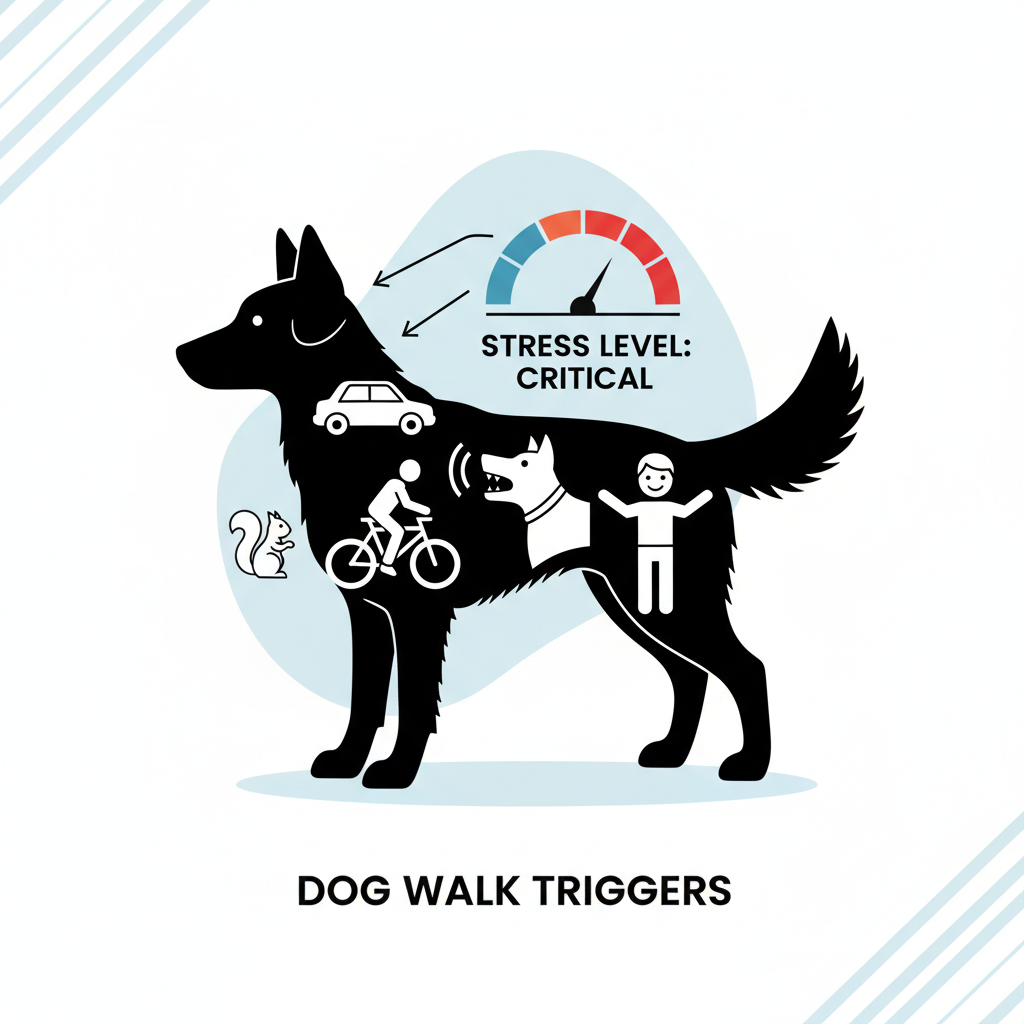
- Over-Stimulation: A walk is a sensory buffet for a dog. The barrage of new sights, sounds, and smells (other dogs, squirrels, traffic, new people) can overwhelm their nervous system. Zoomies can be a dog’s way of discharging this sensory overload.
- Stress or Anxiety: Not all zoomies are happy. For some dogs, a particular trigger on a walk—such as a loud truck, an approaching off-leash dog, or a specific location—can induce anxiety. The FRAP becomes a displacement behavior, a way to release nervous tension.
- Excitement and Joy: Sometimes, zoomies are simply an expression of pure happiness. Your dog might see a favorite friend (canine or human) or be approaching a beloved location like the dog park, and their excitement erupts physically.
Expert Insight: Pay close attention to the concept of ‘trigger stacking.’ A single event may not cause zoomies, but a series of small stressors can accumulate. For example, a car backfiring, followed by a child on a scooter, followed by another dog barking can ‘stack’ until your dog’s threshold is crossed, resulting in an explosive release of energy.
Recognizing your dog’s subtle pre-zoomie signals—such as a stiff body, wide eyes, tail tucking, or frantic pulling—is essential. By learning to read their body language, you can intervene with a management technique before the full-blown chaos begins.
Setting the Stage for Success: Essential Gear and Pre-Walk Rituals
Setting the Stage for Success: Essential Gear and Pre-Walk Rituals
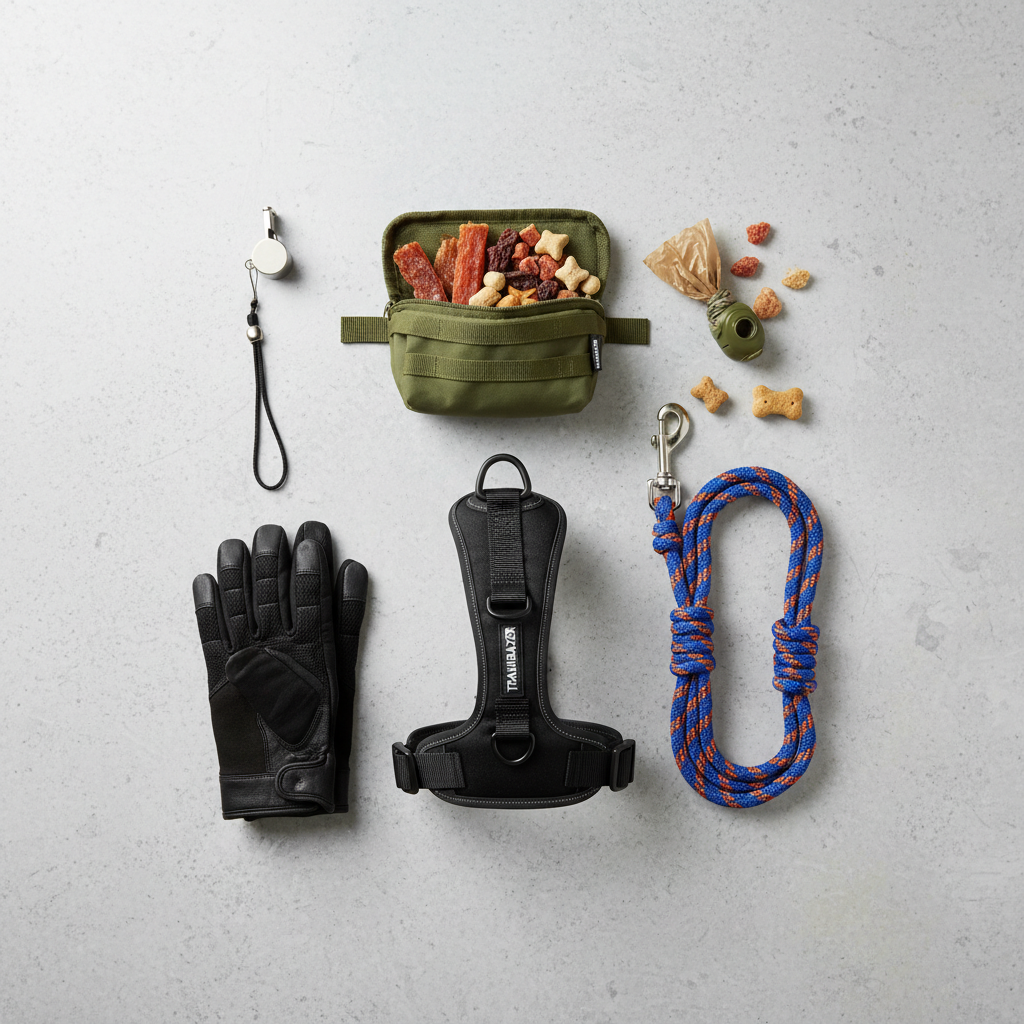
Effective management begins before you even step out the door. Using the right equipment and establishing a consistent pre-walk routine can dramatically reduce the likelihood of on-leash zoomies by setting a calm, focused tone for the entire walk.
Choosing the Right Equipment
The gear you use is not about fashion; it’s about safety, communication, and control. Certain tools can exacerbate pulling and frantic behavior, while others provide gentle guidance.
| Equipment Type | Recommendation & Rationale |
|---|---|
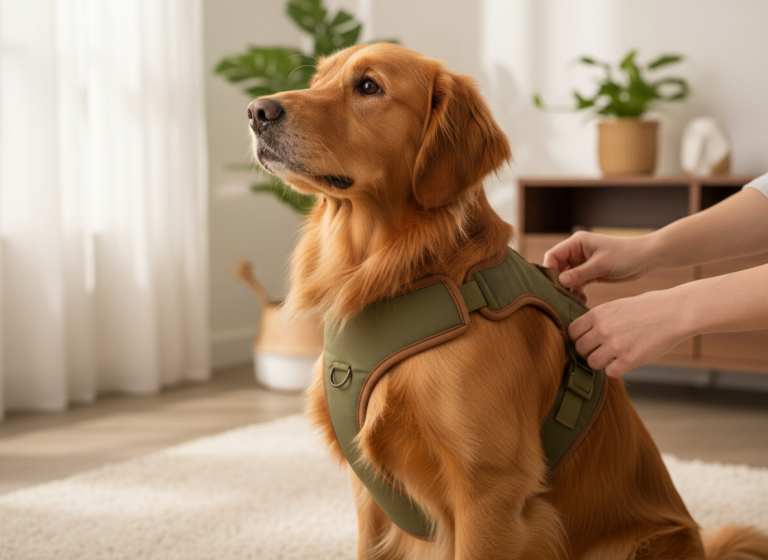
| Harness | Opt for a well-fitted front-clip harness. When the dog pulls, the front clip redirects their momentum back towards you, discouraging pulling without putting pressure on their throat. Avoid back-clip-only harnesses, which can encourage pulling by engaging the dog’s opposition reflex. |
| Leash | A standard 6-foot nylon or leather leash is ideal. It provides enough room for sniffing but is short enough for control. Crucially, avoid retractable leashes. Their design teaches dogs that pulling extends their range, and the lack of tension provides no feedback, making sudden lunges and zoomies more likely and far more dangerous. |
| Treat Pouch & Rewards | A waist-mounted treat pouch allows for immediate access to high-value rewards (e.g., small pieces of chicken, cheese, or commercial training treats). Instant reinforcement is key to building desired behaviors on the walk. |
Implementing Pre-Walk Rituals
A walk should not be the primary outlet for your dog’s physical energy. A dog that is already physically and mentally tired is far less likely to become over-aroused on the leash.
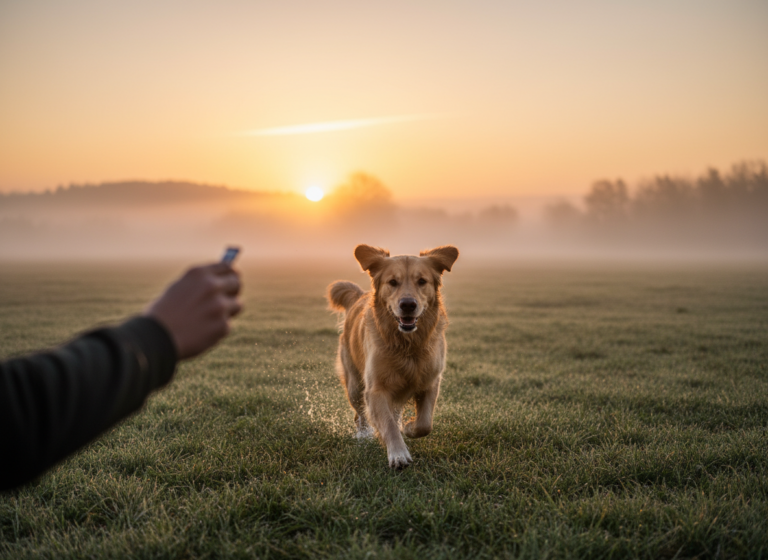
- Energy-Draining Activities: Before the walk, engage your dog in a 5-10 minute session of intense activity. This could be a vigorous game of fetch in the yard, a tug-of-war session, or a few rounds of ‘find the treat’ inside the house. This takes the ‘edge’ off their energy reserves.
- Calmness at the Door: Do not clip the leash on or open the door while your dog is bouncing with excitement. Wait for a moment of calm—a sit or even just four paws on the floor. This teaches your dog that a calm state of mind is the key that unlocks the walk. This simple ritual sets a precedent for the entire outing.
The Core Training Protocol: A Step-by-Step Guide to Calm Leashed Walking
The Core Training Protocol: A Step-by-Step Guide to Calm Leashed Walking
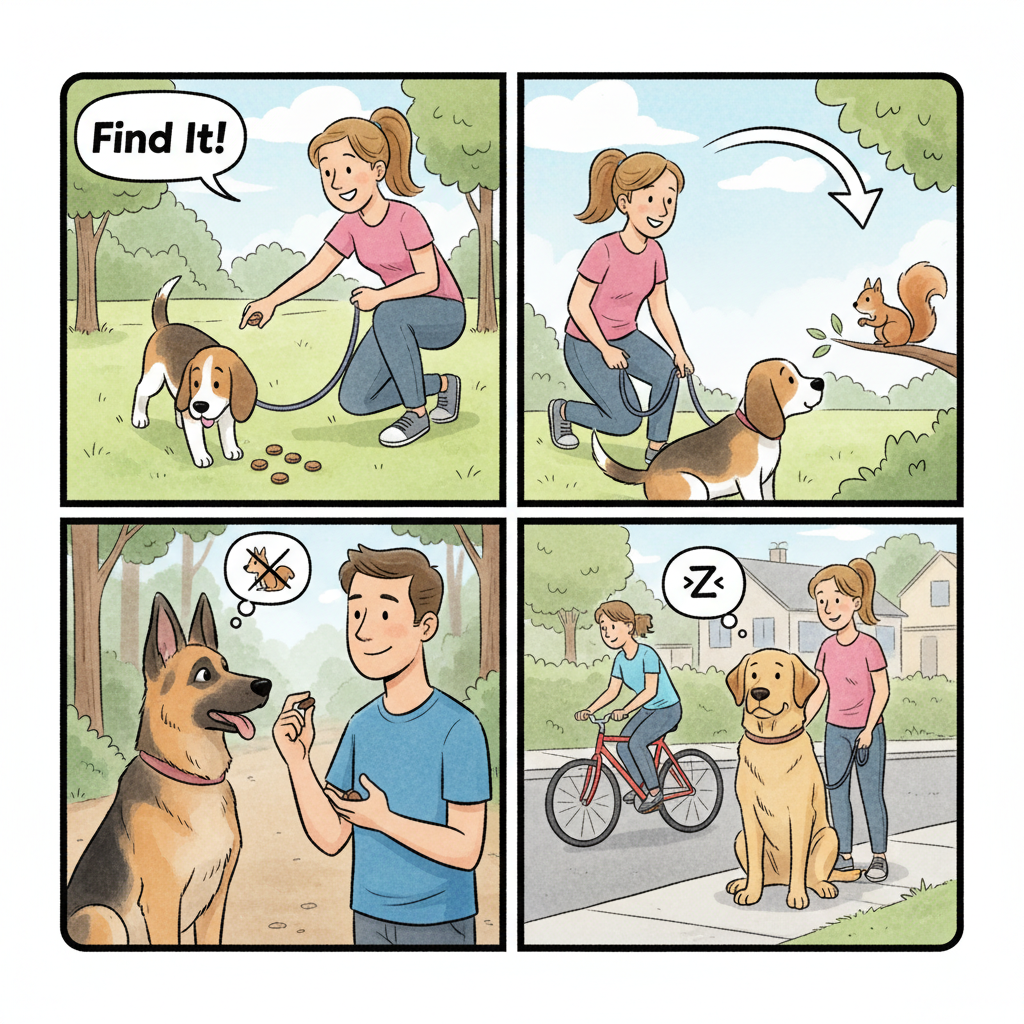
This protocol is designed to give you and your dog a shared language and a set of predictable exercises that redirect focus and build engagement. Practice these skills in a low-distraction environment first, like your backyard or a quiet street, before expecting them to work in a busy park.
Step 1: Master the ‘Find It’ Game
This simple game is a powerful tool for de-escalation. It redirects your dog’s energy from an upward, frantic state to a downward, focused, and naturally calming activity: sniffing.
- When you notice your dog becoming aroused or pulling, say “Find It!” in an upbeat tone.
- Immediately toss a small handful of high-value treats onto the ground near your dog’s nose.
- Allow your dog to sniff and find all the treats. The act of sniffing lowers the heart rate and is mentally taxing, which helps diffuse the frenetic energy.
Step 2: Implement the ‘U-Turn’ Maneuver
The U-Turn is a proactive technique to prevent your dog from fixating on a trigger ahead. It teaches them to stay attentive to your direction.
- As you walk, if your dog starts to pull intensely towards something, stop.
- Use your leash to gently guide them as you pivot 180 degrees, saying “This way!” cheerfully.
- Walk a few paces in the new direction and reward your dog with a treat when they catch up and are walking beside you. This teaches them that pulling gets them further from what they want, while staying with you is rewarding.
Step 3: Teach a Solid ‘Check-In’ Cue
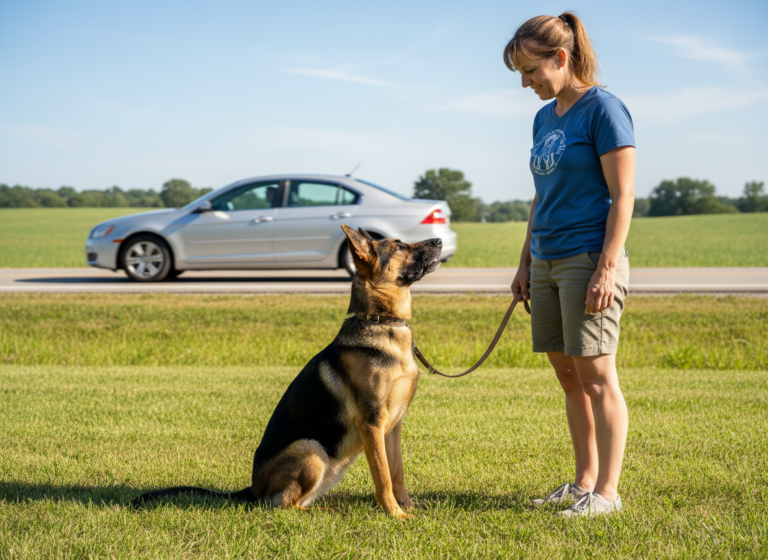
A voluntary check-in is the foundation of a great walking partnership. You want your dog to choose to focus on you, even amidst distractions.
- Start indoors. Say a unique cue word like “Focus!” or make a consistent sound (like a tongue click).
- The moment your dog looks at your face, mark the behavior with a “Yes!” and give them a high-value treat.
- Practice this in progressively more distracting environments. The goal is for the cue to instantly bring their attention back to you on a walk.
Step 4: The ‘Stop and Sit’ Emergency Brake
This is your non-verbal emergency stop. A rock-solid ‘sit’ can halt forward momentum and give your dog a moment to reset their brain before a zoomie episode ignites.
- During your walk, periodically stop and ask for a ‘Sit’.
- When your dog complies, deliver a very high-value ‘jackpot’ reward (several treats at once).
- This reinforces that stopping movement and offering a calm behavior is extremely profitable. Use it when you see pre-zoomie body language to interrupt the pattern.
Mid-Chaos Management: What to Do When Zoomies Strike
Mid-Chaos Management: What to Do When Zoomies Strike
Even with the best preparation, there will be times when an episode occurs. How you react in that moment can either escalate the situation or resolve it safely. Your primary goal is to manage the situation to keep everyone safe, not to ‘correct’ the dog in the heat of the moment.
- Do Not Pull or Yank: Your first instinct might be to pull back hard on the leash. Resist this urge. Pulling against a dog often engages their ‘opposition reflex,’ causing them to pull even harder. It can also cause serious injury to their trachea. Instead, think of the leash as a safety line, not a steering wheel.
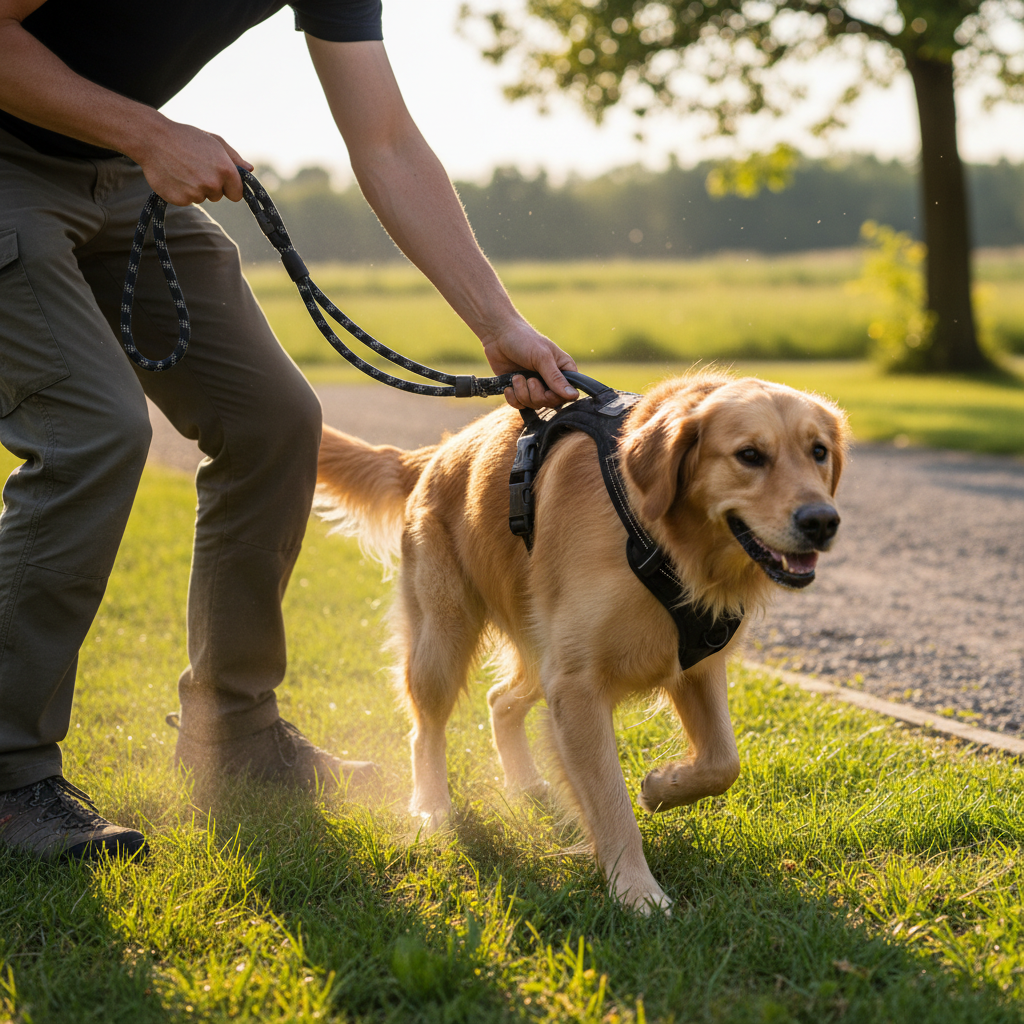
- Plant Your Feet: Anchor yourself like a tree. Use your body weight to create a stable base, bending your knees to lower your center of gravity. This prevents you from being pulled over.
- Shorten the Leash Safely: If you need to regain control, do not wrap the leash around your hand, as this can cause serious injury. Instead, use a hand-over-hand motion to shorten the leash, bringing your dog closer to your center of gravity where you have more control.
- Move to a Safe Space: If possible, guide your dog off the main path and onto a patch of grass or a quieter area. Creating distance from the trigger (e.g., another dog) can help de-escalate the situation.
- Deploy the ‘Find It’ Game: Once you are stationary, this is the perfect time to scatter treats on the ground. This immediately redirects their brain and energy downwards into a calming, sniffing activity. It is the most effective way to break the cycle in the moment.
Safety Tip: If your dog is powerful and the zoomies are intense, it can be helpful to hold the harness directly (near the shoulders) with one hand while holding the leash with the other. This gives you much more leverage and control over their core, preventing them from spinning and lunging as effectively.
Troubleshooting Common Issues and Avoiding Pitfalls
Troubleshooting Common Issues and Avoiding Pitfalls
Training is never a perfectly linear process. Understanding common mistakes and knowing how to adapt your strategy will ensure long-term success and prevent frustration for both you and your dog.
Common Mistakes to Avoid:
- Relying on the Walk for All Exercise: This is the most significant pitfall. A leashed walk, especially in a stimulating urban environment, is primarily for mental enrichment and exploration (sniffing), not for draining a high-energy dog’s physical stamina. Ensure your dog gets regular opportunities for vigorous, off-leash running in a safe area or engages in other canine sports. A physically fulfilled dog is a calmer dog.
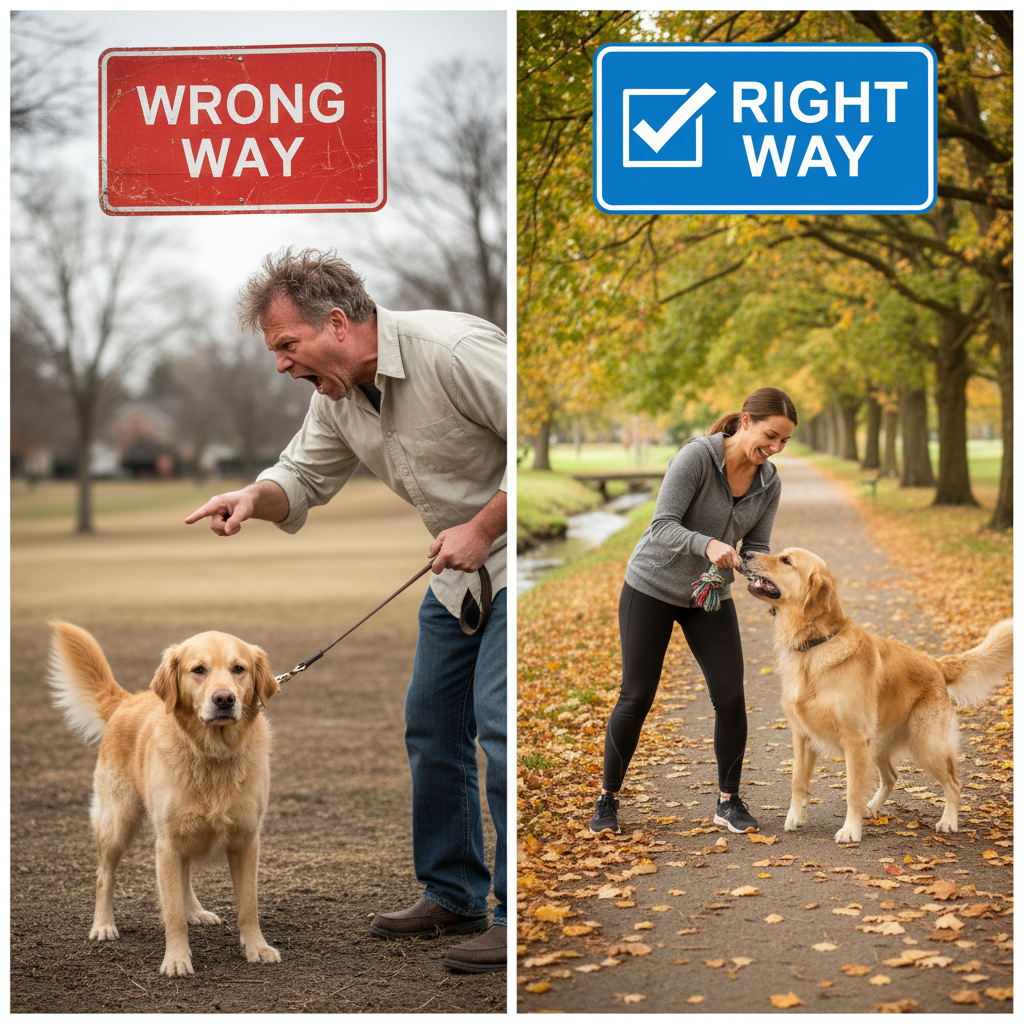
- Using Punishment-Based Methods: Leash pops, collar corrections, or yelling will not solve the underlying emotional cause of the zoomies. In fact, these aversive methods often increase anxiety and stress, making the problem worse over time and damaging the trust between you and your dog.
- Being Inconsistent: If you only practice your training games sporadically, your dog will not be able to rely on them in a high-arousal moment. Every walk is a training opportunity. Consistency is what builds reliability.
Troubleshooting Scenarios:
What if my dog isn’t motivated by food?
While rare, some dogs are not interested in treats when they are over-aroused. In this case, you can use a high-value toy. Carry a special tug toy that only comes out during walks. When your dog starts to get frantic, redirect them into a quick, stationary game of tug to release that energy in a controlled way.
What if the environment is simply too much?
If your dog consistently has zoomies in a specific environment, it’s a clear signal that the level of stimulation is too high for their current training level. This is not a failure. It’s valuable information. Retreat to quieter areas. Go for ‘sniffari’ walks on a long line in a quiet field. Practice your training games on deserted streets or during off-peak hours (early morning or late evening). Gradually re-introduce more challenging environments as your dog’s coping skills improve.
When to Seek Professional Help:
If the zoomies are extremely intense, happen on every walk, or are accompanied by other behaviors like lunging, barking, or aggression, it is time to consult a professional. A certified positive reinforcement-based dog trainer or a veterinary behaviorist can provide a customized plan and rule out any underlying medical issues contributing to the behavior.
Conclusion
Transforming Chaos into Connection
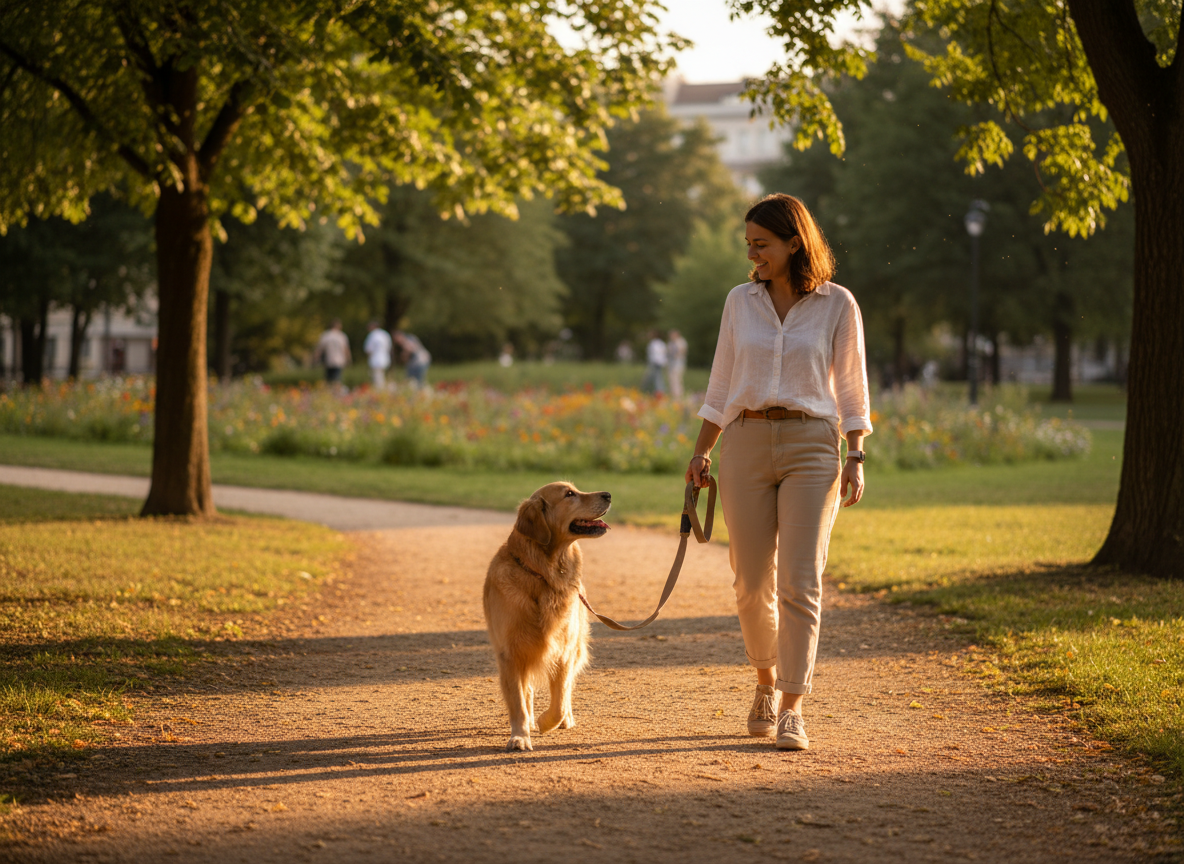
Addressing on-leash zoomies is a journey that requires patience, empathy, and, above all, consistency. It’s about shifting your perspective from ‘stopping a bad behavior’ to ‘helping your dog manage big emotions.’ By ensuring their physical and mental needs are met before the walk, using the right equipment, and diligently practicing positive reinforcement techniques like ‘Find It’ and ‘U-Turn,’ you are building a foundation of communication and trust.
Remember that every walk is an opportunity to strengthen your bond. Celebrate small victories—a single voluntary check-in, a moment of loose-leash walking past a squirrel, a successful redirection from a potential trigger. These are the building blocks of success. Over time, these consistent, positive interactions will replace the chaotic, stressful episodes, transforming your walks into the peaceful, connected, and enjoyable experiences they are meant to be.