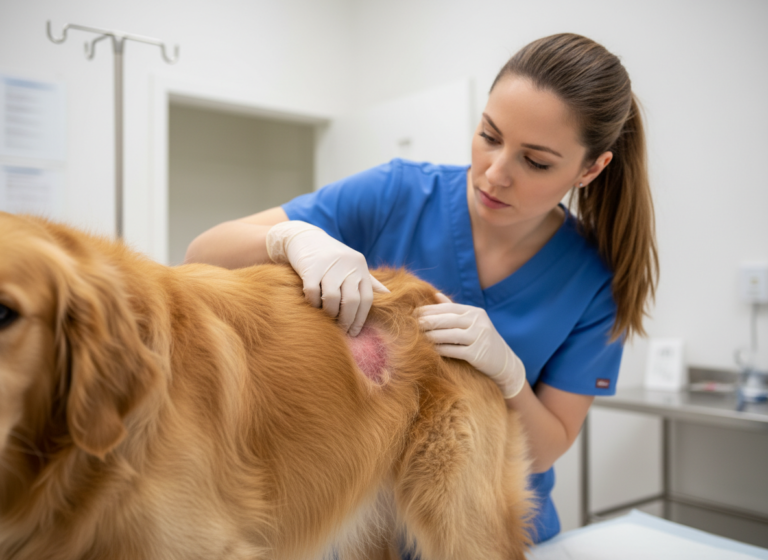
Limber Tail In Dogs: Why It Happens And How To Treat It
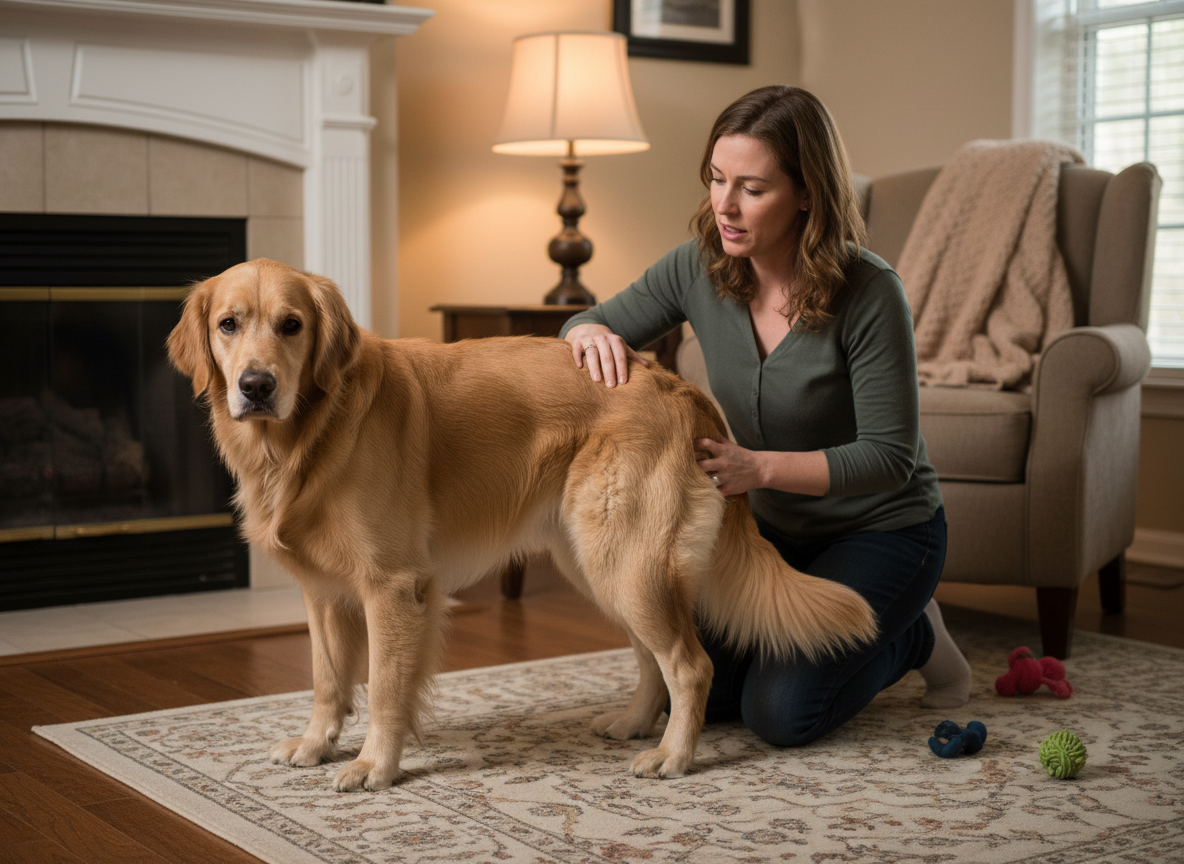
As a devoted pet owner, there are few things more concerning than seeing your canine companion in sudden pain. One of the most perplexing and alarming conditions you might encounter is limber tail syndrome. You may return from a joyous day of swimming or hiking to find your dog’s normally expressive tail hanging limp and useless. This sudden change can be distressing, but understanding the condition is the first step toward effective management and recovery.
Limber tail syndrome, known in veterinary circles as acute caudal myopathy, is essentially a painful muscle strain of the tail. It is often referred to by various descriptive names, including swimmer’s tail, cold water tail, or dead tail. While it can affect any dog, it is most commonly seen in working and sporting breeds. This article serves as an authoritative guide for pet owners, delving into the underlying causes, recognizable symptoms, veterinary diagnostic procedures, and proven treatment strategies to help your dog return to their happy, tail-wagging self.
Understanding Acute Caudal Myopathy (Limber Tail)
What Exactly Is Limber Tail Syndrome?
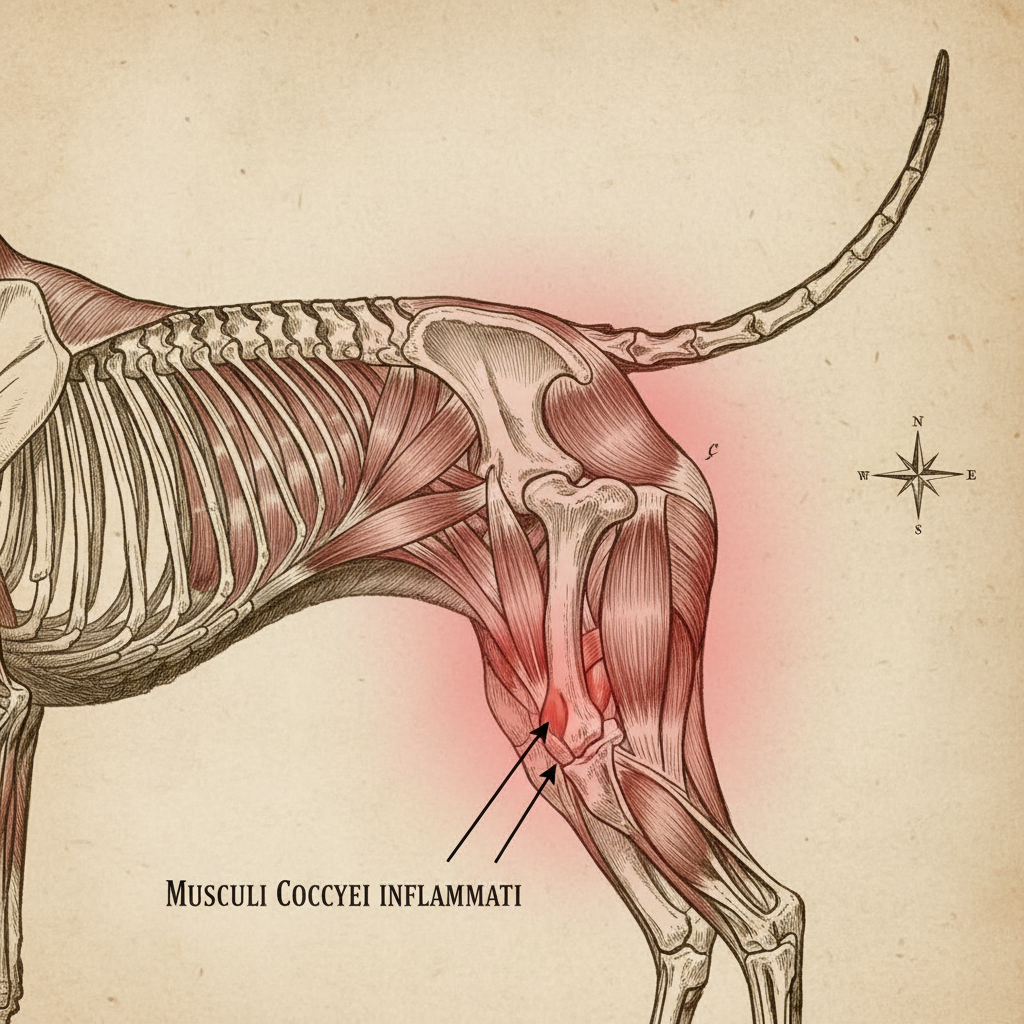
At its core, limber tail is an overexertion injury to the coccygeal muscles located at the base of the tail. These muscles are crucial for tail movement, which dogs use for balance, steering while swimming, and, of course, communication. When these muscles are overworked, they can become inflamed and damaged, resulting in significant pain and the characteristic limp appearance of the tail.
Think of it as the canine equivalent of a human developing a sore lower back or strained shoulder after an unusually strenuous workout. The muscles have been pushed beyond their normal capacity, leading to microscopic tears and inflammation. The onset is typically rapid, often appearing within 24 hours of the triggering activity.
Breeds Most Commonly Affected
While any dog can develop this condition, it is overwhelmingly prevalent in certain breeds, particularly those bred for working in water or harsh weather. This predisposition is linked to their powerful tail anatomy and high activity levels. Common breeds include:
- Labrador Retrievers
- Golden Retrievers
- Flat-Coated Retrievers
- English Pointers
- English Setters
- Beagles
- Foxhounds
These breeds often have thick, powerful tails that act as rudders in the water, and their boundless energy can lead them to overdo it without realizing the consequences until later.
Key Symptoms: How to Identify Limber Tail

Recognizing the Telltale Signs
The signs of limber tail are quite distinct and often cause significant alarm for owners. A dog’s tail is a barometer of its emotional state, so a sudden change is immediately noticeable. If you suspect your dog is suffering from this condition, look for the following clinical signs:
- Flaccid Tail: The most obvious symptom is a tail that hangs completely limp from the base, as if it were broken. In some cases, the tail may be held horizontally for a few inches before dropping straight down.
- Pain and Sensitivity: The dog will likely exhibit signs of pain, especially if you touch the base of their tail. They may yelp, cry out, or try to move away.
- Reluctance to Sit or Lie Down: The pain can make normal activities uncomfortable. Dogs may have difficulty sitting, often shifting their weight to one side in a ‘puppy-sitting’ posture to avoid putting pressure on the area.
- Behavioral Changes: Due to the discomfort, your dog may seem lethargic, anxious, or have a decreased appetite. They may also stop wagging their tail entirely.
- Whining or Licking: Some dogs may whine without a clear cause or excessively lick at the base of their tail.
- Swelling: In some instances, a slight swelling may be visible or palpable around the tail base where the affected muscles are located.
Observing these symptoms, especially after a period of intense activity or exposure to cold water, should prompt a consultation with your veterinarian to confirm the diagnosis and rule out more serious conditions.
Common Causes and Risk Factors for Limber Tail

Uncovering the Triggers
Limber tail is directly linked to muscle fatigue and strain. Understanding the specific activities and conditions that can trigger it is essential for prevention. The primary causes are well-documented and often involve a combination of factors.
Overexertion and Muscle Fatigue
The leading cause is simply overworking the tail muscles. This can happen during any number of activities:
- Prolonged Swimming: This is the most classic trigger, hence the name ‘swimmer’s tail’. The tail is used constantly as a rudder for steering and propulsion, leading to extreme muscle fatigue.
- Intense Hunting or Field Work: Sporting dogs that spend a full day working in the field are at high risk.
- Excessive Wagging: Sometimes, even a day of extreme excitement and happiness can lead to a strained tail.
Exposure to Cold or Wet Conditions
Cold temperatures play a significant role. Cold water restricts blood flow to the muscles, making them more susceptible to injury. A dog swimming in a chilly lake or ocean is a prime candidate for limber tail. Similarly, being out in cold, rainy weather for extended periods can contribute to the condition, even without swimming.
Prolonged Crate Confinement
Less common but still a recognized cause is prolonged confinement in a crate that is too small. If a dog cannot comfortably stand up, turn around, or hold its tail in a natural position, the restricted blood flow and awkward posture can lead to muscle damage. This is particularly relevant during long-distance travel.
| Risk Factor | Description | Primary Breeds Affected |
|---|---|---|
| Swimming | Especially in cold water, where the tail is used as a rudder. | Retrievers, Pointers, Spaniels |
| Overexertion | Long days of hunting, agility, or intense play. | Sporting and Working Breeds |
| Cold/Wet Weather | Exposure to cold and damp conditions can stiffen muscles. | All breeds, especially short-coated ones |
| Crate Confinement | Being kept in a crate that is too small for long periods. | Any crated dog, especially during travel |
Diagnosis: Confirming Limber Tail with Your Veterinarian
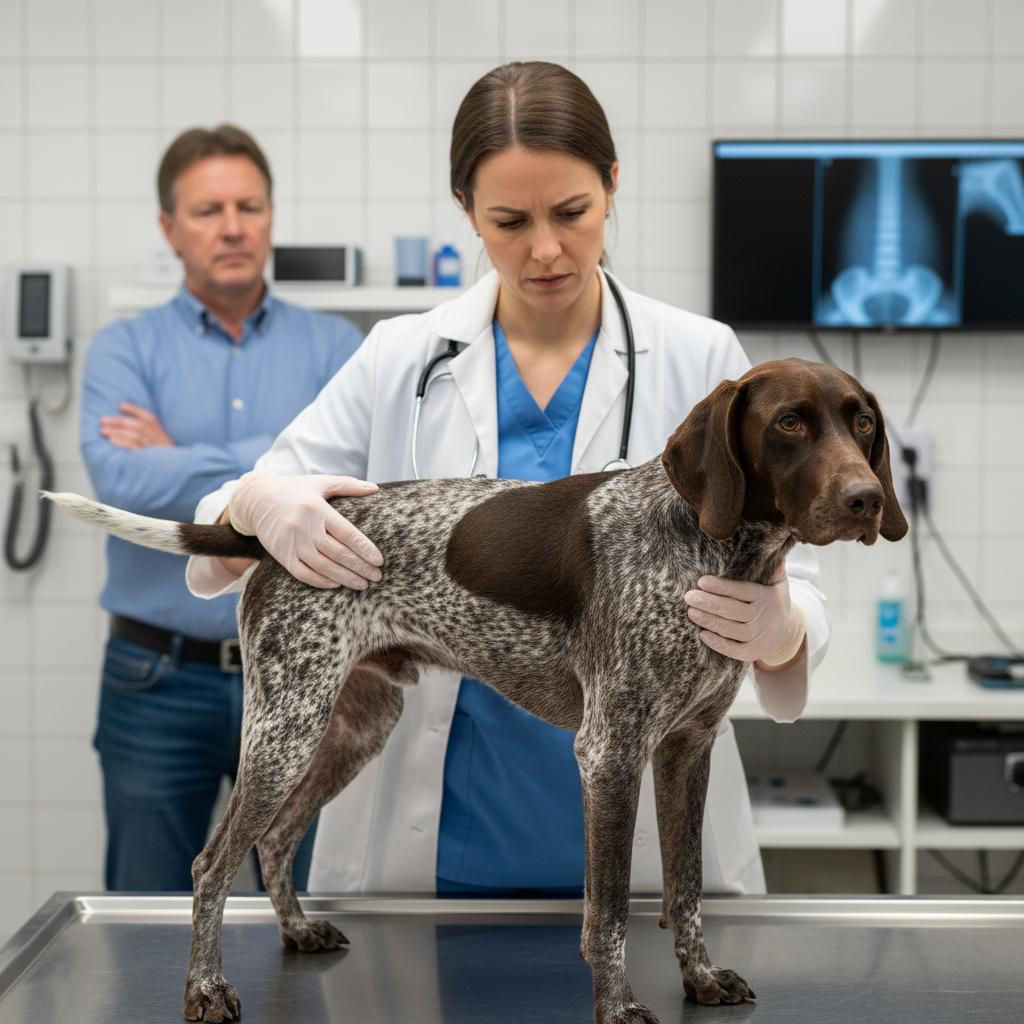
The Importance of a Professional Diagnosis
While the symptoms of limber tail may seem straightforward, it is critically important to seek a veterinary diagnosis. Several more serious conditions can present with similar signs, and ruling them out is essential for your dog’s health. These conditions can include:
- Tail fractures or dislocations
- Intervertebral disc disease (IVDD)
- Spinal cord injuries or tumors
- Prostate disease in male dogs
- Impacted or infected anal glands
A veterinarian will perform a thorough evaluation to ensure the correct diagnosis.
What to Expect During the Vet Visit
The diagnostic process is typically non-invasive and based on physical examination and your dog’s recent history.
- History Taking: Your vet will ask detailed questions about your dog’s activities over the past 24-48 hours. Be prepared to discuss any swimming, heavy exercise, travel, or exposure to cold weather.
- Physical Examination: The veterinarian will conduct a careful physical and neurological exam. They will gently palpate the dog’s tail, hindquarters, and spine, checking for pain, swelling, and neurological deficits. A key indicator of limber tail is a distinct pain response upon palpation of the muscles at the very base of the tail.
- Diagnostic Imaging: If there is any suspicion of a fracture or spinal issue, your veterinarian will likely recommend X-rays (radiographs) of the tail and pelvic region. This is a crucial step to rule out more severe orthopedic or neurological problems.
- Blood Work: In some cases, blood tests may be run to check for elevated levels of creatine kinase (CK), an enzyme that indicates muscle damage.
Once other conditions are ruled out and the clinical signs align with the dog’s history, a diagnosis of acute caudal myopathy is made.
Treatment and At-Home Recovery Plan

A Two-Pronged Approach: Medical Intervention and Home Care
The good news is that limber tail syndrome, while painful, is self-limiting and typically resolves with proper care. Treatment focuses on pain management and allowing the damaged muscles time to heal.
Veterinary-Prescribed Pain Management
The cornerstone of treatment is alleviating the dog’s discomfort. Your veterinarian will likely prescribe a course of medication.
- Non-Steroidal Anti-Inflammatory Drugs (NSAIDs): Medications such as carprofen (Rimadyl), meloxicam (Metacam), or firocoxib (Previcox) are commonly used to reduce inflammation and pain. These are specially formulated for dogs.
Warning: Never give your dog human pain relievers like ibuprofen (Advil) or naproxen (Aleve), as they can be toxic to dogs. Only administer medications prescribed by your veterinarian.
The Critical Role of Rest
Rest is non-negotiable for recovery. The strained muscles need time to repair, and continued activity will only prolong the healing process and could cause further damage. Enforce strict rest for at least one to two weeks. This means:
- No running, jumping, or rough play.
- Leash-only walks for bathroom breaks.
- No swimming or other strenuous activities.
Supportive Home Care Strategies
In addition to rest and medication, you can help your dog feel more comfortable at home.
- Warm Compresses: Applying a warm, moist compress to the base of the tail for 10-15 minutes, two to three times a day, can help soothe sore muscles and increase blood flow to the area, promoting healing. Use a warm towel or a commercial heat pack wrapped in a cloth to prevent burns.
- Comfortable Bedding: Provide a well-padded, comfortable bed, like an orthopedic mattress, to help your dog rest without putting pressure on the sore tail.
Most dogs show significant improvement within a few days and make a full recovery within one to two weeks. If your dog’s condition does not improve or worsens, contact your veterinarian immediately.
Proactive Prevention: Minimizing the Risk of Recurrence

Strategies to Prevent Future Episodes
Unfortunately, dogs that have experienced limber tail once are more prone to recurrence. However, by taking proactive steps, you can significantly reduce the chances of it happening again.
Conditioning and Moderation
Just like human athletes, canine athletes need proper conditioning. If your dog has been inactive over the winter, don’t let them swim or run for hours on the first warm day of spring. Instead, gradually build up their activity level over several weeks. This allows their muscles to adapt and strengthen, making them less susceptible to injury.
Warm-Ups and Cool-Downs
Before strenuous activity, engage in a 5-10 minute warm-up of light jogging or walking. After the activity, allow for a cool-down period of slow walking to help muscles recover.
Post-Activity Care
Proper care after swimming or exposure to cold weather is vital.
- Thorough Drying: After your dog gets wet, dry them thoroughly with a towel, paying special attention to the base of the tail and the hindquarters. If the weather is cold, bring them inside to warm up as quickly as possible.
- Avoid Cold Water Extremes: Be mindful of water temperature. On very cold days, limit the duration of swims or avoid them altogether.
Ensure Proper Crate Size
If you use a crate for travel or at home, ensure it is large enough for your dog to stand, turn around, and lie down comfortably with their tail in a natural position. The International Air Transport Association (IATA) guidelines for crate sizing are a good reference point for ensuring ample space.
By integrating these preventative measures into your routine, you can help keep your active dog healthy, comfortable, and free from the pain of limber tail syndrome.
Conclusion
Limber tail syndrome can be a startling and painful experience for both dogs and their owners. However, armed with knowledge, you can quickly identify the signs and take the appropriate steps to ensure a swift and complete recovery. The key takeaways are to recognize the distinct symptoms of a limp, painful tail, understand that it is a muscle strain caused by overexertion or cold, and seek prompt veterinary care to rule out more severe issues and obtain appropriate pain management. With a combination of prescribed medication, strict rest, and supportive home care, most dogs will be wagging their tails happily again within a week or two. By implementing preventative strategies, you can continue to enjoy your favorite activities with your canine companion while minimizing the risk of this uncomfortable condition returning.