Is Your Puppy Suddenly Scared of Everything? Understanding the Second Fear Period
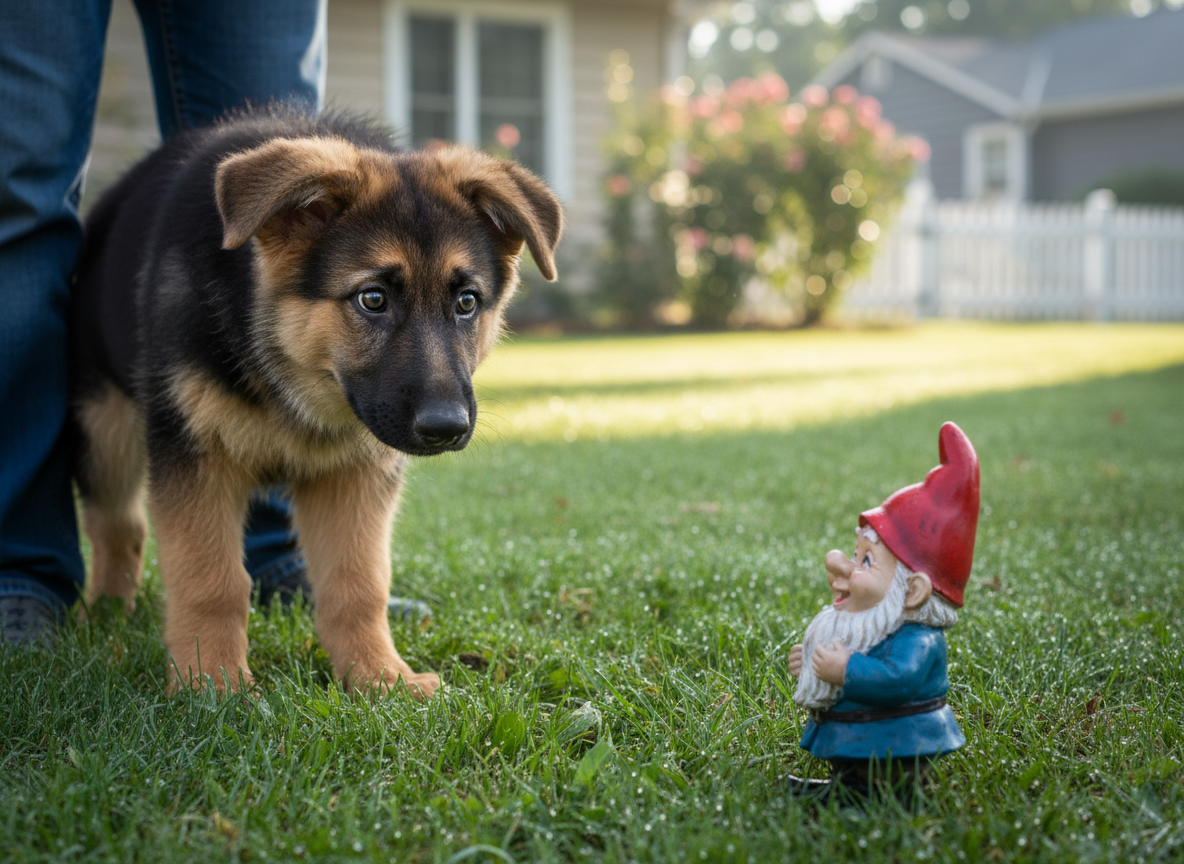
You have done everything right. You socialized your puppy, introduced them to new sounds, and celebrated their brave, outgoing personality. Then, almost overnight, the confident companion you knew is gone. In their place is a puppy who spooks at a plastic bag blowing in the wind, barks at the mailbox, and refuses to walk past the neighbor’s trash cans. This sudden and perplexing shift in behavior can be alarming for any dedicated owner. Before you assume you have failed, it is critical to understand you are likely witnessing a normal, albeit challenging, developmental stage: the second fear period.
This phase is not a reflection of your training or your puppy’s true temperament. It is a biologically programmed period of heightened sensitivity that serves an evolutionary purpose. Understanding the ‘why’ behind this behavior is the first step toward implementing the correct strategies to guide your adolescent dog through it with confidence and grace, strengthening your bond in the process.
What is a Fear Period? A Developmental Overview

Canine development is not a linear progression of confidence. It is punctuated by specific, predictable phases, including two distinct fear periods. These are not behavioral problems but rather sensitive developmental windows where a puppy is more prone to developing lasting fears based on negative experiences.
The First Fear Period
The first fear period occurs between 8 and 11 weeks of age. This is when a puppy’s survival instincts kick in. They are learning what is safe and what is dangerous in the world. A single frightening experience during this time, such as being attacked by another dog or being startled by a loud noise, can have a more significant impact than it would at other ages. This is why controlled, positive socialization is so crucial during these early weeks.
The Second Fear Period
The second fear period is more variable and often catches owners by surprise. It typically emerges during canine adolescence, anywhere from 6 to 14 months of age, and can sometimes occur in waves. This phase is linked to sexual maturity and the hormonal shifts that accompany it. Evolutionarily, this is the time a young canine would be leaving its den and exploring the world more independently. A heightened sense of caution—being scared of new things—would be a valuable survival trait, preventing the young animal from taking foolish risks. Your puppy isn’t being difficult; their brain is simply telling them to be extra careful.
Identifying the Symptoms of the Second Fear Period
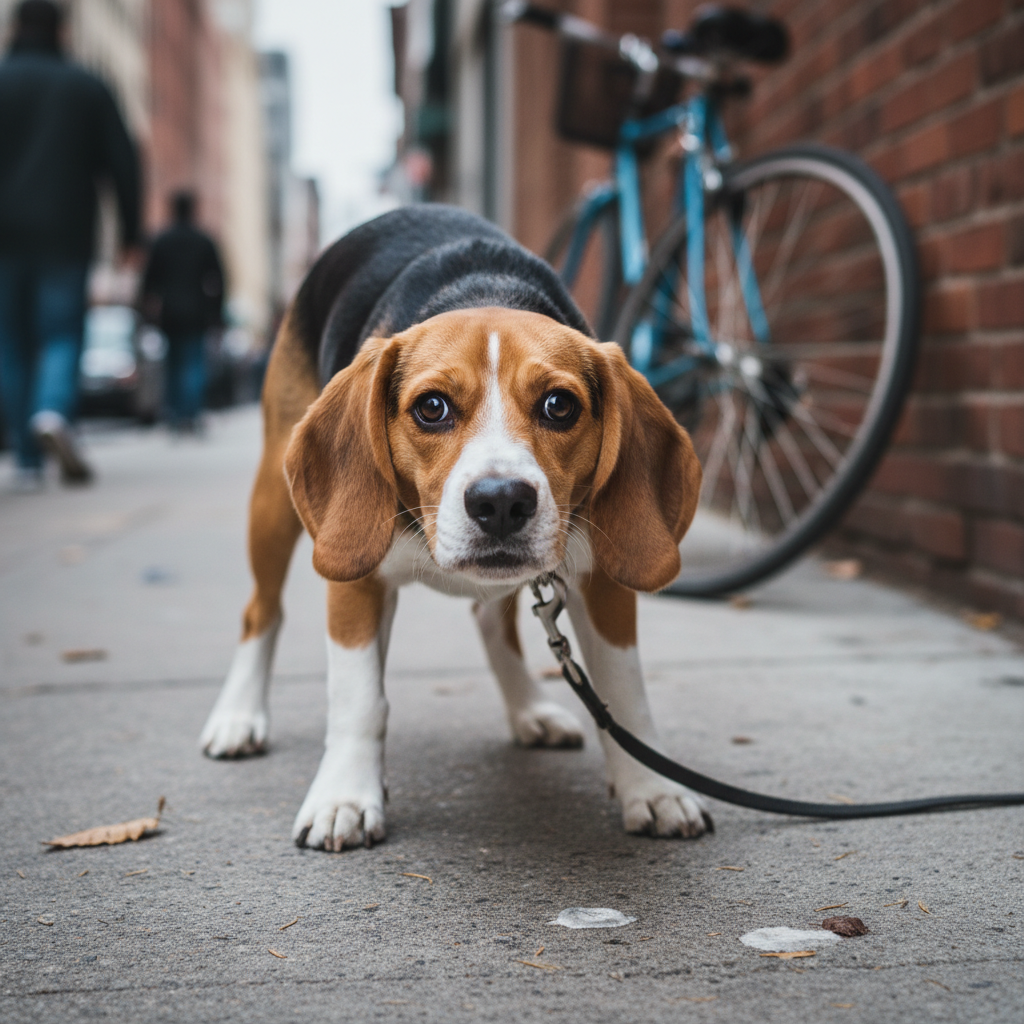
The onset of the second fear period can seem abrupt. A dog that happily greeted strangers last week might now bark and retreat. An object they have seen a hundred times, like a vacuum cleaner, can suddenly become a monster. Recognizing the signs is key to responding appropriately.
Common behavioral changes include:
- Spooking at Familiar Objects: Sudden fear of inanimate objects like furniture, decorations, or parked cars.
- Neophobia (Fear of the New): An intense, disproportionate fear of new sights, sounds, or experiences that were previously tolerated.
- Increased Reactivity: More barking, lunging, or growling at stimuli, especially on walks. This can be directed at people, other dogs, or even moving vehicles.
- General Apprehension: A more hesitant and cautious demeanor overall. Your puppy might seem ‘on edge,’ scanning the environment constantly.
- Avoidance Behaviors: Refusing to walk a certain route, planting their feet, or trying to bolt back home when they encounter something unsettling.
- Body Language Cues: Look for subtle signs of stress like pinned-back ears, a tucked tail, lip licking, yawning when not tired, and showing the whites of their eyes (whale eye).
It is important to differentiate this from aggression. Fear-based reactivity is a defensive response. The puppy is trying to make the scary thing go away, not assert dominance.
The Science Behind the Fear: Hormones and Brain Development
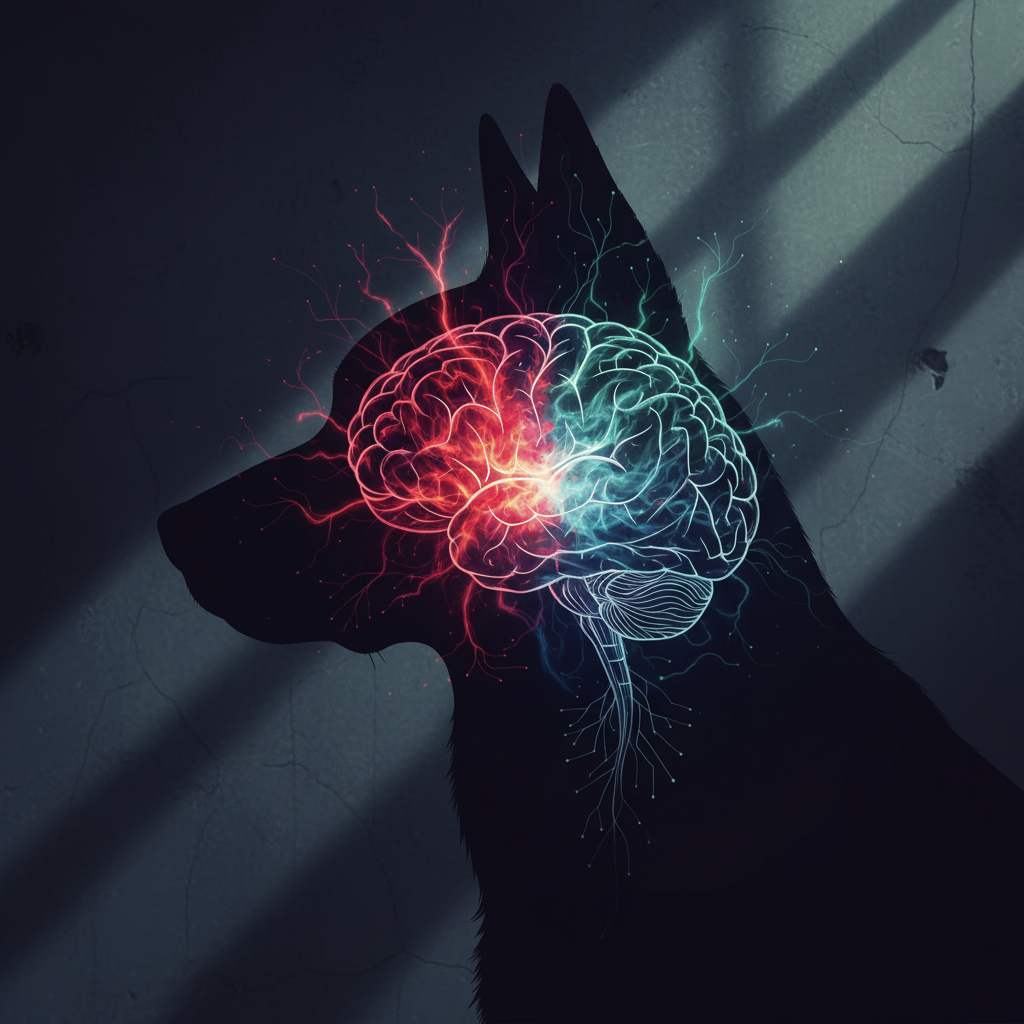
To effectively manage the second fear period, it helps to understand the physiological storm occurring inside your adolescent dog. This is not a conscious choice to be disobedient; it is a biological imperative driven by significant internal changes.
During adolescence, a surge of hormones, including testosterone and estrogen, alters brain chemistry. Concurrently, the canine brain is undergoing a significant rewiring process. The parts of the brain responsible for processing fear and making decisions—the amygdala and the prefrontal cortex—are not yet fully mature or communicating efficiently. The amygdala, the brain’s ‘fear center,’ can become overactive, while the prefrontal cortex, which governs impulse control and rational thought, is still under construction.
This developmental gap means your puppy is more likely to react emotionally and instinctively (amygdala) rather than rationally (prefrontal cortex). A novel stimulus is more likely to be flagged as a potential threat, triggering a fight-or-flight response before the thinking part of the brain can assess the situation. This is why a flapping flag can elicit the same panic response as a genuine danger. Their brain is operating on a ‘better safe than sorry’ protocol, a crucial instinct for a wild animal but a confusing one for a domestic companion.
Management and Support: How to Help Your Puppy Navigate This Phase
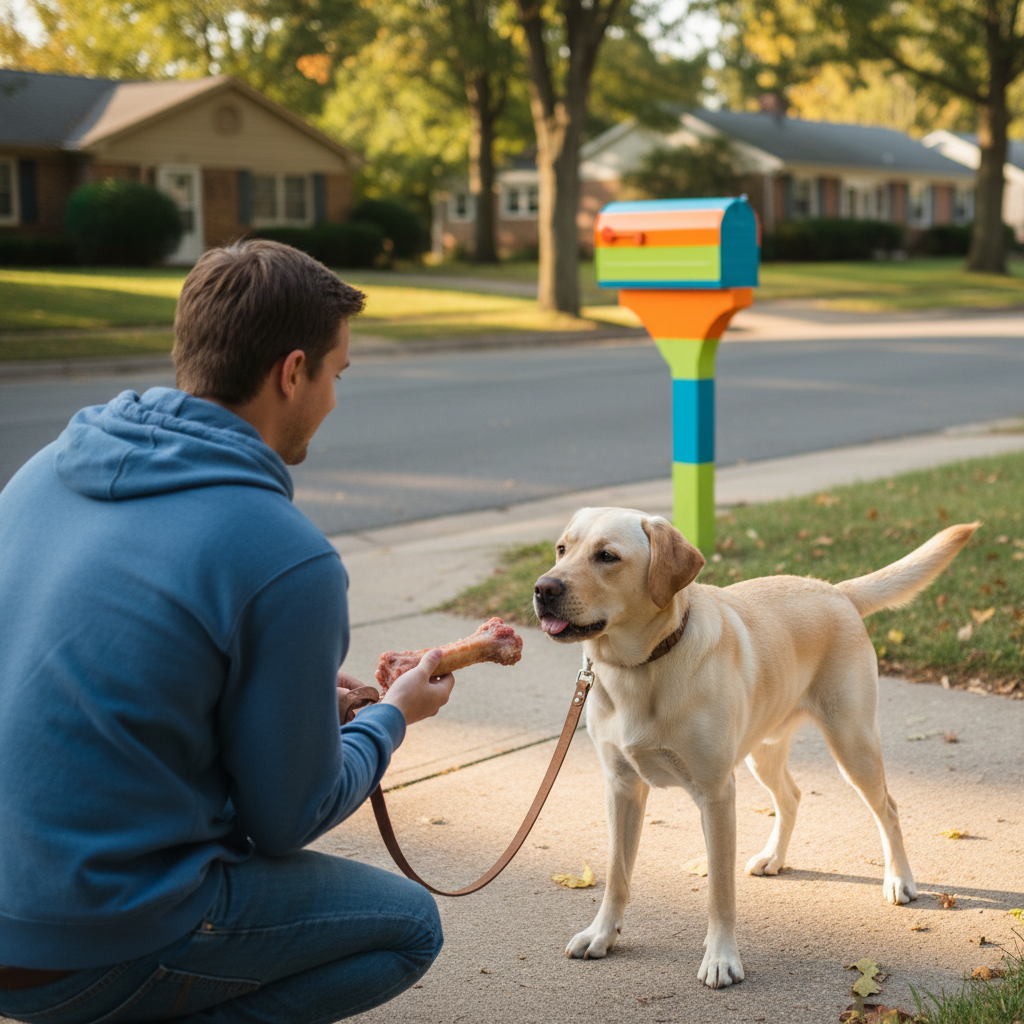
Your role during this period is not to ‘fix’ the fear but to act as a calm, confident guide. Your goal is to manage the environment to prevent traumatic experiences and build your dog’s confidence so they learn to cope with novelty. Forcing them to ‘face their fears’ will backfire, potentially creating lifelong phobias.
-
Do Not Force Interaction
Never drag your puppy toward something they fear. This technique, known as ‘flooding,’ is incredibly damaging. It breaks their trust in you and confirms their belief that the world is unsafe and you will not protect them. If your puppy is scared of a person, a dog, or an object, increase the distance until they are comfortable and can relax. Their safety, both real and perceived, is your top priority.
-
Manage the Environment
Proactive management is your most powerful tool. If you know your dog is terrified of skateboards, cross the street when you see one approaching. If construction noises on your usual walk are causing stress, drive to a quiet park for a few weeks. This is not ‘coddling’ your dog; it is preventing them from rehearsing the fear response. The more they panic, the more ingrained the fearful association becomes.
-
Build Confidence Through Positive Reinforcement
Focus on activities your dog enjoys and excels at. Structured training sessions (focusing on cues they already know, like ‘sit’ or ‘touch’), puzzle toys, and scent work games are excellent ways to build confidence. When a dog successfully solves a problem, it boosts their self-esteem and reminds them that they can positively affect their environment. Keep training sessions short, fun, and always end on a successful note.
-
Use Counter-Conditioning and Desensitization
This is a systematic process of changing your dog’s emotional response to a trigger. It must be done carefully and at the dog’s pace. The goal is to associate the scary thing with something wonderful, like high-value treats (chicken, cheese, etc.).
Example: If your dog is scared of the trash can. Start at a distance where your dog can see the can but is not reacting fearfully (this is called the ‘threshold’). Every time they look at the can, give them a fantastic treat. Do not ask for any behavior. Simply look = treat. After many repetitions, the sight of the can will start to predict the treat, and their emotional response will shift from fear to happy anticipation. Only then should you gradually decrease the distance, one tiny step at a time, over multiple sessions. -
Maintain a Calm and Predictable Routine
Adolescent dogs thrive on predictability. During this tumultuous phase, a consistent routine for feeding, walking, training, and resting can provide a sense of security. Your calm demeanor is also crucial. If you get tense and anxious when you see a potential trigger, your dog will read your body language and assume there is a real threat. Breathe, keep a loose leash, and project confidence.
What to Avoid: Critical Mistakes That Worsen Fear

How you respond to your puppy’s fear is just as important as the proactive steps you take. Certain common reactions, though often well-intentioned, can intensify the problem and damage your relationship with your dog.
- Punishment: Never punish a dog for showing fear. Yelling, leash-popping, or physically correcting a dog for barking or lunging at something scary will only validate their fear. You are adding something unpleasant to an already frightening situation, which can lead to a dog who suppresses warning signals (like growling) and goes straight to biting.
- Flooding: As mentioned, forcing your dog to confront their fear head-on is counterproductive. It can sensitize them further and lead to a state of ‘learned helplessness,’ where the dog simply shuts down because they feel they have no control.
- Over-Coddling with Anxious Energy: While you should not punish fear, you also want to avoid frantic, high-pitched reassurance like, “It’s okay, it’s okay, poor baby!” This anxious energy can signal to your dog that there really is something to worry about. Instead, use a cheerful, matter-of-fact tone. “Oh, that’s just a statue. Let’s go this way!” Project calm confidence.
- Lack of Management: Assuming the dog will just ‘get over it’ is a risky gamble. Without proper management and confidence-building, a temporary fear can easily become a permanent, debilitating phobia.
When to Seek Professional Help
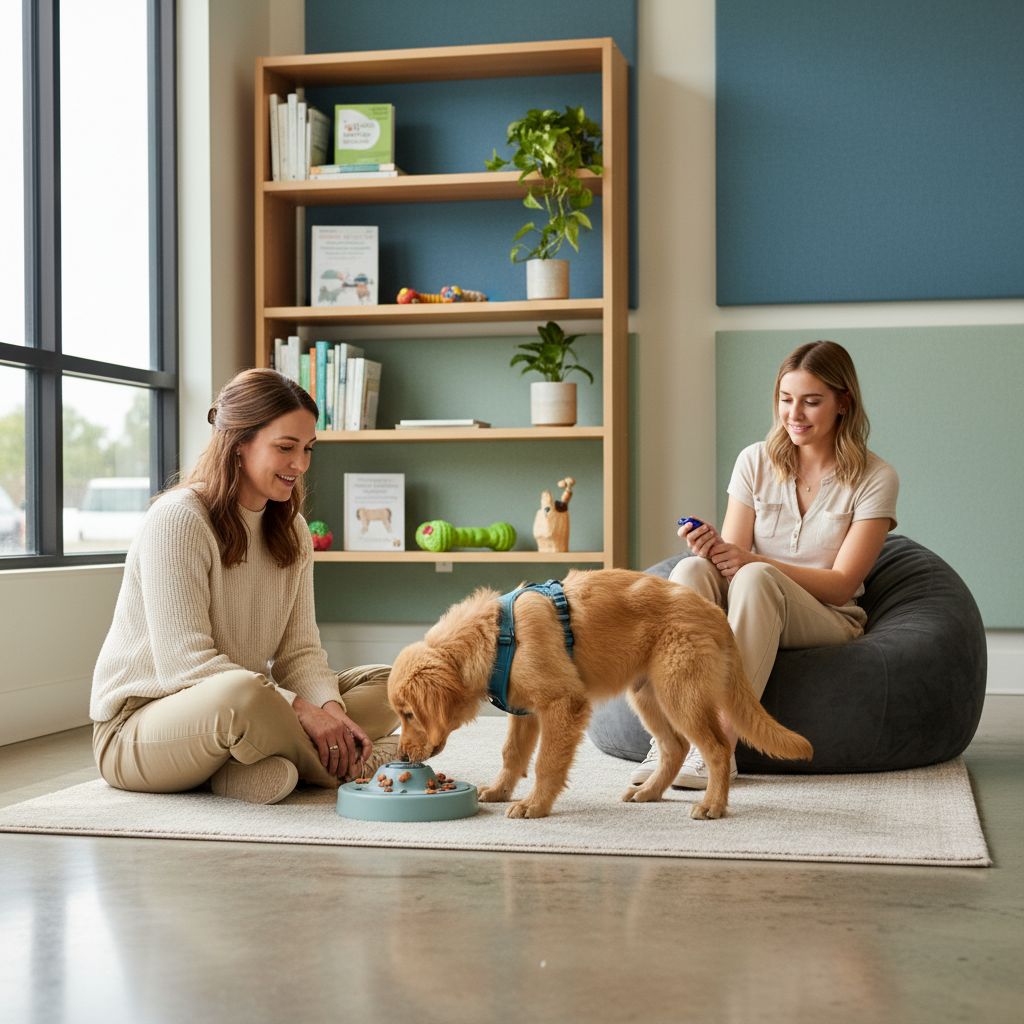
While the second fear period is normal, some cases require professional intervention. It is essential to know when to escalate from home management to expert guidance to ensure the best outcome for your dog.
You should contact a professional if:
- The fear is debilitating: Your dog is so fearful they cannot go on walks, interact with family, or perform basic daily functions.
- There is any sign of aggression: If the fear-based reactivity includes snapping, biting, or charging at triggers, it is crucial to get help from a certified professional to ensure safety.
- The behavior is not improving: If you have been consistently applying management and positive training techniques for several weeks with no noticeable improvement, an expert can help identify roadblocks.
- You feel overwhelmed: It is perfectly acceptable to ask for help. A professional can provide a structured plan, offer emotional support, and give you the tools you need to succeed.
When seeking help, look for a Certified Applied Animal Behaviorist (CAAB), a veterinary behaviorist (DACVB), or a certified professional dog trainer (CPDT-KA/KSA) who specializes in force-free, positive reinforcement methods. Be wary of any trainer who recommends punishment, shock collars, or dominance-based techniques, as these will worsen fear and anxiety.
Conclusion
Navigating your puppy’s second fear period requires an abundance of patience, empathy, and a commitment to positive, force-free methods. It is a phase that tests the bond between dog and owner, but it also offers a profound opportunity to strengthen it. By becoming your dog’s trusted advocate and safe harbor, you are not just helping them through a temporary developmental stage; you are teaching them a lifelong lesson: the world may sometimes be scary, but with you by their side, they can handle anything.
Remember that the confident, happy dog you raised is still there. This period will pass. With consistent management, confidence-building exercises, and an unwavering focus on your dog’s emotional well-being, you will emerge on the other side with a resilient, well-adjusted adult companion who trusts you implicitly.