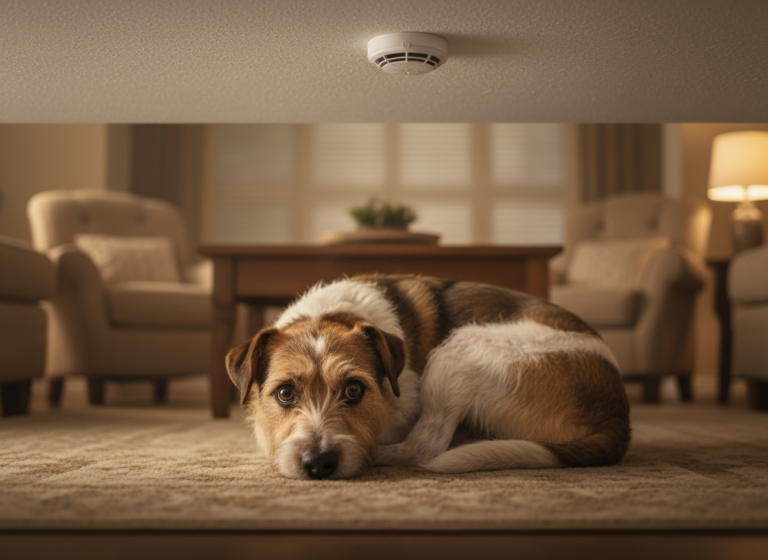
Is Your Dog Scared of the Dark? Signs of Nyctophobia
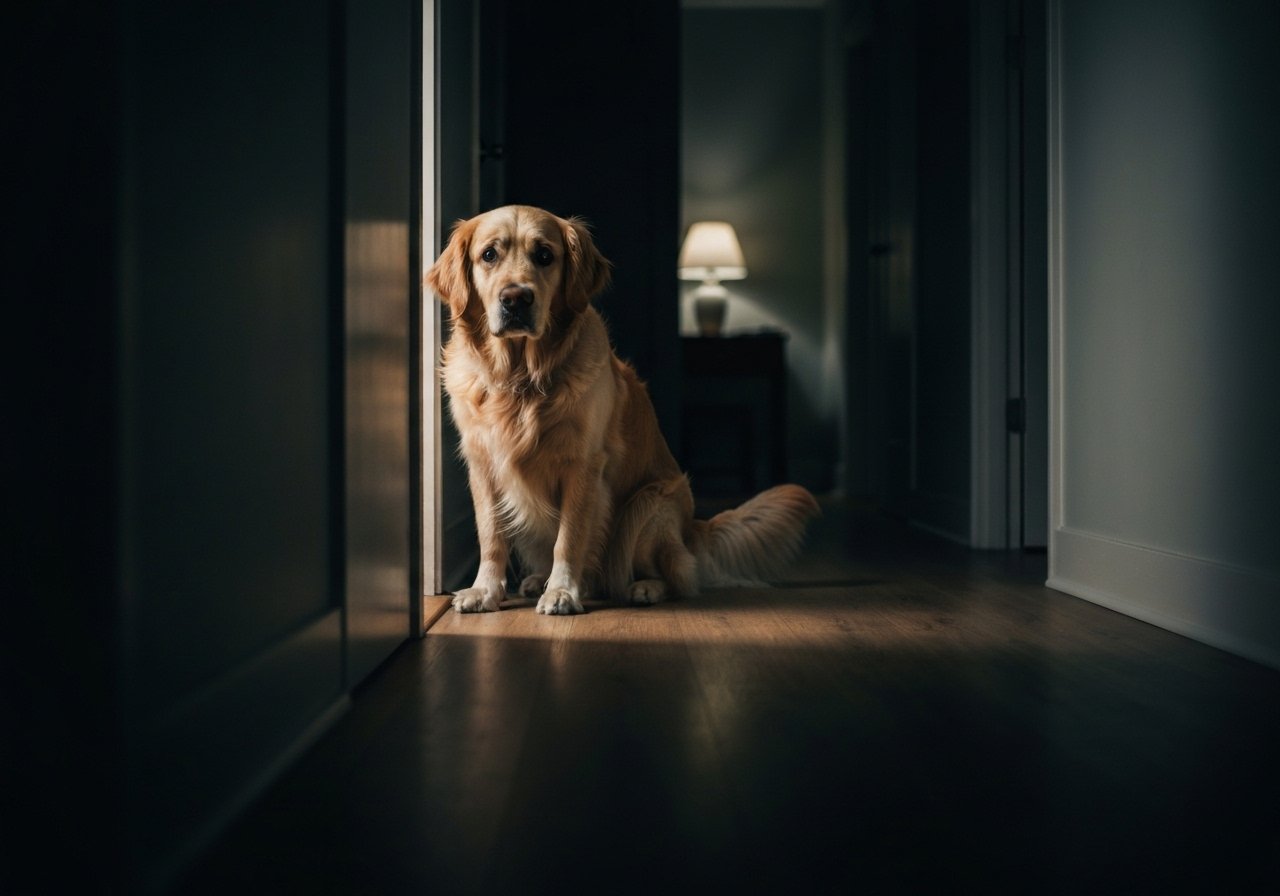
As pet owners, we are attuned to our dogs’ every whimper and worry. So, when your typically confident companion becomes restless and anxious as daylight fades, it’s natural to ask: Is my dog scared of the dark? While dogs possess superior low-light vision compared to humans, making a true fear of darkness itself uncommon, the anxiety they exhibit at night is a valid and often complex issue. This condition, sometimes referred to as nyctophobia, is frequently a symptom of deeper underlying problems, from age-related medical changes to past traumatic events.
Understanding the root cause is the first step toward providing effective comfort and support. This comprehensive guide will delve into the subtle and overt signs of nighttime anxiety in dogs, explore the potential medical and behavioral triggers, and offer authoritative strategies to manage the fear. We will equip you with the knowledge to create a secure environment for your pet and help you determine when it’s time to seek professional veterinary or behavioral consultation.
Recognizing the Signs: How to Tell if Your Dog is Anxious in the Dark
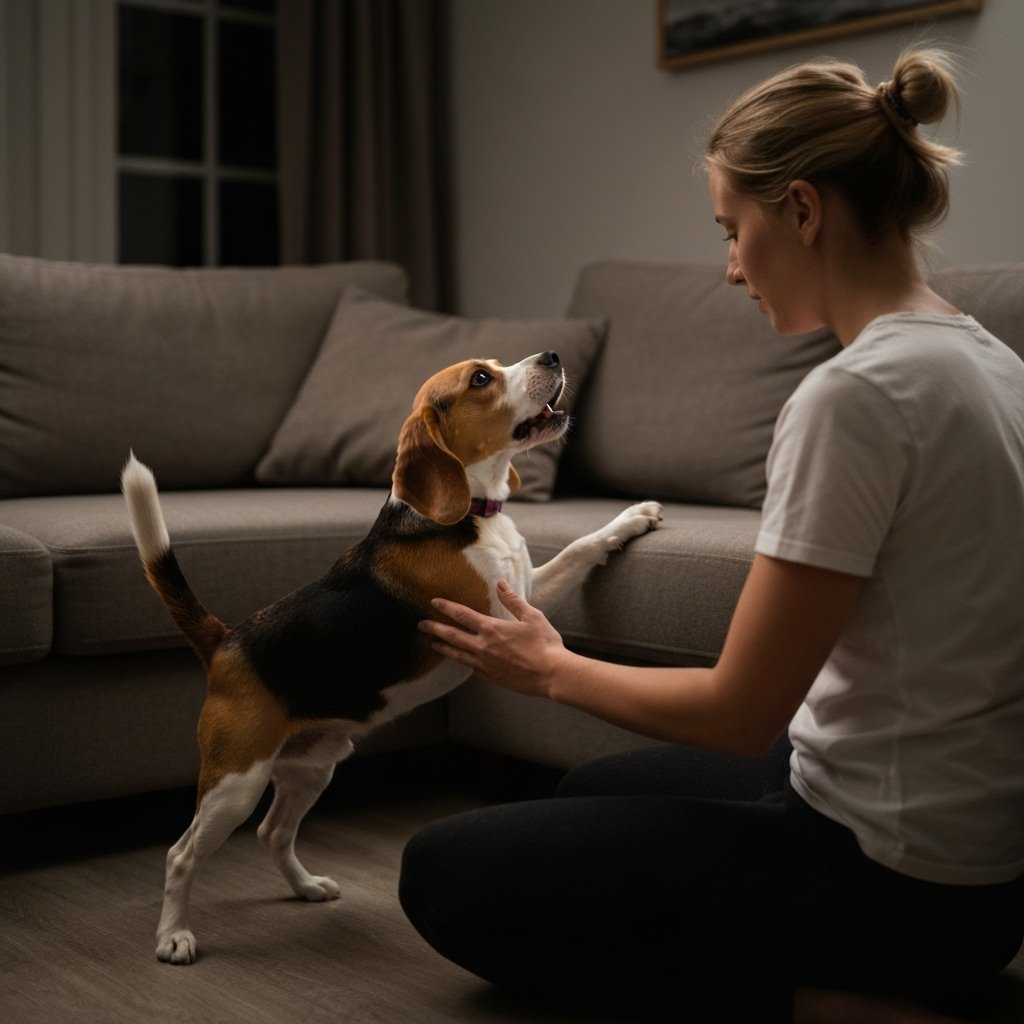
A dog’s fear related to darkness is rarely about the absence of light itself. Instead, it’s about what the darkness represents or exacerbates—loneliness, vulnerability, or disorientation. The signs are often behavioral shifts that begin exclusively at dusk or intensify through the night. It is crucial to be a keen observer to differentiate between a dog that is simply settling down and one that is experiencing genuine distress.
Common Behavioral Indicators
Anxious behaviors can range from subtle to severe. Look for a pattern of actions that consistently occur in low-light conditions:
- Increased Vocalization: Uncharacteristic whining, barking, or howling at night without an obvious external trigger.
- Restlessness and Pacing: An inability to settle down, constantly moving from one spot to another, or pacing nervously through the house.
- Clinginess and Attention-Seeking: Suddenly becoming a ‘velcro dog,’ constantly needing to be near you, pawing for attention, or nudging you for reassurance.
- Hiding or Seeking Shelter: Attempting to hide in small, enclosed spaces like closets, under beds, or in the bathroom. This is a denning instinct driven by a need for security.
- Destructive Behavior: Chewing on furniture, scratching at doors, or destroying household items, particularly when left alone in a dark room.
- Inappropriate Elimination: A well-housetrained dog having accidents indoors overnight can be a significant sign of high stress and anxiety.
- Physical Manifestations of Fear: Visible trembling or shaking, excessive panting when not hot, and drooling are classic signs of canine anxiety.
- Hesitation to Go Outdoors: Refusing to go outside for their last potty break at night, or acting fearful and rushing back inside once their business is done.
Expert Tip: Keep a journal for a week. Note the specific behaviors your dog exhibits and the time they occur. This log will be invaluable if you need to consult with a veterinarian or behaviorist, as it provides concrete data on the pattern and severity of the anxiety.
Uncovering the Root Causes of Nyctophobia in Canines
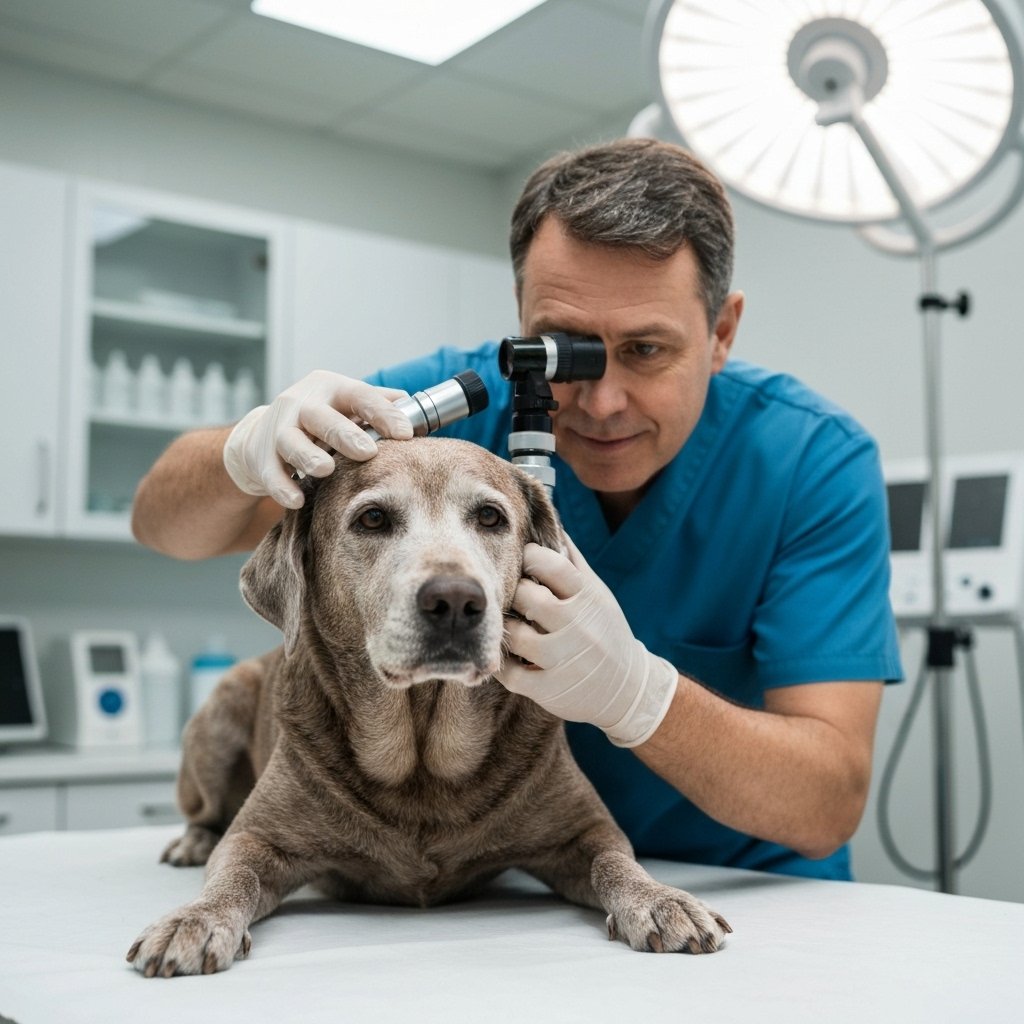
To effectively address your dog’s nighttime fear, it is essential to investigate the underlying cause. The anxiety is almost always a secondary response to a primary issue, which can be medical, psychological, or age-related. A thorough understanding of these potential triggers is the foundation of any successful management plan.
Medical Conditions and Vision Loss
One of the most common reasons for the sudden onset of nighttime anxiety, especially in middle-aged and senior dogs, is deteriorating vision. Conditions that impair a dog’s ability to see in low light can cause significant stress and confusion.
- Progressive Retinal Atrophy (PRA): A degenerative disease that slowly leads to blindness. Night blindness is often the first sign.
- Cataracts: The clouding of the eye’s lens can scatter light and make vision blurry, a problem that worsens in dim conditions.
- Glaucoma: Increased pressure in the eye is painful and can lead to vision loss. The pain may seem more acute at night when there are fewer distractions.
Beyond vision, other painful conditions like arthritis can feel more intense at night, leading to restlessness and anxiety that the owner may misinterpret as a fear of the dark.
Traumatic Experiences
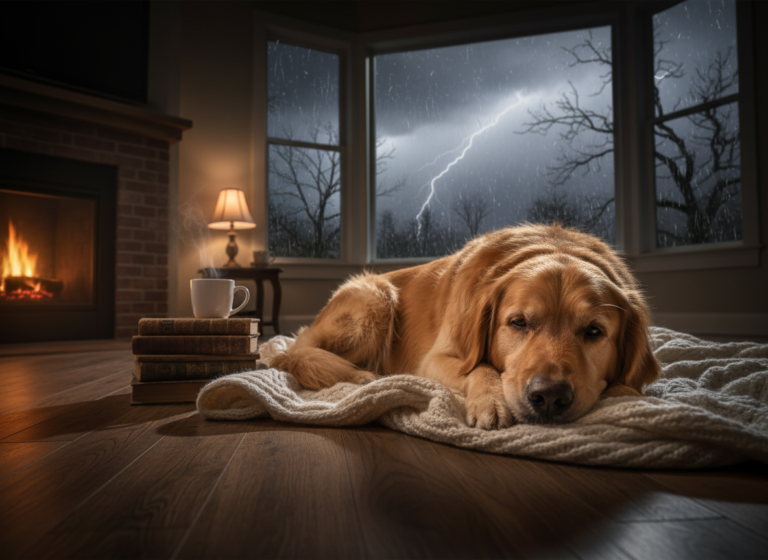
A single negative event that occurred in the dark can create a powerful and lasting fear association. This is a conditioned emotional response where the dog links darkness with the scary event. Examples include being left alone during a thunderstorm, hearing fireworks, being attacked by another animal at night, or even a painful injury that happened in a dark room. The dog isn’t afraid of the dark itself, but of the potential for the terrifying event to happen again.
Separation Anxiety
For some dogs, darkness simply amplifies pre-existing separation anxiety. As the household quiets down and family members go to bed, the dog may feel a heightened sense of isolation and vulnerability. The lack of visual and auditory stimulation can make them feel more alone, triggering their separation-related panic.
Canine Cognitive Dysfunction (CDS)
Similar to Alzheimer’s in humans, CDS is a neurodegenerative disorder that affects senior dogs. It leads to disorientation, confusion, changes in the sleep-wake cycle, and increased anxiety. These symptoms often worsen in the late afternoon and evening, a phenomenon known as ‘sundowning.’ A dog with CDS may pace, vocalize, and seem lost in its own home, with the darkness adding to its confusion and fear.
Management Strategies: Creating a Safe and Secure Environment
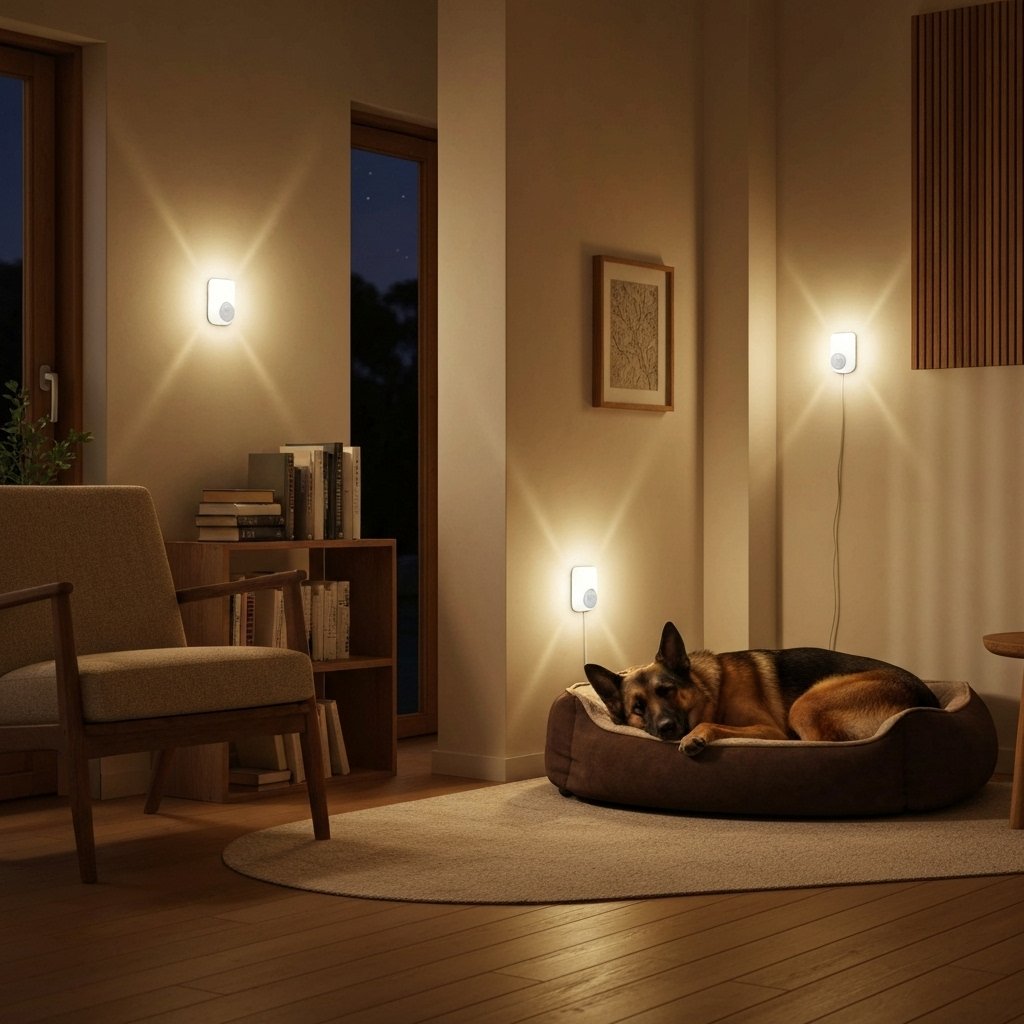
Once you have a better understanding of the potential causes, you can implement strategies to manage your dog’s anxiety and help them feel more secure. The goal is to modify their environment and your routines to build their confidence and reduce their stress levels. Patience and consistency are paramount.
Environmental Modifications
Simple changes to your dog’s physical space can have a profound impact on their sense of security.
- Introduce Nightlights: This is the simplest and most effective first step. Place low-wattage, warm-toned nightlights in hallways, near your dog’s sleeping area, and by the door they use to go outside. This provides enough illumination for them to navigate confidently without disrupting sleep.
- Maintain a Predictable Routine: Dogs thrive on routine. A consistent evening schedule for feeding, a final potty break, and bedtime can provide a sense of predictability that reduces anxiety.
- Provide a ‘Safe Den’: Ensure your dog has a comfortable, safe space that is all their own. This could be a crate (with the door left open) or a cozy bed in a quiet corner. Fill it with familiar blankets that smell like you and their favorite toys.
- Use White Noise or Calming Music: A white noise machine or a radio playing calming classical music can help mask startling sounds from outside that might trigger anxiety at night.
Behavioral Support and Comfort
How you react to your dog’s fear is just as important as the environmental changes you make.
- Consider Calming Aids: Products like Adaptil (a dog-appeasing pheromone) diffusers, anxiety wraps (like the ThunderShirt), or veterinarian-approved calming supplements can be very effective for some dogs.
- Practice Positive Reinforcement: Never punish a dog for showing fear. This will only increase their anxiety. Instead, reward calm behavior. If they are pacing and then lie down for a moment, offer gentle praise or a small, high-value treat.
- Project Calm Confidence: While your instinct may be to lavish your dog with cuddles and frantic reassurance, this can sometimes reinforce the idea that there is something to be afraid of. Instead, be a calm and confident leader. Use a soothing voice and provide gentle, long strokes to help them relax.
Professional Intervention: When to Consult a Veterinarian or Behaviorist
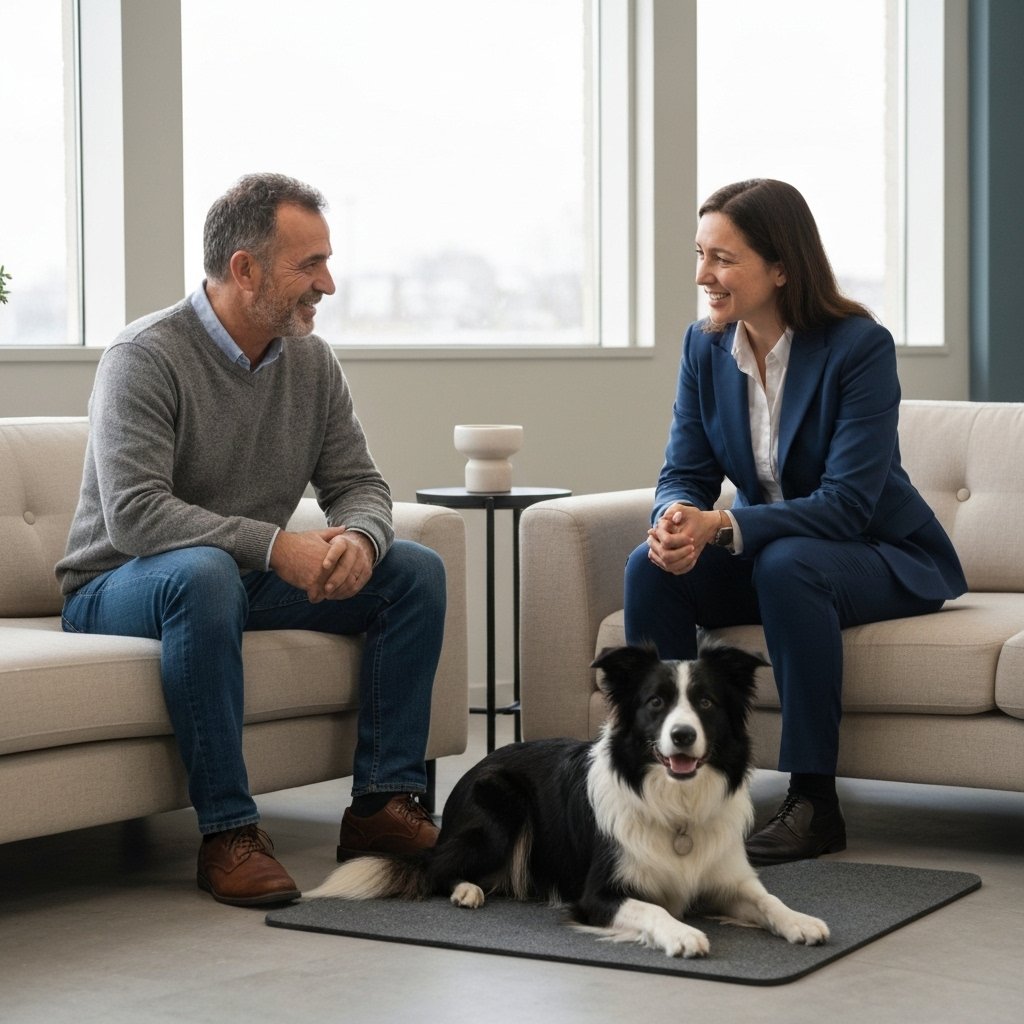
While home management strategies are often successful, there are situations where professional help is not just recommended, but essential for your dog’s well-being. Ignoring persistent or escalating fear can lead to a severely diminished quality of life for your pet. Knowing when to escalate your concern to a professional is a critical part of responsible pet ownership.
When to Schedule a Veterinary Visit
Your primary care veterinarian should always be your first point of contact, especially if the fear is a new or sudden development. A comprehensive physical and neurological exam is necessary to rule out underlying medical issues. You should make an appointment immediately if you observe any of the following:
- Sudden Onset of Fear: Any abrupt and significant change in behavior warrants a medical investigation to rule out pain, illness, or acute vision problems.
- Symptoms of Vision Loss: Bumping into furniture, hesitation on stairs, or a cloudy appearance to the eyes are red flags for ocular disease.
- Signs of Pain: Reluctance to move, yelping when touched, or changes in posture could indicate a painful condition like arthritis is the root cause.
- Disorientation in Senior Dogs: If your older dog seems lost, confused, or ‘stuck’ in corners, it’s crucial to have them evaluated for Canine Cognitive Dysfunction.
Your veterinarian can perform diagnostic tests, prescribe pain relief or anti-anxiety medications if appropriate, and provide a referral to a specialist if needed.
The Role of a Certified Animal Behaviorist
If your veterinarian has ruled out medical causes, the next step is to consult with a professional who specializes in animal behavior. A Certified Applied Animal Behaviorist (CAAB), a board-certified Veterinary Behaviorist (DACVB), or a Certified Professional Dog Trainer (CPDT-KA) with extensive experience in anxiety can develop a targeted behavior modification plan. This plan will likely involve techniques such as:
- Desensitization: Gradually re-exposing the dog to dimly lit environments in a controlled, positive way to reduce their fear response over time.
- Counter-Conditioning: Changing the dog’s emotional response to the dark from one of fear to one of pleasant anticipation by pairing it with something they love, like a special treat or a favorite game.
Important Note: Be cautious when seeking a behavior professional. The field is unregulated. Look for certified professionals with proven credentials to ensure you are receiving humane, science-based advice.
Conclusion
A dog’s fear of the dark is a complex issue that speaks to their deep reliance on security and routine. While their eyes are well-equipped for the night, their minds and bodies can still be vulnerable to anxiety triggered by medical conditions, past trauma, or the cognitive challenges of aging. By learning to recognize the signs of distress, you have already taken the most important step. Implementing thoughtful environmental changes and providing calm, consistent behavioral support can make a world of difference in restoring your dog’s confidence.
Remember, you are your dog’s greatest advocate. Never hesitate to seek the expertise of a veterinarian to rule out physical ailments, as pain or vision loss are common culprits. For persistent behavioral fears, a certified behaviorist can provide the specialized guidance needed to help your dog overcome their anxiety. With patience, observation, and a proactive approach, you can light the way for your canine companion, ensuring their nights are as peaceful and secure as their days.